

I’m thrilled to share with you an exciting collection of 20 flowers that burst forth with vibrant color almost as soon as you plant them! As a passionate gardener who’s witnessed firsthand the joy of transforming a yard into a living canvas, I understand how important it is to achieve instant impact—especially when seasonal challenges and pesky critters threaten our dreams. In this guide, I’ll walk you through each unique species, divulging tips on their native origins, growth behavior, and whether they might show invasive tendencies. This information will empower you with both practical gardening advice and a deeper understanding of your plants’ natural histories.
Each flower featured in this article comes with its own story: some hail from sun-drenched fields in North America, while others have roots in the temperate climates of Europe or the exotic landscapes of Asia. I know how frustrating it can be when pests disrupt your garden’s calm or when the wrong conditions stall that burst of color you crave. So, with a friendly tone and a wealth of personal experiences, let’s explore these dynamic species that can help bring instant, irresistible color to your yard!
Cosmos

Cosmos are a wonderful wildflower that exudes an effortless charm in any garden. Native to Mexico and other regions of Central America, these annuals are celebrated for their delicate, lacy foliage and a profusion of daisy-like blooms that appear quickly under the right conditions. Although they are not particularly invasive, cosmos can self-seed if left unchecked, offering an organic way to extend their vibrant display throughout your yard.
In my gardening journey, cosmos have always been a treat because they attract a plethora of beneficial insects such as bees and hoverflies who help pollinate neighboring plants. Their airy, graceful appearance adds movement and texture to the landscape, while also inviting a host of delightful critters that enjoy nesting in the open spaces among their stems! The rapid growth of cosmos means you can enjoy a splash of color in just a matter of weeks, making them a must-have for any color-hungry garden.
Petunia
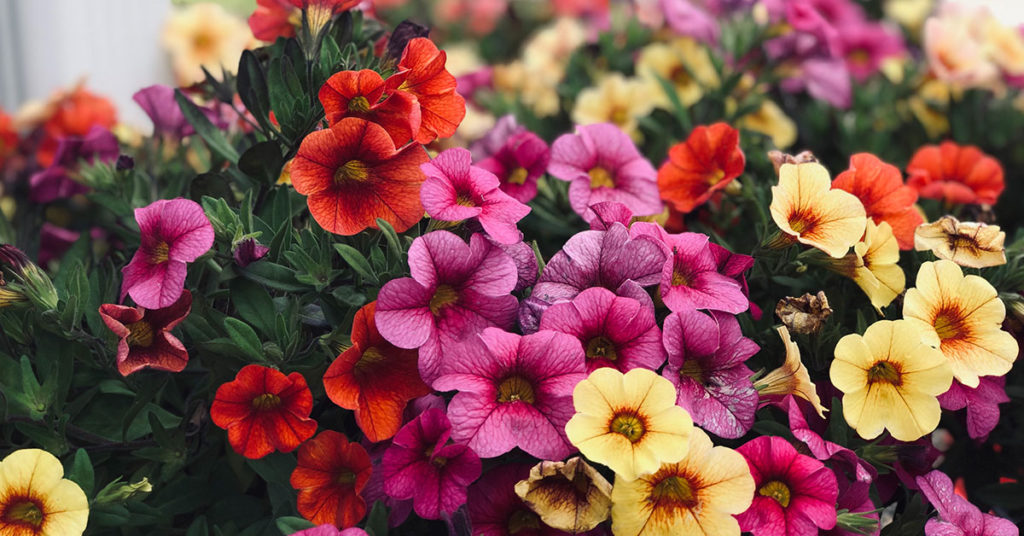
Petunias offer an abundant burst of color and are famous for their rapid growth and dramatic floral displays. Originally native to South America, these flowers have now become a staple in gardens worldwide for their resilience and ability to thrive in warm, sunny environments. Although petunias are non-invasive in their cultivated forms, it’s always a good idea to manage their growth with proper deadheading to maintain their vibrant look.
In my own yard, petunias have become the centerpiece of many garden beds, drawing in hummingbirds and butterflies with their dazzling array of hues. They thrive in pots and garden borders alike, showcasing their versatility as they transform mundane spaces into lively oases! Whether you’re seeking a natural pop of color or a charming backdrop for outdoor gatherings, petunias are a cheerful addition that never fail to impress.
Marigold
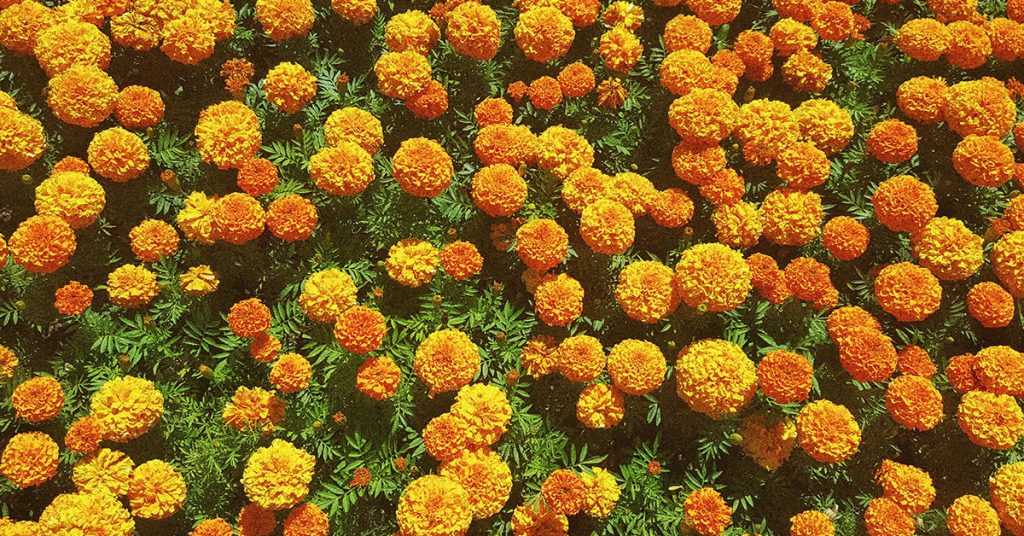
Marigolds are beloved for their robust growth and cheerful, fiery blossoms that brighten up even the dullest corners of a garden. Native to the Americas, these resilient flowers adapt quickly to a range of conditions and have been used both ornamentally and medicinally for centuries. While they are not usually considered invasive, their prolific seeding habits mean they can appear throughout your garden if allowed to self-sow!
These bright blooms not only provide instant color but also have a natural ability to repel certain pests—an advantage that many gardeners, including myself, find invaluable! Marigolds attract beneficial insects that may help combat unwanted garden pests, turning a potential headache into a naturally balanced ecosystem. Their fast growth and vivid presence make them an excellent choice for gardeners seeking instant gratification without a lengthy wait.
Nasturtium

Nasturtiums are a delight for gardeners eager for quick color and a bit of culinary fun! Indigenous to South America, these trailing or climbing annuals put on an impressive display of vibrant, peppery flowers and lush foliage that quickly sprawl across garden beds or containers. Although not classified as invasive, their vigorous self-seeding can lead to delightful but sometimes surprising clusters if not managed, which adds a touch of wild charm to your landscape.
I find nasturtiums to be fantastic not just for their beauty but for the lively atmosphere they create—they naturally attract pollinators like bees and even some butterflies who may set up temporary “homes” among their sprawling vines. Their edible leaves and flowers can add a peppery zest to salads and garnishes, making them a practical and visually appealing option for any garden! Embrace their rapid growth, and enjoy a garden that evolves with surprises at every turn.
Sunflower

Sunflowers offer an undeniable burst of energy to any yard, with their large, radiant heads that seem to capture the sun’s warmth. Native to North America, these stately annuals are prized not only for their striking beauty but also for their impressive ability to thrive in open, sunny spaces with minimal care. They are typically non-invasive, making them a safe option for gardeners who want to enjoy a dramatic floral display without worrying about overgrowth.
In my experience, sunflowers have been a magnet for a wide array of wildlife—from buzzing bees that diligently collect nectar to birds that admire the robust seeds hidden within their centers. Their towering presence makes them perfect for creating natural screens or whimsical garden backdrops, while their fast-growing nature means you won’t have to wait long for that splash of color! With a bit of support, these giants can transform a simple garden into a vibrant, dynamic landscape that truly celebrates nature’s exuberance.
Sweet Alyssum
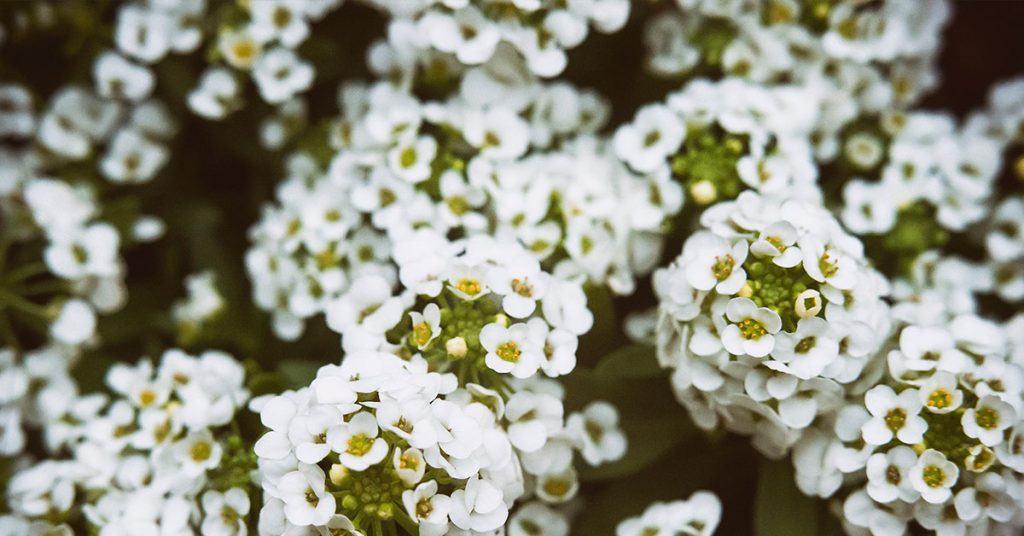
Sweet Alyssum is a charming ground cover that fills your garden with a delicate carpet of tiny, fragrant blossoms in a very short time. Native to Europe and parts of Asia, this low-growing annual is favored for its rapid bloom cycle and its pleasant aroma that attracts beneficial insects. Although sweet alyssum is not typically classified as invasive, its tendency to spread rapidly makes it ideal for quickly covering bare patches with a wash of color.
I enjoy planting sweet alyssum along garden borders where its subtle blossoms provide a soft, inviting contrast to more robust plants. This lovely species also lures small pollinators like bees and butterflies, creating micro-habitats that encourage nesting and provide food sources in the early part of the season! Its quick growth means that even if your yard needs an instant boost of color, sweet alyssum is ready to deliver with minimal fuss.
Zinnia
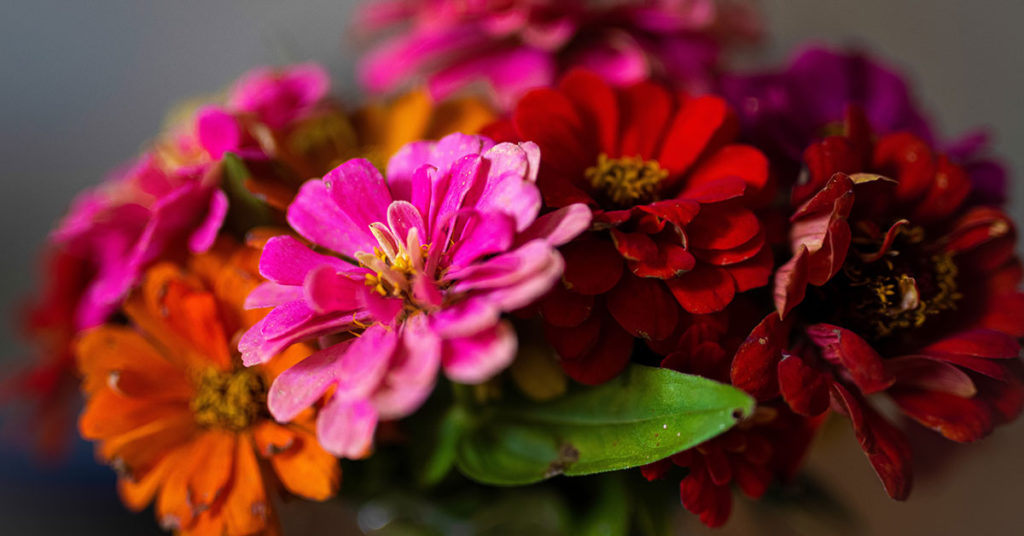
Zinnias are among my absolute favorites for adding an immediate burst of brilliant color to any yard. Native to Mexico and Central America, these annuals are renowned for their vibrant petals and a variety of shapes and sizes that suit almost every garden style. While they are generally not invasive, their readiness to self-seed means that you might find new zinnias popping up unexpectedly the following season, further enhancing the garden’s charm.
The magic of zinnias lies not only in their dazzling appearance but also in their remarkable ability to attract butterflies and other pollinators! In my garden, zinnias have become a focal point for buzzing bees that help maintain a healthy plant community, and they often create a lively, natural synergy with neighboring flora. Their energetic growth habit ensures that even after a chilly spring, your yard will be revitalized by these cheerful, quick-growing bursts of joy.
Snapdragons
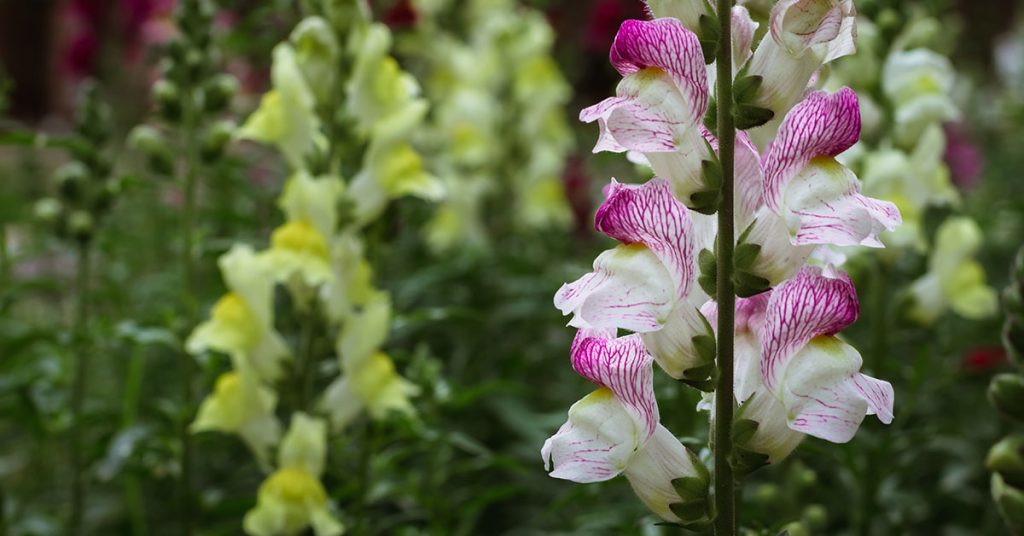
Snapdragons contribute a unique, vertical dimension to garden landscapes with their distinctive, dragon-shaped flowers that come in a variety of vibrant hues. With origins dating back to the Mediterranean region, snapdragons are not only fast-growing but also remarkably versatile, thriving in both cool and moderately warm climates. They are typically not invasive, but their prolific blooming habit can encourage beneficial insects to make occasional visits if you allow some seed dispersal.
I’ve found that snapdragons add a playful yet structured element to my garden beds, providing height and a sense of whimsy that brightens any space. Their blossoms attract an array of pollinators, including bees and hummingbirds, that turn the garden into a living mosaic of color and life! Their speedy establishment in the spring makes them an indispensable component for gardeners seeking immediate yet lasting floral excitement.
Pansy
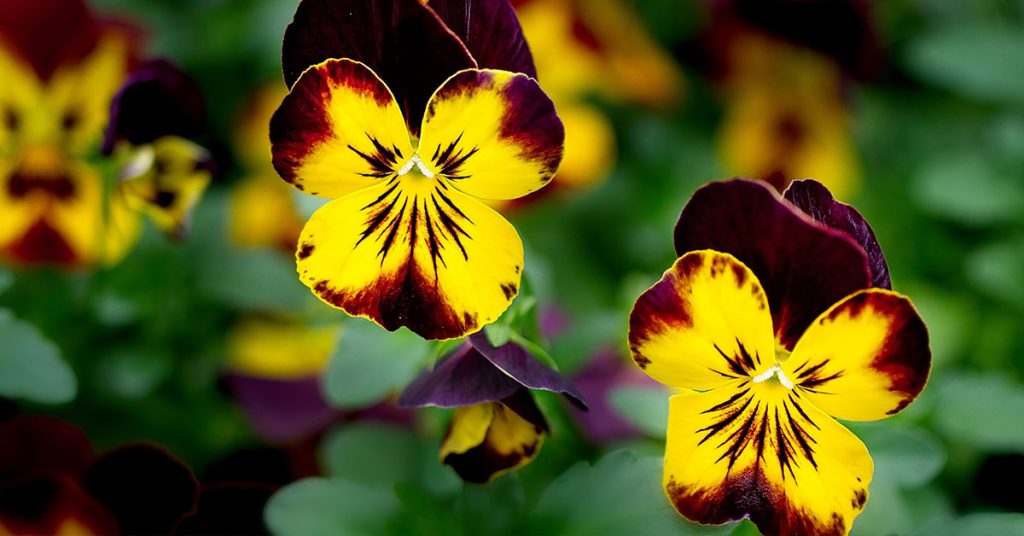
Pansies are delightful flowers known for their intricate, almost face-like blooms that exude a soft elegance and come in a stunning range of colors. These hardy annuals, native to Europe and parts of Asia, have a reputation for thriving in cool weather and are cherished for their ability to provide early-season color. Although pansies are not invasive, their graceful, low-spreading habit can create lovely, natural displays that seem to multiply with gentle care.
In my garden, pansies have always been a source of joy during cooler months, drawing in early pollinators and softening the landscape with their delicate charm. Their presence encourages a mild influx of beneficial insects, which often seek refuge under their bright petals as they prepare for the summer heat! Despite their subtle beauty, pansies are quick to establish themselves, instantly brightening up any shaded or transitional garden area with their endearing personalities.
Calendula

Calendula, often referred to as pot marigold, offers an enchanting pop of orange and yellow hues while boasting a host of health-promoting properties. Originating from Southern Europe and Mediterranean regions, these fast-growing annuals have been a gardener’s delight for centuries. They are not considered invasive, making them a safe bet for gardeners who are looking for quick color without the risk of spreading uncontrollably.
What I find truly remarkable about calendula is how they transform a dull patch of soil into a sunlit canvas of brilliance in just a few weeks! Their blossoms attract a range of beneficial insects and even small pollinators that might set up temporary nests in the areas beneath the vibrant blooms. Calendula is a versatile choice for borders, container gardens, or even as a natural remedy in your herbal kitchen—truly a multi-talented addition to any garden!
Impatiens
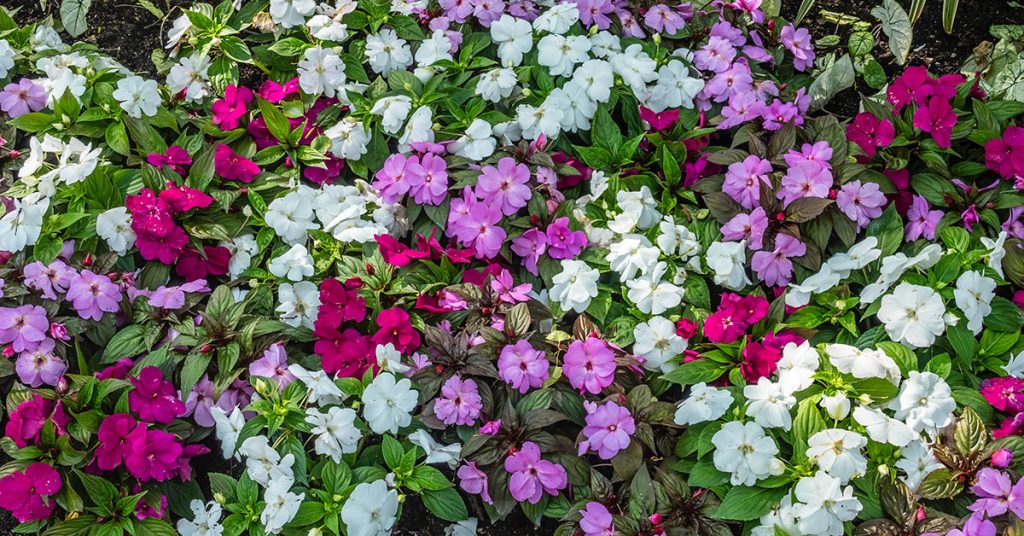
Impatiens are a go-to flower for adding lush, rapid color to shaded or partially sunlit areas of the yard, thriving where many others might struggle. Originally native to Africa and parts of Asia, these annuals quickly take over spaces with their cascading clusters of blossoms. While impatiens are adored for their ability to brighten up dim corners, it’s important to note that some varieties can behave aggressively if not properly contained—they aren’t typically labeled as invasive, but they do have a habit of forming thick ground covers.
In my experience, impatiens have proven to be a spectacular remedy for gardens that suffer from limited sunlight, attracting delicate pollinators such as butterflies and small bees. Their cheerful presence and rapid growth offer a unique solution to brighten up areas where other flowers might lag behind! Every time I see their vibrant clusters, I’m reminded that nature always has a way of surprising us, even in the shadiest spots.
Coreopsis
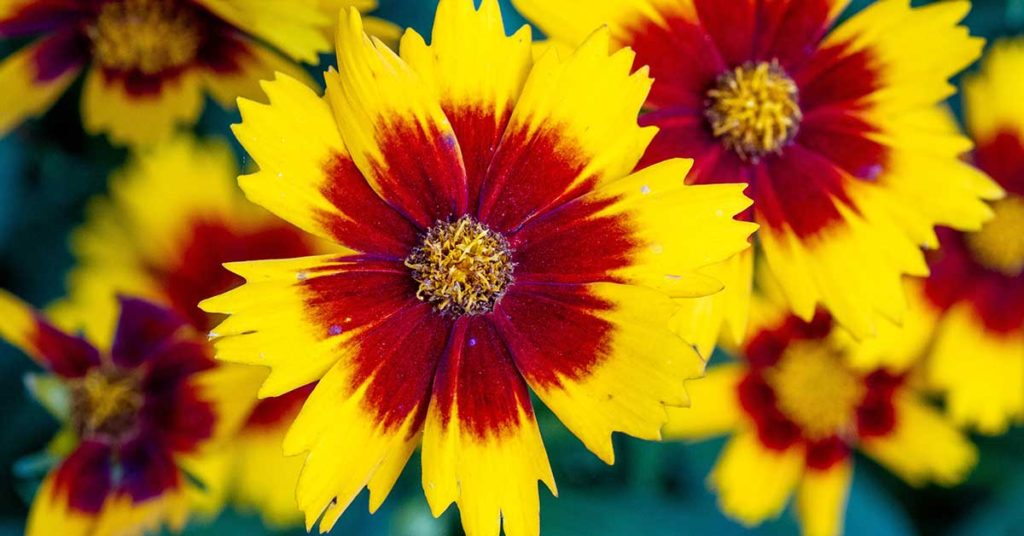
Coreopsis, commonly known as tickseed, is renowned for its effortless ability to carpet gardens with bright, daisy-like blooms almost overnight. Native to North America, these perennials are adaptable and robust, quickly establishing themselves without overtaking neighboring plants. They are not considered invasive, which makes them an ideal choice for creating instant color and continuity in a curated garden space.
I’m always excited when I plant coreopsis because their rapid bloom not only adds a burst of sunshine but also attracts a wonderful assortment of bees and butterflies. These charming flowers often create a natural playground for small insects, where they can rest and even nest among the slender stems and delicate petals! Their enduring charm is a constant reminder that even a modest planting can transform a space into a vibrant ecosystem.
Verbena
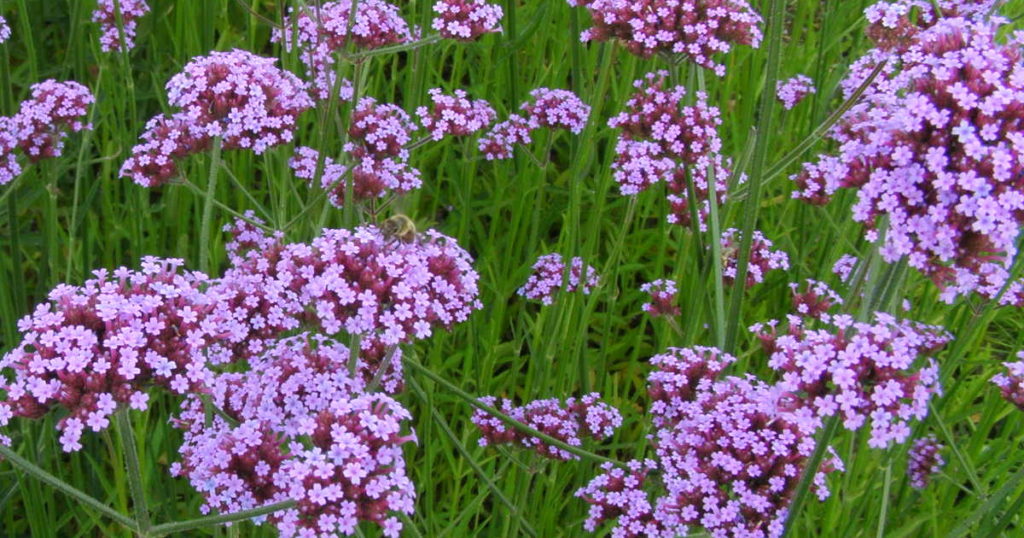
Verbena brings an exotic flair to gardens with its clusters of small, radiant blossoms that seem to dance in the breeze. With origins rooted in Central and South America, this flower is known for its rapid spread and ability to cover borders with a burst of color. Though verbenas are not inherently invasive, their vigorous growth habit means you might occasionally need to trim them back to keep everything looking neat and intentional.
In my garden, verbena has become synonymous with festivity; its lively colors and compact size make it a favorite among bees and butterflies who often set up temporary nests nearby. The way verbena sways gently in the wind is both captivating and soothing, creating a dynamic landscape that feels both wild and carefully curated! Its fast-growing nature ensures that your garden never goes for long without a fresh splash of natural beauty.
Bachelor’s Button

Bachelor’s Button, also known as cornflower, is a wildflower that provides a nostalgic charm with its bright blue petals and delicate structure. Native to Europe, this annual flower is renowned for its rapid growth and its ability to create a spontaneous burst of color in even the most modest of garden plots. Although bachelor’s buttons are not invasive, their persistent self-seeding can lend a pleasantly spontaneous feel to your outdoor space if allowed to grow freely.
Every time I plant bachelor’s buttons, I’m excited to see how quickly they transform a corner of my yard into a charming, blue-hued haven! Not only do these flowers attract a variety of pollinators, but they also provide small creatures with safe spaces to nest and rest, bolstering the garden’s ecological balance. Their joyful presence reminds me of simpler times in nature, where each bloom contributes a brushstroke to an ever-evolving natural masterpiece.
Butterfly Weed
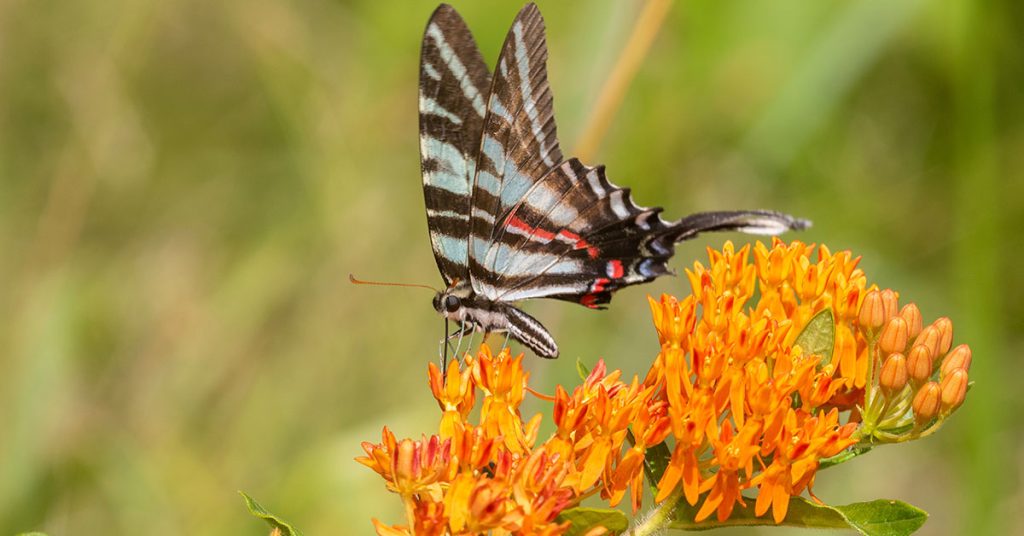
Butterfly Weed is a star in any garden that aims to create an immediate buzz of life and color. Native to the prairies of North America, this perennial is known for its striking orange blossoms and exceptional ability to quickly establish itself. Though it is not considered invasive, its vigorous spreading habit requires a little monitoring to ensure it doesn’t encroach too far upon its neighbors—a small price to pay for such instant visual impact!
I often marvel at the way butterfly weed transforms an ordinary patch of soil into a veritable magnet for pollinators, drawing in a myriad of butterflies and bees that seem to treat it as a temporary nesting site. Its rapid growth and cheerful disposition make it an indispensable part of my garden, where every bloom contributes to a vibrant tableau of life and color! With butterfly weed, you not only celebrate beauty, but also create an inviting retreat for nature’s tiny architects.
Dianthus
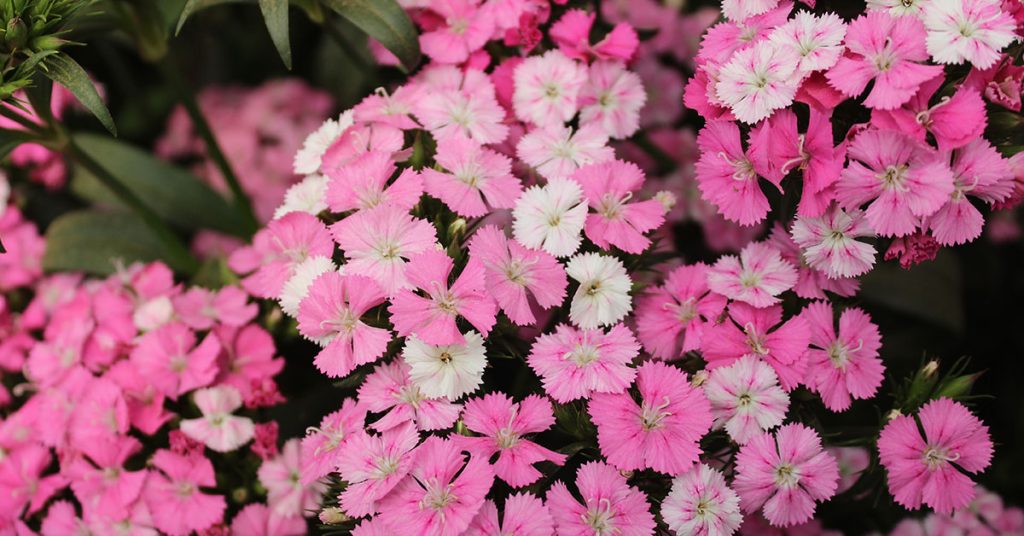
Dianthus, often referred to as “pinks” or carnations in ornamental forms, is a perennial favorite for gardeners who crave fast, delicate beauty. With its origins in Europe and the Mediterranean regions, this flower exhibits both a storied heritage and a swift growth rate that ensures your garden is soon adorned with a gentle cascade of petals. While not classified as invasive, some varieties of dianthus can self-sow if left to their own devices, adding a naturally evolving element to your garden scenery.
In my own garden, dianthus has consistently proven to be a delightful companion to more robust blooms, providing a counterpoint with its subtle fragrance and refined appearance. It attracts a variety of small pollinators, such as tiny bees and butterflies that often use the dense clusters of flowers as a nesting ground! Their rapid, dependable growth means that even on shorter growing seasons, you can enjoy a touch of elegance and color that brightens your outdoor space with every bloom.
Lantana

Lantana is a truly energetic flower that brings a tropical vibe to any garden with its vivacious clusters of multi-colored blossoms. Native to the tropical regions of the Americas, this shrub-like annual or perennial is admired for its ability to produce abundant blooms in record time. Although some forms of lantana have earned an invasive reputation in warmer climates, careful management in a garden setting can prevent runaway growth while still delivering instant, eye-catching color.
I’ve found lantana to be a real treat in my garden because it not only offers a burst of color but also creates an inviting ecosystem for various pollinators. Bees, butterflies, and even small birds frequent lantana clusters, often using the branches as impromptu nesting sites during the warmer months! Its vibrant and rapid blooming nature truly transforms a garden into a lively, tropical oasis that is as practical as it is stunning.
Gerbera Daisy
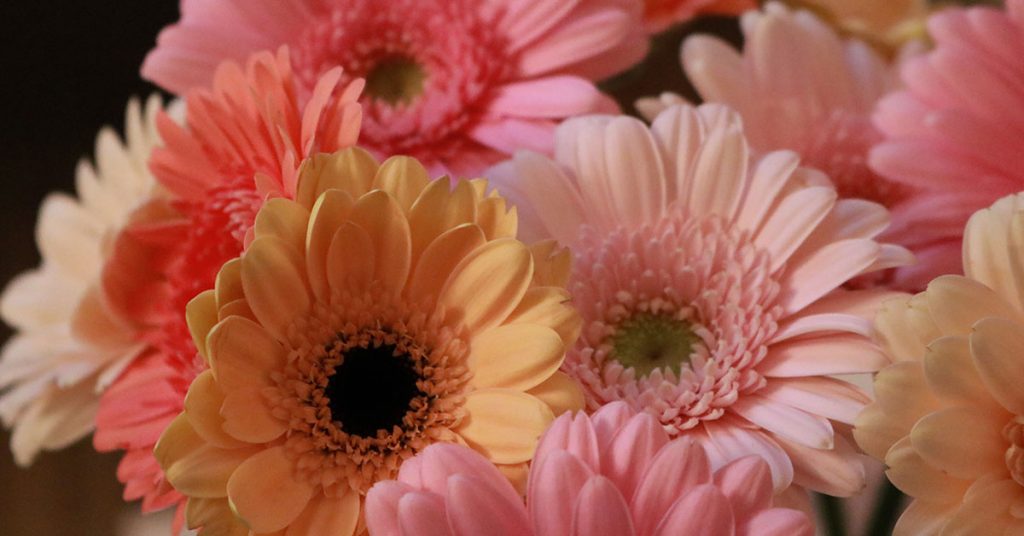
Gerbera daisies infuse gardens with an exuberant display of color through their large, cheerful blooms. Originating from the tropical regions of South Africa, these perennials are prized for their fast growth and striking appearance. Although they are generally well-behaved in garden settings and not considered invasive, their dramatic growth habit means they can become quite the focal point when given ample space and proper care.
In my gardening escapades, gerbera daisies have always lit up the scene—drawing in not only admiring glances from fellow gardeners but also attracting bees and small insects who find refuge among their broad petals. Their larger-than-life blossoms create an almost festive atmosphere, perfect for brightening up patios and garden corners! The ease with which they establish themselves makes them a superb option for anyone desiring an immediate pop of color and an invitation to nature’s tiny visitors.
Gazania
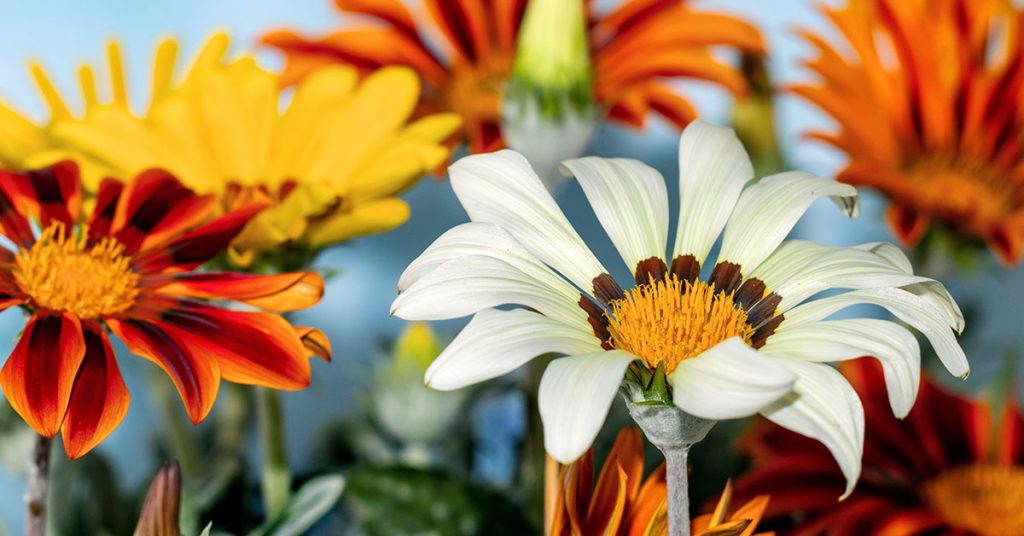
Gazania, often known as treasure flower, is a low-maintenance plant celebrated for its ability to brighten up gardens with its rapidly unfurling, daisy-like petals. Native to South Africa, these hardy perennials perform marvelously in full sun and well-drained soil, offering a quick solution for adding dramatic color to your landscape. Though they are not regarded as invasive, gazanias can spread extensively in conducive climates, adding a wild, natural element to your garden design.
I’m continually amazed by how gazanias transform simple garden plots into vibrant, sun-soaked displays of life and color. They naturally attract pollinators such as bees and butterflies, who sometimes find safe nesting spots near the robust clumps of leaves. Their rapid germination and blooming bring a delightful spontaneity to the garden, ensuring that every day feels like a celebration of nature’s generous bounty!
Gaillardia
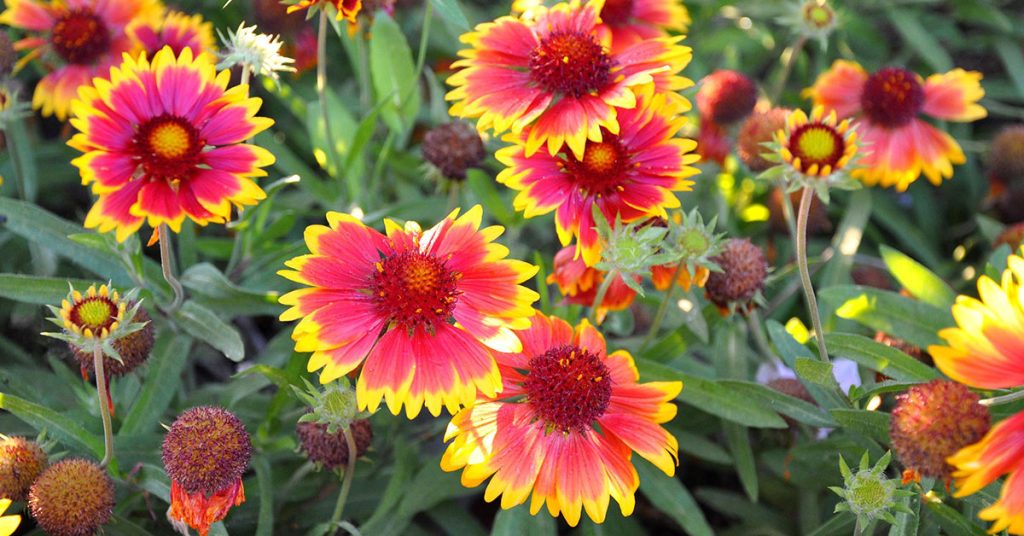
Gaillardia, commonly known as blanket flower, is a striking addition to any garden with its brilliant, warm hues and speedy growth. Native to North America, this perennial is cherished for its resilience and ability to deliver an immediate impact of fiery red and yellow blooms. Gaillardia is typically non-invasive, making it a safe and dependable choice for gardens that need a quick burst of color without overwhelming the other plantings.
In my own garden, blanket flowers have always brought an infectious energy that immediately lifts the spirits of anyone passing by. Their open, daisy-like structure not only offers a welcoming splash of color but also plays host to beneficial insects such as bees and butterflies who eagerly set up temporary nests nearby! With its swift establishment and hearty nature, gaillardia is one of those rare gems that combine aesthetic joy with practical garden benefits, promising an instant, radiant transformation for your yard.