
Gardening for a bountiful pepper harvest is both an art and a science, and nothing is more rewarding than witnessing your peppers ripen in rich, vibrant colors right before your eyes! I know how frustrating it can be when pests invade your garden or when unpredictable weather keeps your plants from reaching their full potential. After years of trial and error—and plenty of happy harvests—I’m excited to share eight tried-and-true gardening tips that will help you achieve an abundant pepper yield this year, even if you’re starting from scratch in a challenging climate.
Over time, I’ve learned that creating the perfect environment for pepper plants involves selecting the right varieties, optimizing indoor-start techniques, and ensuring that every aspect of their care—from sunlight to soil health—is addressed with precision. Whether your peppers are native to the warm regions of Central and South America or have been refined through careful breeding to suit temperate zones, these tips focus on attracting beneficial insects, promoting healthy growth behaviors, and even encouraging natural pest control. Let’s dig in and explore these essential strategies that promise to bring a huge pepper harvest to your garden!
1. Choose The Right Pepper Varieties
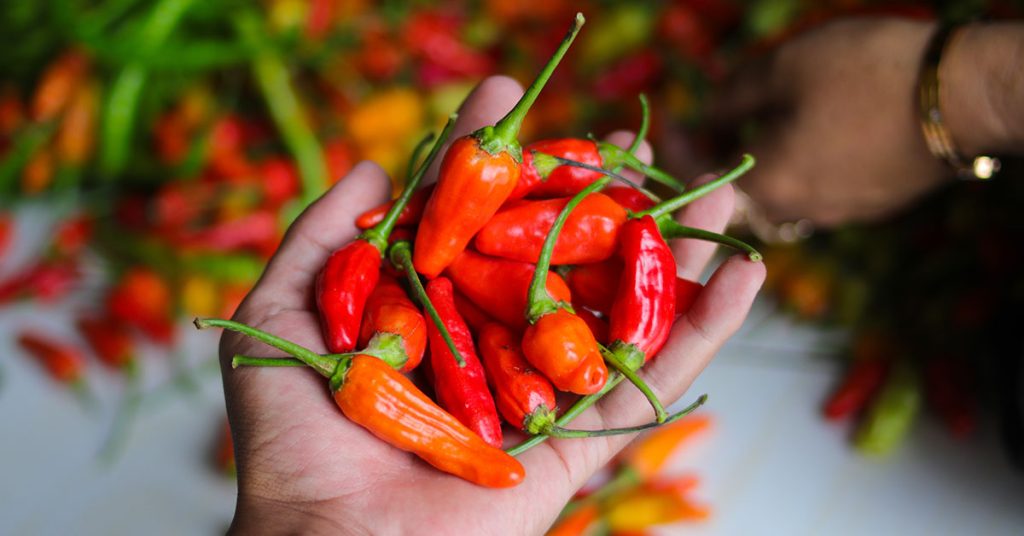
Selecting the correct pepper variety is the foundation of a successful harvest. Many of the best peppers originate from Central and South America, where they evolved in warm climates, but modern cultivars have been bred to perform admirably even in less-than-ideal weather. Opt for cultivars known for their resilience, such as early maturing or disease-resistant types, and ensure they are non-invasive and well-suited to your region’s conditions. Experimenting with hybrid varieties can also offer the advantage of enhanced flavor and yield without the added worry of uncontrolled growth!
In my own garden, choosing the right pepper variety made all the difference. I’ve seen how a well-chosen cultivar not only adapts to local conditions but also attracts a healthy array of pollinators. Bees, for instance, are frequently drawn to the delicate, nectar-rich flowers that precede fruit set, which in turn creates a little bustling micro-ecosystem right in my garden. This careful selection process helps ensure that every pepper plant has the best chance to thrive and produce a robust, colorful bounty!
2. Start Seeds Indoors Early
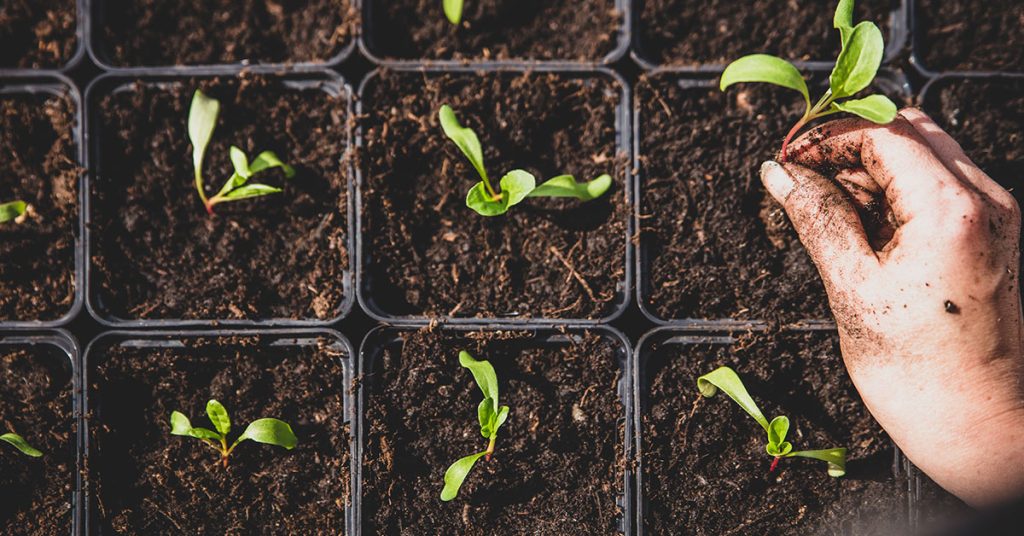
Getting an early start by sowing pepper seeds indoors allows you to extend the growing season and gives your plants a head start before transplanting them into the garden. Peppers, which are native to warm regions, often need the additional warmth and controlled environment of an indoor setting to germinate successfully. Use quality seed-starting mix and maintain consistent moisture and light levels to mimic their ideal growing conditions. This preparatory step is crucial, especially for regions where late frosts can damage tender seedlings once transplanted.
In my experience, starting seeds indoors has been a game changer. Not only does it boost the overall vigor of the plants, but it also helps in attracting beneficial insects later on, as robust, early blooms serve as a beacon for bees. I’ve seen how a little extra care in the indoor germination phase translates to healthier, more resilient pepper plants that adapt quickly when moved outdoors. With a strong start, your peppers are more likely to develop deep root systems and flourish into vigorous, fruit-bearing plants!
3. Provide Ample Sunlight and Warmth

Peppers thrive in abundant sunlight, ideally receiving at least 8 to 10 hours of direct light daily. Since they are originally from warm, sunny climates in Central and South America, they rely heavily on bright conditions to maximize photosynthesis and encourage robust fruit production. Ensure that your garden or containers are positioned in sun-drenched spots, and consider supplementing natural light with grow lights if you’re in a particularly overcast region. Consistent warmth is key to their success!
In my own garden, I’ve experienced firsthand how crucial sunlight is for stimulating healthy growth and vibrant pepper production. The extra warmth not only speeds up the growth cycle but also helps attract local pollinators such as bees, which are essential for aiding the fruit set. I’ve seen how the interplay of intense sunlight and well-timed warmth transforms a line of pepper plants into a flourishing, fruitful vine—a living testament to the power of natural light and careful garden planning!
4. Optimize Watering Practices
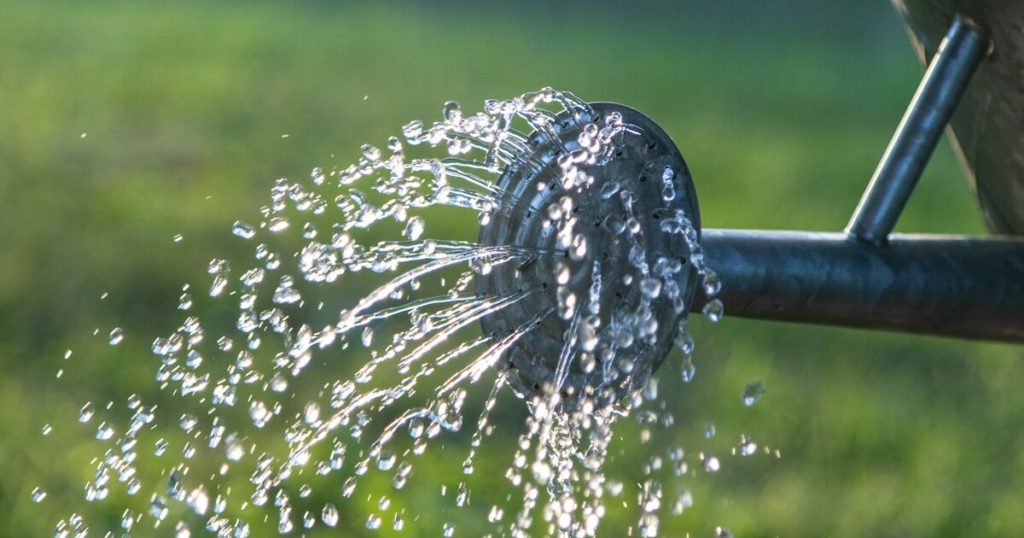
Proper watering is pivotal in achieving a huge pepper harvest, as too much or too little moisture can significantly stress the plants. Peppers love consistently moist, well-drained soil—conditions that mimic their native tropical and subtropical habitats—but they are also prone to root rot if overwatered. Use drip irrigation or soaker hoses to provide steady, even moisture without drowning the roots, and employ mulching to help retain soil moisture, especially during hot afternoons.
I’ve learned that optimizing watering practices makes a dramatic difference in the health and yield of my pepper plants. Not only does it ensure that the plants remain sturdy and productive, but it also creates the perfect microhabitat for beneficial insects that thrive in stable, moist conditions. I often observe small bees and even ground-dwelling creatures enjoying the cool, damp soil around my peppers, which in turn contributes to overall plant vitality. Consistent, mindful watering is a simple yet powerful tip that transforms every aspect of pepper growth!
5. Fertilize Smartly
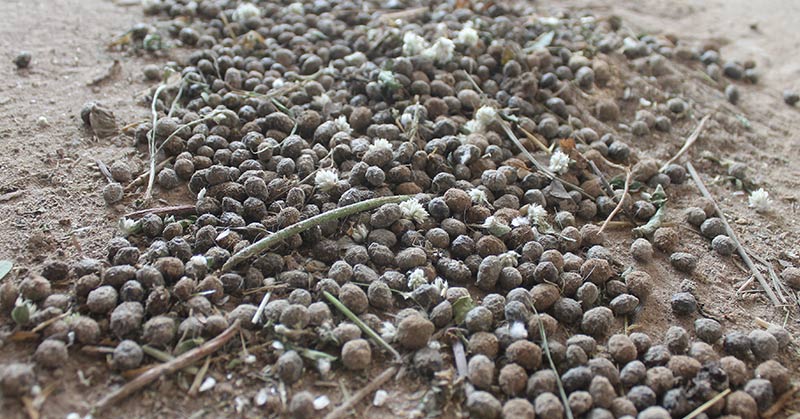
Feeding your pepper plants with the right nutrients at the right time can lead to a significant boost in fruit production. Start with a balanced fertilizer during the early growth phase to promote healthy foliage, then switch to a high-phosphorus formula once flowering begins to encourage robust fruit set. Native peppers originally grew in nutrient-rich soils, so emulating that environment through careful fertilizer management is essential. Avoid over-fertilizing, as too much nitrogen can lead to lush foliage at the expense of fruit.
In my own gardening practice, smart fertilization has been a cornerstone of success. I’ve experienced that when pepper plants are provided with a well-balanced nutrient regimen, they become more attractive to pollinators—small bees and butterflies are often seen buzzing around the thriving blossoms. Additionally, effective fertilization helps create a thriving soil ecosystem where beneficial microbes and insects contribute to the plants’ overall resilience. This balanced approach not only maximizes yield but also supports a sustainable, healthy garden environment that feels like a natural extension of the earth!
6. Prune and Support Your Plants
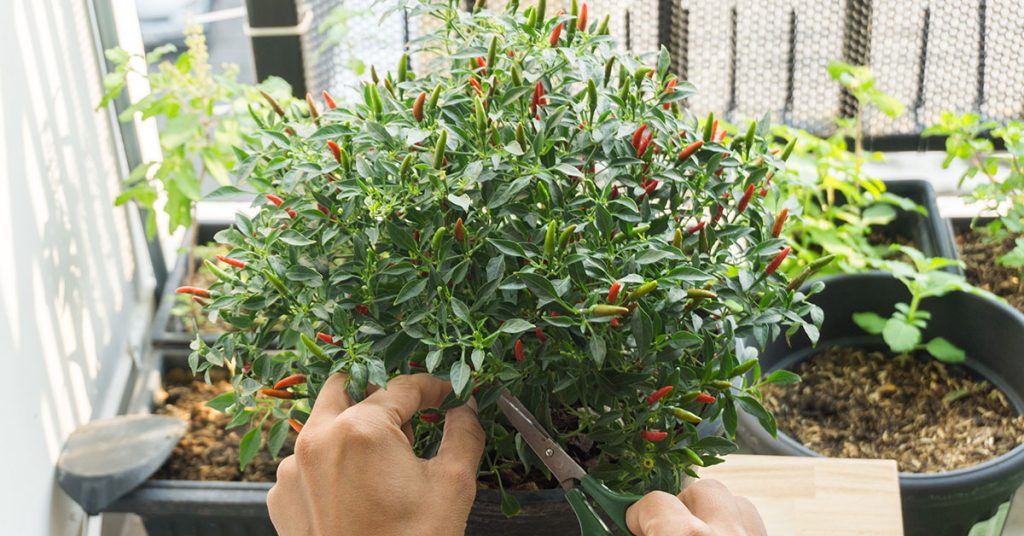
Pruning pepper plants and providing appropriate support, such as stakes or cages, can help ensure optimal air circulation and reduce the risk of disease. By removing excess foliage and redirecting energy towards fruit production, you create a more efficient environment for your plants to thrive. Many pepper plants, native to regions with intense competition for sunlight, naturally benefit from a leaner, more structured growth habit, which is easily facilitated by careful pruning.
In my garden, I always make time to prune and support my pepper plants—doing so not only enhances their appearance and airflow but also attracts beneficial insects. I’ve noticed that a well-pruned plant with open, well-ventilated branches is more likely to encourage bee visits, as the flowers are easier to access. The extra space provided by pruning also offers miniature nooks where tiny beneficial critters might nest briefly. This proactive care makes a noticeable difference in both yield and overall plant health, ensuring that your peppers deliver a hearty harvest every season!
7. Control Pests Naturally
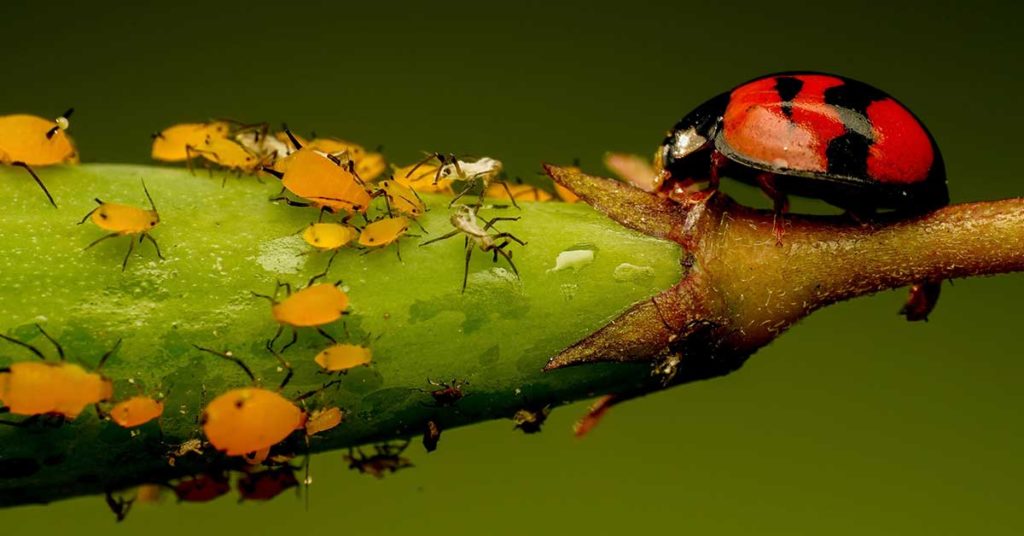
Pests can be a huge bummer for any gardener, especially when they target your prized pepper plants. Instead of resorting to harsh chemicals, adopting natural pest control methods helps maintain the balance of your garden’s ecosystem. Introduce beneficial insects like ladybugs, lacewings, and parasitic wasps, which are known to reduce pest populations without harming the plants. Native to many warm regions, these predators naturally thrive alongside peppers and can often be encouraged by planting companion species that attract them.
I’ve learned that using organic pest control not only protects my pepper plants but also fosters a rich, biodiverse environment. In my own garden, I’ve observed that when I limit chemical interventions, the natural predators flourish, and the plant’s blossoms attract a swarm of beneficial insects that keep unwanted pests at bay. The presence of these tiny guardians, buzzing and fluttering around, not only brings balance to the ecosystem but also leaves me with a deep sense of satisfaction. Natural pest control truly makes your garden feel alive and resilient—qualities that are essential for a huge pepper harvest!
8. Rotate Crops and Maintain Soil Health

Crop rotation is a time-tested strategy to maintain soil fertility and reduce disease buildup, ensuring that your pepper plants have the best possible start each season. By alternating peppers with other vegetables and cover crops in your garden beds, you prevent the soil from becoming depleted of key nutrients. Native pepper plants originally grew in diverse, dynamic soil ecosystems, so mimicking that diversity indoors or in small yards is essential. This method also minimizes the risk of soil-borne diseases that can lead to poor fruit production.
In my own gardening routine, crop rotation has been a transformative practice—it not only sustains rich, fertile soil but also attracts beneficial organisms such as earthworms and mycorrhizal fungi, which contribute to a balanced, thriving micro-ecosystem. I’ve witnessed how a rotating garden welcomes more pollinators and even small birds that use the fallow areas as temporary nesting spots. Consistently refreshing the soil’s nutrient profile through crop rotation ensures that every season starts with a promise of healthy, vigorous pepper plants ready to deliver a bountiful harvest!