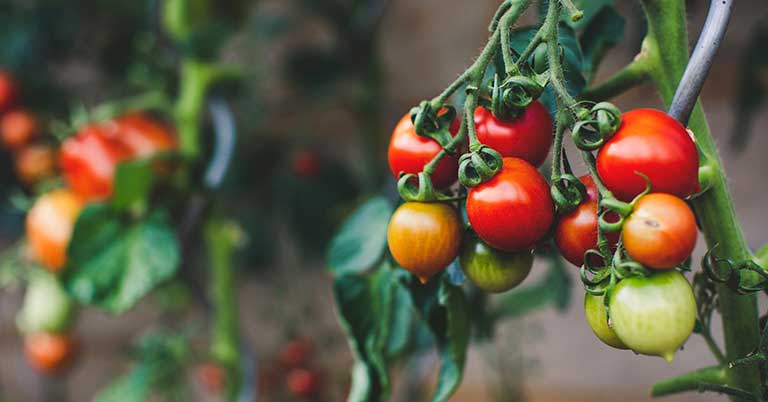

Transforming a small outdoor space into a lush, edible oasis is one of the most gratifying aspects of gardening, especially when you discover vegetables that naturally climb and thrive on a trellis. As someone who’s struggled with cramped yards and limited growing space, I completely understand the bummer of watching your favorite veggies sprawl all over the place, only to be cut short by spatial constraints. That’s why I’m excited to share 10 vegetables that flourish on vertical supports—each one bringing its unique charm, rich flavor, and a touch of nature’s elegance to your garden!
Over the years, I’ve found that vertical gardening not only maximizes space but also creates a dynamic, living tapestry that attracts beneficial insects and sometimes even offers tiny nesting spots for small critters. From vibrant, hanging fruits to delicate, fast-growing greens, the vegetables in this list are non-invasive, often hail from diverse native regions, and are perfectly suited for trellis training. Whether you’re a seasoned urban gardener or a beginner looking to explore space-saving techniques, these plants promise abundant harvests and a breathtaking display of natural beauty. Let’s dive into these botanical gems that are sure to transform your garden vertically!
Cherry Tomatoes
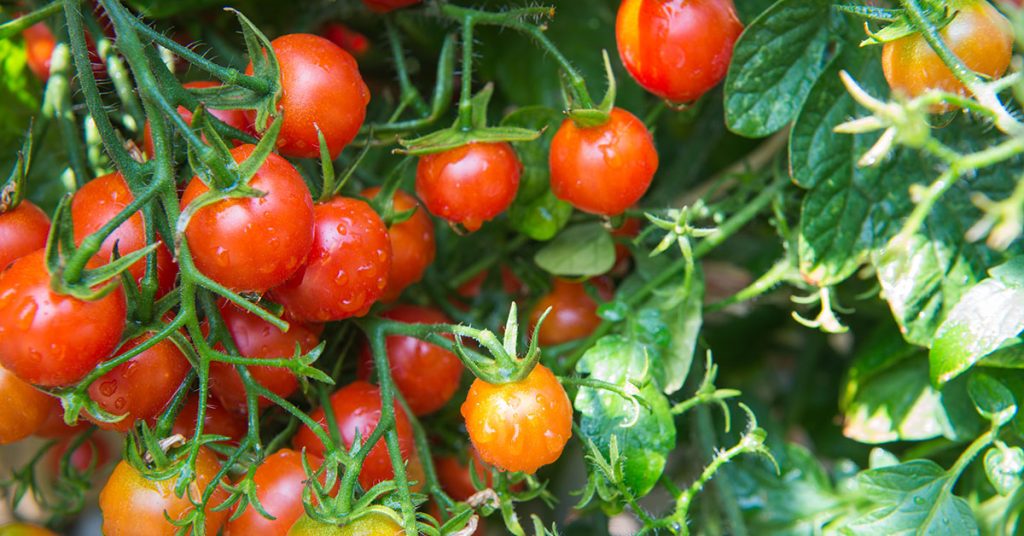
Cherry Tomatoes are a quintessential choice for vertical gardens, renowned for their sweet, juicy fruits and vining habit that climbs gracefully over trellises. Native to the Andean regions of South America, these tomatoes have been widely cultivated into compact, non-invasive varieties, which makes them perfect for container gardens and balcony planters. With plenty of sunlight and consistent care, they flourish on vertical supports, providing a steady harvest throughout the growing season.
In my own garden, Cherry Tomatoes light up narrow spaces with vibrant red clusters that attract a delightful array of pollinators, including bees that buzz around their dainty blossoms. I’ve even noticed small butterflies occasionally landing on their leafy vines, adding a touch of fluttering beauty to the setup. Their prolific fruiting and minimal ground footprint make them an ideal candidate for anyone seeking to maximize space without compromising on taste!
Malabar Spinach

Malabar Spinach is a tropical vine that thrives on trellises with its glossy, succulent leaves, offering an alternative green that’s both nutritious and visually striking. Native to South Asia, this plant isn’t a true spinach at all but works wonders as a heat-tolerant, climbing vegetable. It’s non-invasive in container settings and especially suited for vertical gardening since its sprawling habit can be tamed with proper support.
In my experience, Malabar Spinach turns even a cramped balcony into a lush, living mural—its bright, succulent leaves catching the light and attracting small beneficial insects like bees and tiny flies. These little visitors often flit among the leaves, ensuring that every tendril is part of a vibrant microecosystem. Its robust flavor and ease of care make it a delightful and unexpected addition to any vertical garden!
Sugar Snap Peas

Sugar Snap Peas are a charming and fast-growing vegetable that thrives when given a vertical structure to climb. Native to parts of Asia, these peas appreciate cooler conditions and flourish in full sun with steady moisture, making them non-invasive and perfect for container gardens with trellises. Their crisp, sweet pods are a delight to harvest, and their climbing habit not only maximizes space but also creates an attractive green curtain.
In my personal setup, Sugar Snap Peas bring a touch of whimsical elegance—their slender vines twirl up supports, drawing in bees and tiny butterflies that visit the small, delicate flowers along the way. It’s amazing how such a space-saving plant can generate both a plentiful harvest and a natural habitat for beneficial insects. Their rapid growth and irresistible flavor make them an essential crop for vertical gardeners who want a dash of sweetness in every bite!
Yard-Long Beans
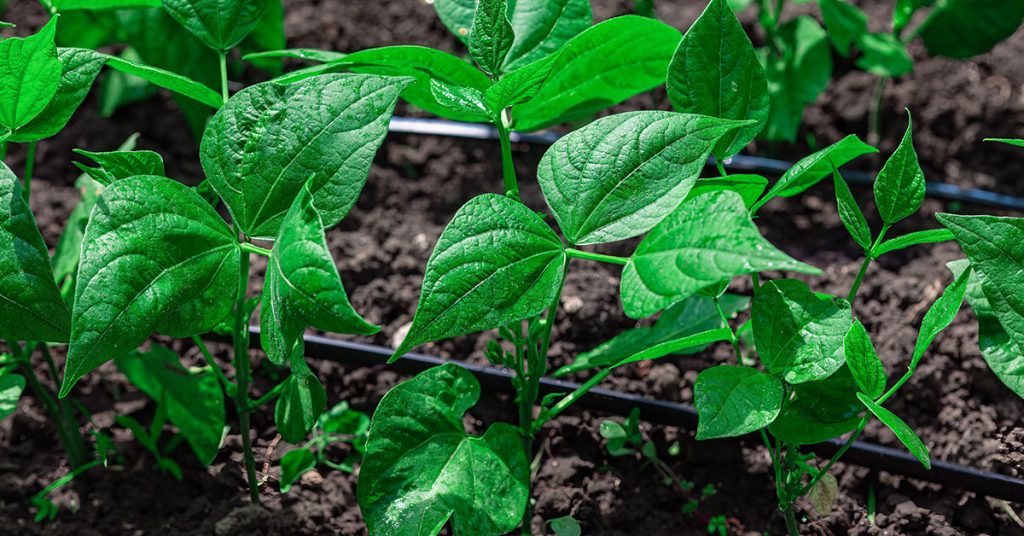
Yard-Long Beans, also known as Chinese Long Beans, are a vigorous, climbing vegetable that thrives in vertical gardens where space is at a premium. Native to tropical and subtropical regions of Asia, these non-invasive beans flourish in full sun with ample moisture. Their long, slender pods, often laden with a crisp texture and a delightfully sweet flavor, can be easily trained up a sturdy trellis or wire support, maximizing every inch of your growing space.
In my own vertical garden, Yard-Long Beans create a dramatic, flowing cascade that attracts a bevy of pollinators, from busy bees to small butterflies that explore their tiny blossoms. I’ve watched in delight as these vigorous vines form a natural green tapestry along the support, occasionally offering refuge to small beneficial insects and even serving as a perch for tiny birds. Their fast, abundant yield and striking growth habit make Yard-Long Beans a stellar addition to any space-conscious garden!
Luffa

Luffa, also known as sponge gourd when matured, is an intriguing climbing vegetable that grows beautifully on a trellis. Native to tropical regions of Asia, Luffa thrives in warm, sunny environments and is non-invasive when grown in containers or vertical garden setups. While it’s typically cultivated for its fibrous interior that becomes a natural sponge when dried, young Luffa fruits are also edible and tender, offering a unique culinary delight that evolves with the season.
In my own vertical garden, Luffa vines weave elegantly around trellises, their long, sprawling tendrils attracting a host of beneficial insects like bees and butterflies. I love how its robust growth not only provides a visual spectacle but also encourages a buzzing, lively atmosphere where even small birds might be seen perching for a brief rest. Whether you use it for its culinary charm or its unique texture, Luffa’s ability to transform a narrow space into a lush, vertical display is nothing short of impressive!
Pole Beans
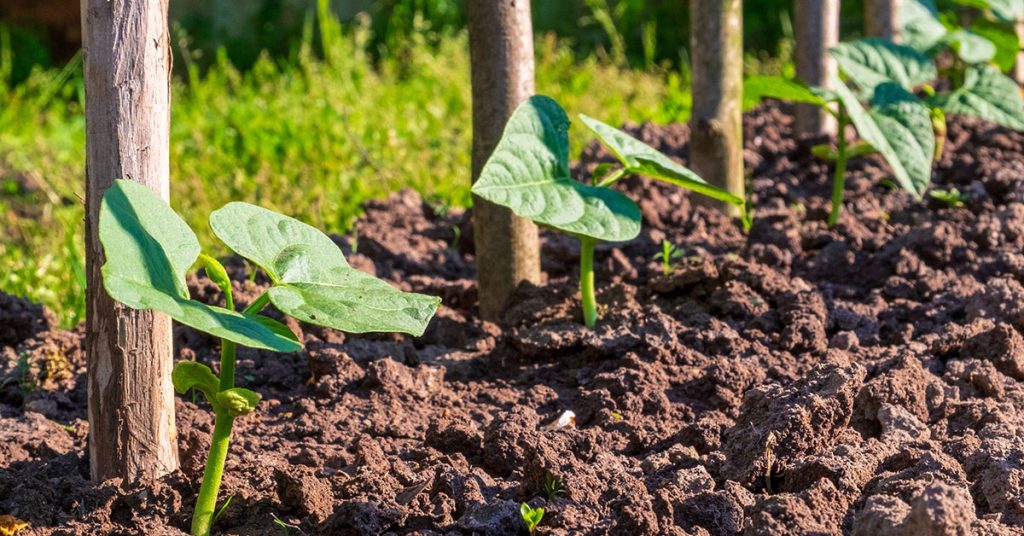
Pole Beans are a true gem for vertical gardening, cherished for their vigorous, climbing vines and prolific production of tender, flavorful beans. Native to the tropical regions of Central and South America, these beans are non-invasive when properly trained on a trellis, ensuring that they do not overwhelm the limited space of your balcony or vertical planter. Their upright growth habit makes them ideal for maximizing every inch of space while still delivering a bountiful harvest throughout the season.
In my own setup, Pole Beans create a natural, cascading display as their vines twirl elegantly around support structures, attracting a busy array of pollinators including bees and even small butterflies that flutter among the blossoms. I find that their ability to create an interwoven green tapestry not only boosts productivity but also enhances the overall aesthetic of my vertical garden. With their delectable flavor and efficient growth, Pole Beans are indispensable for any gardener determined to optimize space and taste!
Cucumbers
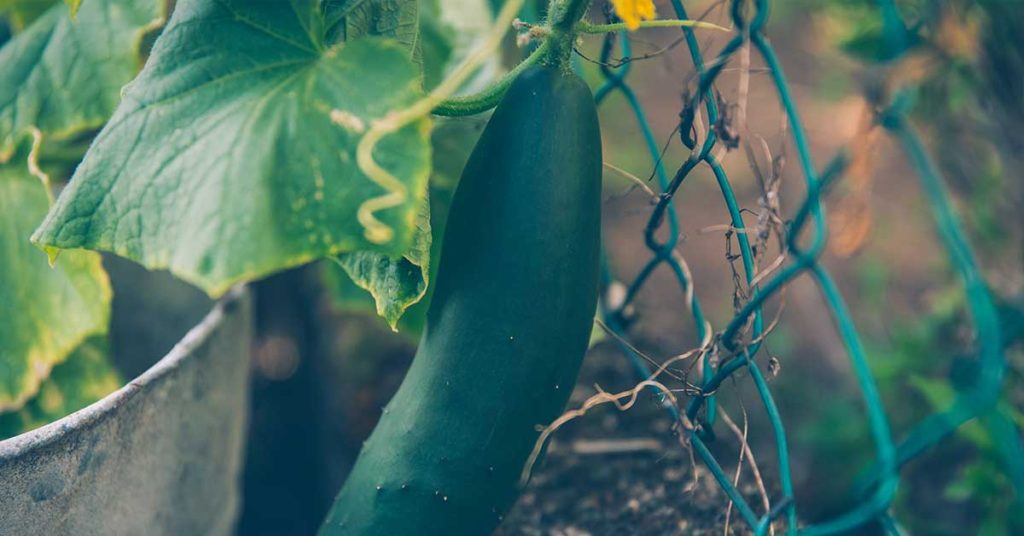
Cucumbers are a refreshing vegetable that surprisingly adapt well to vertical gardening, thanks to their naturally vining growth habit that loves to climb and sprawl. Native to South Asia, Cucumis sativus thrives in warm, sunny conditions when provided with a sturdy trellis or support to guide its tendrils upward. Their non-invasive nature ensures that they remain confined to your designated space, producing crisp, hydrating fruits that are perfect for salads, pickling, or fresh snacking.
In my personal garden, Cucumbers create a lush, green cascade that immediately brightens up any vertical display. Their delicate, yellow blossoms attract buzzing bees and fluttering butterflies, which play a crucial role in pollination while adding a lively buzz to the environment. The interplay between the climbing vines, the structure of the trellis, and the abundant harvest exemplifies the magic of vertical gardening—delivering both functionality and a burst of natural beauty that’s hard to resist!
Bitter Melon

Bitter Melon is a fascinating, vining vegetable that thrives in vertical gardens, offering a unique, medicinally valuable fruit that many gardeners adore. Native to Asia, particularly in tropical and subtropical regions, Bitter Melon is non-invasive when grown in a controlled container environment with proper trellising. Its erratic vine growth makes it ideal for vertical cultivation, ensuring that it has enough room to stretch upward while the fruit develops along its length.
In my own garden, Bitter Melon showcases a dramatic display, its winding vines producing oddly shaped fruits that are both nutritious and full of character. The small, tubular flowers attract an array of beneficial pollinators, including bees and butterflies, which help maintain the vine’s vitality. I find the natural twist and rugged charm of Bitter Melon to be an inspiring addition, especially when its unique fruits become a conversation piece and a natural remedy that ties culinary adventure with traditional wisdom!
Bottle Gourd

Bottle Gourd is a versatile vegetable that climbs effortlessly up a trellis, producing large, ornamental fruits that can be used for culinary purposes or even as natural containers when dried. Native to Africa and Asia, this non-invasive vine flourishes in warm, sunny conditions with plenty of support—making it an ideal choice for gardeners with limited space who want to experiment with edible art. Its impressive, elongated fruits add a sculptural element to any vertical garden, transforming functionality into a work of natural art.
In my vertical garden, Bottle Gourd is truly a conversation starter! Its sprawling vines attract bees and small butterflies with their charming yellow blossoms, and I’ve noticed that the dense foliage sometimes offers a cozy nesting spot for tiny beneficial insects. The dramatic interplay between the ornamental gourds and the supporting trellis creates a dynamic visual impact that exemplifies the ingenuity of vertical gardening. Bottle Gourd’s blend of culinary potential and ornamental beauty is sure to captivate both the eye and the palate!
Cantaloupe
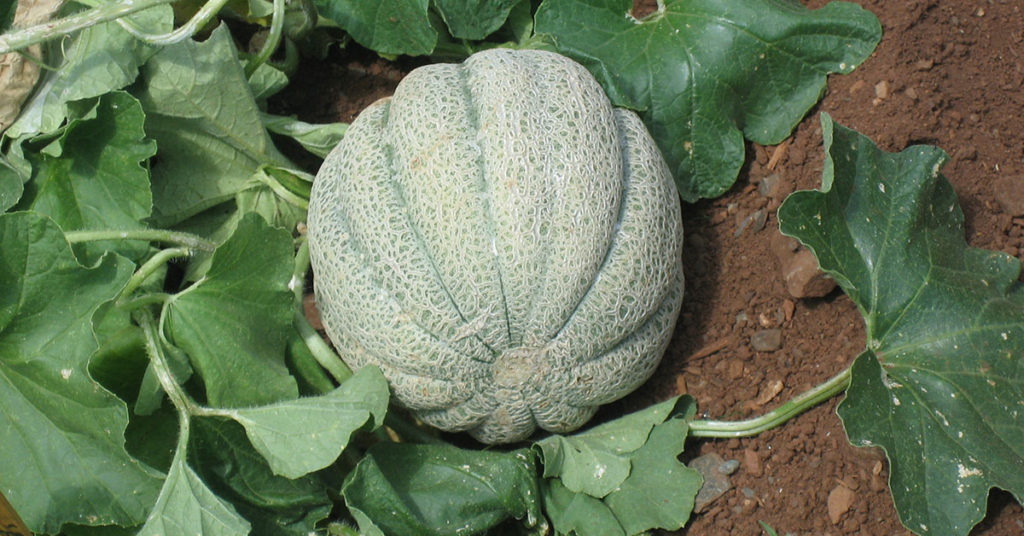
Cantaloupe is a delightful, vining melon that can flourish on a trellis when grown in dwarf varieties, offering sweet, succulent fruit in a compact space. Native to regions in Africa and Southwest Asia, cantaloupes have been cultivated for centuries and are particularly suited for vertical gardens when provided with adequate support. Their non-invasive nature ensures that they remain manageable in containers, making them an excellent option for urban settings where space is limited.
In my own vertical garden, Canteloupe vines create a striking display as they wind upward along a trellis, producing small but abundant fruits that burst with flavor. The bright orange, fleshy melons attract bees and butterflies, which help pollinate the delicate, sprawling vines. The marriage of sweet produce and space-saving design not only enhances your harvest but also transforms your garden into a functional, edible work of art. The satisfaction of watching Canteloupe thrive in a vertical setup is a true testament to creative, space-efficient gardening!