

Growing nutritious vegetables indoors is a rewarding adventure that not only brightens your space but also provides you with fresh, healthy produce all year round! As an avid gardener who’s faced the challenges of unpredictable weather and cramped outdoor spaces, I understand the frustration when your garden doesn’t deliver as planned. The joy of harvesting crisp, homegrown vegetables from your own indoor oasis is truly unmatched—especially when you know each plant is flourishing in its carefully tailored environment!
Over time, I’ve discovered that the secret to indoor gardening success lies in choosing vegetables that are both nutritious and well-suited to container life. These 15 vegetables have proven to be resilient, compact, and bursting with flavor while attracting beneficial insects, sometimes even offering a cozy spot for small critters. Whether you’re a seasoned urban gardener or just starting out with a sunny window sill, I’m excited to share these botanical treasures that promise to transform your home into a vibrant, edible sanctuary!
Lettuce
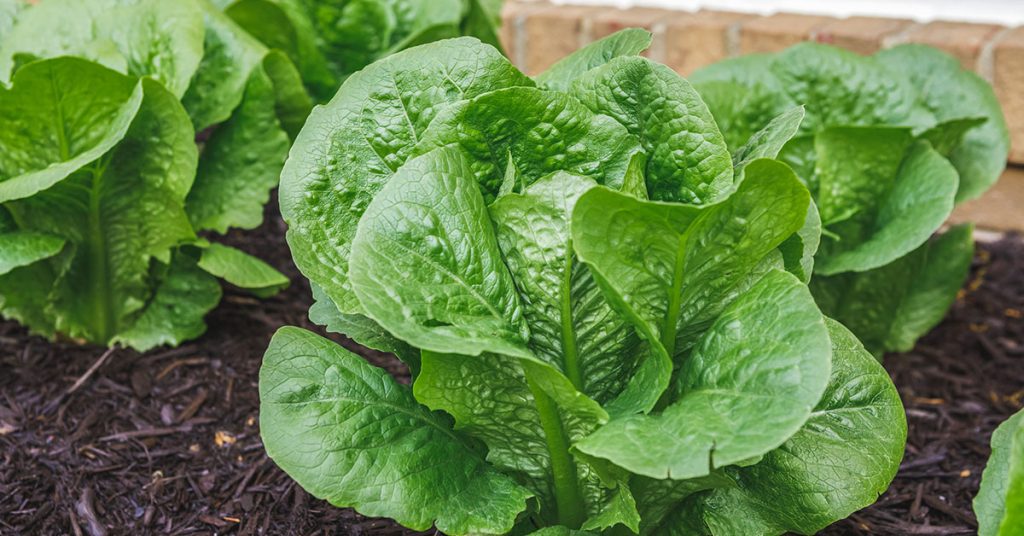
Lettuce is a refreshing, fast-growing vegetable that’s perfect for indoor gardens due to its cool-weather adaptability and compact size. Native to the Mediterranean region where its wild ancestors once thrived in loose, sunlit soils, lettuce is non-invasive and adapts well to container conditions. Its crisp, tender leaves not only add a burst of green color to your indoor space but also provide the ideal base for healthy salads and sandwiches!
In my own indoor garden, lettuce has become a reliable workhorse—its gentle, continuous harvest encourages a steady flow of beneficial insects around the delicate blooms of its occasional flower stalks. I’ve noticed that even small pollinators like tiny bees are attracted to the transient clusters of white flowers, which sometimes serve as a brief nesting area. The ease of growing lettuce indoors, combined with its nutritional benefits, makes it one of my top picks for a healthful, homegrown kitchen staple!
Spinach
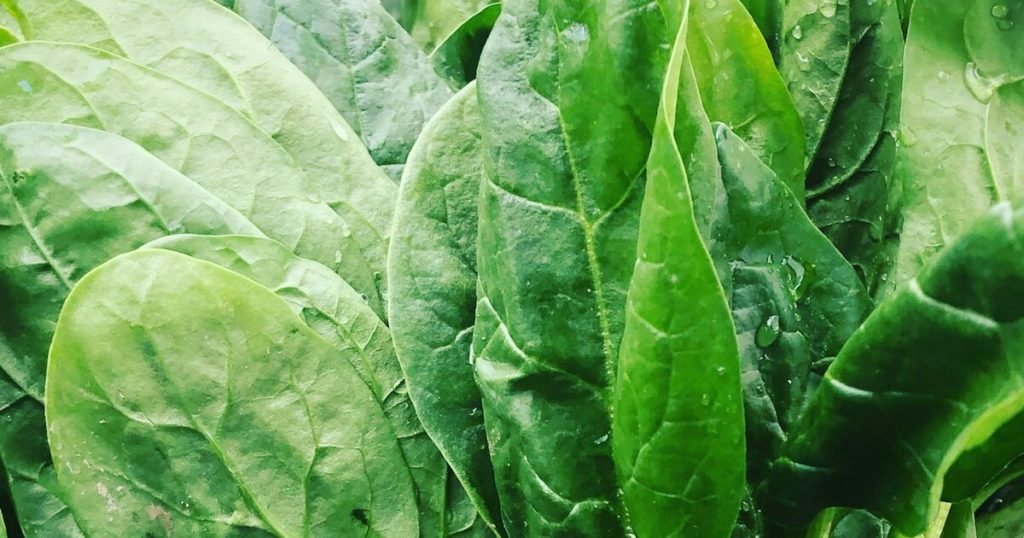
Spinach is a nutrient powerhouse that flourishes indoors, offering tender, iron-rich leaves that are perfect for smoothies, salads, and warm sautés. Native to central and southwestern Asia, spinach has been cultivated for centuries and thrives in cool, moist environments—conditions that can be easily controlled in an indoor setup. It is non-invasive, making it an ideal candidate for container gardening, where its rapid growth provides a bountiful harvest without overcrowding your space.
In my own experience, spinach not only delivers a burst of vibrant green to my windowsill but also attracts beneficial insects, such as small flies and bees, to its occasional, delicate white flowers. These insects enhance the micro-ecosystem inside my home, helping to pollinate neighboring plants and maintain a balanced indoor garden. The versatility, quick turnaround, and nutritional value of spinach truly make it a superstar for indoor vegetable gardening!
Kale
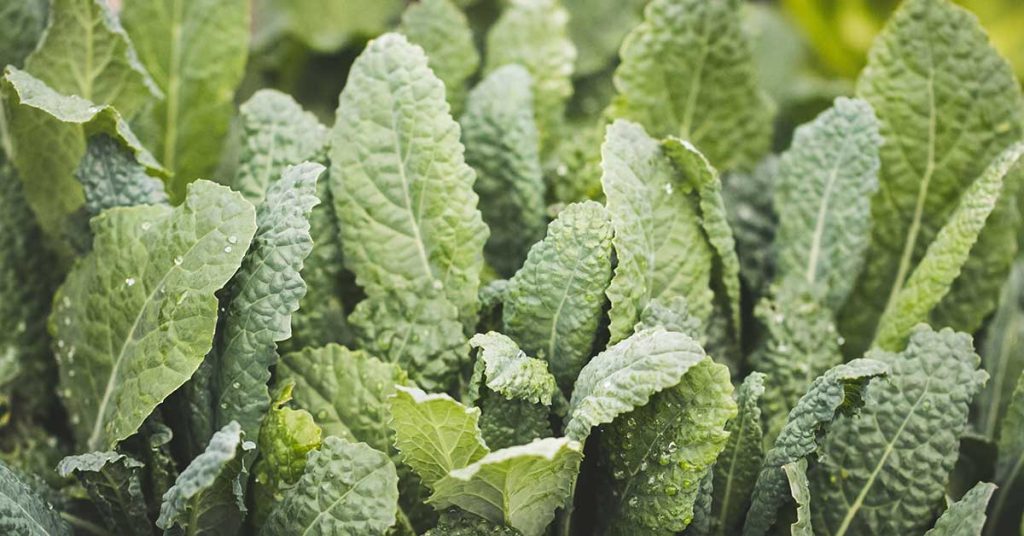
Kale is a robust and hardy vegetable that packs a nutritional punch with its dense, vitamin-rich leaves and hardy growth habit. Believed to have originated in the eastern Mediterranean, kale has been cherished for its resilience and flavor, adapting well to indoor environments when given adequate light and moisture. It is non-invasive and works wonderfully in larger pots or vertical garden setups, making it an excellent choice for urban gardeners with limited space.
In my own indoor patch, kale’s textured, deep green leaves provide a striking visual contrast against the bright backdrop of my home, and its subtle flowering blooms attract beneficial pollinators like bees. These insects sometimes even explore the rough surfaces of the leaves, contributing to a mini-ecosystem that enhances soil health. Kale not only beautifies your indoor space but also boosts your meals with its robust flavor and hearty nutrients—a true win for any home gardener!
Tomato
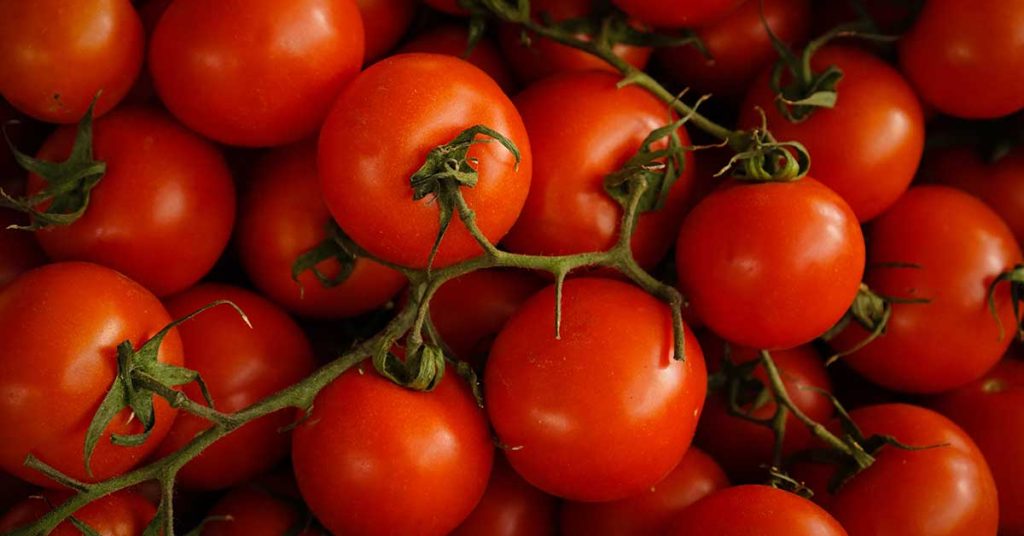
Tomatoes bring the vibrant taste of summer indoors, offering juicy fruits bursting with flavor even in a container garden! Native to the Andean regions of South America, tomatoes have been domesticated and celebrated worldwide for their versatility and nutritional benefits. Although they thrive best in full sun, modern indoor lighting solutions and sunny windows make it entirely possible to grow tomatoes without the risk of invasive spreading.
In my own indoor garden, tomato plants transform small spaces into mini-fruits orchards, attracting beneficial insects such as bumblebees and even small wasps to their delicate blossoms. I’ve found that their profuse flowering not only increases pollination efficiency but also provides a natural spectacle that brightens my living area. The combination of flavorful, homegrown tomatoes and the lively buzz of pollinators makes growing these fruits indoors a truly satisfying experience!
Bell Pepper

Bell Peppers are another fantastic indoor vegetable, offering a colorful array of fruits that add both visual appeal and a burst of nutrition to your meals. Native to Central and South America, these peppers thrive in warm conditions and, with the help of modern indoor gardening techniques, can produce abundant yields in containers. They are non-invasive, making them an excellent choice for small spaces where their vibrant fruits can serve as edible décor!
In my own setup, Bell Pepper plants are always a source of excitement—their glossy, bulbous fruits attract bees and even small butterflies that enjoy the subtle nectar from their flowers. I’ve observed that the plants’ compact growth habit is ideal for balconies and sunlit windows, and their delicious output transforms every meal into a colorful celebration. Bell Peppers not only boost your indoor garden’s aesthetic but also pack a punch of vitamins and flavor that’s hard to beat!
Radish

Radishes are delightful, fast-maturing vegetables that produce crisp, peppery roots in just a matter of weeks—ideal for indoor gardening where time is of the essence! Native to regions in Southeast Asia and the Mediterranean, radishes thrive in loosely packed, moist soil conditions and are non-invasive, making them perfect for small pots or deep containers. Their quick turnaround means that even beginner gardeners can enjoy a rapid harvest with minimal effort.
In my indoor garden, radishes add a lively splash of color with their bright red or white roots and complementary green tops. I’ve often seen that their floral escapes attract tiny beneficial insects—such as small bees and hoverflies—that contribute to the overall health of my micro-ecosystem. These little wonders are a testament to how even fast-growing vegetables can enrich your indoor space both nutritionally and visually!
Cucumber
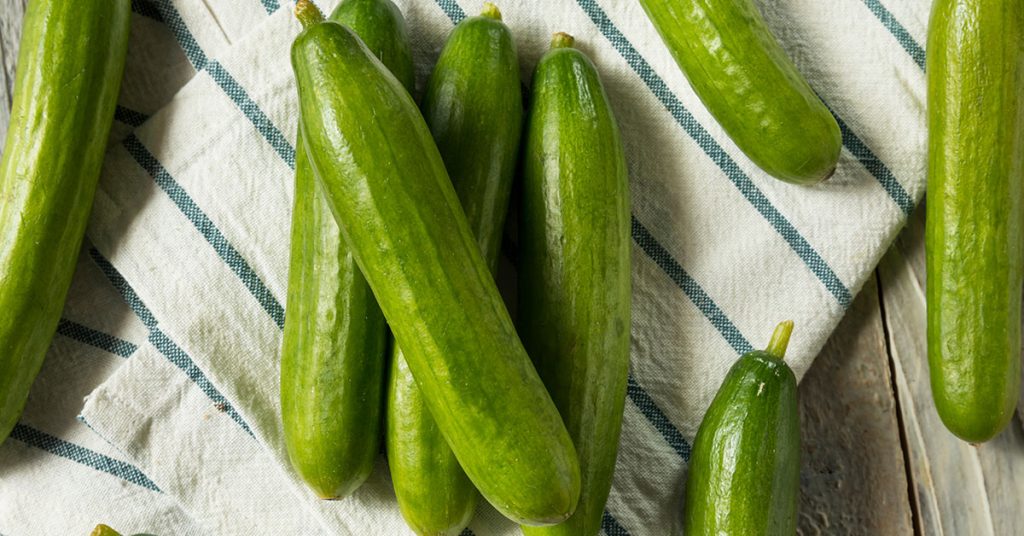
Cucumbers are a refreshing treat that can also be grown indoors, provided you have ample light and a decent container to accommodate their sprawling vines. Native to South Asia, cucumbers have been cultivated for millennia for their crisp texture and hydrating qualities. While they are non-invasive in containers, it’s essential to provide proper support, such as a trellis, to ensure the vines have room to climb and spread without overwhelming your limited space.
In my personal experience, growing cucumbers indoors not only results in a delicious harvest but also transforms the surrounding area into a vibrant, green oasis. The flowers, with their delicate, creamy hues, attract bees and small butterflies that help with pollination, while the lush vines provide natural insulation and a refreshing aesthetic. With a little care and attention, indoor cucumbers can bring a taste of summer right into your kitchen all year long!
Green Onions

Green Onions, or scallions, are a versatile and space-efficient vegetable perfect for indoor gardens. Native to central Asia and now cultivated worldwide, green onions thrive in cooler conditions and can be easily grown in small containers or even hydroponic setups. They are non-invasive and can be harvested continuously, ensuring a regular supply of fresh, crunchy greens for your culinary adventures!
In my garden, green onions are a joy to watch—they emit a mild, slightly pungent aroma that attracts tiny beneficial insects like small bees and even winged aphids, which interestingly help in developing a natural micro-ecosystem. Their quick regrowth and easy maintenance mean that every few weeks I can enjoy a fresh harvest without much effort. This ease of cultivation and constant productivity makes green onions an indispensable part of my indoor vegetable repertoire!
Carrot
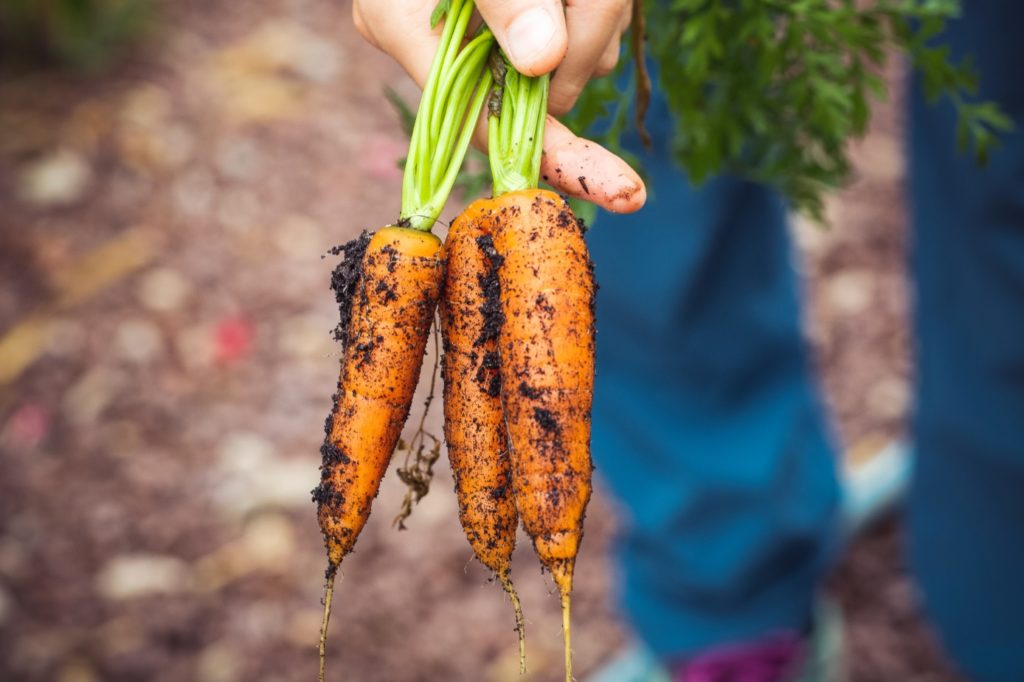
Carrots, with their sweet, crunchy roots, can be grown indoors if you provide a deep container with loose, well-aerated soil. Native to regions spanning from Europe to Asia, carrots have been cultivated since ancient times and are celebrated for their rich vitamin content and natural sweetness. They are non-invasive in container environments and require minimal space, making them an ideal choice for small indoor gardens.
In my own indoor setup, carrots have a knack for developing vibrant, uniform roots that are perfect for salads and cooking. The green, feathery tops add a delicate aesthetic touch while also attracting beneficial insects such as ladybugs and small bees. These insects not only contribute to pollination but also help maintain a balanced micro-ecosystem around the container, ensuring that each harvest is as fruitful as it is beautiful!
Broccoli
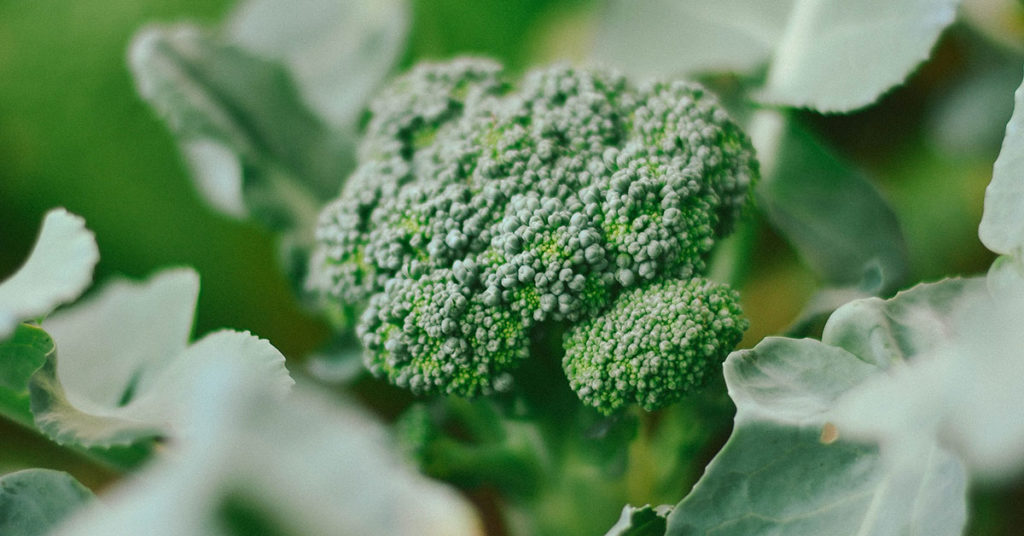
Broccoli is a nutritious powerhouse that can be successfully grown indoors when provided with ample light, cool conditions, and deep, well-drained soil. Cultivated from wild cabbages native to the Mediterranean region, broccoli is prized for its compact, nutrient-rich heads and is non-invasive when grown in containers designed for indoor use. Its cultivation indoors can be particularly satisfying, as it offers a steady supply of fresh, edible green florets to supplement your meals.
In my experience, broccoli planted indoors not only produces a hearty, dense head but also attracts a modest number of beneficial insects like small bees around its occasional blossoms. I have even observed that its lush, green leaves create a subtle microhabitat that supports tiny arthropods, further enriching the indoor garden ecosystem. Broccoli’s balance of taste, nutrition, and indoor adaptability makes it a fantastic addition for anyone looking to boost their homegrown vegetable collection!
Swiss Chard
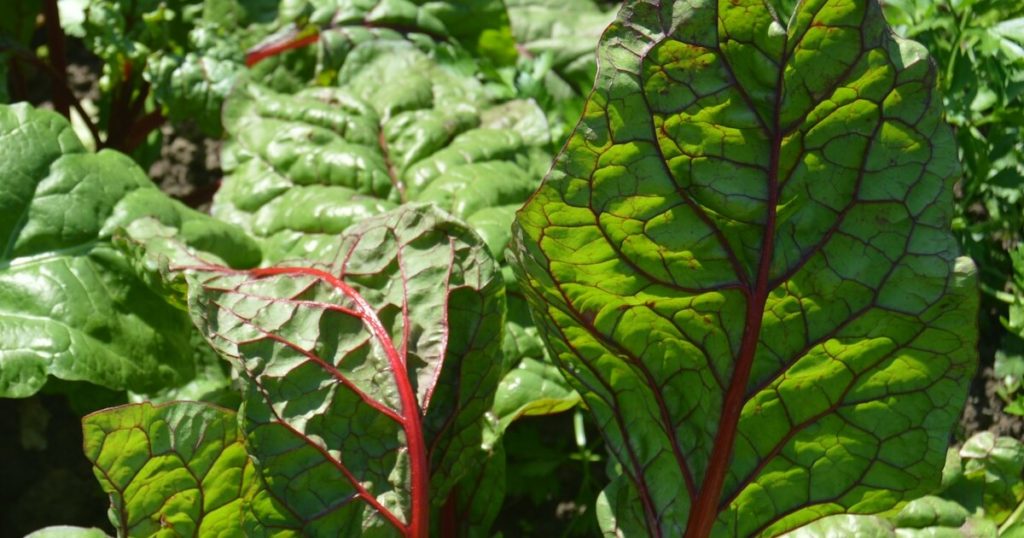
Swiss Chard is a nutrient-dense, colorful vegetable that thrives in indoor garden settings with its broad, tender leaves and vibrant, pastel stems. Native to the Mediterranean region, Swiss Chard is non-invasive and grows well in containers or raised beds indoors, providing continuous harvests of delicious, vitamin-packed greens. Its striking appearance adds a lively pop of color to your kitchen garden while delivering an array of antioxidants and essential nutrients.
In my indoor garden, Swiss Chard not only elevates the visual appeal of my space but also creates a hospitable environment for beneficial insects such as bees and small butterflies. These little visitors are attracted to its occasional white or yellow flowers and even use its thick, leafy fronds for brief shelter. The enduring charm and rapid growth of Swiss Chard make it one of my favorite choices for a healthy and aesthetically pleasing indoor vegetable garden!
Zucchini
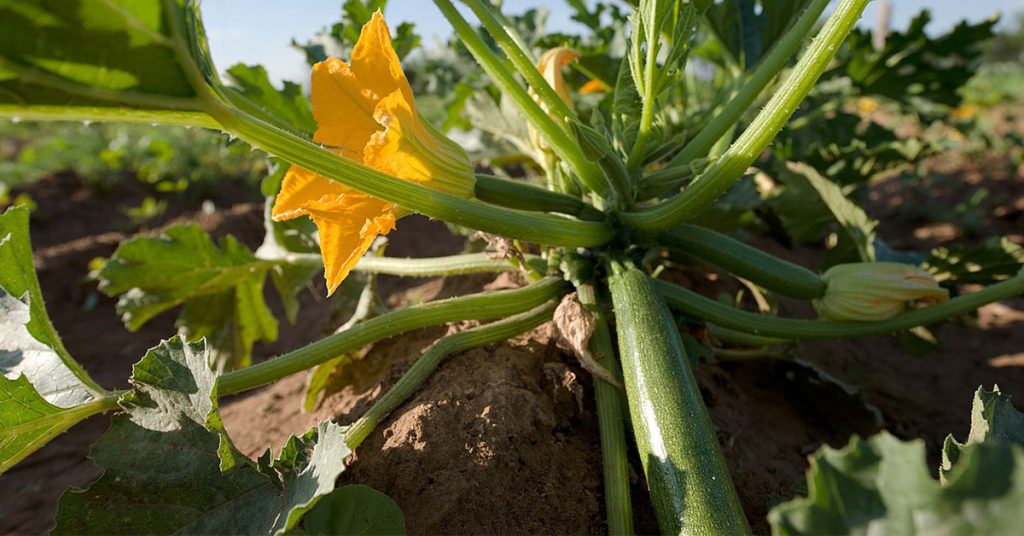
Zucchini, a type of summer squash renowned for its tender, flavorful fruits, can be a surprisingly rewarding vegetable to cultivate indoors with proper support. Native to Mesoamerica, zucchinis are non-invasive when grown in containers and flourish with plenty of sunlight and consistent moisture. Their sprawling vines might seem challenging in a confined space, but with vertical trellising and careful pruning, they can thrive and produce a bountiful harvest even indoors.
In my own indoor garden, zucchinis add a splash of lush green as the vines climb happily along supports and produce flowers that attract a range of pollinators, including bees and butterflies. I’ve found that the natural interaction between the blooming flowers and the climbing vines creates a miniature ecosystem where beneficial insects help in boosting overall plant health. For gardeners willing to invest a bit of space and support structures, growing zucchini indoors is a delightful way to enjoy fresh, homegrown squash all year long!
Eggplant
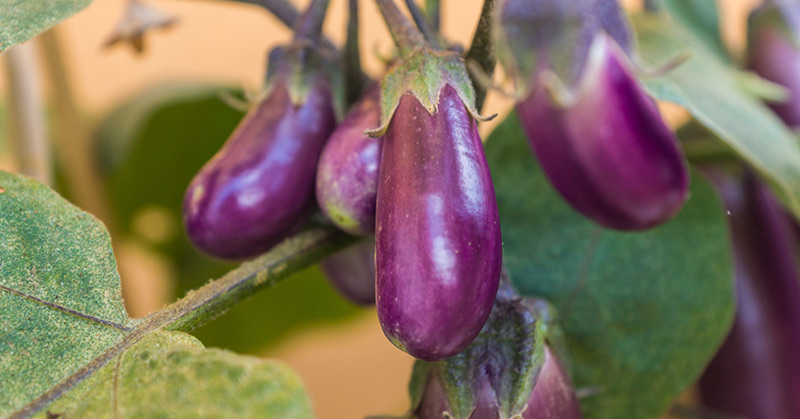
Eggplant is a versatile and nutrient-rich vegetable that adapts surprisingly well to indoor growing environments, provided you supply enough light and room for its broad foliage. Native to India and Southeast Asia, eggplant is cultivated worldwide and is non-invasive when kept in a controlled indoor setting. Its deep, glossy purple fruits are not only a visual delight but also a healthy addition to many culinary dishes, offering a rich source of fiber and antioxidants.
In my indoor garden, eggplant plants create a dramatic display with their large, ornate leaves and striking fruit, attracting bees and small butterflies to their succulent blossoms. I’ve observed that these blooms can occasionally become informal resting spots for tiny beneficial insects, which helps foster a balanced micro-ecosystem right on my balcony. The rewarding harvests and eye-catching beauty of eggplant make it a standout choice for any indoor vegetable garden enthusiast!
Bush Beans
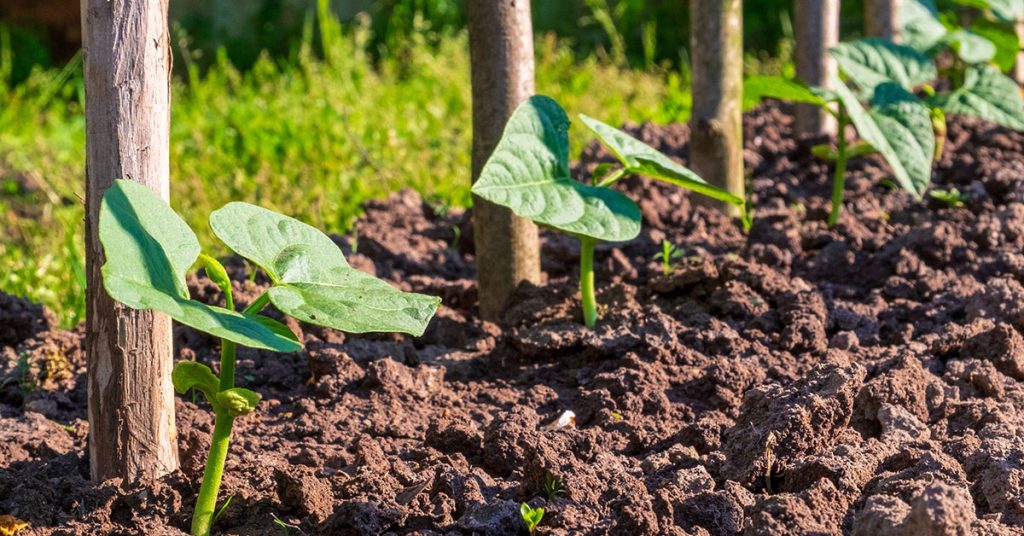
Bush Beans are a compact, prolific vegetable perfect for the indoor gardener who wants a regular supply of protein and fiber-rich produce. Native to Central and South America, bush beans have been cultivated for generations and adapt well to container gardening—remaining non-invasive when confined to a designated pot or planter. Their bushy growth habit makes them a space-efficient choice, and they require minimal support as they produce abundant, edible pods throughout the growing season.
In my own indoor setup, bush beans transform small windowsills and balconies into a lively scene filled with green, vigorous plants. The delicate, white to pink blossoms attract bumblebees and small bees, which further aid in the pollination process, while the pods provide a nutritious treat. Their ability to offer both beauty and a bountiful harvest in a confined space truly makes bush beans a rewarding option for home gardeners seeking healthy, sustainable produce!
Microgreens

Microgreens are the ultimate superfood crop for indoor gardens, offering a nutrient-dense burst of flavor in just a few weeks! While not a single vegetable, these young greens—encompassing varieties like mustard greens, arugula, and pea shoots—are native to various regions and are non-invasive when grown in trays. Their delicate, miniature leaves contain concentrated vitamins and antioxidants, making them a popular choice for health-conscious gardeners who want quick, high-yield produce on a tiny scale.
In my indoor garden, microgreens are a constant source of excitement, as each tray becomes a lush, vibrant mosaic that attracts tiny beneficial insects such as minute ants and small, crawling beetles that contribute to the natural micro-ecosystem. Their rapid growth and diverse flavors make microgreens not only a nutritional powerhouse but also a dynamic decorative element for any kitchen counter. With minimal space and care, they offer a delightful harvest that encapsulates the essence of indoor, healthful gardening!