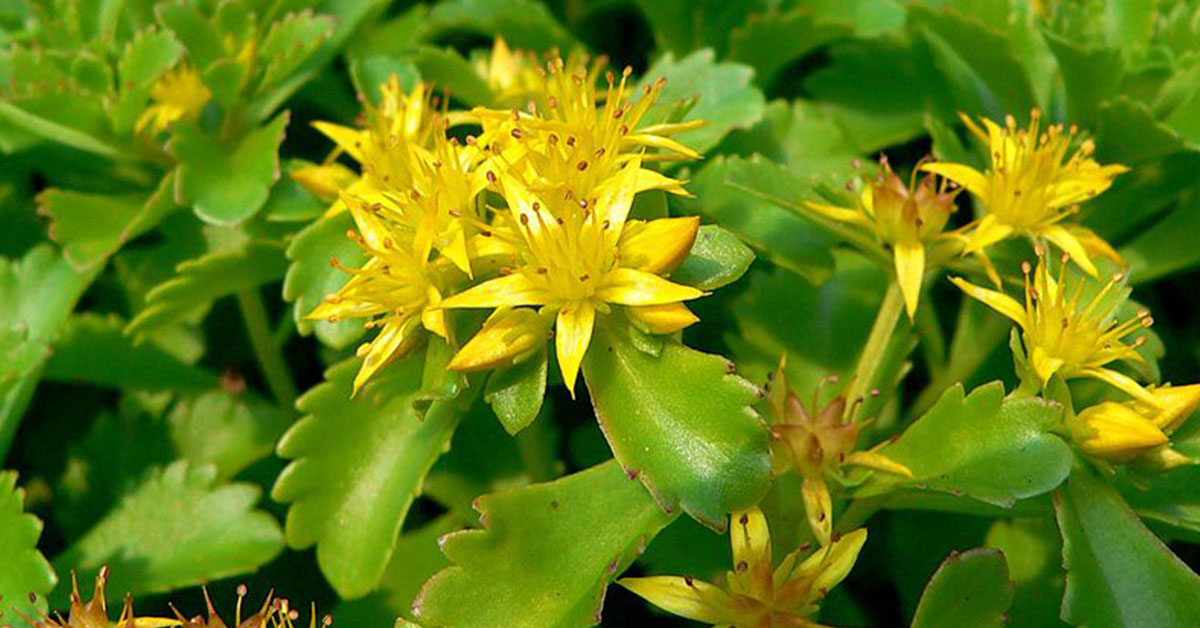

Designing a wildlife garden is one of the most fulfilling endeavors for any gardener—turning your outdoor space into a thriving sanctuary where native species not only flourish but also create a harmonious ecosystem. I know how discouraging it can be when pests take over or when the wrong plant choices leave your garden feeling lifeless. That’s why I’m excited to introduce you to 11 perennials that are especially ideal for wildlife gardens, bringing vibrant color, enticing fragrances, and plenty of nourishment for beneficial insects and birds alike!
Over the years, I’ve discovered that the secret to a bountiful wildlife garden lies in choosing plants that are native, non-invasive, and capable of attracting pollinators and even offering nesting spots for small critters. These perennials have been carefully selected not only for their visual appeal but also for their ecological value. From bold coneflowers to delicate, aromatic lavender, each plant plays a unique role in creating a lush, self-sustaining habitat that you can be proud of. Let’s explore these botanical treasures together!
Coneflower (Echinacea purpurea)

Coneflowers are a perennial favorite for their bold, daisy-like blooms and impressive robustness, making them perfect for attracting a wide range of pollinators. Native to the prairies of North America, Echinacea purpurea is celebrated for its striking purple petals surrounding a prominent, spiky central cone. Not only is it non-invasive, but it also thrives in full sun and well-drained soil, making it an ideal candidate for wildlife gardens that want to embrace natural beauty with minimal fuss.
In my own garden, Coneflowers never fail to draw in bees, butterflies, and even hummingbirds that are captivated by their vibrant nectar. The plant’s structure also provides a gentle nesting haven for smaller insects, adding an extra layer of ecological benefit. Each bloom is like a mini beacon, inviting nature to share in its gorgeous display—truly a must-have for any gardener aiming to nurture a balanced, thriving ecosystem!
Black-Eyed Susan (Rudbeckia hirta)

Black-Eyed Susans are delightful, hardy perennials that bring sunny hues to any garden while offering crucial support for wildlife. Native to Eastern North America, Rudbeckia hirta is known for its bright yellow petals and deep, dark centers that provide a striking contrast against the green backdrop. This non-invasive plant grows best in full sun and can tolerate a range of soils, making it an excellent option for both new and experienced gardeners looking to boost pollinator activity.
In my garden, Black-Eyed Susans have become a natural hotspot for bees and butterflies, who are attracted to the abundant nectar of its cheerful blooms. I’ve also observed that the dense growth habit of these plants creates microhabitats where small insects and even occasionally tiny birds find safe haven. Their radiant appearance and ecological benefits make them a reliable addition to any wildlife-focused landscape!
Butterfly Weed (Asclepias tuberosa)
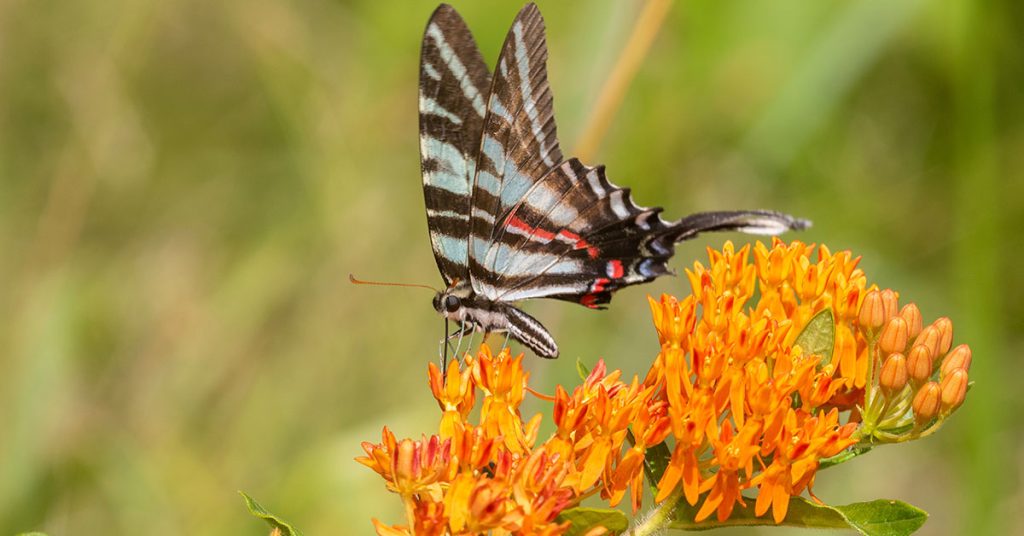
Butterfly Weed is as functional as it is striking, offering a brilliant burst of orange flowers that can brighten up any corner of your garden while actively supporting local pollinators. Native to North America, this low-growing perennial thrives in full sun and well-drained soil, and it’s non-invasive—a true win for gardens aiming to attract butterflies and bees. Its vibrant blossoms provide an essential nectar source and serve as the host plant for monarch butterflies, helping sustain one of nature’s most amazing migrations!
In my experience, Butterfly Weed not only adds a splash of lively color but also creates a dynamic ecosystem where tiny insects and occasionally small birds find refuge. The strong, hardy stems and the open structure of its blooms encourage a diverse array of pollinators, enriching the overall biodiversity of the garden. Embracing Butterfly Weed in your landscaping is like inviting a constant flow of nature’s own art, crafted in vivid orange hues!
Bee Balm (Monarda didyma)
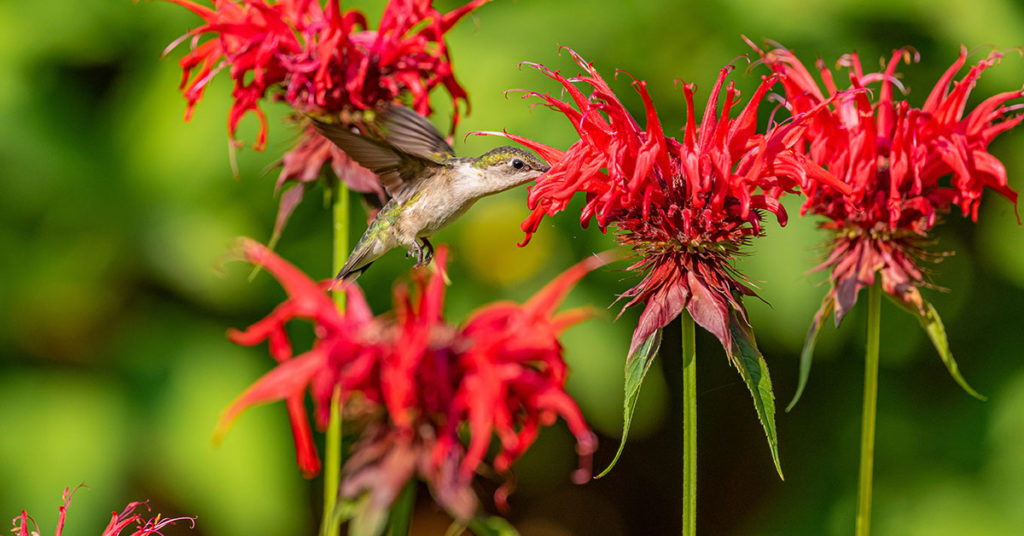
Bee Balm is a radiant perennial that dazzles with its vibrant, tubular flowers and aromatic foliage, perfect for creating a magnet for pollinators. Native to North America, Monarda didyma grows well in sunny or partially shaded areas and is non-invasive when properly maintained. Its striking blooms—often in shades of red, pink, or purple—offer a powerful sensory appeal that is simply irresistible to bees, butterflies, and even hummingbirds.
In my garden, Bee Balm adds a dynamic burst of color and fragrance that often transforms the space into a lively, buzzing haven. Its dense clusters of flowers frequently become a temporary nesting ground for beneficial insects, which in turn help with overall pollination. The natural charisma of Bee Balm, paired with its ability to thrive in a range of conditions, makes it an indispensable asset for anyone looking to enrich a wildlife garden!
Joe Pye Weed (Eutrochium maculatum)
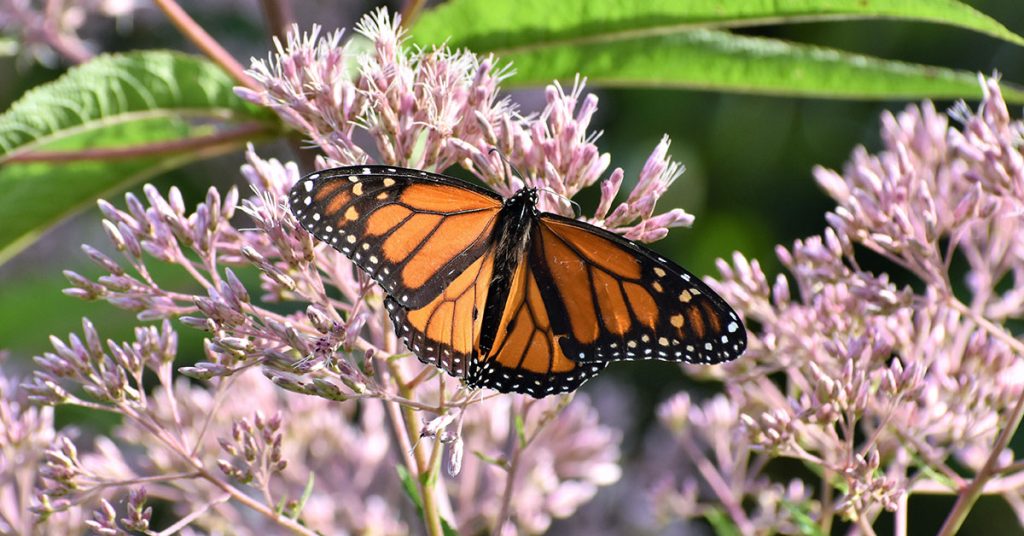
Joe Pye Weed is a tall, stately perennial that stands out in a wildlife garden with its rich clusters of pink to purple blossoms. Native to North America, this non-invasive plant thrives in moist, partially shaded environments and is a favorite for creating a sense of drama and vertical interest in small garden spaces. Its robust growth habit and deep roots help support soil health while its exuberant flowers serve as a beacon for pollinators.
In my own planting, Joe Pye Weed always draws in swarms of butterflies, bees, and even hummingbirds that are lured to its abundant nectar. I love seeing these pollinators create a lively scene among the towering flower clusters, which sometimes also double as cozy nesting spots for small insects. Its magnificent display and ecological value truly make Joe Pye Weed a standout choice for anyone eager to foster wildlife in their garden!
Salvia (Salvia nemorosa)
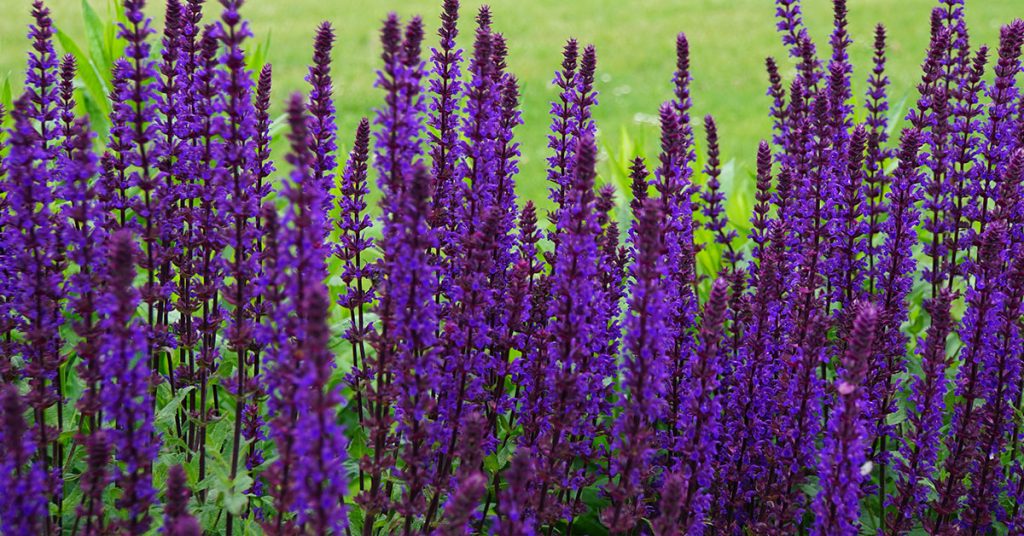
Salvia is a reliable, low-maintenance perennial renowned for its spiky clusters of vibrant flowers, making it a superb addition to any wildlife garden. Native to parts of Europe and Asia, Salvia nemorosa thrives in full sun and well-drained soils, and its non-invasive growth habit makes it ideal for small spaces. Its rich, deep hues—ranging from blues and purples to reds—create a captivating visual display that attracts a host of pollinators.
In my garden, the aromatic blossoms of Salvia have a way of drawing tiny bees and butterflies, which are essential for sustaining a lively ecosystem. I’ve also noted that its upright growth offers perfect perches for small birds during cooler parts of the day. With its striking color and minimal care requirements, Salvia is a perennial superstar that elevates any wildlife garden with its brilliant display and functional beauty!
Coreopsis (Coreopsis verticillata)
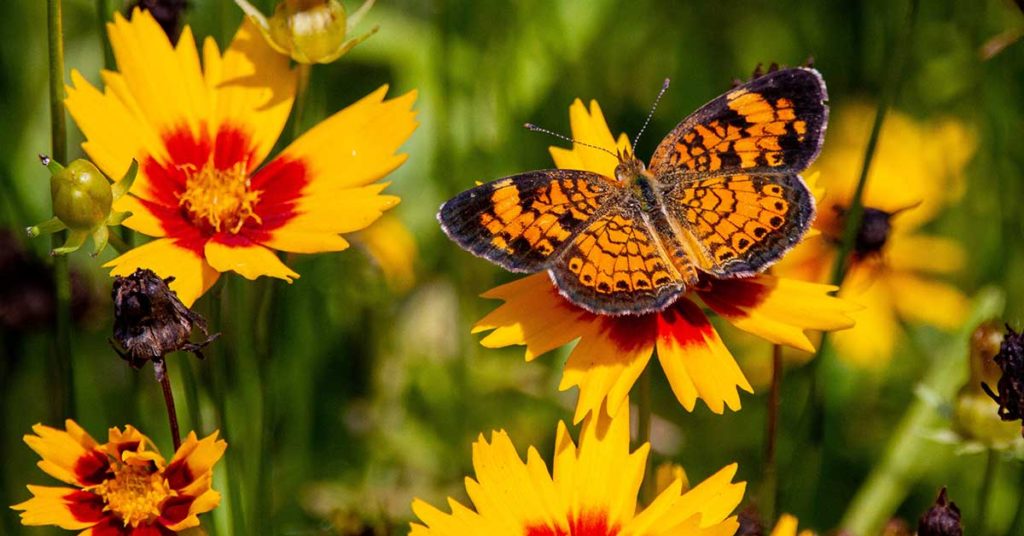
Coreopsis, also known as Tickseed, is a cheerful perennial that lights up any garden with its delicate, daisy-like blooms and fine, thread-like foliage. Native to North America, Coreopsis verticillata thrives in full sun and well-drained soil and is non-invasive, making it perfect for small space wildlife gardens. Its blossoms, typically displaying vibrant yellows and oranges, not only enhance the garden aesthetically but also provide an important nectar source for bees and butterflies.
In my own experience, Coreopsis creates a lively, fluttering garden atmosphere—their bright flowers seem to dance in the breeze, attracting a host of beneficial insects that contribute to a dynamic ecosystem. I’ve seen small pollinators use its soft petals as a temporary landing spot, adding a charming touch to each blossoming season. Its effortless beauty and capacity to nurture a thriving pollinator community make Coreopsis an essential element in any garden aimed at supporting wildlife!
English Lavender (Lavandula angustifolia)
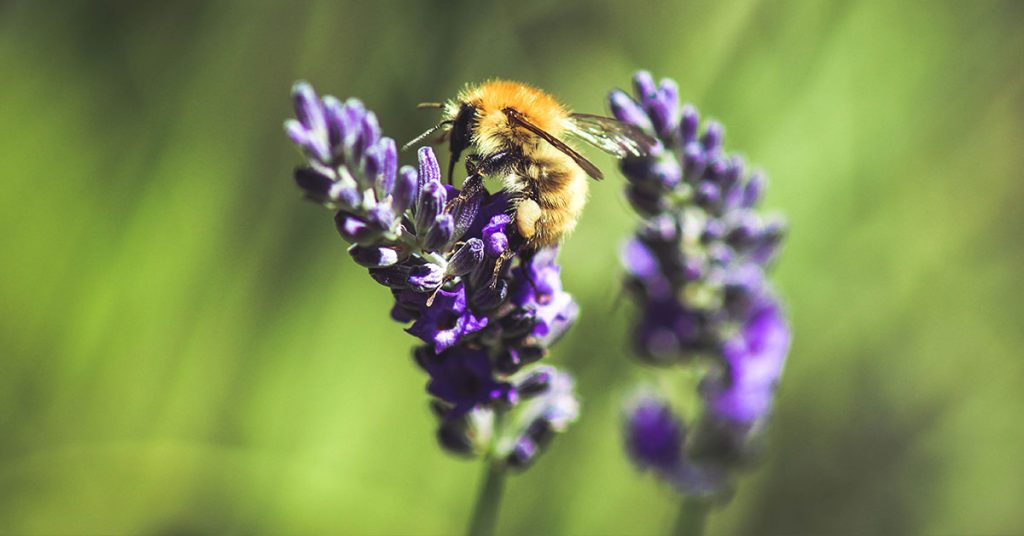
English Lavender is an iconic aromatic perennial cherished for its fragrant, silvery-green foliage and stunning violet blooms. Native to the Mediterranean region, Lavandula angustifolia thrives in full sun and well-drained soils, and it remains non-invasive when grown in garden beds or containers. Its soothing scent not only makes it a favorite for essential oil extractions and home crafts but also serves to attract a myriad of beneficial pollinators like bees and butterflies.
In my garden, the delicate, air-filled stems of English Lavender create a natural haven where tiny insects and even small birds occasionally take shelter during cool evenings. I love how its rich fragrance infuses the air with calm, transforming any outdoor space into a sensory retreat. The dual allure of visual and olfactory beauty makes English Lavender a perennial must-have for those looking to enrich their garden and support local wildlife simultaneously!
Creeping Sedum (Sedum spurium)
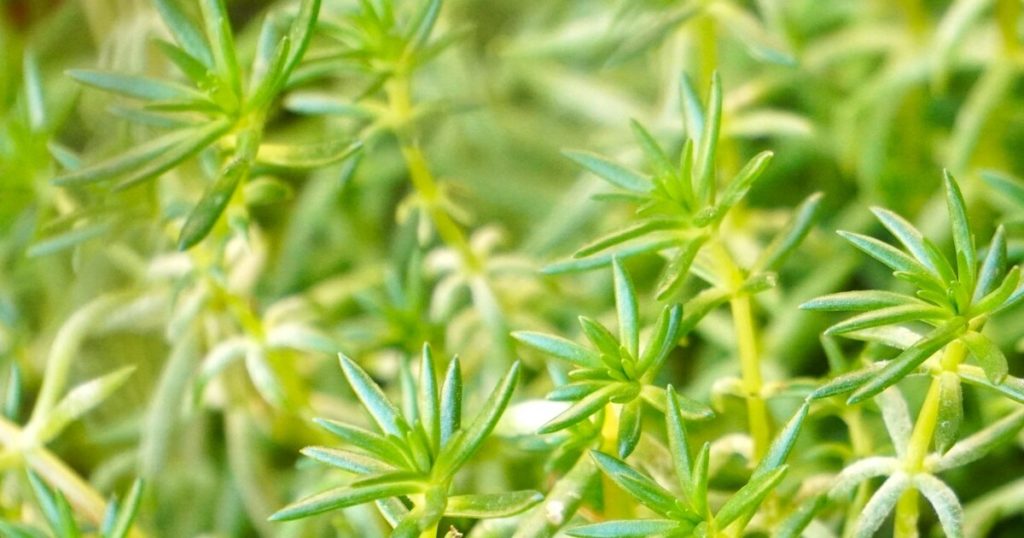
Creeping Sedum is a charming, low-growing perennial that graces the garden with clusters of star-shaped blooms, providing both soil cover and food for pollinators. Native to Eurasia, this non-invasive plant thrives in full sun and well-drained soil, making it especially valuable for wildlife gardens where ground cover is as important as vertical interest. Its succulent leaves store moisture, ensuring that even in dryer conditions, it remains resilient and vibrant.
In my own planting, Creeping Sedum not only adds a delicate splash of color but also attracts small bees and butterflies that are drawn to its nectar-rich blossoms. Its spreading habit creates a soft, natural mat that sometimes serves as a nesting haven for tiny beneficial insects, contributing to a balanced ecosystem. With its ease of care and attractive foliage, Creeping Sedum is the perfect groundcover for enhancing the overall biodiversity and beauty of any wildlife garden!
Russian Sage (Perovskia atriplicifolia)
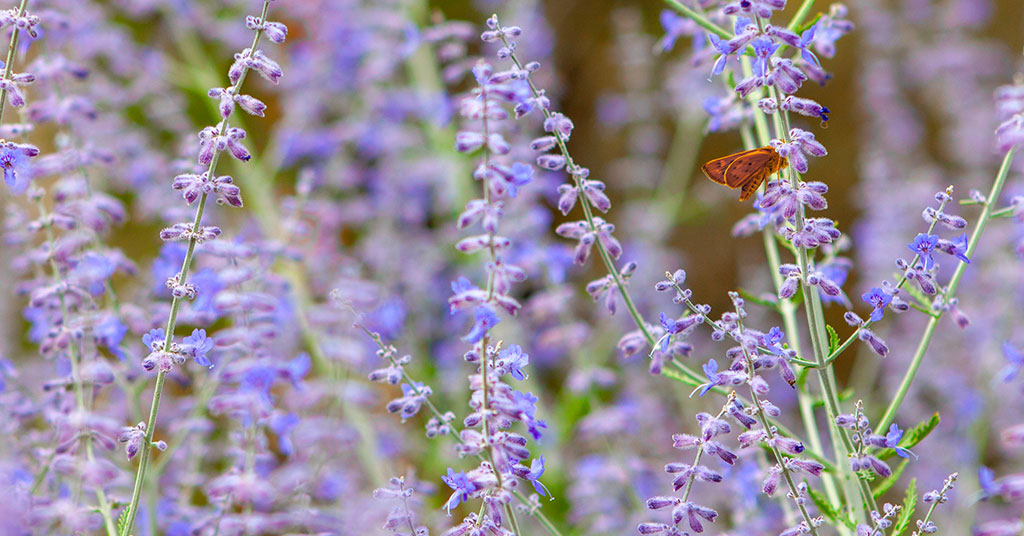
Russian Sage is a perennial wonder known for its airy, silvery leaves and cascades of pale blue, aromatic flowers that create a striking contrast in any wildlife garden. Native to Central Asia, Perovskia atriplicifolia thrives in full sun and well-drained soils, and its non-invasive nature makes it perfectly suited for small spaces. Its delicate, elongated blooms attract a profusion of bees and butterflies, making it a key player in nurturing a vibrant garden ecosystem.
In my own garden, Russian Sage always delivers an enchanting display—the subtle fragrance and ethereal blue flowers create a cool, calming atmosphere that attracts beneficial insects, sometimes even luring in small birds seeking perches among its graceful stems. Its long-lasting blooms and resilience make Russian Sage an absolute treasure for anyone aiming to blend natural beauty with ecological functionality. It stands as a testament to how a single plant can transform a garden into a haven of peace and pollinator activity!
Garden Phlox (Phlox paniculata)
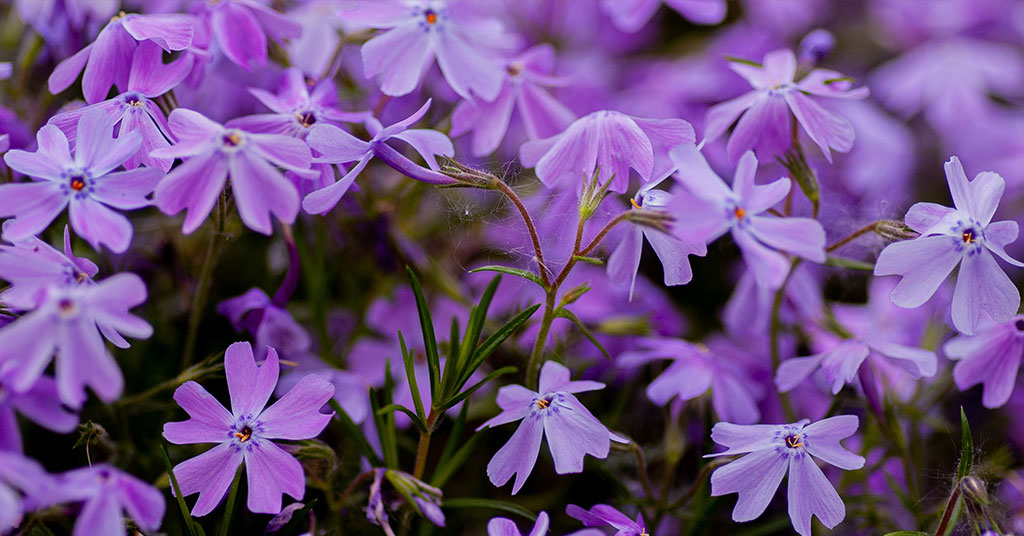
Garden Phlox is a show-stopping perennial that blankets the garden with thick clusters of highly fragrant, vibrant blooms, making it an excellent choice for wildlife gardens. Native to North America, Phlox paniculata thrives in full sun to partial shade and well-drained soils, and it is non-invasive when pruned regularly. Its spectacular colors range from soft pinks and purples to brilliant reds, providing a visual feast that attracts an abundance of pollinators and beneficial insects.
In my own outdoor sanctuary, Garden Phlox consistently creates a magical, bustling scene, as bees and butterflies swarm its delicate flower clusters in search of nectar. I love how its lush, upright form not only adds height and drama to the garden but also forms a natural refuge where small birds and insects might seek shelter during a brief rest. Its enchanting blend of color, scent, and ecological appeal makes Garden Phlox a perennial centerpiece that truly elevates any wildlife garden!