
Creating a wildlife-friendly garden is one of the most rewarding aspects of sustainable landscaping. As an enthusiastic gardener, I know how disheartening it can be when you see harsh, lifeless yards, or when you struggle with invasive species that disrupt the natural balance. That’s why I’m excited to share nine carefully selected shrubs that produce berries safe for wildlife, offering both vibrant visual appeal and ecological benefits. These plants not only provide nutritious food for birds and small mammals but also attract a myriad of pollinators and beneficial insects that contribute to a thriving, dynamic garden ecosystem!
Over the years, I’ve experimented with different species and discovered that the real magic lies in choosing shrubs that blend ornamental beauty with functional habitat support. Each of these berries-bearing shrubs has a native heritage—from North American Serviceberry to Mediterranean-inspired Oregon Grape—and they all possess unique characteristics. Whether you’re looking to add color, create a natural barrier, or simply provide a nourishing snack for your feathered friends, these shrubs are an excellent way to enrich your outdoor space and cultivate a garden that works in harmony with nature!
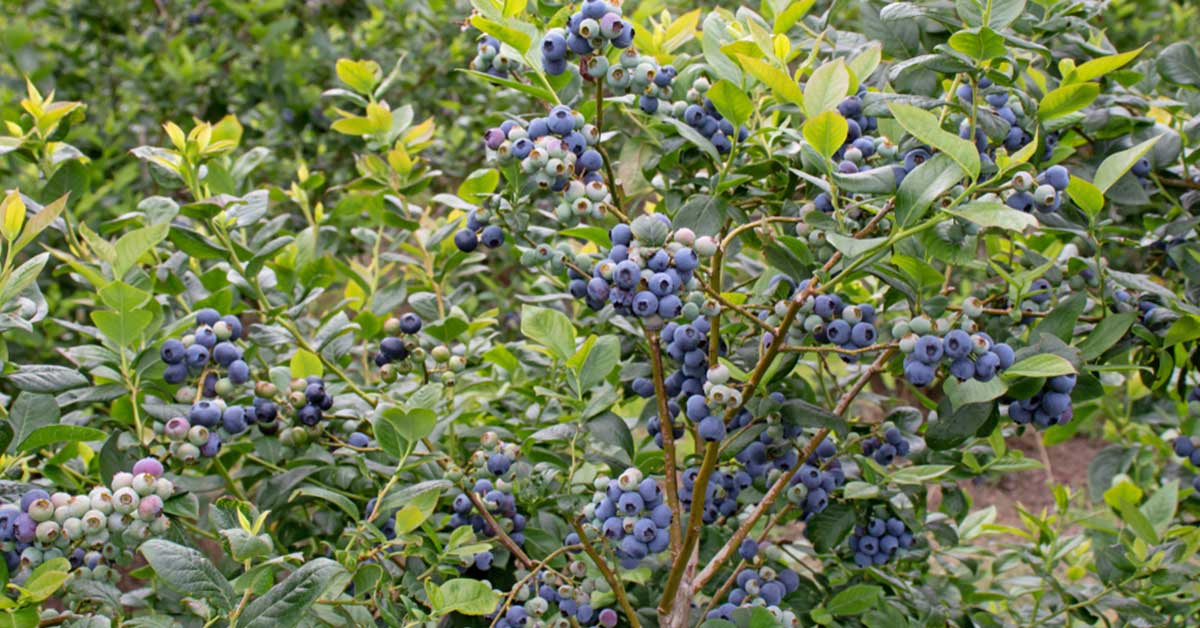
Blueberry (Vaccinium corymbosum)

Blueberries, celebrated for their sweet, nutrient-rich fruits, are a superb choice for wildlife-friendly gardens and thrive in a no-fuss environment. Native to Eastern North America, Highbush Blueberries flourish in acidic, well-drained soils and produce clusters of edible berries that ripen in midsummer. While not considered invasive, they do best when given plenty of sunlight and an organic, mulch-rich environment. Their vibrant, blue-purple fruits are a favorite for birds, and even small mammals enjoy nibbling on them as a healthy snack!
In my garden, blueberry bushes double as both ornamental and functional plantings—when in bloom, their delicate white to pink flowers attract a flurry of bees and butterflies, creating a lively pollinator haven. I’ve noticed that the dense foliage provides a cozy nesting spot for small birds, while the berry-laden branches offer a natural treat that helps sustain local wildlife populations throughout the summer. The joy of harvesting homegrown blueberries is matched only by the satisfaction of knowing you’re nurturing an ecosystem that thrives on natural bounty!
American Beautyberry (Callicarpa Americana)

American Beautyberry is a delightful, deciduous shrub prized for its brilliant clusters of deep purple berries that appear in late summer. Native to the southeastern United States, this non-invasive plant thrives in a range of soil types and partial shade conditions, making it an excellent choice for compact yards and woodland gardens. Its vibrant, glossy berries provide not only a stunning visual display but also a nutritious food source for numerous birds and small mammals that visit the garden.
In my own outdoor space, American Beautyberry stands out as a seasonal spectacle—its berries draw in flocks of finches and other small birds that feed eagerly while sometimes using its dense, shrub-like structure as a nesting refuge. Beyond its ecological benefits, the striking color contrast created by its burgundy clusters against the soft green foliage adds a whimsical touch to garden borders. This charming shrub is a testament to how nature can effortlessly merge beauty with functionality!
Oregon Grape (Mahonia aquifolium)

Oregon Grape is a uniquely attractive evergreen shrub that delivers clusters of glossy, dark blue berries surrounded by striking yellow flowers. Native to the Pacific Northwest, this non-invasive plant thrives in partial shade and well-drained soils, making it ideal for small yards and woodland settings. The berries provide a valuable food source for local birds and mammals, while the bright flowers attract an array of pollinators, including bees and butterflies.
In my garden, Oregon Grape is a constant conversation piece—not only does it offer an intriguing blend of color with its yellow blooms and blue fruits, but its leathery, holly-like leaves add an extra layer of texture and resilience. I’ve observed that its dense growth often serves as a natural nest site for small birds, and its hardiness ensures that it flourishes even in less-than-ideal conditions. The overall effect is a living tapestry that seamlessly combines practicality with the wild beauty of native flora!
Serviceberry (Amelanchier canadensis)

Serviceberry is an elegant, multi-season shrub that produces delicate white blossoms in early spring, followed by clusters of small, bluish berries in summer. Native to North America, this non-invasive species thrives in various soil types and partial shade, making it exceptionally well-suited for small gardens and layered landscapes. Its berries are a favorite among birds and small mammals, offering a nutritious snack that helps sustain wildlife during the warmer months.
In my experience, Serviceberry adds both aesthetic charm and ecological value to any garden. The early spring blossoms attract bees, butterflies, and other pollinators, while the later fruit provides a feast for hungry birds, ensuring a continuous buzz of life throughout the season. I’m always delighted by how Serviceberry’s cascading clusters create natural nesting sites for tiny birds, turning a simple shrub into a bustling hub of nature. Its seasonal transitions make it a living showcase of the beauty and resilience of native plants.
Spicebush (Lindera benzoin)
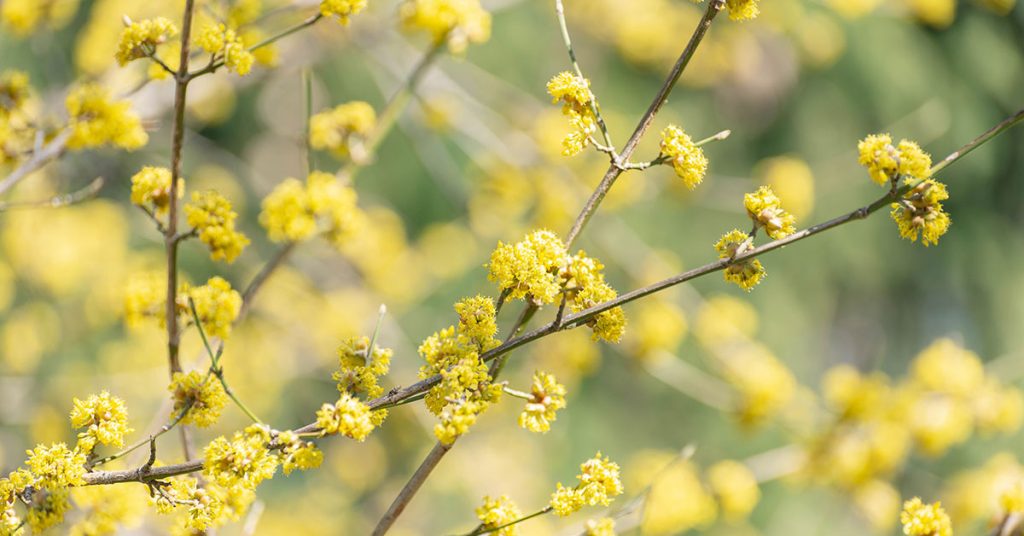
Spicebush is a fragrant, deciduous shrub that graces the garden with clusters of yellow-green flowers and brilliant red berries in the fall. Native to North America, particularly the eastern United States, this non-invasive plant thrives in moist, well-drained soils and partial shade. Its aromatic leaves and berries add a spicy, herbal note to the landscape, which can be enjoyed both visually and olfactorily, providing natural enrichment for wildlife-friendly gardens.
In my garden, Spicebush is a veritable magnet for a variety of pollinators—bees, butterflies, and even hummingbirds are drawn to its subtly scented flowers and nectar. I’ve also observed that its dense branching structure offers a perfect, sheltered spot for small birds to nest, especially during the cooler months. The layered fragrance combined with its seasonal berry display makes Spicebush an essential addition for those who appreciate both function and fragrance in their landscapes.
Elderberry (Sambucus canadensis)
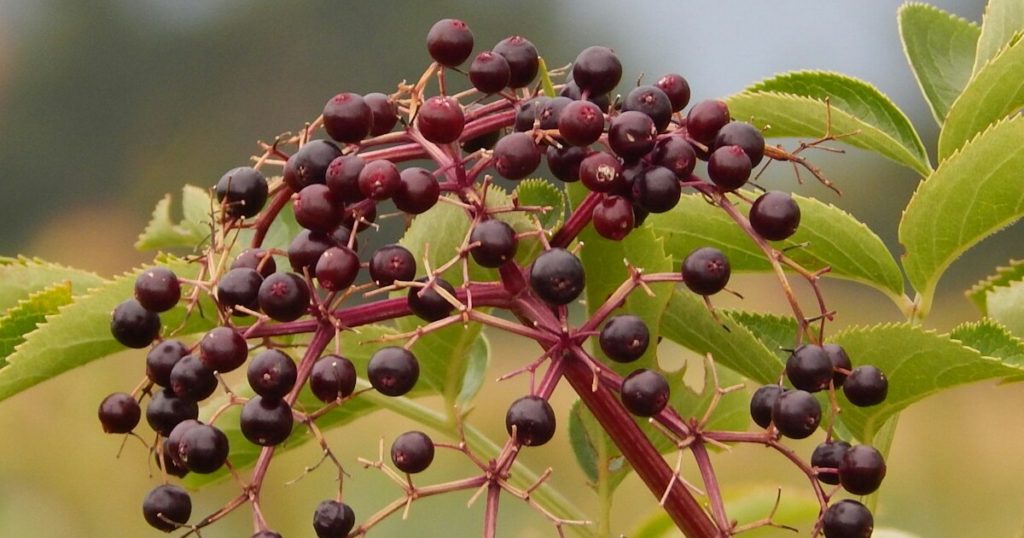
Elderberry is a robust, multi-stemmed shrub that produces clusters of small, dark berries, a vital food source for many birds and small mammals. Native to North America, this non-invasive plant thrives in moist, well-drained soils and full sun to partial shade, making it adaptable to a range of garden environments. Its berries, though tart to the human palate, are relished by wildlife and contribute significantly to the local ecosystem by supporting bird populations during the fall and winter months.
In my own yard, Elderberry never fails to impress with its hardy nature and bustling activity during berry season. I’ve seen flocks of birds and small mammals excitedly feasting on its nutritious fruits, and its fragrant white flowers in the spring attract bees and butterflies that contribute to an abundant pollinator community. The natural rhythm of Elderberry—from blossoms to fruits—creates a continuous cycle of life that ensures both beauty and practicality, making it an excellent choice for wildlife-friendly landscaping.
Winterberry (Ilex verticillata)

Winterberry is a deciduous holly that stands out with its striking, bright red berries that persist throughout the winter months, offering critical sustenance for birds during lean times. Native to the Eastern United States, Winterberry thrives in moist, acidic soils and full sun, and it is non-invasive when properly managed. The berries not only provide visual interest but also serve as a nourishing food source, making this shrub an invaluable addition to wildlife-friendly gardens.
In my experience, Winterberry transforms a dull winter landscape into a vibrant tableau of red, drawing in a multitude of birds such as cardinals and bluebirds that rely on its fruit for energy. The plant’s dense, arching branches offer shelter and nesting opportunities for small birds and beneficial insects alike. Its seasonal display of brilliant berries against a backdrop of bare branches is a testament to the resilience and life-giving power of nature—adding both beauty and practicality to any small yard.
Chokeberry (Aronia melanocarpa)

Chokeberry is a striking, hardy shrub that produces clusters of deep red to almost black berries that are a favorite among birds and small mammals. Native to North America, Chokeberry thrives in full sun to partial shade with well-drained soils, and it is non-invasive, making it an excellent option for smaller gardens that require robust, low-maintenance plants. Although the berries are quite tart for human tastes, they are highly nutritious and a significant food source for wildlife during the fall and winter.
In my own garden, Chokeberry provides a dual benefit of remarkable fall color and a vital food resource for local fauna. The vibrant berries attract an array of birds, while the shrub’s dense growth creates microhabitats that support small insects and other beneficial organisms. Its dramatic seasonal transformation—from lush green leaves to brilliant autumn hues—ensures that Chokeberry is not only a practical addition for wildlife but also an eye-catching centerpiece that enhances the overall aesthetic of the garden.
Red Currant (Ribes rubrum)
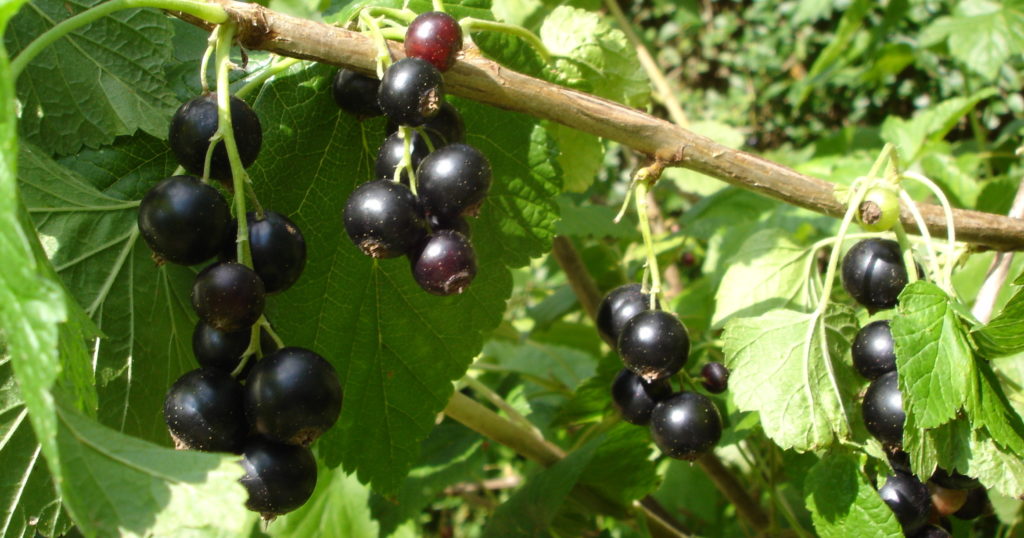
Red Currant is a deciduous shrub that produces cascades of glossy red berries, offering an abundant and nutritious food source for birds and small mammals. Native to Europe and widely adapted to North American climates, Red Currant thrives in well-drained soils and full sun to partial shade, and it is non-invasive when pruned properly. Its clusters of tart, vibrant berries are highly attractive to local wildlife, making it a delightful addition to any garden focused on ecological balance.
In my garden, Red Currant has become a cherished feature, with its brilliant clusters drawing a flurry of small birds and beneficial pollinators such as bees and butterflies. I often find that its compact form and attractive foliage also provide a modest refuge for insects during cooler mornings. The continual cycle of flowering, berrying, and fruiting ensures that Red Currant remains a dynamic, multi-seasonal asset—a living testament to the beauty and bounty that a well-chosen shrub can bring to your outdoor space!