

Spring is the season when your garden comes alive with color, scent, and energy, and there’s nothing quite as magical as cultivating herbs that fill the air with their natural aromatherapy benefits! As an avid gardener, I know how frustrating it is when your outdoor space feels dull or when store-bought fragrances just don’t cut it. That’s why I’m excited to share 20 incredible aromatherapy herbs that not only enhance your homemade essential oils and teas but also create a sensory oasis right in your backyard. Imagine strolling through a garden where every breeze carries hints of citrus, mint, and floral notes—it’s pure bliss!
Over the years, I’ve discovered that each herb has its own story to tell, from its native origins to its unique behaviors that attract beneficial insects and even provide tiny nesting spots for local critters! In this article, I’ll take you on a journey through these botanical treasures, discussing where they hail from, their growth habits, and why they might be the perfect addition to your aromatic spring garden. So grab your gardening gloves and a cup of tea, and let’s dive into the vibrant world of aromatherapy herbs that promise to transform your garden into a fragrant paradise!
Lemon Balm
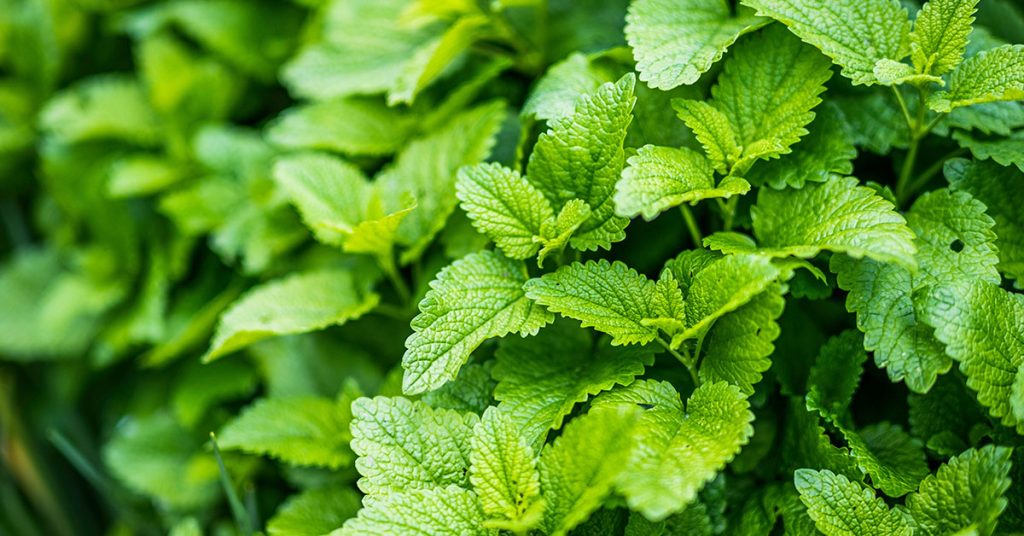
Lemon Balm is a gentle herb that fills your garden with a soft, citrusy aroma, perfect for brightening up your spring days! Native to southern Europe and the Mediterranean, Lemon Balm thrives in well-drained soils and partial shade, and it is non-invasive when cultivated in a garden bed or container. Its bright green, heart-shaped leaves gradually release a lemony fragrance that can soothe nerves and lift spirits—ideal for homemade teas or essential oil extractions.
In my garden, Lemon Balm always seems to attract a flurry of bees and butterflies, drawn by its delicate scent and nectar-rich blossoms. I love watching these little pollinators dance around the leaves, and sometimes I even spot tiny insects taking refuge in the dense growth during warm afternoons! This herb not only adds a refreshing note to your aromatherapy collection but also enhances the local ecosystem with its charming presence.
Rosemary
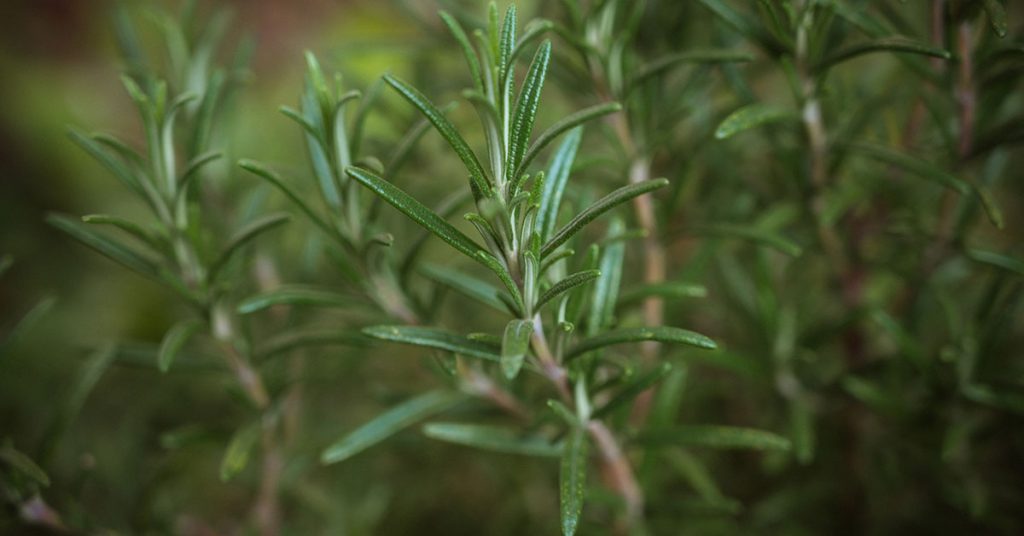
Rosemary is a robust and evergreen herb that delivers a piercing, invigorating fragrance, making it a staple in any aromatic garden! Native to the Mediterranean region, Rosemary thrives in full sun and well-drained soil, and it’s prized for its non-invasive nature when grown in well-managed garden beds. Its needle-like leaves are not only excellent for culinary uses but also for extracting essential oils that can boost memory and relieve stress!
In my own garden, Rosemary’s silvery-green foliage and occasional clusters of small blue flowers attract a steady stream of bees and butterflies. I enjoy the sight of these pollinators buzzing around, sometimes even using the dense shrub as a brief nesting site. The combination of its medicinal properties and captivating aroma makes Rosemary a true champion for both the senses and the soil!
Peppermint
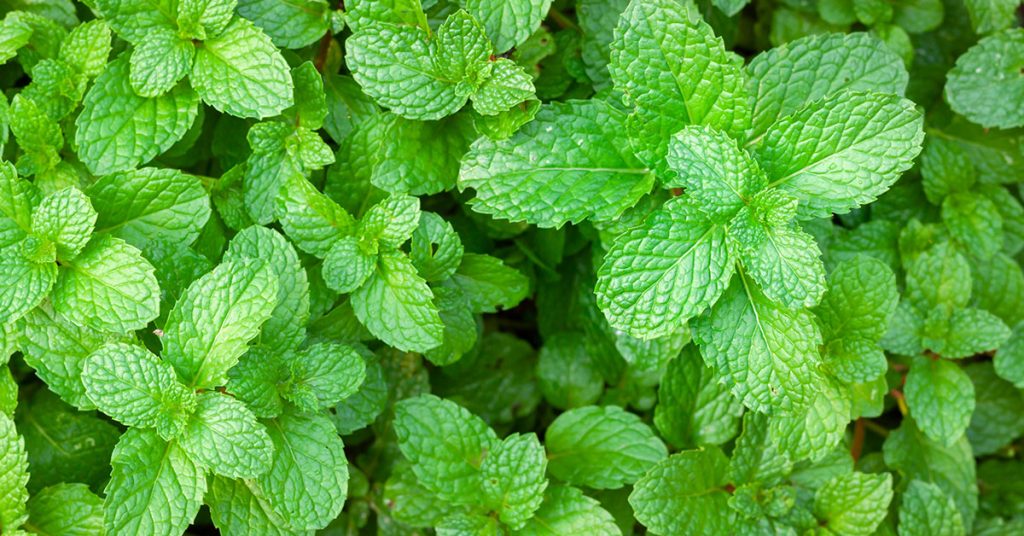
Peppermint is an invigorating herb that fills the air with a cool, refreshing scent—a true delight for any spring garden! A hybrid native to Europe and the Middle East, Peppermint thrives in moist, fertile soils and is known for its rapid growth. While it can be invasive in open ground, when grown in containers or designated beds, it remains perfectly contained, offering a burst of minty freshness ideal for homemade lotions, teas, and essential oils.
In my garden, Peppermint is a magnet for beneficial insects, particularly bees and hoverflies, that are drawn to its aromatic leaves. I’ve often observed these little visitors exploring the plant’s lush foliage, sometimes even using its sprawling growth as a temporary shelter. Its vibrant aroma and cooling effect make Peppermint a must-have for anyone looking to create an energizing and refreshing outdoor space!
Chamomile
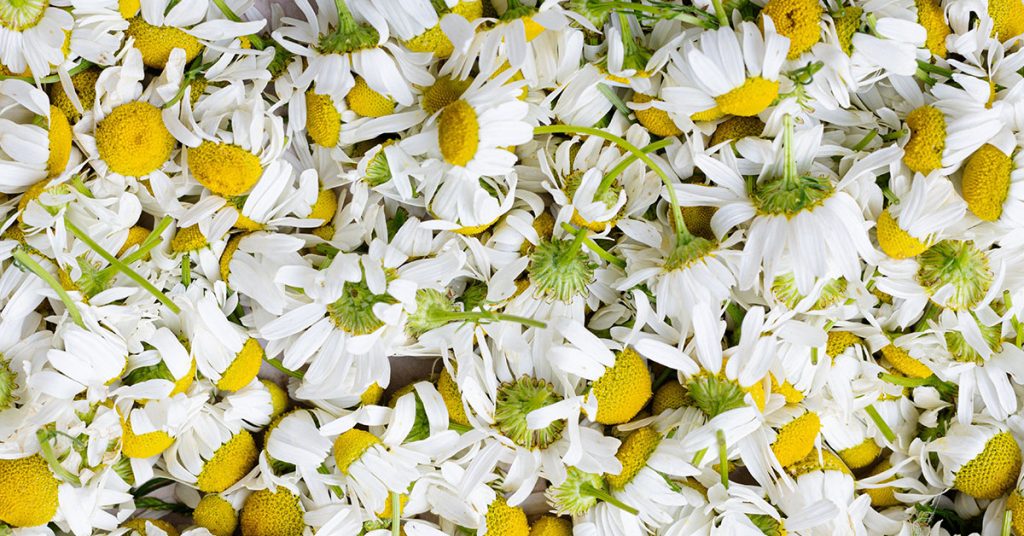
Chamomile is a tender, daisy-like herb known for its calming fragrance and soothing properties, making it a favorite in aromatherapy blends! Native to Europe and Western Asia, Chamomile thrives in full sun to light shade and well-drained soils, and it is not invasive, which makes it ideal for container gardens or mixed borders. Its delicate, white-petaled blossoms with yellow centers are a gentle reminder of peaceful summer days and provide a natural ingredient for calming teas and essential oils.
In my garden, Chamomile not only adds a soft, inviting visual appeal but also attracts a host of beneficial insects—small bees are often seen visiting its flowers, and even minute butterflies have been known to flutter by. I appreciate how its subtle scent transforms the space into a tranquil retreat, and its presence always seems to invite a sense of calm and contentment. Chamomile is truly a versatile herb that bridges both the visual and aromatic realms beautifully!
Lemon Verbena
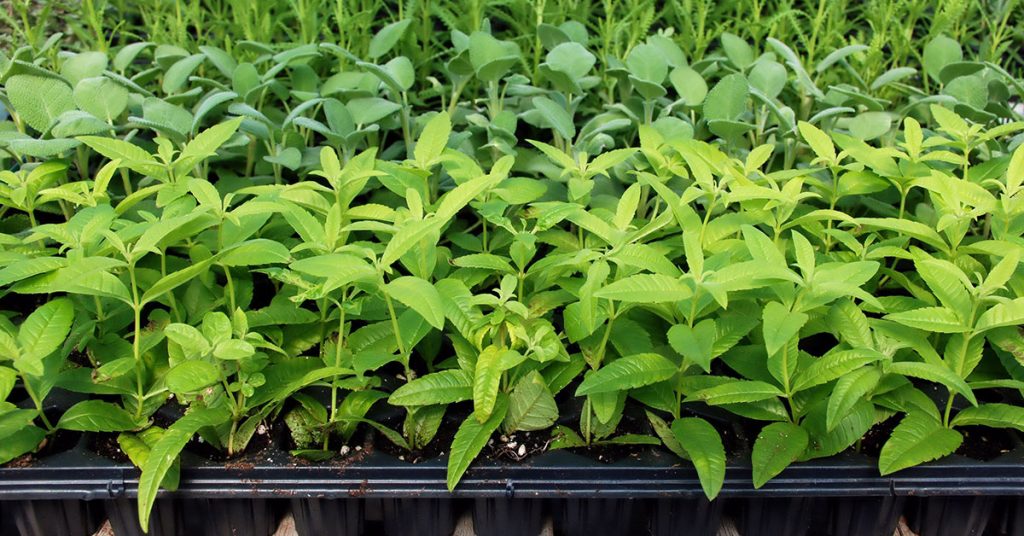
Lemon Verbena is a standout herb with intensely aromatic leaves that emit a bright, lemony fragrance perfect for uplifting any garden space! Native to South America but thriving in warmer climates worldwide, Lemon Verbena grows best in full sun and well-drained soil, and it’s non-invasive when cultivated in contained beds. Its finely divided leaves release a powerful citrus scent that can transform homemade soaps, teas, and essential oil blends into invigorating delights!
In my own patch, Lemon Verbena is a showstopper—its vibrant aroma attracts bees and butterflies that seem to revel in its citrusy notes, and sometimes even small insects find a cozy nook among its feathery leaves. I’m always amazed at how this herb brightens up my garden and creates an atmosphere of zest and energy. Its dynamic fragrance and natural beauty make Lemon Verbena a true treasure for anyone passionate about aromatic gardening!
Sage
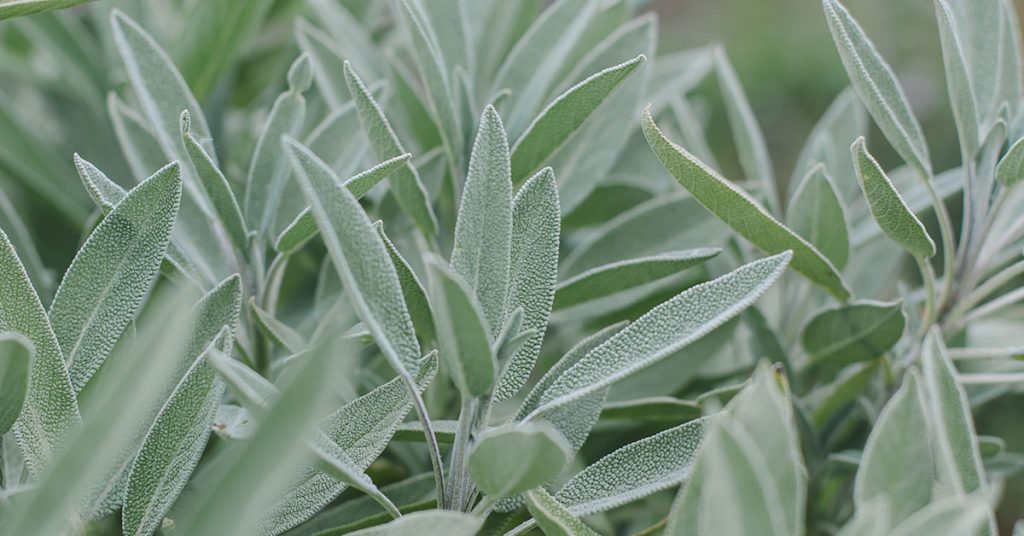
Sage is a time-honored herb with a warm, earthy fragrance that adds a rich, complex note to any aromatherapy blend or homemade creation! Native to the Mediterranean region, Sage thrives in full sun and well-drained soils and is celebrated for its non-invasive, clumping growth habit. Its soft, gray-green leaves, often flecked with subtle purple, are perfect for extracting essential oils that can help soothe sore muscles and boost mental clarity.
In my garden, Sage is more than just a culinary and medicinal herb—it’s a beacon for pollinators like bees and butterflies that find its blossoms irresistible. I’ve seen small insects buzzing around its leaves, sometimes even using the plant as a temporary nesting spot during cooler evenings. The robust aroma and versatile uses of Sage make it a perennial favorite for gardeners who value both beauty and function in their aromatic collections!
Lavender
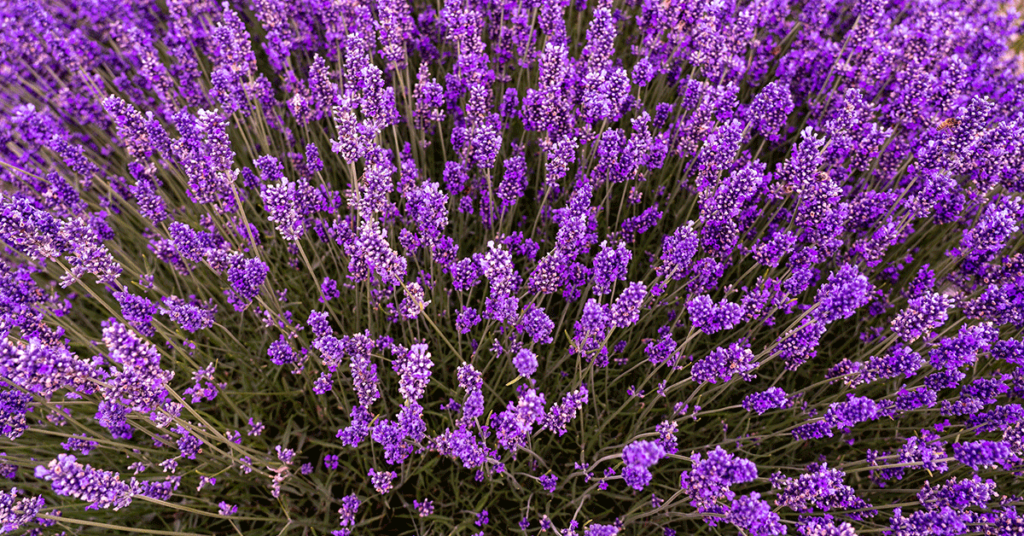
Lavender is perhaps the most iconic aromatherapy herb, renowned for its soothing, floral fragrance and stunning purple blooms that transform any garden into a sensory haven! Native to the Mediterranean, Lavender thrives in full sun and well-drained soils and is non-invasive when grown in well-managed beds. Its long, slender leaves and vibrant flower spikes are perfect for making essential oils, sachets, and even homemade soaps that fill your home with calming scents.
In my garden, Lavender is a constant source of delight—it not only attracts a host of bees, butterflies, and even small birds that occasionally nest in its sturdy framework, but its scent also lingers in the air long after the blooms have faded. Every time I wander through my lavender patch, I’m enveloped in a wave of tranquility and joy that inspires my creativity and soothes my soul. Lavender is truly a quintessential herb for any aromatic spring garden!
Thyme
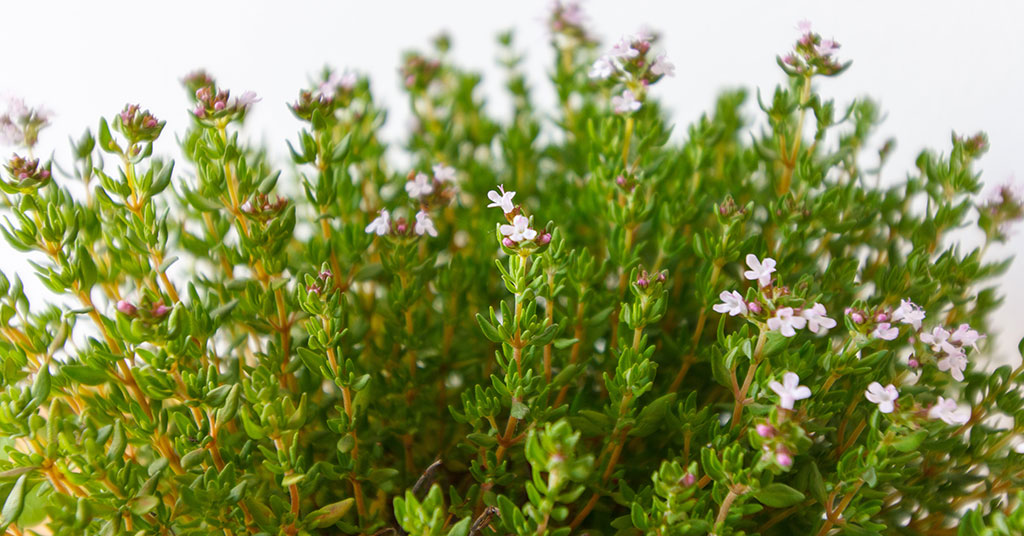
Thyme is a petite yet potent herb that offers a warm, herbaceous aroma, perfect for adding depth to your aromatherapy blends and homemade beauty products! Native to the Mediterranean region, Thyme thrives in sunlit, well-drained soils and is known for its non-invasive, creeping growth habit, making it ideal for borders and small containers. Its tiny, delicate flowers often shift subtly in hue as they mature, adding visual interest along with its rich scent.
In my own gardening adventures, Thyme never fails to impress—its low, dense mats attract beneficial insects such as bees and small butterflies, who are drawn to its nectar and sometimes even use the cushion of foliage for nesting. The multifaceted fragrance of Thyme, which can be both spicy and sweet, makes it a dynamic addition to any aromatic collection. It’s a little powerhouse that turns even a modest garden into a vibrant sensory delight!
Catnip
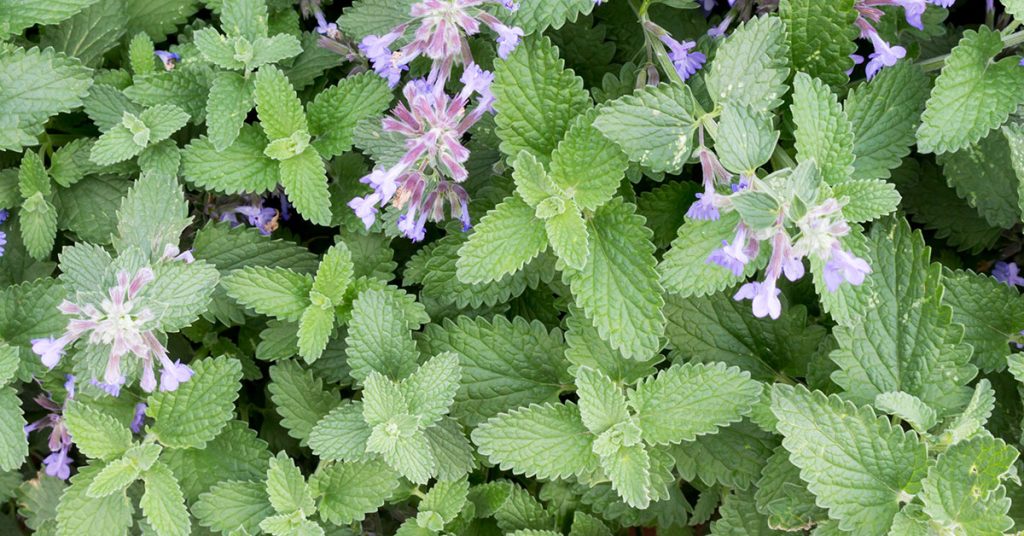
Catnip (Nepeta cataria) is not only a hit with our feline friends but also a surprisingly aromatic herb that adds a subtle minty fragrance to your garden! Native to Europe and parts of Asia, Catnip thrives in full sun to partial shade and is non-invasive when grown in garden beds or containers. Its heart-shaped leaves and delicate, pale lavender flowers produce a scent that is both calming and slightly uplifting, making it a fun and functional addition to your homemade essential oil repertoire.
In my garden, Catnip is a playful surprise—while cats might be the first to enjoy its potent aroma, it also attracts bees and butterflies that are drawn to its soft, nectar-rich blooms. I find it delightful how this herb creates a lively micro-ecosystem, where beneficial insects help pollinate neighboring plants, and even small critters occasionally take shelter in its bushy growth. Catnip’s dual appeal to both pets and people makes it a uniquely versatile herb in my aromatic spring garden!
Basil
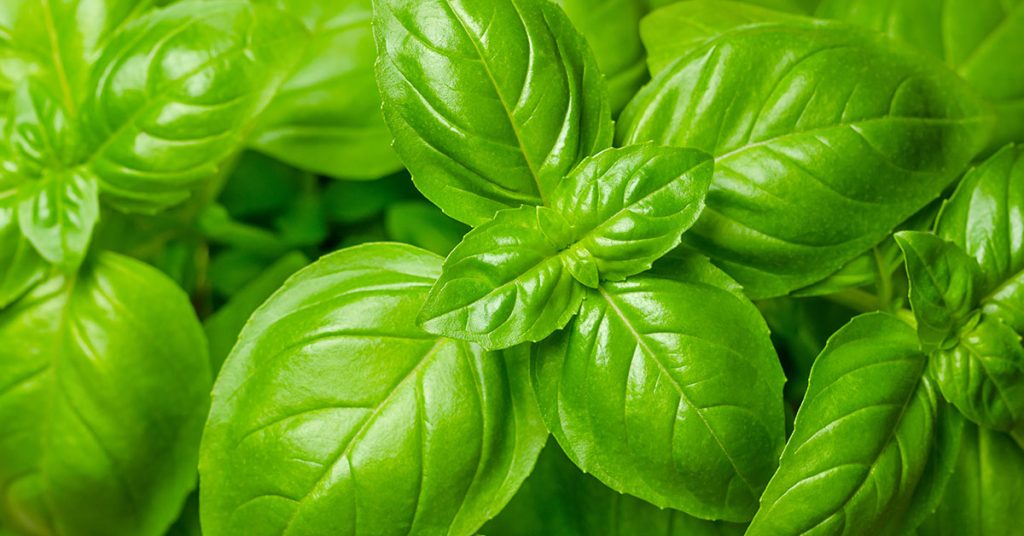
Basil is a beloved herb that offers a warm, sweet fragrance and a touch of spice, making it an essential ingredient in many aromatherapy and culinary creations! Native to tropical regions of Asia, Basil thrives in sunny, well-drained conditions and is typically non-invasive when grown in containers or designated garden beds. Its glossy, vibrant leaves release an enticing aroma that can elevate homemade essential oils, lotions, and even teas to a whole new level of freshness.
In my garden, Basil is a perennial favorite—not only does it enhance my cooking, but its subtle, herbaceous scent attracts bees and butterflies that flutter among its leaves. I enjoy the way its flowers, which can range from pure white to deep purple, add an extra layer of beauty and aroma as they bloom. With its lively fragrance and multiple uses, Basil truly embodies the spirit of an aromatic spring garden!
Marjoram
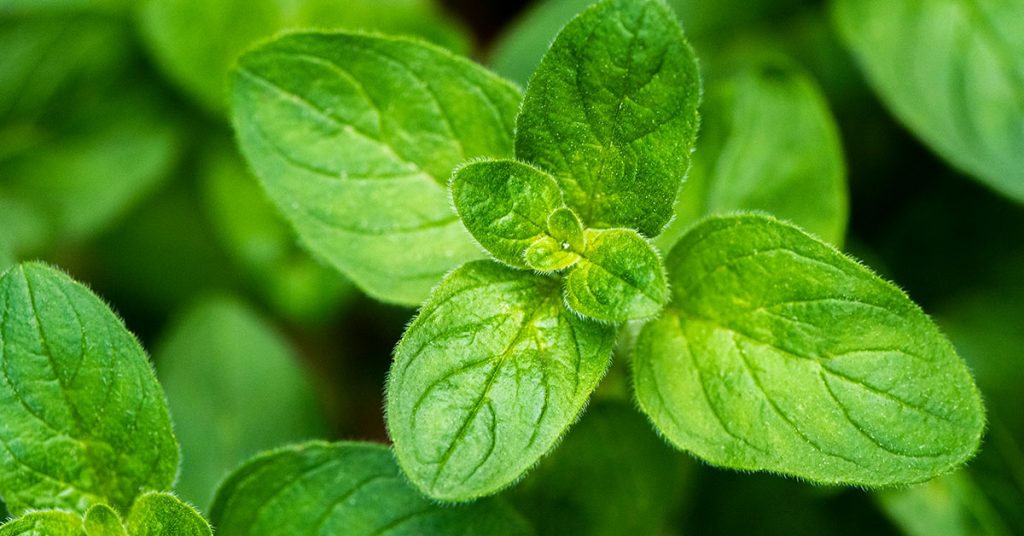
Marjoram is a delicately sweet herb that lends a soft, floral aroma to any aromatherapy blend or homemade product, and it’s a delight for the senses! Native to the Mediterranean region, Marjoram thrives in warm, sunlit areas with well-drained soil and is known for its non-invasive growth habit. Its finely textured, green foliage and tiny, pastel-colored flowers create an understated beauty that is perfect for extracting gentle, soothing essential oils.
In my garden, Marjoram adds a quiet charm that complements more robust aromatics, and its subtle scent often attracts small bees and butterflies that appreciate its mild nectar. I find it especially gratifying when these little pollinators use the dense clusters of Marjoram as a resting spot during warm afternoons. Its refined aroma and versatile applications make Marjoram a prized addition to any aromatic garden collection!
Lemongrass
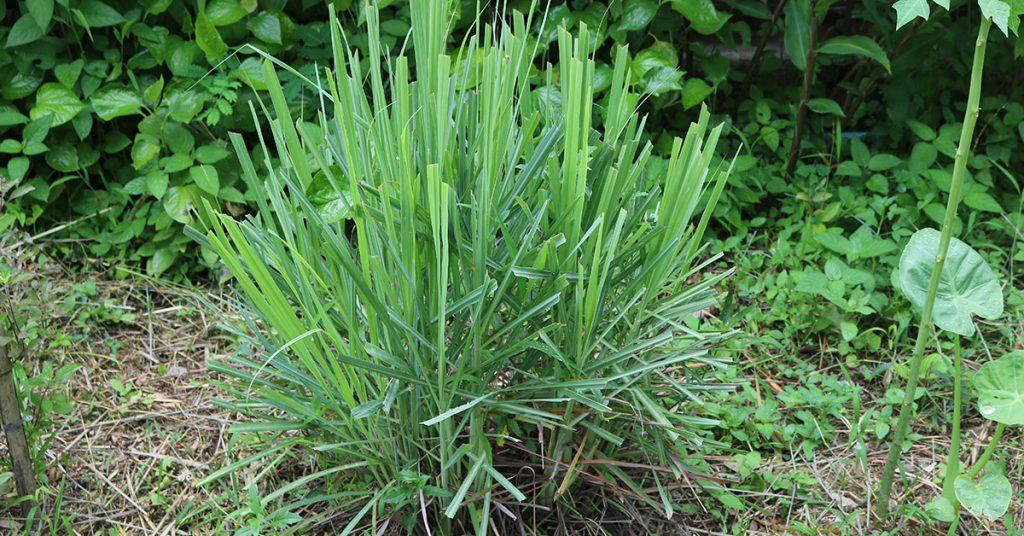
Lemongrass is a zesty, tropical herb that fills the garden with a vibrant, citrusy aroma, ideal for uplifting your spirit and your homemade products! Native to Southeast Asia, Lemongrass thrives in full sun and well-drained soil, and although it can be vigorous, it remains non-invasive when cultivated in pots or contained garden beds. Its tall, slender leaves release a fresh, lemon-like scent that is perfect for creating invigorating essential oils and soothing lotions.
In my own outdoor space, Lemongrass is a real showstopper—its refreshing fragrance attracts bees and butterflies, and its robust growth sometimes even provides a natural backdrop for other delicate plants. I love the way its scent transforms the air, evoking images of sunny tropical paradises and adding a burst of energy to my garden. For anyone seeking a herb that offers both sensory delight and practical benefits, Lemongrass is an absolute must-have!
Patchouli
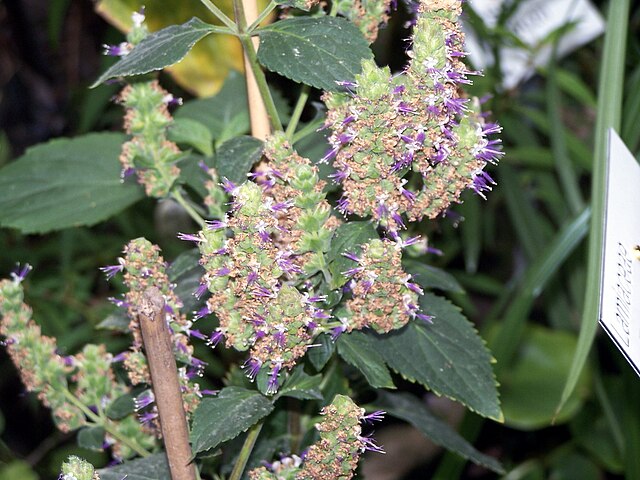
Patchouli is an earthy, exotic herb celebrated for its deep, musky aroma that adds a rich, grounding note to aromatherapy blends and homemade perfumes! Native to tropical regions of Asia, Patchouli thrives in warm, humid conditions and is typically grown in containers in cooler climates to prevent unwanted spreading—it’s not invasive when properly managed. Its broad, crinkled leaves are the source of a powerful essential oil that has been used for centuries to soothe the mind and balance emotions.
In my garden, Patchouli stands out with its distinctive, robust scent that seems to transform the atmosphere into something mysteriously enchanting. I enjoy watching as small bees and other beneficial insects explore its lush foliage, and occasionally, I even spot a tiny moth taking shelter among its textured leaves! The bold, sensual aroma of Patchouli is a wonderful addition to any aromatic garden, providing depth and character that can elevate your homemade creations to a whole new level!
Bay Laurel
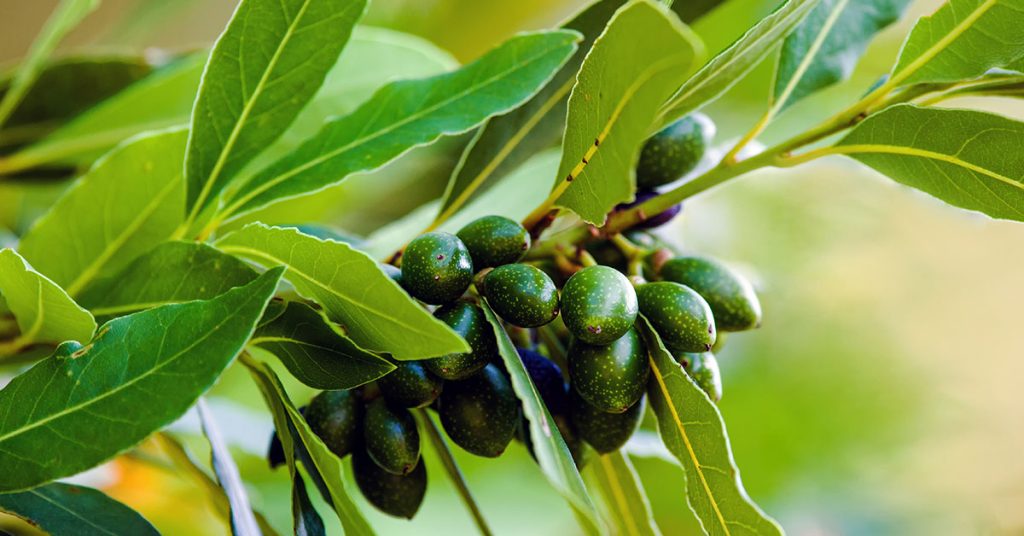
Bay Laurel is a timeless herb known for its subtly spicy, woodsy aroma that lends a classic touch to aromatherapy and culinary endeavors alike! Native to the Mediterranean, Bay Laurel thrives in mild climates with well-drained soil, and it’s non-invasive when grown in containers or carefully managed landscapes. Its glossy, dark green leaves are harvested for their essential oils and are widely used to impart a warm, herbal fragrance to homemade soaps and lotions.
In my garden, Bay Laurel not only adds an elegant, evergreen accent but also attracts small pollinators that appreciate its delicate, aromatic leaves. I’ve noticed that its presence often brings a sense of calm and sophistication, as the leaves sometimes even serve as a perch for tiny birds during quiet mornings. With its enduring appeal and classic fragrance, Bay Laurel is a must-have for anyone looking to add a touch of natural refinement to their aromatic spring garden!
Oregano
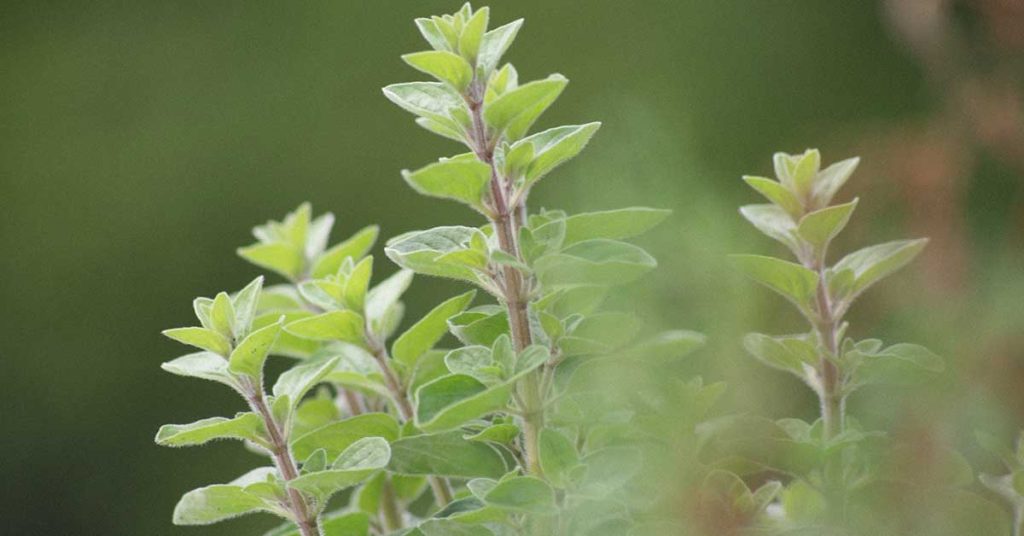
Oregano is a spirited herb that infuses your garden with a robust, peppery aroma, making it a staple for both culinary and aromatherapy uses! Native to the Mediterranean, Oregano thrives in full sun and well-drained soils, and its vigorous yet non-invasive growth makes it ideal for container gardens and borders. Its small, clustered flowers and aromatic leaves release a potent fragrance that can enhance homemade essential oils, teas, and balms.
In my own garden, Oregano is a lively presence—its strong scent draws in bees and butterflies, and its compact form creates natural microhabitats that sometimes serve as temporary nesting spots for beneficial insects. I love the way its fragrance evolves throughout the day, adding layers of complexity to my aromatic blends. For gardeners seeking a herb that combines culinary zest with therapeutic potential, Oregano is a delightful choice!
Citronella

Citronella is a vibrant, lemon-scented herb that’s widely appreciated for its natural insect-repelling properties and its fresh, invigorating aroma! Native to tropical Asia, Citronella thrives in warm, sunny environments and well-drained soil, and it’s non-invasive when grown in pots or designated garden areas. Its long, slender leaves exude a sharp, citrus fragrance that not only uplifts your senses but also keeps pesky insects at bay—perfect for outdoor relaxation and aromatherapy!
In my garden, Citronella is a favorite for creating a comfortable, bug-free zone where you can enjoy the outdoors. I love watching as bees and butterflies occasionally visit its bright foliage, adding a hint of movement to its vibrant presence. Its dual role as both an aromatic enhancer and a natural insect repellent makes Citronella an indispensable herb for a truly refreshing spring garden!
Anise Hyssop
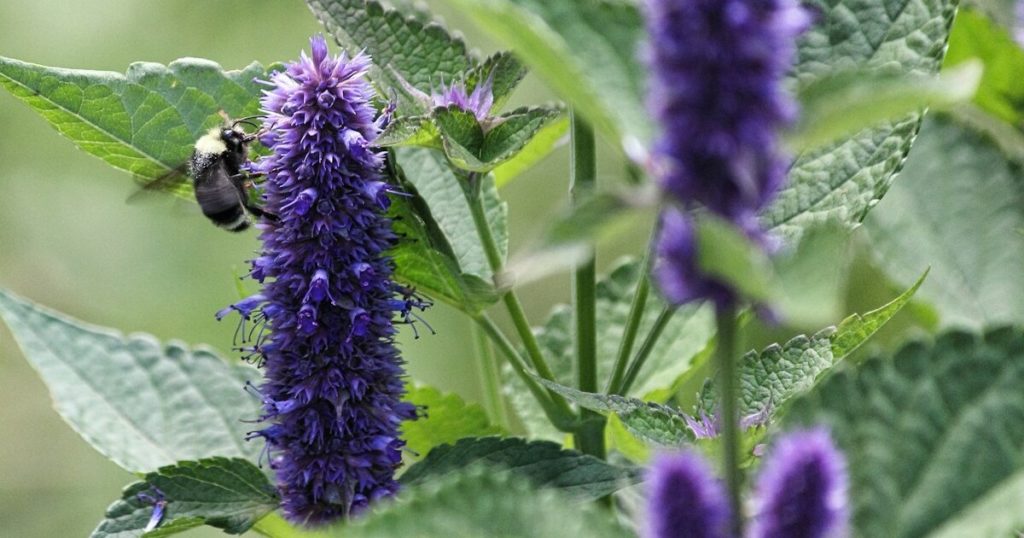
Anise Hyssop is a delightful herb that offers a sweet, licorice-like aroma, making it a charming addition to your aromatherapy and homemade product repertoire! Native to North America, Anise Hyssop thrives in sunny, well-drained soils and is non-invasive, which makes it a wonderful choice for herb gardens and borders. Its clusters of small, purple flowers are not only visually appealing but also contribute to its distinctive, refreshing scent that enhances essential oil blends.
In my garden, Anise Hyssop is a wonderful magnet for pollinators—bees, butterflies, and even small hummingbirds are drawn to its nectar-rich blooms. I always find it fascinating how its aromatic leaves and delicate flowers create a mini oasis for beneficial insects, while simultaneously adding a unique twist to the garden’s fragrance profile. Its bright, inviting aroma makes every harvest a joyful celebration of natural beauty and creativity!
Tarragon
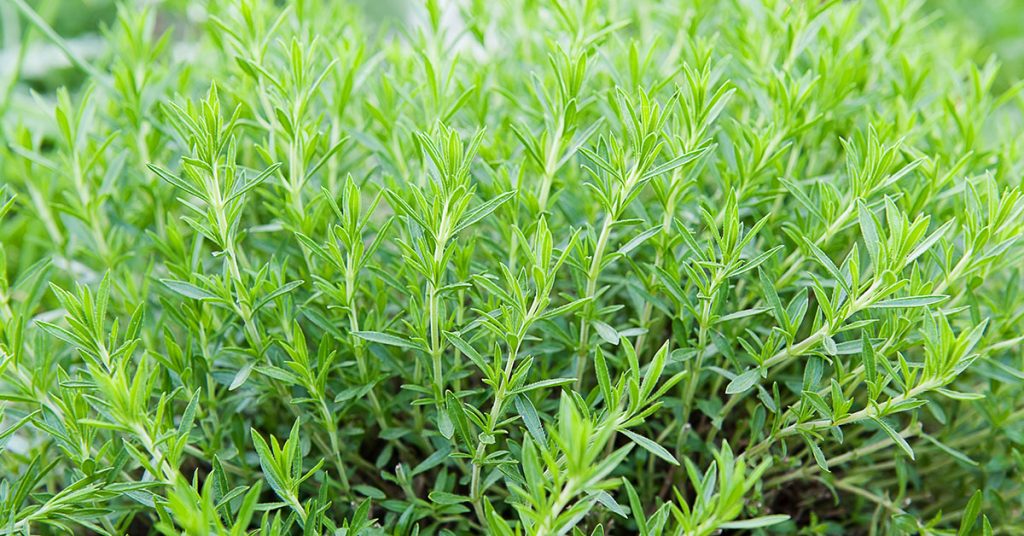
Tarragon is an herb with a refined, slightly bittersweet fragrance that lends a sophisticated note to aromatherapy blends and homemade creations! Native to Eurasia, Tarragon thrives in full sun and well-drained soils, and its non-invasive nature makes it perfect for container gardens or well-defined borders. Its slender, glossy leaves carry a unique aromatic profile that is both herbaceous and subtly sweet, ideal for crafting elegant essential oil formulations.
In my own garden, Tarragon adds an unexpected touch of finesse—the way its delicate leaves rustle in the breeze often attracts small bees and butterflies, contributing to a lively, interconnected ecosystem. I enjoy watching these little pollinators flit about, sometimes even perching on the slender stems as if taking a moment to savor the herb’s unique fragrance. Tarragon’s elegant aroma and refined character make it a standout choice for any aromatic spring garden!
Winter Savory

Winter Savory is a robust herb known for its spicy, peppery scent that warms the air and enlivens your aromatherapy blends! Native to the Mediterranean, Winter Savory thrives in full sun and well-drained soils, and it is non-invasive, which makes it ideal for compact gardens and borders. Its tiny, delicate flowers and aromatic leaves produce an invigorating fragrance that can enhance homemade balms, teas, and essential oil mixtures with a subtle kick.
In my garden, Winter Savory is a hidden gem that surprises me with its energetic aroma and its ability to attract a variety of beneficial insects. I often see small bees and even minute butterflies drawn to its blossoms, and its low, spreading habit creates natural microhabitats along the garden bed. Its spicy yet refreshing scent is a perfect complement to other aromatics, making Winter Savory a must-try for anyone looking to add depth and character to their aromatic spring garden!
Bergamot Mint

Bergamot Mint is a fragrant herb that captures the essence of citrus with a hint of mint, offering a truly uplifting aroma for your homemade products! Native to regions of Europe, Bergamot Mint thrives in full sun and well-drained soil, and it’s generally non-invasive when grown in containers or designated garden areas. Its vibrant, green leaves emit a fresh, bergamot-citrus fragrance that’s ideal for infusing teas, soaps, and essential oils with a bright, refreshing note.
In my own garden, Bergamot Mint is a lively addition that never fails to invigorate the space. I love watching as bees and butterflies are drawn to its aromatic foliage, and sometimes I even spot small insects taking refuge in its dense growth. Its unique scent, reminiscent of a sunny Mediterranean day, transforms my garden into a sensory paradise that delights both the eyes and the nose!