

Spring is an enchanting time when nature surprises us with its ever-changing palette, and there’s nothing more exciting than witnessing flowers that gradually transform their hues as the season unfolds! As a passionate gardener, I understand the heartache of waiting for that perfect burst of color, only to have unpredictable weather or pests interfere with your plans. That’s why I’m thrilled to share 16 remarkable perennials that begin to change color throughout spring—each one offering not only an immediate visual impact but also a dynamic evolution that keeps your garden fresh and inspiring!
Over the years, I’ve discovered that these color-changing blooms add an extra layer of magic to any outdoor space. They attract beneficial pollinators, provide cozy nesting spots for tiny critters, and create a living tapestry that evolves day by day! In this article, I’ll delve into the origins, growing habits, and ecological benefits of each flower, so you can create a garden that surprises and delights you from the very first bloom to the last lingering petal of spring.
Hellebores
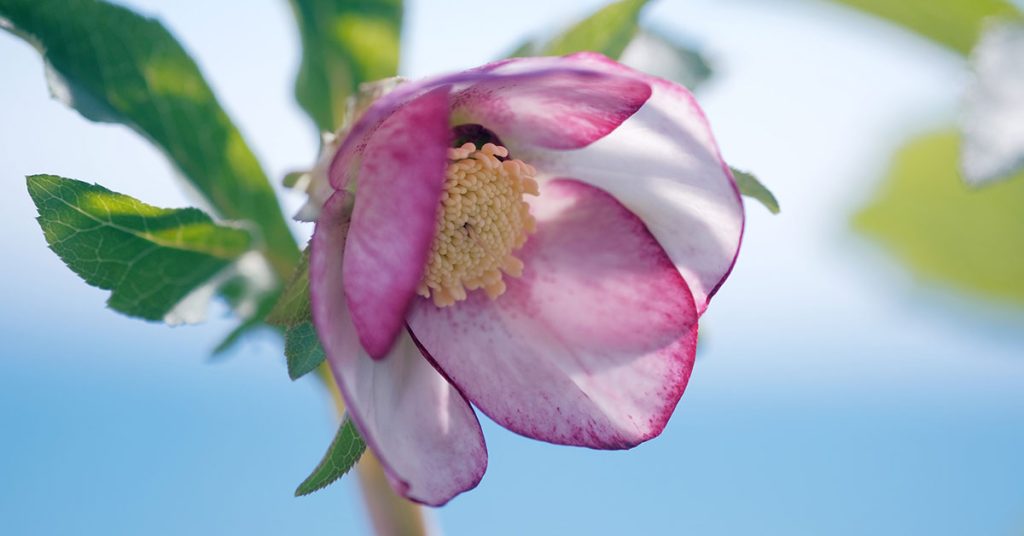
Hellebores, often known as the Lenten Rose, are true early bloomers that display subtle shifts in color as their petals open fully! Native to central and southern Europe as well as parts of Asia, these perennials thrive in shady spots and well-drained soils. They are not invasive, making them a perfect choice for woodland gardens or under the canopy of larger trees, where their evolving hues—from deep purples to soft, silvery pinks—create an air of quiet sophistication.
In my garden, hellebores have become a cherished secret, quietly enchanting visitors with their mysterious beauty. I love watching how their delicate blossoms attract early emerging bees and butterflies, which sometimes find shelter among the folds of their petals. Their gradual color transition is not only mesmerizing but also signals the slow yet steady arrival of spring, turning even the shadiest corners of the garden into a canvas of evolving art!
Tulips

Tulips are synonymous with spring and, in some varieties, they offer an unexpected twist by shifting their colors as they mature! Originally native to Central Asia, tulips were refined by the Turks and later popularized in Europe, where they became a symbol of seasonal renewal. Although they are widely cultivated and managed, tulips are not invasive, ensuring that their bold, cup-shaped blossoms remain a controlled yet stunning focal point in your garden beds.
Every year, I delight in the way tulips transition from vibrant, concentrated hues at bud stage to softer, more blended tones as the day warms up. This fascinating metamorphosis attracts bees and other pollinators that eagerly sip on the lingering nectar, sometimes even using the robust stem as a perch during brief stops. Tulips not only bring beauty and elegance to the landscape but also serve as a living reminder that change can be both rapid and breathtaking!
Pansies
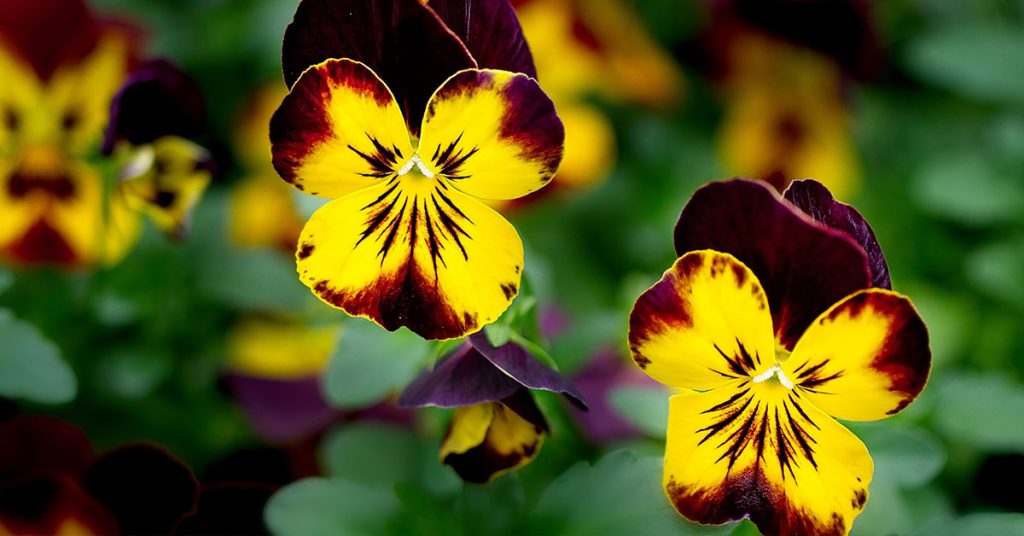
Pansies are charming, cool-weather favorites that often showcase a delightful color transition as temperatures fluctuate during spring! Native to Europe and the Mediterranean region, pansies have been cultivated for their intricate, face-like blooms and are well-behaved in garden beds, as they are not invasive. Their ability to display a mix of colors—often shifting from deep purples to luminous yellows—is a treat for anyone who loves dynamic floral displays.
In my own garden, pansies create a veritable mosaic of hues that change subtly with the warming weather, drawing in an assortment of tiny pollinators such as bees and hoverflies. I find it fascinating how these flowers seem to tell a story with each passing day, their colors evolving as if in conversation with the sun! Their engaging transformation not only enlivens my garden but also provides a welcoming habitat for beneficial insects that help maintain a balanced ecosystem.
Primroses
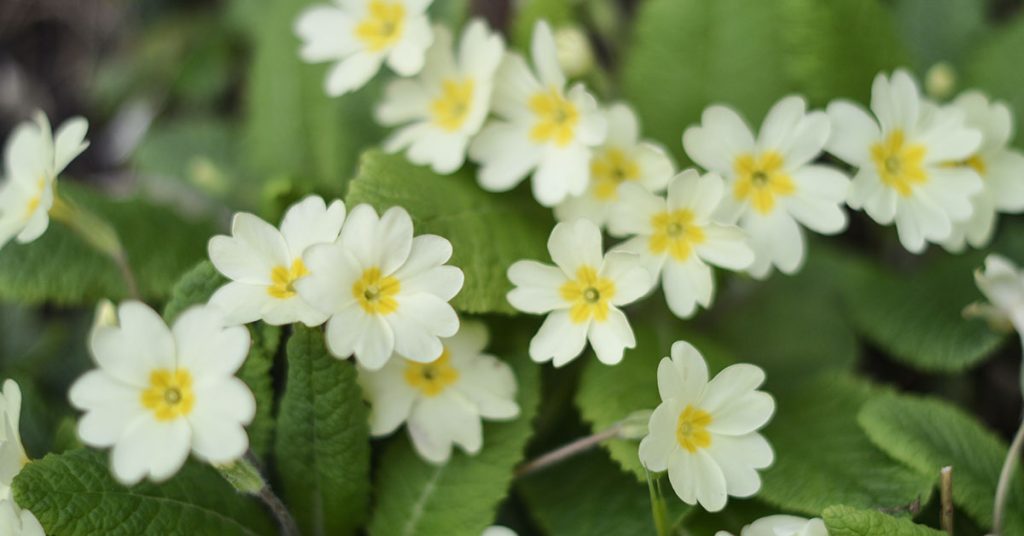
Primroses offer an enchanting burst of early color and are known to shift their delicate shades as spring progresses! Native to Europe and parts of Asia, primroses have long been treasured for their soft, pastel blooms that gradually open to reveal layers of changing hues. They are non-invasive and ideal for rock gardens or woodland borders, where their vibrant display can brighten even the gloomiest winter remnants.
I always look forward to primroses in my garden, as their blossoms seem to evolve from gentle pinks to subtle lavenders, almost as if reflecting the changing moods of the season. Their soft petals attract a host of beneficial insects, including small bees and butterflies that sometimes seek refuge among the foliage. The dynamic beauty of primroses reminds me that even the most tender blooms can hold layers of surprise and resilience, offering both visual pleasure and ecological support!
Hyacinths
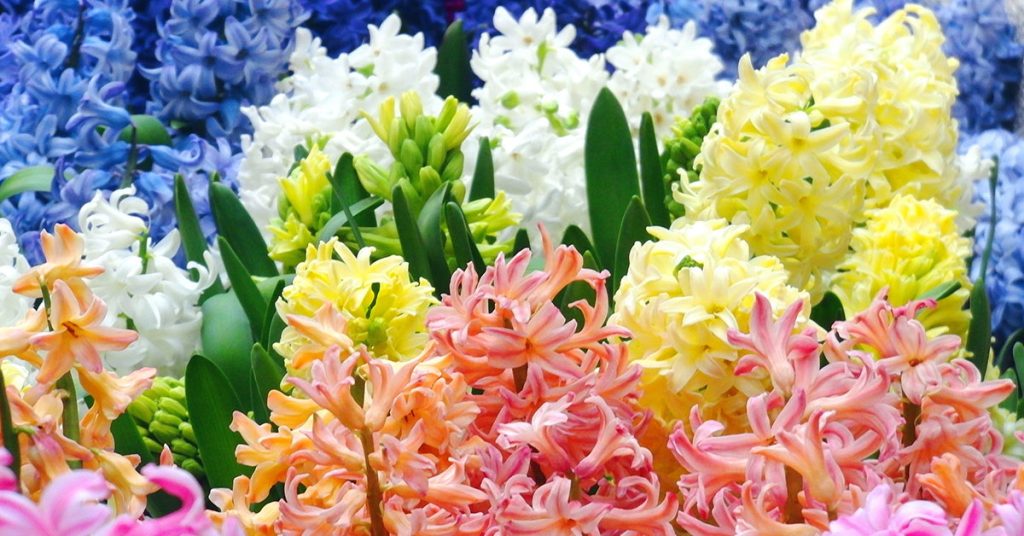
Hyacinths burst onto the scene with intensely fragrant blooms that gradually soften into more muted shades as the days lengthen! Native to the Eastern Mediterranean and Asia Minor, these perennials are celebrated for their rich, vibrant colors that shift gently from deep, saturated tones to lighter pastels over time. While hyacinths are often grown for their stunning display, they are not invasive, making them a superb choice for container gardens and traditional borders alike.
In my garden, hyacinths are a sensory delight—not only do they infuse the air with a heady fragrance, but their color transitions also captivate any observer. I’ve noticed that as their blossoms mature, they attract an abundance of bees and even small butterflies, which relish the gentle nectar and sometimes use the thick, fibrous stems as temporary perches. Their evolving palette is a true celebration of spring, transforming every corner of the garden into a living kaleidoscope of aroma and color!
Daffodils
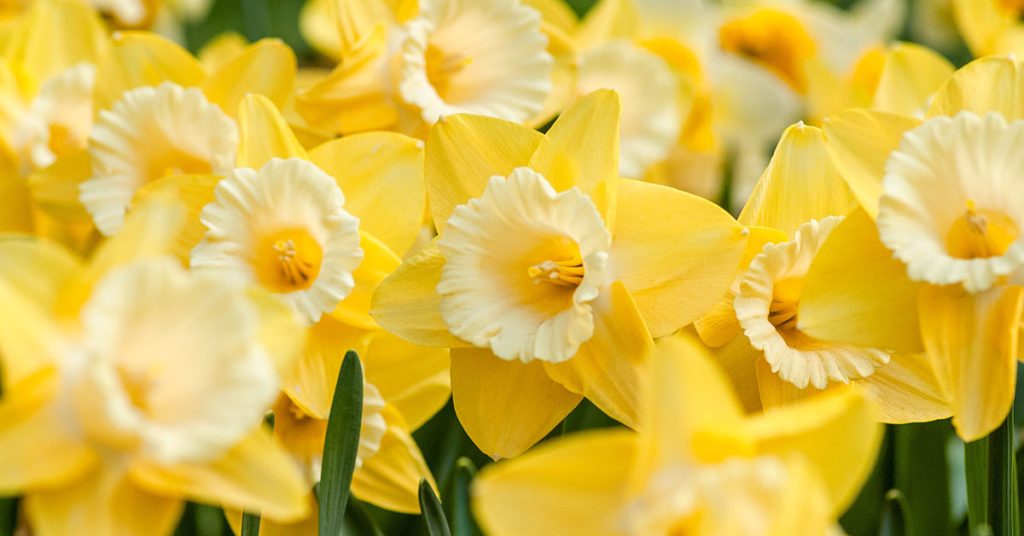
Daffodils are cheerful heralds of spring whose vibrant yellows and whites often shift in intensity as the season unfolds! Native to Europe and North Africa, these hardy bulbs have been cultivated for centuries and are renowned for their non-invasive nature, ensuring that they brighten up garden beds without overtaking them. As daffodils bloom, their colors can appear to mellow from a striking, sunny brightness to softer, more pastel tones that blend harmoniously with early spring foliage.
In my own outdoor sanctuary, daffodils bring a burst of optimism that attracts a lively assortment of bees and small insects. I find it utterly delightful to watch these flowers not only light up the landscape but also serve as a natural beacon for pollinators, some of which even use the clustered, trumpet-like blooms for shelter during brief, chilly nights! Their evolving hues and joyful presence are a testament to the enduring spirit of spring, transforming even the simplest garden into a vibrant celebration of life!
Anemones
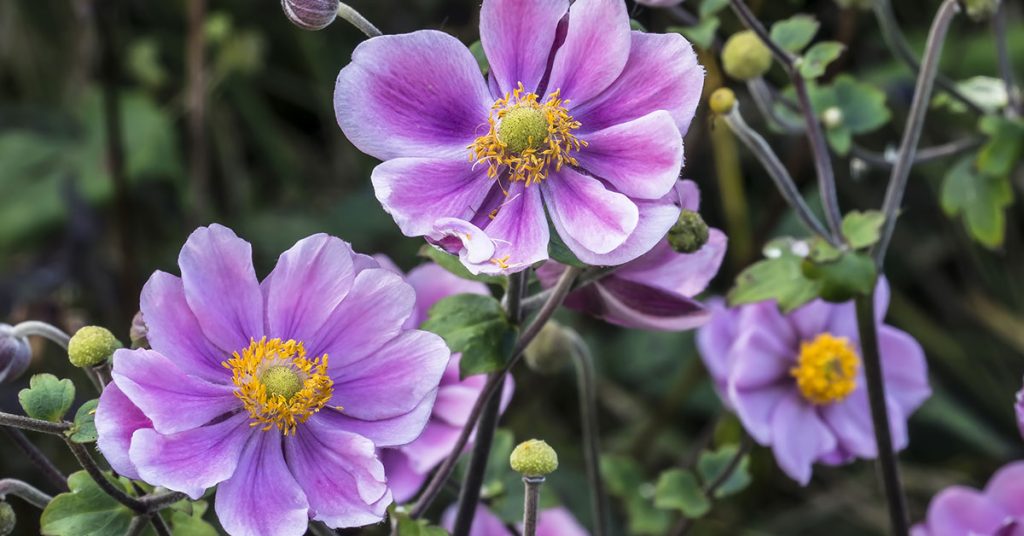
Anemones, with their delicate, papery petals and captivating centers, offer a subtle yet enchanting change of color as they bloom! Native to regions across Europe and Asia, anemones thrive in well-drained soils and are non-invasive, making them a charming addition to woodland gardens and open meadows alike. As they mature, these flowers often exhibit a shift in tone—from deep, rich purples to lighter, almost translucent shades—that seems to mirror the gentle arrival of spring light.
In my garden, anemones create an air of quiet magic, drawing in small pollinators such as bees and butterflies that delight in their gentle nectar. Their color transition is a conversation with the season, a soft metamorphosis that adds an extra layer of depth to the landscape. Watching these flowers evolve day by day fills me with a sense of wonder and appreciation for the delicate balance of nature—a balance that turns even the smallest blossom into a story of transformation and hope!
Bleeding Heart
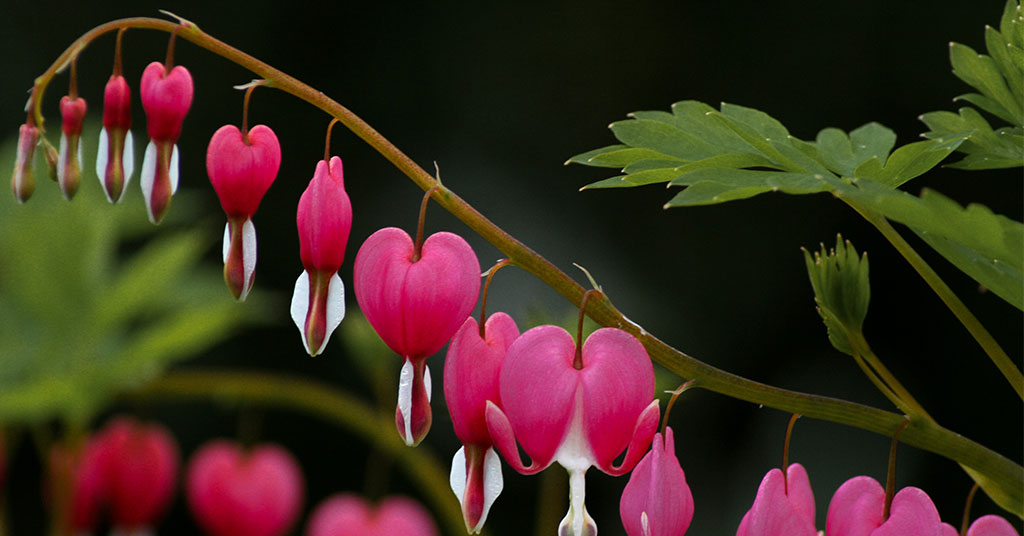
Bleeding Heart is a perennial with uniquely shaped, heart-draped blooms that shift in intensity as spring advances! Native to Asia and parts of Europe, this plant is admired for its romantic, pendulous flowers that gradually fade from deep, velvety pinks to softer, more delicate hues. While Bleeding Heart is not considered invasive, it does require a bit of tender care, thriving best in sheltered, moist conditions where it can gently transform its palette over time.
In my garden, Bleeding Heart exudes a poetic charm, its evolving colors drawing not only my admiration but also a variety of beneficial insects. I often observe tiny bees and even some hoverflies alighting on its arching stems, sometimes even using the sheltered spaces beneath the blooms as a temporary nesting area. Its gradual color shift is like a living work of art, constantly reminding me that beauty in nature is as fluid and ever-changing as the seasons themselves!
Forget-me-nots
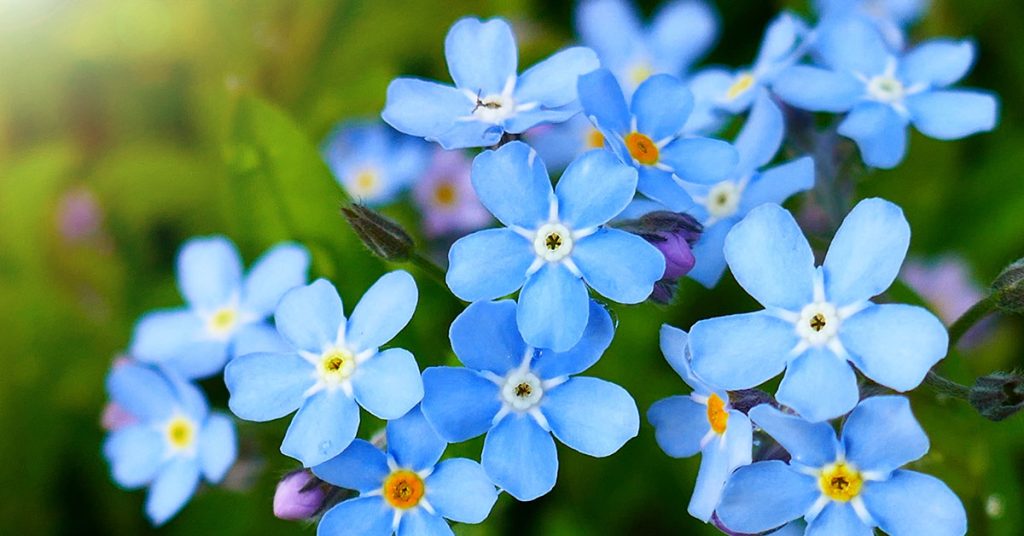
Forget-me-nots are delicate yet resilient flowers that captivate with their charming blue blooms, which can deepen in color as spring matures! Native to Europe and parts of Asia, these tiny perennials flourish in moist, shaded environments and are non-invasive, making them a lovely choice for woodland edges and garden borders. Their gentle transformation from soft blue to deeper indigo is a subtle nod to the evolving moods of the season.
I take great pleasure in watching forget-me-nots as they blanket my garden with a carpet of ever-changing hues. Their petite blossoms attract myriad tiny pollinators—especially small bees and butterflies—which occasionally find refuge in the compact clusters of petals. The delicate evolution of their color not only enhances the aesthetic of my garden but also creates an inviting haven for beneficial insects, turning every glance at these blooms into a moment of serene beauty and wonder!
Ranunculus
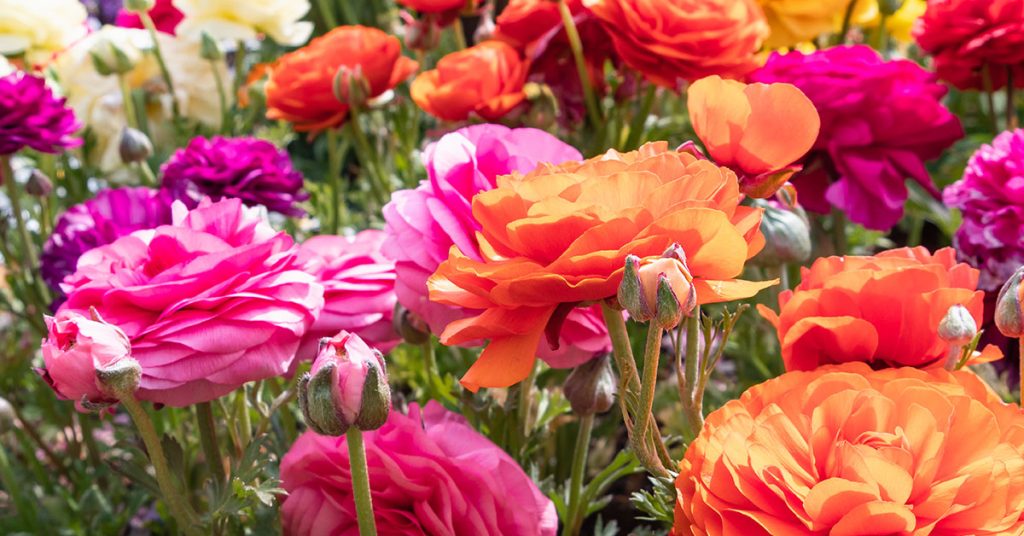
Ranunculus, with its intricately layered, buttercup-like petals, brings a burst of vibrant color that transforms as the bloom opens wider throughout spring! Native to regions of Asia and Europe, these perennials are known for their dazzling, multicolored displays and are non-invasive, making them perfect for gardeners seeking immediate impact without long-term spread issues. As the flowers mature, the intense, saturated colors often give way to softer, blended shades that add a dynamic quality to the garden.
In my own floral arrangements, ranunculus has become a favorite not only for its eye-catching beauty but also for the way it attracts a variety of pollinators. I’ve noticed that bees and small butterflies are irresistibly drawn to its abundant nectar, and sometimes even take shelter among the lush layers of petals. The evolving hues of ranunculus are a constant source of inspiration, reminding me that nature’s most exquisite works of art are never static but always in delightful flux!
Camellias
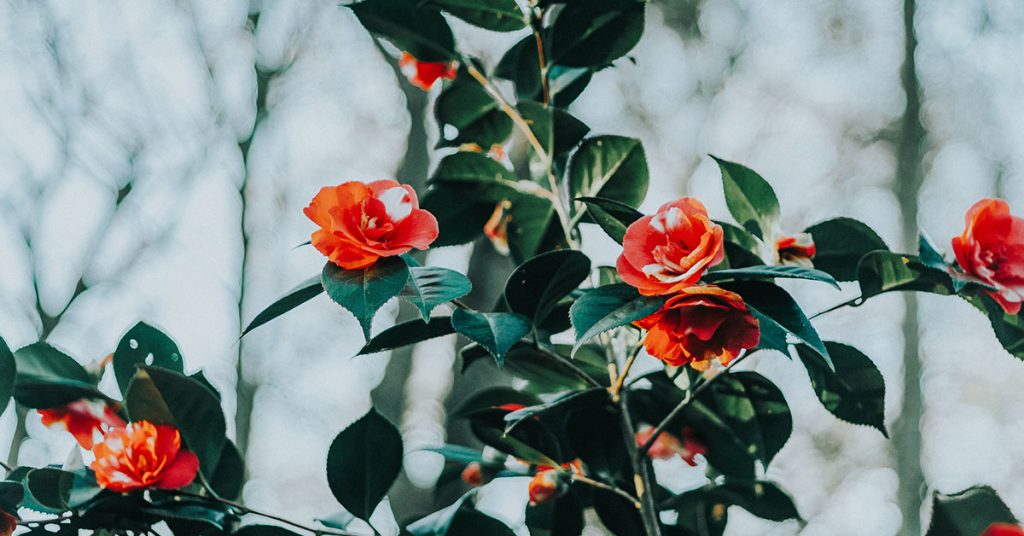
Camellias are elegant, evergreen perennials that bring a touch of old-world charm to the spring garden, with blooms that can subtly shift in tone as they mature! Native to eastern and southern Asia, these flowers have been admired for centuries for their lush, layered petals and their ability to adapt to cooler climates. Although camellias are cultivated widely, they are not considered invasive, making them a refined addition to garden borders and shaded areas where their color transitions from soft pinks to deep crimsons captivate the eye.
In my garden, camellias serve as both a visual and ecological treasure. Their shifting hues attract not only a host of bees and butterflies but also provide a sheltered microhabitat for small insects that benefit from the protected space between overlapping petals. The gradual evolution of their color throughout the season fills me with joy and reminds me that every bloom holds its own story—a narrative of transformation that mirrors the changing spirit of spring itself!
Lupines
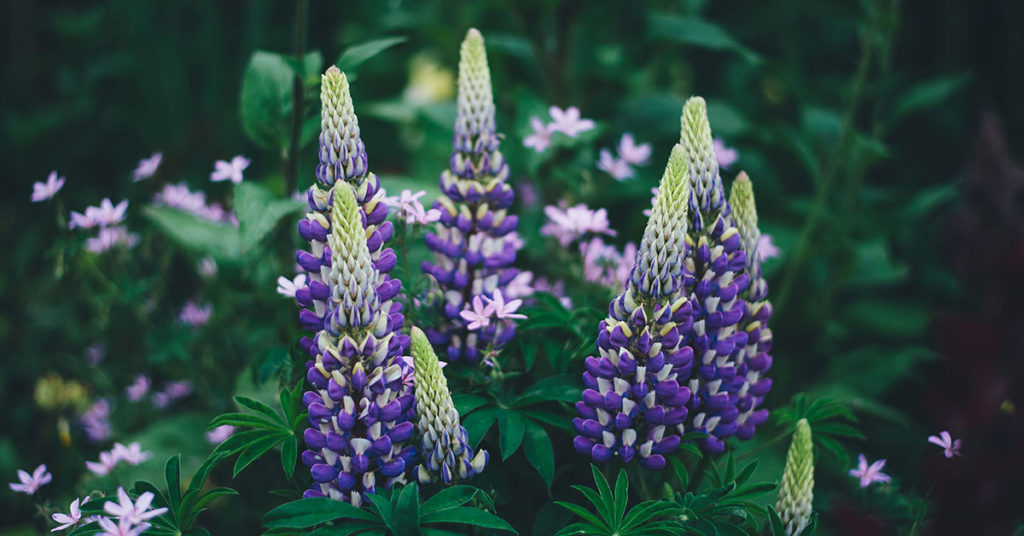
Lupines burst into life with tall, spiky clusters of blossoms that often display an enchanting change in color as they develop! Native to North America and the Mediterranean region, these perennials are renowned for their ability to enrich the soil with nitrogen while remaining non-invasive when properly managed. Their flowers, which can shift from light blues to deep purples or even pinks as they age, create an instant vertical accent that energizes any garden setting.
In my landscape, lupines are a dramatic highlight, drawing in bees and butterflies that are enticed by their vibrant, evolving hues. I love watching as these towering beauties slowly transition, their color change adding depth and texture to the garden. Their dynamic display not only enhances the visual appeal but also contributes to a thriving ecosystem where every insect and small creature finds a part to play in the symphony of spring!
Iris
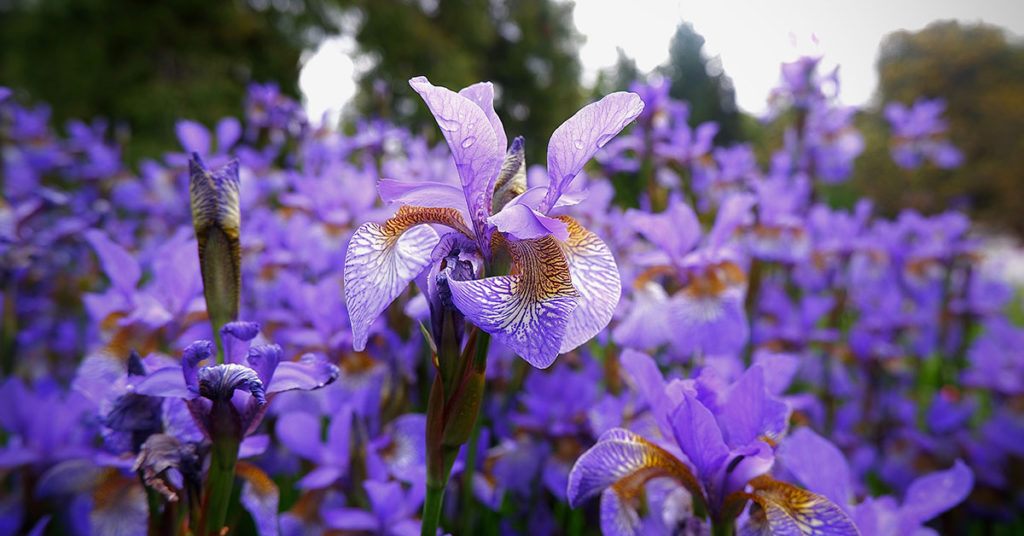
Iris, with its striking, sword-like leaves and bold, intricate blooms, is a perennial that often reveals subtle shifts in color as the season unfolds! Native to the Mediterranean and parts of Asia, these elegant flowers are non-invasive and thrive in well-drained soils, making them an excellent choice for adding both structure and color to your garden. Many iris varieties start with one hue and, as they mature throughout spring, display a nuanced range of shades that add a layer of complexity to their beauty.
In my garden, iris stands as a symbol of resilience and artistry, its evolving colors drawing the attention of various pollinators like bees and small butterflies. I’m always delighted when these flowers seem to tell a visual story—each petal gradually shifting in tone as if capturing the very essence of a spring sunrise. Their majestic form and dynamic color play remind me that every garden is a living masterpiece, painted by the hand of nature itself!
Peonies
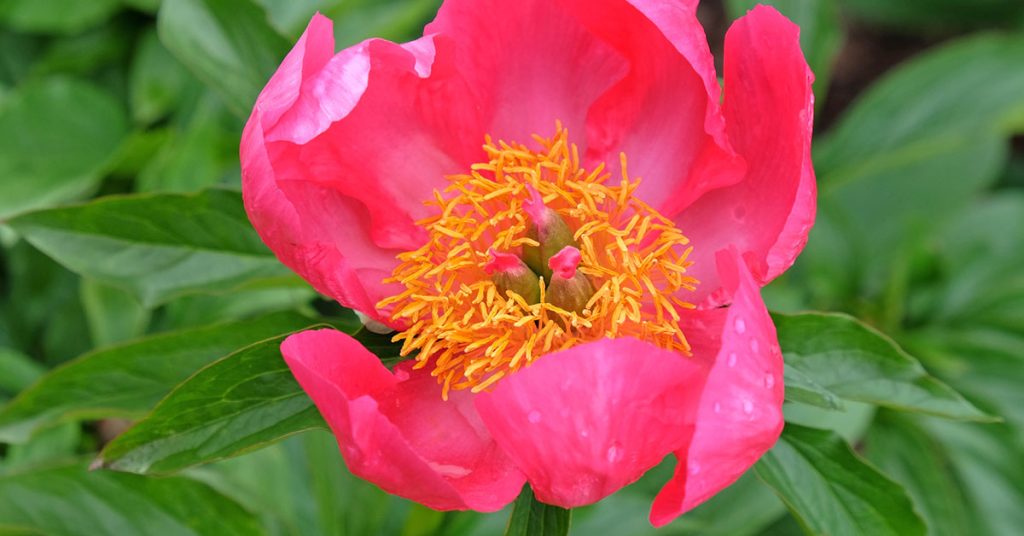
Peonies are beloved for their lush, full blooms and are known to exhibit a subtle transformation in color as they open and mature! Native to Asia, Europe, and Western North America, these perennials are prized for their extravagant blossoms and their ability to bring a touch of romance to any garden setting. They are non-invasive and tend to flourish in well-drained, fertile soils, where their petals often shift from rich, saturated hues to softer, more ethereal tones as the bloom unfolds.
In my own garden, peonies are a source of endless wonder—their ever-changing color seems to capture the essence of a fading sunset and the promise of a new day. These magnificent flowers attract a wide variety of pollinators, from buzzing bees to delicate butterflies, who find refuge among the dense, velvety layers. The evolving beauty of peonies is a gentle reminder that transformation is at the heart of nature, and that each bloom carries with it a story of passion, resilience, and timeless elegance!
Columbine
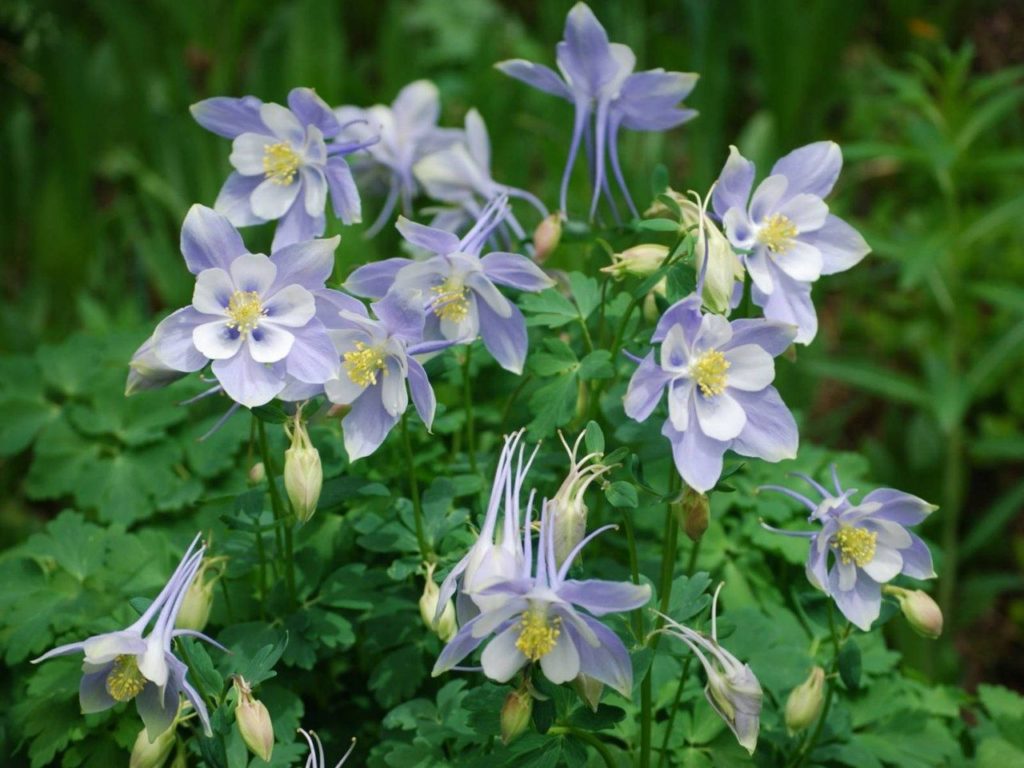
Columbine is a perennial gem that enchants with its intricate, nodding blooms and a fascinating shift in color as they mature through the spring! Native to North America and parts of Europe, columbine thrives in well-drained soils and is known for its unique, spurred petals that often begin with one shade and gradually transition into another. This non-invasive flower not only provides an immediate burst of charm but also creates a whimsical focal point in shaded garden areas and woodland settings.
In my garden, columbine never fails to captivate with its delicate beauty and evolving hues, which seem to echo the gentle changes of the season. Its uniquely shaped blossoms attract a variety of pollinators—tiny bees, butterflies, and even hummingbirds are drawn to its nectar, sometimes using the intricate structure as a shelter. The color journey of columbine is a living testament to nature’s creativity, filling my garden with a sense of magic and perpetual renewal!
Crocus
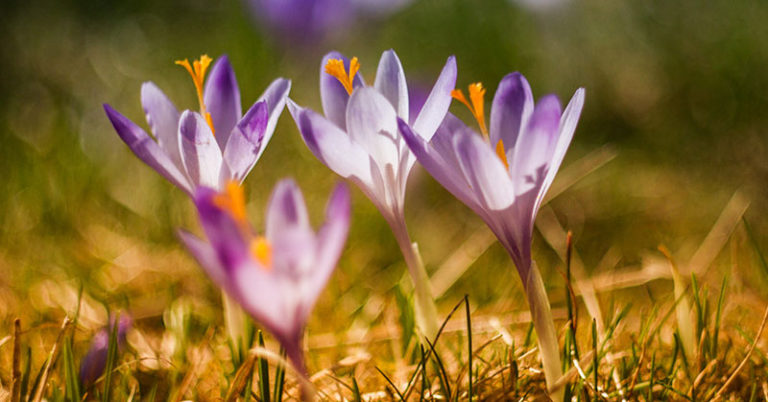
Crocus is one of the earliest heralds of spring, boasting vibrant, cup-shaped blooms that can shift from deep, velvety purples to lighter, almost ethereal pastels as they fully open! Native to regions across Europe and western Asia, crocuses are renowned for their ability to brave the last vestiges of winter and are non-invasive, making them ideal for planting in rocky gardens or under ornamental shrubs. Their delicate color transformation is a subtle reminder of the transition from winter’s chill to the warmth of spring.
In my own outdoor space, crocuses add a delightful touch of early color that seems to dance with the morning light. I often marvel at how their hues gently evolve throughout the day, attracting an assortment of beneficial insects such as early emerging bees and tiny butterflies that find the dewy petals irresistible. Crocuses not only herald the arrival of a new season but also create a living mosaic that fills every corner of the garden with hope, energy, and a promise of continuous renewal!