

Spring in the garden is always a time of wonder and discovery, and nothing excites me more than the hidden world of carnivorous perennials that not only add intrigue but also serve a very practical purpose! I know how frustrating it can be when pesky flies overrun your outdoor spaces, and I’m delighted to share some of nature’s most fascinating solutions—plants that have evolved to feast on insects. In this article, we’ll explore several extraordinary species that are not only striking in appearance but also proficient fly hunters, each with unique traits, native origins, and careful considerations regarding their potential invasiveness.
Over the years, I’ve nurtured a deep connection with these remarkable plants and learned that every species has its own captivating story. From the intriguing snap of a Venus flytrap to the delicate glisten of sundew droplets, each plant invites us to appreciate the clever strategies nature employs! Whether you’re a seasoned gardener or just beginning your journey into ecological gardening, join me as we delve into the quirks and delights of these insect-eating perennials, and discover how they contribute to a balanced and vibrant garden ecosystem.
Butterwort (Pinguicula)
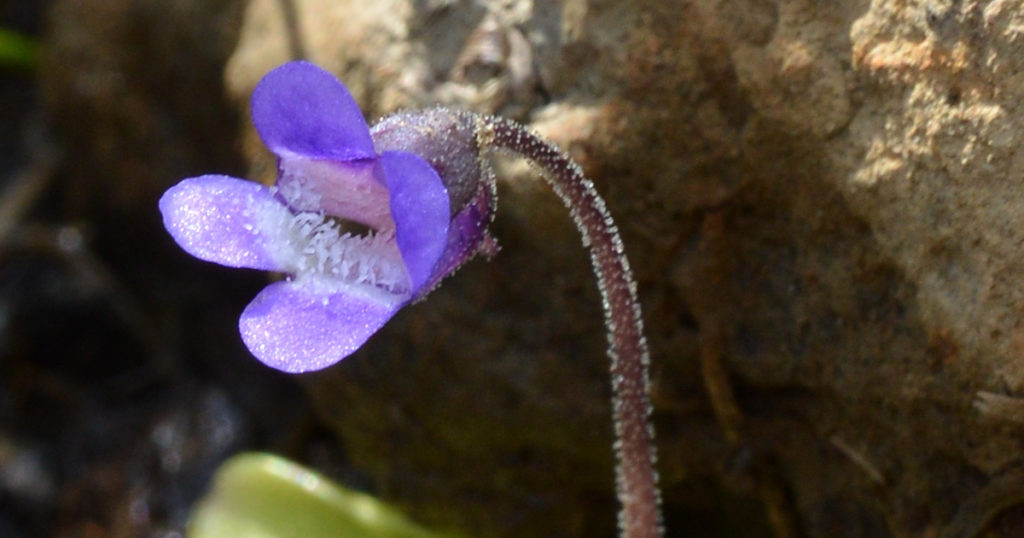
Butterworts, with their sticky, glandular leaves, are an absolute delight in the garden, capturing errant flies with a touch that seems almost magical! Native to both Europe and North America, these carnivorous perennials have long enchanted gardeners with their delicate appearance and practical pest control abilities. Although they are not regarded as invasive, they do require a slightly moist environment, which can sometimes lead to rapid growth if conditions are perfect.
In my experience, these plants not only manage fly populations but also create a welcoming microhabitat for small beneficial insects. The glistening, dew-like droplets on their leaves attract a variety of winged visitors who inadvertently become part of the plant’s feeding strategy. I find it fascinating how Butterworts balance beauty with functionality, turning an everyday gardening challenge into a natural solution that’s both effective and enchanting!
Venus Flytrap (Dionaea muscipula)
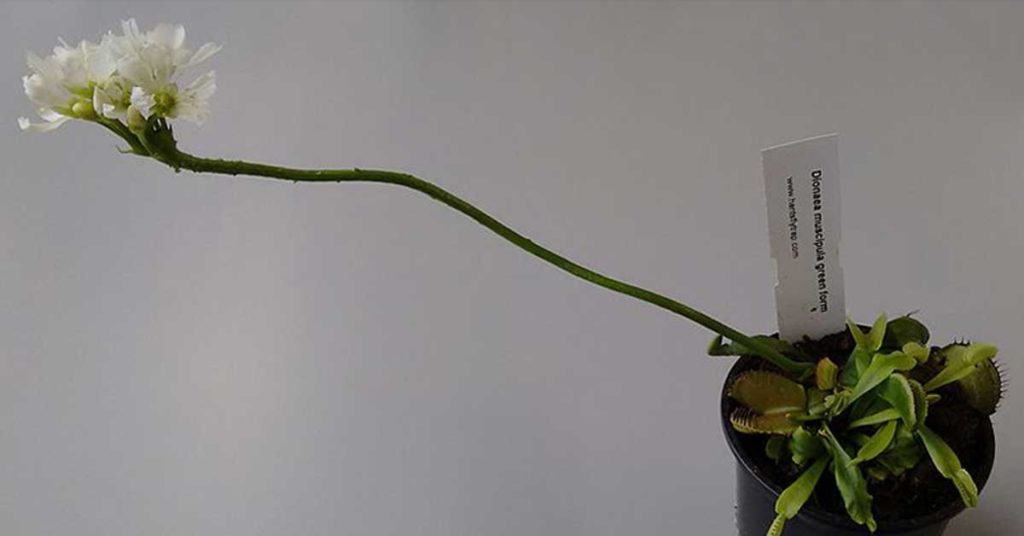
The Venus flytrap is perhaps the most iconic of all carnivorous plants, renowned for its dramatic, snap-closing traps that capture flies with astonishing speed! Native to the wetlands of North and South Carolina, this perennial is as much a conversation starter as it is a practical insect predator. Though it’s not considered invasive, its exacting environmental needs mean that it thrives best under controlled conditions, often requiring a careful balance of moisture and light.
Every time I witness a Venus flytrap in action, I’m reminded of nature’s ingenious design. These plants attract not only flies but also a variety of beneficial insects that add to the overall health of the garden. Their unique feeding behavior has even inspired me to experiment with companion planting, creating micro-ecosystems where each species supports the other. Watching a Venus flytrap secure its meal is a captivating sight that brings a dash of natural drama to any garden setting!
Pitcher Plant (Sarracenia)

Pitcher plants, with their distinctive, tubular leaves, offer a mesmerizing spectacle that is both beautiful and functionally efficient in controlling fly populations. Native to the wetlands of North America, particularly in the southeastern United States, these perennials are a testament to evolution’s creativity. Although not deemed invasive, they flourish in nutrient-poor, acidic soils, which means they sometimes require a specialized garden area to truly shine.
I’ve always been impressed by how pitcher plants serve as both a visual and ecological asset in my garden. Their vibrant pitchers not only attract a diverse array of insects but also create microhabitats that support nesting and shelter for smaller creatures. The gentle hum of a garden filled with these fascinating structures is a constant reminder that every plant has a role to play in nature’s grand design! Caring for pitcher plants demands a bit of attention to water quality and soil composition, but the reward is a natural fly trap that doubles as a stunning garden centerpiece.
Sundews (Drosera)

Sundews are captivating carnivorous perennials, known for their delicate, dew-covered leaves that shimmer in the sunlight as they lure unsuspecting flies. With a native range spanning various parts of Europe, Asia, and North America, these plants are true marvels of nature, transforming even the smallest garden patch into a living insect trap. Although sundews are not considered invasive, their affinity for damp, sunny spots means they require a specific setting to thrive without overwhelming adjacent flora.
In my own garden, sundews add a touch of ethereal beauty that is both practical and poetic! Their sticky tentacles not only capture flies but also serve as a magnet for other beneficial insects, contributing to a lively, balanced ecosystem. Observing these plants in action is like watching a miniature performance—each droplet and glistening leaf narrates the story of nature’s resourcefulness. They are a constant reminder that even the tiniest elements in our gardens can have a profound impact on maintaining natural harmony!
Cobra Lily (Darlingtonia californica)
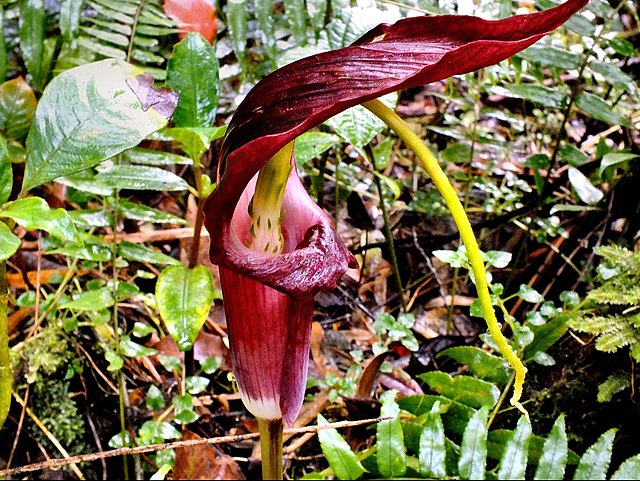
Cobra Lily, with its striking, serpentine appearance, is a true spectacle in any garden setting, embodying both mystery and practical function as a fly predator. Native to the bogs of northern California and Oregon, this perennial carnivorous plant thrives in cool, well-oxygenated waters, creating an intriguing contrast with the drier, more conventional garden areas. Although it’s not known to be invasive, Cobra Lily requires specific conditions to flourish, making it a rewarding challenge for dedicated gardeners.
I’ve found that the Cobra Lily not only enhances the visual appeal of my garden but also plays a crucial role in controlling fly populations. Its uniquely shaped, elongated leaves form a natural pitfall trap that lures insects into a watery demise, while also offering a cool, secluded space that sometimes attracts other beneficial creatures. The experience of nurturing a Cobra Lily is like caring for a living piece of art—each curve and color adds depth to the garden’s tapestry, and every successful catch feels like a small victory in the battle against pesky insects!