
Spring is a season of renewal and vibrant growth, and as an avid gardener with a deep appreciation for nature, I can’t help but notice how many everyday activities impact our local wildlife. From the chemical treatments we use in our gardens to the noise we generate in our neighborhoods, even small actions can have a big effect on native species and their habitats. I understand the frustration when you see your garden teeming with life one moment and then worry about the unseen consequences the next – it’s a delicate balance that we all navigate!
In my years tending to both plants and wildlife, I’ve observed firsthand how seemingly harmless habits can disrupt the intricate behaviors of our feathered friends, small mammals, and beneficial insects. Whether it’s interrupting nesting routines or altering natural food sources, every choice matters! I’m excited to share insights on 12 common activities that might inadvertently harm our local wildlife and offer some thoughts on how to adjust our practices for a healthier, more balanced ecosystem.
Feeding Wildlife the Wrong Food
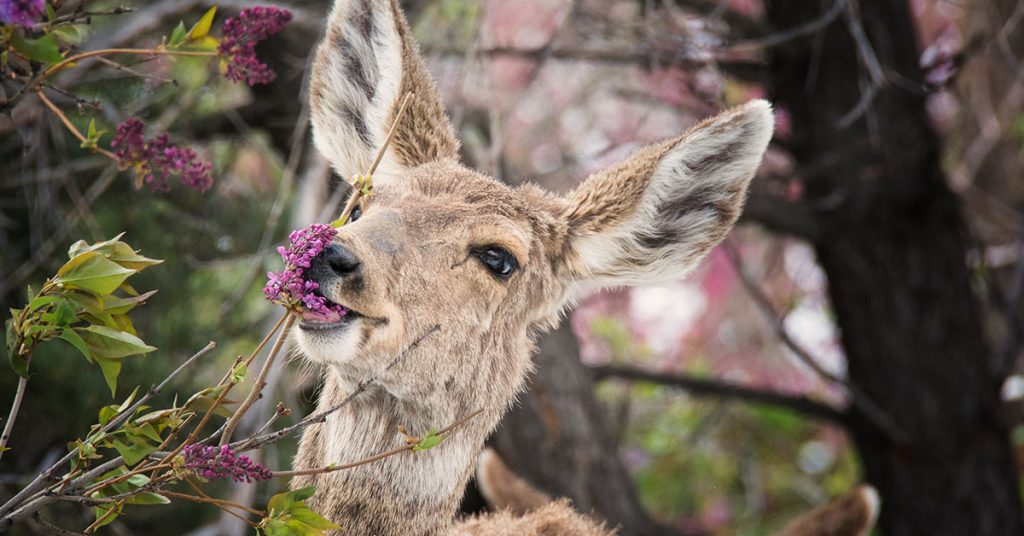
Feeding wildlife can seem like a kind and generous act, but as a dedicated gardener, I’ve learned that offering the wrong food can disrupt natural diets and behaviors. Many native species have evolved with specific nutritional needs that help maintain the delicate balance of local ecosystems, and when we substitute natural forage with processed or sugary alternatives, it can lead to malnutrition and even encourage dependency. Such disruptions can alter their natural foraging and nesting patterns, causing long-term harm to their populations!
I have seen firsthand how these changes ripple through our garden’s ecosystem—beneficial insects that usually rely on native plants become disoriented, and even birds find it challenging to build secure nests when their natural food sources are compromised. It’s important to remember that even our best intentions may have unintended consequences, and by choosing the right foods, we can help preserve the innate behaviors of wildlife in our local habitats!
Light Pollution at Night

While it may be tempting to illuminate our gardens with vibrant lighting, I’ve noticed that excessive artificial light can be a serious threat to nocturnal wildlife. Many species rely on natural light cues to guide their behaviors, from migration to mating rituals, and disrupting these cues can lead to disorientation and stress. The native wildlife in our region has adapted to the gentle rhythms of dusk and dawn, and overexposure to artificial light often gives invasive species an unexpected advantage!
I recall evenings when the soft glow of the natural twilight was replaced by harsh, unyielding lights, unsettling even the most steadfast creatures. Animals like moths, bats, and even some amphibians that nest near water bodies can suffer significant impacts on their reproduction cycles and feeding habits. It’s essential to consider eco-friendly lighting options and adjust our habits to ensure that our nighttime practices support, rather than hinder, our native fauna’s natural behaviors!
Disturbing Natural Habitats

As someone who revels in the beauty of a well-tended garden, it saddens me to see how easily our everyday activities can disturb natural habitats. When we unknowingly trample on sensitive areas or remove native vegetation, we are not just altering the physical landscape but also disturbing the nesting grounds and foraging areas of countless species. Native flora and fauna have intricate relationships that can be disrupted by even a slight change in their environment!
I have experienced the heartbreak of witnessing local species lose their safe havens due to careless paths or off-trail wanderings. The balance between a thriving garden and a supportive natural habitat is delicate, and it calls for mindfulness in our activities. By respecting natural boundaries and minimizing disturbance, we can help ensure that wildlife continues to thrive, preserving the wonderful biodiversity that makes our environment so special!
Littering and Plastic Pollution
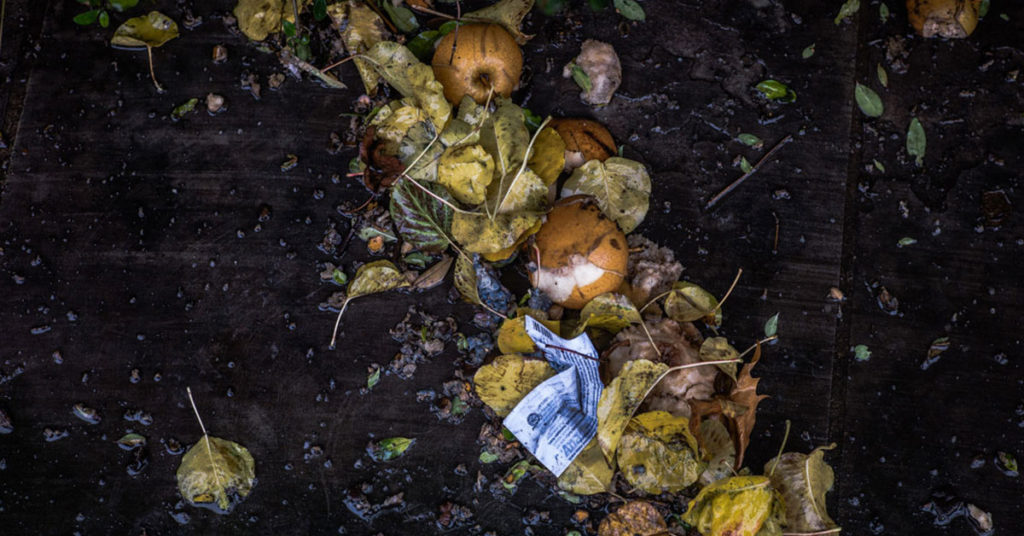
It’s astonishing how something as simple as littering can have devastating effects on wildlife, and as a gardener, I’m always concerned about the remnants we leave behind. Discarded plastics and other waste materials not only mar the beauty of our natural spaces but also pose a significant threat to native animals that might mistake them for food. These pollutants can cause injuries, digestive issues, and even death in species that are already struggling with habitat loss!
Over time, I’ve seen how invasive materials from our urban lifestyles can accumulate in even the most secluded gardens, leading to a cascade of problems for both flora and fauna. Wildlife, from small insects to larger mammals, can become entangled or poisoned by these remnants, disrupting their natural behaviors like nesting and migration. It’s truly a wake-up call to all of us to reduce waste and ensure that our gardening practices help protect, rather than endanger, our precious wildlife!
Overwatering Gardens
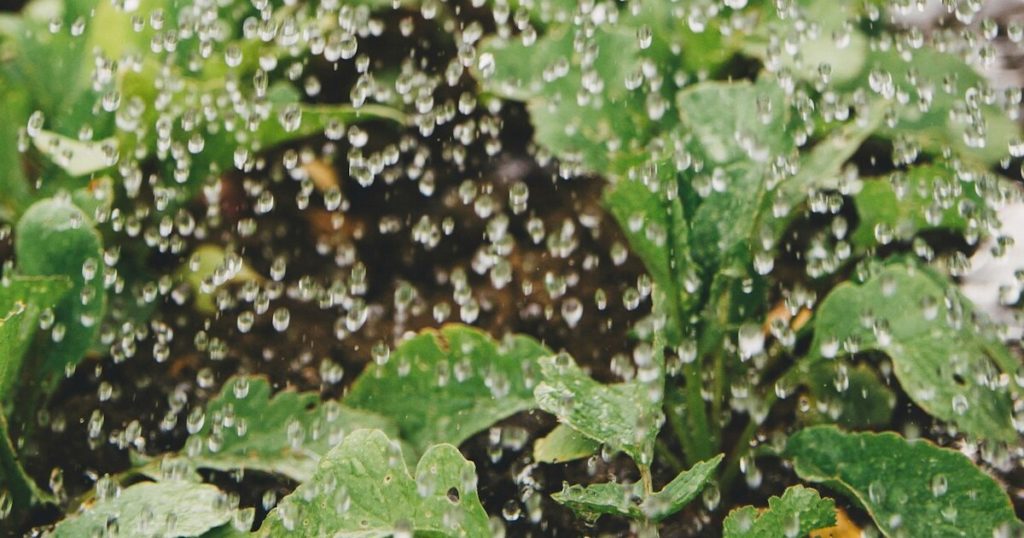
As much as I love nurturing my garden, I’ve come to realize that overwatering can be as harmful as neglect. Excessive water not only creates an ideal environment for mold and fungus but also disturbs the natural soil composition that many native species rely on. In regions where water is a scarce resource for indigenous plants and animals, overwatering can encourage invasive species to take hold, shifting the balance of the ecosystem in unforeseen ways!
I have seen the consequences of overzealous watering firsthand—beneficial insects and small mammals that depend on well-drained, nutrient-rich soil can suffer when their habitat becomes saturated. The excess moisture may lead to waterlogged areas that discourage the nesting habits of birds and other creatures accustomed to drier conditions. It’s a delicate act of finding just the right balance to ensure our gardens flourish without compromising the natural rhythm of the environment!
Improper Waste Disposal
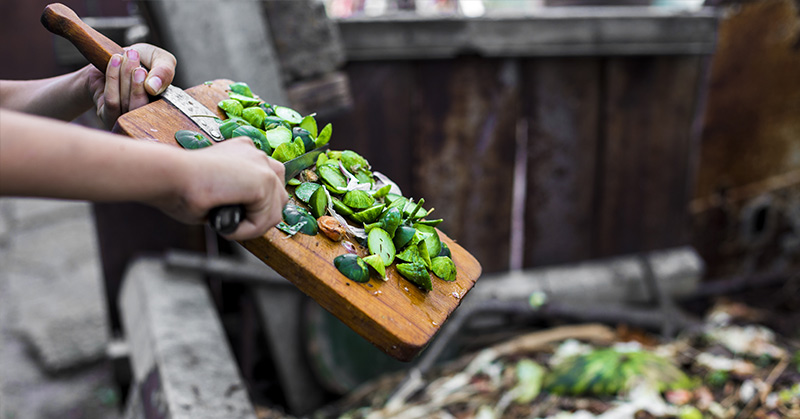
Improper waste disposal is an issue that often goes unnoticed in our daily routines, yet it has far-reaching effects on local wildlife. From discarded batteries to leftover chemicals, these pollutants can seep into the soil and waterways, poisoning the very habitat that native species call home. I’ve always been passionate about composting and proper recycling because every bit of care helps protect the delicate balance of our ecosystem!
I’ve witnessed situations where invasive pollutants have altered the natural behavior of animals, leading them to avoid areas once teeming with life. The unintended consequences of waste mismanagement can be disastrous—contaminated soil and water can compromise breeding grounds and nesting sites, threatening the survival of native species. By adopting responsible disposal practices, we can play a crucial role in safeguarding our environment and the myriad creatures that inhabit it!
Excessive Noise Pollution
Living in a bustling environment means that noise pollution is an everyday occurrence, yet its impact on wildlife is often overlooked. Many native species rely on quiet, undisturbed environments to communicate, breed, and even build secure nests. As a gardener who cherishes the natural chorus of birds and insects, I find it disheartening when excessive noise disrupts these delicate processes, forcing wildlife to adapt in ways that aren’t always beneficial to their survival!
I’ve noticed that the constant hum of traffic, lawn equipment, or even lively neighborhood gatherings can drive away species that have long thrived in peaceful settings. Noise not only interferes with mating calls but can also mask the sounds of predators or other vital signals, leaving native creatures vulnerable. This realization encourages me to advocate for quieter, more mindful living practices that allow our natural environment to flourish in harmony with our daily activities!
Overuse of Chemical Pesticides
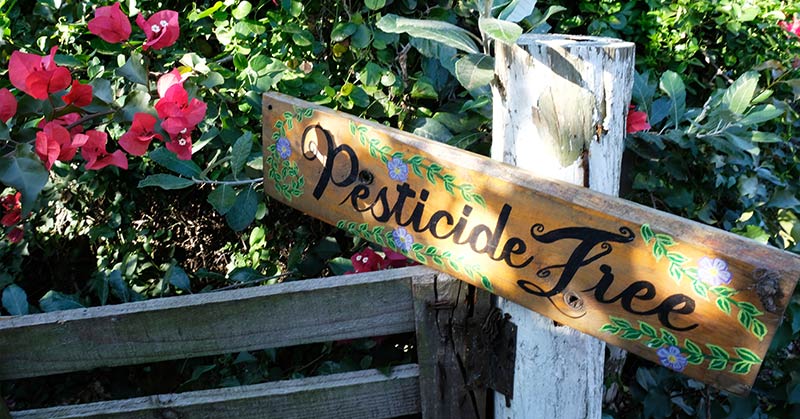
Using chemical pesticides might seem like an effective way to keep garden pests at bay, but overreliance on these products can have dire consequences for local wildlife. As a gardener, I’ve observed that these chemicals don’t discriminate—they can wipe out beneficial insects, disrupt nesting behaviors, and even contaminate the soil that native species depend on. Many of these native insects have coevolved with local plants, and their decline can lead to a cascade of negative effects on the entire ecosystem!
I recall a season when a heavy application of pesticides left my garden eerily quiet; the absence of buzzing bees and chirping birds was a stark reminder of what was at stake. Not only do these chemicals threaten the survival of delicate pollinators, but they can also pave the way for invasive pests that are resistant to conventional treatments! Embracing natural pest control methods and reducing chemical use is crucial for nurturing a garden that supports the vibrant interplay of native species and their essential nesting habits.
Pet Disturbances
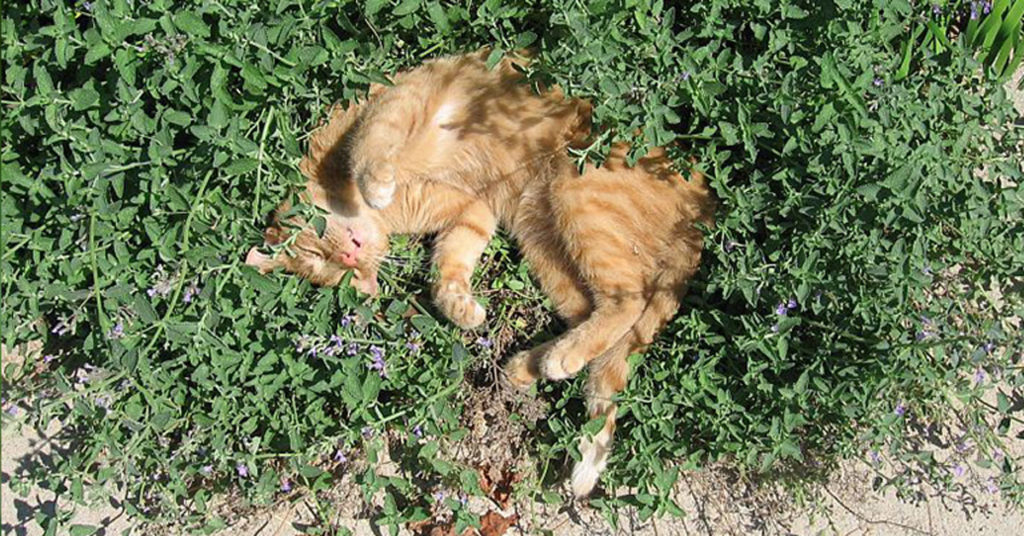
Our beloved pets, while undoubtedly cherished members of the family, can sometimes unintentionally disturb local wildlife. As a gardener and animal lover, I’m always mindful of the balance between the joys of pet ownership and the potential harm caused by unsupervised roaming. When pets venture into areas where native species are nesting or foraging, they can cause undue stress, break delicate nests, and even transmit diseases to wildlife populations that are already vulnerable.
I’ve witnessed firsthand how even the playful antics of a pet can result in significant disruptions to local habitats. Birds and small mammals, particularly those with specific nesting behaviors honed over generations, may abandon their homes when disturbed repeatedly. It’s a tough pill to swallow, especially when our furry friends mean so much to us, but taking measures like designated pet areas and proper supervision can help ensure that both our pets and native wildlife enjoy a safe and harmonious environment!
Excessive Use of Fertilizers
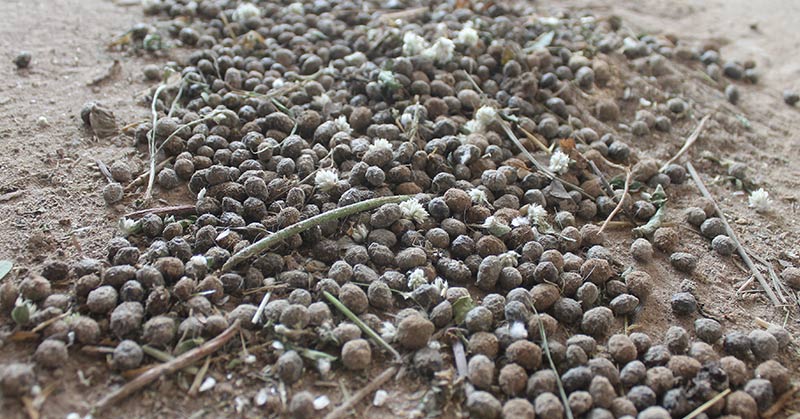
Fertilizers, when used in moderation, can be a boon for garden plants, yet excessive application poses a serious risk to nearby wildlife. Native plants, which have evolved in nutrient-poor soils, can be outcompeted by invasive species that thrive on the sudden influx of nutrients. I’ve seen how an overabundance of fertilizer not only alters the natural balance but also affects the nesting and feeding habits of insects and small animals that depend on native flora for survival!
It’s a delicate dance in the garden—providing enough nourishment for our cherished plants without tipping the scales in favor of invasive species that disrupt local ecosystems. I remember a time when over-fertilizing led to a noticeable decline in native bee populations, as the invasive plants that emerged did little to support their natural behaviors. Such experiences have taught me the importance of thoughtful, balanced fertilization practices that help sustain a healthy environment for both cultivated and wild species alike!
Invasive Landscaping Practices

Landscaping choices can be a double-edged sword; while we may seek aesthetic appeal, introducing non-native plants can inadvertently harm local wildlife. As someone who has spent years carefully curating a garden that supports native species, I’ve witnessed the negative impacts of invasive landscaping. Non-native plants can easily outcompete indigenous flora, reducing the availability of natural food and shelter for local animals that have long relied on native species for nesting and other vital behaviors!
The introduction of invasive plants often brings unforeseen consequences—altering soil composition, changing water availability, and even affecting the pollinator communities that are essential for native plant reproduction. I’ve learned that even well-intentioned landscaping can disrupt the delicate balance of local ecosystems! By choosing native plants and practicing mindful gardening, we can help preserve the unique habitat that nurtures the rich tapestry of wildlife around us.
Disruption from Lawn Mowing

Lawn mowing is a routine activity that many of us take for granted, yet I’ve come to appreciate how it can inadvertently harm local wildlife. Regular mowing, especially during critical nesting periods, can destroy the natural shelter and food sources that birds, insects, and small mammals depend on. Native grasses and wildflowers, which serve as essential habitat for these creatures, often become casualties of an overly manicured lawn that favors aesthetic appeal over ecological function!
I vividly recall mornings when I’d notice a sudden quiet in parts of my garden following a mowing session, with the usual buzz of bees and the chirping of birds noticeably absent. Such experiences have prompted me to adopt more wildlife-friendly practices, like leaving uncut patches during nesting seasons and varying mowing schedules. Embracing these changes not only creates a more dynamic garden but also ensures that our everyday routines do not come at the expense of the local ecosystem’s well-being!