

Spring is a time of renewal, and as a passionate gardener, nothing brings me more joy than watching my garden burst into life with colorful blooms and bustling activity! One of my favorite gardening pursuits is planting flowers that not only enhance the landscape but also attract beneficial insects like ladybugs. These natural predators help keep pests in check, making your garden healthier and more balanced. I know how frustrating it can be when pesky aphids take over your plants, so I’m excited to share 12 spectacular flowers that serve as an irresistible invitation for ladybugs—and they all come with fascinating stories about their native origins and behaviors!
In the sections below, you’ll find a randomized mix of my top picks, each described in detail with two thorough paragraphs. Whether you’re an experienced gardener or just starting out, these flowers offer vibrant colors, delightful fragrances, and essential ecological benefits that make them a must-have for spring. From the charming allure of Calendula to the sunny brilliance of Sunflowers, every plant here is celebrated not only for its beauty but also for its ability to attract ladybugs, which often use these blooms as foraging and occasional nesting sites. Let’s dive into these botanical treasures and get ready for an exciting spring garden transformation!
Calendula

Calendula, also known as pot marigold, hails from southern Europe and has been cherished for centuries for its bright, sunny blooms and medicinal properties. This annual flower adds a burst of orange and yellow to any garden, instantly brightening up shady corners or open beds alike. What excites me most about Calendula is how it draws in ladybugs with its nectar-rich blossoms, creating a natural defense against aphids and other pests!
Not only does Calendula offer a vibrant splash of color, but its ease of care makes it a stellar choice for gardeners of all levels. While Calendula is typically non-invasive, its prolific seeding in ideal conditions can sometimes lead to a self-sustaining population that enhances your garden naturally. The flowers’ ability to attract beneficial insects and even provide microhabitats for small critters is a delightful bonus, ensuring your garden remains a thriving ecosystem throughout the spring season!
Cosmos
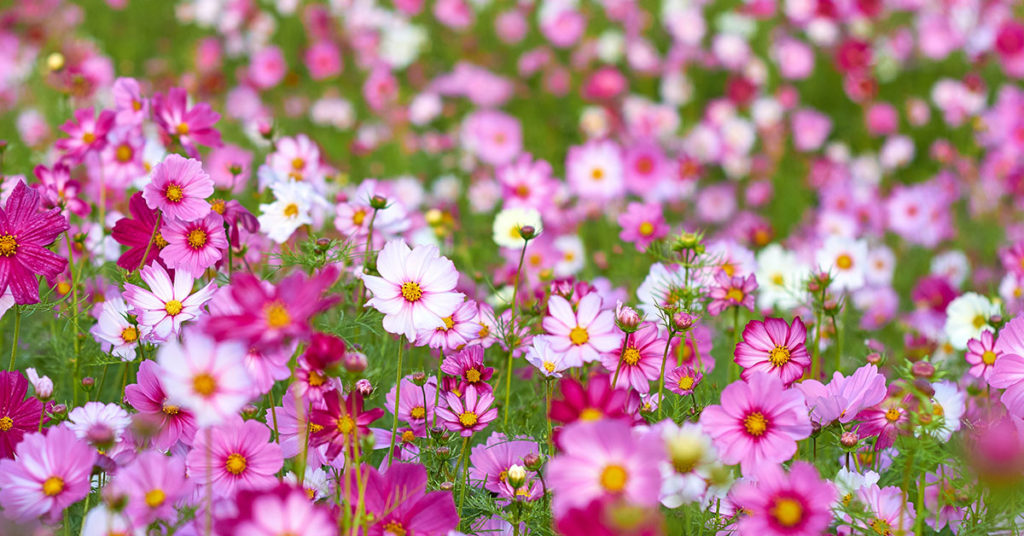
Cosmos, native to Mexico and Central America, is a show-stopping annual that graces gardens with delicate, daisy-like blooms in a variety of colors. These airy flowers are a magnet for pollinators and beneficial insects, especially ladybugs, who relish the abundant nectar and pollen. I always find Cosmos to be a breath of fresh air in my garden, adding a whimsical touch that instantly uplifts the entire space!
What makes Cosmos truly remarkable is its resilience and ease of cultivation. Although not invasive in most garden settings, its rapid growth can fill gaps quickly, making it a wonderful choice for creating instant color and vibrancy. As ladybugs flit from bloom to bloom, their presence not only enhances the garden’s beauty but also naturally curbs pest populations—a win-win for any gardener seeking both aesthetics and practical benefits!
Nasturtium

Nasturtium, native to South America, is a vibrant annual known for its cascading vines and striking, peppery blooms that come in vivid hues of red, orange, and yellow. These delightful flowers are a magnet for ladybugs, who are drawn to the abundant nectar and the natural shelter provided by its sprawling foliage. I find that planting nasturtiums infuses my garden with a playful, carefree spirit, all while boosting its natural pest control!
In addition to their visual appeal, nasturtiums are incredibly versatile—they can be used as ground cover, in hanging baskets, or even as edible garnishes in salads. While they have a tendency to self-seed under optimal conditions, they are generally considered non-invasive, making them a manageable and rewarding addition to any garden. Their dual role in attracting beneficial insects and adding a splash of color truly makes nasturtiums a must-have for a lively spring display!
Daisy
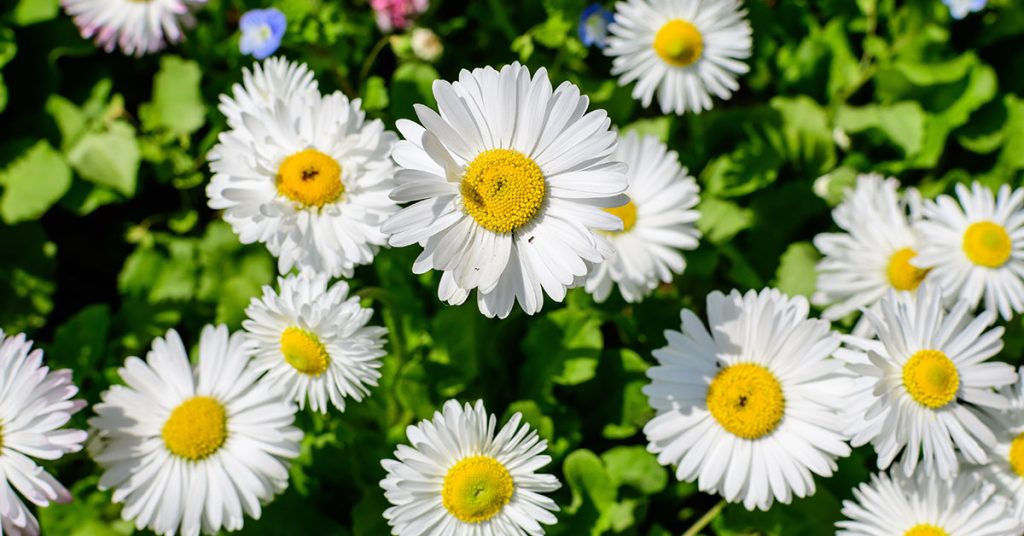
Daisies, with their cheerful white petals and sunny centers, are native to many regions around the world and have become a timeless symbol of simplicity and joy in the garden. These hardy perennials are a delight to behold and serve as a natural invitation for ladybugs, who are attracted by their pollen and the subtle nectar hidden within their blossoms. Every time I see a cluster of daisies swaying in the gentle spring breeze, it instantly lifts my spirits and promises a day full of natural beauty!
Not only do daisies provide a welcoming habitat for ladybugs, but they also enhance the overall aesthetic of any garden with their classic, unpretentious charm. Although their robust nature means they can spread if left unchecked, daisies are generally easy to control with a little maintenance. Their simplicity, resilience, and beneficial allure make them an ideal choice for gardeners seeking to combine visual appeal with ecological benefits in their spring landscape!
Borage

Borage, an herbaceous annual native to the Mediterranean region, is famed for its striking blue, star-shaped flowers and its ability to attract an abundance of beneficial insects, including ladybugs. This delightful plant not only adds a splash of color to your garden but also offers culinary and medicinal uses, making it a versatile addition to any outdoor space. I always marvel at how borage seems to invite a flurry of activity, as ladybugs and bees gather around its vibrant blossoms like it’s hosting a miniature garden party!
Borage thrives in well-drained soil and full sun, and while it is known to self-seed, it rarely becomes invasive when managed properly. Its natural charm and dual benefits as both a pollinator magnet and a useful herb make it a favorite in my spring garden. With its exuberant blooms and the cheerful buzz of beneficial insects, borage is a perfect example of how nature’s beauty and practicality can blend seamlessly to create a thriving, lively garden ecosystem!
Marigold
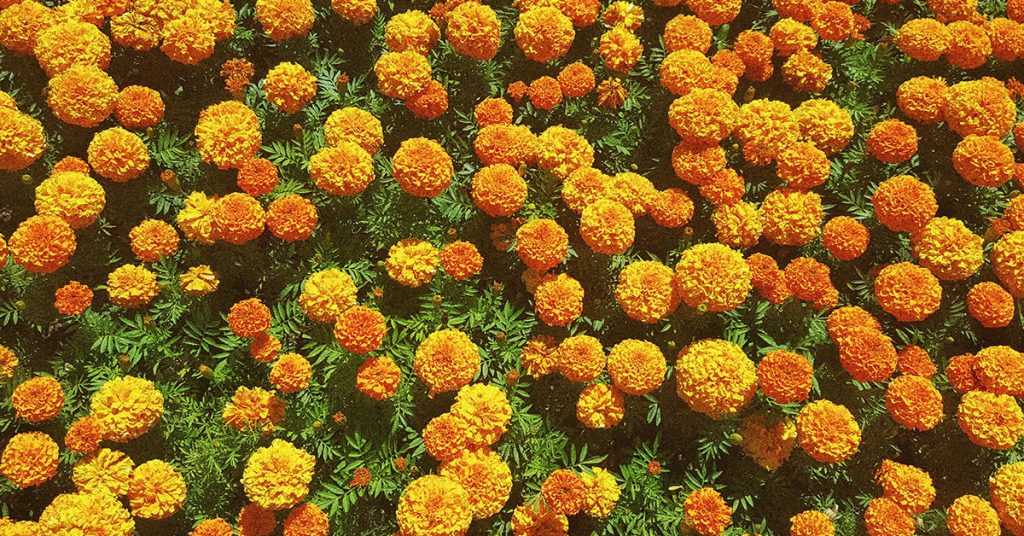
Marigolds, native to the Americas, are a staple in many gardens for their bold, fiery hues and their natural ability to deter pests. Their bright orange and yellow blossoms not only provide an instant pop of color but also act as a beacon for ladybugs, which are attracted to the nectar and pollen they offer. I’ve always been impressed by how marigolds manage to brighten up any garden setting while serving as a natural pest control mechanism—truly a win-win for every gardener!
While marigolds are generally non-invasive, they can spread moderately through self-seeding in warm climates, so a bit of regular maintenance keeps them in check. Their robust nature and striking appearance make them an excellent choice for both ornamental and functional purposes in the garden. With every bloom, marigolds invite a host of beneficial insects and add a layer of ecological balance that helps keep your garden thriving throughout the spring season!
Sunflower
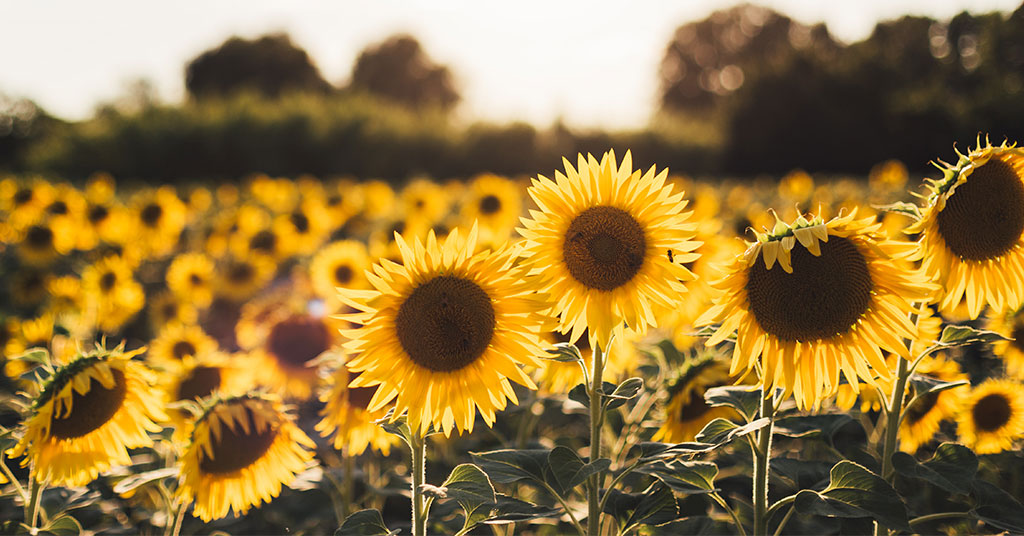
Sunflowers, native to North America, are celebrated for their towering stature and radiant, golden blooms that captivate the heart of any garden. These magnificent annuals are not only a visual treat but also excellent at attracting ladybugs and other pollinators with their abundant nectar and pollen. I always feel a sense of awe when I see a field of sunflowers reaching for the sky—they embody the very essence of summer’s promise, even in the early days of spring!
Their impressive size and vibrant colors provide a natural stage for ladybugs to forage and even find temporary refuge among the sturdy leaves. While sunflowers are typically non-invasive when properly spaced, their rapid growth can sometimes overshadow smaller plants if not managed carefully. Their robust nature and ability to draw in beneficial insects make them a must-have for any garden striving for both beauty and natural pest control, ensuring that your spring blooms are as functional as they are fabulous!
Bachelor’s Button
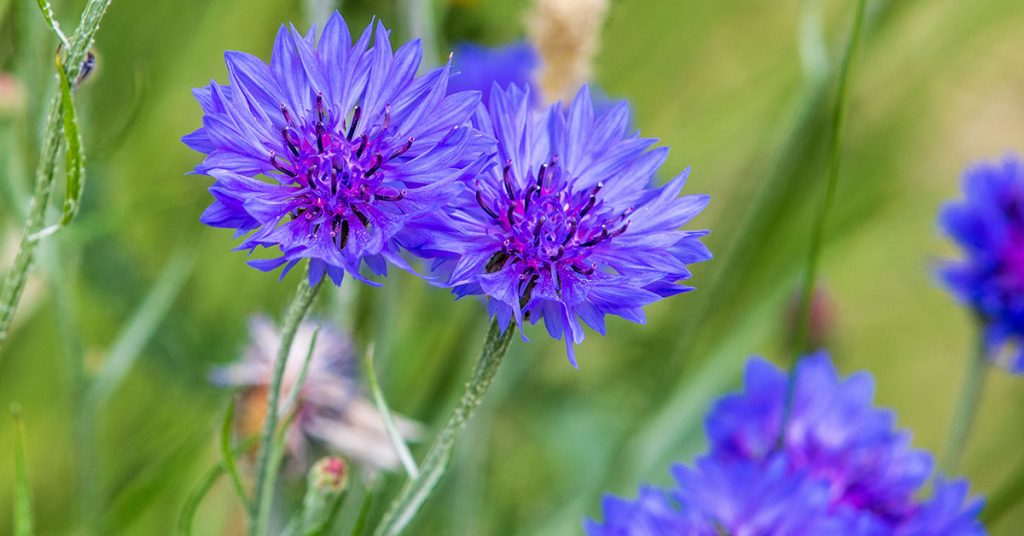
Bachelor’s Button, also known as Cornflower, is native to Europe and has become a beloved annual in many gardens around the world. These charming blue blossoms are renowned for their delicate beauty and their tendency to attract a variety of beneficial insects, including ladybugs. I’m always enchanted by the soft, powdery blue of Bachelor’s Button; it adds a touch of vintage elegance to the garden while serving as a natural lure for pollinators who help maintain ecological balance!
Despite their delicate appearance, Bachelor’s Button is a hardy and adaptable plant that thrives in a range of soil conditions. They are generally non-invasive and can even self-seed modestly in favorable environments, providing a continuous display of color throughout the spring. Their captivating hue and natural ability to support beneficial insects make them an excellent choice for gardeners seeking a blend of old-world charm and practical pest control benefits in their outdoor space!
Coreopsis
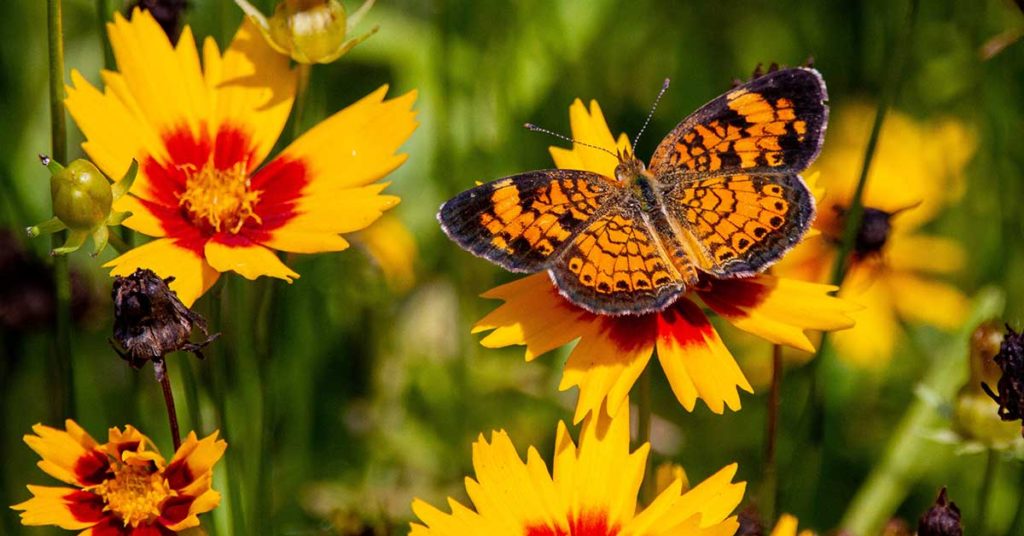
Coreopsis, commonly known as Tickseed, is native to North America and delights gardeners with its daisy-like flowers in vivid shades of yellow, orange, or red. These perennials are a powerhouse for attracting ladybugs, as their open, flat blooms provide an ideal landing platform and feeding ground for these beneficial insects. Every time I plant coreopsis, I’m reminded of its effortless ability to transform a garden into a cheerful, buzzing oasis filled with life and color!
Coreopsis is not only attractive but also remarkably easy to grow and maintain. While it is generally non-invasive, in optimal conditions it can form attractive naturalized clusters that add texture and continuity to the garden. The combination of vibrant blooms and ecological benefits makes coreopsis a top pick for anyone looking to enhance their spring garden with plants that are both beautiful and functional. Their cheerful disposition and resilience make every garden bed come alive with a radiant display of nature’s best!
Sweet Alyssum
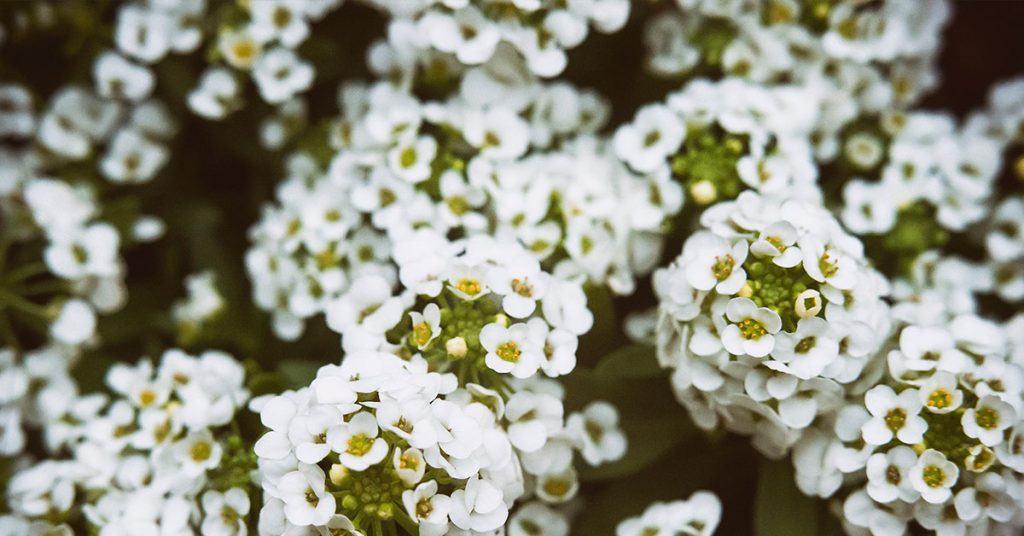
Sweet Alyssum, native to Europe and parts of Asia, is a delicate annual prized for its tiny, fragrant blossoms that carpet the ground in a soft, inviting layer of white, pink, or purple. This charming plant is a favorite among gardeners for its ability to attract ladybugs, which are drawn to its nectar and use the low-growing mats as cover and foraging areas. I find that Sweet Alyssum brings a subtle elegance and a wonderful aroma to the garden, transforming any space into a sensory delight!
Its sprawling growth habit and ability to self-seed make Sweet Alyssum a natural enhancer of garden borders and ground cover, though it is typically non-invasive in well-managed beds. This low-maintenance flower is a delight not only for its visual appeal but also for the ecological support it provides, inviting beneficial insects to create a balanced, thriving habitat. With its enchanting fragrance and natural pest control properties, Sweet Alyssum is an ideal choice for any gardener looking to add a touch of delicate beauty and functionality to their spring garden!
Zinnia
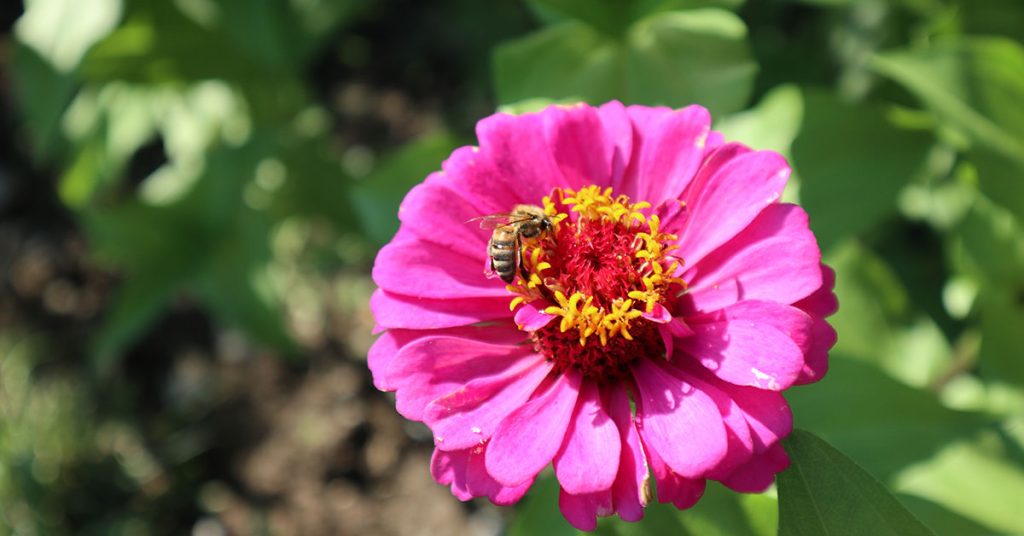
Zinnia, native to Mexico, bursts into life with vibrant, multicolored blooms that add an instant splash of excitement to any garden. These hardy annuals are renowned for attracting ladybugs with their abundant nectar and pollen, creating a dynamic environment where beneficial insects can thrive. I’ve always been impressed by how zinnias, with their bold and cheerful appearance, transform even a modest garden into a festive celebration of color and life!
Known for their rapid growth and ease of care, zinnias are generally non-invasive, though they can self-seed under ideal conditions, providing a continuous cycle of blooms throughout the season. Their robust nature and spectacular display make them a popular choice for gardeners who want to enhance their space with flowers that offer both beauty and ecological benefits. The way zinnias invite ladybugs and other pollinators is a testament to nature’s balance—an ongoing dance of color, life, and natural pest control that every gardener can appreciate!
Tansy
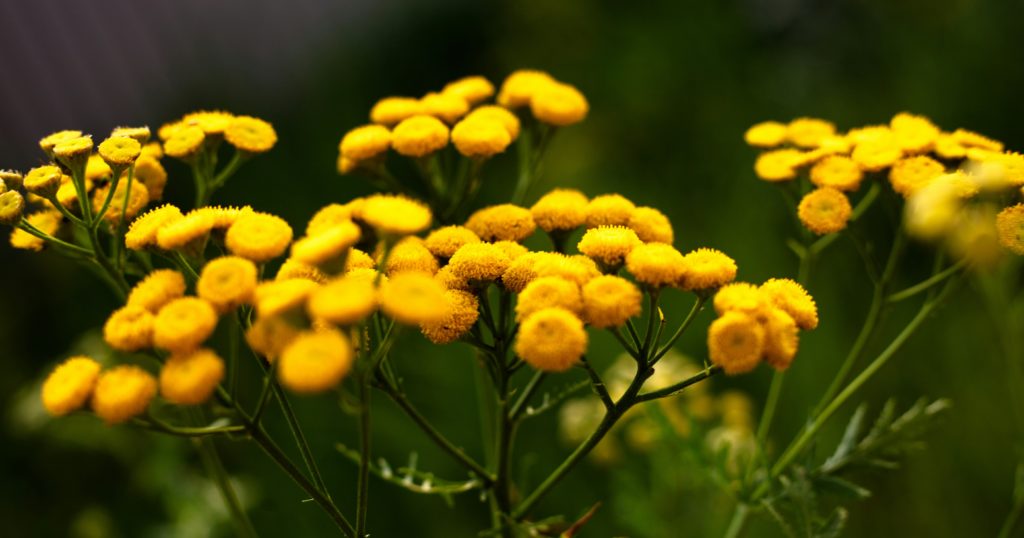
Tansy, native to Europe and historically used for medicinal purposes, is a perennial with vibrant, button-like yellow flowers that bloom profusely in the spring. This unsung hero of the garden is particularly effective at attracting ladybugs, which are drawn to its nectar-rich blossoms and the shelter its dense foliage provides. I find tansy to be a delightful surprise in the garden—its bright clusters offer both a burst of color and an ecological advantage by naturally luring beneficial insects to help keep pest populations in check!
While tansy is highly valued for its practical benefits, gardeners should note that in some regions it can behave invasively if left unchecked. However, with regular maintenance and proper containment, tansy remains a manageable and rewarding addition to your garden. Its dual role as both a vibrant floral display and a natural ally in pest control makes it an excellent choice for anyone seeking a spring garden that is as effective as it is enchanting!