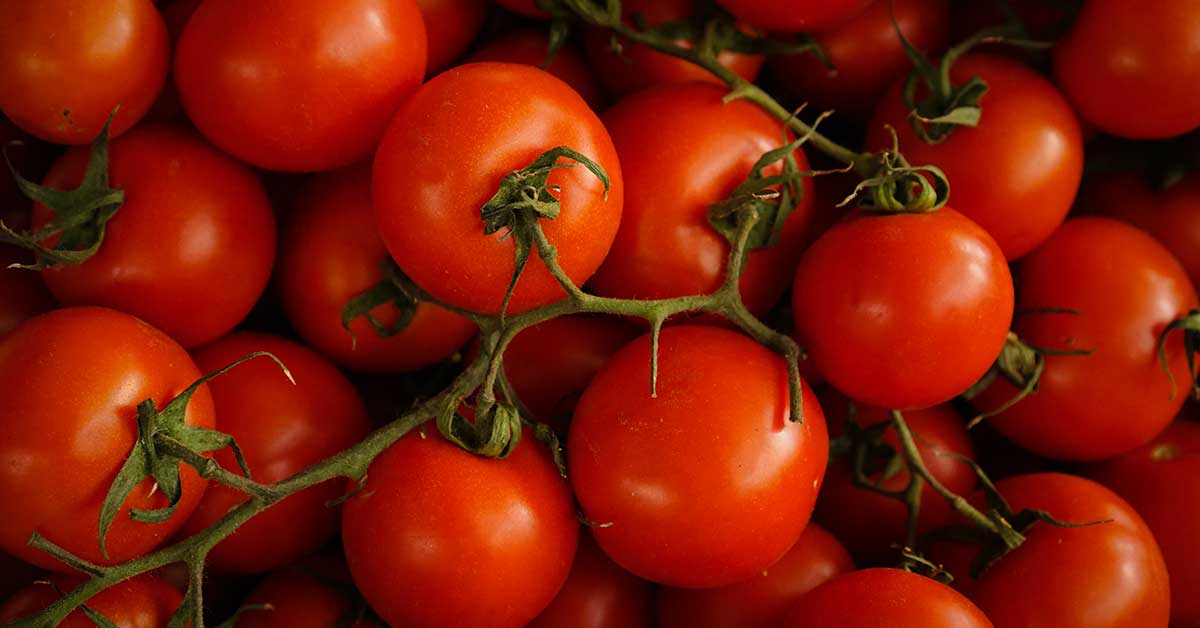

Gardening is such an exhilarating journey, but nothing can deflate the spirit of a devoted grower like the sudden appearance of tomato diseases! I’ve spent many seasons nurturing my favorite tomatoes—plants that are native to the Americas and have brought countless culinary delights to my table—only to be dismayed when diseases began to mar their vibrant health. It’s such a bummer when pests or pathogens take over your garden, and I completely understand the frustration of watching your vegetables suffer. That’s why I’m excited to share insights on several common tomato diseases and practical tips to help save not just your tomatoes, but other vegetables that might fall victim too!
In this article, we’ll explore a variety of ailments from early and late blights to more insidious issues like Fusarium wilt and Tomato Mosaic Virus. Each section is crafted with two in-depth paragraphs that delve into the origins, behaviors, and even how these diseases interact with the environment—sometimes attracting secondary pests or creating conditions for other infections to nest. I hope my personal experiences and detailed recommendations will empower you to protect your garden and turn setbacks into valuable learning opportunities. Let’s jump in and reclaim our green spaces with proactive care and determination!
Fusarium Wilt

Fusarium wilt is a fungal disease that can be particularly devastating for tomato plants, which are native to the Americas and cherished for their vibrant flavor and color. This soil-borne pathogen invades the plant’s vascular system, causing wilting, yellowing leaves, and eventual collapse. It’s notorious for lingering in the soil for years, meaning that if your garden has been hit before, future crops might be at risk! In my own garden, I’ve seen how a single infected tomato plant can signal a deeper, hidden issue beneath the surface—one that attracts other opportunistic pathogens.
Dealing with Fusarium wilt means taking swift, decisive action. I’ve learned that crop rotation, using disease-resistant varieties, and improving soil drainage can help mitigate the risk of spread. It’s essential to remove and destroy infected plants immediately to prevent the fungus from nesting in the soil and attacking subsequent crops. Even though this disease can seem relentless, with careful management and an informed strategy, you can save your vegetables and ensure that your tomatoes thrive season after season!
Early Blight

Early blight is a common fungal disease affecting tomatoes and other solanaceous crops, making it a frequent headache for gardeners across the globe. Originating in warm, humid environments, this disease is characterized by small, brown lesions on leaves that eventually merge and cause defoliation. I remember the first time I encountered early blight—it felt like a tiny army had invaded my prized tomato plants, leaving behind a trail of damaged foliage and weakened growth. Despite the frustration, understanding its behavior has been key to managing it effectively.
The fungus behind early blight thrives on decaying plant material, so maintaining a clean garden is crucial! Removing fallen leaves and using mulch sparingly can help reduce its spread by eliminating potential nesting sites for the pathogen. While tomatoes, native to the Americas, are especially prone to this ailment, other vegetables might also exhibit similar symptoms if infected. By employing preventive measures such as proper spacing and using fungicidal sprays when necessary, you can significantly improve your garden’s resilience and protect your harvest from this aggressive invader.
Tomato Mosaic Virus
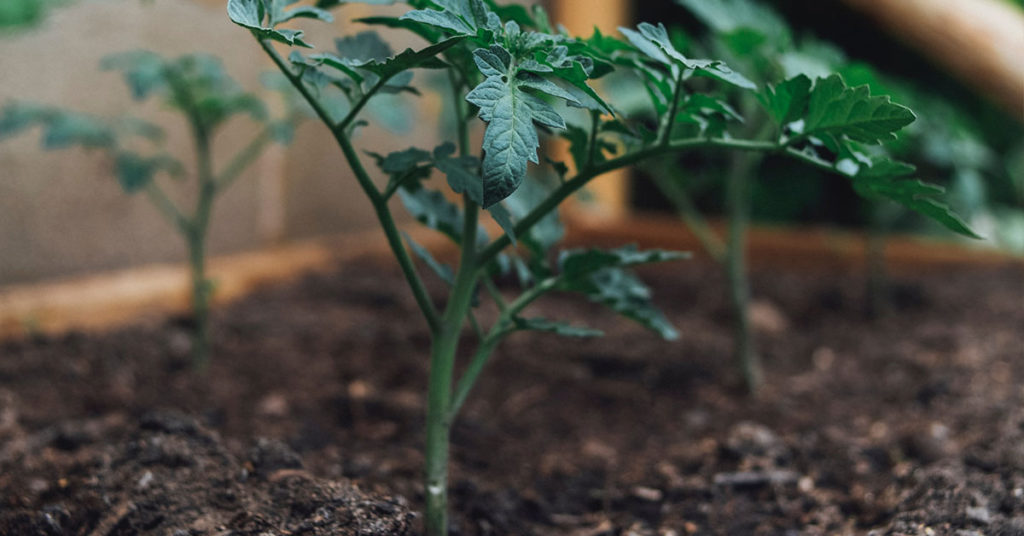
Tomato Mosaic Virus is a particularly insidious disease that causes mottled, distorted leaves and stunted growth in tomato plants. Though tomatoes hail from the Americas and are beloved worldwide, this virus can strike unexpectedly, turning a promising crop into a source of despair. It’s a viral disease that spreads through mechanical contact, meaning that even a simple pruning tool can become a vector if not properly sanitized. I’ve been there—discovering that a few infected leaves can quickly lead to widespread problems across my garden!
Management of Tomato Mosaic Virus centers on prevention and early detection. It’s important to remove and dispose of infected plants to stop the virus from nesting and multiplying among your healthy specimens. I always recommend disinfecting tools between uses and practicing good hygiene in the garden to minimize the risk of spread. Although there is no cure once the virus takes hold, careful observation and prompt action can help save your other vegetables from suffering a similar fate. With diligence and a proactive mindset, you can protect your garden and maintain its overall vitality!
Septoria Leaf Spot

Septoria Leaf Spot is another fungal disease that plagues tomato plants, leaving behind small, water-soaked lesions that eventually turn dark and lead to premature leaf drop. This disease, while common in many tomato-growing regions, finds a fertile breeding ground in humid, warm conditions—conditions that can make your garden feel like a miniature tropical rainforest! I’ve experienced the disheartening sight of once-lush tomato foliage marred by these unsightly spots, and it’s a clear signal that the disease is nestling in your garden’s microenvironment.
Preventing Septoria Leaf Spot involves a combination of cultural practices and vigilant care. I’ve learned that spacing plants appropriately to improve air circulation and watering at the base of the plants, rather than overhead, can significantly reduce the incidence of the disease. Additionally, removing and destroying infected leaves helps to stop the pathogen from taking root in the soil. By keeping a keen eye on your garden and acting swiftly at the first sign of infection, you can safeguard your tomatoes and other vegetables from the damaging effects of this pervasive disease!
Late Blight

Late Blight is a notorious fungal disease that wreaks havoc on tomatoes and potatoes alike, often emerging under cool, damp conditions. This pathogen, which originated in regions with a long history of potato cultivation, can spread rapidly, turning green, healthy tomatoes into soft, rotten masses in a matter of days. I recall the shock of discovering my once-thriving tomato patch overtaken by Late Blight—it was a sobering reminder of how quickly nature’s balance can be disrupted! The disease’s ability to spread through airborne spores and water splash makes it especially dangerous for densely planted gardens.
Combatting Late Blight requires immediate and rigorous action. I’ve found that early removal of affected plants, coupled with the use of fungicidal sprays, can help slow its progress and save at-risk vegetables. It’s crucial to avoid overhead watering and ensure proper spacing between plants to minimize the moisture that the blight needs to thrive. Although tomatoes are a beloved, native crop of the Americas and typically non-invasive in their growth habits, Late Blight can undermine even the most carefully tended garden. By staying vigilant and maintaining a proactive approach, you can protect your cherished plants and mitigate the devastating impact of this formidable disease!
Bacterial Spot
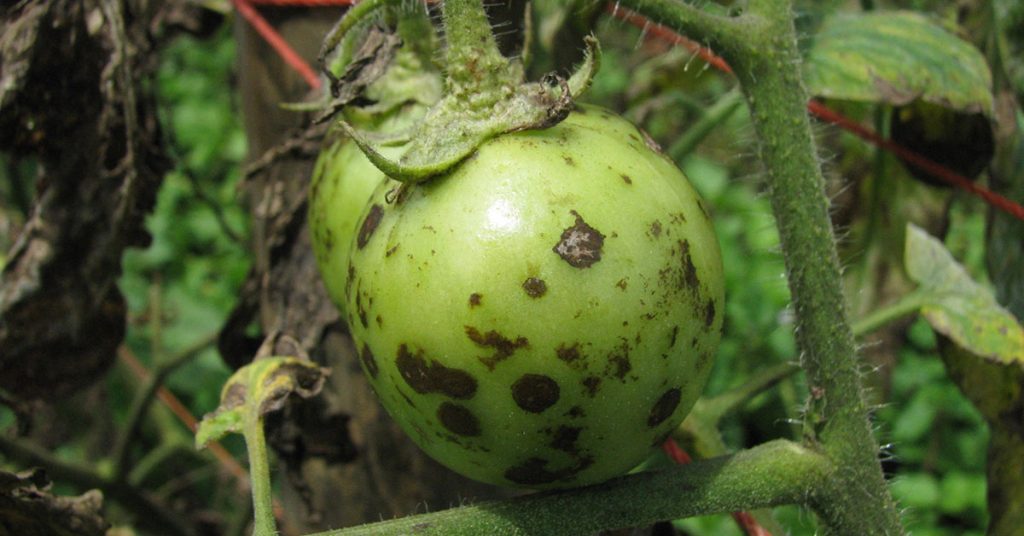
Bacterial Spot is a troublesome disease that causes small, water-soaked lesions on tomato leaves and fruits, often coalescing into larger, unsightly blemishes. This condition is caused by bacteria that thrive in warm, moist conditions—an environment that can sometimes develop in the heart of a well-tended garden. As someone who has dedicated countless hours to nurturing my tomato plants, it’s particularly disheartening to see the once-vibrant fruits marred by these spots. The bacteria behind this disease can easily nest in the crevices of the leaves, making it a persistent and hard-to-eradicate problem!
Managing Bacterial Spot involves a combination of hygiene and preventive care. I’ve found that removing infected leaves and applying bactericides can help control the spread of the disease. It’s also important to avoid working in the garden when plants are wet, as this can facilitate the transfer of bacteria from one plant to another. While tomatoes themselves are celebrated for their rich history and native origins in the Americas, bacterial diseases like this remind us that even our most cherished plants can face relentless challenges. With timely intervention and careful garden management, you can save your vegetables and restore the health of your tomato patch!
Blossom End Rot
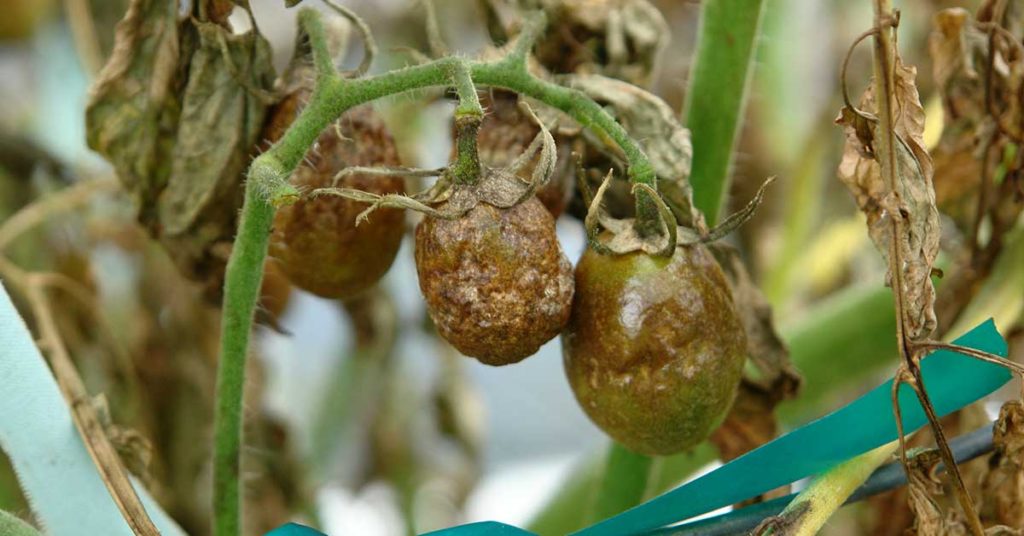
Blossom End Rot is a physiological disorder rather than a true disease, yet it can devastate your tomato crop by causing dark, sunken spots on the fruit’s blossom end. This condition is often linked to inconsistent watering and calcium deficiency in the soil—a situation that can occur even in the best-loved, native tomato varieties from the Americas. I’ve experienced the sinking feeling of cutting into a tomato only to find discolored, ruined flesh, and it’s a stark reminder that even with careful cultivation, nature sometimes throws us a curveball! The disorder can seem to nest in your garden if proper soil management practices aren’t followed.
The key to preventing Blossom End Rot lies in maintaining consistent moisture levels and ensuring that your soil has adequate calcium. I always recommend using mulch to help regulate soil moisture and incorporating compost to improve soil structure and nutrient content. While tomatoes are cherished for their non-invasive growth and historical significance, this disorder can undermine their beauty and taste if left unchecked. With regular monitoring and a few simple adjustments, you can save your vegetables from Blossom End Rot and enjoy a bountiful, healthy harvest throughout the growing season!
o3-mini