

Summer heat waves can be both a blessing and a challenge for gardeners. When temperatures soar, I understand how disheartening it can be to see your carefully nurtured garden suffer under the relentless sun. Over the years, I’ve experimented with a variety of techniques to keep my garden vibrant and thriving even during the most extreme heat spells. In this article, I’m excited to share eight creative and practical ways to protect your garden, so you can continue enjoying its beauty all season long!
It’s such a bummer when intense heat leads to wilting plants, lost blooms, or an influx of pests seeking refuge in stressed greenery. I know the frustration of watching your garden struggle and the relief that comes with finding a solution! Each method I share here has been tried and tested in my own garden, and I’ll dive into details, benefits, and even the ecological background of some native plant-based approaches that complement these strategies. Let’s explore these cooling techniques that not only save your garden but also attract beneficial critters and support a thriving ecosystem!
Use Organic Compost and Soil Amendments

Enhancing your soil with organic compost is a game-changer during extreme heat waves! Compost improves water retention, enriches soil structure, and provides essential nutrients that help plants withstand stress. I always mix in well-rotted compost along with natural soil amendments to create a living, breathing medium that nourishes my garden. This method not only supports robust growth but also attracts beneficial soil organisms that act like tiny gardeners—helping to break down organic matter and making nutrients more available to plants. While compost itself isn’t “native” in the traditional sense, its components often come from local, sustainable sources that encourage a balanced and healthy ecosystem.
I’m passionate about composting because it transforms what might otherwise be garden waste into a valuable resource. In my experience, organic amendments have reduced water loss and helped maintain a cooler soil temperature, a critical factor during blistering summer days! With compost enriching your soil, your plants can develop deeper, healthier roots, which means more resilience against the harsh effects of heat and drought. It’s like giving your garden a refreshing drink that sustains life and invites beneficial earthworms and microbes to settle in and work their magic!
Adjust Your Watering Schedule

One of the most effective ways to protect your garden from heat stress is by adjusting your watering schedule. I’ve learned the hard way that watering at the wrong time can lead to evaporation losses and even harm plant roots. Early morning or late evening watering sessions help ensure that the water soaks deep into the soil before the sun gets too fierce. This strategy not only maximizes moisture retention but also provides a cool, damp environment that attracts beneficial insects and even small critters seeking hydration during hot days!
In my own garden, I’ve seen firsthand how a well-timed watering routine can transform wilting plants into vigorous, sun-resilient beauties. It’s such a relief to witness the revival of stressed plants when they receive the right amount of water at the right time. I always make sure to use drip irrigation or soaker hoses to minimize waste and create a more efficient watering system. With this approach, every drop counts, and your garden becomes a sanctuary that nurtures both flora and the little wildlife that often nest near water sources!
Install Shade Cloth or Create Natural Shade

Installing a shade cloth or utilizing natural shade structures is a fantastic way to shield your garden from the blazing sun. I’ve found that a well-placed shade cloth can lower the ambient temperature around plants, reducing heat stress and evaporation rates. When I set up temporary structures or repurpose old materials, I feel like I’m giving my garden a much-needed cool retreat! This technique is especially useful for young seedlings and tender annuals that might not tolerate full sun during peak hours.
Beyond artificial shade, I love integrating natural shade from strategically planted trees or tall, heat-tolerant shrubs. Some of these trees, native to local regions, create a canopy that not only cools the area but also attracts birds and beneficial insects that help keep pests at bay. For instance, certain oak or maple species—proud natives in many areas—can serve as both natural shields and delightful habitats for nesting birds. Creating these living umbrellas adds a layer of ecological balance to your garden while keeping it refreshingly cool in the summer heat!
Mulching to Retain Moisture

Mulching is one of my favorite techniques for combating extreme heat in the garden. A thick layer of organic mulch—like shredded leaves, straw, or bark—helps insulate the soil, reducing evaporation and keeping roots cooler. I always spread mulch around my plants to maintain soil moisture, and it’s incredible how this simple step attracts beneficial organisms like earthworms and ground beetles. These creatures work tirelessly to break down organic matter, further enriching the soil and creating a nurturing environment for plant growth!
Not only does mulch act as a natural insulator, but it also suppresses weeds that compete for water and nutrients, ensuring that every drop of moisture goes directly to your plants. I’ve observed that mulched gardens often develop a vibrant microhabitat, where moisture-loving insects and even tiny birds find safe places to nest and feed. And don’t worry about invasive tendencies—using locally sourced, organic mulch usually supports native soil life without introducing any unwanted species. It’s a win-win for both your garden and the ecosystem it supports!
Provide Windbreaks and Reflective Barriers
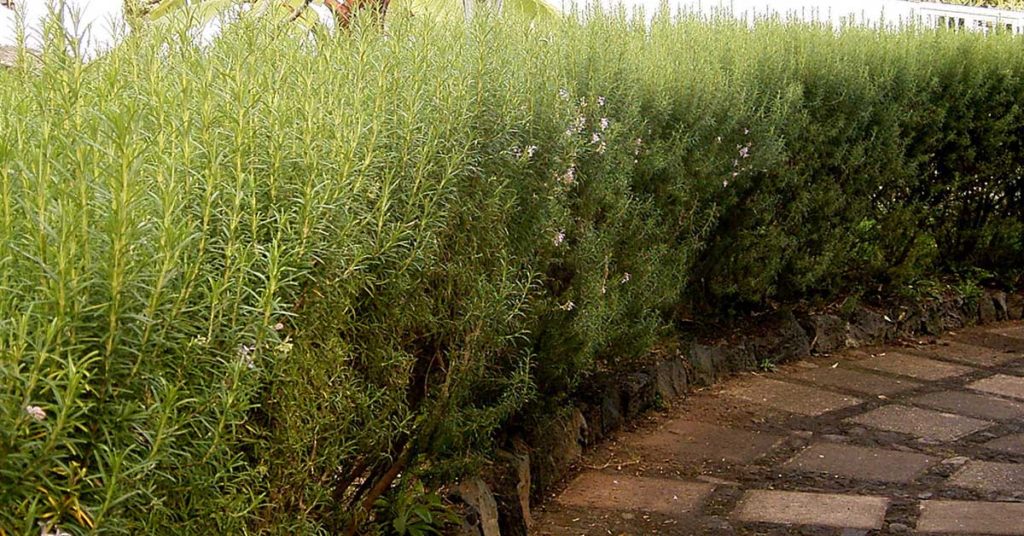
Extreme heat often comes hand-in-hand with drying winds, which can further stress your plants. Installing windbreaks and reflective barriers is an excellent method to protect your garden from these harsh elements. I’ve used a combination of natural hedges and artificial screens to create a buffer that slows down wind and reflects sunlight, reducing overall temperature stress. Some of the natural windbreaks I rely on are native shrubs that not only defend against wind but also provide shelter for small birds and beneficial insects seeking nesting sites!
Reflective barriers, such as light-colored fabrics or strategically placed mirrors, can bounce excess sunlight away from vulnerable plants, creating cooler microclimates. In my own experience, these barriers have made a dramatic difference during heat waves, keeping the garden cooler and more inviting. While the native plants I choose for windbreaks are often non-invasive and well-adapted to the local climate, the combination of both natural and artificial solutions offers robust protection without upsetting the garden’s ecological balance. It’s an innovative way to let nature and ingenuity work hand in hand!
Choose Heat-Tolerant, Native Plants
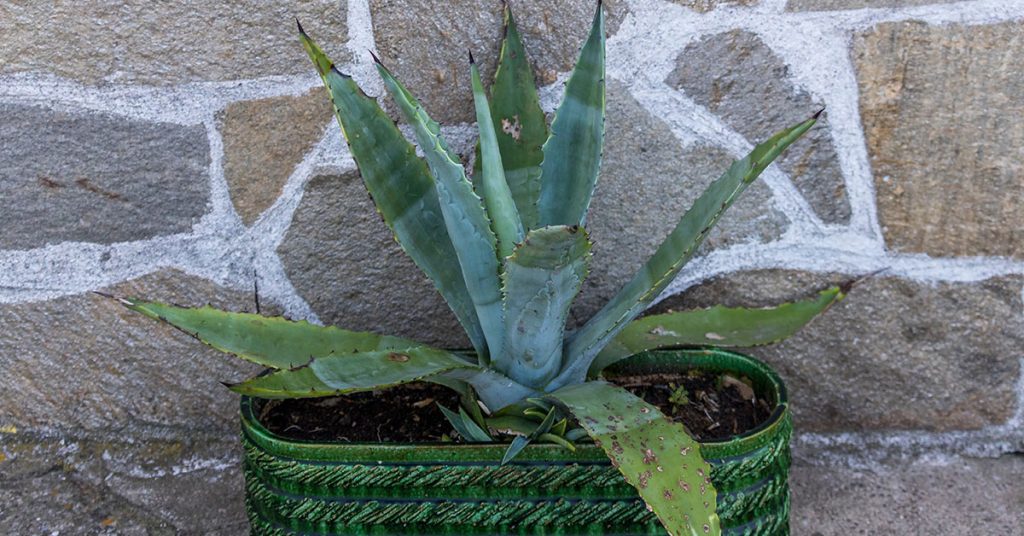
One of the most sustainable ways to protect your garden from heat waves is by choosing heat-tolerant, native plants that are naturally adapted to the local climate. I’ve always been excited about incorporating species that not only thrive in high temperatures but also support local wildlife. For instance, many native succulents and ornamental grasses are built to withstand drought and heat, and they often attract pollinators and birds that enjoy the shelter these plants provide! Their deep roots and resilient structures mean they’re less likely to suffer during scorching days, making them a reliable choice for any summer garden.
Native plants have the added benefit of being well-suited to the local soil and weather conditions, which minimizes the need for extra water or maintenance. I’ve seen that when you plant species that are naturally adapted to the environment—like certain types of sage or yucca—the entire garden benefits from a more balanced ecosystem. These plants are generally non-invasive, so you won’t have to worry about them overtaking the garden. Their inherent beauty and hardiness serve as a constant reminder that nature often provides the best solutions to challenging conditions!
Create a Water Feature or Misting System

Adding a water feature or setting up a misting system can transform your garden into a cool oasis during oppressive heat waves. I’ve installed small fountains and misters in my garden, and it’s amazing how the sound of flowing water and the gentle mist can reduce the ambient temperature and create a refreshing environment. These features not only provide a cooling effect but also attract a host of beneficial wildlife, such as dragonflies, bees, and even small birds that sometimes nest in the vicinity of water sources!
There’s something magical about watching the water droplets sparkle in the sunlight while providing essential moisture to the surrounding plants. Misting systems, when used appropriately, ensure that your garden remains hydrated without overwatering, which is crucial for maintaining healthy soil conditions. I always adjust the settings based on the intensity of the heat, so the system works in harmony with the natural cycle of the day. It’s a delightful blend of technology and nature that keeps your garden not only safe from extreme heat but also buzzing with life and energy!
Prune and Manage Plant Canopy

Pruning and managing the plant canopy is an often-overlooked yet vital strategy to mitigate the effects of extreme summer heat. By selectively trimming back overgrown foliage, you allow more air to circulate and reduce the risk of heat buildup around sensitive plant parts. In my garden, I’ve learned that strategic pruning can make a significant difference in keeping plants cool and encouraging new, vigorous growth. It’s like giving your plants a breath of fresh air—a technique that benefits both the plant’s health and the overall microclimate of the garden!
Proper canopy management not only cools your garden but also helps in repelling pests that are drawn to overly dense, humid areas. I’ve noticed that a well-pruned garden tends to invite beneficial insects and birds that use the open spaces for nesting and foraging. When you take the time to shape and maintain your plant canopy, you’re investing in a resilient garden that can better withstand the rigors of a heat wave. It’s a proactive approach that marries careful garden design with the natural behaviors of wildlife, creating a space that’s both healthy and inviting—even under the most extreme conditions!