

Hello, fellow garden enthusiasts! One of the most rewarding parts of gardening is starting with a clean slate—a tidy, well-prepared garden bed is the foundation for a thriving landscape. I know how frustrating it can be when remnants of last season, invasive weeds, and decaying plant matter interfere with new growth. When your garden is cluttered, not only does it compete with the plants you want to grow, but it can also harbor pests, diseases, and invasive species that sabotage your hard work. Taking the time to clean up your garden before planting ensures that you’re giving your new life the best possible start!
In my own gardening journey, I’ve learned that a thorough garden cleanup is like a fresh start every season. It’s a moment to remove dead materials, eliminate invasive weeds, and improve soil quality, setting the stage for robust, healthy plants that attract beneficial insects and even provide cozy nesting spots for small critters. Whether you’re dealing with remnants of native wildflowers or pesky invaders like dandelions (native to Europe but invasive in many regions), a proactive cleanup can truly transform your outdoor space into an inviting, balanced ecosystem!
Remove Invasive Weeds and Old Growth
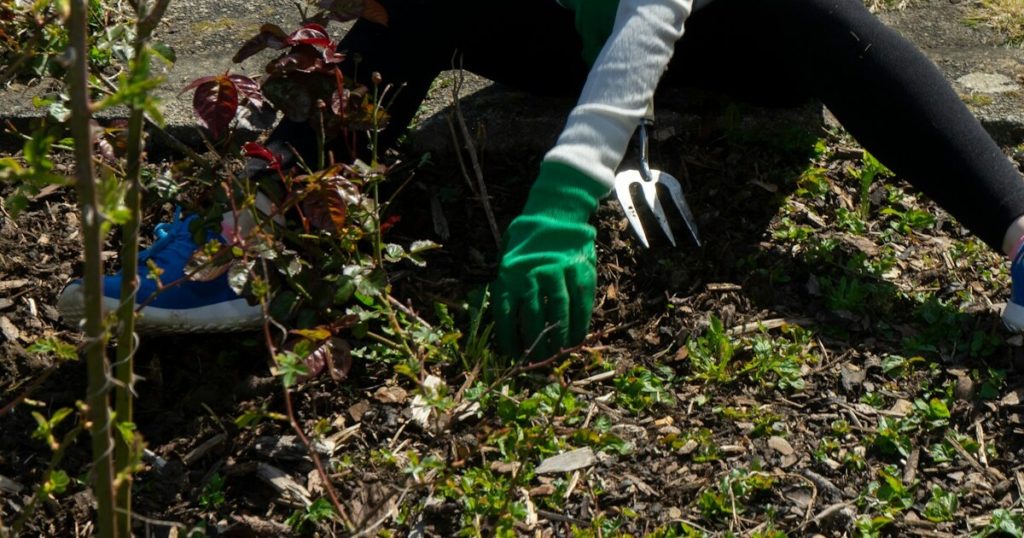
Cleaning up your garden means getting rid of those stubborn invasive weeds that have overstayed their welcome. Weeds such as dandelions, Japanese knotweed, or creeping Charlie often outcompete desired plants and spread rapidly, making it difficult for new seedlings to gain a foothold. By eliminating these unwanted guests early on, you’re creating a healthy, competitive environment that allows native species and your favorite garden plants to flourish without interference!
In addition to the competition for nutrients and space, invasive weeds can also harbor pests and diseases that may later affect your new plantings. I’ve seen how a thorough removal of old growth not only clears the way for better sunlight penetration and air circulation but also reduces the nesting opportunities for pests. This proactive approach ensures that your garden bed remains a sanctuary for beneficial insects rather than a hideout for troublemakers, paving the way for a vibrant, thriving garden!
Prevent Pest Harborage

A cluttered garden can become a perfect hiding spot for pests that may wreak havoc on your new plantings. Overgrown debris, fallen leaves, and decaying plant matter provide cozy nesting sites for insects like aphids, slugs, and even rodents. By cleaning up your garden before planting, you remove these potential refuges and discourage pest populations from gaining a foothold. This means fewer headaches for you and healthier plants that can focus on growing rather than fighting off infestations!
Removing old plant debris also limits the habitat available for pests to multiply. I’ve learned that a well-maintained garden naturally attracts beneficial predators like ladybugs and lacewings, which help keep pest numbers in check. With fewer places for harmful insects to hide, your garden becomes a balanced ecosystem where every creature has a role—ensuring that your new plants can thrive without the constant threat of unwanted guests!
Improve Soil Health and Nutrient Availability

Before you introduce new plants, it’s crucial to give your soil a fresh start by removing leftover debris and decayed material. This cleanup process helps improve soil structure and boosts nutrient availability, allowing the roots of your new plantings to access the food they need for vigorous growth. I’ve noticed that when I clear out old, exhausted organic matter, the soil becomes more receptive to amendments like compost or manure, leading to a richer, healthier foundation for my garden!
A clean soil profile also supports a diverse community of beneficial microorganisms that play a key role in nutrient cycling. These tiny helpers break down organic matter and make essential nutrients available to plants, while also preventing the buildup of harmful pathogens. By starting with a well-prepared, clean bed, you not only set the stage for robust plant growth but also encourage a thriving underground ecosystem that benefits everything above the soil!
Reduce the Spread of Diseases and Fungi
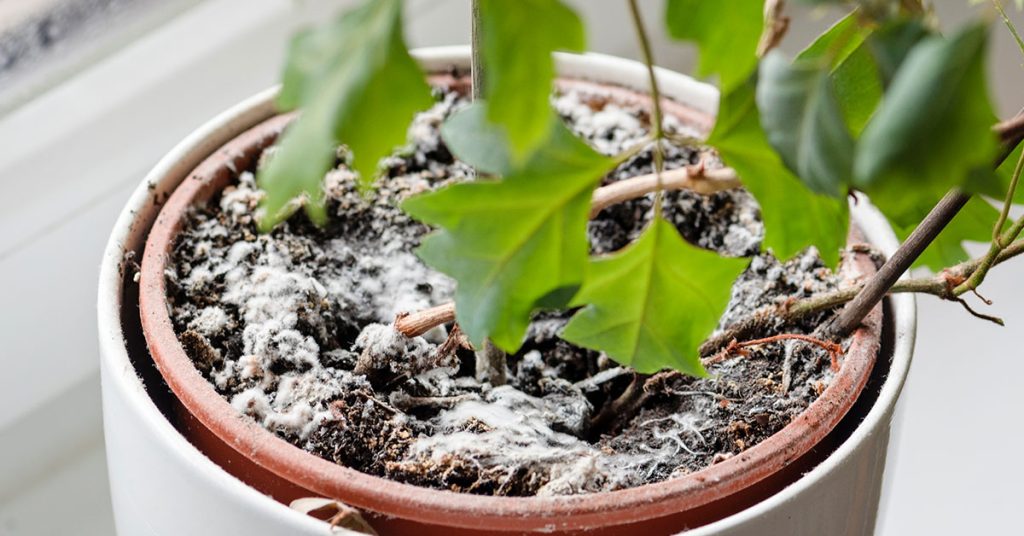
Old, decaying plant matter can be a breeding ground for diseases and fungal infections that carry over into the next growing season. Cleaning up your garden removes potential sources of pathogens that might otherwise infect your new plantings. I’ve experienced firsthand how a thorough spring cleanup can break the cycle of disease and help ensure that your fresh, vibrant plants stay healthy and robust throughout the season!
Moreover, removing damp, decomposing debris minimizes the chances of mold and mildew developing, which can be particularly problematic in shaded or humid areas of your garden. A clean garden bed not only looks more inviting but also creates an environment where beneficial fungi and bacteria can thrive without competition from harmful pathogens. This proactive step is essential for maintaining a healthy garden ecosystem and protecting your plants from unnecessary stress!
Enhance Air Circulation and Sunlight Penetration

One of the often-overlooked benefits of cleaning up your garden is the improvement in air circulation and sunlight penetration. Overgrown debris and leftover plant material can block sunlight and trap moisture, creating a damp environment that is conducive to disease. When you clear out the clutter, you open up space for sunlight to reach every part of your garden bed, which is essential for the healthy growth of new plants. I’ve found that even a simple cleanup can dramatically boost the overall energy and vibrancy of my garden!
Improved air flow also helps to reduce the buildup of excess humidity that can lead to fungal diseases. By ensuring that your garden has plenty of light and fresh air, you’re setting the stage for strong, resilient plants that can better fend off infections and pests. This enhanced environment attracts beneficial insects that rely on sunny, airy conditions, further contributing to a balanced ecosystem where every plant can thrive!
Encourage Beneficial Insect Activity

A tidy garden doesn’t just benefit your plants—it also creates a welcoming habitat for beneficial insects that play a vital role in pollination and pest control. When you remove old, decaying matter and invasive growth, you provide clear, healthy spaces where pollinators like bees, butterflies, and even predatory insects can flourish. I love watching these creatures in my garden; their activity is a sign of a vibrant, balanced ecosystem that supports plant health and diversity!
Furthermore, cleaning up the garden minimizes the chances of pest populations outcompeting beneficial insects for space. With fewer hiding spots for harmful pests, beneficial insects are more likely to establish themselves and create natural nesting sites in the cleared areas. This synergy not only improves plant productivity but also enhances the overall resilience of your garden, making it a thriving, dynamic environment where every creature plays an important role!
Create a Clean Canvas for Garden Design

Starting with a clean, well-organized garden bed allows you to create a purposeful design that highlights the beauty of your chosen plants. When your garden is free from the clutter of last season’s growth, it’s much easier to plan and execute a layout that maximizes space, sunlight, and visual appeal. I’ve found that a neat, cleaned-up garden is like a blank canvas, ready for you to express your creativity and transform it into a true outdoor masterpiece!
This thoughtful approach not only benefits the aesthetics of your garden but also provides practical advantages. A clean space makes it easier to identify which areas might need additional soil amendments, better drainage, or extra support for climbing plants. With a well-prepared canvas, your new plantings—whether native species or exotic beauties—will have every chance to shine, making your garden a source of pride and joy all season long!
Avoid Overcrowding and Competition
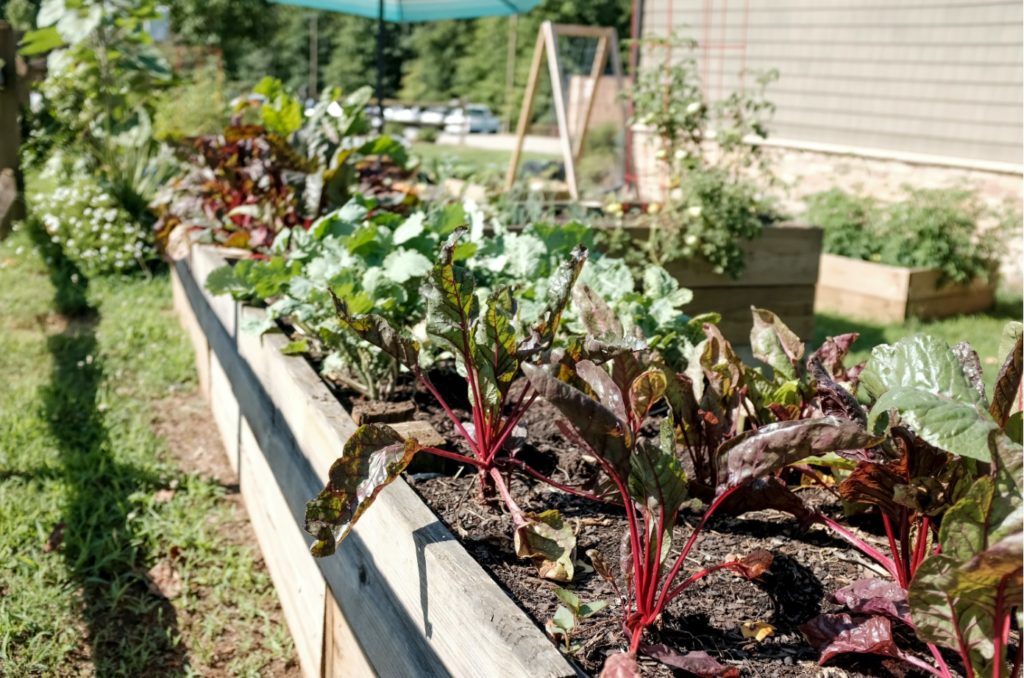
A garden that hasn’t been properly cleaned up can be a battleground where old growth and invasive weeds compete with your new plants for precious resources. Overcrowded conditions can lead to intense competition for water, nutrients, and sunlight, which ultimately stifles growth and diminishes the overall health of your garden. By removing unwanted debris and thinning out invasive species, you’re giving your new plantings the room they need to flourish without facing fierce competition from remnants of the past!
I’ve seen how a well-spaced garden promotes stronger, more resilient growth, and it’s amazing how much difference a simple cleanup can make. When your garden is free from the clutter of overgrown weeds and decaying plant matter, the new plants can develop more robust root systems and enjoy unfettered access to all the resources they need. This proactive step not only ensures a healthier garden but also reduces the stress on your plants, paving the way for a season filled with vibrant, thriving growth!
Boost Garden Aesthetics and Organization
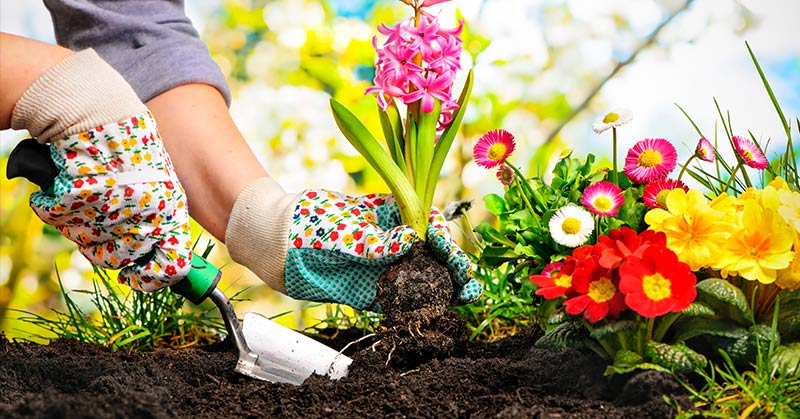
There’s no denying that a clean garden is a beautiful garden. Removing old plant debris, dead leaves, and invasive growth instantly elevates the look and feel of your outdoor space. I find that a tidy garden not only makes a strong first impression but also provides a more inviting environment for both people and wildlife. A well-organized garden creates visual harmony that enhances every plant, flower, and shrub you decide to grow next!
A tidy garden also signals a thoughtful approach to garden management, where every element is given space to breathe and shine. By taking the time to clean up before planting, you’re setting the stage for a more structured and appealing landscape. This level of organization makes it easier to care for your garden, plan maintenance tasks, and ultimately enjoy the fruits of your labor. It’s a small investment of time that pays huge dividends in both beauty and functionality!
Prepare for Efficient Irrigation and Maintenance

A garden that has been thoroughly cleaned up is far easier to maintain and water efficiently. When you remove leftover debris and invasive growth, you create clear pathways and open beds that make it simpler to install irrigation systems and perform routine maintenance tasks. I’ve noticed that a tidy garden allows water to reach the roots of your new plants more effectively, reducing waste and ensuring that every plant receives the moisture it needs to thrive!
Efficient irrigation is key to a healthy garden, and a well-prepared space means less time spent navigating tangled weeds and overgrowth. This not only conserves water but also minimizes the risk of overwatering or underwatering delicate new plantings. With a clean slate, your garden becomes a model of efficiency, where every drop counts and every plant gets its fair share. It’s one of those practical benefits that makes a thorough cleanup an absolute must before you embark on another season of planting!