

Hello, fellow garden enthusiasts! As someone who’s spent countless spring mornings peering at the horizon for any hint of frost, I understand the mix of excitement and anxiety that comes with waiting for the last frost date. It’s such a bummer when an unexpected chill damages tender new growth, or when pests invade a garden that hasn’t been properly protected! Knowing exactly when the last frost is expected for your growing zone can mean the difference between a thriving garden and one that struggles under nature’s unpredictable whims.
In my years of gardening, I’ve learned that timing is everything—especially when it comes to planting your favorite flowers and vegetables. When I first started out, I made the mistake of planting too early, only to see my prized seedlings wilt under a sudden frost. Today, I carefully plan my planting schedule, taking into account my local frost dates, so that every plant—from native species that have evolved to withstand a little chill, to those that can become invasive if left unchecked—gets the best start possible!
Understanding the Last Frost Date
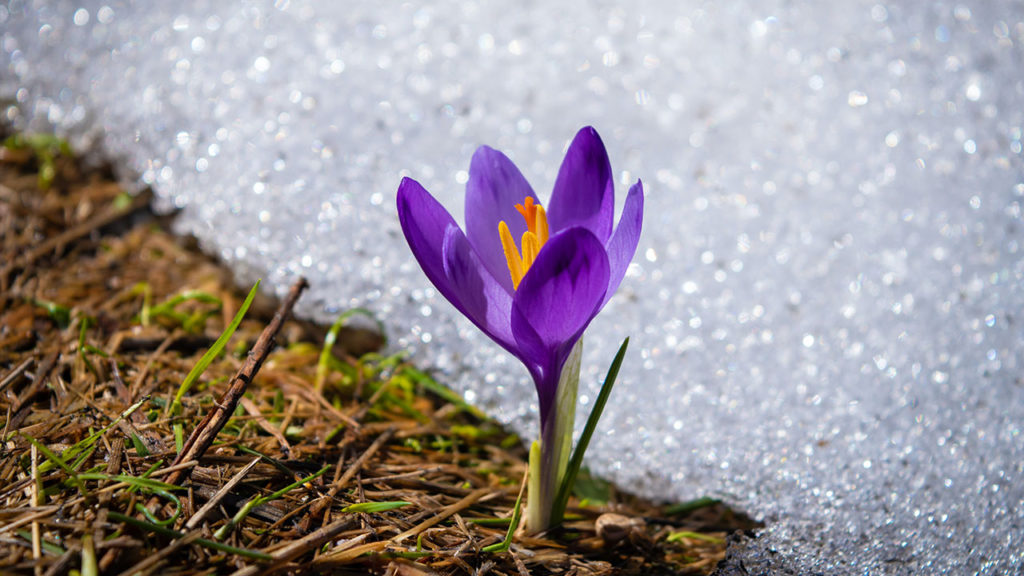
The last frost date is more than just a calendar number—it’s a crucial indicator of when your garden can safely transition from winter’s chill to the promise of spring growth! This date tells you when the risk of frost has passed, allowing you to plan for planting sensitive crops that flourish only when temperatures are consistently warm. I always check multiple sources, from local extension services to trusted gardening apps, to be sure I have the most accurate information for my growing zone.
For many gardeners, understanding the last frost date also means understanding the natural behavior of plants. Native species, like many wildflowers and herbs, have adapted to the rhythm of the seasons and can sometimes tolerate a light frost. However, many tender annuals and vegetables—especially those imported from warmer regions—can be devastated by a late freeze. Knowing your frost date not only protects these plants but also helps ensure that the beneficial insects they attract, such as bees and butterflies, have a stable habitat in which to nest and thrive!
Assessing Your Growing Zone
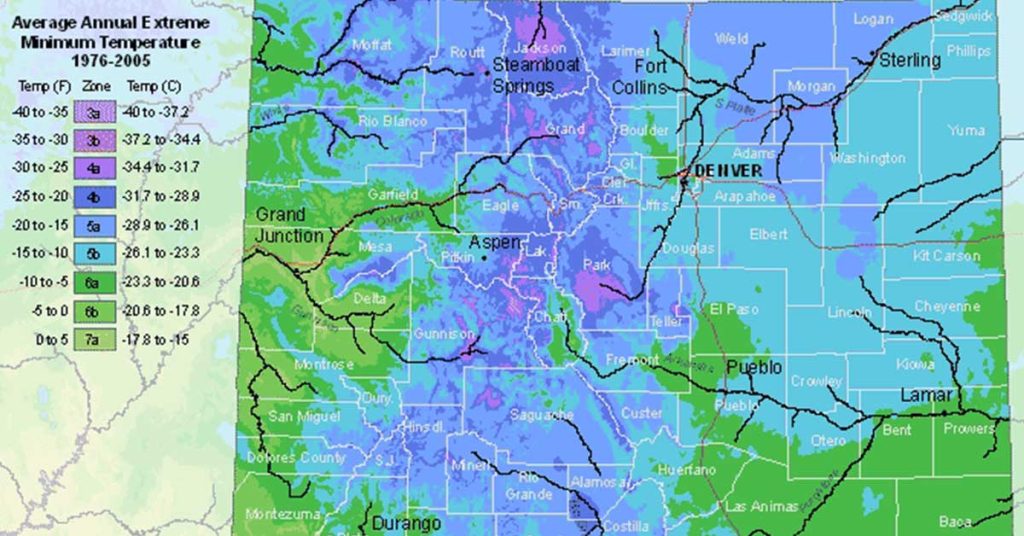
Your growing zone is a geographic area defined by average annual minimum winter temperatures, and it plays a huge role in determining the best time to start planting! Each zone has its own unique climate characteristics, which means the last frost date can vary significantly even between neighboring regions. I’ve found that aligning my planting schedule with my specific zone’s frost patterns has been a game changer—it saves time, reduces plant loss, and boosts overall garden productivity.
Understanding your growing zone also offers insights into which plants might be native to your region and which ones could behave invasively if left unchecked. For instance, some hardy natives are well-adapted to local frost patterns, naturally attracting native pollinators and even providing safe nesting spots for beneficial insects. On the other hand, exotic species might require extra care and protection to ensure they get off to a good start in the early spring warmth, making it all the more important to know exactly when the frost is behind you!
Impact on Plant Health and Propagation
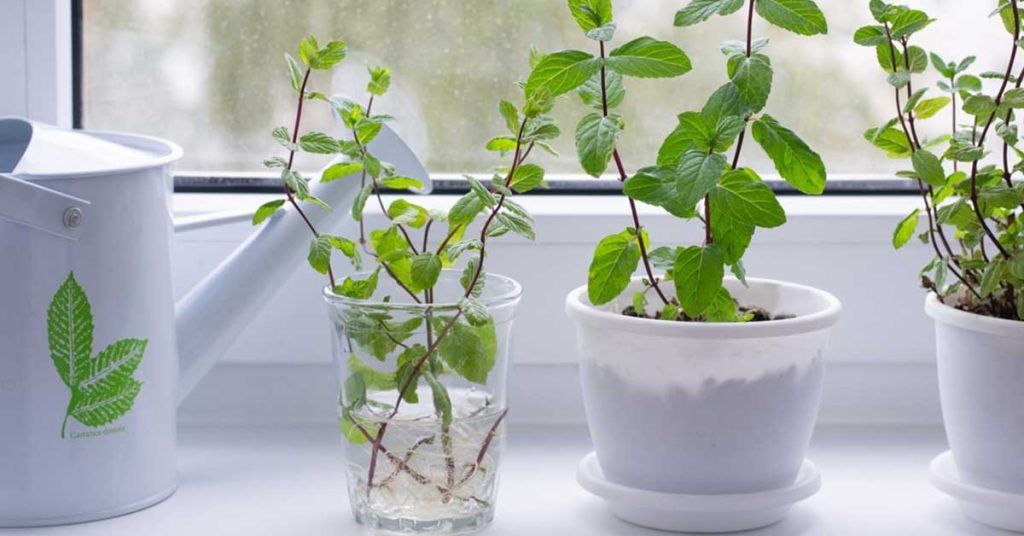
Frost can be a silent killer in the garden—it can damage delicate leaves, disrupt flowering cycles, and even set back the propagation of your favorite plants! When you propagate plants from cuttings or divide perennials, timing is critical. Many of these propagation efforts are designed around the assumption of stable, frost-free conditions so that the new growth isn’t stunted by a sudden chill. I’ve learned that protecting these new beginnings is essential to ensuring they eventually mature into vibrant additions to my garden.
Even plants that are native to cooler climates have their limits. Some species, especially those not naturally evolved to handle extended cold, can suffer severe setbacks if exposed to an untimely frost. By knowing the last frost date, you can optimize propagation techniques and choose the right time to transplant seedlings. This care not only maximizes plant health but also ensures that the beneficial behaviors—like attracting pollinators or providing nesting spots for small insects—are maintained, giving your garden a well-balanced, thriving ecosystem!
Optimizing Planting and Protection Strategies
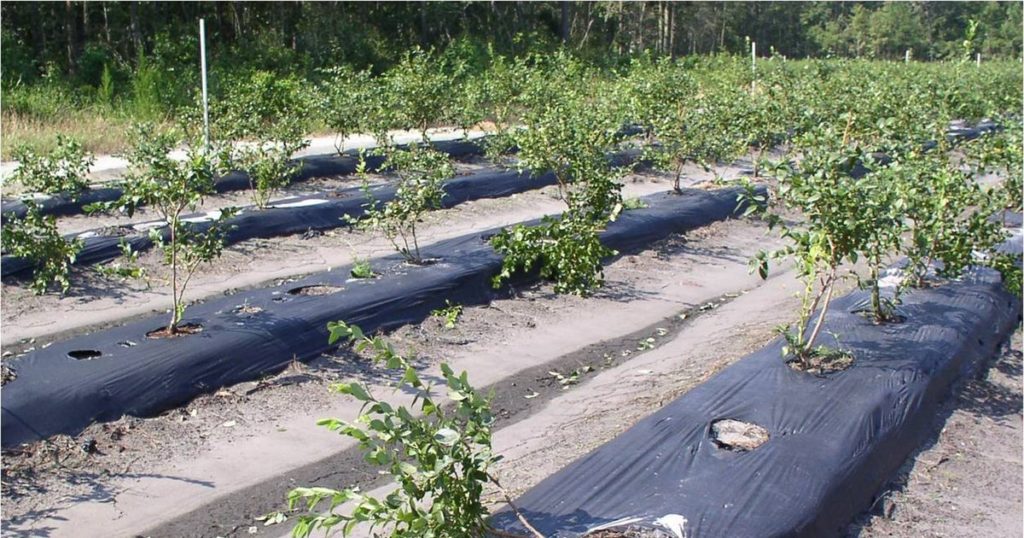
Once you know the last frost date for your area, you can tailor your planting and protection strategies with confidence. Early spring is a time of both vulnerability and potential—waiting a few extra days can mean the difference between a frosted, damaged crop and one that blooms with vitality! I often use frost blankets, cloches, or even simple DIY methods like cardboard covers to shield my more sensitive plants from unexpected chills until the danger has passed.
The beauty of planning around frost dates is that it allows you to maximize your garden’s productivity while minimizing risk. By timing your propagation, transplanting, and even hardening off of seedlings just right, you create a robust environment that encourages healthy growth. This proactive approach not only protects your plants but also supports the local ecosystem—ensuring that beneficial insects and pollinators have the stable, nurturing environment they need to nest and flourish!
Maximizing Your Growing Season

Knowing the last frost date is key to maximizing your growing season—it’s like unlocking an extra month of vibrant, flourishing life in your garden! With the frost safely behind you, you can confidently plant a wider variety of flowers, vegetables, and herbs that might otherwise be vulnerable to a stray freeze. I always plan my garden layout and propagation schedule around this crucial date, ensuring that every seedling gets the optimal start it needs to develop into a healthy, productive plant.
This extra growing time not only benefits the plants but also enriches the entire garden ecosystem. Early blossoms and fresh foliage provide shelter and foraging opportunities for pollinators and other beneficial creatures, some of which might even use your garden as a nesting ground. When your garden thrives, so does the local wildlife, creating a harmonious balance that turns every corner of your outdoor space into a lively, interconnected habitat. It’s such a joy to witness, and it all starts with knowing when that last frost has finally passed!
Tools and Resources to Determine Frost Dates
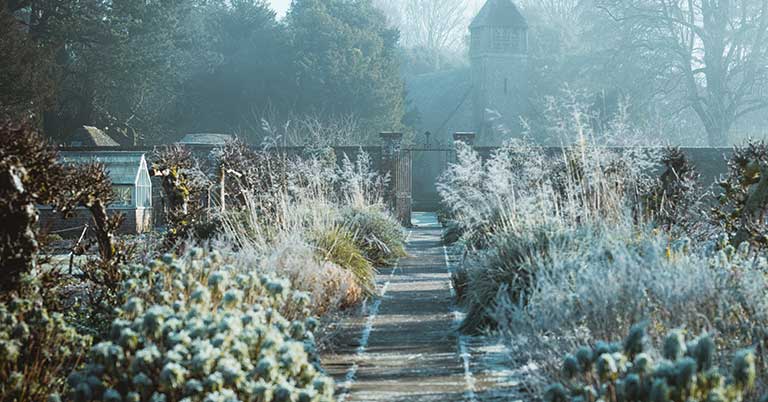
There are many fantastic tools and resources available to help you pinpoint the last frost date in your growing zone—each one can be a gardener’s best friend! I frequently consult local agricultural extensions, weather apps, and online frost date calculators to ensure that my information is accurate and up to date. These resources not only give you a clear picture of your region’s frost patterns but also help you plan your propagation and planting schedules with precision and ease.
Using these tools has transformed my gardening routine, making it easier to protect my tender plants and optimize every stage of growth. By staying informed, I’m better able to match my planting strategies to the natural rhythms of my region—ensuring that every new cutting or seedling has the best chance to thrive. This proactive approach not only enhances the beauty and productivity of my garden but also creates a welcoming environment for pollinators and small wildlife that rely on stable, frost-free conditions to nest and flourish!
The Role of Native and Invasive Plants in Frost Management
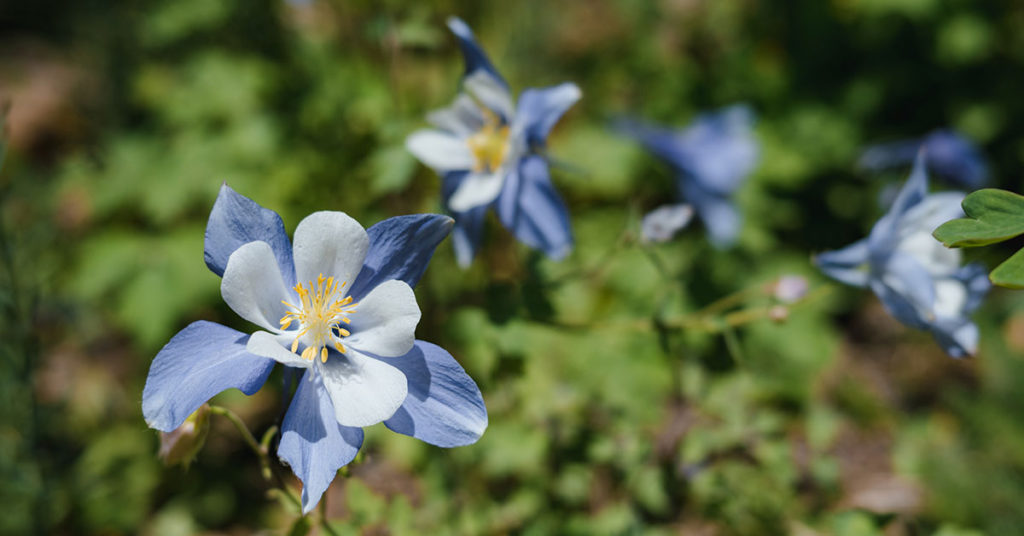
Native plants often have a built-in resilience to local frost conditions, as they’ve evolved in the same climate you’re gardening in! These species naturally attract native pollinators and even provide safe nesting spots for beneficial insects, creating a harmonious ecosystem that’s finely tuned to your local environment. When you know your last frost date, you can strategically incorporate these hardy natives to build a garden that not only survives but thrives even in cooler early spring conditions.
Conversely, some non-native plants can be more susceptible to frost damage if not given the proper care. They might require extra protection or delayed planting to avoid the risk of a cold snap. In some cases, these plants can even become invasive if they manage to establish themselves outside their intended areas once the frost has passed. Understanding the interplay between native and potentially invasive species—and timing their planting around the frost dates—allows you to cultivate a balanced garden that supports biodiversity and minimizes risk, ensuring every plant finds its perfect place in your outdoor haven!