

Hey there, fellow gardeners and loving pet owners! As someone who adores both a vibrant garden and a happy, healthy dog, I know the heartache of discovering that a plant you thought was beautiful could actually put your furry friend in harm’s way. Today, I’m excited to share a detailed guide on 20 plants that might seem charming at first glance but are toxic for dogs. I’ve learned the hard way that even the most alluring blooms can hide dangerous surprises, so I’m here to help you create a safe, pet-friendly garden while still enjoying nature’s bounty!
I understand how challenging it is to balance aesthetics with the safety of your beloved canine companions—trust me, I’ve been there! In this article, we’ll dive deep into each plant’s origins, invasive tendencies, and unique behaviors, including how they attract various insects and even serve as nesting spots for small critters. My goal is to provide you with thorough insights and practical advice so you can make informed decisions and keep your garden both beautiful and safe!
Sago Palm
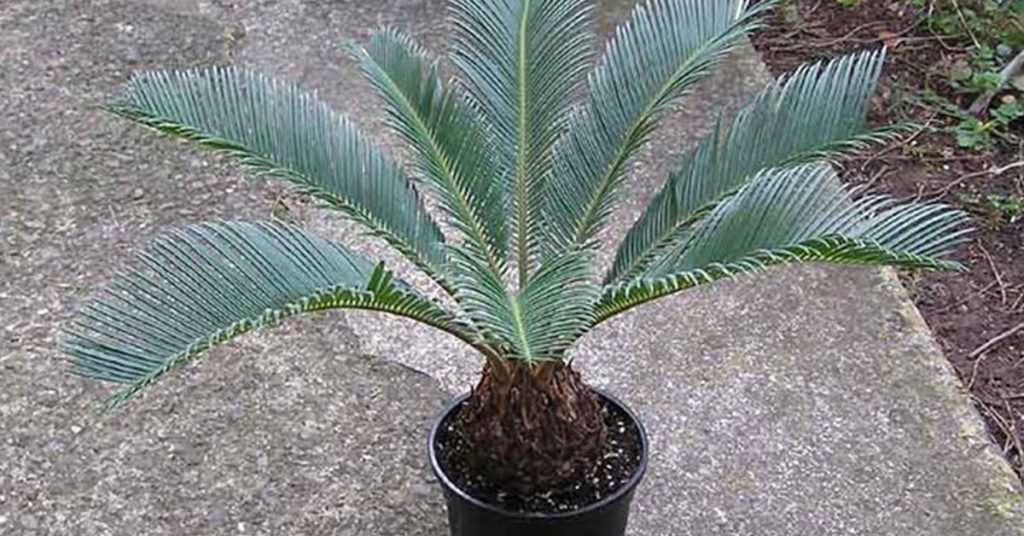
Sago Palm is a striking tropical plant admired for its bold, feathery fronds and exotic appeal. Native to subtropical regions of Central and South America, this plant adds an unmistakable flair to any landscape. However, despite its dramatic beauty, every part of the Sago Palm is highly toxic to dogs! I’ve seen how its majestic appearance can easily lure you into a false sense of security, while its potent toxins are a serious risk if ingested by our canine friends.
When cared for in the right environment, Sago Palm can attract an assortment of pollinators, including bees and butterflies, which make the garden come alive. Yet, its invasive nature in warmer climates means it can spread rapidly if not contained properly. For pet owners, the risk outweighs the rewards, and it’s a plant best admired from afar or replaced with a safer alternative in your garden design.
Oleander
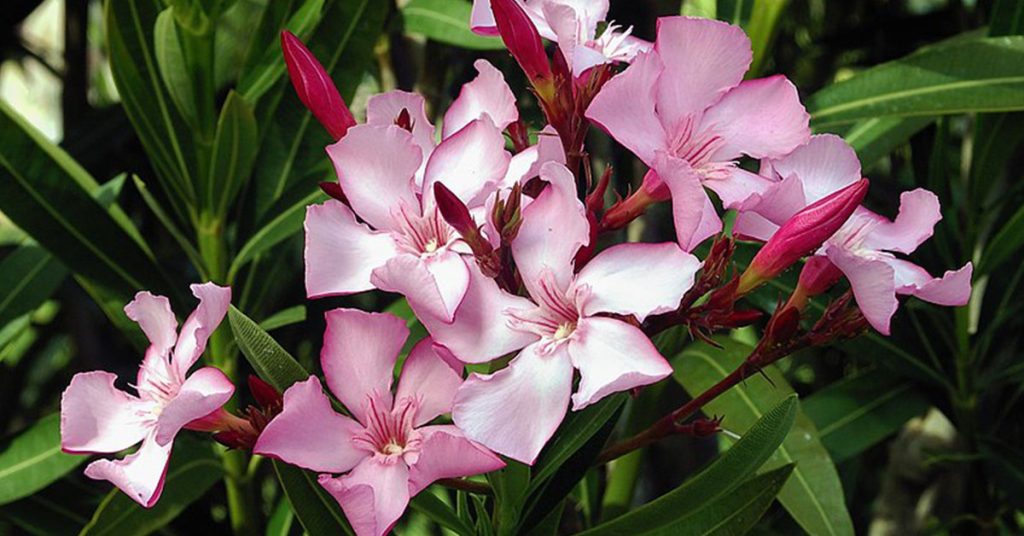
Oleander is famed for its lush, evergreen foliage and clusters of vibrant flowers that illuminate any garden space. Originating from the Mediterranean region and parts of Asia, this shrub thrives in hot, sunny environments and can often become quite large, adding structure to your landscape. However, don’t be fooled by its beauty—oleander is extremely toxic to dogs, even a small ingestion can be life-threatening!
In addition to its ornamental appeal, oleander can attract beneficial insects with its nectar-rich blooms, creating a lively micro-ecosystem around it. Its robust growth habit can sometimes verge on invasive in suitable climates, making it even more challenging to manage. As much as it might tempt you with its brilliant display, it’s best to steer clear of oleander if you want a safe haven for your canine companions!
Tulip

Tulips are iconic symbols of spring, celebrated for their graceful, cup-shaped blooms and a wide palette of colors. Native to Central Asia and cultivated across the globe, these elegant flowers create stunning floral displays that capture the eye. Despite their enchanting beauty, tulips contain compounds that can be harmful to dogs if ingested, turning a moment of admiration into a potential emergency!
Beyond their visual appeal, tulips have an intriguing history of attracting early spring pollinators, which sometimes establish temporary foraging or nesting spots near their bases. While they rarely become invasive due to careful cultivation practices, their toxic nature means that they can pose serious health risks to pets. For dog owners, it’s wise to admire these beauties in a vase rather than planting them directly in a pet-accessible garden.
Foxglove
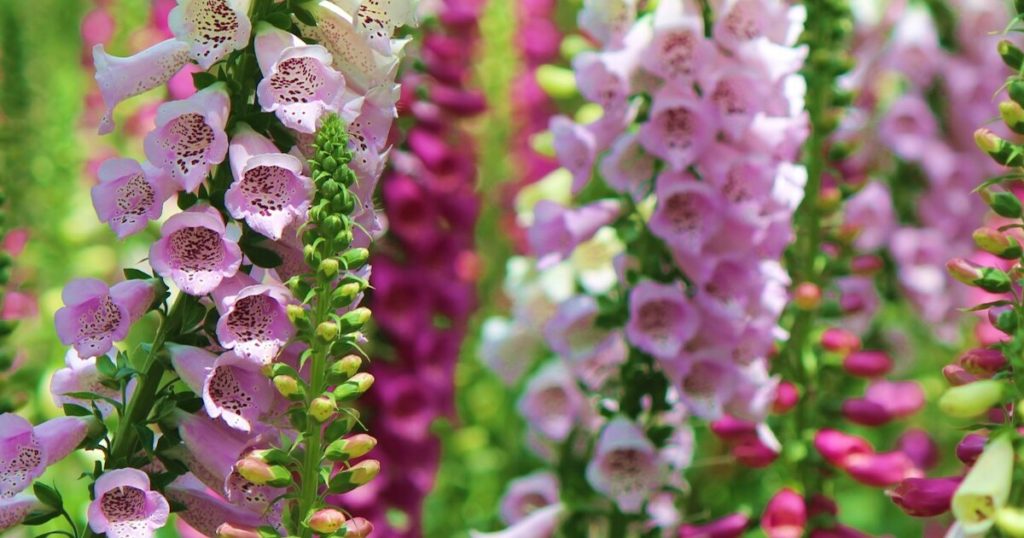
Foxglove, with its towering spires and bell-shaped flowers, is a garden favorite for those seeking a touch of old-world charm. Native to Europe, it flourishes in woodland edges and damp meadows, and its tall, stately presence can be quite mesmerizing. However, all parts of foxglove contain digitalis, a potent toxin dangerous to dogs and other animals, making it a risky addition to any pet-friendly garden!
This plant’s distinctive blooms are known to attract bees and other pollinators that contribute to the health of the garden ecosystem. Foxglove can naturalize in the right conditions, spreading slowly but surely over time. Despite its allure and beneficial role in attracting pollinators, the potential harm it poses to dogs is too significant, so it’s best to admire foxglove from a safe distance or opt for safer alternatives.
Azalea
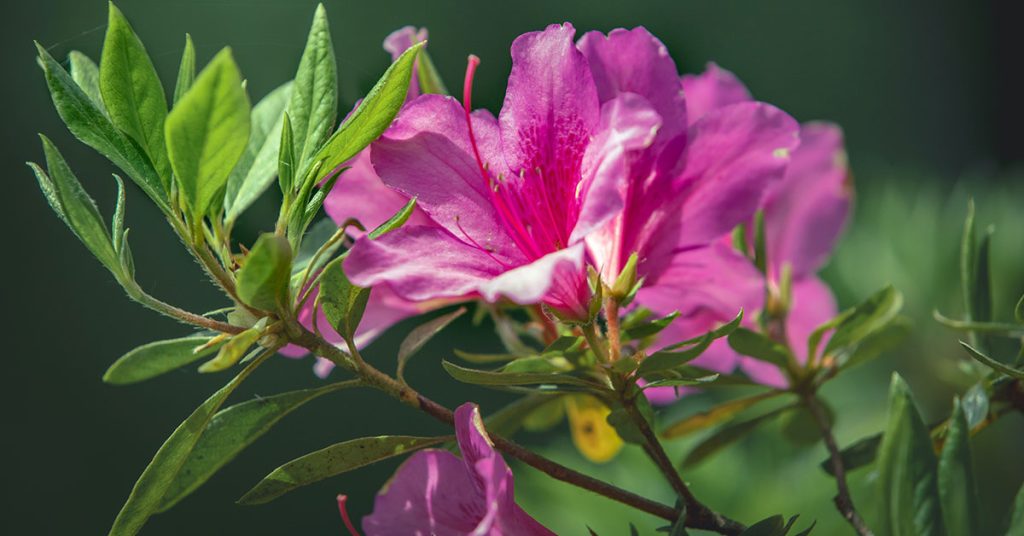
Azaleas are beloved for their brilliant, showy clusters of flowers that signal the arrival of spring and add a burst of color to any garden. Native to Asia, particularly in regions like Japan and China, azaleas have been cultivated worldwide for their ornamental value. Unfortunately, even a few leaves of this attractive shrub can be toxic to dogs, leading to serious health complications if ingested!
These shrubs often become focal points in a landscape, drawing in hummingbirds and butterflies with their vibrant blooms. While azaleas are not typically invasive, their rapid spread in the right conditions means they require careful maintenance. As much as their beauty might captivate you, the risk they pose to your four-legged friends makes them a plant to avoid in any dog-friendly garden setting.
Cyclamen

Cyclamen, with its delicate, upswept petals and charming foliage, can transform a garden or indoor space with its subtle elegance. Native to the Mediterranean and parts of Asia, cyclamen thrives in cooler, shaded areas and brings a touch of grace to any environment. However, beneath its attractive exterior lies a toxic secret: the tubers and leaves of cyclamen are harmful to dogs, and even small amounts can lead to serious health issues!
Despite its toxicity, cyclamen is known to attract a variety of small insects that enjoy its unique scent and structure, occasionally creating tiny nesting sites nearby. Its growth is generally well-behaved, though it can self-seed under ideal conditions, forming a modest natural carpet. For pet owners, it’s best to admire cyclamen in controlled indoor settings or choose a non-toxic alternative for your garden to ensure the safety of your canine companions!
Dieffenbachia (Dumb Cane)
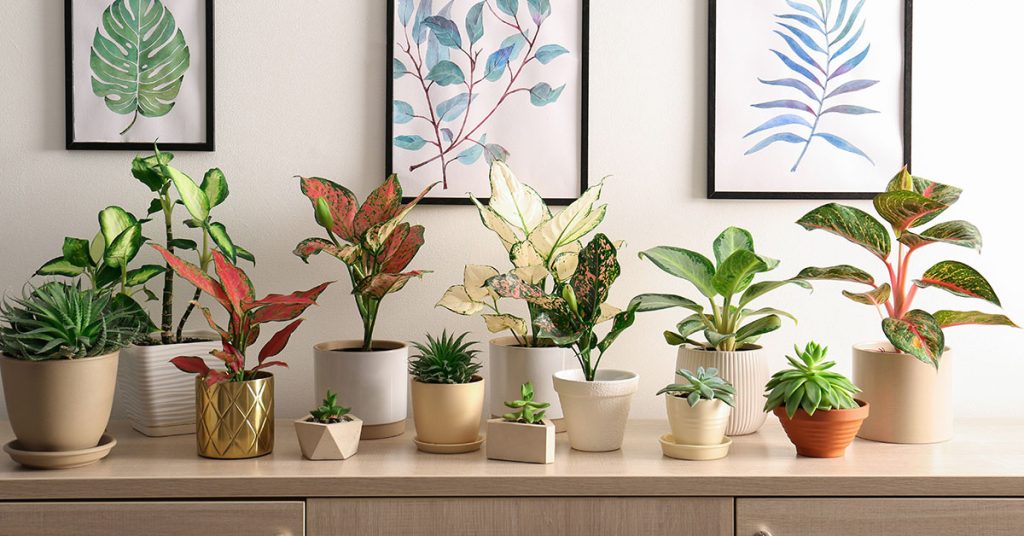
Dieffenbachia, commonly known as Dumb Cane, is a popular houseplant admired for its lush, patterned leaves and striking appearance. Native to tropical regions of South America, this plant thrives in warm, humid environments and adds a bold visual element to any space. However, it contains insoluble calcium oxalate crystals that can cause severe irritation if chewed by dogs, making it a hazardous choice for pet owners!
While Dieffenbachia is typically grown indoors, its beauty can sometimes lure unsuspecting pets into a dangerous interaction. In outdoor settings, it can attract a variety of small insects that utilize its dense foliage as a temporary refuge. Although not invasive in most climates, the risks associated with its toxic properties mean it’s best to keep this plant out of reach or opt for safer, non-toxic alternatives in any garden accessible to dogs.
Rhododendron
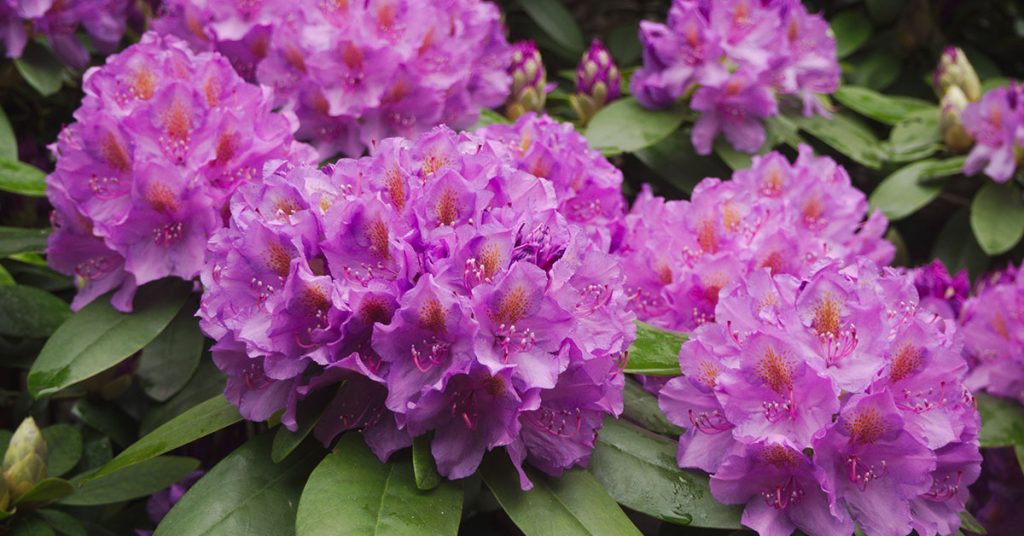
Rhododendron, a close relative of the azalea, is cherished for its lush clusters of vibrant flowers and glossy evergreen foliage. Native to Asia, Europe, and North America’s mountainous regions, these shrubs can create breathtaking displays in any garden. Unfortunately, every part of the rhododendron is toxic to dogs, posing a serious health risk even in small quantities, so caution is absolutely essential!
These plants are known for attracting a range of pollinators, including bees and butterflies, which benefit from the abundant nectar in their blooms. While they are generally well-behaved in terms of invasiveness, their rapid growth and widespread appeal can sometimes lead to unintentional overplanting. For pet owners, the striking beauty of rhododendrons is overshadowed by the significant dangers they present, making them a plant best avoided in dog-friendly landscapes.
Autumn Crocus
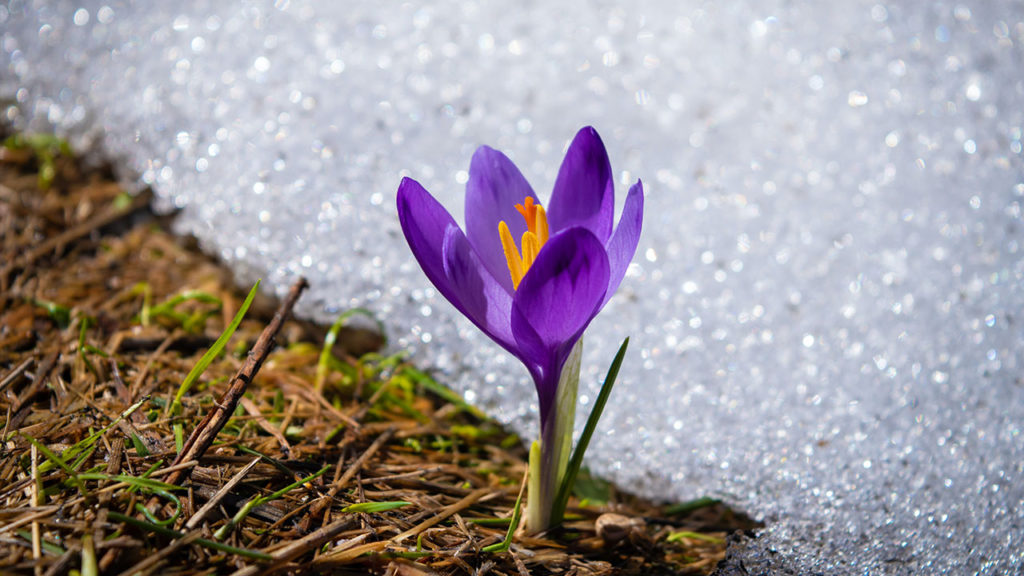
Autumn Crocus is a delicate yet vibrant flower that heralds the arrival of cooler weather with its vivid displays. Native to regions of Central Asia and the Eastern Mediterranean, this plant thrives in areas with mild climates. Despite its appeal, every part of the autumn crocus is toxic to dogs, and even minimal exposure can result in serious health concerns—a stark reminder that beauty sometimes hides danger!
Beyond its colorful blossoms, the autumn crocus plays an interesting role in attracting early spring pollinators and even small insects that use its low-growing form as a safe haven for brief nesting. Its non-invasive nature means it typically doesn’t spread uncontrollably, yet its toxic properties make it a risky choice for any garden shared with dogs. For those seeking a safe alternative, it’s better to look for non-toxic species that offer similar visual delights without endangering your pet.
English Ivy

English Ivy is a classic climber that many gardeners adore for its lush, evergreen foliage and its ability to drape gracefully over walls and trellises. Native to Europe and western Asia, this plant has been a staple in traditional gardens for centuries. However, while it adds a touch of old-world charm, English Ivy is toxic to dogs if ingested, potentially causing gastrointestinal distress and other issues that no pet owner wants to face!
Despite its risks, English Ivy is known for attracting a variety of insects, some of which use its dense growth as a nesting ground. It’s also appreciated for its vigorous growth, although it can become invasive in the right conditions, spreading across landscapes with little resistance. As much as its classic beauty might tempt you, it’s important to keep English Ivy out of reach of your canine friends or opt for a safer, non-toxic alternative.
Yew
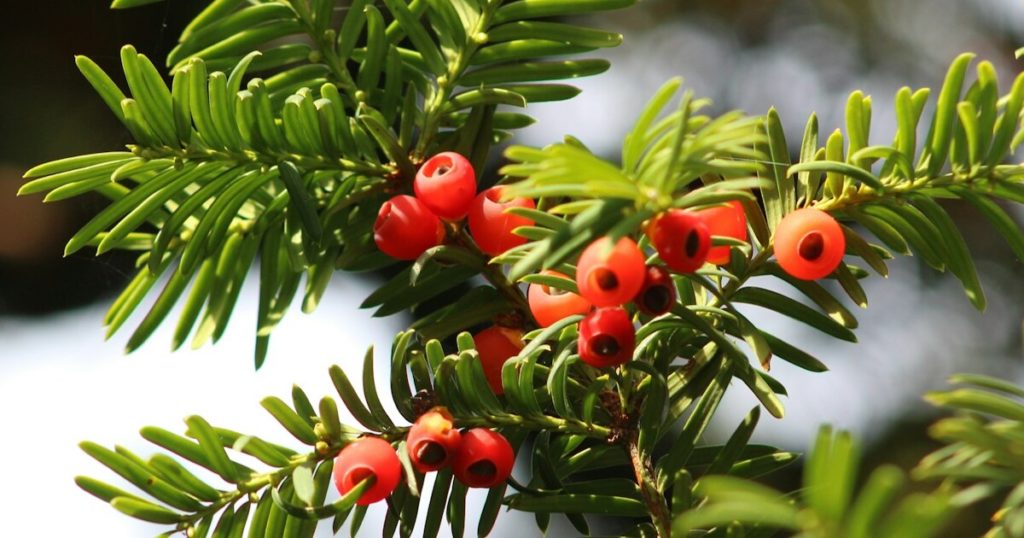
Yew is a majestic, evergreen shrub that lends an air of elegance and history to many traditional gardens. Native to temperate regions across Europe, Asia, and North America, this plant is celebrated for its dense, dark foliage and its stately form. However, every part of the yew is highly toxic to dogs, making it a significant hazard for any pet-friendly garden setting—a reality that every responsible gardener must acknowledge!
Despite its notorious toxicity, yew has an intriguing appeal for wildlife; its dense branches can attract small birds and even provide a sheltered spot for certain insects. In some areas, yew can behave invasively, spreading through well-drained soils and shading out other plants. For dog owners who cherish both a safe environment and a beautiful landscape, it’s best to avoid planting yew or ensure it is well beyond the reach of curious paws.
Daffodil
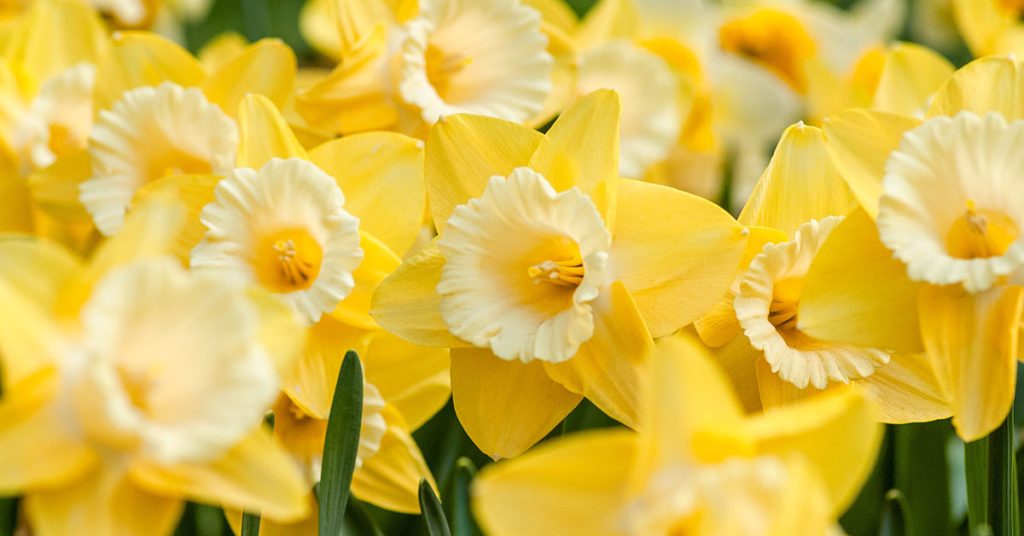
Daffodils are cheerful heralds of spring with their bright, trumpet-shaped blooms and sunny disposition. Native to regions of Europe and North Africa, these bulbs have been cherished for their ability to brighten even the dreariest winter days. Yet, while they exude warmth and charm, all parts of the daffodil are toxic to dogs, and even a small nibble can trigger severe symptoms—a reminder that not all that glows is safe for our furry friends!
Their vibrant flowers attract a range of pollinators, including bees and butterflies, which are drawn to the daffodil’s rich nectar. While daffodils are generally non-invasive, their stunning display and prolific blooming can sometimes lead to overplanting in certain garden settings. For any pet owner, the risks associated with daffodils are simply too high, and it’s wise to consider safer alternatives that won’t jeopardize your dog’s health while still offering a burst of color.
Castor Bean

Castor Bean plants are known for their dramatic foliage and large, exotic leaves that lend a bold tropical vibe to any garden. Native to Eastern Africa and India, these plants have found their way into many temperate gardens through cultivation. However, they harbor a dangerous secret: castor beans contain ricin, a highly toxic compound that poses a serious threat to dogs and other animals if ingested, making them a definite no-go for pet-friendly gardens!
Beyond their eye-catching appearance, castor bean plants sometimes attract various insects that find refuge in their broad leaves. Their growth habit is generally well-contained, yet the potential hazard they represent far outweighs any ornamental value. For those who care deeply about their pets, it’s crucial to avoid castor bean plants, opting instead for non-toxic alternatives that provide a tropical feel without the risk.
Lily of the Valley
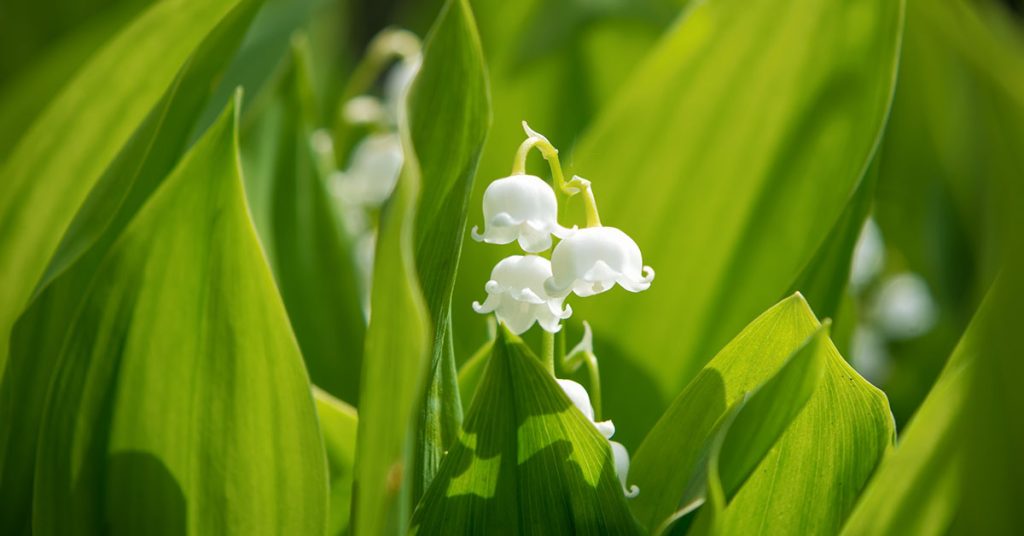
Lily of the Valley is a delicate and fragrant flowering plant that has captivated gardeners for generations with its petite, bell-shaped blooms and enchanting scent. Native to Europe and parts of Asia, this plant is often celebrated for its charming appearance and the gentle, sweet aroma that signals the arrival of spring. However, every part of Lily of the Valley is toxic to dogs, and even a tiny taste can cause severe poisoning—an unacceptable risk in any dog-friendly garden!
Although its toxicity makes it a poor choice for gardens with pets, Lily of the Valley does have the ability to attract small pollinators and occasionally even provides a safe, shaded nook for insects to nest. It typically forms clumps rather than spreading invasively, but its hidden dangers are too significant to ignore. As much as its graceful charm might allure you, ensuring your pet’s safety means it’s best to leave this plant out of your accessible garden areas.
Poinsettia

Poinsettias are widely recognized for their vibrant red and green foliage, often adorning homes during the holiday season. Native to Mexico and Central America, these plants have been cultivated extensively for their striking visual appeal. While often considered mildly toxic to dogs—causing irritation rather than severe poisoning—the risk of ingestion is still significant enough that I advise pet owners to steer clear of planting them in areas where their dogs roam freely!
Their bold, festive display can attract attention from various insects, and the plant’s dense, waxy leaves sometimes create microhabitats for small critters. Although poinsettias are not highly invasive, the potential for accidental ingestion by curious pets makes them unsuitable for a truly pet-safe garden. It’s always better to choose safer ornamental alternatives that bring joy without jeopardizing the health of your furry companions!
Chrysanthemum

Chrysanthemums, with their intricate and abundant blossoms, have long been cherished for their ability to transform gardens into vibrant displays of color. Native to East Asia, these flowers have spread across the world and are celebrated for their diverse forms and hues. However, chrysanthemums contain substances that can be toxic to dogs, and even casual contact or ingestion can lead to irritation and other adverse reactions—a risk no pet owner should take lightly!
These striking blooms are known to attract a host of beneficial insects, including bees and ladybugs, which use the flowers as temporary foraging and nesting spots. While chrysanthemums are generally manageable in size and not invasive, the threat they pose to pet health means that they deserve to be replaced with non-toxic options in a dog-friendly garden. Prioritizing your pet’s safety ensures that your garden remains a haven for all the right kinds of visitors!
Caladium

Caladiums are celebrated for their bold, tropical foliage that can instantly infuse a garden with a splash of color and exotic flair. Native to South and Central America, these plants flourish in warm, humid conditions and offer a visually striking display. However, all parts of the caladium are toxic to dogs, making them a risky addition to any garden where your pet might roam freely—a reality that can dampen even the most enthusiastic gardener’s spirit!
Despite their hazards, caladiums do attract various insects that appreciate their broad, attractive leaves and the shelter they provide for nesting. Their growth tends to be clumping rather than invasive, yet the risk associated with their toxicity is a serious concern for pet owners. It’s a difficult decision when a plant is so visually captivating yet potentially dangerous, and in the case of caladiums, I always recommend seeking safer alternatives for a truly pet-friendly landscape.
Hydrangea

Hydrangeas are renowned for their lush, voluminous flower clusters that can transform any garden into a pastel wonderland. Native to parts of Asia and the Americas, these shrubs are favored for their ability to adapt to a range of climates and soil types. However, while their beauty is undeniable, hydrangeas are toxic to dogs if ingested, posing a health risk that no pet owner should ignore—especially when our furry friends are known to nibble on just about anything!
These plants have a delightful way of attracting a variety of pollinators, including bees and butterflies, which are drawn to their abundant blossoms. Though hydrangeas typically remain well-contained and non-invasive with proper care, the danger they present to dogs makes them an unsuitable choice for pet-friendly gardens. I always advocate for creating a safe outdoor space, and in this case, it means choosing non-toxic plants that can offer similar beauty without endangering your canine companions!
Amaryllis
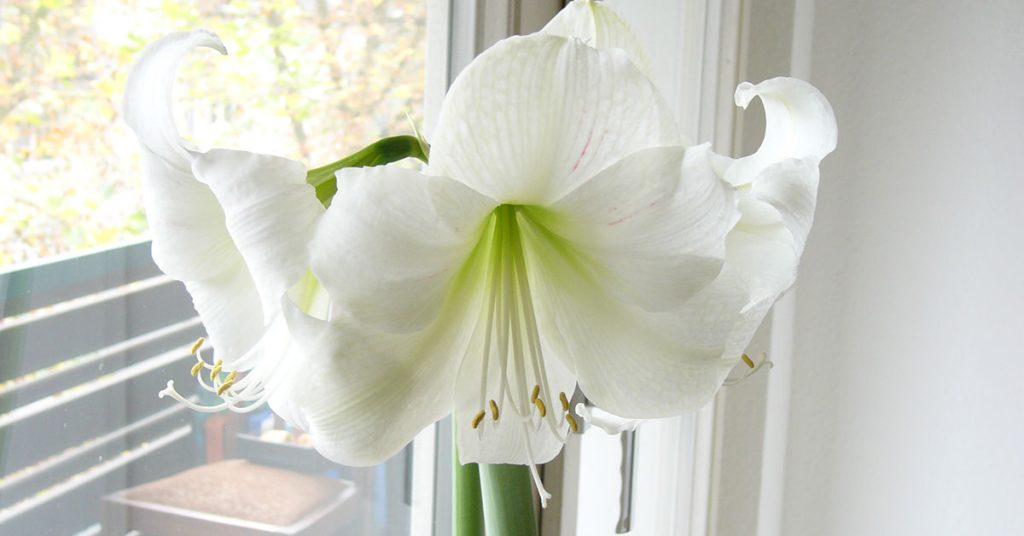
Amaryllis is a showstopper with its large, trumpet-shaped blooms that exude elegance and tropical allure. Native to South Africa, these bulbs have become popular worldwide for their dramatic flowers and relatively easy care. Yet, behind its glamorous facade lies a toxic threat to dogs—ingestion of any part of the amaryllis can cause vomiting, diarrhea, and other serious symptoms, making it a plant to definitely avoid if your dog loves to explore the garden!
In addition to its ornamental appeal, amaryllis can sometimes attract specific types of insects that favor its bold, waxy petals, inadvertently creating a lively microhabitat around it. While it doesn’t typically become invasive due to its controlled growth from bulbs, the health risks it poses are simply too high to justify its place in a pet-friendly landscape. For the sake of your dog’s well-being, it’s best to seek out non-toxic alternatives that offer a similar burst of color without the associated dangers!
Kalanchoe
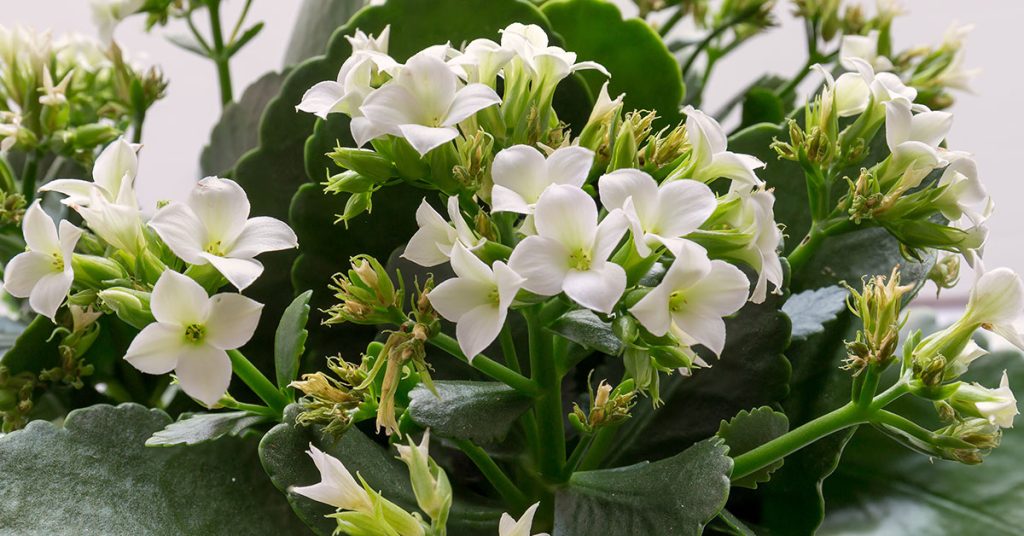
Kalanchoe is a succulent that has won over many gardeners with its clusters of vibrant, long-lasting flowers and fleshy, eye-catching leaves. Native to Madagascar and other parts of Africa, this plant thrives in warm, sunny conditions and brings a tropical vibe to any garden setting. However, despite its alluring appearance and hardiness, kalanchoe contains compounds that are toxic to dogs, making it a dangerous choice for households with canine companions!
This succulent’s colorful blossoms can attract a variety of pollinators, and its dense foliage sometimes serves as a hideout for small insects seeking shelter. Although kalanchoe is not known to be invasive and is relatively easy to manage, the potential health risks for dogs are a major concern. For those who cherish both their garden’s beauty and their pet’s safety, it’s wise to avoid kalanchoe and select non-toxic plants that provide a similar tropical charm without the worry!