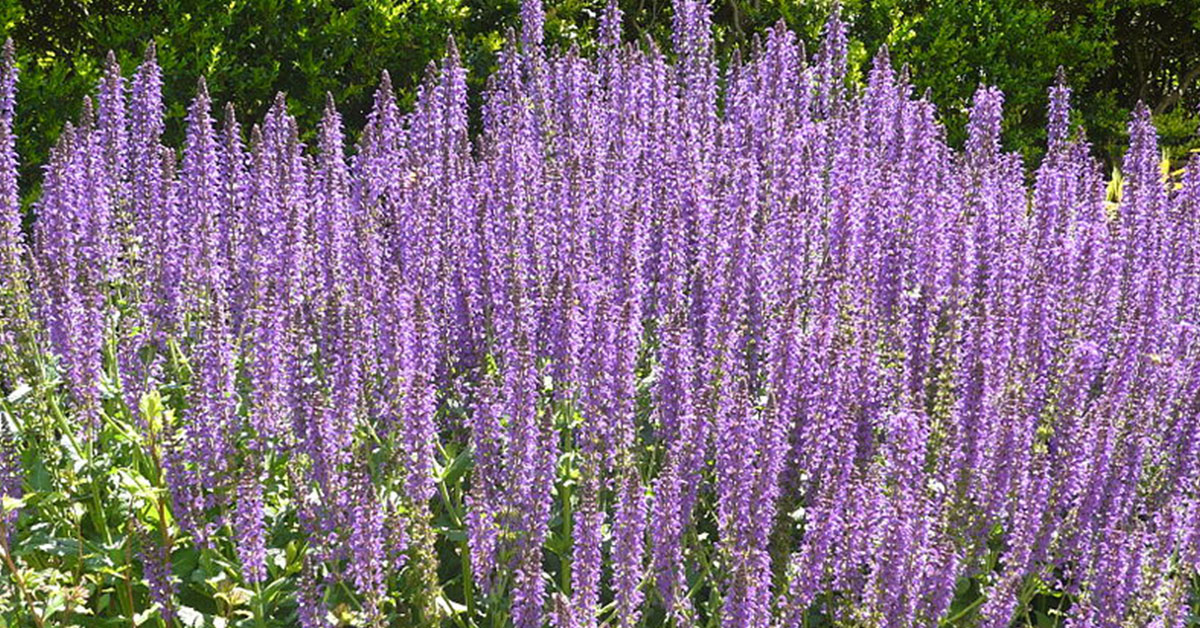

Hey there, fellow garden enthusiasts! If you’re like me, you’ve often battled the challenges of growing vibrant blooms in hot, humid conditions. I’m thrilled to share with you a curated list of 12 spectacular flowers that thrive in these environments. Each of these blooms brings not only a burst of color but also attracts helpful pollinators, creates nesting spots for tiny critters, and transforms even the most challenging gardens into lush oases! I know it can be disheartening when the climate seems to work against you, but trust me—these selections have been a game-changer for my own garden adventures.
In my gardening journey, I’ve discovered that understanding a plant’s native roots and growth tendencies is key to success. Some of these flowers hail from tropical regions while others have been introduced to warm climates and adapted beautifully over time. I’m excited to share details about where each flower comes from, whether they’re known to be invasive, and the delightful behaviors they exhibit. So, roll up your sleeves and let’s dive into a world of brilliant blooms that promise to light up your garden in the heat and humidity!
Bougainvillea
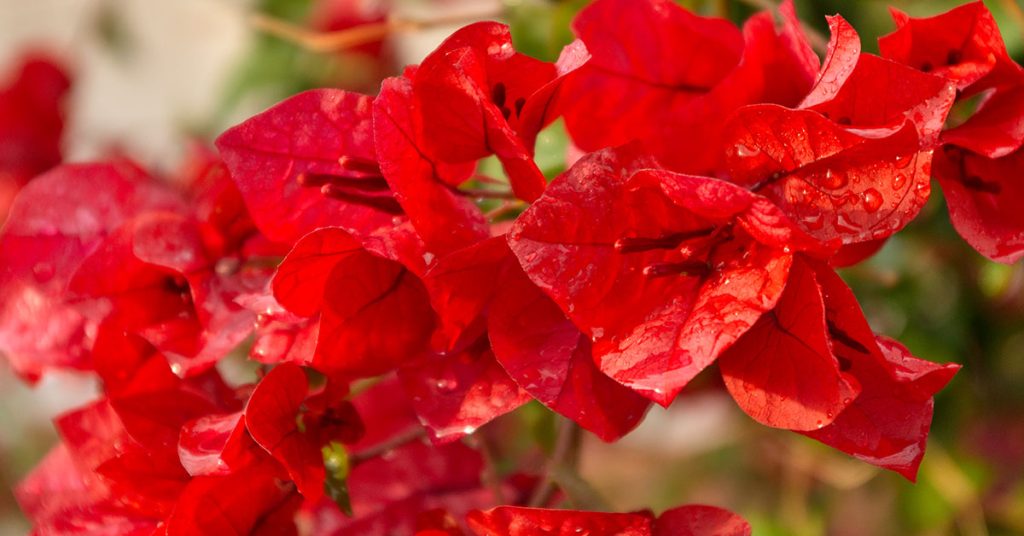
Bougainvillea is a dazzling climber known for its vibrant bracts that seem to burst into life even in the sweltering heat. Native to South America, this flower thrives in hot, humid climates and is often admired for its explosive display of colors that attract butterflies and hummingbirds alike! While it’s non-invasive in many settings, its vigorous growth habit means it can spread rapidly if not given a little guidance. I enjoy watching how its cascading clusters create a dramatic focal point in my garden, adding both structure and stunning visual appeal.
Every time I prune my bougainvillea, I’m amazed by its resilience and ability to bounce back with even more energy. Its long, trailing branches often provide ideal spots for nesting birds to rest, making it not only a visual delight but also a small haven for nature’s feathered friends. The plant’s low maintenance requirements and its penchant for thriving in high temperatures have truly made it a superstar in my garden repertoire!
Daylily
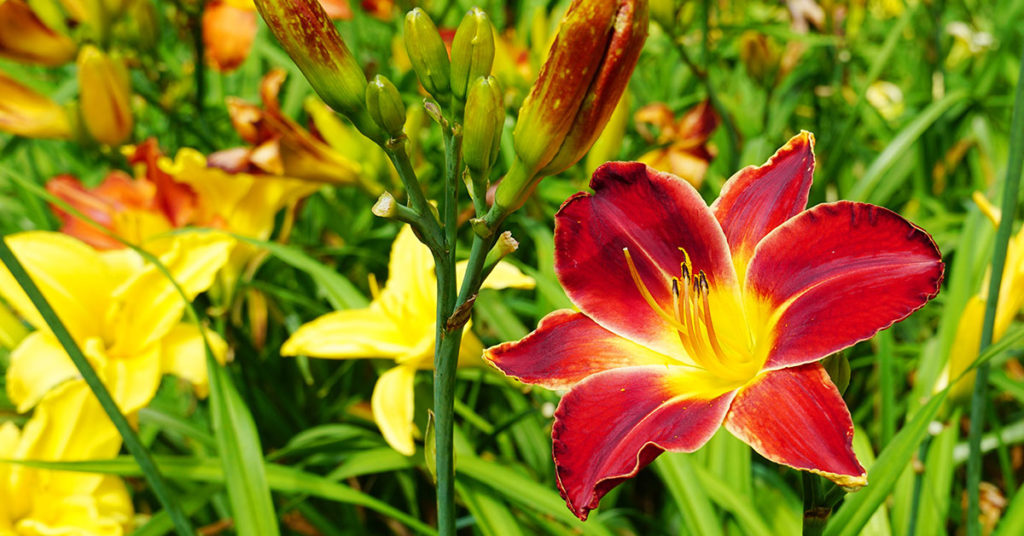
Daylilies are true survivors in the garden, flourishing in hot, humid conditions with a burst of color that never fails to uplift my spirits. Native to various parts of Asia, daylilies have adapted to a range of climates and are celebrated for their hardy nature and stunning blooms. They might not be invasive, but they do tend to spread gradually, creating a lovely, naturalized effect that welcomes beneficial insects and even offers shelter to small garden dwellers!
I find that daylilies not only add a dynamic splash of brightness to my garden but also create miniature sanctuaries for bees and other pollinators seeking a sunny retreat. Each bloom, though ephemeral by design, is a delightful reminder of nature’s persistence and beauty. Their ability to flourish with minimal fuss makes them a must-have for anyone dealing with the relentless heat and humidity!
Marigold
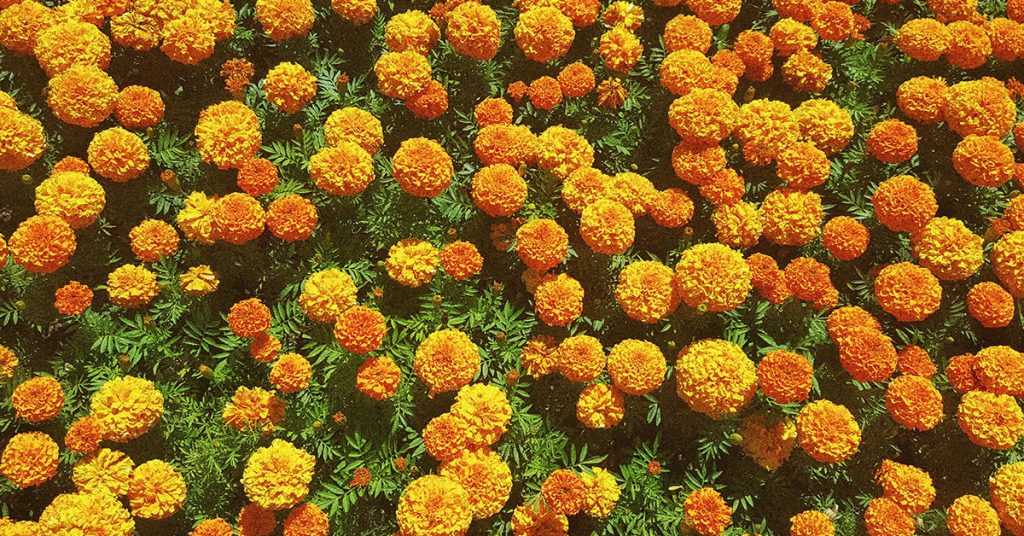
Marigolds are like rays of sunshine in the garden, offering brilliant hues that thrive in hot and humid climates. Originally native to Mexico, these cheerful flowers are known for their robust nature and are often used as natural pest deterrents. I’m always thrilled by how marigolds attract not just bees but also other beneficial insects, which often use the dense foliage as safe nesting spots! While they aren’t invasive, their prolific blooming can cover large areas, creating a tapestry of color that brightens even the gloomiest days.
When I plant marigolds, I love the way they complement other tropical blooms in my garden, forming a lively mosaic that’s both decorative and practical. Their easy-care nature and pest-repelling properties have saved me from countless gardening woes—especially when pests threaten to overrun my other plants. It’s such a joy to see these resilient flowers hold their ground in the heat while offering both beauty and ecological benefits!
Hibiscus

Hibiscus brings a touch of the tropics to your garden with its large, show-stopping blossoms that are as bold as they are beautiful. Native to warm regions of Asia and the Pacific, hibiscus thrives in hot, humid climates, and its lush, vibrant flowers are magnets for hummingbirds and butterflies. While some varieties can exhibit invasive tendencies under the right conditions, careful maintenance ensures that its exuberance remains under control, letting you enjoy its dramatic flair without worry!
I relish every moment spent tending to my hibiscus, as its enormous blooms not only add a tropical vibe but also create a dynamic habitat for pollinators. The intricate details of its petals and the subtle fragrance it emits make it a favorite centerpiece in my garden. Each bloom seems to shout summer with gusto, and its robust nature reminds me that even in extreme conditions, nature finds a way to dazzle!
Lantana

Lantana is a spirited flower known for its clusters of multicolored blossoms that thrive under the intense sun and humidity. Native to tropical regions of the Americas, lantana has become a beloved choice for gardeners seeking resilience and beauty in challenging climates. Its small, vibrant flowers attract swarms of butterflies and bees, and the way these insects flit from bloom to bloom is simply a treat to behold! Though it is regarded as invasive in some areas, careful cultivation in pots or defined garden beds can keep its spread charming rather than chaotic.
Every time I stroll through my garden, the sight of lantana’s cascading clusters fills me with a sense of joyful abundance. I appreciate its low-maintenance nature and the fact that it creates a veritable haven for beneficial insects—providing a safe landing pad for pollinators while adding a riot of colors to the landscape. The lively presence of lantana always energizes me, making it a staple for anyone who loves to see nature in full, exuberant bloom!
Pentas
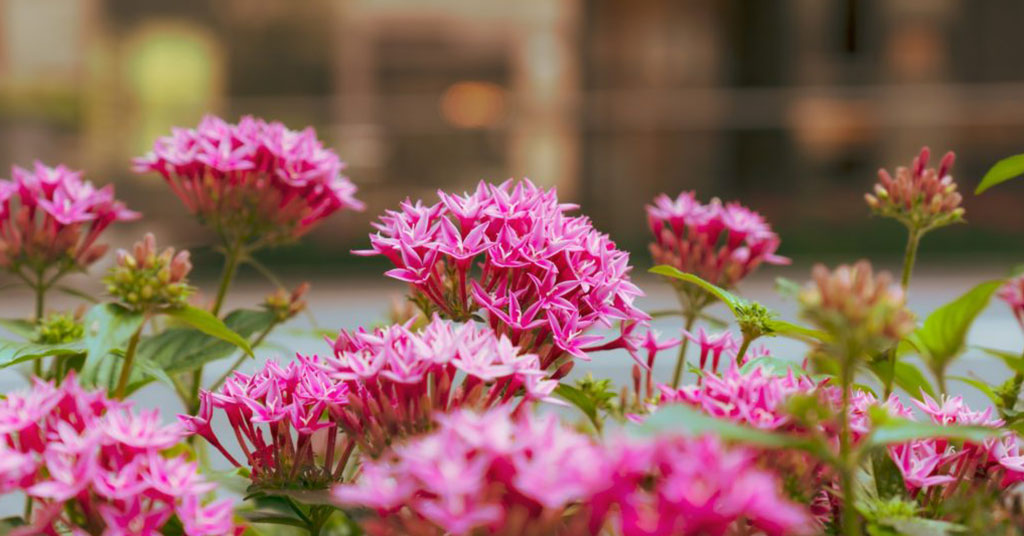
Pentas is a star performer in my garden, particularly admired for its radiant clusters of star-shaped flowers that thrive in heat and humidity. Native to tropical Africa, pentas offers a brilliant display that attracts an array of pollinators, from buzzing bees to fluttering butterflies, which sometimes even use its dense clusters as a brief nesting spot! Despite its tropical origins, this flower adapts wonderfully to a variety of soil types and isn’t considered invasive, making it a dependable choice for gardeners battling the elements.
I’m always delighted to see pentas in full bloom, as their vibrant colors seem to lift the entire garden’s spirit. The way these flowers interact with the surrounding flora creates a natural mosaic that’s both intricate and inviting. Their persistent blooming period means there’s always a lively display to enjoy, and the plant’s robust nature makes it an ideal companion in gardens facing the dual challenges of high heat and relentless humidity!
Zinnia
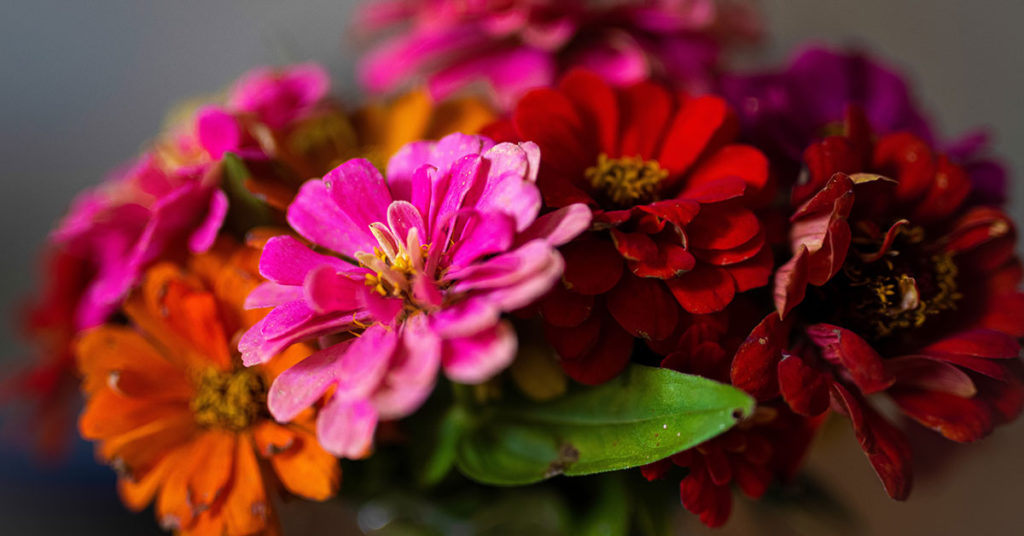
Zinnias burst onto the scene with an explosion of color and energy, thriving in the heat while adding a festive flair to any garden space. Originally native to Mexico, these annuals are known for their cheerful, daisy-like flowers that attract a flurry of butterflies and bees. They are not invasive, but their prolific seeding can create a spontaneous and delightful patchwork if left to their own devices! I appreciate how zinnias bring a sense of joy and celebration to the garden, making even the hottest days feel like a vibrant festival of life.
Every time I plant zinnias, I marvel at their ability to stand up to the dual challenges of high temperatures and humidity while continuing to produce such brilliant, varied blooms. Their ease of care and rapid growth make them an excellent choice for gardeners who want immediate, dazzling results. The way zinnias naturally attract pollinators and create small nesting sites for beneficial insects is a constant reminder that even the simplest plants can have a profound impact on garden biodiversity!
Salvia
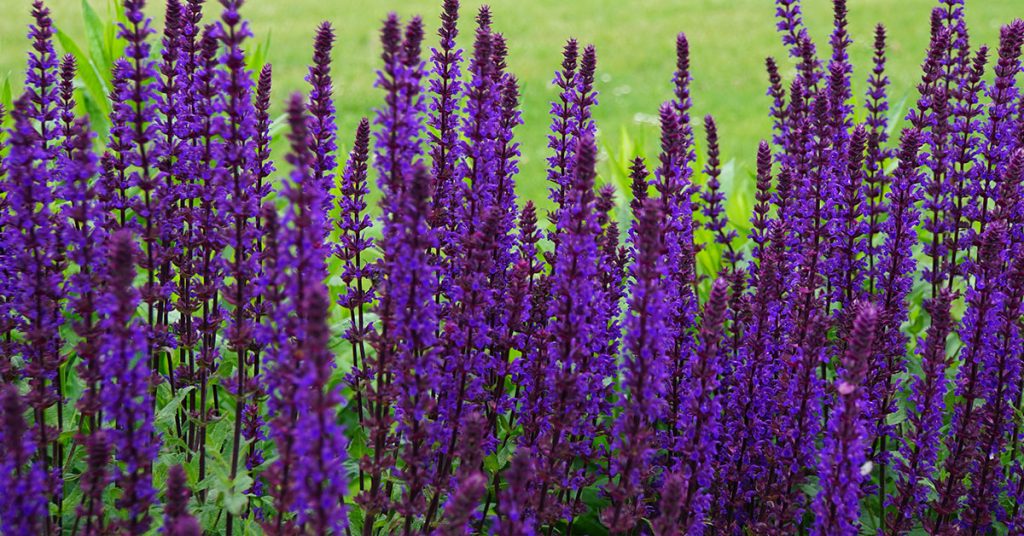
Salvia is a dynamic addition to any garden, offering striking spikes of color that perform beautifully under the intense sun and humidity. Many varieties of salvia are native to regions like Central and South America, where the climate is equally challenging, and they’ve adapted with gusto! Salvia’s tubular flowers are a favorite among hummingbirds and bees, serving as essential pit stops for these pollinators who sometimes even use its dense foliage for brief refuge. Although generally well-behaved, a few cultivars can become slightly invasive, so a bit of pruning goes a long way in maintaining balance.
I find salvia’s vibrant presence in my garden to be both invigorating and reassuring, especially on those scorching summer days when its deep hues seem to cool the landscape with their charm. Its ability to draw in beneficial insects and provide natural shelter for them makes salvia a multifunctional gem in any hot, humid setting. Every visit to my garden feels like a personal invitation to celebrate the beauty of nature, and salvia always plays a starring role in that ongoing performance!
Verbena
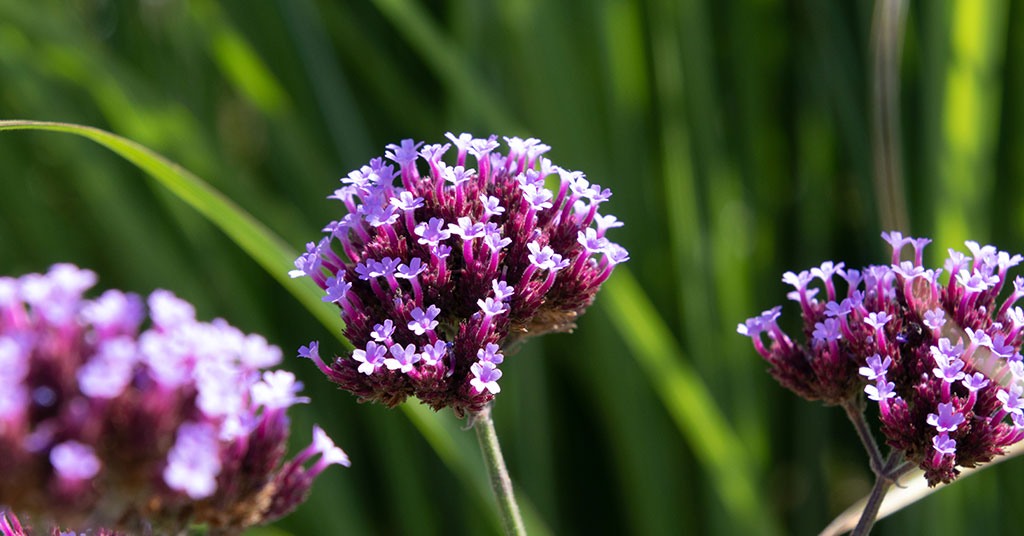
Verbena brings a whimsical burst of color and charm to gardens that struggle with hot, humid conditions. Native to the Americas, particularly flourishing in warm, tropical areas, verbena thrives on full sun and well-drained soil. Its clusters of delicate, petite flowers are irresistible to butterflies and bees, which often take advantage of the dense blooms as safe spaces for nesting. While not considered invasive, verbena does have a tendency to naturalize quickly, lending a spontaneous, wild beauty to your garden layout!
Every time I nurture my verbena, I’m struck by how its cascading clusters create an inviting environment for beneficial insects and small garden critters. The interplay of colors and textures not only lifts the aesthetic appeal of my garden but also establishes a harmonious microhabitat where nature and nurture blend seamlessly. Verbena’s robust character and delightful vibrancy truly make it a standout choice for anyone battling the challenges of humid, hot climates!
Ixora

Ixora is a tropical marvel that offers a stunning display of clustered, fiery blooms perfect for hot and humid gardens. Native to South Asia, ixora is celebrated for its glossy, evergreen leaves and its remarkable ability to withstand intense heat and moisture. Its brilliant flowers naturally attract an array of pollinators—especially butterflies and bees—which sometimes even find cozy nooks among its dense foliage for nesting! Although it is well-suited for tropical climates, in some regions ixora can behave aggressively, so proper spacing is key to keeping its growth in check.
Every time I admire my ixora, I’m reminded of the vibrancy and resilience inherent in nature. Its continuous flowering cycle means that no matter how hot the day gets, there’s always a splash of vivid color lighting up my garden. The plant’s natural charm and its knack for inviting beneficial insects make it an indispensable part of my garden’s ecosystem. It’s a true tropical delight that never fails to evoke a sense of wonder and optimism in every bloom!
Allamanda
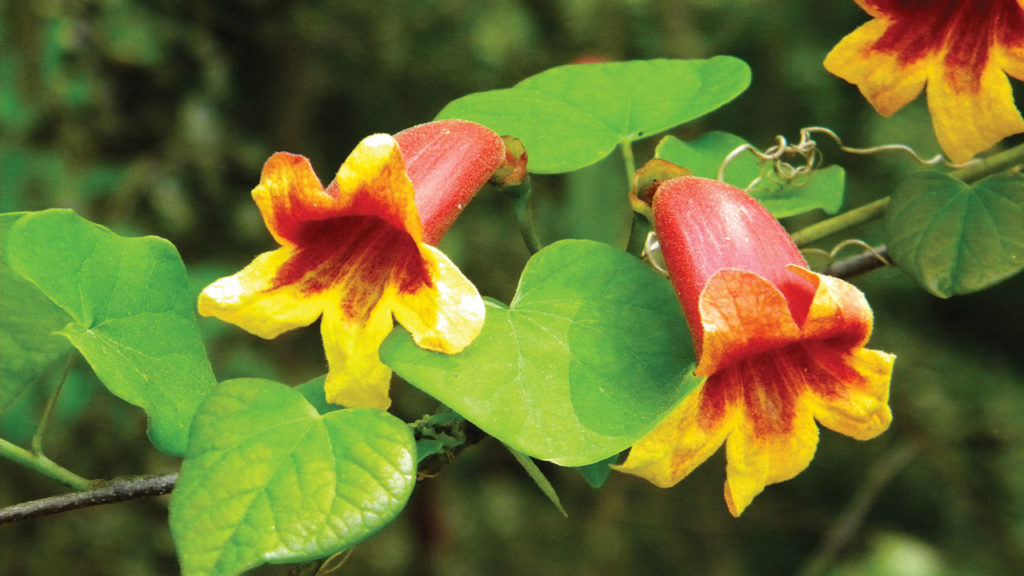
Allamanda, often known as the golden trumpet, brings a tropical edge and a burst of sunny radiance to gardens in hot, humid climates. Native to Brazil and other parts of South America, this flower thrives in full sun and produces large, trumpet-shaped blossoms that attract hummingbirds and bees in droves. While not typically invasive, its vigorous growth requires a bit of space and attention to ensure it doesn’t overshadow its neighbors. I’m always excited to see its gleaming, golden blooms signaling the start of a vibrant garden display!
Tending to allamanda is a delightful experience, as its sprawling vines create natural arches and inviting perches for small critters seeking shelter. I enjoy how its radiant flowers seem to capture the very essence of tropical sunshine, brightening up even the most challenging garden spots. The way allamanda interacts with its environment—drawing in pollinators and creating mini-nests—truly exemplifies the magic of nature in high heat and humidity!
Plumbago

Plumbago, sometimes known as sky flower, offers a serene splash of blue that stands out beautifully in hot, humid climates. Native to warm regions of Africa and India, plumbago thrives in full sun and tends to form sprawling ground covers that attract a variety of beneficial insects, including bees and butterflies that might use its dense clusters for nesting! Though it’s not aggressive, its spreading habit requires a bit of management to ensure it enhances rather than overwhelms your garden design.
I always find plumbago to be a calming presence amid the bustling energy of a tropical garden. Its soft blue hues provide a gentle contrast to more vibrant blooms and create a natural canvas that supports a wide array of garden life. The plant’s inherent charm and ability to flourish under intense heat make it a favorite in my gardening toolkit, reminding me that even subtle shades can create striking visual harmony in nature!