

Gardening along a fenceline can transform an ordinary boundary into a lush, living tapestry, and as a dedicated gardener I know how thrilling it is to see nature take over in the most elegant way possible! Over the years, I’ve experimented with a variety of vigorous vines that not only quickly cloak a fence in vibrant greenery and brilliant blossoms but also attract beneficial pollinators and create cozy nesting sites for small critters. I understand how frustrating it can be to spend hours maintaining a bland barrier, only to see it become a canvas for nature’s own artistry—so why not let these resilient vines do the work for you?
In this article, I’m excited to share nine standout vining plants that will practically consume your fenceline with their dynamic growth habits and captivating beauty. Each vine comes with its own fascinating backstory—from native origins to growth behaviors and potential invasiveness—and I’m here to guide you through the best options for creating a living, breathing fence that transforms your garden into a private sanctuary of color and texture. Let’s dive into these botanical marvels that promise to bring both ease and splendor to your outdoor space!
Passionflower (Passiflora spp.)

Passionflower is an extraordinary vine celebrated for its intricate, otherworldly blooms and its rapid growth along vertical surfaces! Native to tropical and subtropical regions of the Americas, these vines are renowned for their exotic, almost celestial flowers that attract hummingbirds, bees, and butterflies. I’ve been captivated by the delicate structure of passionflower, which not only adds a touch of mystery to a fenceline but also serves as a haven for small insects that use its dense foliage for shelter and nesting. Its vigorous climbing habit means it can quickly cover a plain fence, turning it into a stunning display of natural art.
Despite its breathtaking beauty, passionflower is generally non-invasive when given the proper support and care, though in some climates it can spread aggressively if left unchecked. I appreciate how its cascading vines form a continuous, intricate network that creates both visual interest and a natural privacy screen. Every time I see a passionflower vine in full bloom, I’m reminded of nature’s boundless creativity—and it inspires me to embrace the wild, untamed spirit that can make a garden truly magical!
English Ivy (Hedera helix)

English Ivy is a timeless classic that effortlessly blankets fences and walls with its dense, evergreen foliage! Native to Europe and western Asia, this vine is famed for its ability to adhere to virtually any surface, creating a rich, verdant tapestry that changes beautifully with the seasons. I’ve observed that English Ivy not only enhances the visual appeal of a fenceline but also provides a cool, shaded retreat for beneficial insects and even small birds that sometimes nest in its thick clusters. Its hardy nature makes it an excellent choice for gardeners who crave low-maintenance yet dramatic growth.
However, it’s important to note that in some regions English Ivy is considered invasive due to its rapid spread if left unchecked. I always recommend planting it in a controlled manner, perhaps by using a trellis or a training wire along the fence, so that it remains a charming adornment rather than an overwhelming presence. When managed properly, English Ivy can transform an ordinary fence into a living, breathing work of art—one that stands as a testament to the enduring beauty of nature’s most persistent climbers!
Wisteria (Wisteria sinensis)
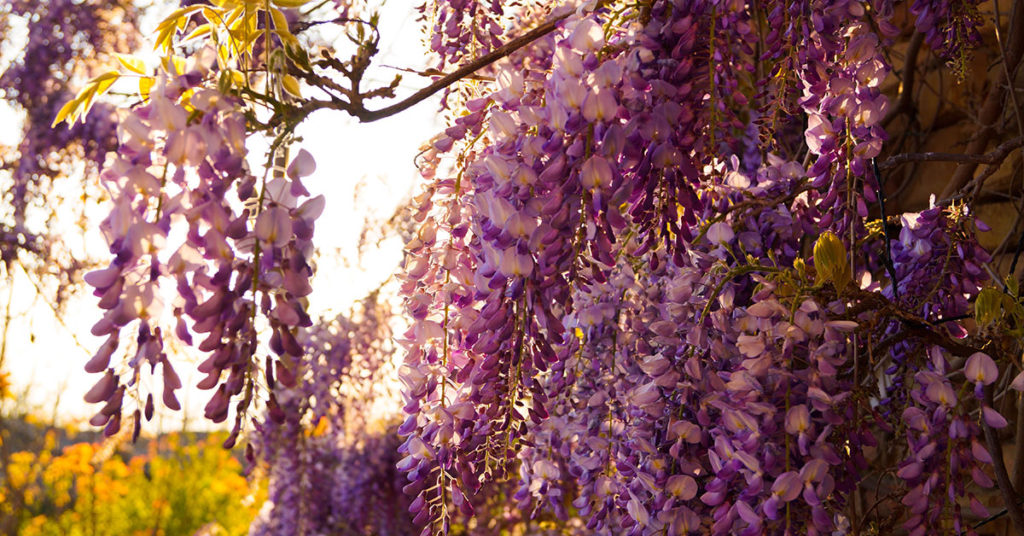
Wisteria is a breathtaking climber that drapes your fenceline in cascades of sumptuous, fragrant blooms, evoking the grandeur of a centuries-old estate! Native to China and Japan, this vigorous vine is known for its stunning pendulous clusters of blue-purple flowers that attract bees, butterflies, and occasionally small birds that find refuge among its thick, woody stems. I’m constantly amazed by how quickly wisteria can transform a dull boundary into a majestic curtain of flowering vines, creating a regal, almost fairy-tale atmosphere in the garden.
While wisteria’s beauty is undeniable, it requires proper support and regular pruning to keep its exuberant growth in check, as it can be invasive if allowed to sprawl uncontrollably. I’ve learned that a little maintenance goes a long way in ensuring that this magnificent vine remains a prized feature rather than a garden overwhelm. With its dramatic blossoms and robust presence, wisteria stands as a living symbol of nature’s power to create breathtaking landscapes with minimal fuss!
Morning Glory (Ipomoea spp.)
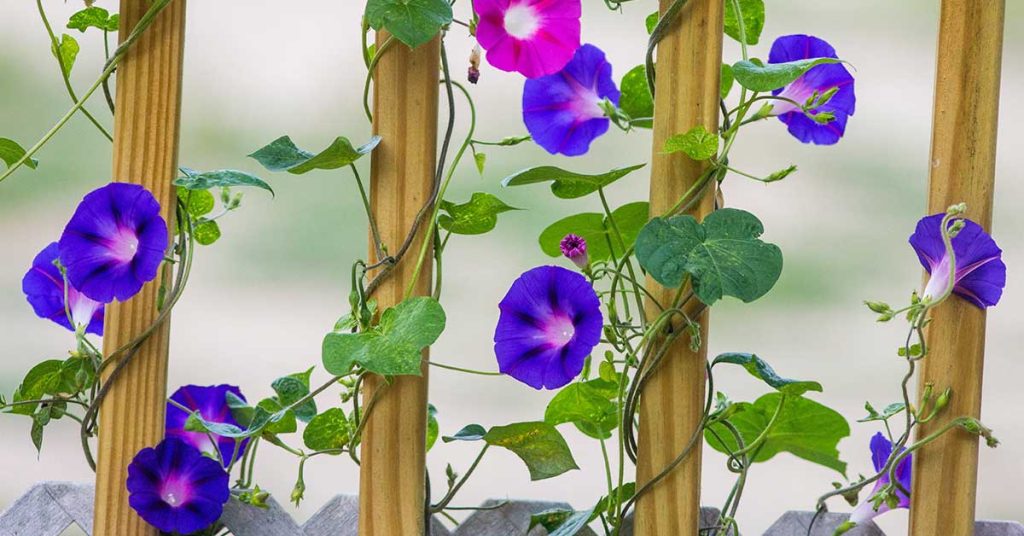
Morning Glory is a cheerful and energetic vine that instantly brightens any fenceline with its bold, trumpet-shaped blossoms! Native to tropical America, these annual vines are celebrated for their rapid growth and their ability to cover vertical surfaces almost overnight. I love how their vibrant flowers open with the first light of day, attracting a flurry of bees and butterflies that add a lively buzz to the garden. Their sprawling, heart-shaped leaves create a dense backdrop, offering shelter for beneficial insects and even providing a cool retreat during the warmer parts of the day.
Despite its explosive growth, Morning Glory is generally non-invasive when managed properly, though it can reseed prolifically under favorable conditions. I’ve found that pinching back the tendrils periodically helps maintain its form and prevents it from overwhelming other plants. Every time I see a burst of Morning Glory scaling a fence, I’m filled with the joy of knowing that even the simplest, sun-loving vine can bring exuberant life and energy to an otherwise mundane space!
Trumpet Vine (Campsis radicans)
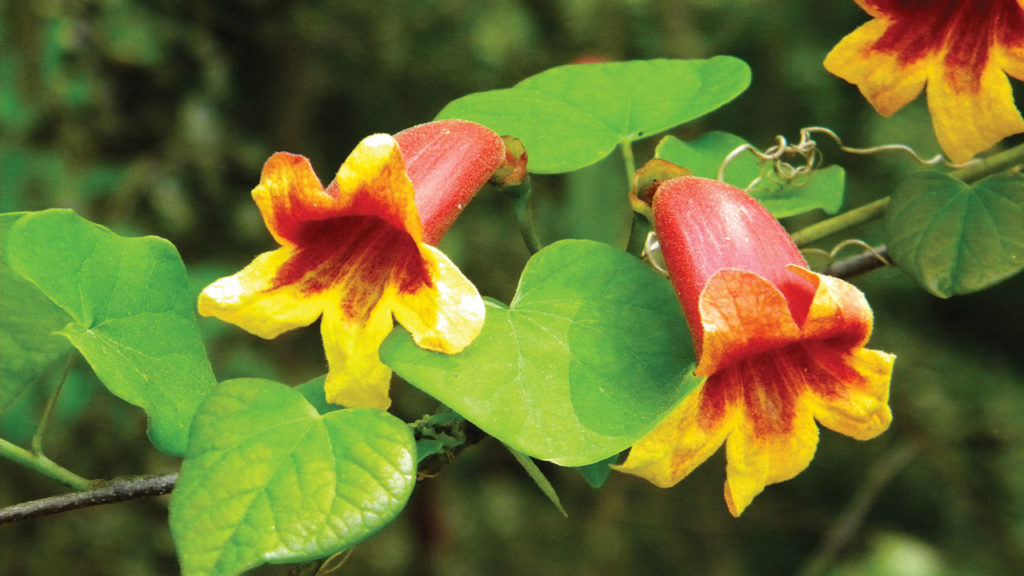
Trumpet Vine is a powerhouse of a climber that can transform a fenceline into a spectacular display of vibrant, trumpet-shaped blooms! Native to the southeastern United States, this vigorous vine is celebrated for its large, fiery orange to red flowers that attract hummingbirds, bees, and butterflies in droves. I’ve always been impressed by how the trumpet vine’s sprawling tendrils and robust growth habit quickly overtake a fence, creating a living cascade of color and movement that feels almost theatrical. Its flowers, with their tubular shape, serve as perfect landing pads for pollinators, creating an interactive, dynamic garden space.
However, Trumpet Vine can be quite aggressive and is sometimes considered invasive if not properly managed, so regular pruning and training are essential. I’ve learned that controlling its spread with a well-planned trellis or fence structure is key to harnessing its beauty without letting it dominate the entire garden. With its brilliant blossoms and relentless vigor, Trumpet Vine is a true testament to nature’s capacity to create a living, breathing tapestry that can completely consume a fenceline—in the most enchanting way possible!
Virginia Creeper (Parthenocissus quinquefolia)

Virginia Creeper is a striking vine that effortlessly turns any plain fenceline into a vibrant mosaic of color and texture! Native to eastern North America, this deciduous climber is renowned for its rapid growth and its ability to cover vertical surfaces with lush, five-lobed leaves that turn brilliant shades of red and orange in the fall. I’ve found that Virginia Creeper not only adds dramatic visual appeal but also offers a natural habitat for a variety of beneficial insects and even small birds, which occasionally take shelter in its dense foliage. Its tenacious nature makes it an ideal choice for gardeners who want an instant, low-maintenance transformation.
While Virginia Creeper is not typically considered invasive, its vigorous growth does require some occasional management to keep it in check. I recommend training it along a well-structured support to ensure that its sprawling tendrils enhance rather than overwhelm your fenceline. Every time I witness the seasonal transformation of Virginia Creeper, I’m reminded of nature’s remarkable ability to change and renew—making it a perennial favorite for anyone looking to inject a bit of wild, colorful energy into their garden!
Clematis (Clematis spp.)

Clematis is a beloved climber that brings a touch of elegance and whimsy to any fenceline with its delicate, star-shaped blossoms! Native to various regions across the Northern Hemisphere, these vines are prized for their diverse colors and graceful growth habits. I’ve always been fascinated by how clematis vines can elegantly drape over trellises and fences, creating a natural curtain of flowers that attracts bees and butterflies while offering charming nesting spots for small beneficial insects. Their versatile nature means they can adapt to various climates and conditions, making them a reliable choice for many gardeners.
Although clematis is generally non-invasive, it does benefit from regular pruning to promote healthy growth and abundant flowering. I enjoy the process of training these vines along a fenceline, watching them slowly but surely transform a dull barrier into a vibrant, living work of art. Each bloom of clematis feels like a delicate brushstroke in a masterpiece, reminding me that even the most refined beauty can thrive with a little nurturing and care!
Honeysuckle (Lonicera spp.)

Honeysuckle is an enchanting vine known for its sweet fragrance and prolific, tubular flowers that make any fenceline irresistible! Native to parts of Europe and Asia, this vigorous climber not only adds a burst of color and scent but also attracts a dazzling array of pollinators such as bees, butterflies, and hummingbirds. I’ve witnessed firsthand how honeysuckle’s cascading growth creates a natural, lush curtain that not only beautifies a fence but also provides shelter and a cozy nesting spot for various beneficial insects. Its charming, sweet aroma has a magical way of turning an ordinary outdoor space into an inviting retreat.
While some species of honeysuckle can be invasive in certain regions, selecting non-invasive cultivars and managing their growth with regular pruning ensures they remain a delightful addition rather than an overwhelming presence. I appreciate how these vines blend visual appeal with practical benefits, offering both a sensory delight and a natural defense against environmental stressors. Every time I stroll by a fence draped in honeysuckle, I’m reminded that nature often offers the most enchanting solutions for creating a vibrant, living boundary!
Confederate Jasmine (Trachelospermum jasminoides)
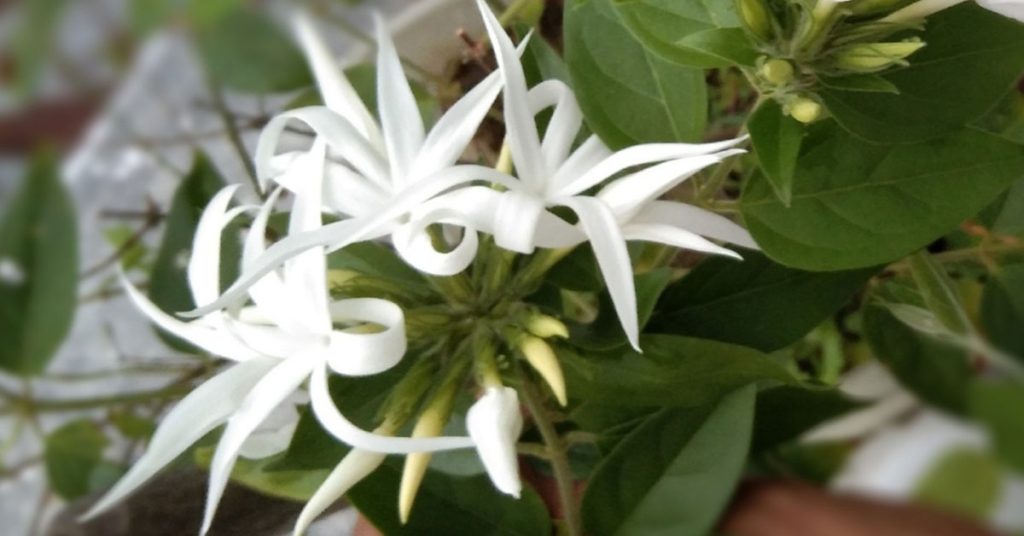
Confederate Jasmine is a stunning evergreen vine that instantly elevates any fenceline with its glossy leaves and clusters of intensely fragrant, star-shaped white flowers! Native to East Asia, this versatile climber is celebrated for its ability to thrive in a variety of conditions, from full sun to partial shade. I’m always delighted by how Confederate Jasmine envelops a fence in a veil of lush foliage, creating a serene, almost tropical oasis that attracts beneficial insects and provides a safe nesting spot for small garden critters. Its intoxicating scent fills the air, transforming an ordinary barrier into a sensory haven.
Despite its vigorous growth, Confederate Jasmine is typically non-invasive when given proper support and regular pruning. I’ve found that training it along a well-structured fenceline not only enhances its natural beauty but also helps maintain a tidy, controlled appearance. Every time I see its delicate blossoms in full bloom, I’m filled with the joy of knowing that even the most dynamic vines can be tamed into a work of living art—making it a perfect choice for gardeners who dream of a fenceline that is as resilient as it is gorgeous!