

Gardening has always been my sanctuary—a place where every bloom and leaf tells a story, and the color purple has a special place in my heart. There’s something truly regal about a garden awash in shades of violet and lavender; it exudes an air of mystery and luxury that transforms any outdoor space into a royal retreat! I know how challenging it can be to find the perfect plants that not only look magnificent but also thrive in your unique garden conditions. Over the years, I’ve experimented with various purple-flowering plants, discovering gems that attract beneficial pollinators, provide nesting spots for small critters, and even contribute to a balanced ecosystem.
In this article, I’m excited to share 12 of my favorite purple flowers, each with its own captivating origin and growth habits. From native delights to exotic blooms that add an elegant touch, these plants bring a burst of sophistication and vibrant energy to any garden. Whether you’re dealing with a shady nook or a sun-soaked landscape, these purple beauties will help you create a garden that feels both luxurious and alive—perfect for any gardener who dreams of a royal vibe!
Iris (Bearded Iris)
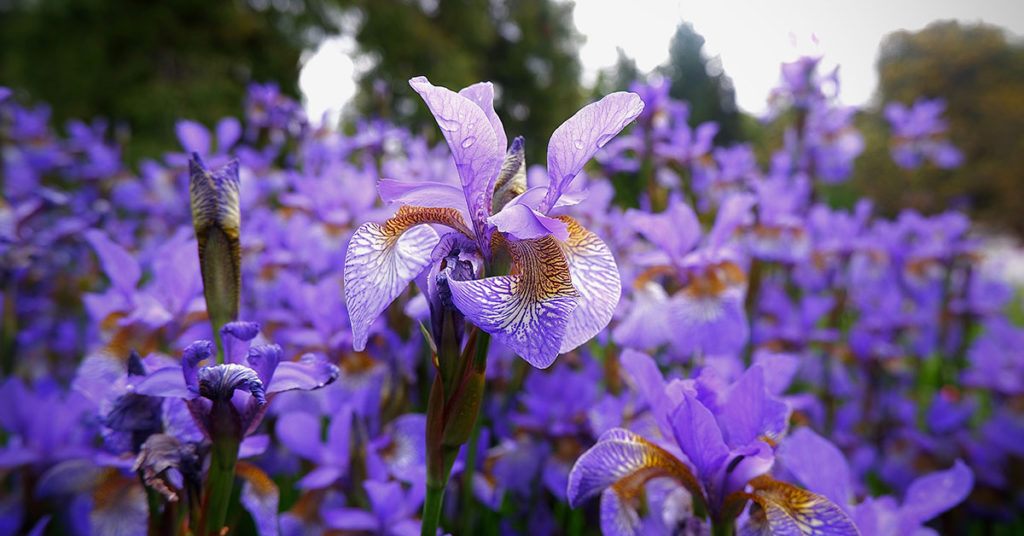
Bearded Iris is a timeless classic that never fails to capture the essence of regal elegance with its intricate petal structure and rich hues of purple! Native to Europe and parts of Asia, these striking perennials are known for their tall, sword-like foliage and vibrant blooms that attract bees and butterflies alike. I’ve found that the delicate balance of color and form in Iris creates a natural focal point in any garden, lending an air of sophistication and drama. Their blossoms provide not only beauty but also a welcoming haven for pollinators that often use the sturdy leaves as temporary nesting spots.
While Iris is generally non-invasive and well-behaved, it does require a bit of spacing to fully express its architectural form. I love how these plants can transform a simple border into an impressive display of natural art. The interplay between light and shadow on their vibrant petals reminds me of the gentle whispers of a royal court—a true symbol of refined beauty that elevates the overall garden ambiance!
Lavender (Lavandula angustifolia)
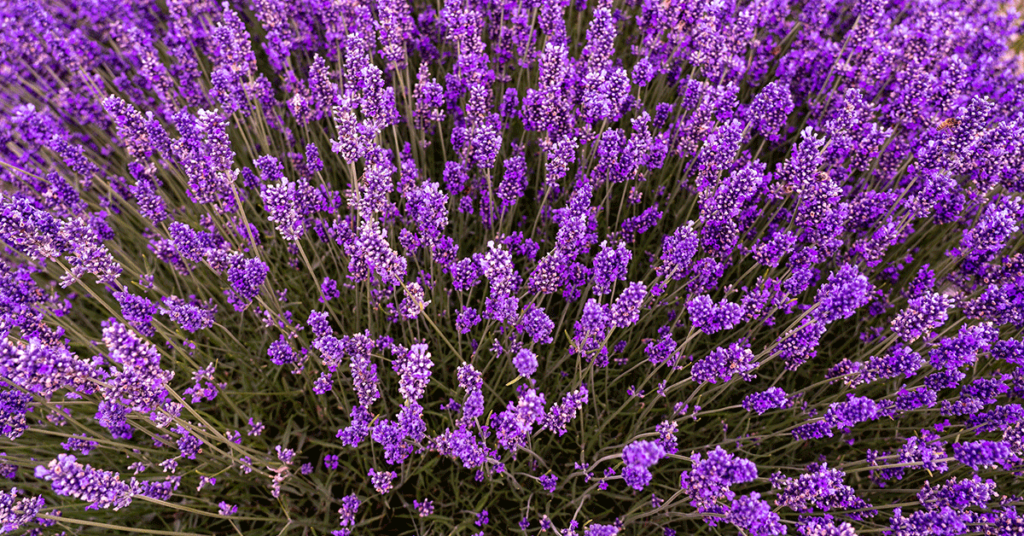
Lavender has long been one of my go-to plants for infusing a garden with both a delightful scent and a touch of regal charm! Native to the Mediterranean, this aromatic perennial thrives in sunny, well-drained environments, producing clusters of soft purple flowers that attract bees, butterflies, and even tiny, beneficial insects seeking a cozy nesting ground. The natural, sprawling habit of lavender not only repels pests but also adds a tranquil, cottage-like feel to the landscape, reminiscent of an old-world royal garden.
Despite its robust growth, lavender is usually non-invasive when maintained properly, allowing you to enjoy its beauty without the worry of it overtaking neighboring plants. I often find that the soothing aroma coupled with its brilliant color creates a harmonious balance in my garden, making every stroll among the rows feel like a serene escape. Its enduring appeal and low-maintenance nature make lavender a must-have for anyone dreaming of a garden that exudes both luxury and simplicity!
Salvia (Salvia nemorosa)
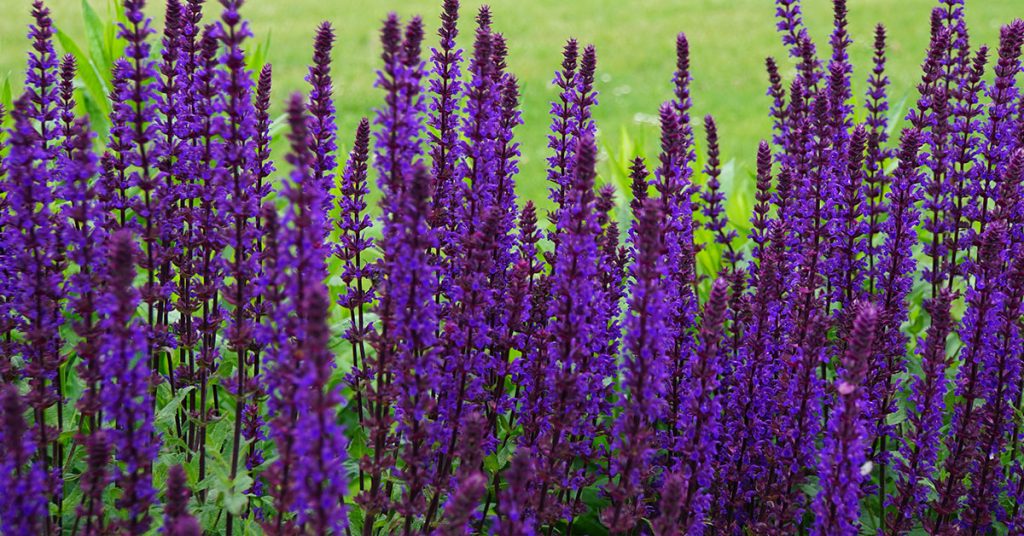
Salvia nemorosa is a vibrant burst of purple that instantly uplifts the spirit of any garden space! Native to Europe and parts of Asia, this perennial is prized for its spiky clusters of blossoms and aromatic foliage that attract a plethora of pollinators, including bees, butterflies, and hummingbirds. I’m always thrilled by how the bold, upright flower spikes add both texture and a dramatic vertical accent to my garden beds, making it feel like a true botanical masterpiece with a royal flair.
One of the remarkable traits of Salvia is its resilience—it’s not considered invasive, which makes it a reliable choice for gardeners who want stunning color without sacrificing balance in their ecosystem. Its long blooming season and low water requirements make it particularly suited for gardeners in a variety of climates. Every time I see these brilliant spikes in full bloom, I’m reminded that nature’s beauty can be both fierce and refined, offering endless inspiration for creating a garden that feels both modern and majestic!
Allium (Ornamental Onion)

Ornamental Allium stands out with its unique spherical clusters of purple flowers that lend a contemporary twist to traditional garden designs! Originally native to central Asia and the Mediterranean, these striking plants are celebrated for their architectural form and ability to attract beneficial pollinators like bees and butterflies. I love how their globular blooms create an unexpected contrast against softer perennials, offering a sculptural element that feels both modern and regal in my garden.
While ornamental alliums are not typically invasive, they do have a vigorous growth habit that requires proper spacing to truly shine. Their dramatic flower heads serve as natural magnets for pollinators, which in turn help create a balanced and dynamic garden ecosystem. Every bloom reminds me of the beauty found in symmetry and form, making ornamental alliums a perfect choice for those who wish to add a dash of sophistication and intrigue to their outdoor space!
Clematis (Clematis spp.)
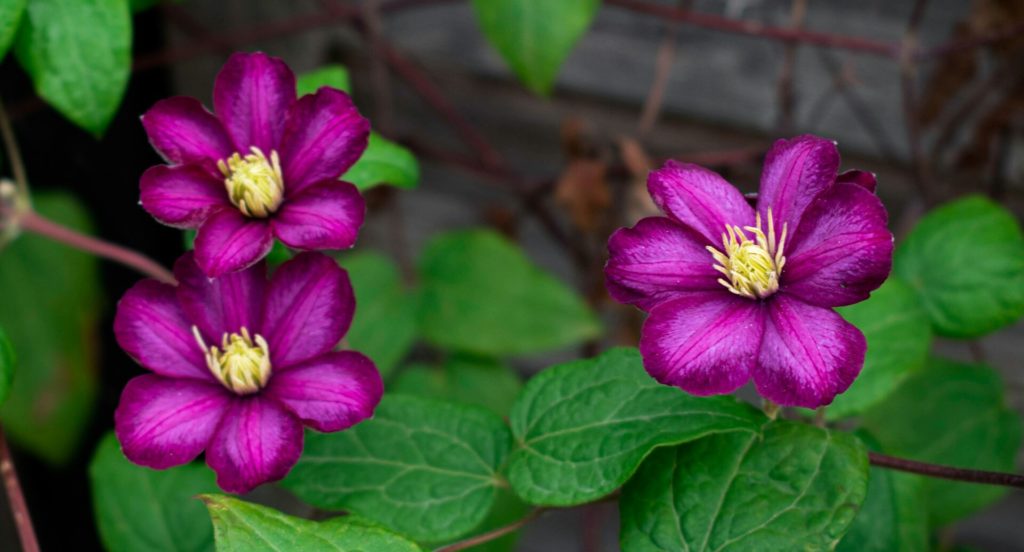
Clematis is a stunning climber that drapes elegantly over trellises and walls with its cascades of purple blossoms—truly a sight to behold! Native to various parts of the Northern Hemisphere, many clematis species are cherished for their lush, flowering vines that provide a dramatic, royal touch to any garden. I’ve always admired how these climbers attract an array of pollinators, from buzzing bees to fluttering butterflies, which find refuge amidst the delicate tendrils and vibrant blooms.
Despite their vigorous growth, clematis varieties are generally manageable with proper training and care, ensuring they do not become overly invasive. Their enchanting display not only elevates the visual appeal of a garden but also creates a natural corridor for beneficial insects and even small birds seeking a safe place to nest. In my experience, clematis transforms plain structures into living works of art, offering a regal cascade of color that enchants the senses and inspires every gardener who lays eyes on it!
Hydrangea (Hydrangea macrophylla)

Hydrangea macrophylla, with its grand, mophead clusters of purple blooms, has the power to turn any garden into a royal paradise! Native to Japan and Korea, these shrubs are known for their ability to change color based on soil pH—a fascinating quirk that adds an extra layer of intrigue to their already majestic appearance. I’m always delighted by the way hydrangeas attract butterflies and bees, providing not just a visual feast but also a bustling habitat for pollinators that enrich the garden’s ecosystem.
These magnificent shrubs are not considered invasive, making them a reliable centerpiece in a carefully curated garden. With proper pruning and care, hydrangeas will reward you with an abundance of large, luscious blooms that evoke a sense of old-world elegance and charm. Every time I tend to my hydrangea, I’m reminded that nature holds endless surprises, and a touch of royal allure can be found in the most unexpected places!
Verbena (Verbena bonariensis)
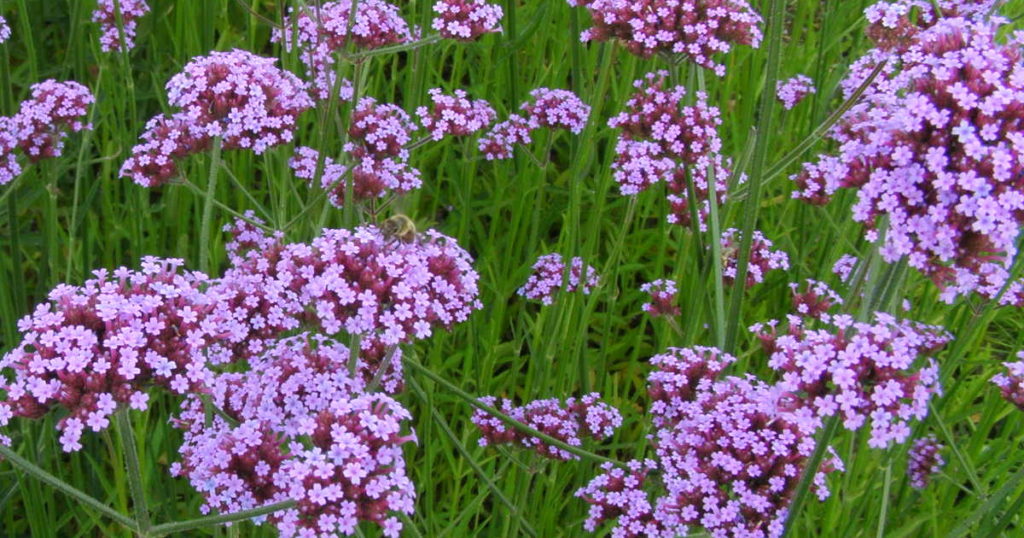
Verbena bonariensis is a delicate yet resilient annual that adds a whimsical, royal touch to any garden with its airy clusters of purple flowers! Native to South America, this elegant plant thrives in full sun and well-drained soils, producing slender stems topped with tiny blossoms that seem to dance in the breeze. I find it truly enchanting how these flowers attract a diverse cast of pollinators—from buzzing bees to graceful butterflies—turning my garden into a lively, miniature ballroom where nature’s own courtiers gather.
Despite its vigorous flowering habit, Verbena bonariensis is non-invasive and easy to manage, making it an excellent choice for gardeners seeking effortless beauty. Its graceful, ethereal appearance complements a variety of garden styles, adding both height and a refined splash of color. Every time I see these floating clusters of purple, I can’t help but feel that my garden has been granted a royal blessing, transforming an ordinary space into something truly magical!
Delphinium (Delphinium spp.)

Delphinium is a striking perennial that delivers a bold statement with its towering spikes of deep purple blooms—truly fit for a regal garden! Native to the Northern Hemisphere, these stately plants are prized for their vibrant colors and dramatic form, which attract a host of pollinators such as bees and butterflies. I adore how delphiniums create a vertical element in the garden, offering both height and a burst of color that captures the imagination and sets a majestic tone.
Although delphiniums require some care and regular maintenance to thrive, they are not considered invasive when grown in well-managed garden beds. Their lofty flower spikes provide a stunning backdrop to lower-growing plants and create natural corridors that invite beneficial insects to explore and nest. Every bloom of delphinium feels like a royal decree from nature, reminding me that with patience and attention, even the most challenging plants can transform a garden into an awe-inspiring palace of color!
Pansy (Viola tricolor var. hortensis)
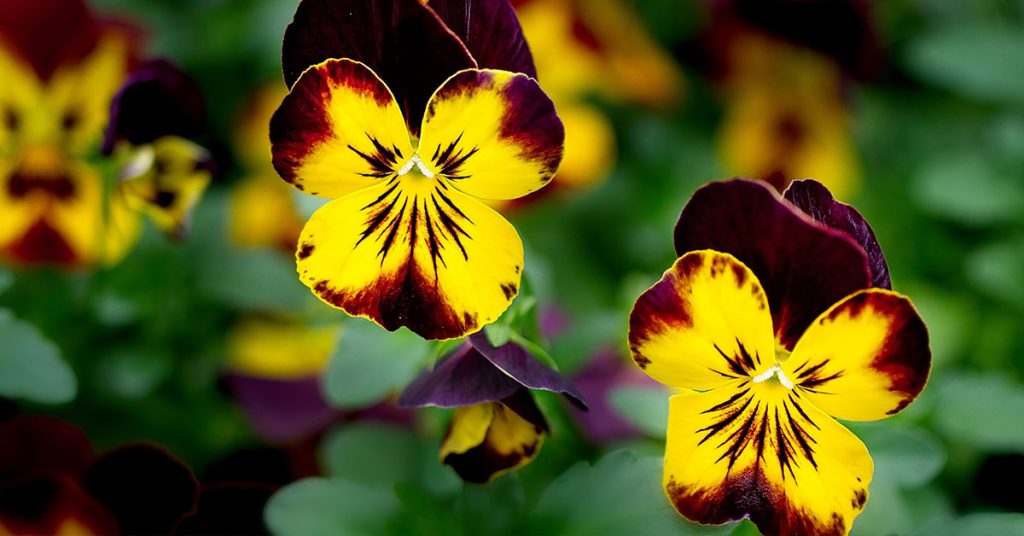
Pansies are a delightful splash of purple that bring a sense of playful regality to any garden space! Native to Europe and parts of Asia, these charming annuals are known for their velvety petals and vibrant, multicolored faces that often include rich purples. I’m always captivated by how pansies attract small pollinators like bees and hoverflies, which sometimes use their soft, delicate petals as resting spots on warm days. Their unique blend of colors and textures creates a whimsical yet refined look that perfectly complements a royal garden vibe.
While pansies are generally non-invasive, they do require a bit of spacing to prevent overcrowding and ensure each bloom receives ample sunlight. I appreciate their versatility—they flourish in both cool and moderately warm conditions, making them a reliable choice for gardeners who want a touch of elegance without the fuss. Every time I plant pansies, I’m reminded that beauty often comes in small, enchanting packages, offering a royal touch to even the simplest of garden layouts!
Wisteria (Wisteria sinensis)
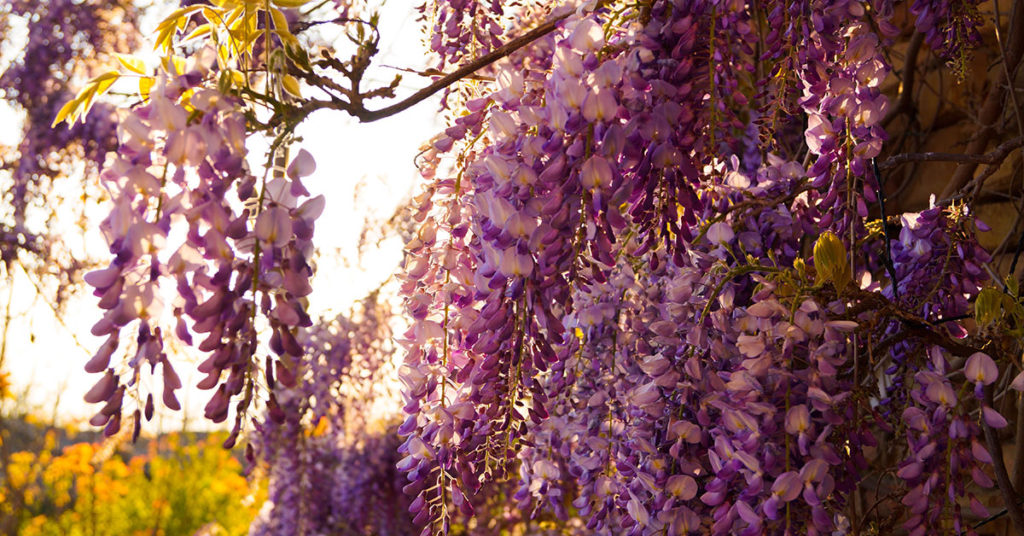
Wisteria sinensis is a breathtaking climber that drapes over pergolas and trellises with cascades of purple blooms, evoking the splendor of a bygone royal estate! Native to China, this vigorous vine is renowned for its long, elegant clusters of fragrant flowers that attract bees, butterflies, and even small birds that sometimes nest in its dense foliage. I’m always in awe of how wisteria transforms a plain structure into a living tapestry of purple grandeur, creating an atmosphere that is both majestic and inviting.
Despite its dramatic growth, wisteria is generally manageable with proper pruning and training, ensuring it doesn’t overwhelm your garden space. Its cascading blooms not only provide a stunning visual display but also contribute to the creation of a microhabitat that supports a diverse array of pollinators. Every time I see wisteria in full bloom, it feels like stepping into a fairy tale, where nature and art combine to create a garden fit for royalty!
Hyacinth (Hyacinthus orientalis)

Hyacinth is a delightful bulb that bursts forth with clusters of intensely fragrant, purple flowers, adding a touch of regal nostalgia to the garden! Native to the Eastern Mediterranean region, hyacinths have been cherished for centuries for their rich colors and intoxicating scent. I love how these compact blooms not only attract bees and other pollinators but also create a natural ambiance reminiscent of a royal courtyard in full spring bloom. Their robust yet graceful growth makes them a welcome addition to any garden looking to evoke timeless elegance.
Hyacinths are typically non-invasive and flourish best when planted in well-drained soil with plenty of sunlight. Their charming display and delicate fragrance provide a sensory experience that transports you to a more refined era. Every planting of hyacinth fills me with anticipation and joy, as I watch these little bursts of purple transform a modest garden into a regal haven that feels both intimate and grand!
Coneflower (Echinacea purpurea)
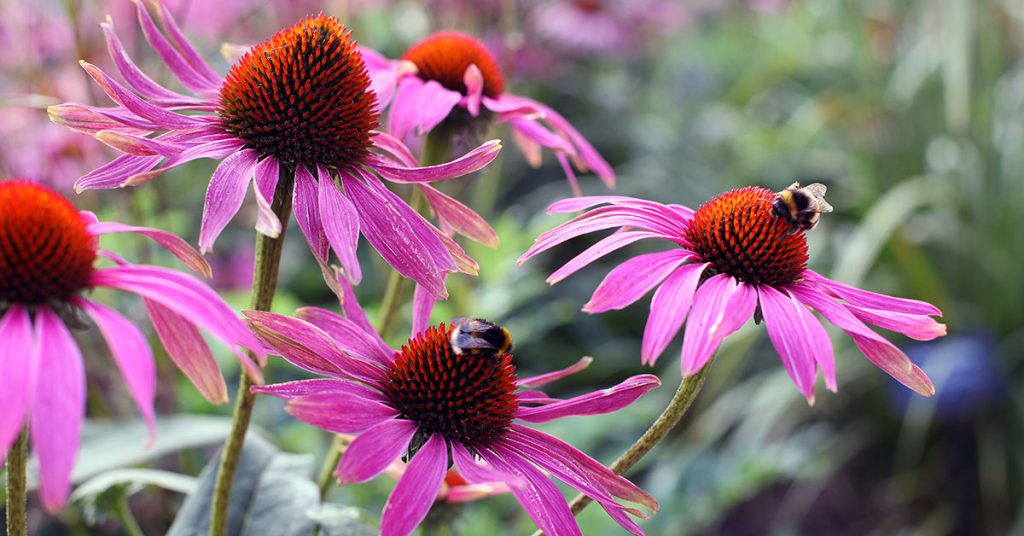
Coneflower is a resilient perennial that brings a bold splash of purple and a sense of wild majesty to any garden! Native to the central and eastern regions of North America, these iconic flowers are celebrated for their daisy-like petals and distinctive conical centers that serve as a magnet for bees, butterflies, and other beneficial insects. I’m continually impressed by how coneflowers not only add visual drama with their vivid hues but also create a natural sanctuary for pollinators seeking both nourishment and a quiet place to nest. Their robust nature makes them an ideal candidate for gardens that aspire to a regal yet relaxed vibe.
While coneflowers are not considered invasive, their vigorous growth can sometimes require a little spacing to ensure that each bloom receives ample light and air. I appreciate the way these hardy plants contribute to a balanced ecosystem, offering both aesthetic appeal and ecological benefits. Every time I see a field of coneflowers dancing in the breeze, it feels like a celebration of nature’s resilience—a true crown jewel in a garden designed to evoke the elegance and splendor of a royal estate!