

Gardening in desert conditions can feel like an extreme adventure—one where every drop of water and ray of sunshine counts! As a passionate gardener who’s embraced the challenge of cultivating a vibrant vegetable garden in arid climates, I know how disheartening it can be when traditional plants struggle in the heat. That’s why I’ve dedicated time to discovering 14 vegetables that not only thrive under intense sun and minimal water but also bring color, nutrition, and life to a seemingly unforgiving landscape. Each vegetable carries its own fascinating backstory, from its native origins to unique growth behaviors, making them a delight for any desert gardener!
I completely empathize with the frustration of watching promising plants wilt under harsh conditions and battling pests in an environment where every resource is precious. In this article, I’m excited to share my insights on these resilient vegetables—each offering its own set of benefits such as attracting beneficial insects, fostering pollinator-friendly microhabitats, and sometimes even providing shelter for tiny critters! So let’s dig into these sustainable alternatives that prove beauty and bounty can flourish even in the desert’s extreme environment!
Tomato (Solanum lycopersicum)

Tomatoes, with their juicy and vibrant fruits, have become a cornerstone in my desert garden despite the challenging conditions! Native to western South America, these heat-loving plants have adapted well to warm climates when provided with sufficient water and sun. I’ve discovered that using drip irrigation and reflective mulches can help tomatoes conserve moisture while ensuring a steady supply of nutrients. Their blossoms attract bees and other pollinators, which is crucial for fruit set, and I always feel a thrill when I see those small insects busily visiting the flowers!
Beyond their culinary appeal, tomatoes add a burst of color and life to any arid landscape. While they aren’t typically considered invasive, it’s important to choose heat-tolerant varieties that are bred for desert conditions. I’ve learned that a well-tended tomato plant not only offers delicious produce but also serves as a magnet for beneficial insects that help keep pests at bay. It’s such a rewarding experience to see these plants thrive and transform a parched garden into a lively, productive space!
Okra (Abelmoschus esculentus)

Okra is a true champion of heat and drought—perfect for the desert gardener who craves a unique, edible green! Native to Africa, this warm-weather vegetable flourishes under the blazing sun and minimal water conditions common to arid landscapes. Its tall, slender stems and vibrant, fluttering flowers create a dynamic display that attracts bees and butterflies, contributing to a buzzing, lively garden ecosystem. I appreciate how okra’s seed pods not only serve as a delicious ingredient in many dishes but also add striking vertical interest to the garden.
One of the great benefits of okra is its low-maintenance nature; it requires little extra care once established, making it ideal for those challenging desert climates. Although it can be somewhat invasive in extremely warm regions if left unchecked, careful spacing and routine management keep it under control. I find it incredibly satisfying to watch okra thrive even when other vegetables struggle, proving that with the right selection, desert gardening can yield both beauty and bounty!
Black-Eyed Peas (Vigna unguiculata)
Black-eyed peas are a resilient legume that has truly transformed my approach to desert gardening! Native to Africa, these drought-tolerant plants have a remarkable ability to flourish in hot, dry conditions while enriching the soil with their nitrogen-fixing properties. Their delicate, white-and-black speckled pods not only make for an attractive addition to the garden but also attract beneficial insects like pollinators and predatory beetles that help maintain a balanced ecosystem. Watching these plants establish themselves gives me hope and motivation on even the hottest days!
I’ve found that black-eyed peas are particularly versatile in desert conditions, adapting to sandy soils and enduring extended periods of heat without wilting. They are not considered invasive, but their vigorous growth means that regular harvesting and thinning can help maintain a tidy garden bed. Each harvest feels like a small victory in a challenging environment, proving that native and heat-adapted vegetables like black-eyed peas can be both a sustainable and satisfying crop for desert gardeners!
Eggplant (Solanum melongena)
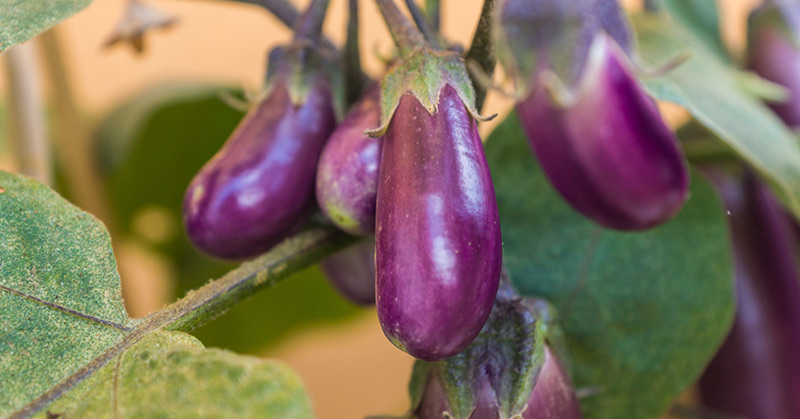
Eggplant is a striking vegetable that adds both bold color and substance to my desert garden! Originally native to South Asia, eggplant thrives in warm, sun-drenched conditions and offers a lush, glossy foliage backdrop that complements its deep purple fruits. I enjoy the way its large, showy blossoms invite bees and other pollinators into the garden, creating a vibrant scene that feels almost festive against the arid backdrop. Its robust growth habit means that, with the right care, eggplant can withstand the heat and contribute a unique texture to the garden’s landscape.
Despite its exotic allure, eggplant is relatively non-invasive when grown in a well-managed garden space. It does well when provided with ample organic matter and consistent moisture during the fruiting period, making it a perfect candidate for desert gardeners who are willing to invest in smart irrigation techniques. I’ve seen eggplant not only deliver a generous harvest but also act as a natural insect magnet, with pollinators using its broad leaves as resting spots. It’s a testament to how a well-chosen vegetable can flourish and transform even the toughest growing conditions into a vibrant, edible paradise!
Cantaloupe (Cucumis melo)
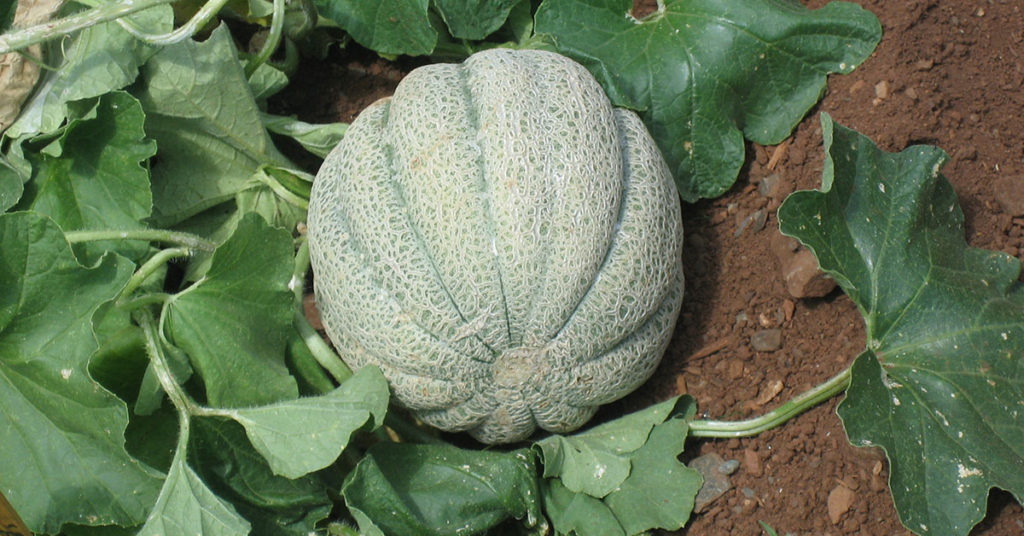
Cantaloupe, the sweet and succulent muskmelon, is a delightful treat that adapts exceptionally well to desert heat! This vegetable, native to regions of Asia and Africa, has evolved to handle high temperatures and sparse rainfall, making it a natural fit for arid climates. I’ve always been impressed by how cantaloupe vines sprawl over the ground, their sprawling habit helping to shade the soil and conserve moisture while their fragrant blossoms attract bees and other pollinators. It’s such a treat when the garden fills with the scent of ripening melon on a hot summer day!
In my experience, cantaloupe is not only delicious but also a visually appealing addition to any desert garden. The vines tend to be vigorous yet manageable, and while they are not considered invasive, they do require some space to spread out comfortably. I enjoy watching cantaloupe progress from delicate blossoms to full-grown fruits, all while playing a pivotal role in attracting beneficial insects that support the overall garden ecosystem. It’s a plant that embodies the resilience and sweetness that makes desert gardening such an adventure!
Amaranth (Amaranthus spp.)

Amaranth is a versatile vegetable and grain that has become a surprising favorite in my desert garden! Native to Central and South America, this heat-loving plant is celebrated for its vibrant, red-tinged foliage and nutrient-rich seeds. I find the cascading, bushy growth habit of amaranth particularly appealing—it creates a dense screen that not only suppresses weeds but also attracts a host of pollinators like bees and butterflies. Its ability to thrive under intense sunlight and minimal water makes it an excellent choice for the harsh desert climate.
While some species of amaranth have been known to become invasive in certain parts of the world, the varieties I choose are carefully managed to ensure they don’t outcompete other plants. I love how amaranth adds both aesthetic charm and practical benefits to my garden, acting as a natural soil conditioner while providing nutritious seeds for harvest. Its resilience and vibrant character make every glance at the garden a reminder that even in the desert, nature finds a way to surprise and delight us!
Chili Peppers (Capsicum spp.)
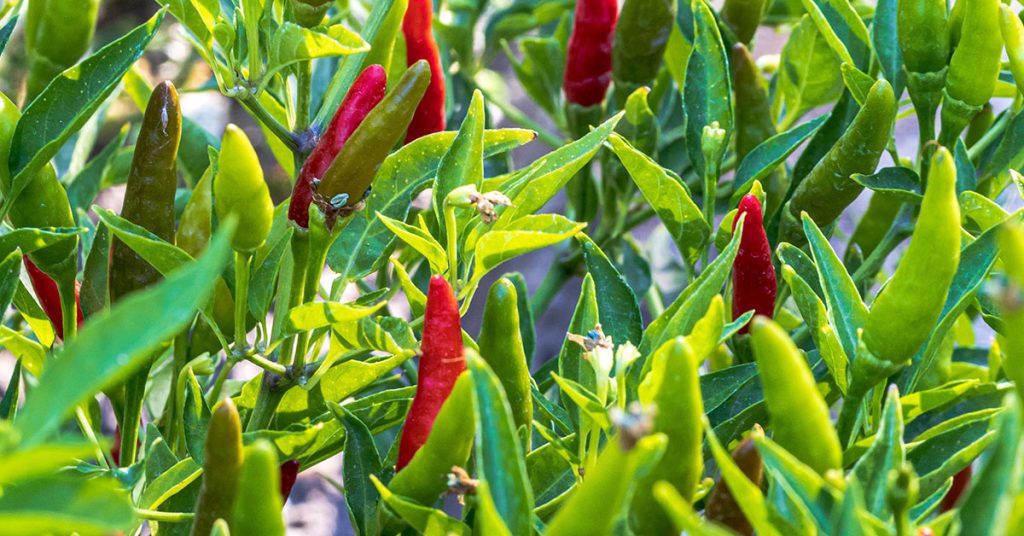
Chili peppers are a fiery addition to any desert garden, offering both heat in the kitchen and on the plant itself! Native to the Americas, these bold vegetables thrive in high temperatures and are perfectly suited to arid climates. Their bright, eye-catching fruits not only add a spicy kick to dishes but also attract buzzing bees and hummingbirds, which play a crucial role in pollination. I always marvel at how these peppers flourish under the desert sun, turning even the hottest days into a vibrant, living tapestry of color and flavor!
In addition to their culinary versatility, chili peppers are remarkably low-maintenance and rarely become invasive when grown in well-planned garden beds. Their bushy, compact growth habit means they can be interplanted with other heat-loving vegetables, thereby enhancing overall garden diversity and resilience. I’ve found that the presence of chili peppers in my garden adds a dynamic element, as their fruits often serve as a natural pest deterrent while also attracting beneficial insects. It’s a win-win situation that makes every harvest a little spicier and a lot more satisfying!
Watermelon (Citrullus lanatus)
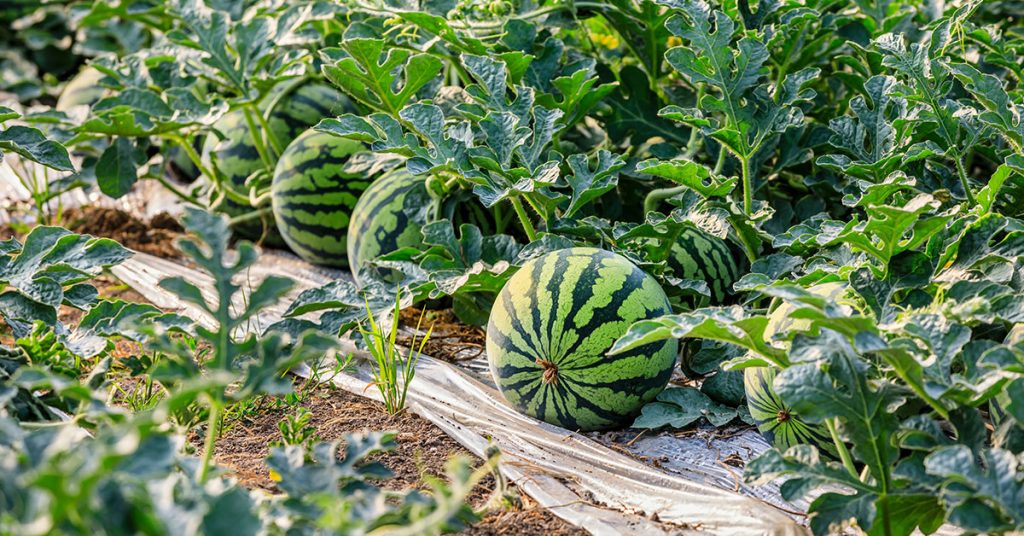
Watermelon is a quintessential summer delight that also finds a home in desert conditions, flourishing under relentless sun! Native to Africa, watermelons have adapted remarkably well to arid climates, where their sprawling vines and expansive leaves help to shade the soil and conserve precious moisture. In my garden, the sight of a robust watermelon vine laden with large, juicy fruits is nothing short of exhilarating. Their flowers, with their soft yellow hue, attract bees and other pollinators, ensuring that each fruit has a good chance to develop fully.
Though watermelons are known for their vigorous growth, they are generally not considered invasive when properly managed. I’ve learned that providing them with ample space and a well-draining soil mix can yield an abundant harvest without compromising the overall garden balance. The playful pattern of their rind and the refreshing burst of flavor they offer are a testament to nature’s ability to thrive in extreme conditions. For any gardener battling the desert’s heat, watermelon is a rewarding crop that embodies the spirit of resilience and refreshment!
Zucchini (Cucurbita pepo)
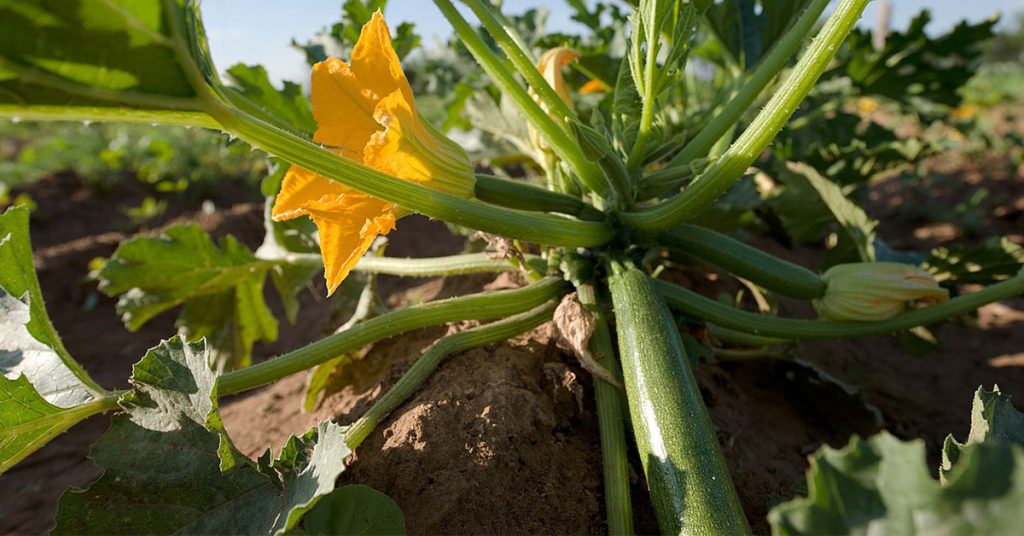
Zucchini, a type of summer squash, is a powerhouse vegetable that handles desert heat with remarkable ease! Native to the Americas, zucchini thrives in warm environments and is celebrated for its rapid growth and prolific yield. In my experience, the sprawling vines of zucchini not only provide an effective natural barrier against weeds but also offer shade to nearby soil, helping to retain moisture during scorching days. Their cheerful yellow or cream-colored blossoms attract bees and butterflies, making the garden feel alive and buzzing with activity!
While zucchini can sometimes spread aggressively if given free rein, it is not typically regarded as invasive when grown in a controlled setting. I always ensure that my zucchini plants are well-spaced so that their vigorous growth contributes positively to the garden ecosystem without overwhelming other species. Their tender fruits, harvested at just the right moment, provide endless culinary inspiration while their foliage contributes to a dynamic, layered landscape. It’s a vegetable that truly embodies the vitality and adaptability needed to succeed in desert gardening!
New Zealand Spinach (Tetragonia tetragonioides)
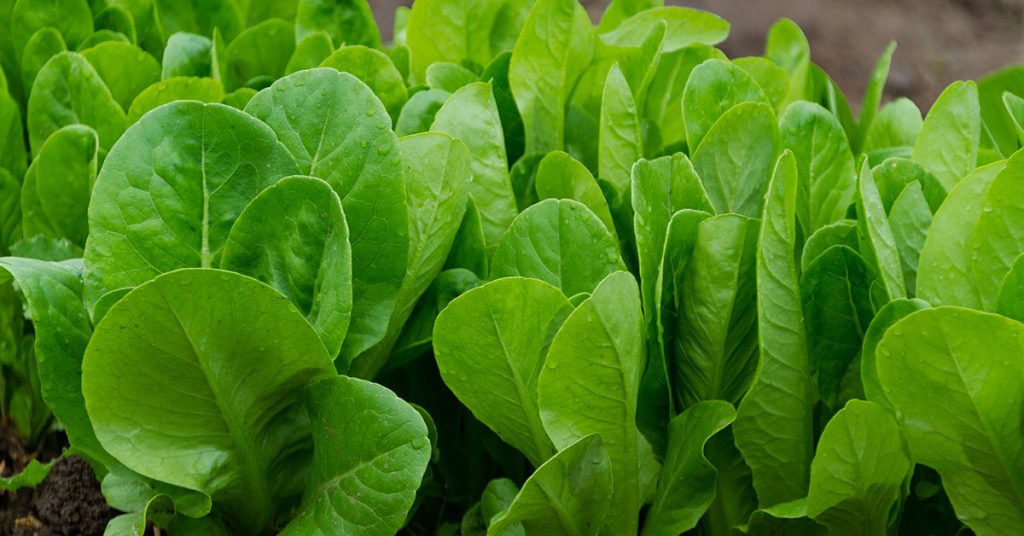
New Zealand Spinach is a robust leafy green that defies the typical need for cool weather by thriving in heat and arid conditions! Native to New Zealand, this vegetable is celebrated for its succulent, slightly crunchy leaves that hold up well in warm weather—making it a perfect substitute for traditional spinach in desert gardens. I appreciate how this plant’s sprawling habit covers the soil, reducing evaporation and suppressing weed growth while offering a continuous supply of edible greens. Its flowers, though modest, attract small pollinators that contribute to a healthy garden ecosystem.
Despite its vigorous growth, New Zealand Spinach is generally non-invasive and can be easily managed with regular harvesting. I enjoy the versatility it brings to my garden—its leaves can be used fresh in salads or lightly cooked as a nutritious side dish. The plant’s ability to flourish under challenging conditions makes it an indispensable part of my desert vegetable collection. Every time I tend to its sprawling vines, I’m reminded of nature’s ingenuity and the rewards of choosing plants that are perfectly suited for extreme climates!
Sweet Potato (Ipomoea batatas)
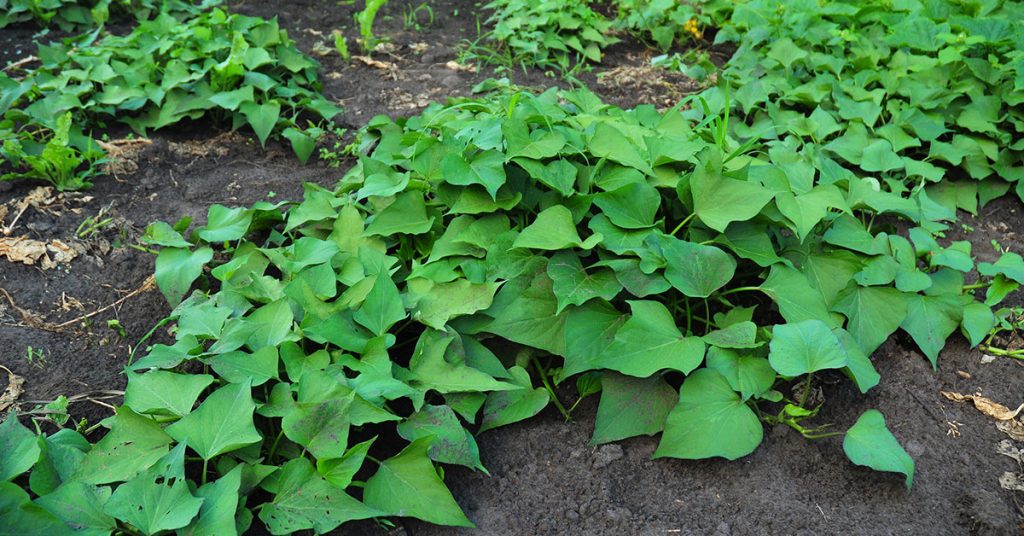
Sweet potatoes are not only a delicious, nutrient-packed vegetable but also a resilient performer in desert gardens! Native to Central and South America, these tuberous vines are well-adapted to hot and dry conditions, thriving where many other crops might struggle. I’ve found that sweet potatoes spread gracefully along the ground, their sprawling vines acting as a living mulch that suppresses weeds and retains soil moisture. Their attractive, heart-shaped leaves create a lush, tropical feel, and their blossoms attract beneficial insects that help pollinate surrounding plants.
While sweet potatoes are robust and vigorous, they are not generally considered invasive when grown under proper management. I love how these plants reward careful gardeners with both an abundant harvest and a striking visual display. They are a testament to the fact that even in the harsh desert environment, nature offers opportunities for growth and delicious bounty. Every harvest of sweet potatoes reminds me that with the right approach, the desert can be a fertile canvas for culinary and garden artistry!
Onion (Allium cepa)
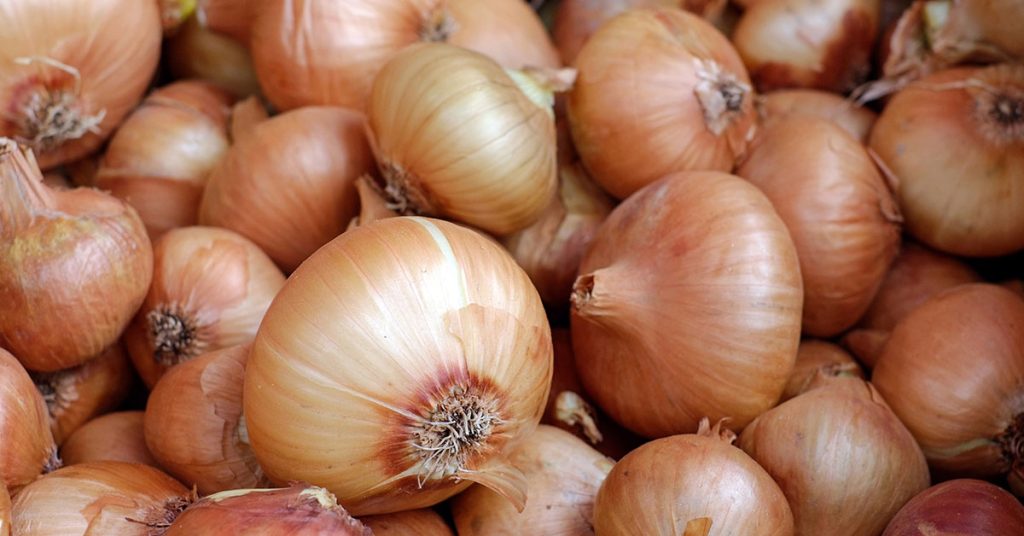
Onions, with their robust flavor and versatility, have found a surprising niche in desert gardening! Believed to have originated in central Asia, these bulbs are remarkably adaptable and can handle the arid, sun-drenched conditions typical of desert environments. I’ve observed that when provided with well-draining soil and adequate organic matter, onions develop deep, healthy roots that support their growth even during prolonged periods of heat. Their delicate white or purple flowers attract various pollinators, adding an unexpected touch of elegance to a vegetable garden often dominated by hearty greens.
Although onions are not known to be invasive, they do require careful spacing to allow proper bulb formation and airflow. I enjoy the dual benefits of onions in my garden—not only do they enhance culinary dishes with their zesty flavor, but they also contribute to pest management by naturally repelling certain insects. Their reliable performance under challenging conditions has earned them a special place in my desert garden, and each harvest reaffirms my belief that with thoughtful planning, even traditionally temperate crops can thrive in the heat!
Cucumber (Armenian Cucumber)
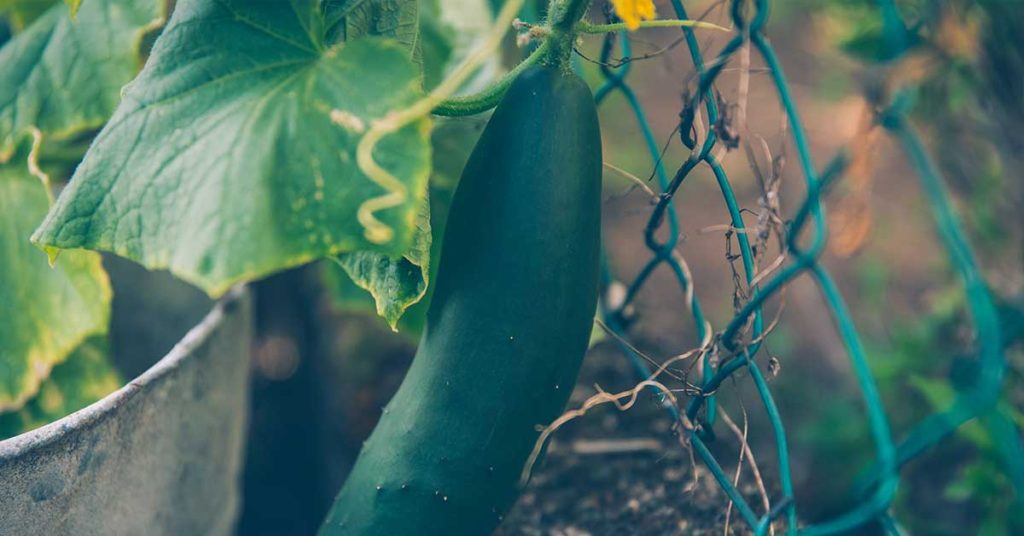
Armenian cucumber, a delightfully crisp and refreshing vegetable, has become a standout in my desert garden for its heat-tolerant nature! Although technically a type of melon, this cucumber is native to regions with warm climates and adapts beautifully to the desert’s high temperatures. Its long, slender fruits develop on vigorous vines that cascade over garden borders, naturally shading the soil and reducing water evaporation. The plant’s delicate, star-shaped flowers attract an array of bees and butterflies, adding a touch of whimsy to the otherwise rugged desert landscape.
Despite its vigorous growth, the Armenian cucumber is not known to be invasive, making it an ideal choice for gardeners who want a reliable crop without the risk of it overrunning neighboring plants. I find great satisfaction in nurturing this plant, knowing that its crisp, refreshing fruits are a reward for every bit of care given in the challenging desert environment. The versatility of the Armenian cucumber in salads, pickles, and fresh dishes, combined with its low water requirements, makes it a true gem for any desert gardener looking to maximize yield and flavor!
Carrot (Daucus carota subsp. sativus)

Carrots, with their sweet crunch and vibrant color, prove that even root vegetables can flourish in desert conditions with the right care! Originally domesticated in Europe and southwestern Asia, carrots have adapted to a variety of soils and climates, including the arid regions where water is scarce. I’ve found that selecting drought-tolerant varieties and ensuring loose, well-draining soil helps these carrots develop long, flavorful roots. Their feathery, delicate foliage not only adds a soft texture to the garden but also attracts small pollinators and beneficial insects that contribute to overall soil health.
While carrots are not typically considered invasive, they do require careful cultivation to ensure proper spacing and minimal competition from weeds. I enjoy the process of tilling and preparing the soil, knowing that every effort will yield a rewarding, crunchy harvest come season’s end. The satisfaction of pulling a bright, freshly grown carrot from the warm desert soil is incomparable—it serves as a reminder that with ingenuity and persistence, even the most challenging environments can produce delicious, nutritious bounty!