

Gardening is a passion that fills my days with both joy and a fair share of challenges, and one issue that has really given me pause is the impact of chemical weed killers. Over the years, I’ve learned that while these products promise to eliminate weeds, they can also wreak havoc on the soil’s delicate ecosystem and even damage the very plants we work so hard to nurture. It’s such a bummer when your efforts to maintain a pristine garden inadvertently lead to a decline in soil health and vitality! I’m here to share some safer alternatives that not only keep weeds at bay but also enhance soil fertility and encourage a thriving, balanced garden ecosystem.
I completely understand the frustration of watching your once-lush garden suffer from unseen side effects of harsh chemicals. In this article, I’ll walk you through a variety of alternatives—from native groundcovers to eco-friendly mulching methods—that serve as effective substitutes for traditional weed killers. Each option has its own unique benefits, from attracting beneficial insects and fostering natural nesting spots to improving soil structure and nutrient content. Let’s dive in and explore these sustainable practices that can transform your garden into a vibrant, living sanctuary!
Native Groundcovers for Weed Suppression
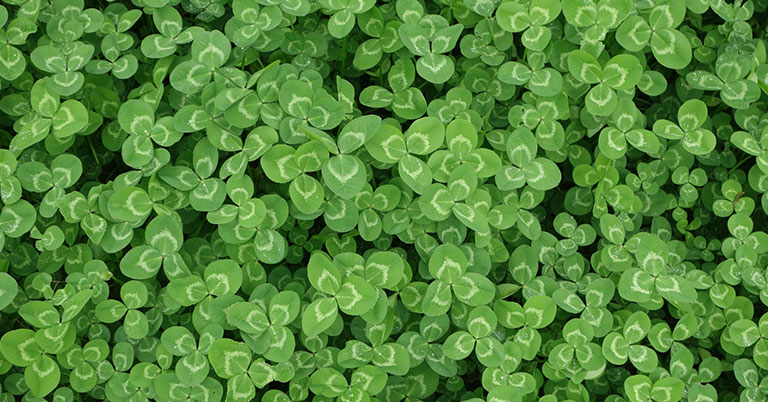
Native groundcovers are one of my favorite strategies for outcompeting weeds while bolstering the natural beauty of your garden! By selecting plants that are indigenous to your region, such as creeping thyme or sedum varieties, you not only reduce maintenance but also support local biodiversity. For example, creeping thyme, native to the Mediterranean, has a delicate aroma and can form a dense mat that naturally crowds out invasive weeds. Its small blossoms attract bees and butterflies, creating tiny, bustling nesting areas that add life and charm to your garden.
These groundcovers are not only effective in suppressing weeds but also enrich the soil by promoting a healthy ecosystem. I’ve seen firsthand how these native plants create a microhabitat for beneficial insects and earthworms, which help aerate the soil and recycle nutrients. Even if some groundcovers are considered invasive in other parts of the world, when chosen wisely from your native flora, they offer a sustainable and resilient alternative to chemical weed killers. Embracing these plants has truly revolutionized my approach to maintaining a balanced garden environment!
Organic Mulching: Nurturing Soil and Plants
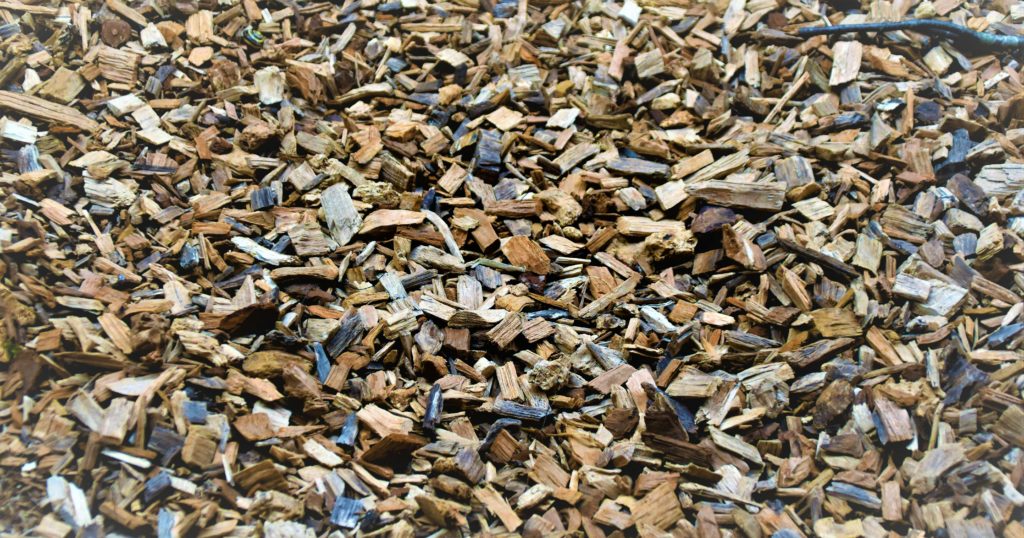
Organic mulching is an absolute game changer when it comes to feeding your soil and keeping weeds in check without harsh chemicals! I often use wood chips, shredded leaves, or straw as a protective layer around my plants, which not only suppresses weed growth but also enriches the soil as it decomposes. This natural method creates a cozy microclimate for earthworms and other beneficial critters, which in turn improve soil structure and boost nutrient cycling. It’s such a joy to see the mulch break down over time, returning essential nutrients to the earth and keeping my garden thriving.
What I find especially exciting is that organic mulches can attract a diverse array of beneficial insects and small creatures that use the mulch as a nesting site. In my garden, I’ve observed ladybugs, ground beetles, and even tiny spiders taking up residence, contributing to a natural pest control system. The mulch not only serves as a physical barrier to weeds but also as an invitation to nature’s helpers—fostering a sustainable cycle of growth and renewal that I absolutely adore!
Corn Gluten Meal: Nature’s Pre-Emergent Herbicide

Corn gluten meal is one of those natural alternatives that has surprised me with its dual benefits—it works as a pre-emergent herbicide while adding a modest dose of nitrogen to the soil! Derived from the processing of corn, this byproduct is particularly effective at preventing weed seeds from germinating, which means you can maintain a cleaner garden without resorting to toxic chemicals. I’ve found that applying corn gluten meal at the right time can significantly reduce the emergence of weeds, giving your desirable plants more room and resources to flourish.
Beyond its weed-suppressing properties, corn gluten meal also supports the overall fertility of the soil. Although it’s not a miracle solution, the extra nitrogen it provides can help your garden plants, especially those native species that are used to low-nutrient soils, to grow stronger and healthier. I must admit, it was a delightful surprise to discover how this humble agricultural byproduct could serve as both a natural herbicide and a mild fertilizer. It’s a reminder that sometimes, the simplest solutions can be the most effective in sustainable gardening!
Vinegar-Based Solutions: A Zesty Alternative

Vinegar-based solutions offer a refreshingly natural alternative to chemical weed killers, and they’ve added a bit of zing to my gardening routine! Made from acetic acid, these solutions work by breaking down the cellular structure of weeds, effectively killing them without leaving harmful residues in the soil. I’ve experimented with various concentrations to strike the perfect balance between weed control and plant safety, and it’s truly satisfying when you see those stubborn weeds wither away while your garden’s beneficial flora remains unscathed.
While vinegar solutions are non-selective and need to be applied carefully to avoid damaging nearby plants, they have the advantage of being completely biodegradable. Their quick action can also deter pests that might otherwise be attracted to decaying plant matter, contributing to a cleaner, more vibrant garden. It’s an invigorating method that reminds me of the beauty of nature’s own chemistry—where even a common kitchen staple can transform into a powerful tool for sustainable gardening!
Manual Weeding and Crop Rotation: Time-Honored Practices
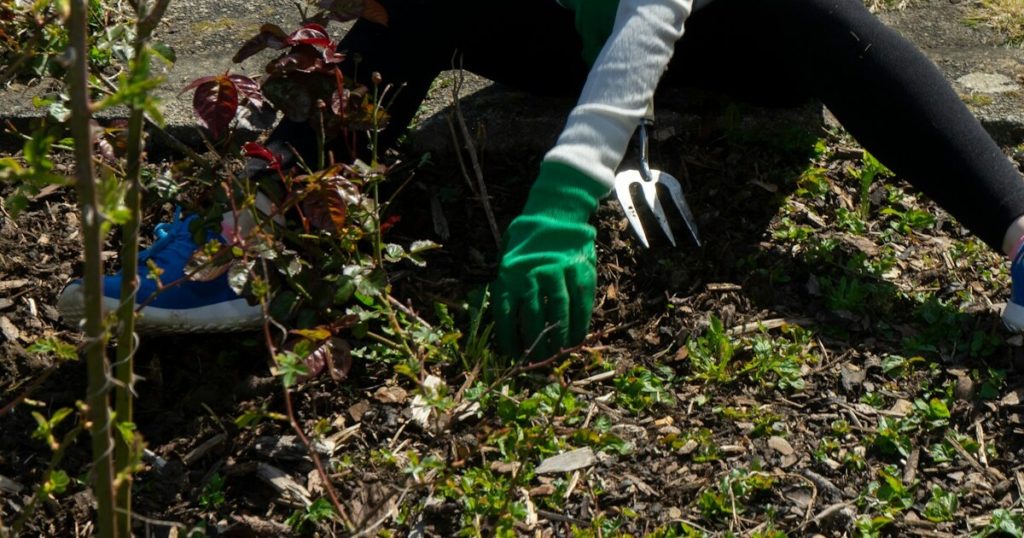
Sometimes, the most effective alternatives to chemical weed killers are the age-old practices of manual weeding and crop rotation. I’ve spent countless mornings in my garden, armed with nothing but a trusty hoe and determination, to remove invasive weeds by hand. This labor of love not only ensures that I target the unwanted plants directly but also allows me to inspect my garden closely for any signs of pest infestations or soil issues. There’s a special satisfaction in knowing that every weed pulled is a step toward a healthier, more balanced garden ecosystem.
Crop rotation is another strategy I wholeheartedly embrace, as it naturally disrupts the life cycle of weeds and reduces the buildup of soil-borne diseases. By alternating the types of crops I grow each season, I help maintain the natural fertility of the soil and discourage any one species of weed from dominating. This practice has been a cornerstone of sustainable gardening in many cultures, and while it requires a bit of planning, the rewards in terms of soil health and plant vitality are well worth the effort. It’s a time-honored method that connects me with generations of gardeners before me!
Eco-Friendly Flame Weeding: Quick and Clean
Eco-friendly flame weeding has become one of the more intriguing methods in my quest for sustainable weed control! Using a propane torch to briefly scorch weeds, this technique offers a quick and chemical-free solution to keep your garden beds tidy. I love that it doesn’t introduce harmful substances into the soil; instead, it simply disrupts the weed’s cellular structure, leaving behind a clean slate for your desirable plants to flourish. It’s an energizing process that reminds me of the raw power of nature harnessed in a safe, controlled manner!
While flame weeding is highly effective for many annual weeds, it requires careful attention to avoid damaging nearby plants, especially those that are native or particularly delicate. In my own garden, I’ve found that timing and precision are key—using this method on a warm, dry day ensures that the flames do their job quickly without lingering damage. It’s a fascinating alternative that combines the benefits of modern technology with an eco-conscious approach, making it a perfect choice for gardeners who are committed to sustainability and soil health!
Beneficial Insects and Natural Predators: The Garden’s Allies
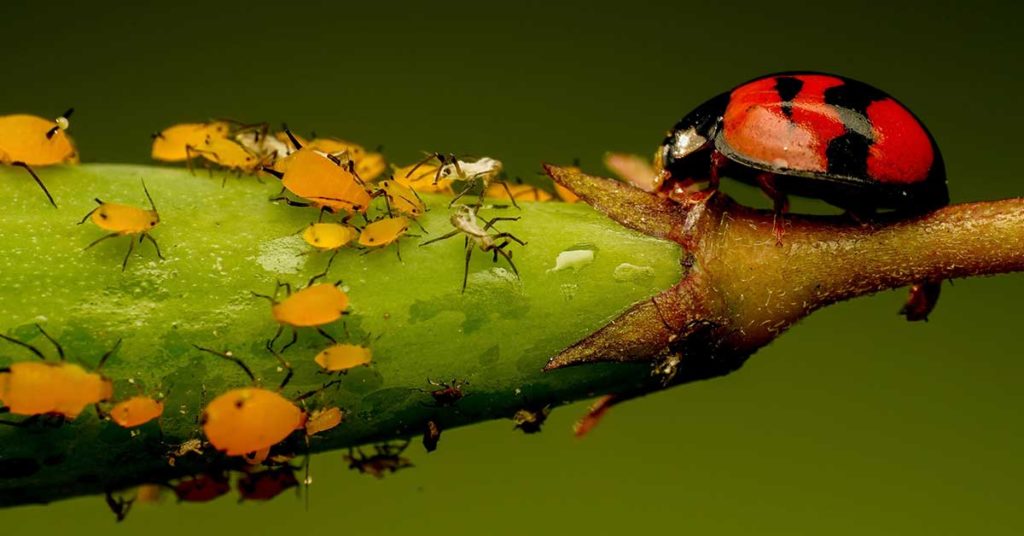
Inviting beneficial insects and natural predators into your garden is a dynamic way to manage weeds and pests without relying on harsh chemicals! By creating a habitat that attracts ladybugs, lacewings, and even ground beetles, you can develop a self-regulating ecosystem where these tiny allies help keep weed and pest populations under control. I’ve found that planting certain flowering species can act as a magnet for these beneficial creatures, turning my garden into a lively, interactive space. For instance, incorporating native flowering plants like yarrow and goldenrod can invite these insects to take up residence and even nest in sheltered spots.
These natural predators not only help control unwanted plant growth and pest infestations, but they also contribute to overall garden health by pollinating your flowers and enriching the soil with their activities. Although these insects are native to many regions, it’s crucial to choose species that naturally thrive in your local environment to avoid introducing invasive tendencies. By embracing this holistic approach, you’re not just fighting weeds—you’re fostering a vibrant, interconnected ecosystem that supports every aspect of your garden’s vitality. It’s a sustainable method that brings me immense joy and a sense of harmony with nature!
Reevaluating Chemical Weed Killers: A Call for Sustainable Gardening

After years of battling with chemical weed killers and their unintended consequences, I’ve come to a heartfelt conclusion: it’s time to rethink our approach to garden care! Chemical herbicides can be a quick fix, but they often compromise soil health, harm beneficial organisms, and even damage the plants we cherish. I’ve witnessed firsthand how these products can create a barren, lifeless soil environment that leaves native plants struggling to survive. It’s disheartening to see such collateral damage when our goal is to nurture a vibrant, balanced ecosystem.
Switching to safer, sustainable alternatives has not only revitalized my garden but also deepened my appreciation for nature’s resilience. By choosing methods like organic mulching, native groundcovers, and eco-friendly flame weeding, I’ve been able to reduce my reliance on toxic chemicals and foster a garden that is both beautiful and environmentally responsible. I encourage every gardener who cares about long-term soil health and plant vitality to explore these alternatives. Together, we can build a future where our gardening practices honor the earth and all the life it supports!