

As an enthusiastic gardener, I’m always on the lookout for natural ways to boost my garden’s health, but sometimes even well-intentioned methods can have unexpected drawbacks! I’ve experimented with using coffee grounds as fertilizer, enticed by their organic nature and potential nutrient content, only to find that their effects on soil and plant life are not always as beneficial as one might hope. It’s such a bummer when an eco-friendly idea turns into a maintenance headache, especially when you’re eager to nurture your native blooms and maintain a balanced garden ecosystem.
I know how frustrating it is when your garden efforts don’t go as planned and you end up with uninvited complications—like altered soil conditions and pest issues! In this article, I’m excited to share eight important reasons why you should think twice before adding coffee grounds to your garden. Each section dives deep into a different concern, from pH imbalances to potential pest attractions, all explained from the perspective of a fellow gardener who’s learned these lessons the hard way!
Inconsistent Nutrient Release
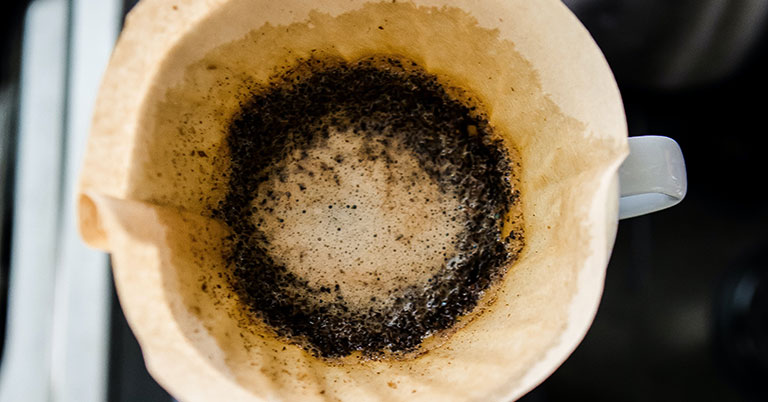
Coffee grounds might seem like a natural fertilizer, but one of my biggest concerns is their unpredictable nutrient release! While they do contain nitrogen, phosphorus, and potassium, the rate at which these nutrients become available to plants is far from uniform. This irregularity can leave your garden in limbo—sometimes thriving, other times lacking essential nourishment. In my own garden, I’ve noticed that the inconsistent feeding schedule can stress out plants that rely on steady nutrient availability.
Moreover, when you’re trying to achieve a balanced garden, any fluctuation in nutrient release can tip the scales in favor of certain plants while disadvantaging others. I’ve seen native species, which depend on a stable soil environment, struggle to compete with other plants when the soil chemistry shifts unexpectedly. It’s a reminder that even natural amendments require a nuanced understanding of their behavior to avoid unintended consequences!
Altered Soil pH and Microbial Disruption
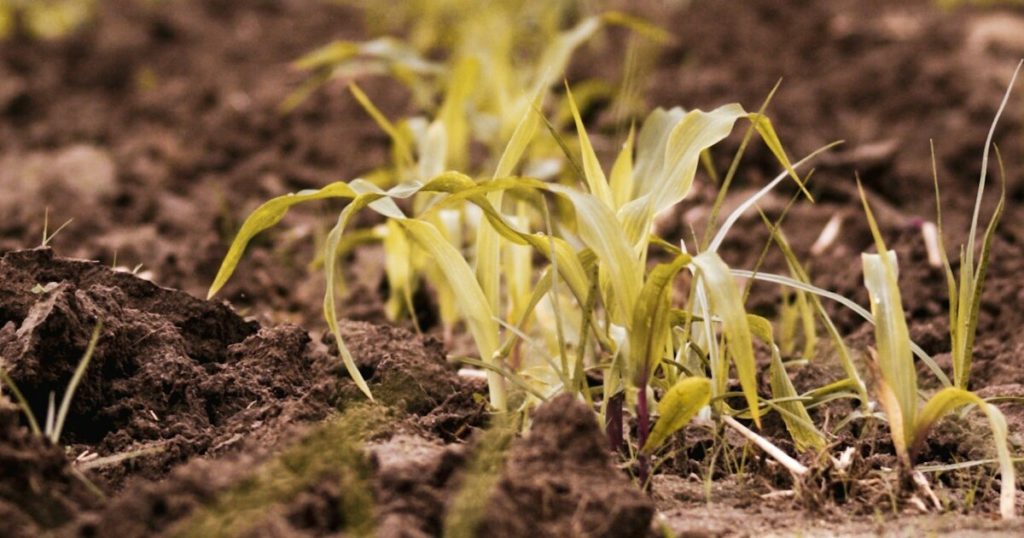
One significant issue I encountered with coffee grounds is their tendency to alter soil pH, sometimes in unexpected ways! While fresh coffee grounds are generally acidic, the aging process can neutralize or even shift the pH in various directions. This alteration can throw off the delicate balance that native plants and beneficial soil microorganisms rely on, making it harder for them to thrive. It’s quite alarming when you discover that a simple addition to your compost might be inadvertently harming the very soil life you want to support.
Beyond the pH changes, coffee grounds can disrupt microbial communities that are essential for nutrient cycling and organic matter breakdown. I’ve seen how these shifts can reduce the number of beneficial bacteria and fungi that help protect plants from disease. For gardeners like me, who take pride in fostering a healthy, balanced ecosystem, this potential disruption is a serious drawback that deserves careful consideration!
Attraction of Unwanted Pests

One unexpected downside of using coffee grounds is their ability to attract pests! While I initially thought that adding this natural substance would discourage unwanted organisms, I’ve learned that coffee grounds can actually lure in critters like ants, slugs, and even rodents looking for a cozy spot to nest. It’s a bit disheartening when you try to use nature to your advantage, only to find that it backfires and invites a whole host of unplanned visitors to your garden!
These pests don’t just show up and take up residence—they can also disrupt the delicate balance of pollinators and beneficial insects that I work hard to nurture. For example, while native bees and butterflies need a quiet, undisturbed environment for nesting and mating, the presence of unwelcome insects can scare them away. It’s a stark reminder that every change in your garden can ripple through the ecosystem in unexpected ways, making careful planning absolutely essential!
Weed Proliferation and Competition
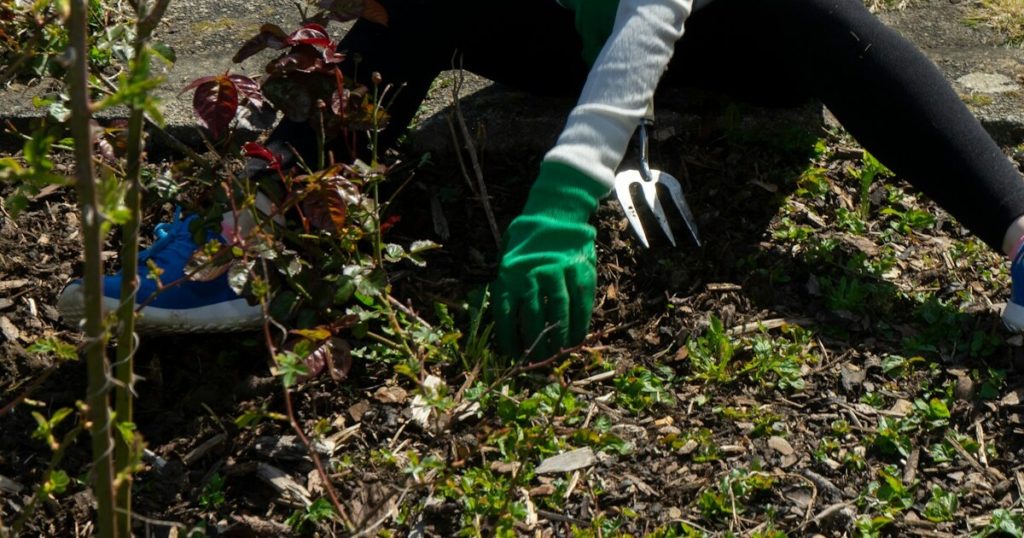
Another surprising concern I’ve come across is the potential for coffee grounds to encourage weed growth rather than suppress it! Despite the common belief that coffee grounds can serve as a natural weed barrier, in my experience, they sometimes create a favorable environment for certain weed species. These invaders can use the slightly altered soil conditions to gain a competitive edge, undermining the very goal of a tidy, well-managed garden.
The issue becomes even more frustrating when you consider the impact on native plants that are already competing for limited resources. Weeds are notorious for their rapid growth and resilience, and if coffee grounds give them a boost, the balance in your garden can shift dramatically. I’ve witnessed how a small misstep in soil amendment can turn a serene garden into a battleground for invasive species—something every gardener dreads!
Salt and Caffeine Buildup
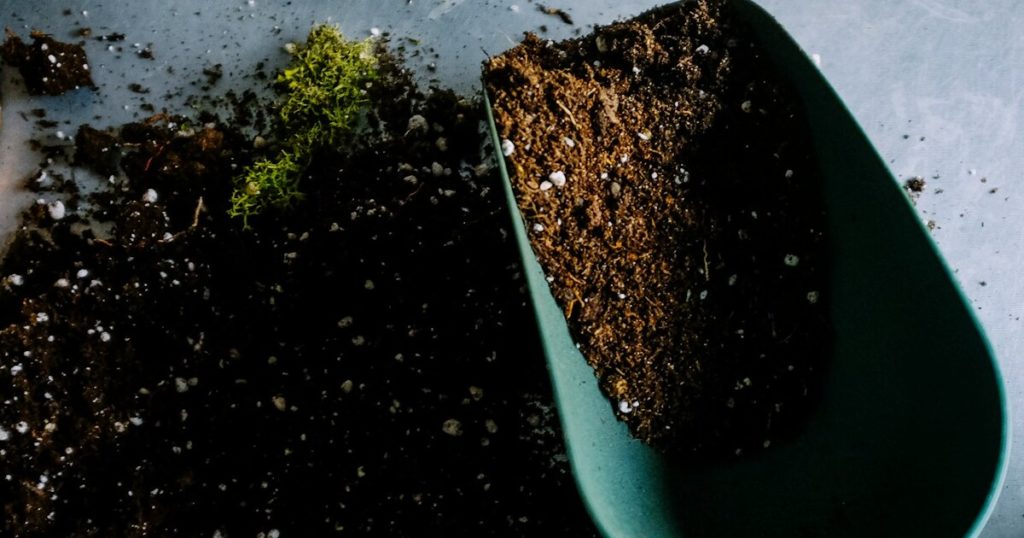
Though coffee grounds are natural, they aren’t free from chemical complications—namely, salt and caffeine buildup! In my early experiments, I noticed that repeated applications of coffee grounds could lead to an accumulation of salts in the soil. High salt levels can impede water absorption and damage root systems, which is especially detrimental for delicate native species that thrive in specific soil conditions. It’s startling to see how an organic product can sometimes have an inorganic side effect!
Caffeine, too, can linger in the soil and affect plant growth, potentially stunting the development of both flowers and foliage. For a gardener striving to cultivate a balanced ecosystem, the residual caffeine might create subtle but lasting stress on plants that are already fighting off environmental challenges. This buildup can disrupt the natural rhythm of nutrient uptake, leaving plants weaker and less able to fend off pests—an outcome that no passionate gardener wants to see!
Inconsistent Decomposition Rates

One aspect that caught me off guard is how coffee grounds decompose at varying rates depending on environmental conditions! In my garden, I’ve observed that factors such as moisture, temperature, and microbial activity can lead to inconsistent breakdown of coffee grounds. This means that the nutrient release is not only irregular but also unpredictable from one season to the next—a recipe for gardening frustration when you’re counting on steady improvements in soil fertility.
The inconsistent decomposition also affects the structure of the soil, sometimes leading to clumping that can hinder proper water infiltration and root expansion. When native plants, which often require specific soil textures to flourish, are faced with such variability, their growth can be compromised. It’s an important lesson that even natural organic matter isn’t immune to the complexities of the ecosystem, and careful observation is key to ensuring your garden remains vibrant and balanced!
Limited Nutritional Value
Despite all the hype, coffee grounds offer a surprisingly limited nutritional benefit to plants! I’ve learned through trial and error that while they do provide a modest amount of nitrogen, their overall nutrient profile is not enough to sustain robust growth over an entire season. This realization hit me hard, especially when I noticed that plants reliant on a broader spectrum of nutrients were not performing as well as expected. It’s quite a letdown when an eco-friendly idea doesn’t deliver the promised benefits.
Moreover, the limited nutritional value means that you often have to supplement with additional fertilizers to meet your garden’s needs, which defeats the purpose of trying to rely solely on coffee grounds. This extra step not only adds complexity to your gardening routine but can also lead to nutrient imbalances if not managed carefully. For a gardener looking for a simple, natural solution, the need for constant adjustments can be both time-consuming and frustrating!
Impact on Native Plant Growth
One of the most concerning revelations for me was discovering how coffee grounds can negatively affect native plant growth! Many native species are finely tuned to the existing soil conditions in their natural habitats, and any significant alteration—like an unexpected change in pH or nutrient levels—can throw off their growth patterns. I’ve seen firsthand how even slight modifications can make it difficult for these cherished plants to compete effectively in the garden ecosystem. It’s a real heartbreaker when your local flora struggles as a result of well-intentioned amendments.
Furthermore, native plants often serve as crucial habitats for local pollinators and small creatures that depend on them for shelter and nesting. If their growth is stunted or compromised, the ripple effects can extend far beyond aesthetics, potentially disrupting the entire local ecosystem. As someone who is passionate about preserving native biodiversity, I’ve become increasingly cautious about any garden practice that might inadvertently harm these irreplaceable plants. It’s a reminder that sometimes, the natural balance is best maintained by leaving nature to its own devices!
Environmental Sustainability Concerns

Lastly, while the idea of recycling coffee grounds seems environmentally friendly at first glance, there are broader sustainability issues to consider! In my journey as a gardener, I’ve learned that the use of coffee grounds can lead to unforeseen environmental impacts, such as alterations in soil structure and nutrient runoff that might affect nearby water sources. This broader perspective is essential because every action in the garden can have a ripple effect on the local ecosystem. It’s important to weigh the short-term benefits against potential long-term ecological consequences.
Moreover, the production and disposal of coffee grounds on a large scale might contribute to issues that extend beyond the garden, such as increased waste in landfills if not managed properly. For gardeners who care deeply about sustainability and the health of our planet, it’s crucial to consider the entire life cycle of any product we use—even those that seem as natural as coffee grounds. Reflecting on these environmental factors has made me much more thoughtful about my gardening practices, ensuring that every choice I make supports a thriving, balanced ecosystem for generations to come!