
Gardening is a journey full of surprises, and sometimes the very plants that add charm to our landscapes can also pose unexpected challenges. I know how disheartening it is when a favorite spot turns into an itch-inducing nightmare, especially when you’re excited to enjoy your garden. In my years of gardening, I’ve learned that nature isn’t always gentle – some plants are notorious for triggering allergies and causing skin irritations. With that in mind, I’ve put together this list of nine plants that you may want to approach with caution if you’re prone to sensitivities.
Each of these plants has its own fascinating native history, growth habits, and even benefits to wildlife, despite their potential to cause discomfort. From those that release potent oils upon contact to others that shed allergenic pollen, these botanical beauties remind us that nature works in mysterious ways! Whether you’re trying to decide what to plant or planning your next landscaping project, knowing about these “beware” candidates can help you create a safer, more enjoyable outdoor space.
Poison Ivy
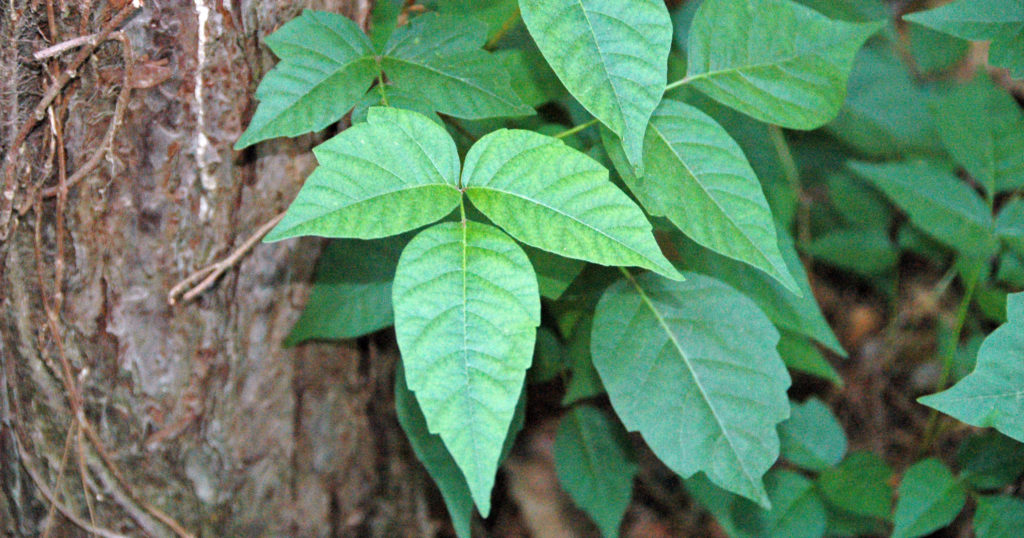
Poison Ivy is one of the most infamous plants when it comes to skin irritations, and its reputation is well-earned. Native to North America, this vine thrives in a variety of conditions—from wooded areas to disturbed sites—and contains an oil called urushiol that triggers severe allergic reactions in many people. I’ve had my fair share of unexpected encounters with poison ivy while exploring new garden spots, and those painful rashes are a strong reminder to always keep an eye out for its distinctive three-leaf pattern.
Despite its notoriety, poison ivy plays an important role in natural ecosystems by providing cover and nesting sites for birds and small mammals. However, its invasive tendencies mean that it can spread quickly if left unchecked. In my experience, wearing protective clothing and learning to identify its growth patterns are essential steps for any gardener working in areas where poison ivy is common. It’s a beautiful yet cautionary tale of nature’s double-edged sword!
Poison Oak
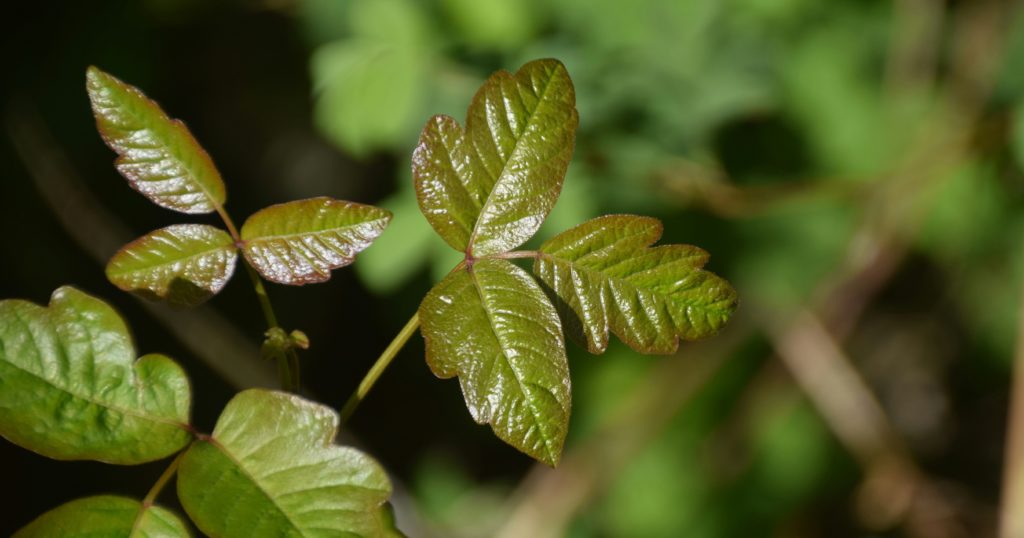
Similar to poison ivy, Poison Oak is another plant that can cause severe skin irritations and allergic reactions. Native to North America, particularly in the western regions and parts of the Southeast, poison oak resembles the leaves of oak trees but packs a potent dose of urushiol oil. I remember the shock of mistaking its leaves for a harmless shrub, only to end up with an itchy, blistering rash that took weeks to clear. Its erratic growth habit makes it a tricky adversary in many wild and landscaped areas.
Even though poison oak is a nuisance for those with sensitive skin, it does serve ecological functions such as providing shelter for birds and small insects that use its dense foliage for nesting. It’s generally non-invasive when managed properly, but its persistence in disturbed soils means you need to be vigilant when gardening near wooded areas. Recognizing poison oak’s unique shape and habitat is a must for maintaining a safe and healthy garden environment!
Stinging Nettle

Stinging Nettle is a fascinating herb known for its ability to cause immediate skin irritation upon contact. Native to Europe and Asia, it has spread widely across the globe and thrives in moist, nutrient-rich soils, often popping up in gardens and along riverbanks. When touched, tiny hairs on its leaves and stems inject histamines and other chemicals that result in a burning sensation and red welts. I’ve learned to admire its vibrant green foliage from a safe distance, always mindful of its sting!
Despite its notorious reputation, stinging nettle is a powerhouse in the garden for good reasons. It attracts beneficial insects like bees and butterflies, and its decomposing leaves add valuable organic matter to the soil. Additionally, many gardeners use nettle tea as a natural fertilizer to boost plant growth. While it can be a bit of a hazard if you’re not careful, managing stinging nettle with gloves and strategic placement can let you harness its benefits without suffering its sting!
Ragweed

Ragweed is a common culprit behind seasonal allergies, releasing vast amounts of pollen that can wreak havoc on sensitive individuals. Native to North America, this hardy annual weed thrives in disturbed soils, roadside areas, and even neglected garden patches, producing light green, inconspicuous flowers that later form fluffy seed heads. I’ve seen firsthand how ragweed pollen can turn a beautiful fall day into an allergy nightmare, with sneezing fits and watery eyes that are hard to shake off.
While ragweed is a major allergen for many people, it also plays a role in natural ecosystems by providing food and habitat for various insects and birds. Its ability to rapidly colonize open areas makes it a resilient plant, though this same trait contributes to its invasiveness. For gardeners with allergies, it’s wise to monitor and manage ragweed growth carefully, using natural barriers and regular weeding to keep its spread in check. It’s a plant that commands respect for both its ecological role and its potential to disrupt human comfort!
Wild Parsnip

Wild Parsnip is a common roadside plant that, despite its rustic appearance, can cause serious skin irritation and even long-lasting burns when exposed to sunlight after contact. Native to Eurasia and now widely spread across North America, wild parsnip produces large, yellowish-green flowers and broad leaves that can be easily mistaken for harmless wildflowers. I’ve learned the hard way that handling wild parsnip, especially on a sunny day, can lead to phytophotodermatitis—a chemical reaction that results in painful, blistering rashes and hyperpigmentation.
Despite its potential hazards, wild parsnip does contribute to local ecosystems by providing food for certain pollinators and small insects, and its dense growth can offer some shelter for nesting birds. However, its invasive nature in disturbed soils and along roadsides means it can quickly take over, making careful management essential. Always wear protective clothing when handling wild parsnip, and be mindful of its presence in your garden or local area to avoid its unwelcome side effects!
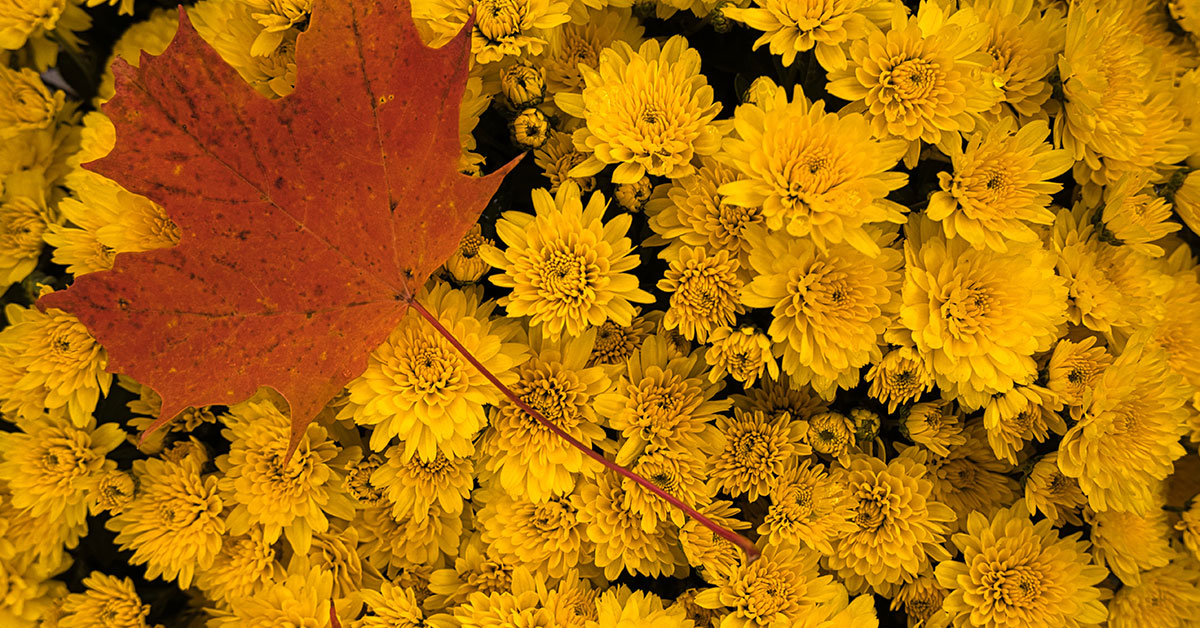
Chrysanthemum

Chrysanthemums, while popular for their beauty, can be a hidden source of allergies and skin irritations for some individuals. Native to Asia and northeastern Europe, these flowering plants are widely cultivated for ornamental purposes but produce potent allergens through their pollen and volatile oils. I’ve seen how exposure to chrysanthemum pollen can cause sneezing, itchy eyes, and skin rashes in sensitive gardeners, reminding me that even the most beloved flowers can have a wild side!
Despite these drawbacks, chrysanthemums are celebrated for their vibrant colors and long blooming period, attracting a range of beneficial insects like ladybugs and lacewings. Their robust nature makes them relatively non-invasive when cared for in well-managed garden beds. If you have a sensitivity, consider wearing a mask and gloves when pruning or handling these plants, so you can enjoy their stunning display without the unwanted side effects. Chrysanthemums truly highlight the delicate balance between beauty and potential irritation!
English Ivy

English Ivy is a ubiquitous plant known for its elegant trailing habit, but it can also be a hidden trigger for skin irritations and allergic reactions in some people. Native to Europe, this evergreen vine thrives in a variety of conditions, from shaded walls to forested areas, and its sticky, resinous leaves can cause contact dermatitis in sensitive individuals. I’ve encountered its notorious reputation firsthand, learning to admire its beauty from a respectful distance while taking precautions when handling it.
Despite its potential to irritate, English Ivy plays an important role in nature by providing cover and nesting sites for small birds and insects. However, it is considered invasive in many regions, often out-competing native plants if left unchecked. In my organic garden, I always manage ivy with regular pruning and containment strategies to minimize its spread and reduce the risk of skin irritation. It’s a classic example of a plant that can be both beneficial and troublesome, depending on how it’s handled!
Parthenium
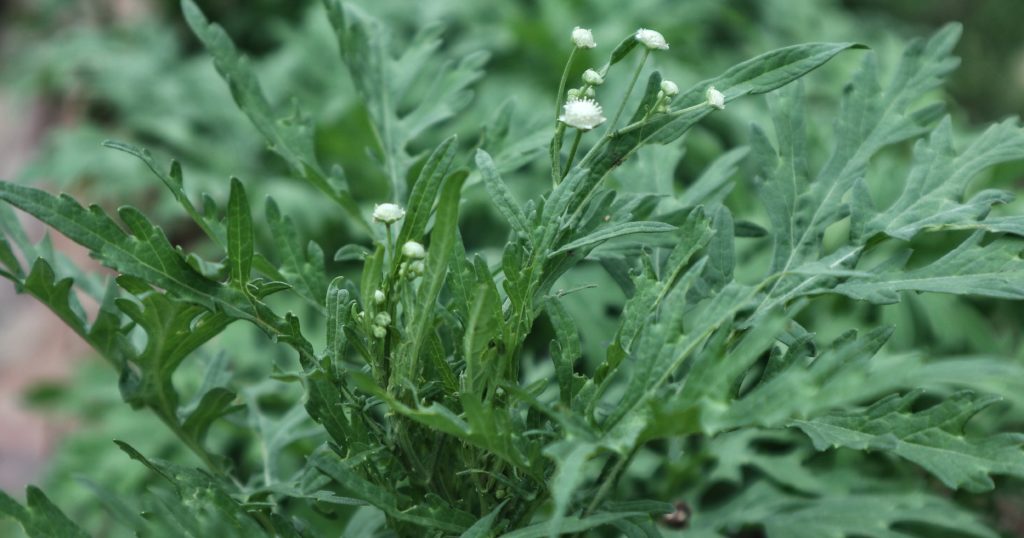
Parthenium, also known as Congress grass, is an invasive weed that can cause severe allergic reactions and respiratory issues for many people. Native to North America, this fast-spreading annual has made its mark in various parts of the world, particularly in tropical and subtropical regions. Its feathery, white flower heads release an abundance of pollen that can trigger hay fever and skin irritations, making it a serious concern for both gardeners and outdoor enthusiasts. I’ve seen communities struggle with its rapid growth and the health issues it can cause during peak flowering seasons.
Although parthenium is widely recognized as a noxious weed, it does provide some ecological benefits, such as offering cover for small insects and birds. However, its aggressive nature and invasiveness mean that it often overpowers native flora, disrupting local ecosystems. For gardeners, careful monitoring and management are essential if this plant is present, ensuring that its spread is controlled to protect both your health and the health of your garden. It’s a stark reminder that not all green growth is beneficial, and caution is warranted when dealing with parthenium!
Mugwort
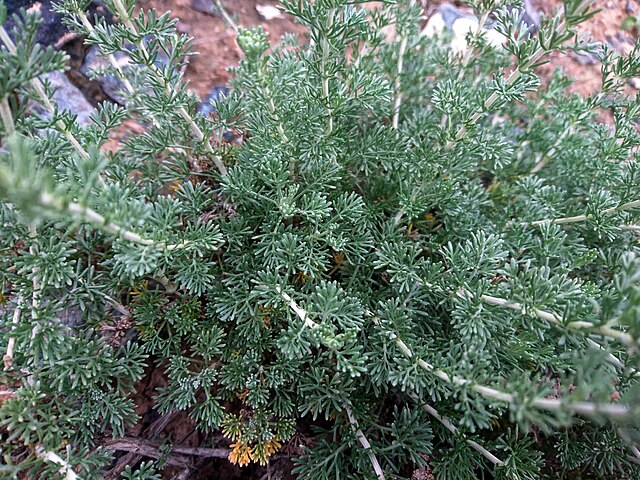
Mugwort is a perennial herb with a long history of medicinal and cultural significance, but it can also trigger allergies and skin irritations in certain individuals. Native to Europe and Asia, mugwort thrives in disturbed soils and along roadsides, producing aromatic, silvery-green foliage and small, inconspicuous flowers that attract a variety of pollinators. I’ve noticed that its potent scent, while appreciated by many, can cause adverse reactions for those with sensitive skin or respiratory issues, especially during peak pollen times.
Despite these potential drawbacks, mugwort is valued in traditional medicine and is known to create a habitat for beneficial insects and even serve as a nesting ground for some small birds. Its invasive tendencies in disturbed areas call for careful management if you plan to cultivate it in your garden. For those prone to allergies, it’s wise to handle mugwort with care and perhaps opt for other, less reactive plants. Mugwort embodies the dual nature of many wild herbs—healing for some and problematic for others—making it a true plant to watch out for!