
Gardening in the shade can sometimes feel like a constant challenge – it’s such a bummer when the plants you’re so excited about struggle because the sun never seems to come out! I’ve been there too, wondering if all hope is lost when my favorite vegetable beds lie under a canopy of trees or along the north side of my home. Over the years, I’ve discovered that nature is more forgiving than we often think. Many vegetables, especially leafy greens and root crops, can flourish in partial or even full shade, offering both nutritious harvests and unexpected garden charm.
In this article, I’m excited to share 12 vegetables that might surprise you with their shade tolerance. These plants not only yield delicious produce but also attract beneficial insects and sometimes even offer tiny nesting spots for small critters. Each vegetable has its own fascinating background, from its native origins to insights on its invasive tendencies (if any). Whether you’re a seasoned gardener or just starting out, these selections are sure to turn even the shadiest corner of your garden into a productive, vibrant oasis!
Lettuce
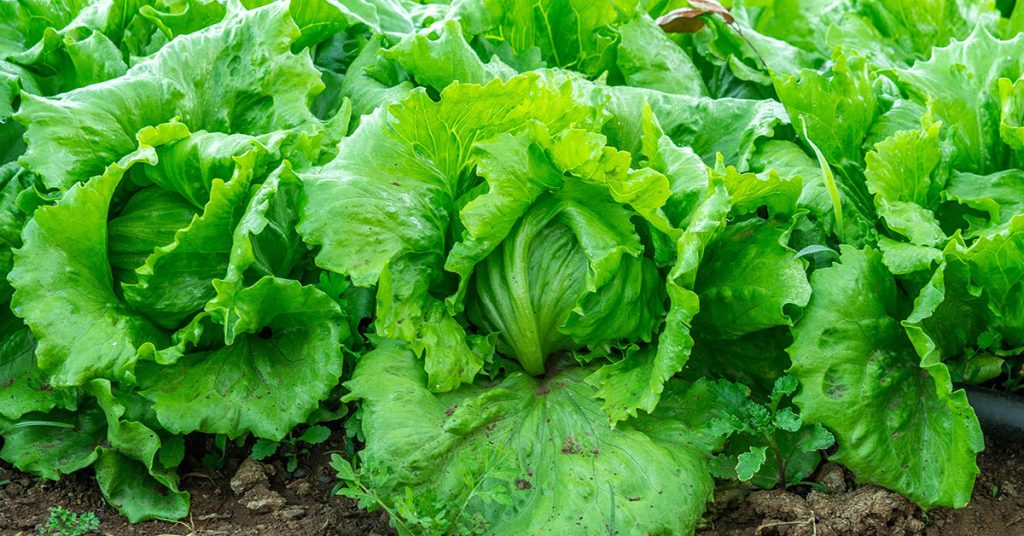
Lettuce is a classic cool-weather vegetable that adapts remarkably well to shady conditions, producing crisp, tender leaves even with limited direct sunlight! Native to the Mediterranean region, lettuce has been cultivated for centuries and thrives in partial shade where cooler temperatures help it develop a sweeter flavor. I love how its various types – from loose-leaf to romaine – create a mosaic of textures and colors in the garden, drawing in bees and small pollinators that support a balanced ecosystem.
In my own garden, lettuce often surprises me by providing a nearly continuous harvest when the sun is scarce. Its gentle growth habit rarely turns invasive, making it an ideal choice for filling in garden beds and containers without overwhelming other plants. Whether you’re planning fresh salads or simply enjoying the process of watching tender leaves unfurl, lettuce in the shade is a delight that proves every patch of your garden can be productive!
Spinach
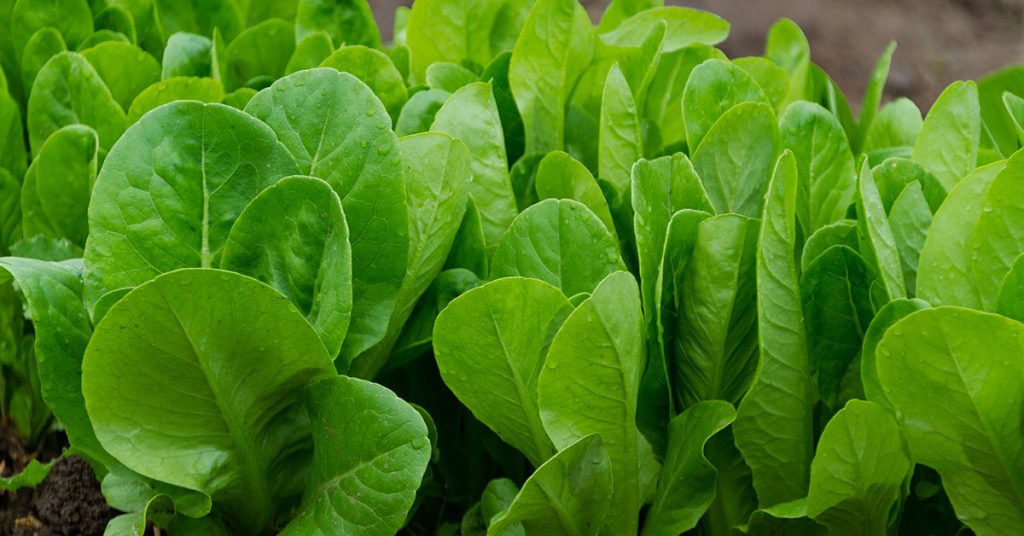
Spinach is a nutrient-dense leafy green that performs exceptionally well in cooler, shaded environments, making it a reliable pick for low-light areas! Native to Central and Western Asia, spinach prefers partial shade, which can help prevent premature bolting during hot weather. I’ve always appreciated how its smooth, dark green leaves not only bring a burst of color to the garden but also attract beneficial insects such as small bees and hoverflies that contribute to overall garden health.
This versatile vegetable is typically non-invasive and adapts gracefully to a variety of growing conditions, including those with less sun. Its rapid growth and tender texture make spinach a favorite for fresh salads and light sautés, while its natural ability to thrive in cooler spots ensures a steady supply even when the sun is shy. For any gardener facing shady conditions, spinach offers a robust, nutritious solution that transforms a challenging spot into a bountiful oasis!
Kale
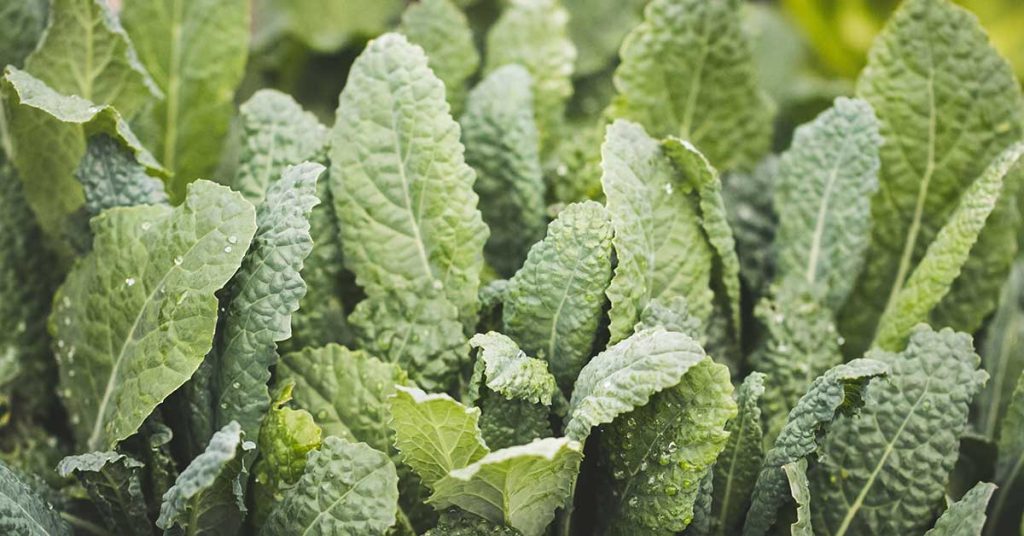
Kale, with its hearty, curly leaves and robust nutritional profile, is another vegetable that surprisingly tolerates shade better than many expect! Native to the eastern Mediterranean, kale thrives in cooler climates and partial shade, developing a milder flavor that many find appealing. I’ve noticed that its thick, textured leaves attract a variety of beneficial insects, including small beetles and bees, which help maintain a vibrant and balanced garden ecosystem.
Despite being known for its sun-loving reputation, many kale varieties adapt well to shadier conditions without losing their robust growth. In my garden, kale not only offers a bountiful harvest of vitamin-packed greens but also creates a natural screen that can sometimes serve as a cozy nesting site for tiny birds. Its adaptability and resilience make kale a fantastic option for gardeners who need to work with less-than-ideal light conditions while still enjoying a healthy, productive vegetable patch!
Arugula
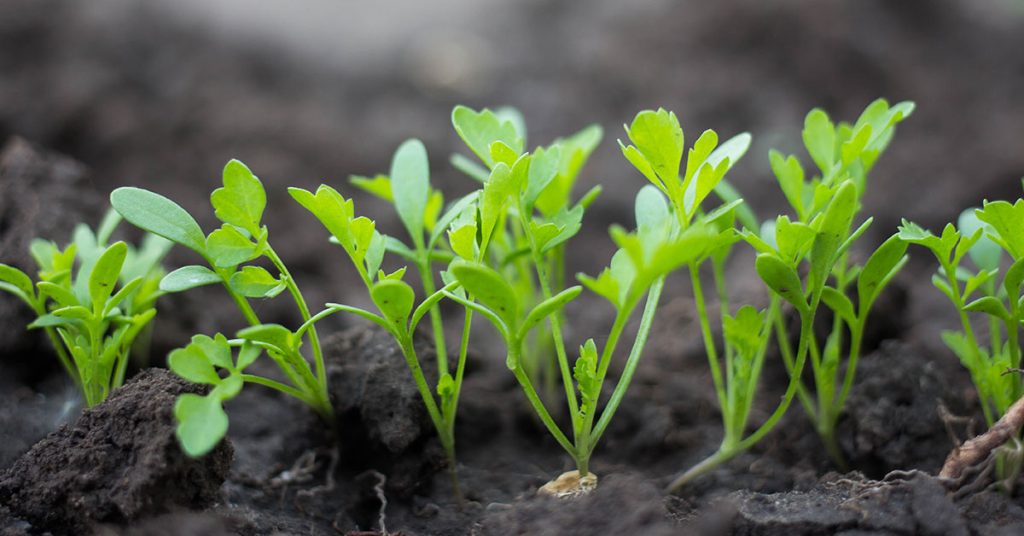
Arugula, known for its distinctive peppery flavor and delicate, lobed leaves, is a surprisingly adaptable vegetable that thrives in the shade! Native to the Mediterranean, arugula does well in cooler conditions and partial shade, where its flavor is often enhanced by the milder temperatures. I enjoy watching how this versatile green attracts a modest array of pollinators and beneficial insects, lending a subtle energy to your garden’s natural rhythm.
In my experience, arugula is a low-maintenance crop that rarely becomes invasive, making it ideal for gardeners who want a quick, continuous harvest without the fuss. Its rapid growth in shaded areas means you can enjoy a steady supply of fresh, zesty leaves for salads, sandwiches, or pestos – all while keeping your garden balanced and thriving. For those challenging, less-sunny spots, arugula is a delightful reminder that flavor and productivity can flourish even when the sun isn’t at its peak!
Swiss Chard
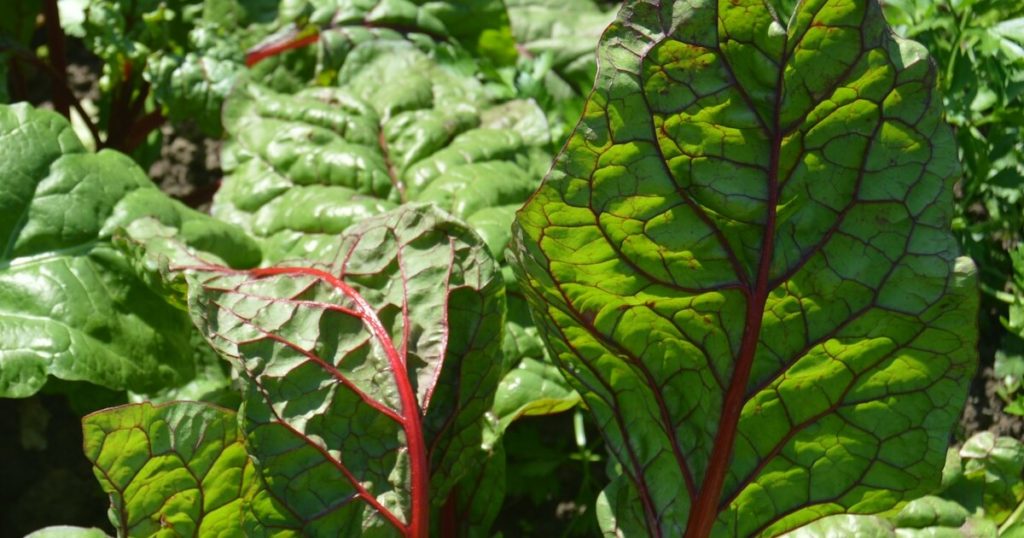
Swiss chard is a vibrant and colorful leafy green that can brighten up even the shadiest corners of your garden with its eye-catching stems and robust growth! Native to the Mediterranean region, Swiss chard thrives in partial shade and cooler weather, offering a mix of red, yellow, or white stems paired with dark green leaves. I love how its generous foliage attracts beneficial insects like bees and small hoverflies, which add a natural buzz to the garden ecosystem.
Its non-invasive nature makes Swiss chard a low-fuss choice that yields continuous harvests throughout the growing season. The interplay of colors not only enhances the aesthetic appeal of your vegetable patch but also provides a delightful array of textures and flavors for your kitchen. Growing Swiss chard in the shade proves that even when sunlight is limited, you can still cultivate a garden that’s as nutritious as it is beautiful!
Mustard Greens
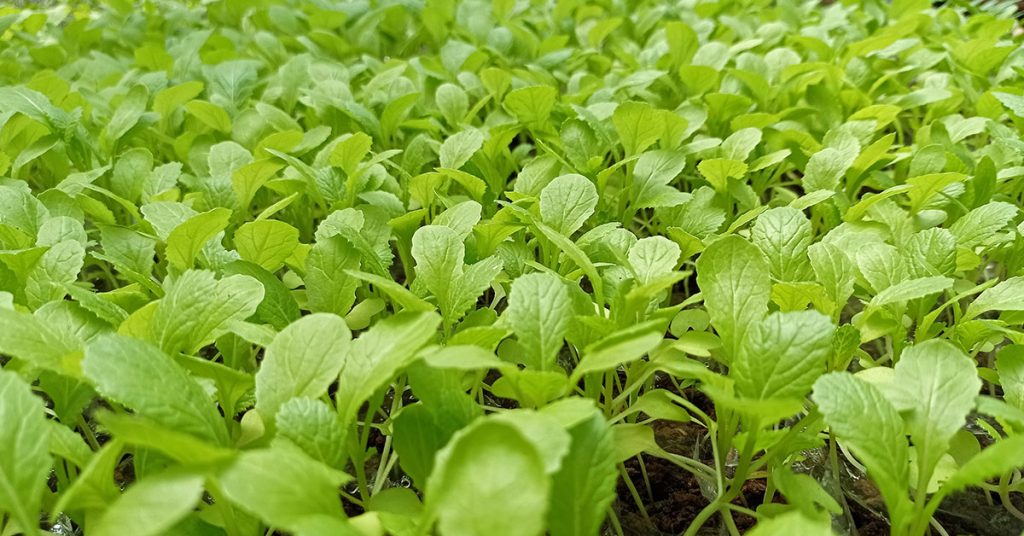
Mustard greens are a flavorful, nutrient-rich vegetable that surprisingly flourish in partial shade, offering a spicy kick to your dishes even in cooler conditions! Native to regions in Asia and the Mediterranean, these greens prefer cooler temperatures, and when grown in the shade, they tend to develop a milder, more delicate flavor. I’ve found that their vibrant leaves not only enhance salads and stir-fries but also attract small beneficial insects that help pollinate neighboring plants.
Their rapid growth and natural self-seeding make mustard greens a practical choice for gardeners seeking a steady harvest in less sunny areas. Though they can spread quickly, they remain generally non-invasive with regular thinning and careful management. For anyone frustrated by the challenges of growing vegetables in the shade, mustard greens are a delightful option that delivers both culinary zest and a touch of garden vibrancy!
Radishes

Radishes are renowned for their quick growth and crisp, peppery roots, and they can surprisingly thrive in partially shaded areas! Native to Europe and Western Asia, radishes prefer cooler environments where their flavors are more pronounced, making them ideal for gardens that don’t receive full sun. I enjoy how their bright red, white, or even purple roots add a pop of color to your vegetable patch while their small, delicate blossoms attract beneficial insects like bees and hoverflies.
Their compact size and fast maturation mean radishes can be harvested in just a few weeks, making them perfect for gardeners who need quick results from shady spots. Although they require consistent moisture and may need some care to avoid bolting, radishes remain non-invasive and offer a satisfying crunch that enhances both your salads and your garden’s aesthetic. For those moments when the sun seems scarce, radishes prove that delicious, speedy harvests are still within reach!
Beets
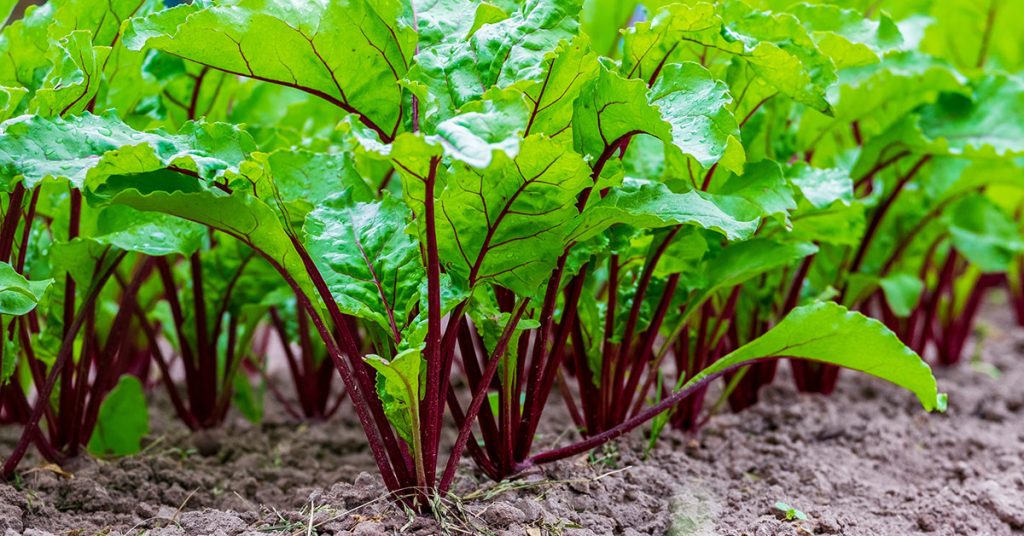
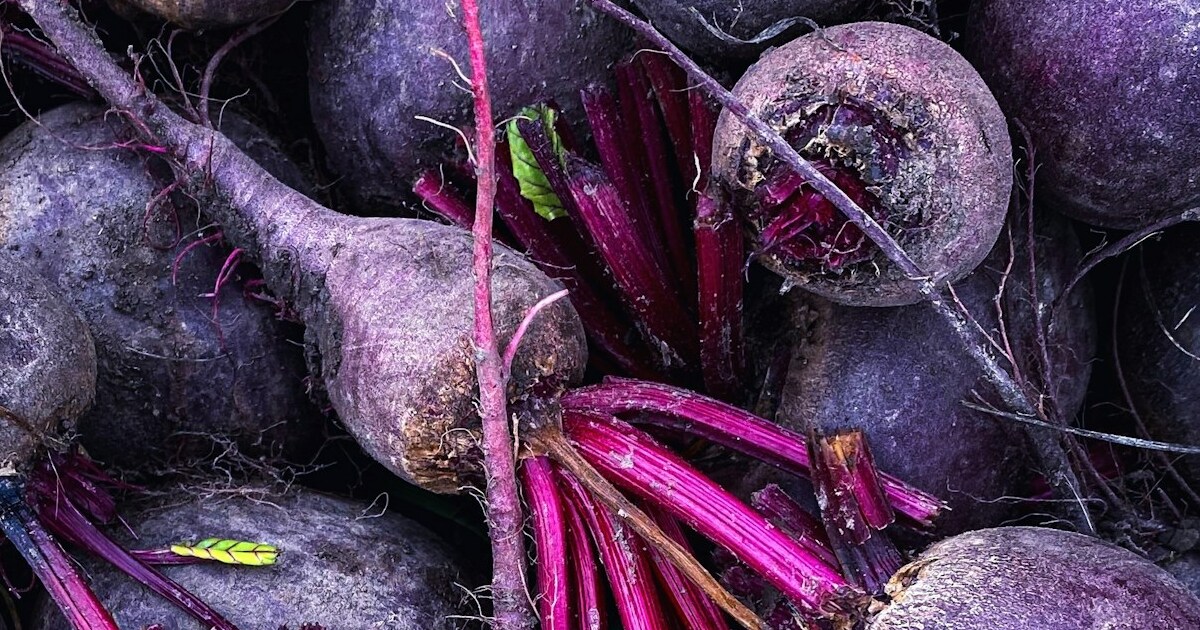
Beets are a versatile root vegetable that can adapt to partial shade, offering both edible roots and tender greens that add nutritional value to your meals! Native to the Mediterranean region, beets flourish in cooler, low-light conditions where their earthy sweetness is enhanced. I love how their deep red or golden roots create a striking visual contrast in the garden, while the foliage attracts beneficial insects that contribute to a thriving ecosystem.
Even in less sunny conditions, beets maintain a robust growth habit without becoming invasive, making them a dependable crop for gardeners with limited direct light. Their taproots help improve soil structure and create microhabitats for tiny soil organisms, while the leafy greens offer opportunities for continuous harvesting. Beets in the shade are a testament to the adaptability of nature – turning challenging growing conditions into bountiful, nutrient-rich rewards!
Turnips
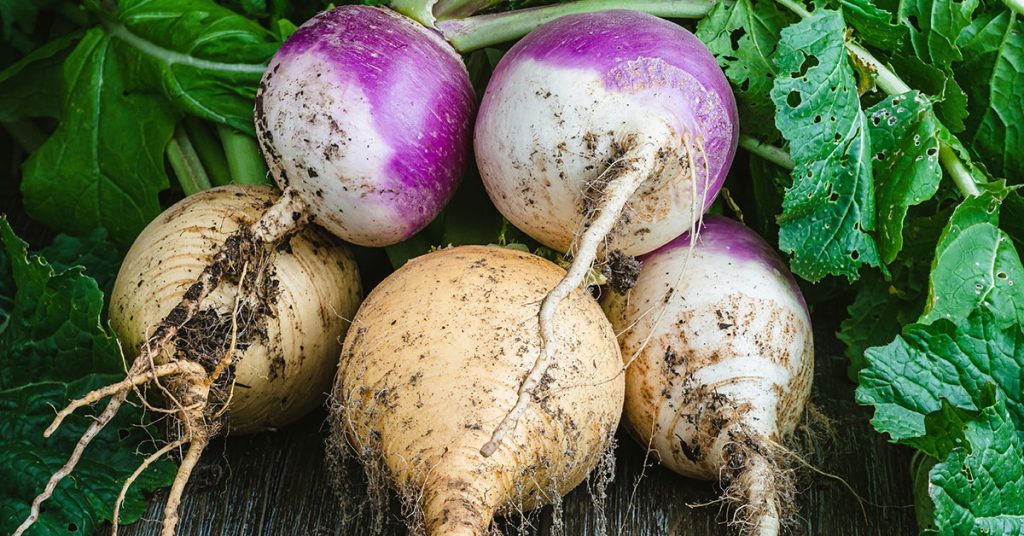
Turnips are a hardy root vegetable that can surprisingly flourish in partial shade, producing tender, flavorful roots along with nutritious greens! Native to Europe and Western Asia, turnips are well-suited to cooler climates where shade can actually extend their growing season and enhance their natural sweetness. I’ve noticed that their crisp, white roots and vibrant purple or green tops add a delightful burst of color and texture to the garden, while also attracting small pollinators and beneficial insects.
Their rapid growth and manageable size make turnips a low-maintenance choice that rarely becomes invasive when properly harvested and thinned. The combination of both root and leafy greens offers versatility in the kitchen, from hearty stews to fresh salads. For gardeners struggling with low-light conditions, turnips offer an unexpected and delicious solution that enriches both your table and your garden’s diversity!
Collard Greens
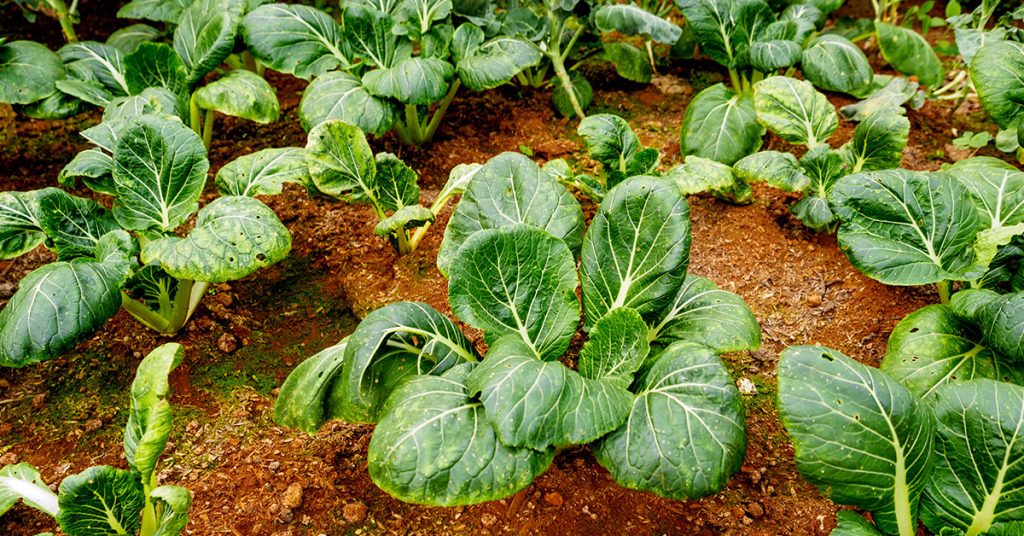
Collard greens are a nutrient-dense vegetable that thrives in partial shade, providing a robust harvest even when sunlight is limited! Native to the eastern Mediterranean and widely cultivated across Africa and the Americas, collards are known for their broad, dark green leaves that are both flavorful and packed with vitamins. I appreciate how their dense foliage attracts a variety of beneficial insects, including small bees and predatory beetles, which help maintain a healthy garden ecosystem.
Their hardy nature means collard greens are generally non-invasive and can tolerate a range of soil conditions, making them a dependable crop in shadier areas. They often serve as a natural ground cover, reducing soil erosion and offering a modest habitat for tiny critters that find refuge in their expansive leaves. For any gardener facing the challenges of limited sunlight, collard greens prove to be a robust, nutritious choice that transforms a shady patch into a productive haven!
Bok Choy
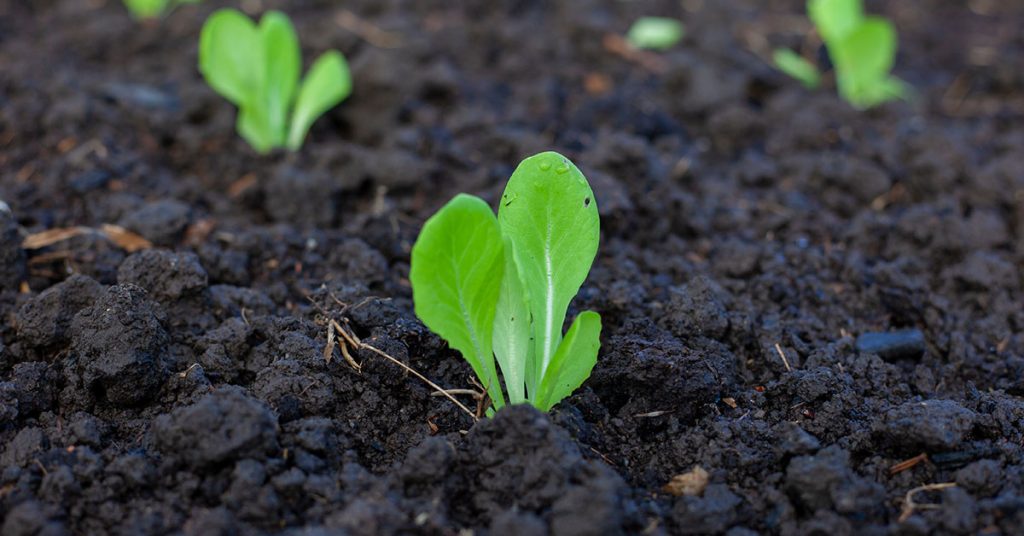
Bok choy is a versatile Asian green that adapts remarkably well to partial shade, offering tender, crisp leaves that are perfect for stir-fries and salads! Native to China, bok choy thrives in cooler temperatures and low-light conditions, producing a head of succulent leaves and white stalks that maintain their crunch and mild flavor. I love how its growth in the shade results in a sweeter taste and a delightful texture that enhances any culinary creation, while its delicate flowers attract beneficial insects like bees and small butterflies.
Despite its rapid growth, bok choy remains generally non-invasive and manageable in garden beds or containers. Its compact form makes it an excellent option for filling in those tricky, shaded spots, and its robust flavor is a welcome addition to any kitchen. Bok choy is a true champion of shade gardening – proving that even in less-than-ideal light, you can enjoy a bountiful harvest that nourishes both body and garden!
Endive
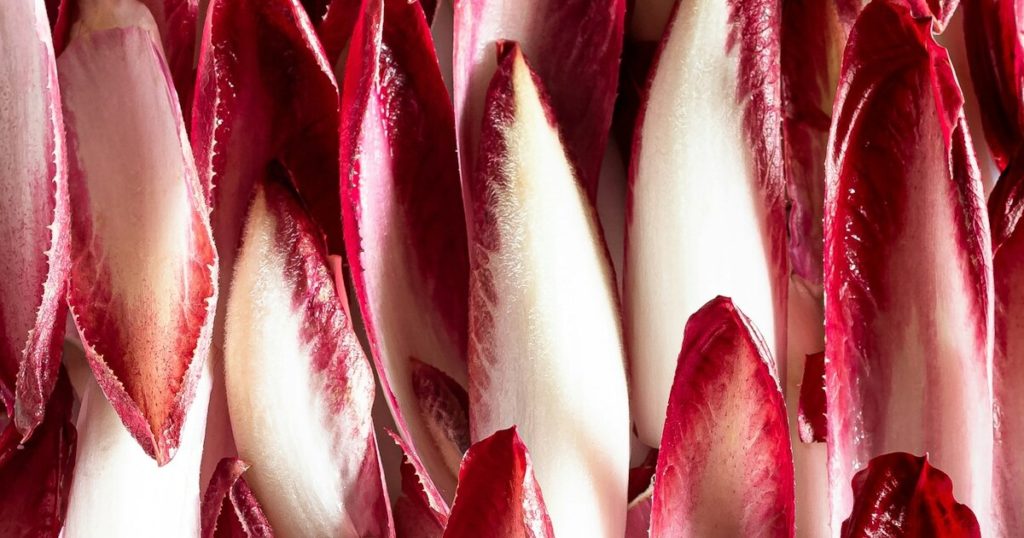
Endive is a sophisticated leafy vegetable that flourishes in partial shade, offering a slightly bitter flavor and crisp texture ideal for salads and light dishes! Native to the Mediterranean region, endive thrives in cooler, shaded areas where it develops tightly packed leaves that are both visually appealing and nutrient-rich. I’m always impressed by how its elegant form attracts beneficial insects such as small bees and hoverflies, which add a lively buzz to the garden without overwhelming its delicate balance.
Though endive tends to be a bit more finicky in warmer, sunnier conditions, its adaptability to shade makes it a prized vegetable for gardeners with limited light. It remains generally non-invasive and can be harvested repeatedly throughout the season, ensuring a consistent supply of fresh greens. Growing endive in the shade not only enhances your culinary repertoire with its unique flavor but also demonstrates that even the most elegant vegetables can thrive in challenging environments – a true inspiration for any dedicated gardener!