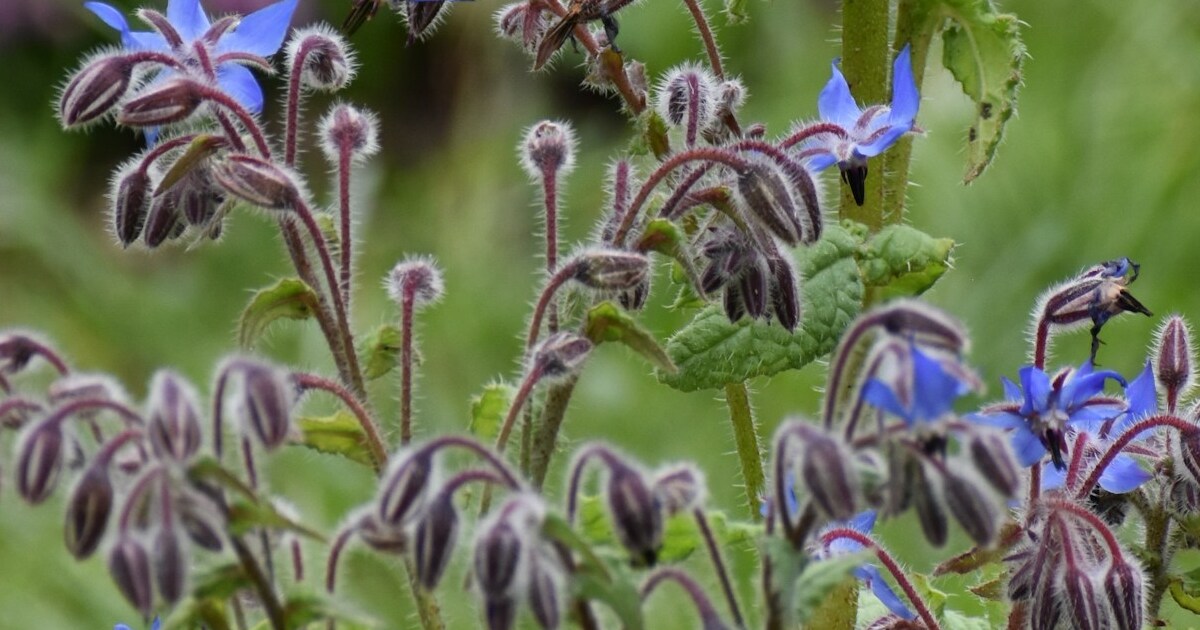

Gardening is full of surprises – sometimes the very herbs we cherish for their flavor and fragrance can surprise us by spreading far beyond their intended borders! I know how frustrating it can be to nurture a plant, only to have it pop up in every corner of your garden, sometimes out-competing your other favorites. In this article, I’m excited to share 11 popular herbs that, while beloved in the kitchen and for medicinal purposes, can also be potentially invasive if not managed carefully. Each plant comes with its own fascinating history, native range, and a unique set of behaviors that can either enrich your garden or require a bit of extra care.
As a passionate gardener, I’ve learned that understanding these herbs is the first step to making smart decisions about placement and maintenance. From attracting beneficial insects and even providing nesting spots for small critters, to their vigorous self-seeding habits, these plants remind us that nature often works in unexpected ways. Whether you’re battling pest issues or simply trying to maintain a balanced landscape, read on to discover the wild side of these culinary and medicinal treasures – and some handy tips on keeping them in check!
Mint
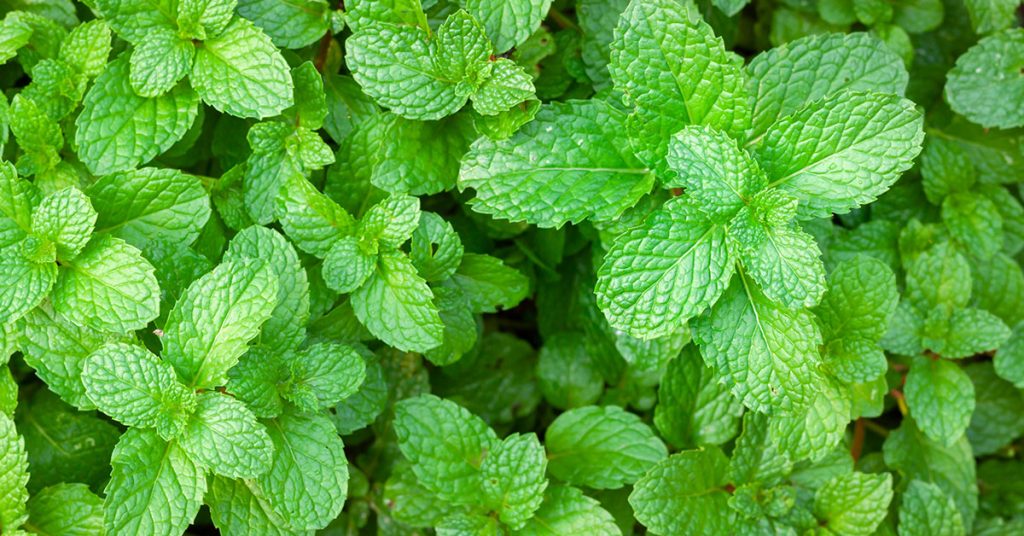
Mint is a classic favorite in herb gardens, famous for its refreshing aroma and culinary versatility—but beware, its vigorous growth can make it a garden invader! Native to Europe and Asia, mint has been widely cultivated around the world and thrives in moist, partly shaded conditions. Its sprawling runners spread quickly, often out-competing nearby plants. I’ve seen mint create its own little world if not contained, sometimes even offering a cozy nesting site for beneficial insects and small critters that enjoy the cool, damp microhabitat under its leaves.
In my own garden, I’ve learned to plant mint in containers or dedicated beds to prevent its aggressive spread. While its beautiful, serrated leaves and uplifting fragrance are a delight, controlling its growth is key to preserving the balance of your vegetable or flower beds. With a little extra care, you can enjoy mint’s culinary and aromatic benefits without letting it take over your space – a win-win for both flavor and garden management!
Lemon Balm
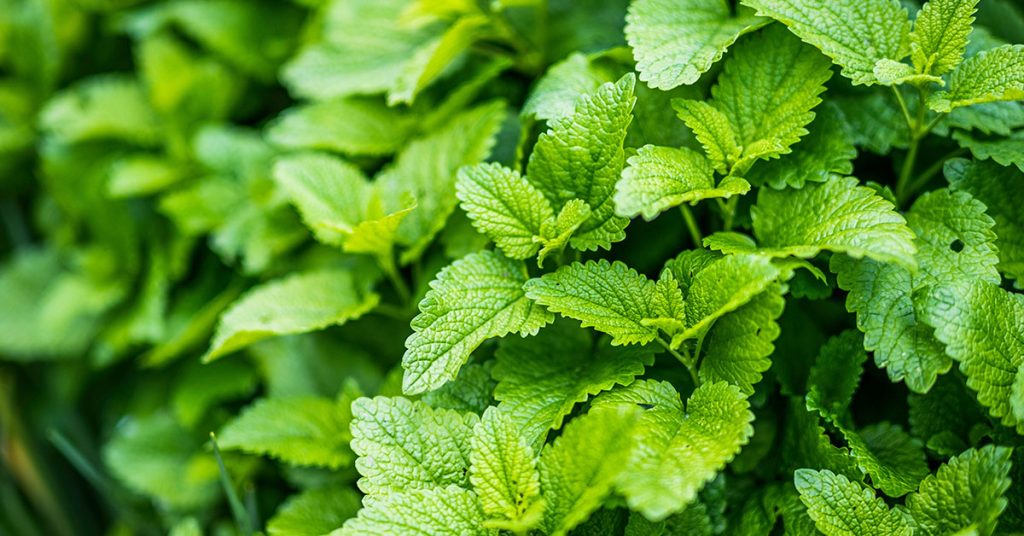
Lemon Balm, with its gentle citrus scent and soft, heart-shaped leaves, is a charming herb native to Europe and the Mediterranean—but it has a mischievous side too! This herb is known for its calming properties and its delightful flavor in teas and salads; however, it readily self-seeds and can quickly spread to fill an entire garden bed. I’ve observed how its subtle blossoms attract bees and other pollinators, creating a lively atmosphere, yet if left unchecked, its vigorous growth can overwhelm nearby plants.
Managing lemon balm requires some planning—regular pruning or containment is essential to keep its expansion in check. Despite its invasive tendencies in some regions, its ability to create a natural, aromatic screen can be a real asset when used intentionally. Embrace lemon balm’s dual nature by using it as both a beneficial companion plant and a gentle reminder of nature’s boundless energy!
Catnip
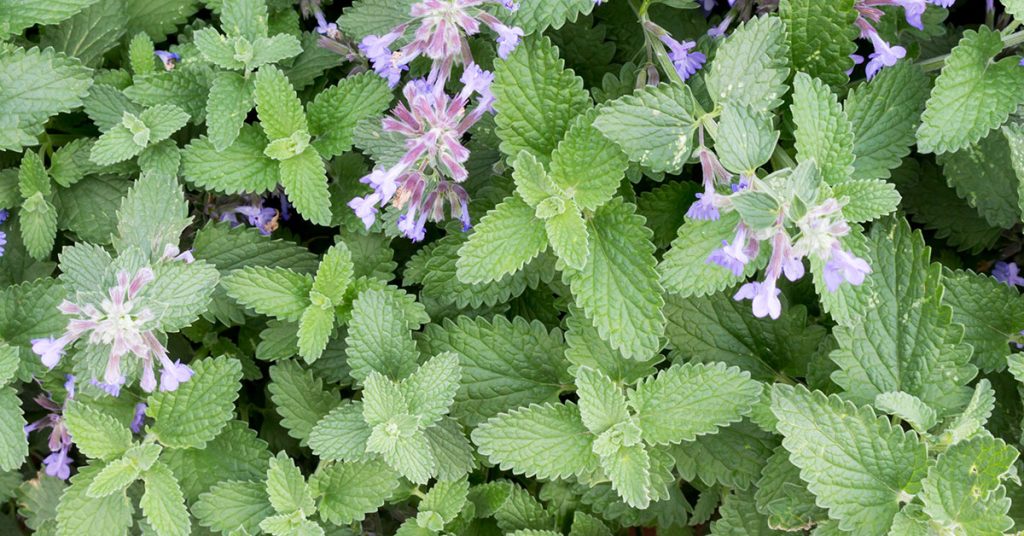
Catnip is famous not only for its appeal to our feline friends but also for its strong, minty fragrance that can energize both humans and beneficial insects alike! Native to Europe and Asia, catnip grows vigorously in sunny, well-drained soils, and its small, delicate flowers attract bees and butterflies. I find it delightful that while my cat goes wild for its scent, the plant also helps support local pollinators, contributing to a vibrant garden ecosystem.
However, catnip is known to self-seed readily and can spread into unintended areas, which sometimes makes it a bit invasive in well-tended gardens. Managing its growth by confining it to pots or specific garden patches ensures you can enjoy its aromatic charm without it overwhelming your other plants. With a little careful attention, catnip can be a fun and beneficial addition to your herb collection, serving dual roles as both a treat for your pet and a natural insect attractant!
Fennel
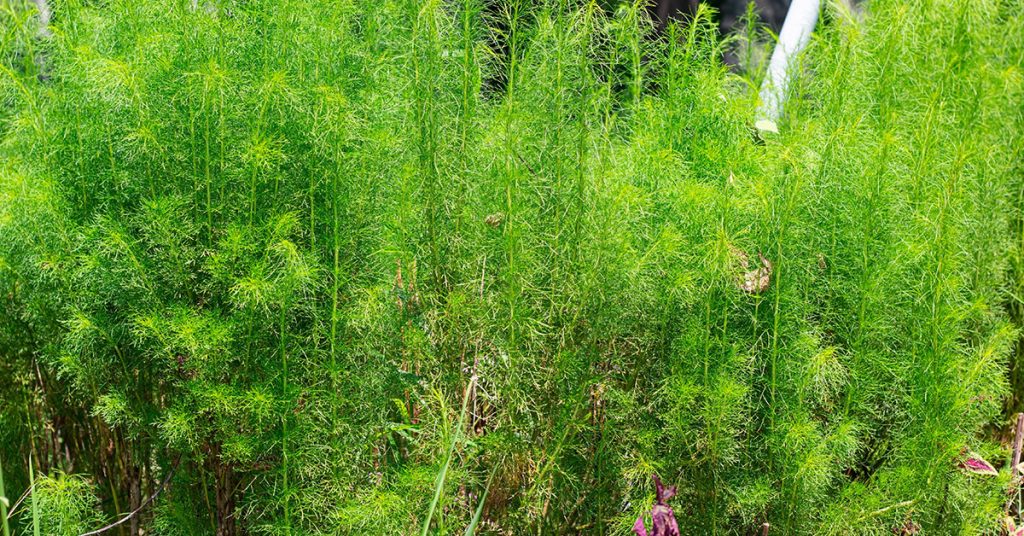
Fennel is a striking herb with feathery foliage and a subtle, sweet anise flavor that has been used in culinary traditions across the Mediterranean for centuries—but it can be quite the escapologist! Native to the Mediterranean region, fennel thrives in full sun and well-drained soil, producing tall, graceful stalks and delicate, yellow flowers. These blooms naturally attract a variety of beneficial insects, including bees and predatory wasps, which help maintain garden balance.
Despite its culinary appeal, fennel is notorious for self-seeding and spreading rapidly, sometimes out-competing other plants in the garden. Its invasive potential means that many gardeners choose to plant fennel in containers or confined beds. By managing its growth carefully, you can enjoy fennel’s distinctive flavor and ornamental beauty while keeping its exuberant nature under control – a strategy that lets you harness its benefits without losing your carefully curated landscape!
Oregano
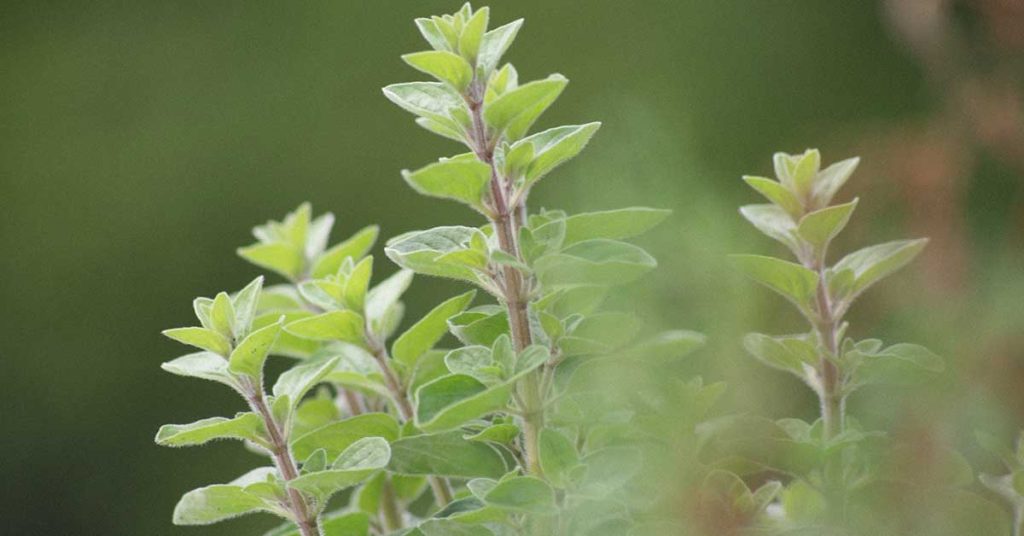
Oregano is a kitchen staple prized for its robust flavor and medicinal properties, yet its vigorous growth can lead to an unplanned takeover of your garden beds! Native to the Mediterranean, oregano flourishes in sunny, dry conditions and produces small, aromatic leaves that not only enhance your cooking but also attract bees and butterflies. I’ve seen oregano spread enthusiastically, sometimes even serving as a living mulch that suppresses weeds – though its rapid expansion can be a double-edged sword if not contained.
In many cases, oregano’s invasive tendencies require gardeners to prune regularly or confine it to designated areas, ensuring that it complements rather than competes with other plants. With proper care, its earthy, robust aroma and health benefits can be enjoyed without the risk of it overrunning your space. Embracing oregano’s natural vigor while keeping it in check is a rewarding challenge for any herb enthusiast!
Garlic Chives
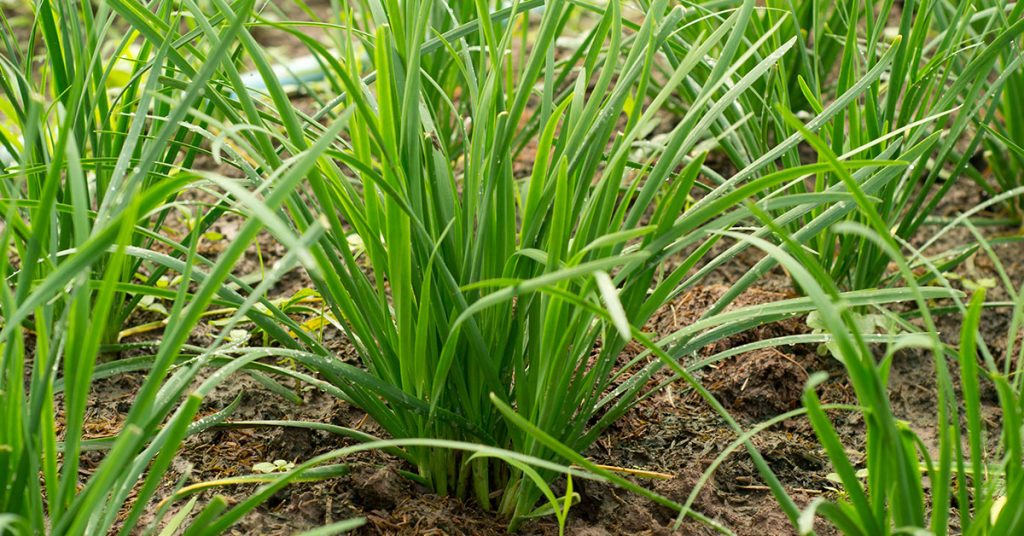
Garlic Chives, with their delicate, onion-like flavor and ornamental flair, are a delightful addition to any herb garden – but they can sometimes push their boundaries! Native to Central Asia, garlic chives prefer full sun and rich, well-drained soil. Their slender, grassy leaves and charming white blossoms attract pollinators and even offer subtle shelter for small insects, contributing to the overall biodiversity of your garden. I enjoy how they add both culinary zest and a touch of visual elegance to my herb collection.
However, garlic chives are known to spread through underground rhizomes, occasionally becoming invasive if not carefully managed. To keep them in check, I often plant them in containers or use root barriers to confine their growth. With a little extra vigilance, you can relish the unique flavor and beauty of garlic chives while maintaining a harmonious balance in your garden – a practical solution that benefits both your palate and your landscape!
Comfrey
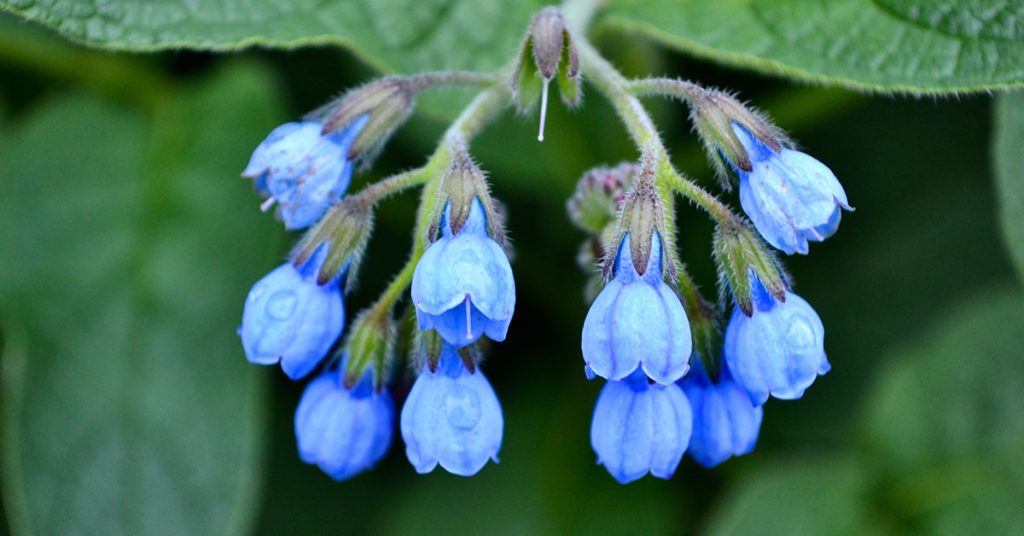
Comfrey is a powerful medicinal herb renowned for its ability to enrich soil and support plant growth, yet its robust nature can lead to unexpected spreading! Native to Europe and Asia, comfrey thrives in moist, nutrient-rich soils and grows tall, with broad, fuzzy leaves that provide excellent organic matter when they decompose. I’ve seen comfrey create its own micro-ecosystem, attracting beneficial insects and serving as a natural mulch that boosts soil fertility.
Its vigorous growth habit means that comfrey can become invasive if not managed with regular pruning or by using root barriers. Despite this, its remarkable benefits in composting and soil improvement make it a prized herb in sustainable gardening practices. With careful cultivation, comfrey’s natural ability to nurture the earth can be harnessed without letting it overwhelm your garden – a fine balance between power and control!
Wormwood
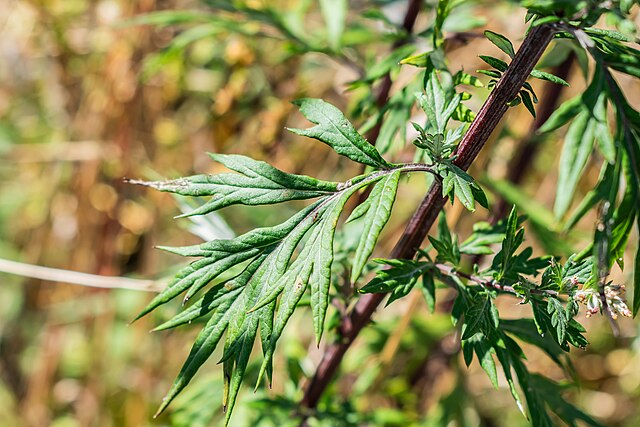
Wormwood is an herb steeped in history and mystery, best known for its use in traditional medicines and the famed spirit absinthe, but it can also be a persistent spreader in the garden! Native to Europe, wormwood thrives in dry, sunny conditions and has a distinctive, silvery-green appearance with aromatic, bitter leaves. Its strong scent not only deters some pests but also attracts beneficial insects that help pollinate nearby plants, adding an extra layer of ecological interest to your garden.
However, wormwood’s tenacious growth means that it can spread quickly, potentially edging out more delicate species if left unchecked. While it offers a fascinating glimpse into centuries of herbal lore, gardeners should be mindful of its invasive tendencies by confining it to specific areas or using regular trimming practices. Embracing wormwood’s unique qualities while keeping its exuberance in balance can make it a captivating, if slightly wild, addition to your herb collection!
Sweet Woodruff
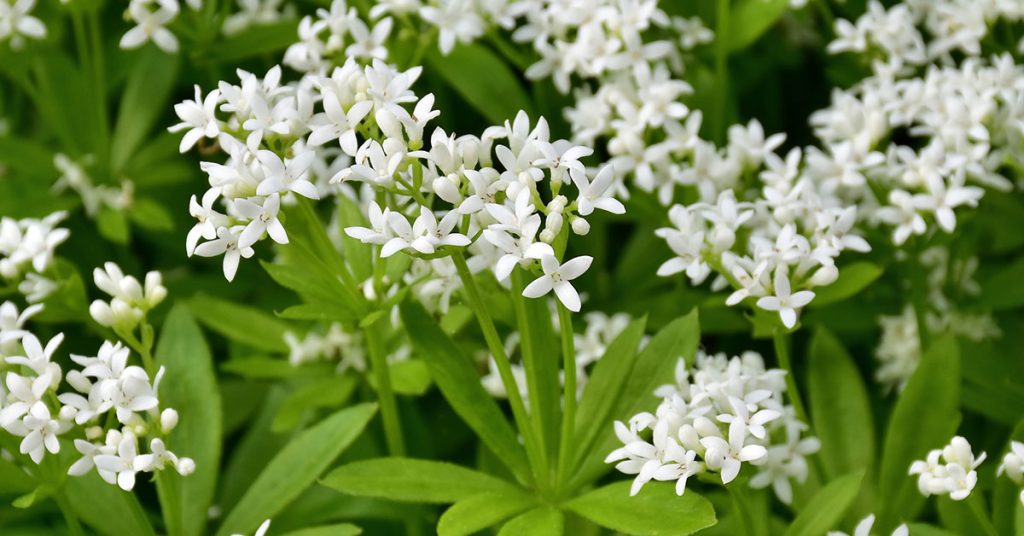
Sweet Woodruff is a charming groundcover herb with a sweet, hay-like fragrance that has been valued in traditional European gardens for centuries—but it can also become quite aggressive under the right conditions! Native to Europe, Sweet Woodruff thrives in shaded, moist environments and produces a carpet of small, starry white flowers in spring that attract tiny pollinators and create a serene, woodland feel. I find its soft, trailing habit adds a touch of old-world charm that can transform a garden’s understorey.
Its ability to spread rapidly through runners means that Sweet Woodruff can easily dominate a garden area if not managed carefully. Although it’s non-invasive in controlled settings, its vigorous growth calls for regular monitoring and trimming. With proper care, Sweet Woodruff can serve as an enchanting groundcover that supports beneficial insects and enhances the overall ambiance of your garden, proving that even the most persistent herbs have their rightful place in a well-planned landscape!
Borage

Borage is an exuberant herb known for its striking, star-shaped blue flowers and its ability to self-seed like crazy, making it both a gardener’s delight and a potential wild card! Native to the Mediterranean region, borage thrives in full sun and well-drained soils, producing abundant blooms that attract bees, butterflies, and even hummingbirds with their sweet nectar. I’m always delighted by its vibrant, sky-blue display that seems to brighten up any garden corner while also enriching the soil as its leaves decompose.
However, borage’s prolific self-seeding can lead to rapid spread, sometimes overtaking nearby plantings if left unchecked. Its vigorous nature makes it essential to monitor its growth, perhaps by collecting seeds or confining it to a designated bed. With a bit of attention, borage can be a marvelous addition to your herb garden – offering culinary benefits, attracting pollinators, and delivering an explosion of color – all while reminding you to embrace nature’s wild side with a careful guiding hand!
Feverfew
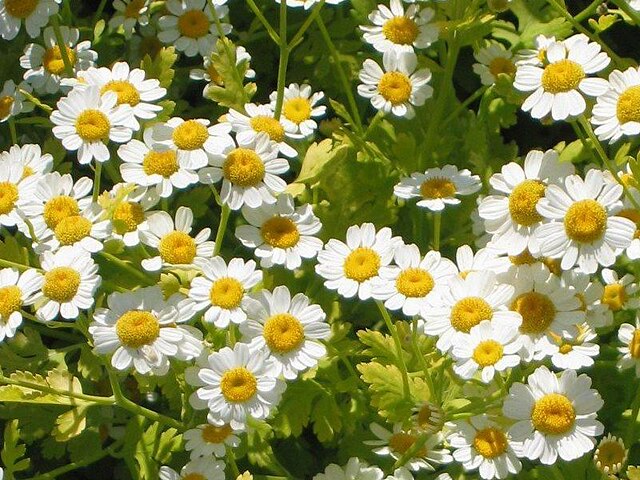
Feverfew is a delicate herb prized for its medicinal properties and daisy-like blooms, yet its persistent seeding can make it a stealthy spreader in your garden! Native to Southern Europe, feverfew thrives in sunny, well-drained soils and produces clusters of small white flowers with yellow centers that attract tiny pollinators and even provide a perch for small insects. I find its gentle, lacy foliage and subtle fragrance add an understated charm to my herb garden, along with potential health benefits as a traditional remedy.
While feverfew is generally non-invasive when maintained properly, its tendency to self-seed can lead to its gradual expansion across garden beds. Regular thinning or careful management of its seed heads is often needed to keep its growth in check. Embracing feverfew’s natural beauty and beneficial qualities while monitoring its spread can transform it from a hidden intruder into a valued, medicinal centerpiece in your sustainable garden!