

Creating a tranquil aquatic garden is one of my greatest gardening joys – it’s like designing a little world of water, light, and living beauty right in your backyard! I know how frustrating it can be when pests disturb your serene pond or when your favorite aquatic plants just don’t thrive as expected. That’s why I’m thrilled to share my top 11 pond garden plants that not only bring natural charm to your water feature but also attract beneficial insects, offer safe nesting spots for small critters, and create a peaceful, vibrant ecosystem.
Each of these plants has its own fascinating native background and growth habit, and while a few may require extra care to manage invasive tendencies, most will enhance your pond’s biodiversity and visual appeal with minimal fuss. Whether you’re a seasoned water gardener or just starting out, these selections are sure to transform your aquatic space into a serene retreat that refreshes the soul and inspires a deep connection with nature!
Pickerel Rush

Pickerel Rush is a delightful emergent plant native to North America that brings a splash of color and structure to any pond garden! Thriving in shallow water and along the edges, its slender, grass-like leaves and spikes of blue-purple flowers create a dynamic visual display that attracts bees, butterflies, and even small dragonflies. I’ve noticed that these blooms often serve as a natural meeting spot for pollinators and sometimes provide shelter for tiny aquatic insects that contribute to the overall health of the ecosystem.
In my experience, pickerel rush is non-invasive and works harmoniously with other native wetland plants, making it a superb choice for a balanced pond garden. Its graceful stems not only add texture and depth to the water’s edge but also create natural perches for small birds looking for a quiet resting spot. It’s such a joy to see nature’s little performers dancing around these delicate blooms – a true testament to the magic of a well-planned aquatic garden!
Water Lily
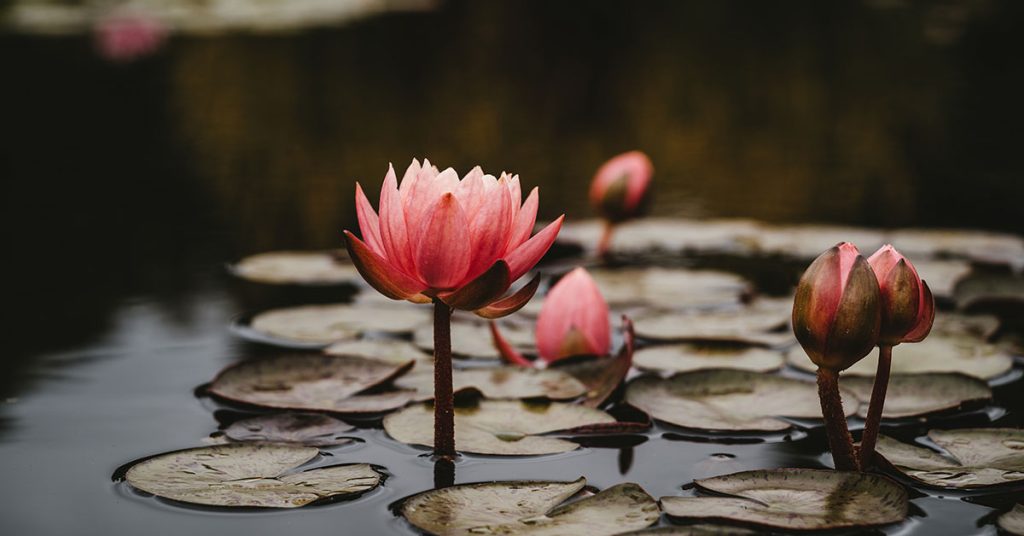
Water lilies are the iconic stars of many pond gardens, celebrated for their broad, floating leaves and stunning, fragrant blooms! Native to various regions around the globe, water lilies thrive in calm, sunny ponds and create a natural canopy that dappled sunlight beautifully onto the water’s surface. I love watching how their elegant blossoms, which come in shades of white, pink, and yellow, effortlessly attract a host of beneficial insects and even provide a cool, shaded refuge for small aquatic critters.
Despite their reputation as delicate beauties, water lilies are generally non-invasive when chosen from native varieties and managed well in your pond setting. Their extensive root systems help stabilize the pond bed and improve water clarity, while the floating leaves create microhabitats that encourage the growth of beneficial microorganisms. Every time I see water lilies in full bloom, I’m reminded of how these enchanting plants bring serenity and timeless elegance to an aquatic sanctuary!
Marsh Marigold
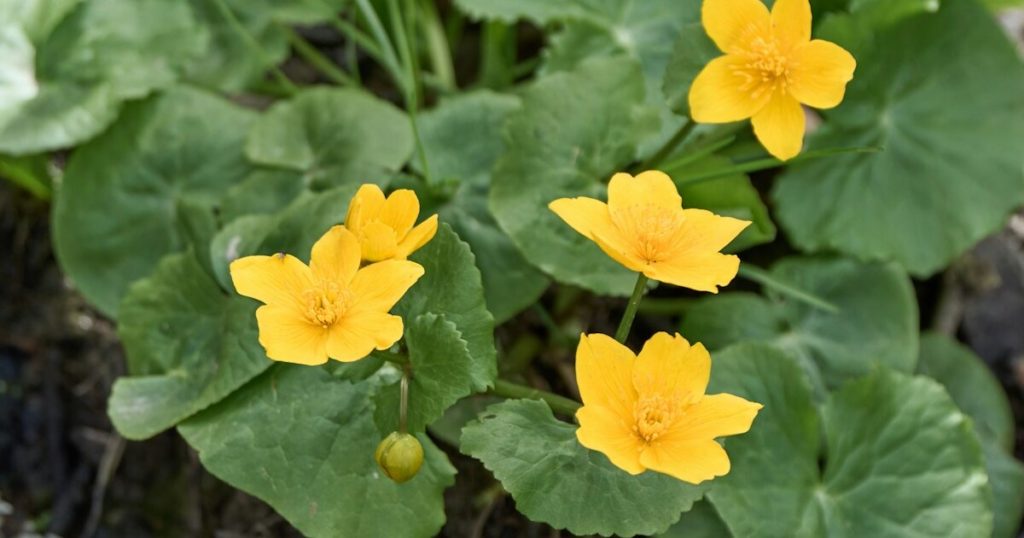
Marsh Marigold, with its vibrant golden-yellow blooms, is a classic wetland plant that instantly brightens the edges of a pond garden! Native to temperate regions of Europe and North America, marsh marigold thrives in moist, shallow water and along pond margins, where it creates a cheerful burst of color. I enjoy how its bright flowers not only attract bees and small butterflies but also serve as an inviting signal to beneficial insects that help keep the water ecosystem balanced.
This plant is generally non-invasive and works wonderfully as a border plant, softening the transition between water and land while naturally enhancing soil fertility along the pond edge. Its lush foliage offers a cozy microhabitat for amphibians and small water-dwelling insects, contributing to a richer and more dynamic ecosystem. Marsh marigold truly embodies the spirit of a peaceful aquatic garden by merging vibrant color with practical ecological benefits!
Duck Potato (Sagittaria latifolia)
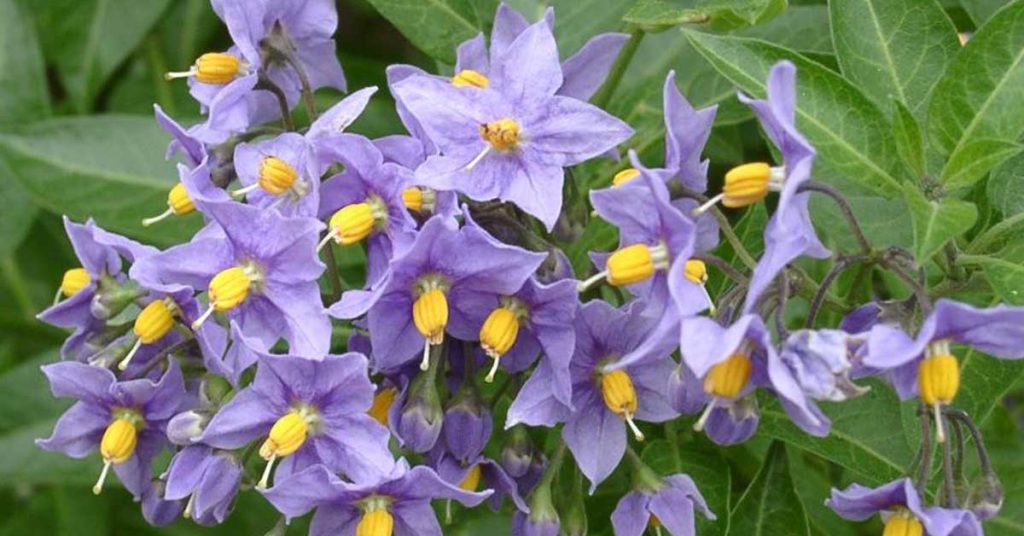
Duck Potato, also known as arrowhead, is a fascinating aquatic plant native to North America that produces edible tubers while beautifying your pond! Thriving in shallow, calm waters, its broad, arrow-shaped leaves provide excellent cover for small aquatic creatures and even attract waterfowl that enjoy foraging along the pond’s edge. I’ve often marveled at how the duck potato not only enhances the natural look of my pond but also plays a crucial role in nutrient cycling by stabilizing the water’s edge.
Although duck potato can sometimes self-seed, it is generally well-behaved and non-invasive in a properly maintained pond garden. Its submerged roots and emergent foliage create a natural filtration system that supports water clarity and attracts beneficial microorganisms. Every time I harvest a few tubers or simply admire its graceful form, I’m reminded that nature provides both beauty and practical resources – a true blessing for any water gardener!
Water Hyacinth
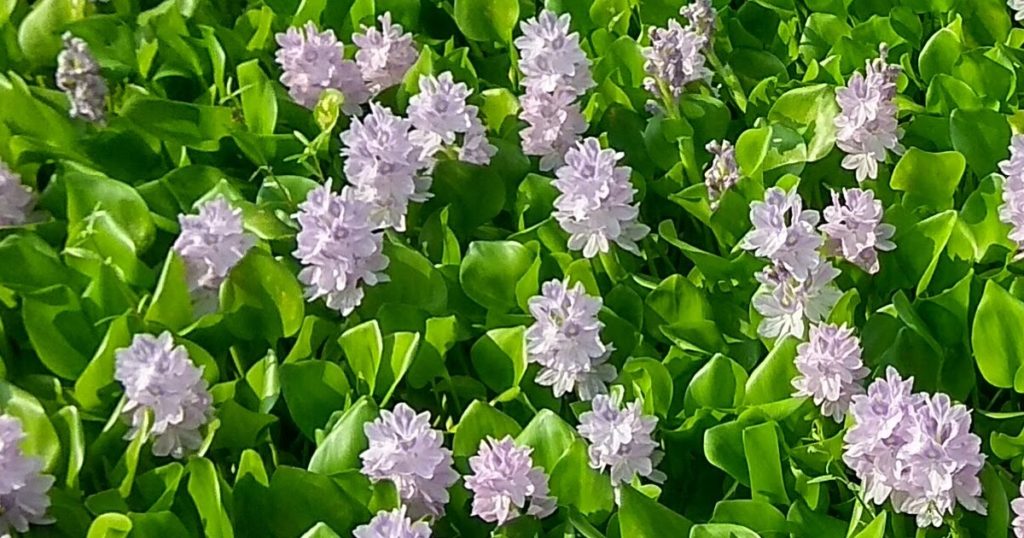
Water Hyacinth is a striking floating plant known for its beautiful, lavender to blue blossoms and its ability to rapidly cover the surface of a pond! Native to the Amazon Basin in South America, water hyacinth thrives in warm, nutrient-rich waters and attracts a multitude of pollinators such as bees and butterflies. I must admit, its mesmerizing flowers and glossy, buoyant leaves have a magical quality that instantly elevates the look of any aquatic garden.
However, water hyacinth is notorious for being invasive in many regions, so careful management is essential to prevent it from overtaking your pond. When controlled, its dense mats provide valuable shade and shelter for aquatic life, including small fish and beneficial insects that contribute to the ecosystem’s balance. For gardeners in warmer climates, using water hyacinth with caution can add an exotic, ethereal charm while reminding you of the importance of mindful plant stewardship!
Lotus

Lotus is a sacred and iconic aquatic plant that transforms any pond into a serene, meditative retreat with its large, radiant blooms! Native to Asia, particularly in regions like India and China, lotus thrives in warm, shallow waters where it rises majestically above the surface. I adore the way its vibrant, layered petals and symbolic significance create a peaceful ambiance, drawing not only humans for contemplation but also attracting beneficial insects and even small birds that sometimes perch nearby.
While the lotus is generally non-invasive when grown in a contained pond or water garden, it does require ample space and a warm climate to truly flourish. Its impressive root system and the ability to self-pollinate contribute to a natural cycle of renewal, enriching the pond’s ecosystem and supporting the growth of other aquatic life. Every time I witness a lotus in full bloom, I’m reminded of the timeless beauty and tranquil spirit that make aquatic gardens such a cherished sanctuary!
Cattails
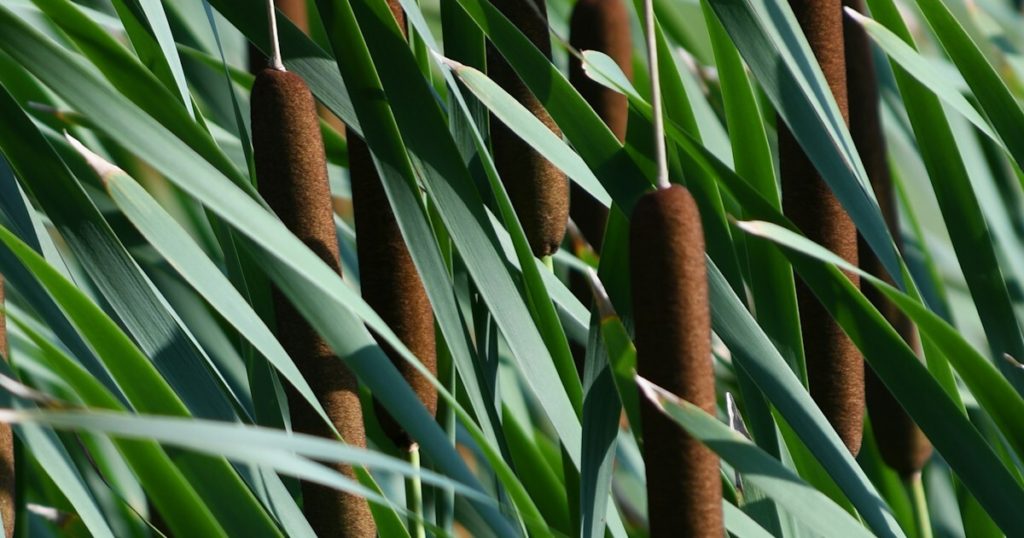
Cattails are the quintessential wetland plants that add a wild, natural feel to any pond garden while playing a vital role in water purification! Native to wetlands across North America and Eurasia, cattails thrive in shallow water and along pond margins, where their tall, reed-like stems and distinctive brown flower spikes create an impressive natural barrier. I love how these robust plants attract a variety of wildlife, including small birds that use their dense foliage for nesting and cover.
Although cattails can sometimes become aggressive if left unchecked, they are generally manageable in a well-designed pond garden where they enhance both aesthetics and functionality. Their extensive root systems help filter pollutants from the water, while the dead foliage eventually decomposes to add organic matter back into the ecosystem. Cattails serve as a natural reminder of the power of native plants to maintain water quality and create vibrant, living landscapes that support diverse forms of life!
Yellow Flag Iris
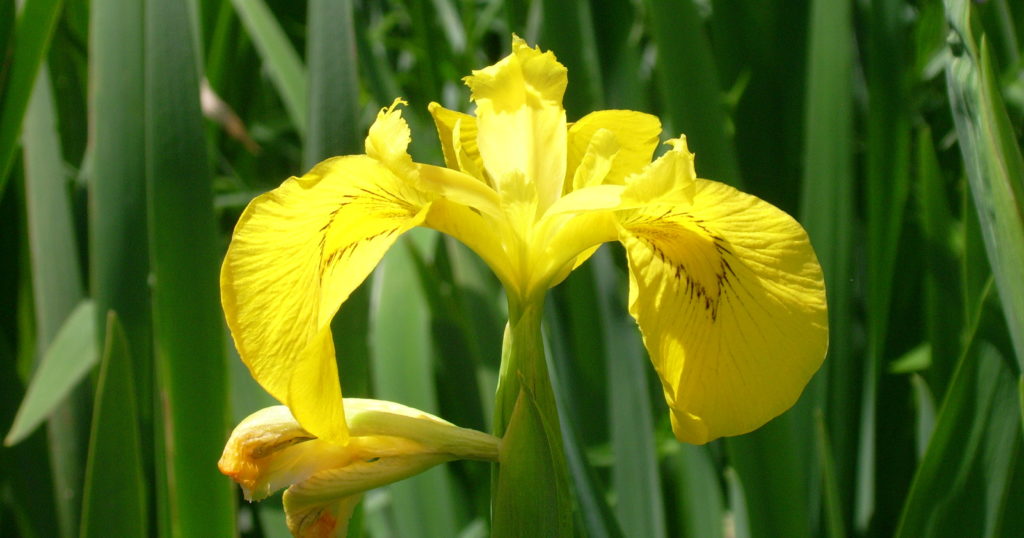
Yellow Flag Iris, with its elegant, sword-like leaves and striking yellow blooms, brings a touch of drama to any pond garden! Native to Europe and parts of Asia, this water-loving iris thrives along the edges of ponds and slow-moving streams, where it forms dense clumps that add both beauty and structure. I appreciate how its bright blossoms attract pollinators such as bees and butterflies, and its foliage sometimes provides a cozy spot for small insects seeking shelter during cooler evenings.
Despite its vigorous growth, Yellow Flag Iris can be managed effectively to prevent it from becoming overly dominant in your garden. In some regions, it is considered invasive, so careful placement and regular maintenance are key to harnessing its beauty without compromise. When grown responsibly, this iris not only enhances the visual appeal of your aquatic space but also contributes to a balanced ecosystem where each plant plays a part in nurturing the water garden’s harmony!
Hornwort
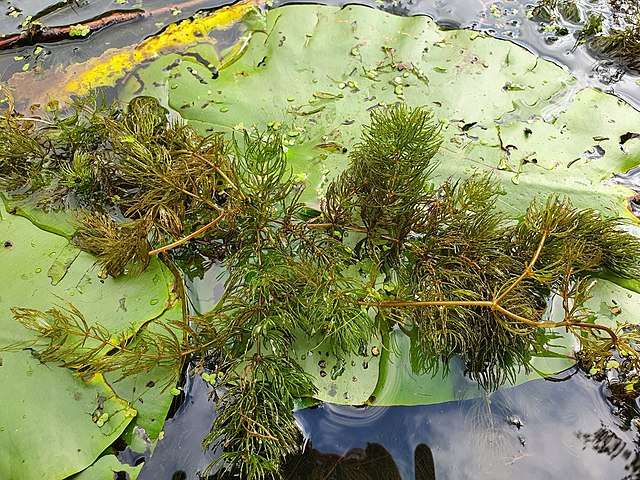
Hornwort is a submerged aquatic plant that plays a crucial role in oxygenating pond water and supporting aquatic life, making it a must-have for a healthy water garden! Native to many parts of the world, including North America and Europe, hornwort thrives in calm, nutrient-rich waters and forms dense underwater mats that provide excellent hiding and breeding spots for small fish and invertebrates. I’m always amazed at how this plant not only improves water quality by increasing oxygen levels but also adds a lush, green backdrop to the underwater landscape.
Its rapid growth and non-invasive nature (when managed properly) make hornwort an excellent choice for maintaining a balanced aquatic ecosystem. The plant’s fine, feathery texture creates a perfect environment for microorganisms and serves as a natural nursery for tiny aquatic creatures. Whether you’re looking to boost water clarity or simply add a burst of underwater vibrancy, hornwort is a versatile and indispensable component of any peaceful pond garden!
Water Lettuce

Water Lettuce is a whimsical floating plant that effortlessly drapes its rosette of soft, velvety leaves across the surface of your pond, adding both beauty and function! Native to tropical regions of the Americas, water lettuce thrives in warm, nutrient-rich water and forms dense mats that provide shelter for small aquatic organisms and refuge for beneficial insects. I love watching how its delicate, cushion-like foliage creates a natural barrier against algae and helps maintain a balanced, oxygen-rich aquatic environment.
However, water lettuce can be invasive in some regions, so it’s important to keep its growth in check with regular maintenance and controlled placement. Its unique appearance and natural cooling effect on the water make it a charming addition to any pond garden, while its capacity to attract tiny water bugs and other critters contributes to a thriving ecosystem. For me, water lettuce is a gentle reminder that even the softest, most delicate plants can play a big role in supporting a harmonious aquatic space!
Watercress
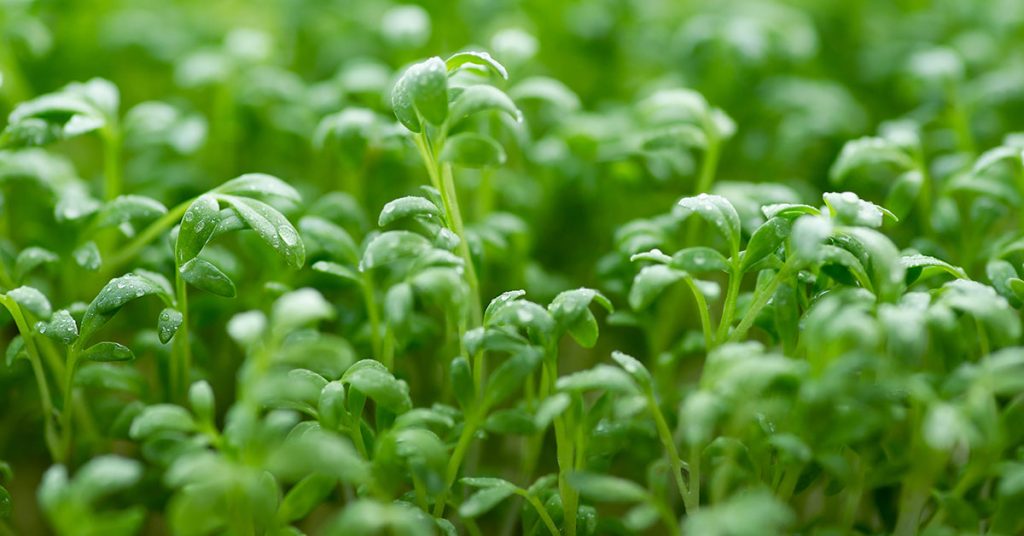
Watercress is a robust, peppery herb that not only adds a burst of flavor to salads but also enhances your pond garden with its graceful, floating habit! Native to Europe and Asia, watercress thrives in clean, flowing water and along the edges of ponds, where its delicate green leaves form a lush, natural fringe. I appreciate how its vibrant growth attracts small aquatic insects and even offers a shallow nesting spot for tiny birds during the early mornings, contributing to the overall biodiversity of the area.
While watercress can spread rapidly in ideal conditions, it is generally non-invasive when carefully managed in a controlled pond environment. Its ability to purify water and add essential nutrients makes it an excellent companion plant in your aquatic garden. Every time I see a bed of watercress gently swaying in the current, I’m reminded of the remarkable ways nature offers both beauty and utility – making it a true gem for any peaceful pond sanctuary!