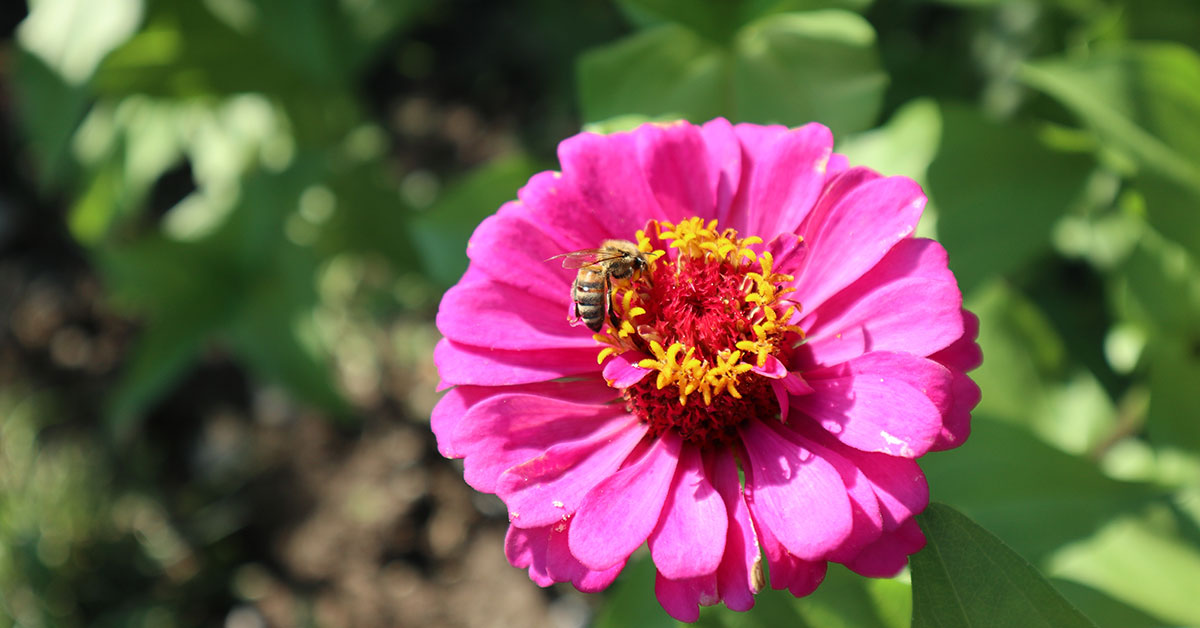

Gardening can be both a joyful and a challenging pursuit – especially when you’re trying to keep up with endless tasks like deadheading. I know how frustrating it is to spend your precious time snipping spent blooms, only to have new ones take their place. That’s why I’m excited to share a list of 13 showy flowers that thrive without the need for constant deadheading! These plants not only deliver a continuous burst of color but also attract beneficial insects, provide nesting spots for small critters, and bring a lively energy to your garden with minimal fuss.
In my own garden, I’ve found that these resilient blooms let nature take its course while still looking fabulous all season long. Each flower on this list has its own fascinating native background and growth habit, with most being non-invasive and low-maintenance. Whether you’re a seasoned gardener or just starting out, these plants are perfect for anyone looking to enjoy a vibrant display without the extra labor. Let’s dive in and explore these botanical gems that effortlessly keep your garden looking its best!
Coneflower (Echinacea)

Coneflowers are an iconic addition to any garden, renowned for their daisy-like petals and prominent central cone that blooms continuously throughout the season! Native to North America, these perennials thrive in full sun and well-drained soil, naturally attracting bees, butterflies, and even hummingbirds with their abundant nectar. I’ve always been impressed by how coneflowers maintain their visual appeal without needing any deadheading – their natural form is both wild and wonderfully attractive.
Beyond their striking looks, coneflowers help create a balanced garden ecosystem by providing shelter for beneficial insects and small nesting sites for birds. They’re non-invasive and self-sowing, which means they’ll return year after year with minimal care. Every time I see a cluster of coneflowers swaying in the breeze, I’m reminded of nature’s ability to flourish with little intervention – a true gift for any busy gardener!
Black-Eyed Susan (Rudbeckia hirta)
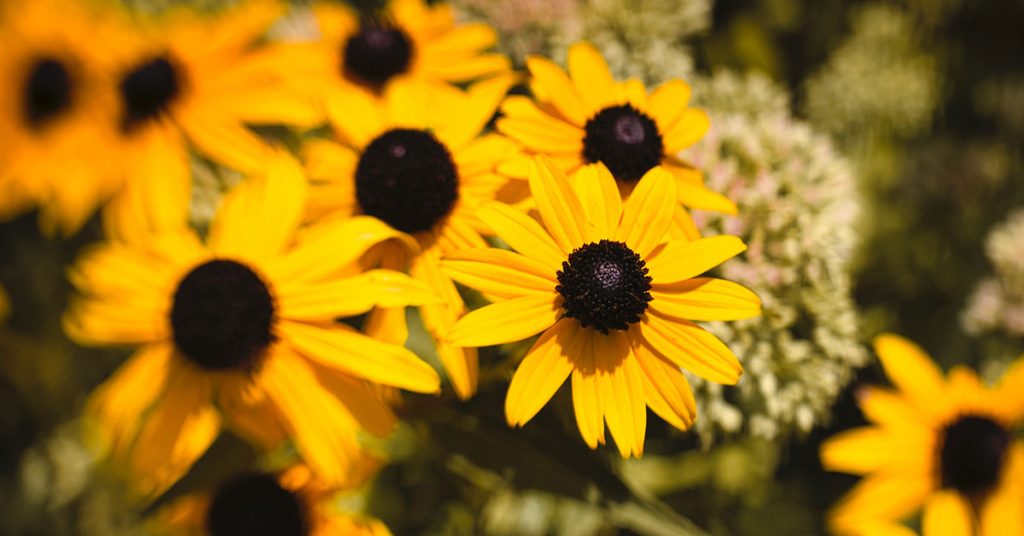
Black-eyed Susans are a perennial favorite that light up the garden with their vibrant, golden petals and contrasting dark centers! Native to the eastern United States, these hardy plants thrive in a variety of soils and full sun, offering a continuous bloom that requires no deadheading to keep its charm. I’ve witnessed firsthand how their effortless growth draws in bees, butterflies, and even small birds that enjoy perching on their sturdy stems.
Their non-invasive nature and ability to self-seed make Black-eyed Susans an ideal choice for gardeners who want a long-lasting display with minimal effort. They create a natural, wildflower-like appearance in the garden, adding both color and ecological balance. Every glance at these cheerful blooms is a reminder that sometimes, nature’s own rhythm is the best maintenance plan!
Coreopsis
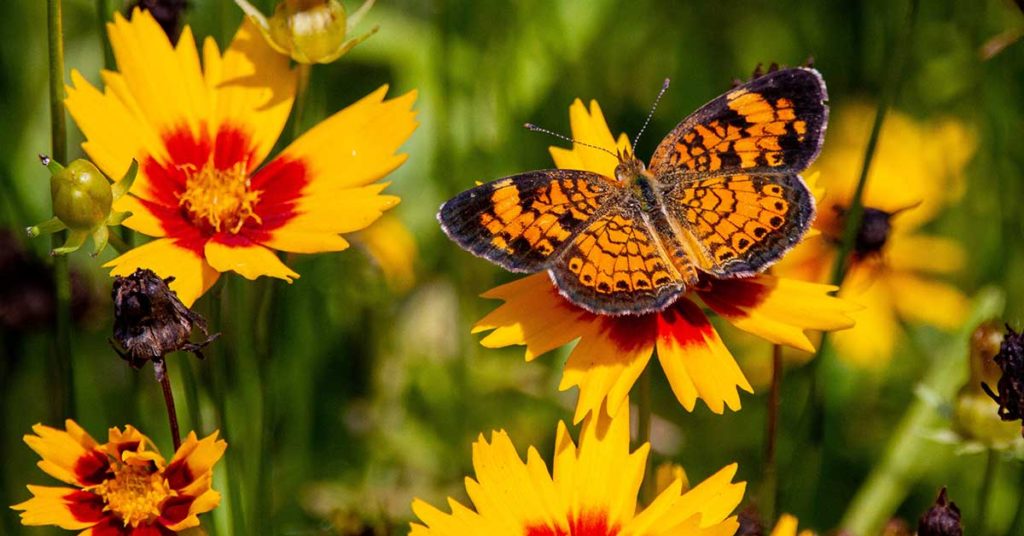
Coreopsis, or tickseed, is celebrated for its bright, daisy-like flowers and extended blooming period that brings warmth and cheer to any garden! Native to North America, this low-maintenance perennial thrives in full sun and well-drained soils, and its naturally occurring blooms rarely require deadheading. I love how Coreopsis attracts a host of beneficial pollinators, including bees and butterflies, which play a crucial role in maintaining a vibrant garden ecosystem.
Not only does Coreopsis add a splash of color, but its spreading habit also helps suppress weeds and provides ground cover that supports small insects and other critters. Its non-invasive nature means that you can enjoy its continuous display without worrying about it overrunning other plants. For me, Coreopsis is a testament to the beauty of simplicity in gardening – brilliant blooms with minimal fuss!
Daylily (Hemerocallis)
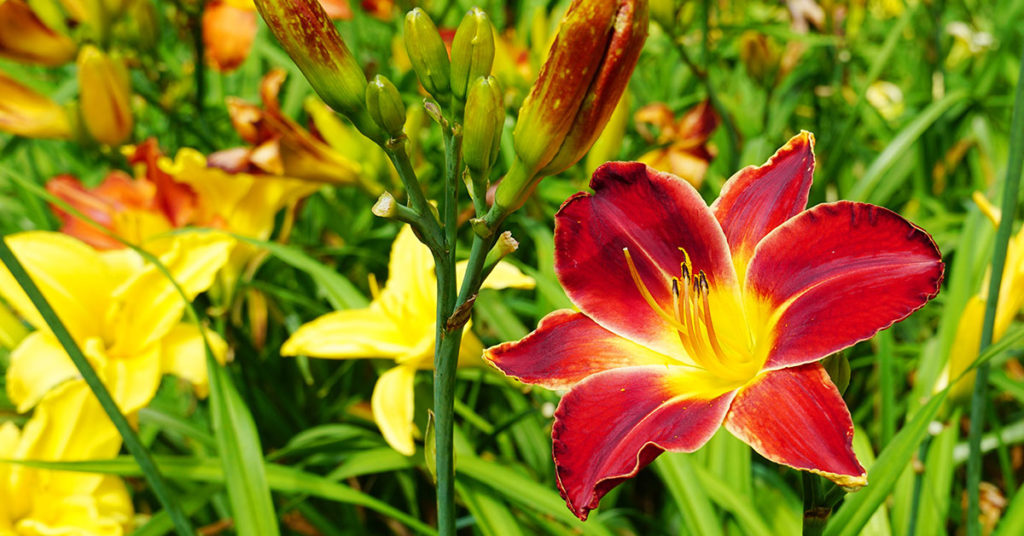
Daylilies are the unsung heroes of many gardens, offering a spectacular display of blossoms that seem to unfold with minimal maintenance! Native to various regions around the world, daylilies thrive in a wide range of soil conditions and sun exposures. Their unique blooming habit – with each flower lasting just a day but followed by a succession of new buds – means you enjoy a nearly constant burst of color without the need for deadheading.
In addition to their aesthetic appeal, daylilies attract beneficial insects like butterflies and provide natural cover for small critters, enhancing the garden’s biodiversity. Their robust nature and non-invasive growth make them a reliable choice for any gardener seeking both beauty and practicality. Every time I stroll past my daylily bed, I’m filled with the delight of knowing that these resilient blooms offer endless charm without extra work!
Peony
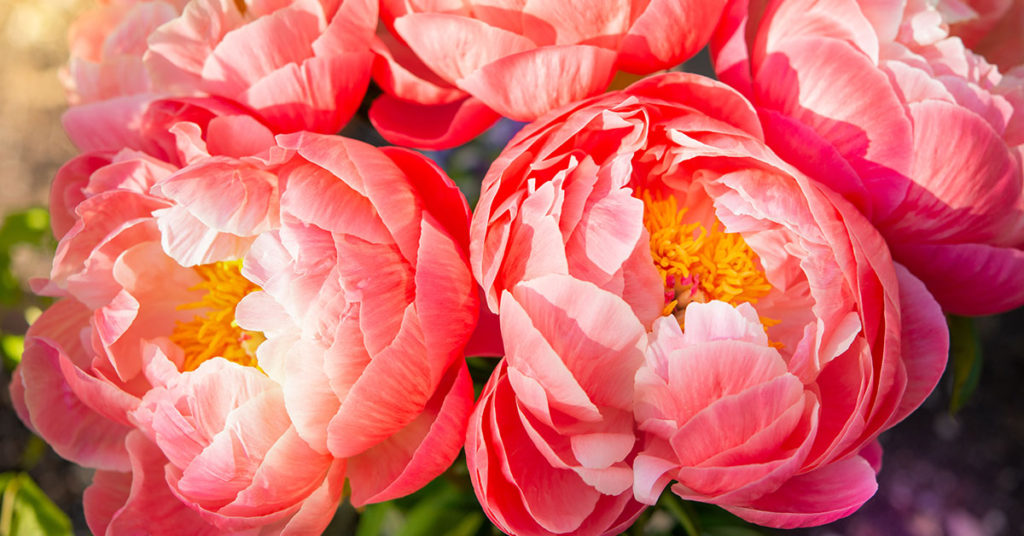
Peonies are a gardener’s dream, boasting large, fragrant blossoms and lush, full foliage that creates a timeless, romantic display! Native to Asia, Europe, and Western North America, peonies flourish in sunny, well-drained locations, and they’re known for their ability to bloom beautifully year after year without the need for deadheading. I’m always thrilled by their generous, overlapping blooms that provide a continuous source of color and fragrance throughout the growing season.
Their robust growth habit and long lifespan make peonies a cornerstone of perennial garden design, attracting bees and other beneficial insects with their sweet scent. Peonies also serve as an excellent backdrop for smaller flowering plants and can even provide shelter for small garden critters. The effortless elegance of peonies reminds me that sometimes, nature’s inherent grace is all the maintenance you need!
Dianthus (Pinks)
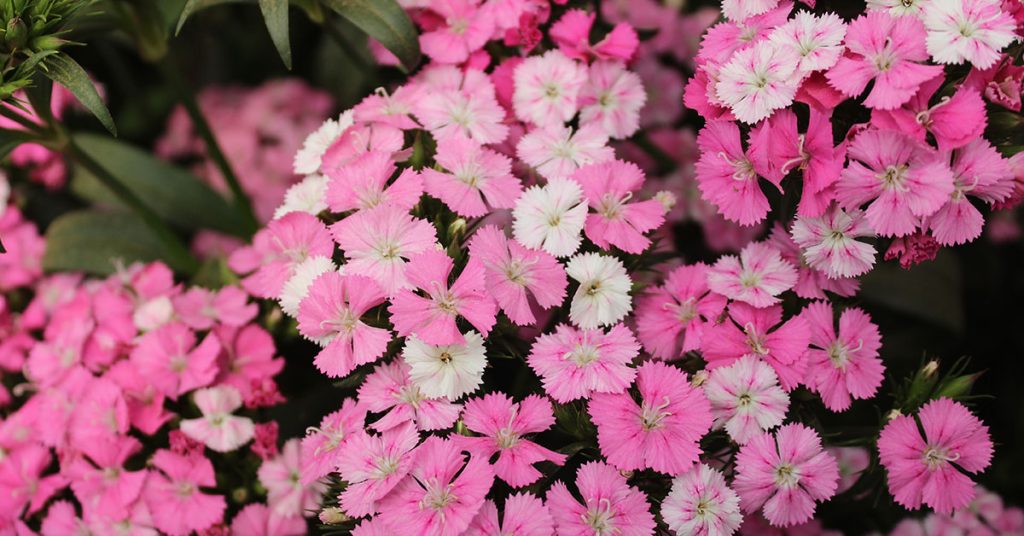
Dianthus, affectionately known as Pinks, exudes a delicate charm with its frilly, often fragrant blossoms that adorn garden borders with a splash of vintage elegance! Native to Europe and parts of Asia, these compact perennials thrive in sunny, well-drained soils and are prized for their long-lasting blooms that continue without the need for regular deadheading. I find that the intricate petals and subtle scents of Dianthus add a refined touch to any garden, making it a joy to simply admire.
Their non-invasive growth habit and ability to thrive in rock gardens or container settings make Dianthus a versatile choice for both small spaces and larger landscapes. They naturally attract a range of beneficial insects, including small bees and butterflies, which contribute to a lively garden atmosphere. Every time I see a cluster of Dianthus, I’m reminded of how understated beauty can be both effortless and enchanting!
Shasta Daisy (Leucanthemum × superbum)
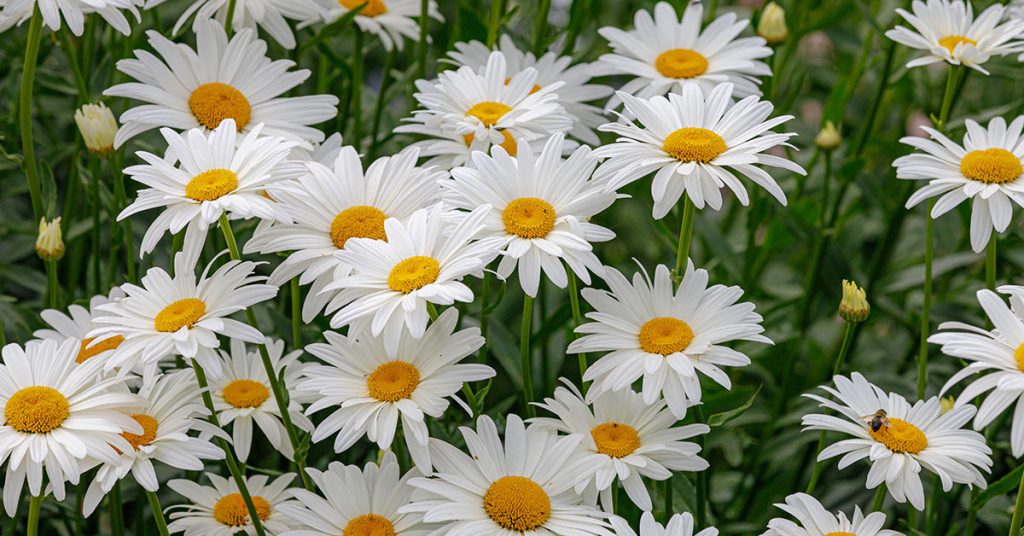
Shasta Daisy is a classic perennial that never fails to bring a sense of timeless joy to any garden with its bold, white petals and sunny yellow centers! Native to Europe and North America, these hardy flowers flourish in full sun and well-drained soils, offering a continuous display of blooms without the need for tedious deadheading. I love how Shasta Daisies naturally attract bees and butterflies, transforming any garden space into a buzzing haven of pollinators and natural energy.
Their clump-forming habit and non-invasive nature ensure that Shasta Daisies blend harmoniously with other garden plants while providing a striking visual focal point. They also serve as a natural nesting site for small insects and occasionally even provide shelter for tiny birds during cooler evenings. For me, Shasta Daisies epitomize the beauty of effortless gardening – vibrant, enduring, and wonderfully carefree!
Salvia
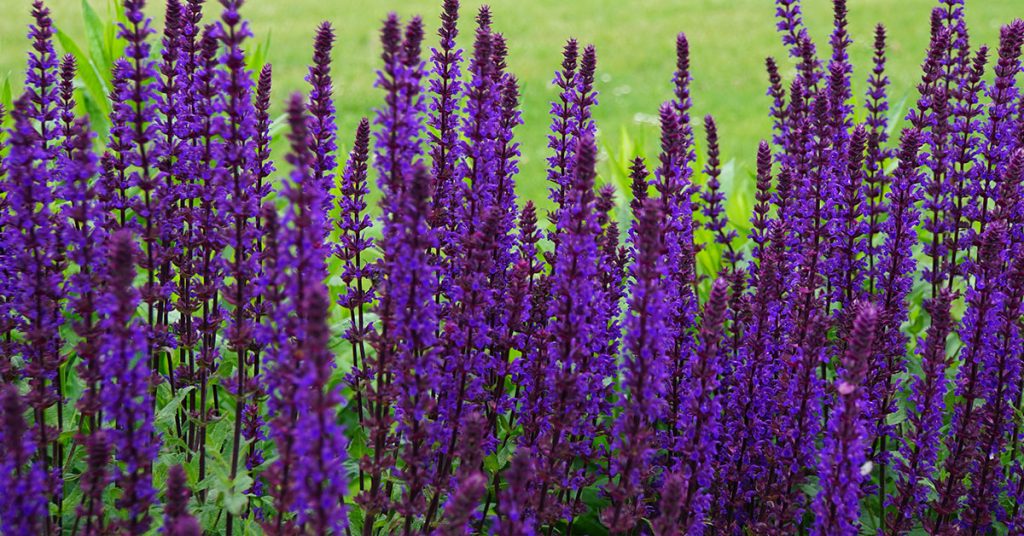
Salvia is an incredibly versatile and showy perennial that enchants the garden with its spikes of vivid blooms and aromatic foliage! Native to regions ranging from Central to South America and the Mediterranean, salvia thrives in full sun and well-drained soil, and it’s renowned for its continuous flowering habit that eliminates the need for deadheading. I’m always delighted by the way its tall, colorful spikes attract hummingbirds, bees, and butterflies, transforming any garden into a dynamic, living canvas.
Beyond its striking appearance, salvia’s robust growth supports a rich tapestry of beneficial insects and even provides occasional perching spots for small birds. Its non-invasive character and low-maintenance requirements make it a go-to plant for busy gardeners who still crave that wow factor. Salvia is truly a gem that blends beauty with practicality, offering endless visual delight and ecological benefits!
Gaillardia (Blanket Flower)
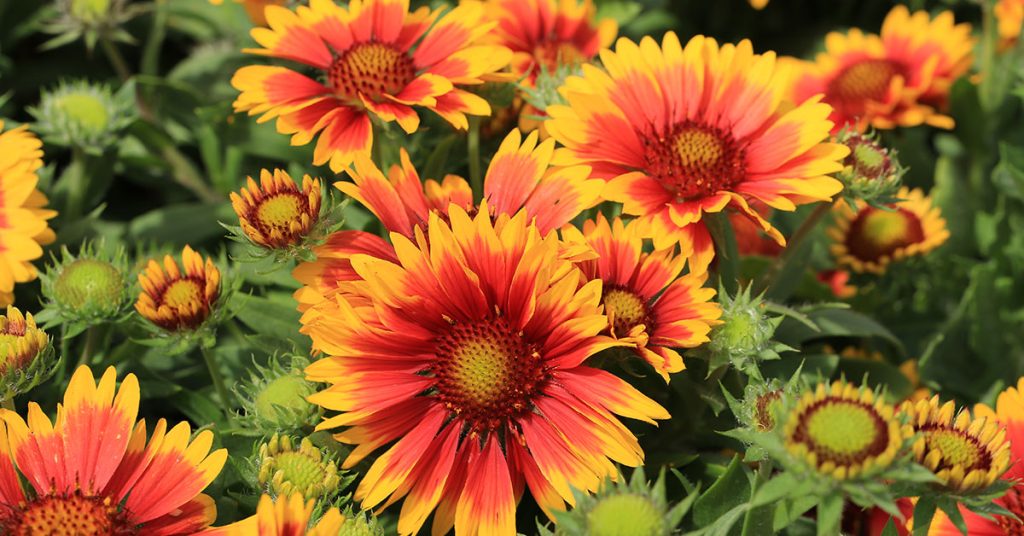
Gaillardia, commonly known as Blanket Flower, is a vibrant and resilient perennial that adds a burst of warm, fiery color to your garden without the hassle of deadheading! Native to North and South America, gaillardias thrive in full sun and well-drained soils, producing large, daisy-like blooms in shades of red, orange, and yellow. I’m always amazed at how these flowers seem to flourish on their own, continuously renewing themselves and attracting bees and butterflies with their abundant nectar.
Their sprawling habit and non-invasive growth make gaillardias an excellent choice for mixing with other perennials in a low-maintenance garden design. They also contribute to the ecosystem by providing shelter for small beneficial insects and even creating microhabitats for the occasional garden critter. The cheerful, effortless display of Blanket Flowers is a constant reminder that beauty in the garden can be both stunning and stress-free!
Yarrow
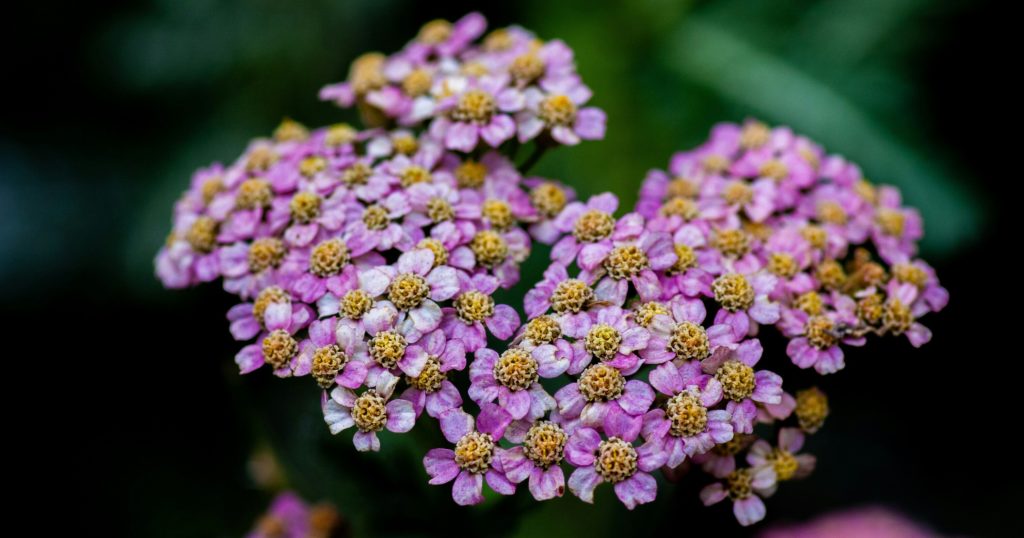
Yarrow is a hardy, aromatic perennial that brings a wild, natural beauty to any garden with its clusters of tiny, yet vibrant blooms! Native to temperate regions of the Northern Hemisphere, yarrow thrives in full sun and well-drained soils, displaying a continuous cascade of colors ranging from bright yellow to soft pink. I love how its feathery foliage and robust flower clusters naturally attract beneficial insects like ladybugs, predatory wasps, and various pollinators, turning any garden into a buzzing hub of life.
Its deep-rooted, non-invasive nature not only enhances soil structure but also creates a subtle habitat for small insects and even offers a perch for tiny birds. Yarrow’s effortless bloom cycle means that it requires very little maintenance beyond basic care, making it a perfect plant for gardeners seeking a stress-free yet captivating display. Every time I see yarrow in full splendor, I’m reminded that true beauty often lies in nature’s simplicity and resilience!
Zinnia
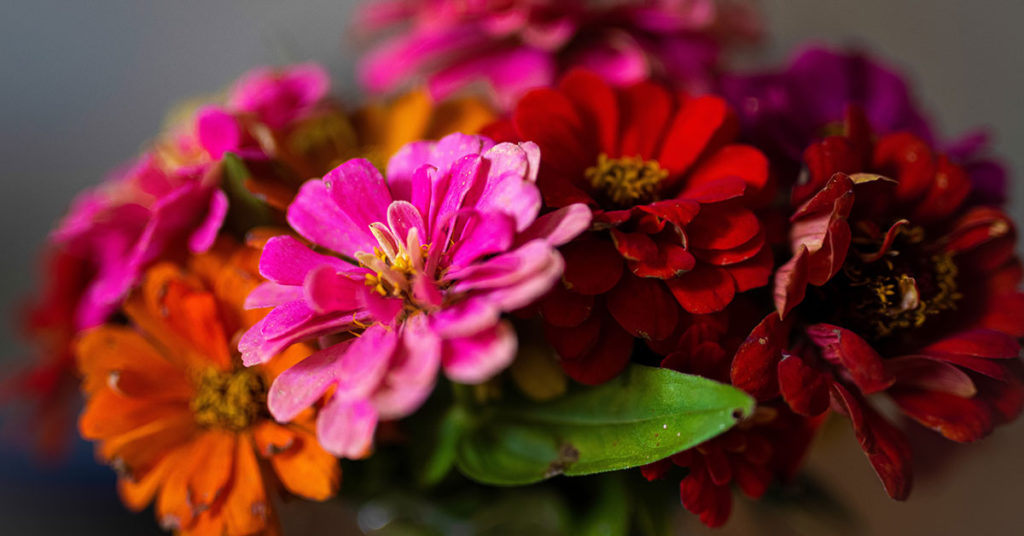
Zinnia is a dazzling annual that lights up any garden with its bold, kaleidoscopic blooms and requires no deadheading to keep its show on the road! Native to Mexico, zinnias flourish in full sun and thrive in well-drained soils, producing vibrant blossoms in a rainbow of colors that attract an array of bees and butterflies. I’m always excited by how effortlessly these flowers brighten up a space, their long-lasting blooms making every garden stroll a delightful experience.
Their low-maintenance, non-invasive growth makes zinnias a perfect addition to borders, containers, and mixed perennial beds alike. Beyond their striking visual appeal, zinnias create a lively microhabitat that invites beneficial insects and occasionally offers a temporary perch for small birds. Zinnia’s unabashed burst of color and energy is a true celebration of nature’s brilliance – a reminder that sometimes, the easiest blooms are the most captivating!
Bee Balm (Monarda)

Bee Balm is a showstopper in any garden, famed for its striking, tubular flowers and incredible ability to attract hummingbirds, bees, and butterflies without the need for deadheading! Native to North America, this perennial thrives in full sun to partial shade and well-drained soils, producing clusters of vibrant red, pink, or purple blooms that are as eye-catching as they are beneficial. I’m continually impressed by how Bee Balm not only delivers a continuous floral display but also serves as a natural magnet for pollinators, making it a true asset to any eco-friendly garden.
Its non-invasive growth habit and robust nature mean that Bee Balm stands strong with minimal upkeep, while its aromatic foliage adds a delightful sensory experience to your outdoor space. Beyond the visual and olfactory pleasures, Bee Balm’s dense growth creates a microhabitat for small insects and offers a safe nesting spot for tiny birds during their early mornings. In every season, Bee Balm reminds me that nature’s most remarkable displays often come with little effort – just a bit of sunshine, soil, and the magic of pollinators!