

Gardening often comes with the challenge of managing unruly “weeds” that seem to pop up at every turn, but what if I told you that many of these so-called nuisances are actually secret allies in your garden’s ecosystem? I know how disheartening it can be to battle invasive species or to see your hard work undermined by unexpected intruders – I’ve been there too! In this article, I’m excited to introduce you to 11 remarkable plants that are frequently labeled as weeds yet offer a host of benefits, from improving soil health to attracting beneficial insects and even providing natural nesting spots for small critters.
Each of these plants has a fascinating background – from their native regions to their growth habits – and while some may have a reputation for spreading, when managed with care they truly enhance your garden’s overall vitality. Whether you’re working in a vegetable patch, a flower bed, or a mixed landscape, these resilient plants can help create a balanced ecosystem that supports your garden’s productivity and biodiversity. So, grab your gardening gloves and join me on a journey to rediscover the magic hidden in what many consider to be just weeds!
Dandelion

Dandelion is one of those iconic “weeds” that many gardeners initially dismiss, but its bright, sunny blooms and deep taproot make it a powerhouse for soil health! Native to Eurasia, dandelions have now spread worldwide and can thrive in almost any soil condition. I love how their yellow blossoms not only brighten up a garden corner but also attract a host of pollinators like bees and butterflies that help keep the ecosystem buzzing. The deep roots of dandelions help break up compacted soil, bringing essential nutrients from deep within the earth to the surface, benefiting surrounding plants.
Despite its reputation for persistence, dandelion is generally non-invasive when left to grow naturally in a balanced garden environment. Its seed dispersal may seem aggressive, but in reality, it creates a natural mulch effect when its leaves drop and decompose, enriching the soil further! For me, dandelions are a gentle reminder that sometimes nature’s “pests” are just misunderstood allies working hard behind the scenes.
White Clover

White clover is a low-growing perennial that is often seen as a nuisance in manicured lawns, yet it plays a critical role in enhancing soil fertility! Native to Europe, white clover thrives in various soil types and fixes atmospheric nitrogen, making it a natural fertilizer that benefits nearby plants. I appreciate how its trifoliate leaves form a soft, green carpet that not only adds texture and color to a garden but also provides a habitat for beneficial insects like ladybugs and ground beetles.
This charming plant is non-invasive when managed properly and serves as a living mulch that reduces weed growth and soil erosion. Its small, white to pink flowers attract pollinators and sometimes even serve as safe nesting spots for tiny insects, contributing to a balanced ecosystem. In my garden, white clover is a beloved addition that reminds me how nature often hides powerful tools for nurturing growth in the most unassuming packages!
Plantain

Plantain is a common weed that many gardeners see as a nuisance, yet its broad, succulent leaves offer more than just a bit of greenery! Native to Europe and Asia, plantain now thrives in many parts of the world and is known for its ability to accumulate nutrients and help heal the soil. I love how its large leaves capture moisture and provide a protective cover for the soil, reducing erosion and maintaining a cooler microclimate around your vegetables or flowers.
Moreover, plantain is a magnet for beneficial insects – its modest flowers attract bees, while its dense foliage offers shelter to predatory insects that help keep pest populations in check. Although plantain can spread rapidly if left unchecked, when managed properly it works harmoniously with other plants, adding resilience and health to your garden’s ecosystem. Every time I see plantain flourishing alongside my other crops, I’m reminded that even the most unassuming plants can have a profound positive impact on garden vitality!
Chickweed
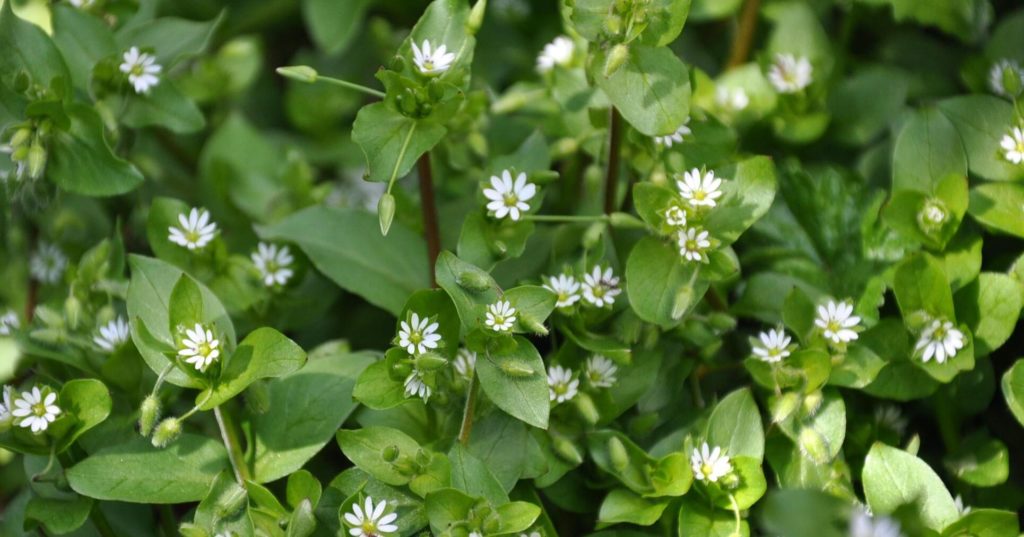
Chickweed is a humble weed that might appear as a garden pest at first glance, yet it offers surprising benefits for soil and companion planting! Native to Europe and widely naturalized in North America, chickweed thrives in cool, moist conditions and forms a dense, low-lying mat that can outcompete more harmful invaders. I’m always delighted by its small, star-shaped white flowers that attract tiny pollinators and provide a gentle, aesthetic touch to garden beds.
Its rapid growth helps suppress the emergence of other unwanted weeds, and as it decomposes, chickweed enriches the soil with organic matter and nutrients. While it may seem like a persistent ground cover, chickweed is generally non-invasive and can be a useful tool in regenerative gardening. In my experience, this little plant is a reminder that nature often provides its own methods of nurturing the earth, even in places we least expect!
Milkweed

Milkweed is a truly remarkable “weed” that is invaluable for attracting pollinators and supporting biodiversity in the garden! Native to North America, milkweed grows vigorously in a variety of soils and climates, and its showy clusters of pink, orange, or white flowers are irresistible to butterflies – particularly monarchs, which rely on it for their lifecycle. I love how this plant transforms an ordinary garden space into a vibrant, living canvas that supports both beauty and ecological balance.
Despite being considered a weed by some due to its vigorous spreading, milkweed is non-invasive when grown in appropriate conditions and managed carefully. Its milky sap, a unique characteristic, acts as a natural defense against some pests, while its sprawling habit provides shelter for beneficial insects and small birds. For me, milkweed embodies the spirit of resilience and natural wonder – a plant that’s as important for its ecological role as it is for its captivating beauty!
Nettles

Nettles might seem intimidating due to their stinging hairs, but they are a powerhouse when it comes to enriching garden soil and supporting beneficial insect populations! Native to Europe, nettles thrive in nutrient-rich, moist soils and have spread widely across many regions. I appreciate how, once established, nettles can improve soil structure by adding organic matter and trace minerals, all while providing a vital food source for several butterfly species and other pollinators.
Though their sting can be a deterrent, nettles are generally non-invasive when kept in check and have long been used in organic fertilizers and compost teas. Their towering foliage creates microhabitats for small creatures and offers shelter for predatory insects that help control pest populations. Every time I tend to a patch of nettles (with proper gloves, of course!), I’m reminded of the hidden benefits that even the most prickly plants can offer to a thriving garden ecosystem!
Purslane

Purslane is an extraordinary succulent often dismissed as a weed, but it boasts remarkable nutritional and ecological benefits for your garden! Native to regions in Asia and now naturalized in many parts of the world, purslane thrives in full sun and well-drained soils, forming a dense mat of fleshy leaves that help reduce soil erosion. I love its bright, glossy green appearance and the way it attracts beneficial insects like bees and butterflies, all while offering edible leaves that add a peppery zest to salads!
This plant is typically non-invasive and adapts well to different garden conditions, making it a versatile addition that supports soil moisture retention and nutrient cycling. Purslane’s sprawling habit not only suppresses more harmful weeds but also creates a cool, protective cover for your vegetable roots during hot weather. In my garden, purslane is a shining example of how what some call a weed can be a true gift from nature – both nourishing and ecologically enriching!
Lamb’s Quarters
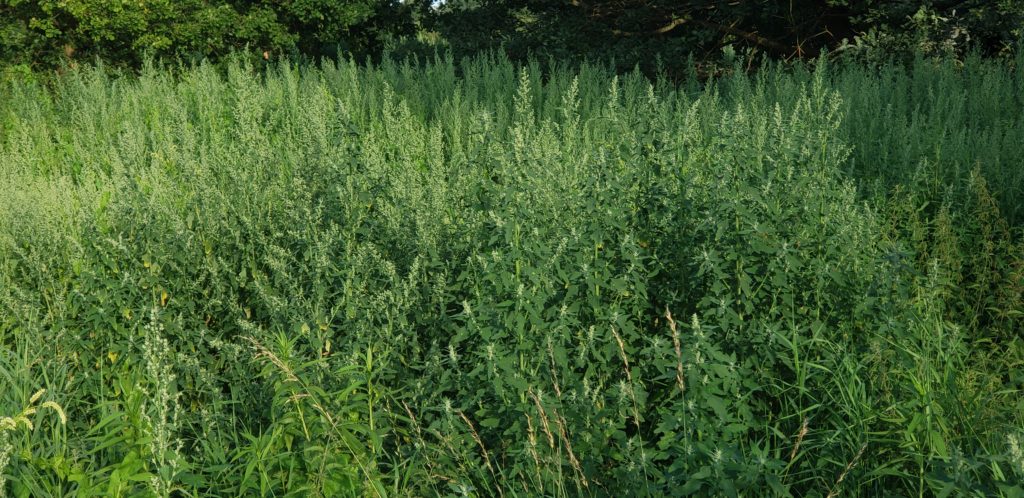
Lamb’s Quarters, often overlooked as a mere weed, is a nutrient-rich wild green that contributes significantly to soil health and garden biodiversity! Native to North America and parts of Eurasia, lamb’s quarters thrives in disturbed soils and grows rapidly in full sun, offering a profusion of fuzzy, green leaves that are a delight for foraging enthusiasts. I appreciate how its vigorous growth can help suppress other more problematic weeds while naturally enriching the soil with its decomposing organic matter.
Its leaves are not only edible but also attract a variety of beneficial insects and small birds that use the dense foliage as a safe nesting site. Despite its prolific nature, lamb’s quarters is generally non-invasive when managed responsibly and can even be used as a natural mulch to improve soil structure. For me, this wild green is a testament to the resilience of nature and the idea that sometimes the plants we overlook are the ones that hold the key to a healthier, more vibrant garden!
Black Medic
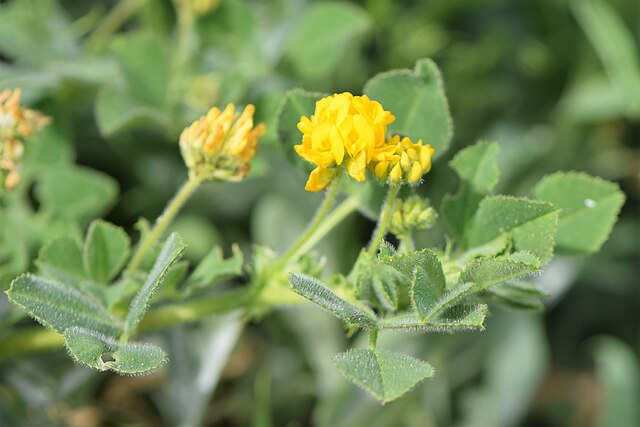
Black Medic is a low-growing legume that many gardeners mistakenly classify as an invasive weed, yet it offers impressive soil benefits through nitrogen fixation! Native to Europe and widely naturalized across North America, black medic thrives in sunny, well-drained soils and forms a delicate, sprawling mat with small yellow flowers that attract a variety of pollinators, including bees and hoverflies. I love how its subtle, unassuming presence quietly works to enrich the soil, making nutrients more available for my vegetable crops.
This plant is non-invasive when managed properly and can act as a living mulch, reducing soil erosion and suppressing unwanted weeds. Its intricate root system works to fix nitrogen from the air, naturally enhancing soil fertility and fostering a robust garden ecosystem. In my experience, black medic is a wonderful reminder that not all weeds are foes – some are invaluable allies in nurturing a thriving, sustainable garden!
Chickory
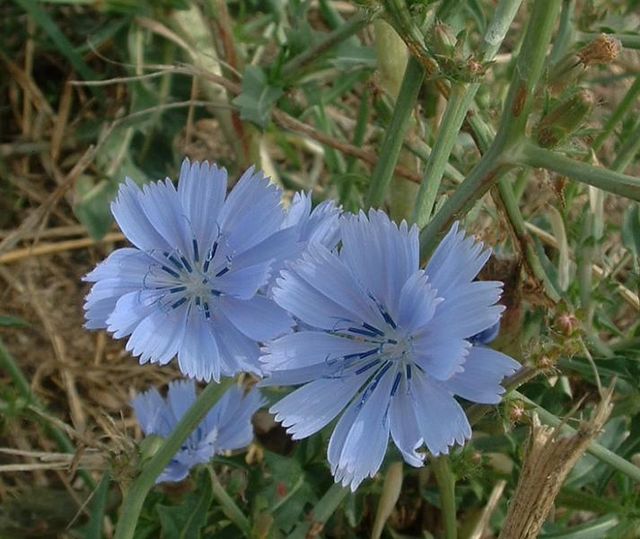
Chickory is often seen as a common weed, but its deep roots and vibrant blue flowers make it a beneficial companion in your vegetable garden! Native to Europe, chickory thrives in disturbed soils and full sun, producing striking blue blooms that attract bees and butterflies, contributing to the pollination of nearby plants. I enjoy how its long taproot helps break up compacted soil, drawing nutrients from deeper layers and making them accessible to surrounding vegetables.
Despite its robust growth, chickory is generally non-invasive when managed within a diverse garden system. Its flowering heads often serve as landing pads for beneficial insects and provide a splash of color that enlivens any garden space. For me, chickory represents the hidden strengths of what many dismiss as a weed – a plant that not only beautifies the garden but also works diligently beneath the surface to enhance soil health and support sustainable growth!