
Gardening has always been my way of connecting with nature’s secrets, and one of the most rewarding strategies I’ve discovered is using nitrogen-fixing plants to boost soil health in my vegetable garden! I know how disheartening it can be when your vegetables struggle in nutrient-poor soil, or when pests seem to outnumber your plants – I’ve faced those challenges too. That’s why I’m excited to share 10 amazing plants that naturally enrich your soil by fixing nitrogen, giving your vegetables the best possible start while adding a burst of natural charm to your garden!
Each of these nitrogen-boosting wonders comes with its own unique story – from their native origins to their growth behaviors and even notes on invasive tendencies. Whether you’re a seasoned gardener or just starting out, these plants not only improve soil fertility but also attract beneficial insects and sometimes provide cozy nesting spots for small critters! So grab your gardening gloves and join me on this journey to create a thriving vegetable garden that’s nourished from the ground up!
Lupine
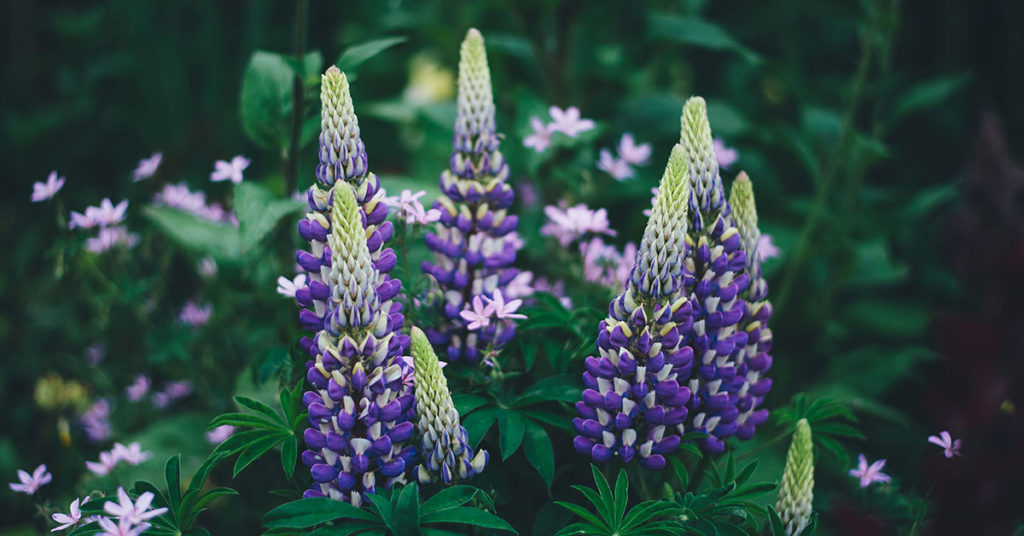
Lupine is a stunning and versatile perennial that enriches the soil by fixing nitrogen while adding a burst of vibrant color to your garden! Native to North America, Europe, and parts of South America, lupines flourish in well-drained soils and full sun, offering tall spikes of blue, purple, or even white blossoms that naturally attract bees and butterflies. I find that these elegant blooms not only create a dynamic visual impact but also invite beneficial pollinators to your garden, which in turn support the health of your surrounding vegetables.
Despite their wild beauty, lupines are generally non-invasive when properly managed, making them an ideal choice for sustainable gardening. Their deep root systems work wonders in improving soil structure and fertility, while their open blossoms sometimes serve as a nesting haven for tiny insects. Every time I see a field of lupine waving in the breeze, I’m reminded of the natural synergy between soil health and garden aesthetics – a combination that makes growing vegetables an even more delightful experience!
Field Peas
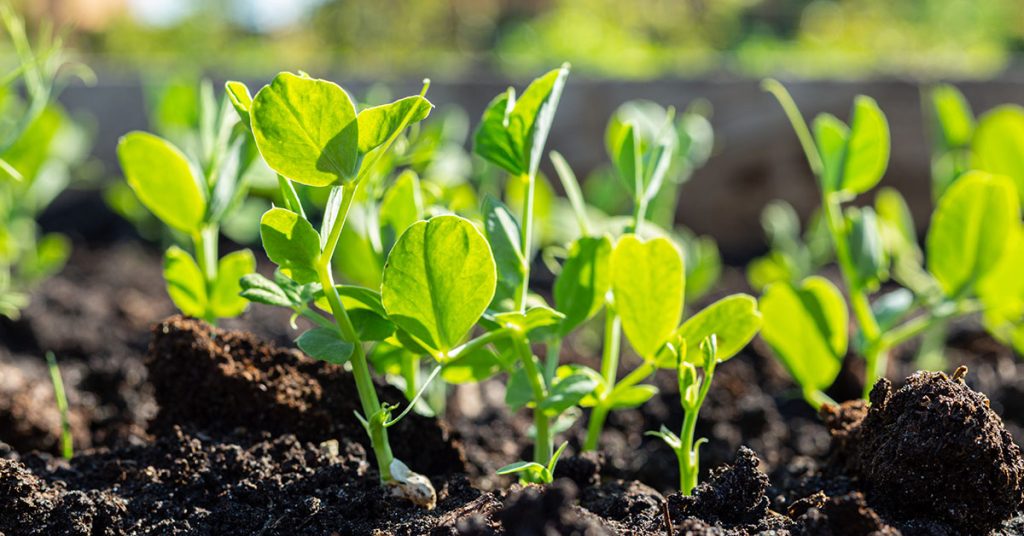
Field peas are a practical and attractive choice for boosting soil nitrogen, and they work especially well as a cover crop in vegetable gardens! Native to regions in the Mediterranean and Southwest Asia, these annual legumes thrive in full sun and well-drained soils, producing delicate white or purple flowers that attract a host of beneficial insects, such as bees and hoverflies. I enjoy incorporating field peas into my garden rotation because they not only add a dash of beauty but also naturally improve soil fertility through their nitrogen-fixing roots.
Their rapid growth and non-invasive nature make field peas perfect for intercropping with vegetables or for use as green manure, enhancing the garden’s overall productivity. Beyond their soil-enriching benefits, the flowering plants also create microhabitats where small insects can take refuge, contributing to a balanced ecosystem. The dynamic interplay between soil enhancement and natural pollination makes field peas a true ally in cultivating a thriving vegetable garden!
Soybean
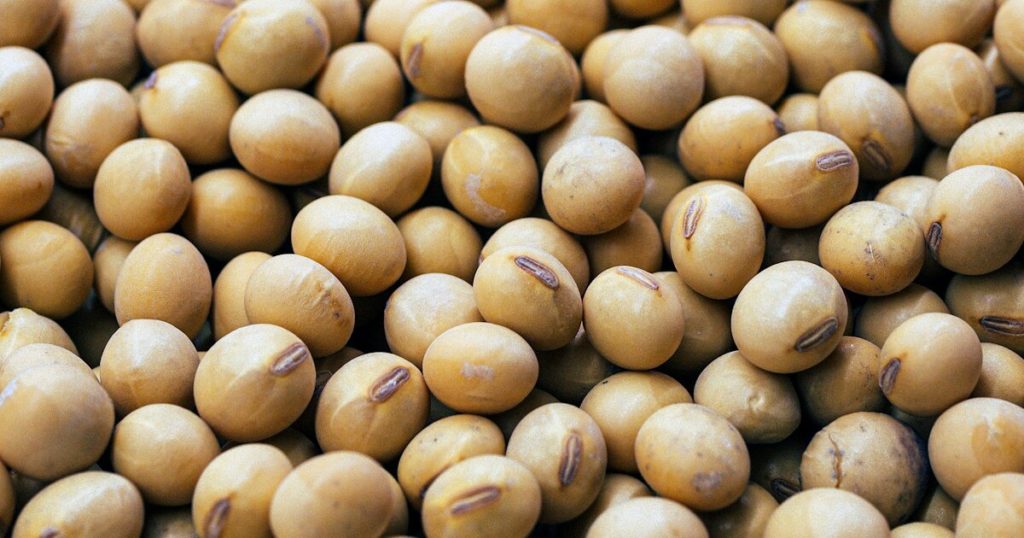
Soybean is a versatile legume that not only provides a delicious harvest but also significantly enriches the soil by fixing nitrogen! Native to East Asia, soybeans thrive in warm, sunny conditions with well-drained soil, and their lush, green foliage produces clusters of tiny flowers that attract a variety of beneficial insects, including bees and small wasps. I’m always impressed by how these plants work silently beneath the surface to convert atmospheric nitrogen into a form that boosts soil fertility, setting the stage for healthier vegetable growth.
Although soybeans can self-seed in optimal conditions, they are typically well-managed in a vegetable garden setting, ensuring they contribute positively without becoming invasive. Their dual role as both a food crop and a natural soil enhancer makes them a favorite in sustainable gardening practices. Watching soybean plants transform from delicate seedlings to bountiful harvesters is a true testament to nature’s ability to nurture and sustain a vibrant garden ecosystem!
Hairy Vetch

Hairy vetch is a robust and fast-growing cover crop that excels at fixing nitrogen and protecting the soil! Native to Europe and Western Asia, this annual legume thrives in a range of conditions and produces cascading clusters of purple and white flowers that attract bees and other pollinators. I love how hairy vetch not only enriches the soil with essential nitrogen but also acts as a natural mulch, suppressing weeds and reducing soil erosion – a real multitasker for any vegetable garden.
Its vigorous growth and low maintenance make hairy vetch a fantastic option for gardeners looking to improve soil health quickly, although it can sometimes spread if left unmanaged. By providing a lush ground cover, it also creates a favorable habitat for beneficial insects and small creatures that contribute to a balanced ecosystem. Incorporating hairy vetch into your garden routine is like inviting a natural fertilizer and eco-friendly guardian that works tirelessly to support your vegetable crops!
Pigeon Pea

Pigeon pea is an intriguing perennial legume that not only fixes nitrogen but also offers edible benefits, making it a true garden multitasker! Native to tropical regions of Africa and Asia, pigeon pea thrives in warm climates with well-drained soil, producing showy yellow flowers that attract bees and other pollinators. I find its sturdy, woody stems and vibrant blooms add a unique texture and color to the vegetable garden, while its deep roots work diligently to enhance soil fertility through nitrogen fixation.
Although pigeon pea can self-seed under ideal conditions, it generally remains well-behaved in a controlled garden environment. Its dual purpose as both a soil enhancer and an edible crop makes it a versatile addition for gardeners seeking sustainable practices. Every harvest of pigeon pea reminds me of the delightful synergy between food production and natural soil improvement – a perfect union for any eco-conscious gardener!
Red Clover
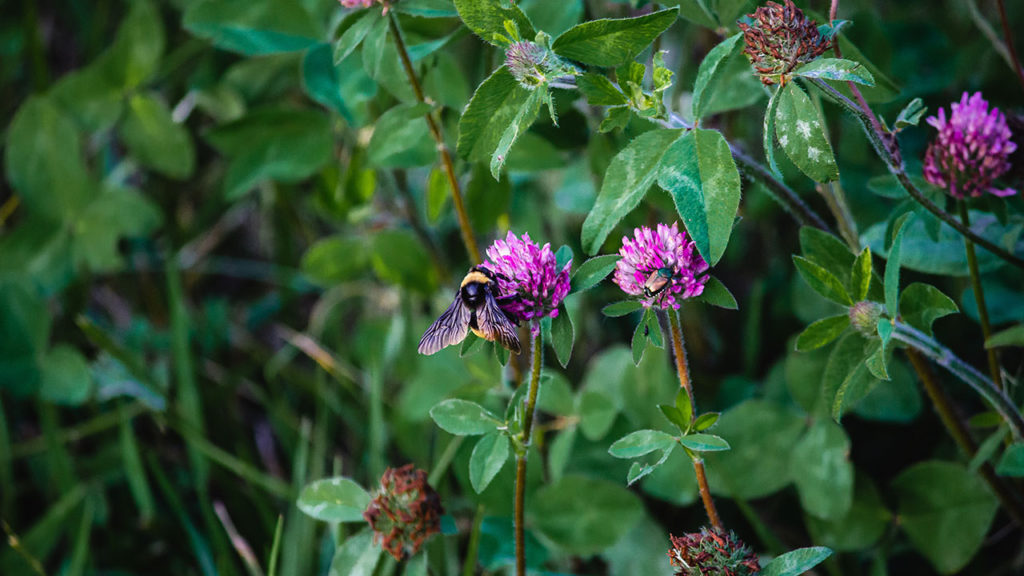
Red clover is a classic cover crop that boosts soil nitrogen and adds a splash of soft, rosy color to your vegetable garden! Native to Europe, red clover thrives in cool climates and well-drained soils, forming dense, upright clumps of purple-pink blossoms that are irresistible to bees and butterflies. I’ve found that its rich nitrogen-fixing capabilities make it an invaluable ally for replenishing soil nutrients, setting the stage for robust vegetable growth throughout the season.
In addition to its soil-enhancing properties, red clover is non-invasive when managed properly, making it ideal for rotation in vegetable gardens. Its vibrant blooms not only attract beneficial insects but also serve as gentle perches for small birds and other garden critters. The sight of red clover in full bloom always fills me with hope and energy, reminding me that nature’s own fertilizers are as beautiful as they are effective!
Alfalfa
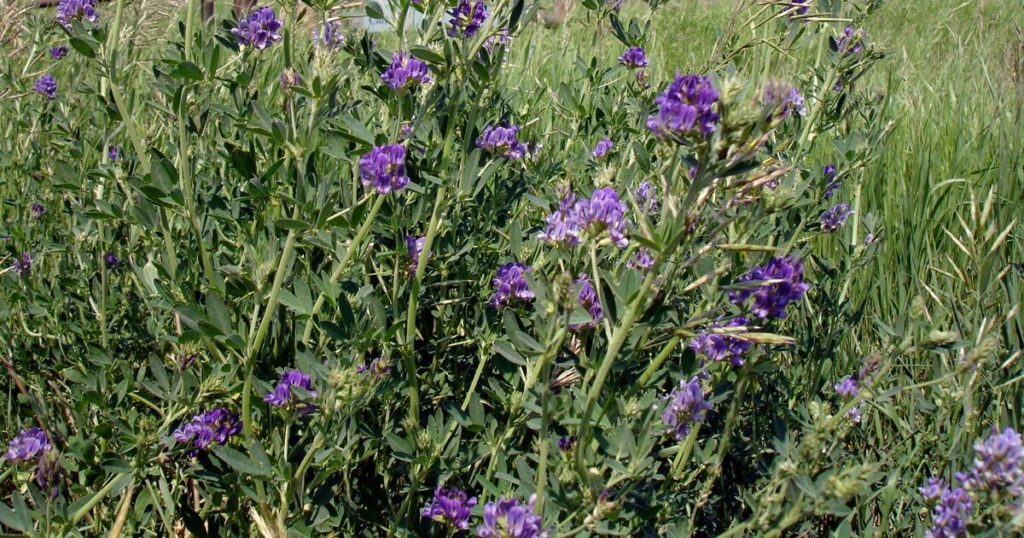
Alfalfa is a powerhouse legume that dramatically boosts soil nitrogen while offering a deep green, bushy presence in your garden! Native to the Middle East and Central Asia, alfalfa thrives in sunny, well-drained areas and features feathery leaves and clusters of purple flowers that attract bees and other beneficial pollinators. I’ve seen firsthand how its extensive root system not only fixes nitrogen but also improves soil structure, enhancing water retention and nutrient availability for surrounding vegetable crops.
Its robust growth and non-invasive tendencies make alfalfa a stellar choice for enriching your garden naturally. Beyond its soil benefits, alfalfa also occasionally provides a cozy habitat for small insects and even serves as an occasional nesting site for tiny garden birds. Every time I incorporate alfalfa into my crop rotation, I’m reminded of the remarkable synergy between deep-rooted plants and the fertility they bestow upon the earth!
Birdsfoot Trefoil
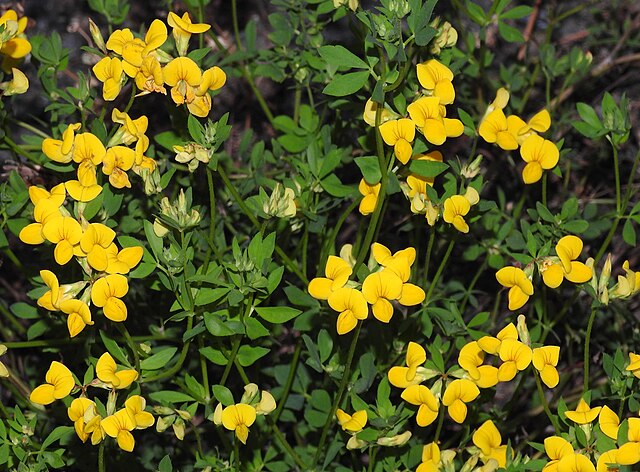
Birdsfoot trefoil is a charming and low-growing legume that works wonders for soil nitrogen while adding a touch of wild beauty to your vegetable garden! Native to Europe and western Asia, this perennial thrives in well-drained soils and sunny locations, displaying clusters of bright yellow or orange flowers that naturally attract pollinators like bees and butterflies. I appreciate how its unique foliage and low mound-like growth not only enhance the garden’s visual appeal but also contribute significantly to soil fertility through nitrogen fixation.
Non-invasive and hardy, birdsfoot trefoil integrates seamlessly into vegetable garden beds without overwhelming other plants. Its delicate blossoms often become a delightful hotspot for beneficial insects, and its sprawling habit can provide a microhabitat for small critters seeking shelter. For me, birdsfoot trefoil is a gentle reminder of nature’s capacity to nurture the soil while simultaneously adding an artistic flourish to the garden landscape!
Cowpea
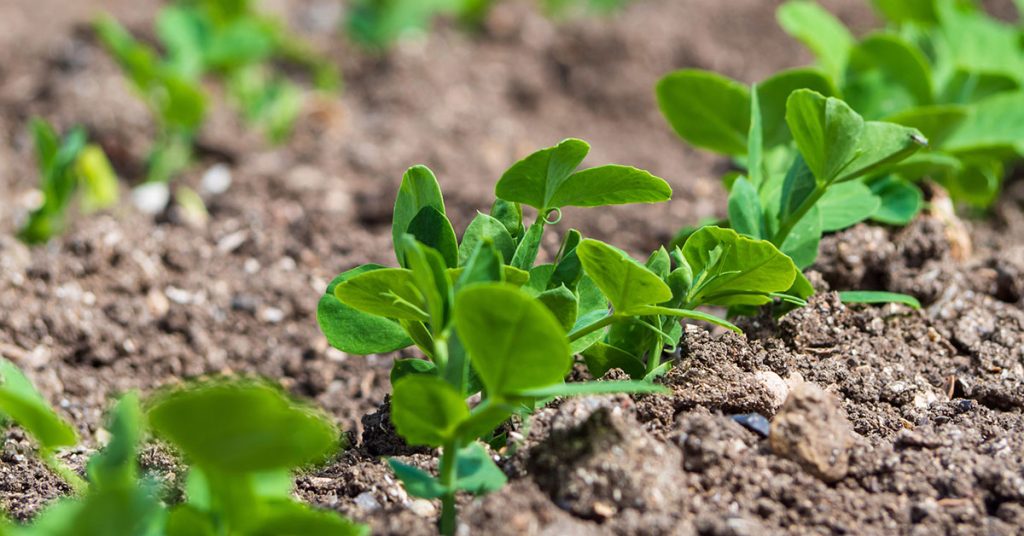
Cowpea is a versatile and dynamic legume that significantly boosts soil nitrogen and enriches your vegetable garden with vibrant, edible pods! Native to Africa, cowpea thrives in warm climates and well-drained soils, producing delicate white to purple flowers that attract a variety of beneficial insects, including bees and small wasps. I enjoy watching these charming plants in action as they not only enrich the soil but also yield a tasty harvest that adds nutritional value to your meals.
Although cowpea can spread quickly under ideal conditions, it is generally well-contained within a vegetable garden when properly managed. Its sprawling vines and abundant blooms provide ample nectar for pollinators while also offering subtle nesting spots for tiny insects that contribute to a balanced ecosystem. Incorporating cowpea into your garden is like inviting a natural fertilizer and a snack provider all in one, making it a delightful and practical addition to any sustainable garden strategy!
White Clover

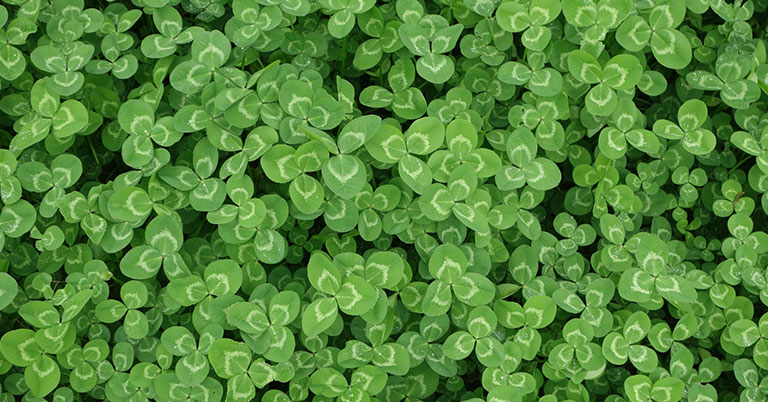
White clover is a humble yet powerful nitrogen-fixing plant that can transform your vegetable garden with its low-growing, lush green cover! Native to Europe, white clover thrives in a variety of soils and is well-known for its trifoliate leaves and dainty white to pink blossoms that attract bees and butterflies. I love how its natural ability to fix nitrogen enriches the soil, creating a nurturing foundation for the vegetables you work so hard to grow.
Its non-invasive growth habit makes white clover an excellent choice for interplanting or as a living mulch in vegetable beds, ensuring that it supports rather than competes with your crops. The plant’s delicate blooms and dense mat provide a perfect microhabitat for beneficial insects and even offer a cozy resting spot for small garden critters. White clover is a true testament to the power of nature’s own solutions, boosting soil health while adding a touch of wild, effortless beauty to your garden!