

Spring is upon us, and as a devoted gardener in Zone 7, I couldn’t be more excited to share the secrets behind a massive onion harvest! Over the years, I’ve learned that timing is everything when it comes to planting onions, and understanding the perfect moment to sow these versatile bulbs can make all the difference in your garden. Whether you’re an experienced grower or just starting out, I know how frustrating it is to wait for your hard work to pay off only to find that pests or improper timing have stunted your crop. That’s why I’m here to guide you through every step, ensuring your onions thrive and deliver a bounty that will reduce your grocery bill and impress at the dinner table!
In this article, we’ll explore essential tips on selecting the right varieties, preparing your soil, and most importantly, timing your planting perfectly for Zone 7’s unique climate. I’ll also share insights on caring for your onions and attracting beneficial insects that help protect your crop. Together, we’ll tackle common challenges, such as frost threats and pest management, with a friendly, hands-on approach that’s both practical and inspiring. Get ready to transform your garden into a thriving onion haven and enjoy a harvest that’s as huge as your enthusiasm!
Understanding Zone 7: Climate and Conditions
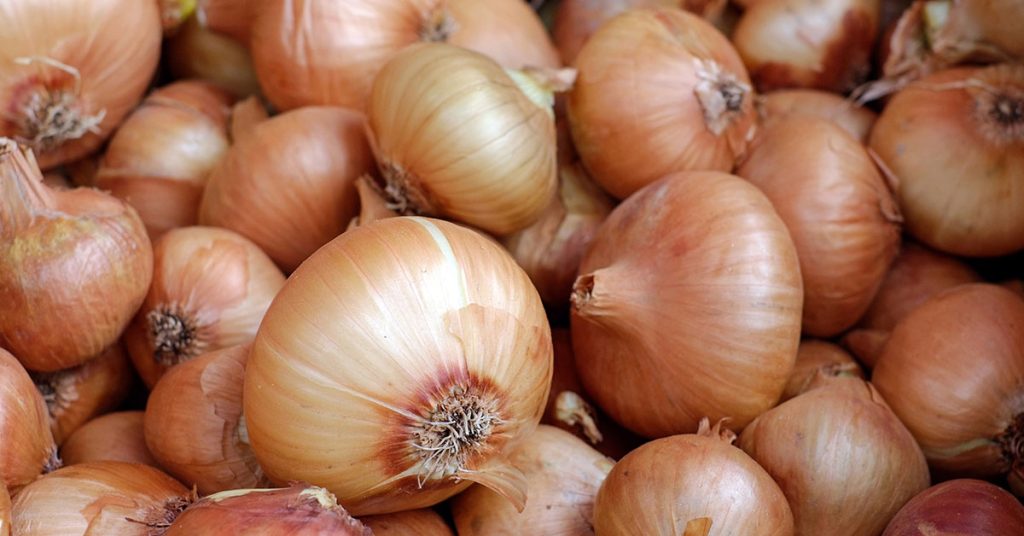
Zone 7 gardens experience a unique blend of mild winters and warm summers that can work wonders for onions when you understand the rhythm of the season. In this region, the cool spring temperatures and gradual warming create an ideal window for planting onions, allowing them to establish strong roots before the full heat of summer sets in. I’ve learned that paying attention to local frost dates and soil temperature is key to ensuring that your onions get off to a healthy start. It’s truly fascinating how nature signals the perfect time to sow, almost like a gentle reminder that the earth is ready for growth!
From my own experience, embracing the nuances of Zone 7 means recognizing the natural cues in your garden. I always keep a close eye on early spring weather patterns and use simple tools to check soil temperature, ensuring that my onions are planted at the optimal moment. This careful timing not only helps the bulbs mature fully but also attracts beneficial pollinators and natural predators that contribute to a balanced garden ecosystem. When you work with your zone’s natural rhythm, you set the stage for an abundant harvest and a garden that feels in tune with the seasons!
Preparing the Soil and Bed for Onions

A well-prepared soil bed is the foundation of any successful onion crop, and in Zone 7, proper soil preparation can make your harvest truly spectacular. Onions (Allium cepa) are believed to have originated from central Asia, and they thrive in loose, well-drained soil enriched with organic matter. I’ve always been meticulous about amending my garden beds with compost and a balanced fertilizer to ensure that my onions have the nutrients they need to develop robust roots. It’s essential to till the soil deeply and remove any weeds that could compete for space and moisture!
In my garden, I make it a point to prepare the soil a few weeks before planting, giving the amendments time to settle and work their magic. This process not only improves drainage and aeration but also creates microhabitats that attract beneficial organisms like earthworms and pollinators. I’ve found that these little helpers contribute to healthier soil and, in turn, more vigorous onion growth. With careful preparation, your onions will have the perfect environment to flourish, leading to a yield that’s both impressive and delicious!
Selecting the Perfect Onion Varieties
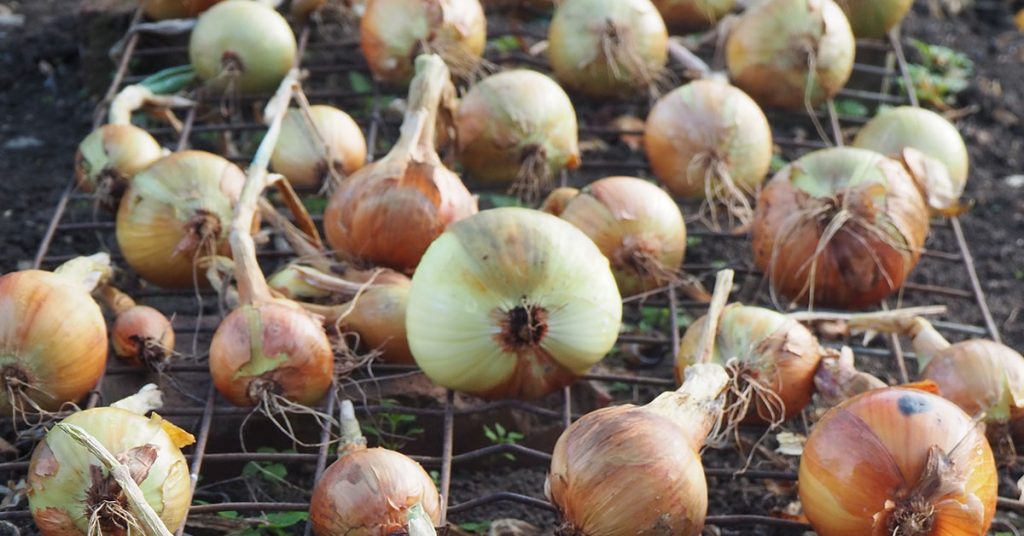
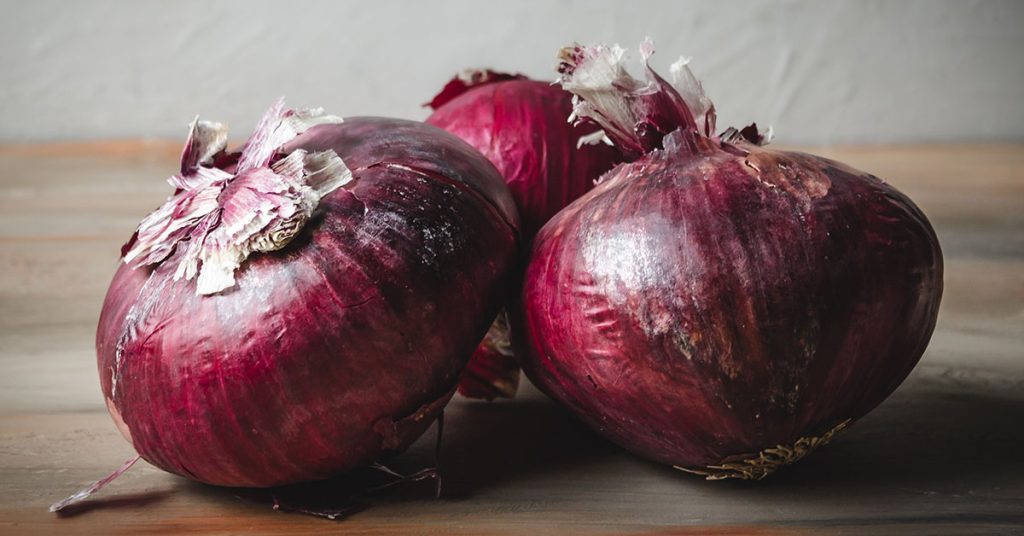
Choosing the right onion variety is crucial for a successful harvest, and in Zone 7, you have a wide range of options that perform exceptionally well. I always consider factors like day length and bulb size, as these are key to ensuring that your onions mature fully and develop the robust flavors you’re after. Many of the varieties that thrive in Zone 7 are non-invasive and have been cultivated over generations, making them a sustainable choice for any garden. I enjoy experimenting with both red and yellow onions, as each brings a unique taste and visual appeal to my harvest table!
In my own gardening journey, selecting the right variety has often felt like discovering a new friend who adds character to my garden. I’ve learned that some types of onions, such as storage onions and scallions, have distinct growing habits and can even attract different pollinators and beneficial insects. These insects sometimes visit the blossoms and use nearby foliage for temporary nesting, which contributes to a balanced ecosystem. By choosing varieties that are well-suited to the local climate and soil, you’ll be well on your way to a bountiful, flavorful harvest that delights both your palate and your garden’s natural harmony!
Timing is Everything: When to Plant Onions
One of the most exciting aspects of growing onions in Zone 7 is pinpointing that perfect planting window, which can make the difference between a modest crop and a huge harvest! In my experience, the ideal time to plant onions is when the soil has warmed enough to encourage rapid root growth but before the intense heat of summer sets in. This typically means planting in early spring, right after the danger of frost has passed. I use local frost date calendars and soil thermometers to determine the optimal planting time, ensuring that my onions get the best possible start!
The magic of timing goes beyond just the temperature; it’s about aligning with nature’s cues. I’ve seen firsthand how onions planted at the right moment not only establish stronger roots but also benefit from a more extended growing season. This extra time in the sun allows them to swell into large, flavorful bulbs that can be stored and enjoyed for months. When you plant at the perfect time, you’re essentially giving your onions a head start in a race against the summer heat—and that competitive edge translates into a truly HUGE harvest that makes all your efforts worthwhile!
Caring for Your Onions: Watering, Thinning & Fertilizing
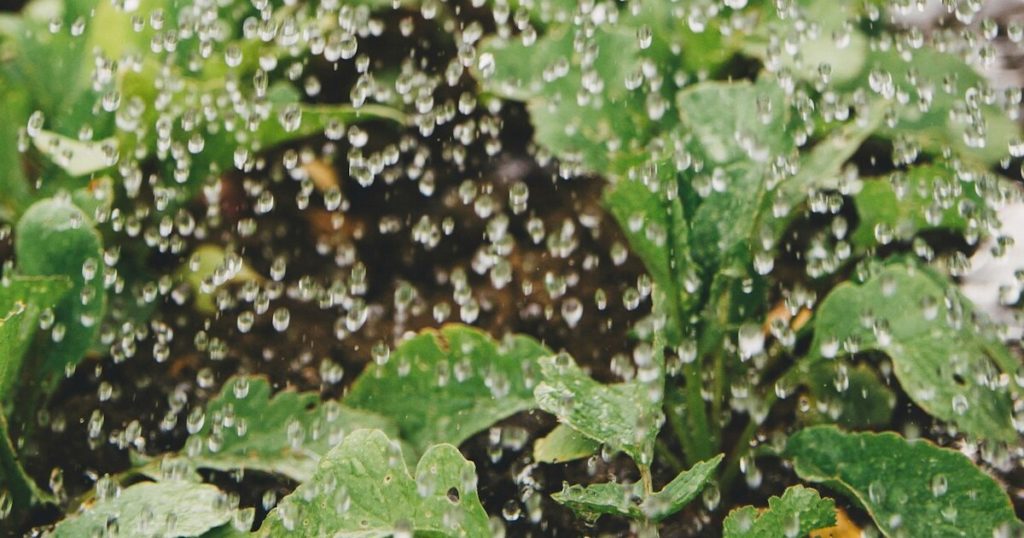
Once your onions are in the ground, proper care is key to ensuring that they grow into robust, healthy bulbs that yield a plentiful harvest. In Zone 7, where conditions can vary throughout the season, I’ve learned that consistent watering, especially during dry spells, is crucial for onion development. It’s important to water deeply and infrequently to encourage strong root growth, while also being mindful of overwatering, which can lead to rot. I also make sure to thin my onion plants as they grow, giving each bulb enough space to expand without overcrowding the bed!
In my gardening routine, fertilizing at the right time plays a vital role in the health and yield of my onions. I use organic fertilizers to enrich the soil and boost the nutrient levels, which helps the plants to mature more quickly and produce larger bulbs. Thinning not only reduces competition but also improves air circulation, which can attract beneficial insects that help control pests naturally. By paying close attention to these care practices, you’ll be rewarded with a crop that’s as impressive in size as it is in flavor—a testament to the power of attentive, informed gardening!
Pest Management and Beneficial Insect Attraction

Keeping pests at bay is an ongoing challenge, but one that can be managed effectively with a balanced approach that also attracts beneficial insects. In my Zone 7 garden, I use organic pest control methods and companion planting strategies to protect my onions from common threats like onion flies and aphids. I’ve noticed that healthy onion plants, when grown in optimal conditions, often naturally repel pests while simultaneously attracting beneficial insects such as ladybugs and lacewings. These little helpers sometimes even nest in nearby shrubs, adding to the overall resilience of the garden!
I’ve always found that creating a garden environment rich in biodiversity is one of the best defenses against pests. By interplanting onions with herbs like dill and chamomile, you can create a natural barrier that not only deters harmful insects but also encourages pollinators to visit. This dynamic interplay between plants and insects is one of the most exciting aspects of gardening for me—it’s like orchestrating a miniature ecosystem where every creature plays its part! A well-managed garden, with the right balance of care and natural attraction, is the secret to achieving a huge, healthy onion harvest.
Harvesting for a HUGE Yield
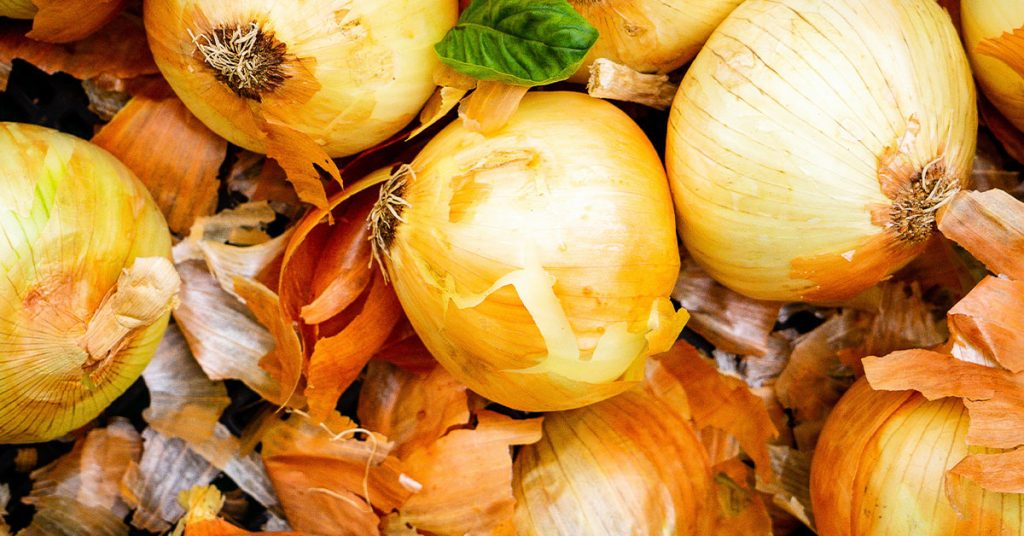
After months of careful planning and nurturing, the moment of truth arrives—harvest time! In Zone 7, when your onions have reached their full size and their tops begin to yellow, it’s time to gently lift them from the soil and enjoy the fruits of your labor. I always take great care during the harvest to avoid damaging the bulbs, and I use this time to observe how well my garden’s ecosystem has supported the growth process. It’s such a rewarding experience to see the culmination of your hard work in a crop that’s as abundant as it is flavorful!
In my experience, proper post-harvest care is just as important as the growing process. After gathering your onions, I like to cure them in a dry, airy space to enhance their flavor and longevity. This process not only preserves the harvest but also reflects the natural cycle of growth and renewal that I cherish in my garden. Every time I store a batch of freshly harvested onions, I’m reminded of the incredible connection between thoughtful planning, natural timing, and the generous rewards that come from nurturing the land. A huge onion harvest isn’t just about food—it’s about celebrating the artistry of nature and the joy of gardening in Zone 7!
Final Thoughts
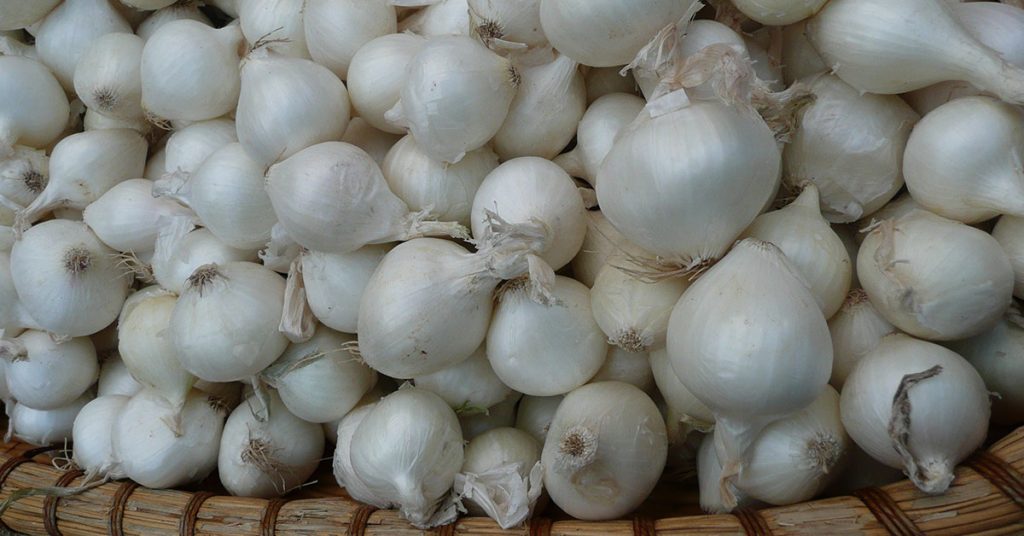
Planting onions in Zone 7 at just the right moment can transform your garden into a thriving source of fresh, flavorful produce that supports both your culinary adventures and your connection to nature. As a gardener who has experienced the highs and lows of seasonal planting, I understand the excitement of anticipating that first glimpse of green shoots and the thrill of a bountiful harvest later in the season. Every step—from soil preparation and careful variety selection to precise timing and dedicated care—plays a critical role in turning your efforts into a HUGE harvest that you can truly be proud of!
I hope that the tips and insights shared in this article inspire you to embrace the art of onion cultivation with confidence and enthusiasm. Remember, gardening is as much about enjoying the process as it is about reaping the rewards. Whether you’re battling pests, managing unpredictable weather, or simply waiting for your onions to mature, every moment in the garden is an opportunity to learn, grow, and celebrate nature’s bounty. Here’s to a successful planting season and a harvest that fills your home with the warmth and satisfaction of nature’s generous gifts!