
Spring’s gentle promise and summer’s vibrant energy make Zone 5 gardens a playground for perennial herbs that bring both beauty and utility to your outdoor space! As a devoted gardener who’s spent countless hours tending to my own Zone 5 sanctuary, I know how frustrating it can be when a plant just won’t cooperate or when invasive tendencies threaten your carefully curated garden. With the right selection of hardy herbs, however, you can enjoy flavorful kitchen staples, natural remedies, and even a boost in pollinator activity—all while saving time and money. I’m excited to share my top 14 perennial herbs that not only stand up to the challenges of Zone 5 but also reward you with year-after-year abundance!
In the following sections, we’ll dive into each herb’s unique story, including its native origins, growth habits, and even a few quirks—like attracting beneficial insects and offering cozy spots for nesting bees or butterflies! Whether you’re a seasoned green thumb or a newcomer trying to beat those seasonal setbacks, these carefully chosen herbs are designed to inspire and support a thriving, low-fuss garden. So grab your gardening gloves and join me as we explore these hardy, flavorful wonders that promise to elevate your Zone 5 garden into a year-round haven!
Lovage
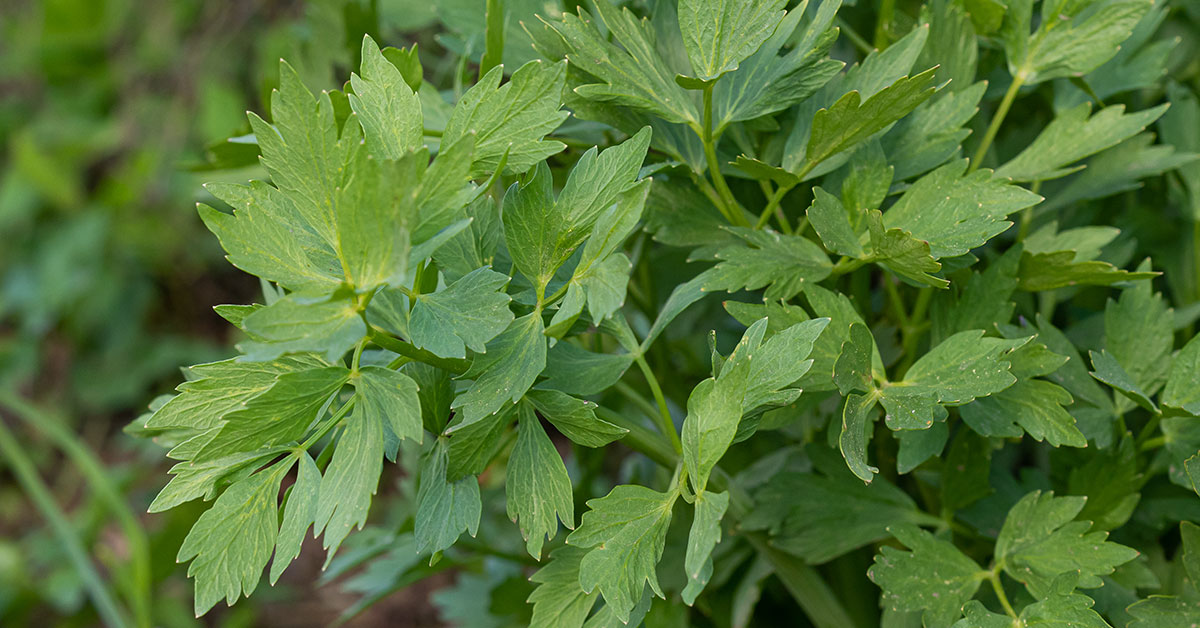
Lovage is a tall, robust perennial herb that offers a unique flavor reminiscent of celery, making it a wonderful addition to soups and stews. Native to the Mediterranean region and parts of Asia, lovage adapts beautifully to Zone 5 conditions, thriving in rich, well-drained soil and full sun. In my garden, I’ve observed how lovage’s lush, feathery leaves attract a variety of pollinators, including bees that seem to appreciate its generous blossoms. Rest assured, this herb is non-invasive, meaning it will enrich your herb collection without overwhelming your garden space!
I enjoy watching lovage sway gently in the breeze as its tall stalks create natural screens and even provide modest nesting spots for small beneficial insects. Its towering presence not only adds vertical interest to my herb garden but also creates microclimates that support other delicate plants. Every time I harvest a few sprigs for a hearty broth, I’m reminded of how nature’s bounty can be both delicious and practical. Lovage is a perfect example of an herb that is as ornamental as it is useful—an absolute must-have for Zone 5 gardeners!
Thyme
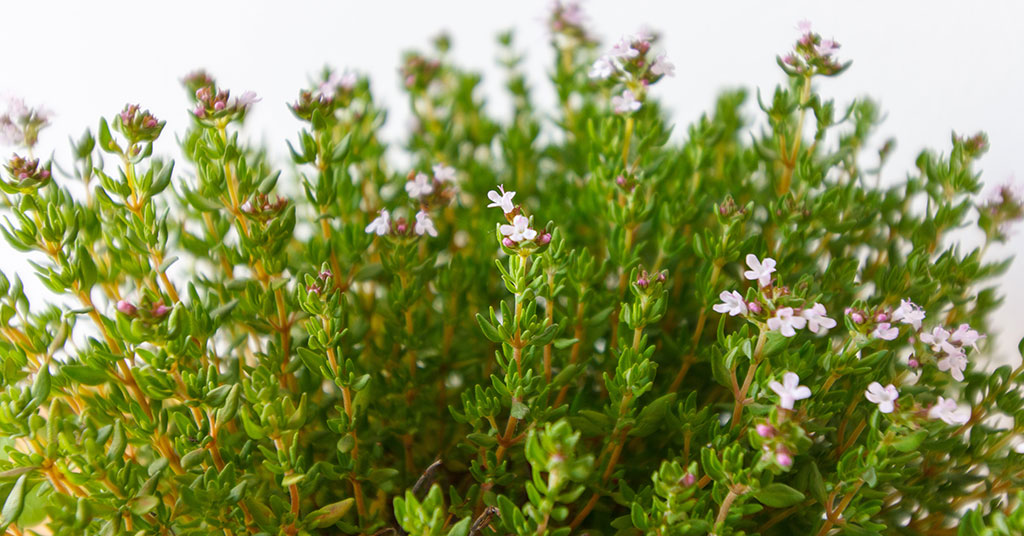
Thyme is a versatile herb celebrated for its aromatic leaves and its steadfast resilience in even the most challenging garden conditions. Native to the Mediterranean, thyme has adapted well to Zone 5, thriving in sunny, well-drained areas with minimal fuss. I’ve seen firsthand how its low-growing, spreading habit not only fills gaps in the garden but also attracts tiny pollinators like solitary bees that seem to take up residence among its delicate blossoms. Thyme is a non-invasive superstar, so you can confidently let it cascade over rock edges and garden borders without worry!
In my experience, thyme adds a delightful fragrance and a burst of flavor to both the garden and the kitchen. Its evergreen nature ensures that even in cooler months, a hint of its aroma lingers, offering a subtle reminder of summer days. Whether used in cooking or as a ground cover, thyme’s resilient character and charming growth pattern continue to surprise and delight me. Its ability to thrive with little water and maintenance makes it an essential herb in my Zone 5 garden, and its presence always signals a touch of culinary magic!
Feverfew
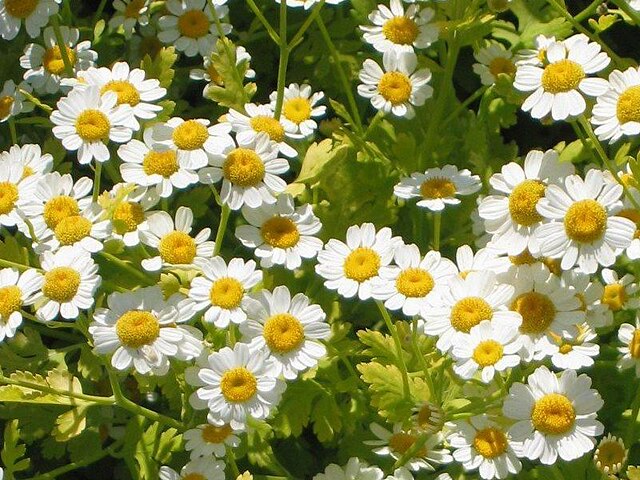
Feverfew is a perennial herb known for its small, daisy-like blooms and historical reputation as a natural remedy. Native to southeastern Europe and parts of Asia, this herb adapts well to the cooler climates of Zone 5 while providing a subtle splash of color throughout the growing season. I’m always fascinated by how feverfew not only brightens my garden but also attracts a host of beneficial insects that use its feathery foliage for shelter. Importantly, feverfew remains non-invasive, allowing you to enjoy its medicinal and ornamental benefits without the worry of it spreading uncontrollably!
In my garden, feverfew holds a special place as both a traditional healer and a gentle, resilient bloom. Its soft yellow flowers are a magnet for pollinators, including small bees and butterflies that seem to delight in its simple beauty. I appreciate how this herb requires little more than a bit of sunlight and well-drained soil to flourish—perfect for gardeners in Zone 5 who value both efficiency and charm. Every time I see feverfew swaying lightly in the breeze, I’m reminded of the age-old wisdom that nature often provides the most elegant solutions for our health and happiness!
Chives
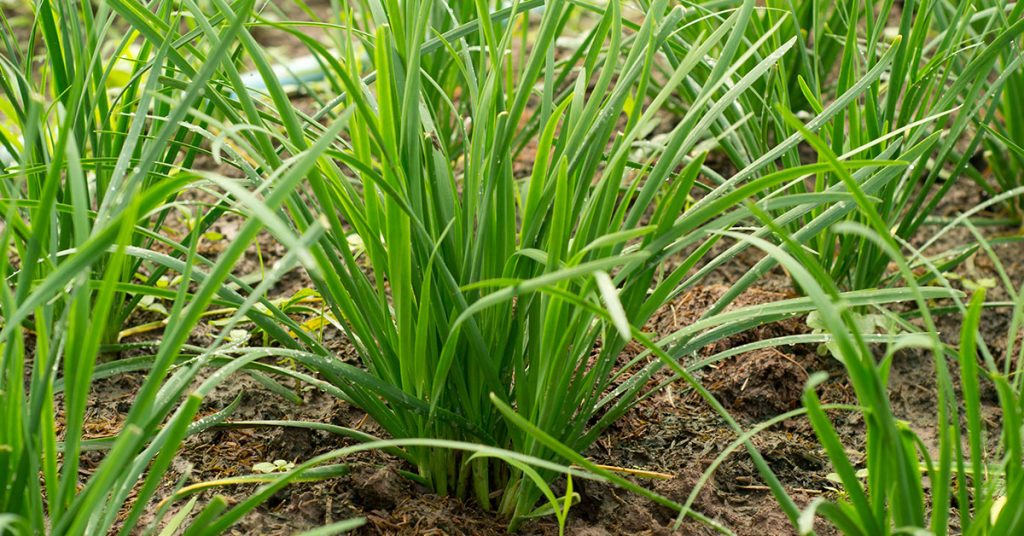
Chives are a culinary staple and a perennial favorite, renowned for their delicate onion-like flavor and vibrant purple blossoms. Native to the temperate regions of Europe and Asia, chives thrive in Zone 5 gardens with minimal care, flourishing in both full sun and partial shade. I love how these slender, grass-like herbs attract beneficial pollinators such as bees, which occasionally use the clumps as nesting sites in the warmer months. Best of all, chives are non-invasive, ensuring that their gentle presence enhances your herb garden without taking over the space.
In my own garden, chives have become a reliable go-to for fresh, flavorful garnishes and a subtle boost to any dish. Their prolific growth and attractive, star-shaped flowers provide an ever-present reminder of nature’s bounty, while also supporting a healthy ecosystem by offering food and shelter to various insects. Every harvest brings a satisfying mix of culinary inspiration and natural beauty, making chives a true gem for Zone 5 gardeners. Their low-maintenance charm and year-round appeal continue to inspire me every season!
Bee Balm

Bee Balm is a striking perennial herb that dazzles with its vibrant red, pink, or purple blooms, while also being a magnet for bees and hummingbirds. Native to North America, bee balm thrives in Zone 5 gardens, where its aromatic foliage and showy flowers enhance both the visual appeal and biodiversity of the space. I’ve noticed that its blossoms create an inviting environment for pollinators, some of which even find temporary shelter amid its dense growth—adding a touch of natural nesting behavior to the garden scene. Importantly, bee balm is non-invasive, so it complements rather than competes with your other plants!
In my gardening adventures, bee balm has consistently been a source of joy and energy. Its bold colors not only brighten up the garden but also serve as a natural invitation for beneficial insects that help maintain a balanced ecosystem. I find that watching bees and hummingbirds flit from flower to flower amid the bee balm is like witnessing a tiny celebration of life and renewal. Every bloom is a vibrant reminder of nature’s exuberance, making bee balm an indispensable part of any Zone 5 herb garden!
Mint
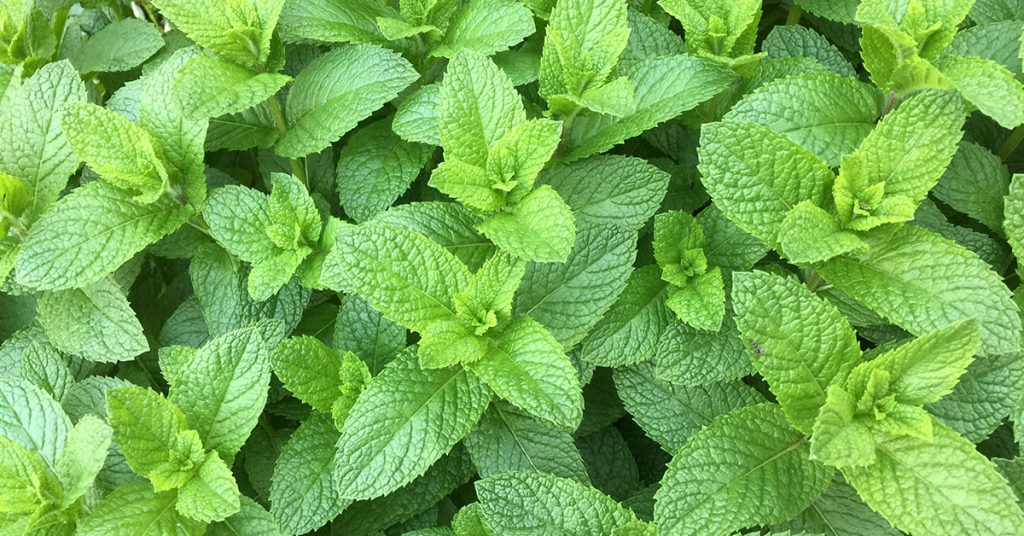
Mint is an exuberant perennial herb that infuses your garden with a refreshing aroma and a burst of green vitality. Native to Europe and Asia, mint has made its way into gardens around the world and thrives in Zone 5 conditions, though it’s wise to manage it carefully as it can spread rapidly. I love mint’s tendency to attract pollinators, including tiny bees that seem to consider its aromatic leaves a perfect spot for a brief nesting pause. With proper control measures, mint remains a non-invasive delight that brings a cool, invigorating flavor to both culinary dishes and the garden environment!
In my own garden, mint has been both a blessing and a learning experience, teaching me the importance of containment and thoughtful planning. I’ve often set up barriers or grown mint in containers to harness its energetic growth while preventing it from overwhelming other plantings. Its lush, sprawling habit and distinctive scent create an atmosphere of freshness that complements the more delicate aromas of neighboring herbs. Every time I catch a whiff of mint, I’m reminded of the simple pleasures of nature and the art of balancing robust growth with gentle stewardship!
Russian Tarragon
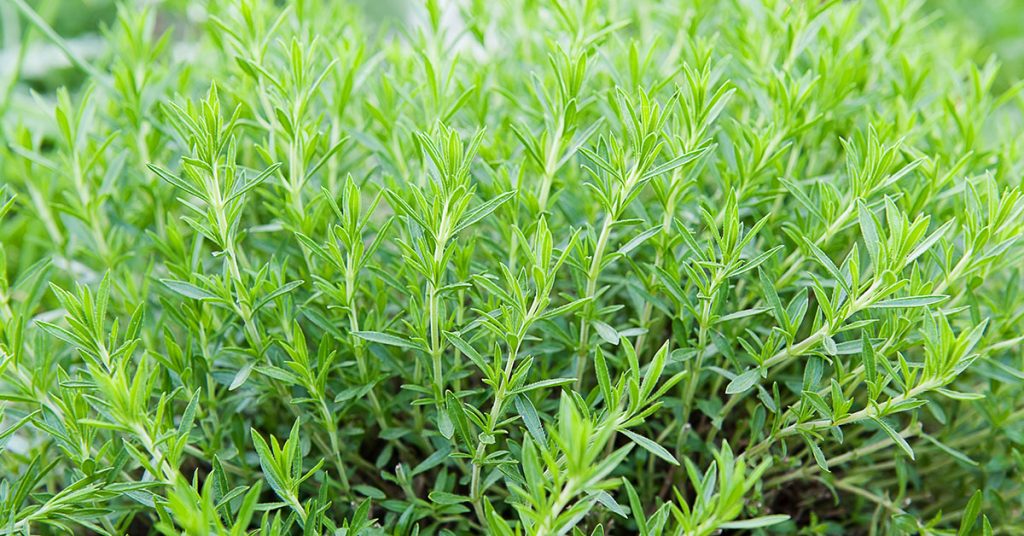
Russian Tarragon is a refined perennial herb that offers a milder, slightly sweet flavor compared to its French counterpart, making it a versatile addition to Zone 5 gardens. Native to Eurasia, Russian tarragon adapts well to cooler climates, flourishing in well-drained soil and bright light. I appreciate its graceful, slender leaves and subtle aroma, which attract a modest array of pollinators that contribute to the garden’s balanced ecosystem. Its non-invasive growth habit makes it a manageable and elegant herb choice for gardeners seeking a perennial option that won’t overrun the space!
In my gardening practice, Russian Tarragon has become a cherished component of my herb collection, both for its culinary versatility and its understated beauty. Its delicate, fern-like foliage and gentle flavor profile create a refined counterpoint to bolder herbs, offering a touch of sophistication to salads and marinades alike. Watching the occasional bee visit its blossoms is a quiet reminder of nature’s intricate interconnectedness, where even the subtlest elements play an important role. Russian Tarragon is a testament to the idea that simplicity and elegance can coexist beautifully in a Zone 5 garden!
Oregano
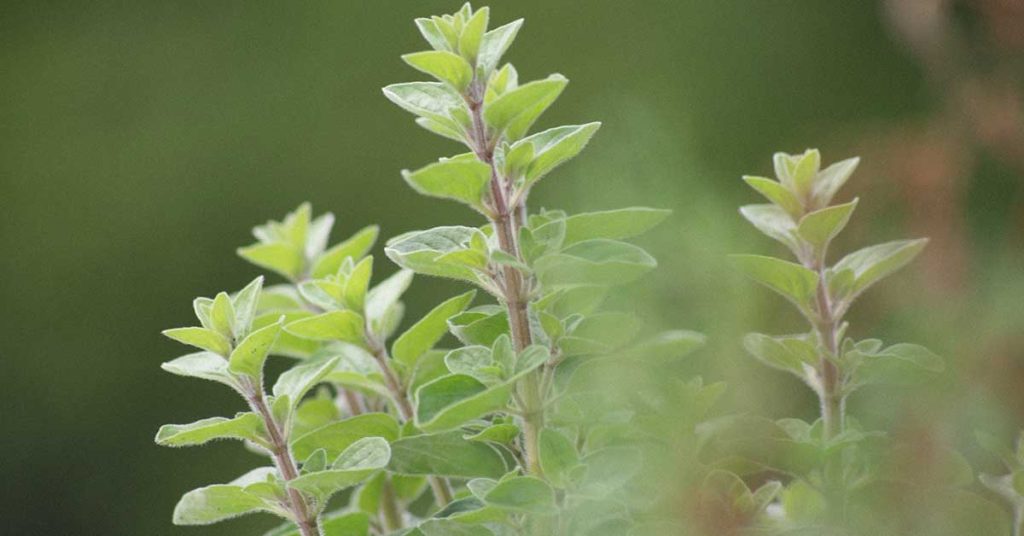
Oregano is a robust perennial herb celebrated for its bold, peppery flavor and its ability to thrive in a variety of conditions, including the cooler climates of Zone 5. Native to the Mediterranean region, oregano has adapted to diverse environments while maintaining its vibrant, low-growing habit. I enjoy how its small, clustered flowers attract a multitude of pollinators—especially bees—that often explore its aromatic leaves as if they were scouting for a cozy nesting site. This herb is non-invasive, ensuring that its vigorous growth enhances your garden without overwhelming other plantings!
In my garden, oregano is a constant reminder of the power of resilience and flavor. Its hardy nature and minimal care requirements make it an ideal choice for gardeners who want to enjoy fresh, flavorful herbs throughout the growing season. The bursts of purple and white flowers add a lively touch to the landscape, while its culinary uses bring a satisfying zest to many dishes. Every time I snip a sprig of oregano for a hearty pasta sauce, I’m grateful for its generous yield and its role in creating a vibrant, sustainable garden!
Salad Burnet
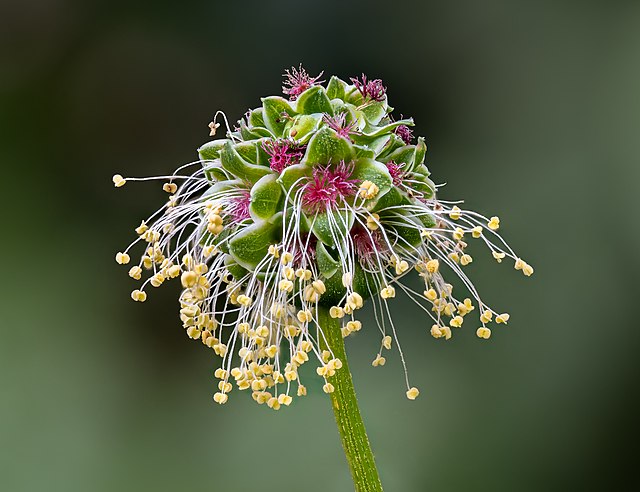
Salad Burnet is a perennial herb prized for its unique, tangy flavor and its attractive, fern-like foliage that adds texture to any garden. Native to Europe and parts of Asia, this herb thrives in the cooler climates of Zone 5, flourishing in well-drained soils and sunny spots. I’ve always been intrigued by how Salad Burnet’s subtle blossoms attract tiny pollinators that help sustain its natural cycle, sometimes even creating mini hideaways in its intricate leaves. Best of all, it remains non-invasive, allowing you to enjoy its culinary and ornamental benefits without disruption!
In my experience, Salad Burnet brings a refreshing complexity to both the garden and the kitchen. Its leaves, with a hint of cucumber and a touch of tartness, provide a delightful twist in salads and dressings. Watching the delicate blooms sway in the breeze as bees and butterflies flit among them is a testament to its gentle charm and resilience. This herb not only elevates the flavor profile of your meals but also contributes to a thriving ecosystem—a perfect example of nature’s harmonious design in a Zone 5 garden!
Lemon Balm
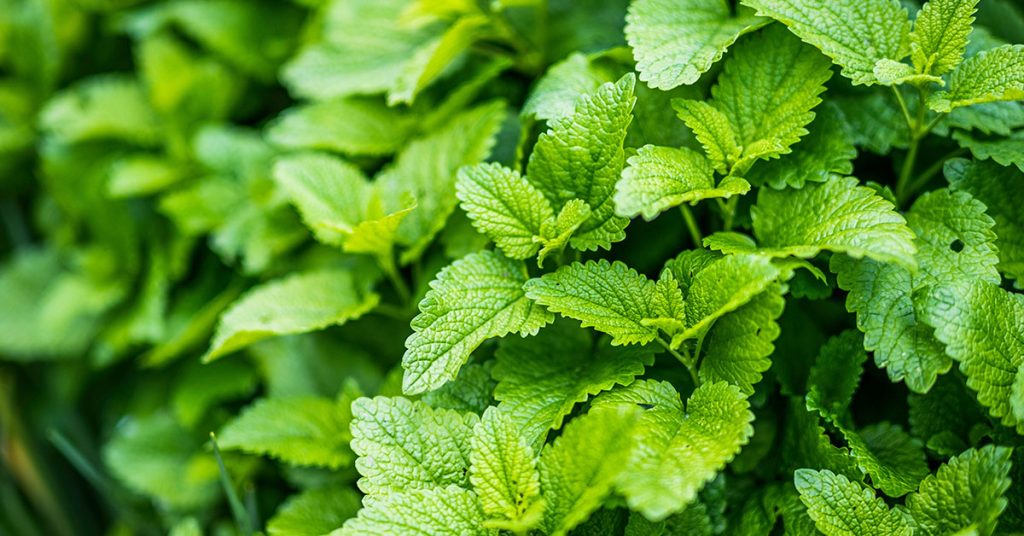
Lemon Balm is a cheerful perennial herb that fills your garden with a zesty, uplifting fragrance while offering a mild lemon flavor ideal for teas and salads. Native to Europe, lemon balm thrives in Zone 5 gardens, flourishing in partial shade to full sun and rich, well-drained soil. I appreciate its soft, heart-shaped leaves and the way its clusters of white or pale yellow flowers attract bees and other pollinators—some of which even find temporary refuge in its dense growth. Importantly, lemon balm is non-invasive, ensuring that its delightful presence remains a positive addition to your garden!
In my garden, lemon balm has quickly become a go-to herb for adding a burst of freshness to both the landscape and my kitchen. Its calming aroma creates a soothing atmosphere that’s perfect for unwinding after a long day, while its culinary versatility inspires creative recipes. Every time I pluck a few leaves to steep into a warm, comforting tea, I’m reminded of the simple joys of nature and the many ways it can brighten our daily lives. Lemon balm truly embodies the essence of a Zone 5 perennial herb—vibrant, versatile, and wonderfully uplifting!
Catnip
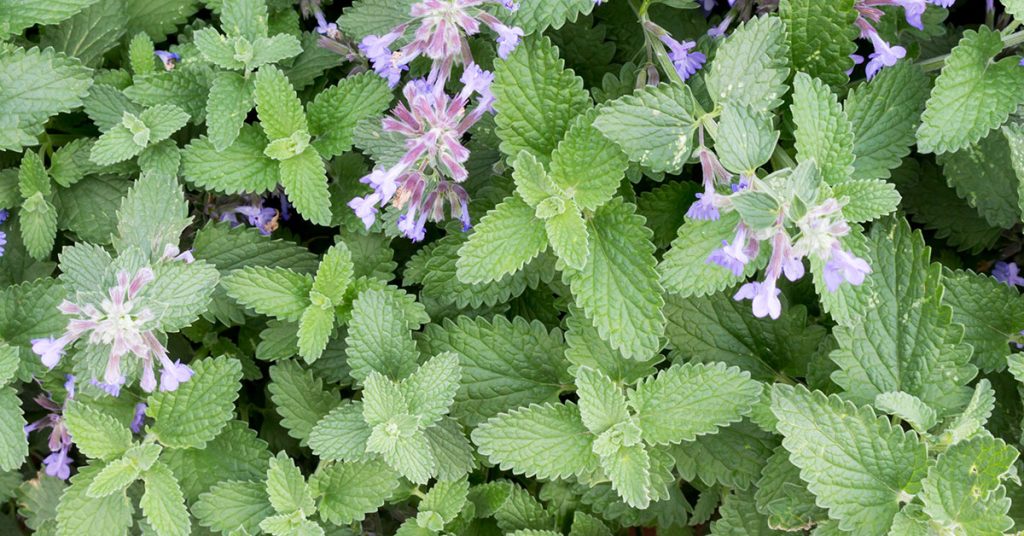
Catnip is a perennial herb that’s famous not only for its appeal to our feline friends but also for its medicinal properties and attractive, aromatic foliage. Native to Europe and Asia, catnip adapts well to Zone 5 gardens, thriving in full sun and well-drained soil while offering a subtle minty aroma. I love that catnip’s small, delicate flowers attract bees and butterflies, which often use the dense clusters as safe resting or even nesting spots. Despite its enthusiastic reputation among cats, it remains non-invasive, ensuring that it enhances your garden without any unwanted overgrowth!
In my own garden, catnip adds a playful yet practical element, serving as both a natural remedy and a conversation starter among fellow gardeners. Its robust growth and resilience make it an excellent choice for those seeking an herb that offers both utility and charm. Watching the local pollinators buzz around the catnip flowers fills me with joy, knowing that this humble herb contributes to a healthy, balanced ecosystem. Catnip is a delightful reminder that even the most unassuming plants can bring unexpected bursts of life and energy to your Zone 5 garden!
Comfrey
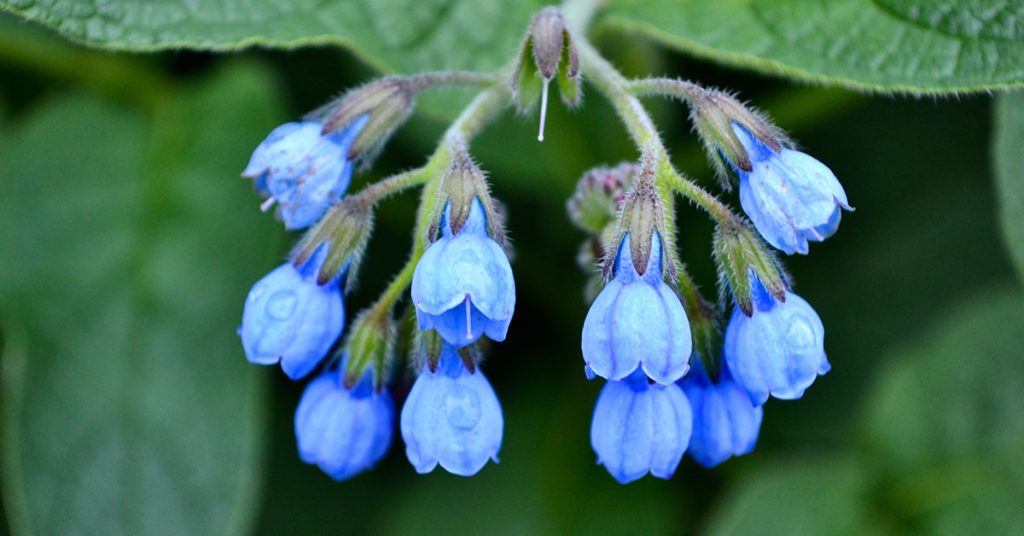
Comfrey is a powerhouse perennial herb known for its rapid growth and deep, nutrient-rich leaves that serve as a natural fertilizer when used in compost. Native to Europe and Asia, comfrey thrives in Zone 5 gardens, flourishing in moist, well-drained soil and partial shade. I’ve observed that its large, bell-shaped flowers attract an array of pollinators, including bees and butterflies that often use its dense foliage as a temporary retreat. However, it’s important to note that while comfrey is incredibly beneficial, it can be invasive if left unchecked—so containment and regular maintenance are key!
In my gardening adventures, comfrey has proven to be an invaluable asset, both as a dynamic green manure and as an attractive, high-yield herb. Its vigorous growth not only enriches the soil but also supports a bustling ecosystem of beneficial insects. I take great care to manage its spread, ensuring that its benefits are harnessed without allowing it to dominate other plantings. Every time I see the deep green leaves unfurling in the spring light, I’m reminded of the immense power and potential hidden within nature’s most robust creations!
Anise Hyssop
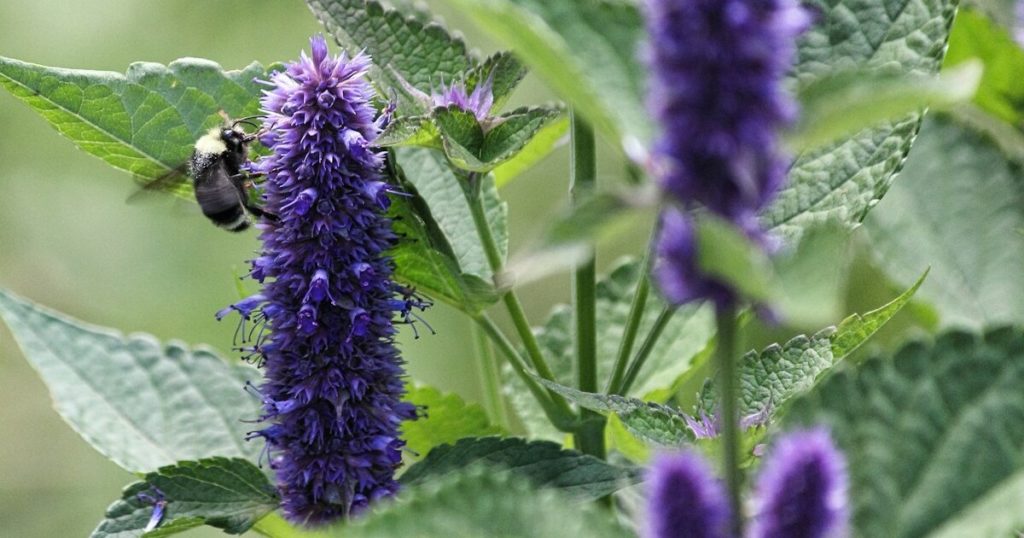
Anise Hyssop is a charming perennial herb that offers a delightful blend of minty and licorice-like flavors, making it a favorite among herb enthusiasts in Zone 5 gardens. Native to North America, this herb thrives in full sun with well-drained soil and rewards its caretakers with abundant clusters of lavender-blue flowers. I’ve noticed that these blooms attract a myriad of pollinators, from bees to butterflies, some of which even use the plant’s structure as a cozy nesting ground. Anise hyssop is non-invasive, so it provides a burst of color and flavor without disrupting the garden’s balance!
In my own garden, anise hyssop has become a symbol of culinary creativity and natural beauty. Its aromatic leaves infuse teas, salads, and even baked goods with a subtle, refreshing taste that delights the senses. The plant’s continuous bloom cycle not only adds visual interest but also supports a lively ecosystem by inviting beneficial insects that help maintain a healthy garden. Every time I harvest a sprig for a recipe, I’m filled with gratitude for this versatile herb that embodies the spirit of a Zone 5 garden—vibrant, flavorful, and full of life!
Sage
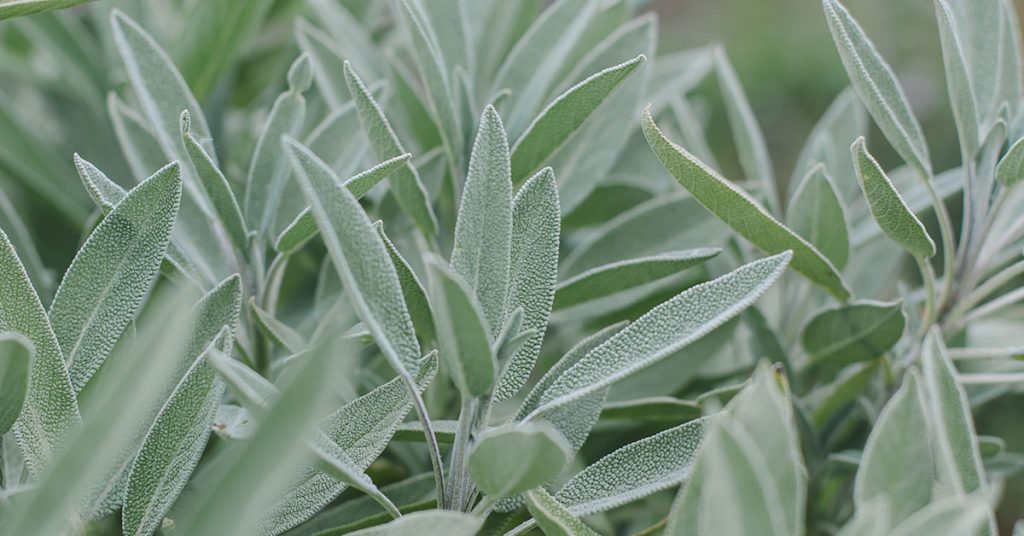
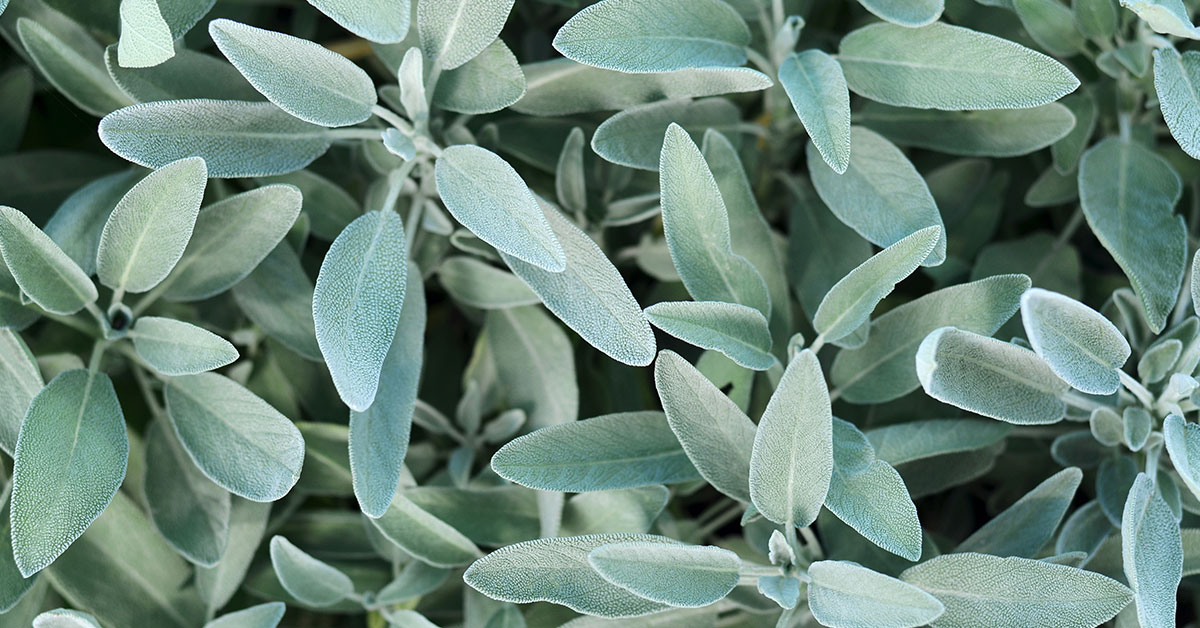
Sage is a revered perennial herb celebrated for its savory, earthy flavor and its rich history in both culinary and medicinal traditions. Native to the Mediterranean region, sage has adapted gracefully to Zone 5 conditions when provided with well-drained soil and full sun. I enjoy how its silvery-green leaves and delicate purple or blue flower spikes attract an array of pollinators, including bees and butterflies, which sometimes even use its foliage for a brief resting spot. Sage is non-invasive, making it a safe, reliable choice for adding both flavor and visual appeal to your herb garden!
In my gardening journey, sage has consistently been a standout for its versatility and resilience. Its robust growth and aromatic presence not only enhance my cooking but also contribute to a balanced, thriving ecosystem in my garden. I relish the opportunity to harvest a few leaves to add to hearty stews or fresh salads, knowing that each cut helps stimulate further growth. Sage is a testament to the enduring power of nature—a perennial herb that brings wisdom, flavor, and beauty to every Zone 5 garden it graces!