
Spring and summer bring an irresistible energy to our gardens, and understanding your growing zone is the key to harnessing that vibrant potential! As a devoted gardener who has experienced both the challenges and joys of seasonal planting, I know how disheartening it can be when your carefully selected crops just won’t thrive. Learning about growing zones not only helps you choose the right plants but also guides you in tailoring your garden’s care to suit the unique microclimate of your area. When you know your zone, you’re empowered to make smarter decisions that lead to a flourishing garden and bountiful harvests throughout the warmer months.
In this article, I’m excited to share insights that will help you transform your garden into a thriving haven this spring and summer. We’ll dive into what growing zones are, how to determine your local zone, and strategies to adapt your garden to seasonal challenges. Whether you’re looking to attract beneficial pollinators, create inviting nesting spots for local wildlife, or simply reduce the guesswork in plant selection, these tips will bring you closer to a garden that’s both beautiful and productive. Let’s embark on this journey together and set the stage for a successful, sustainable garden!
Leveraging Microclimates for Extra Growth Boost
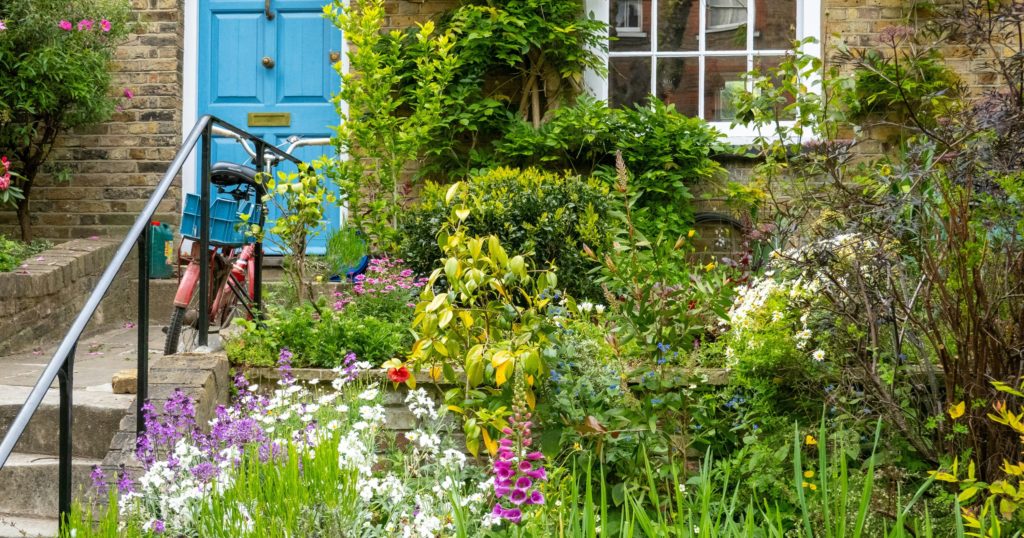
Every garden is a tapestry of unique microclimates, and understanding these nuances can give your plants the extra edge they need to flourish! Microclimates are localized areas within your yard where conditions such as temperature, humidity, and sunlight differ from the surrounding environment. I’ve discovered that even a small patch sheltered by a building or near a water feature can serve as a perfect retreat for tender plants that might struggle in harsher conditions. Recognizing these zones can help you strategically place crops to maximize their growth and productivity.
From my experience, tapping into these microclimates has allowed me to extend my growing season and nurture plants that might otherwise be considered too delicate for my region. For instance, a sunny, sheltered corner may be ideal for heat-loving vegetables, while a cooler, shaded spot can provide refuge for more moisture-sensitive species. This thoughtful approach not only boosts yields but also enriches the overall ecosystem by inviting beneficial insects and even small creatures that appreciate a well-balanced habitat. It’s all about working with nature’s subtleties to create a thriving garden environment!
Native Plants vs. Invasive Species: Making Informed Choices
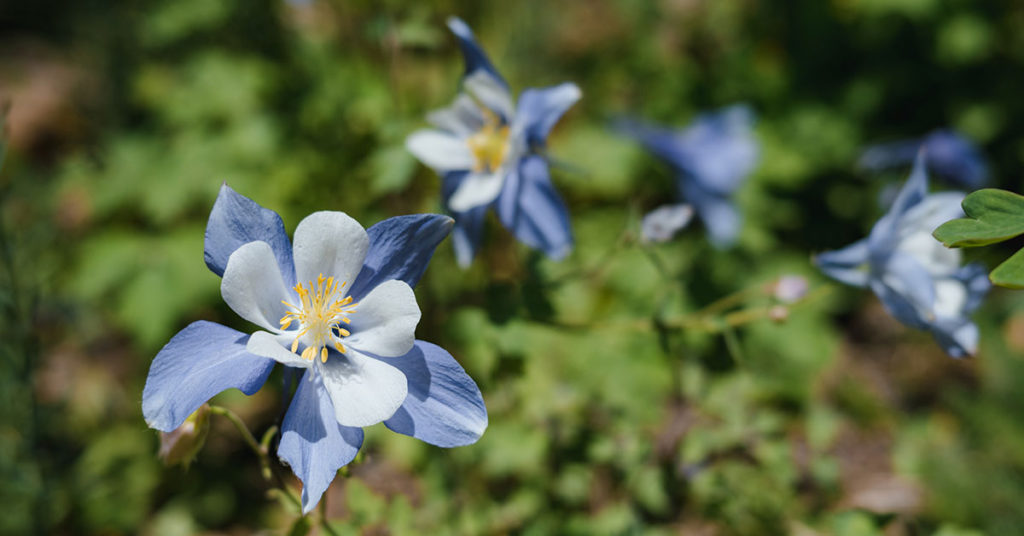
Choosing the right plants is about more than just aesthetics—it’s a crucial part of maintaining a healthy ecosystem in your garden. Native plants are adapted to your local growing zone and often require less water and fewer resources, making them excellent choices for a sustainable garden. I always take a moment to research each species’ background, understanding where it’s native and ensuring it won’t become invasive. Native species not only support local wildlife by providing nesting spots and food sources but also help maintain the natural balance of the environment.
On the flip side, some popular garden plants, while attractive, have invasive tendencies that can disrupt local ecosystems if left unchecked. It’s such a bummer when an invasive plant crowds out native species, upsetting the delicate balance of our outdoor sanctuaries! I’ve learned that making informed choices—by selecting non-invasive cultivars and embracing native alternatives—can lead to a garden that’s both visually stunning and ecologically responsible. Balancing these choices is key to creating a space where both plants and wildlife can thrive harmoniously throughout the spring and summer months.
What Are Growing Zones and Why They Matter
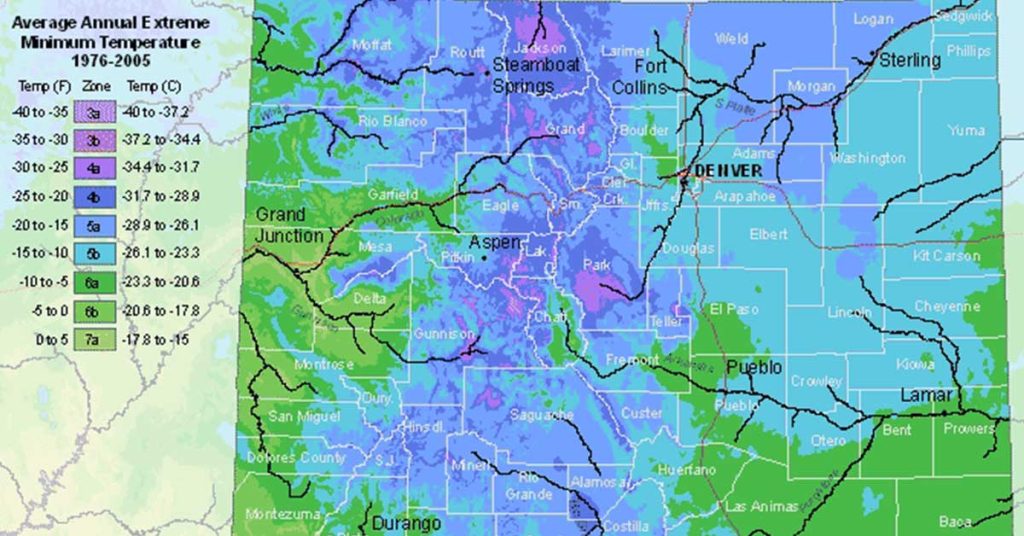
Growing zones are essentially maps that divide regions based on average minimum winter temperatures, and they serve as a fundamental guide for gardeners like us! These zones help us determine which plants are likely to thrive in our local climate by offering insights into the temperature extremes our garden experiences. I remember the first time I learned about my zone—it was a game changer that shifted my entire approach to planting. With this knowledge, you can avoid the frustration of buying a plant that just isn’t suited to your area, and instead, choose species that are naturally resilient.
Understanding your growing zone also means you can better predict the seasonal behaviors of your plants. For example, knowing when to expect the first frost or the hottest days of summer enables you to plan planting schedules, watering routines, and even pest control measures more effectively. It’s an exciting way to align your gardening practices with nature’s rhythms, creating a more predictable and fruitful environment. Every time I see my carefully chosen plants thriving, I’m reminded of the importance of this simple, yet powerful, framework!
Determining Your Local Growing Zone and Microclimates
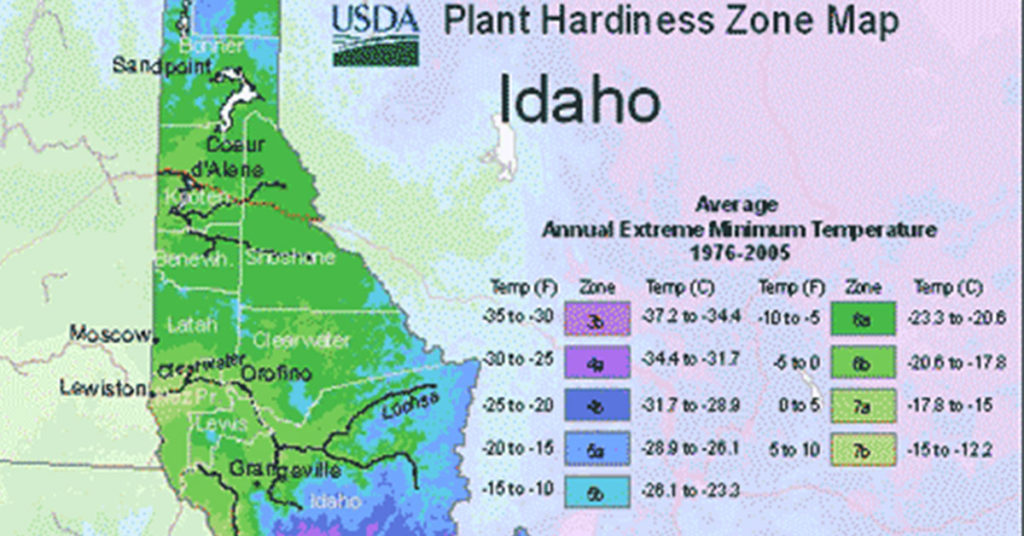
Figuring out your local growing zone is an adventure that brings you one step closer to a garden tailored just for your conditions. You can easily determine your zone by checking online tools or local extension services, which use historical temperature data to classify your region. I’ve always found it fascinating to compare my garden’s microclimates with the broader growing zone information—it’s like discovering a secret map of your backyard’s hidden potential! This process not only guides you in plant selection but also helps you understand the specific challenges and opportunities of your environment.
Once you know your zone, take some time to explore the various microclimates within your yard. Areas near walls, water features, or even under the canopy of a large tree can have conditions that differ significantly from the open field. In my garden, these pockets of warmth or coolness have allowed me to experiment with plant varieties that aren’t typically recommended for my region. Observing these nuances and adapting your gardening practices accordingly can lead to a thriving ecosystem that supports a wide range of plant life and attracts beneficial wildlife. It’s all about embracing the unique character of your space!
Selecting Plants That Thrive in Your Zone

Choosing plants that are well-suited to your growing zone is one of the most rewarding parts of gardening. By selecting species that naturally thrive in your local climate, you reduce the stress on your plants and minimize the need for extra care. I’ve always enjoyed the process of researching which vegetables, flowers, or shrubs are native or well-adapted to my zone—knowing that these choices will yield a more robust garden filled with healthy, productive growth! It’s also important to consider each plant’s background, including its native region and any potential for invasiveness, so that your garden remains balanced and sustainable.
From my own gardening journey, I’ve learned that when plants are in the right zone, they exhibit behaviors that are truly remarkable—like attracting abundant pollinators and even offering cozy spots for nesting bees and butterflies. This natural synergy not only enhances the beauty of your garden but also contributes to a thriving ecosystem where every element plays its part. Selecting the right plants transforms your garden into a living, breathing space that reflects both nature’s rhythm and your personal touch. Every harvest and every bloom is a celebration of making informed, thoughtful choices!
Spring Garden Strategies: Planting for Early Success
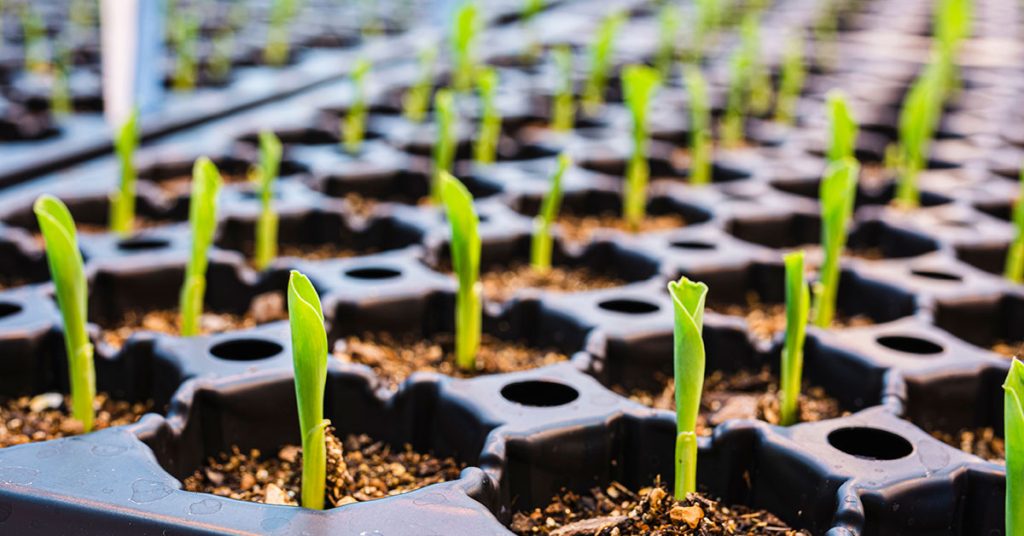
Spring is the perfect time to kickstart your garden, and using growing zones as your guide ensures that your early plantings have the best chance to flourish. During this season, the risk of frost diminishes, and your local climate begins to show its true colors. I always enjoy planning my spring garden by selecting cold-tolerant varieties that can withstand the occasional chilly morning while thriving as the days warm up. This careful planning is essential, especially when considering native plants that are adapted to the seasonal rhythms of your area.
In my own experience, early spring is a magical time to witness the transformation of your garden as life begins to bloom. It’s such a joy to see the first sprouts pushing through the soil and to know that you’ve aligned your efforts with the natural timeline of your growing zone. Strategic planting in spring not only sets the stage for a vibrant summer but also attracts beneficial insects and birds that help maintain a balanced ecosystem. Each early bloom is a promise of the abundance and beauty that the warmer months will bring!
Summer Garden Planning: Extending Your Harvest
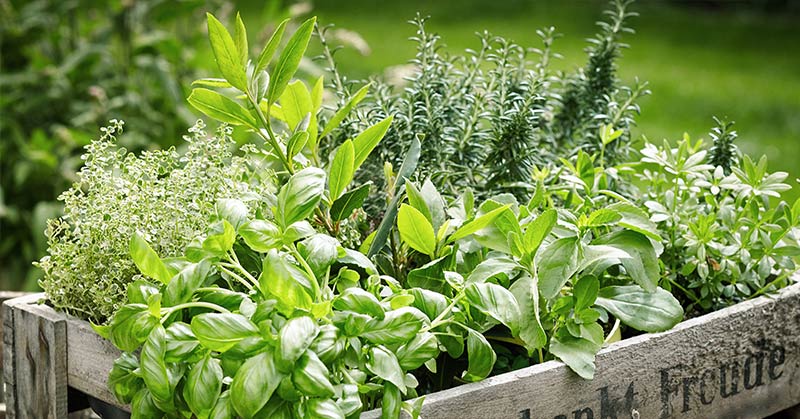
As spring gives way to summer, the focus shifts to maximizing the yield from your garden, and knowing your growing zone plays a crucial role in this transition. Summer brings longer days and higher temperatures, which can be a blessing or a challenge depending on your location. I’ve found that by understanding the specific demands of my zone, I can select heat-tolerant varieties and adjust my watering and fertilizing schedules to keep my garden thriving even during the hottest months. It’s all about adapting to the conditions and ensuring that every plant receives the care it needs to produce a bountiful harvest!
In my own garden, summer is a time of energy and abundance. I relish the extended growing season by incorporating techniques like mulching and strategic shading, which not only protect plants from extreme heat but also conserve moisture. These practices have helped me extend the life and productivity of my crops, from juicy tomatoes to crisp lettuce. There’s a real sense of accomplishment when you see your garden transform into a vibrant mosaic of colors and flavors, all thanks to a deep understanding of your growing zone and its seasonal shifts. Summer is truly a celebration of nature’s generosity!