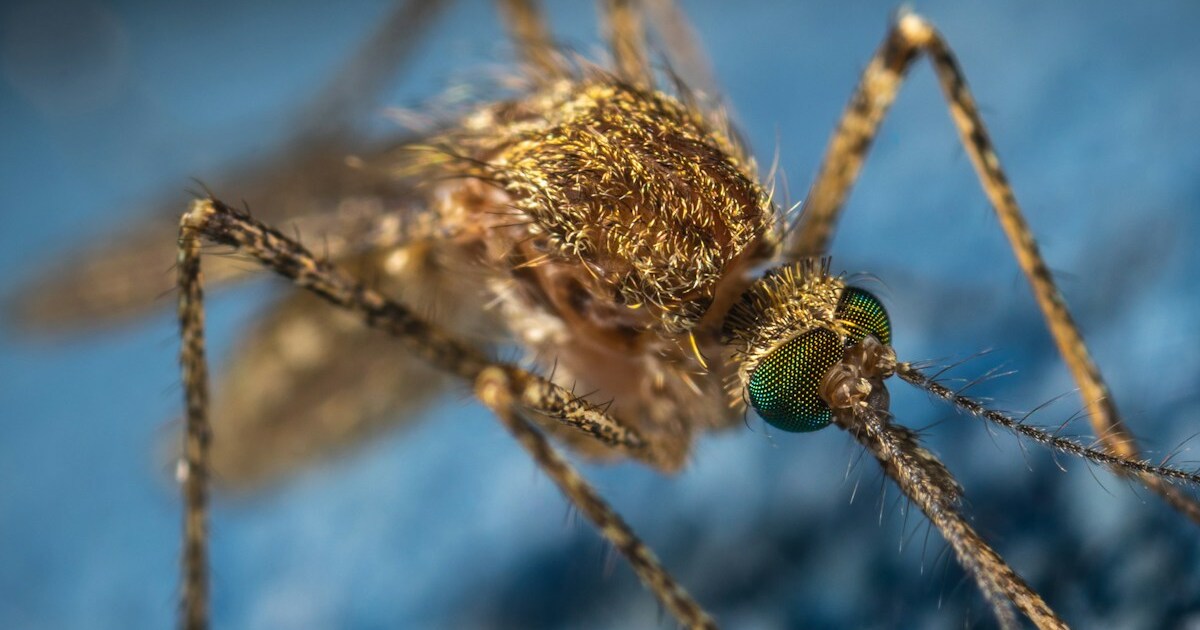

I’m excited to share some of my favorite methods for reclaiming your garden from those pesky mosquitoes! As a dedicated gardener who’s experienced the frustration of battling these buzzing nuisances, I know how disheartening it can be when mosquitoes overrun your outdoor sanctuary. In this article, I’ll walk you through eight creative and eco-friendly techniques to deter mosquitoes—from growing repellent plants to encouraging natural predators—so you can enjoy your garden without constant interruptions. Trust me, a peaceful, mosquito-free garden is within reach, and every tip is a little step toward that calm retreat!
Every method here comes with plenty of practical details, including information on native origins and potential invasiveness, so you can make informed choices that suit your garden’s unique ecosystem. I understand how challenging it is to maintain a balanced garden when pests threaten your plants and your peace of mind. Whether you’re dealing with stagnant water that serves as a mosquito nursery or simply looking to enhance your green space with natural repellents, these tips are designed with empathy and enthusiasm—let’s transform your garden into a serene haven together!
Encourage Mosquito Predators
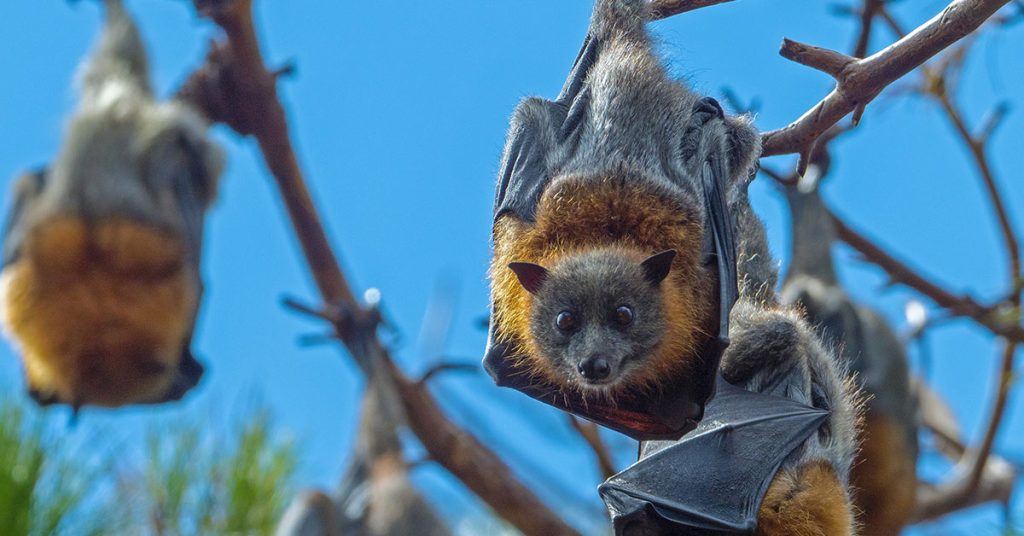
Inviting natural predators into your garden is one of my favorite ways to keep mosquito populations in check! Consider installing bat houses or bird feeders that attract species like bats, purple martins, and swallows—creatures that naturally prey on mosquitoes. Bats, for instance, can eat hundreds of mosquitoes each night, and many of these predators are native to regions across North America. They often nest in sheltered spots you create, turning your garden into a buzzing hub of natural pest control. It’s such a joy to witness the balance of nature at work, with each creature playing its part to restore harmony!
I’ve found that encouraging these natural predators not only helps reduce mosquitoes but also adds a dynamic element to your garden. Watching a bat flit by at dusk or hearing the cheerful chirps of nesting birds gives me a sense of accomplishment and peace. Plus, these predators are non-invasive and perfectly adapted to their native environments, ensuring that their presence supports rather than disrupts your garden’s ecosystem. It’s a win-win approach that fills my heart with gratitude every time I see nature’s teamwork in action!
Remove Standing Water
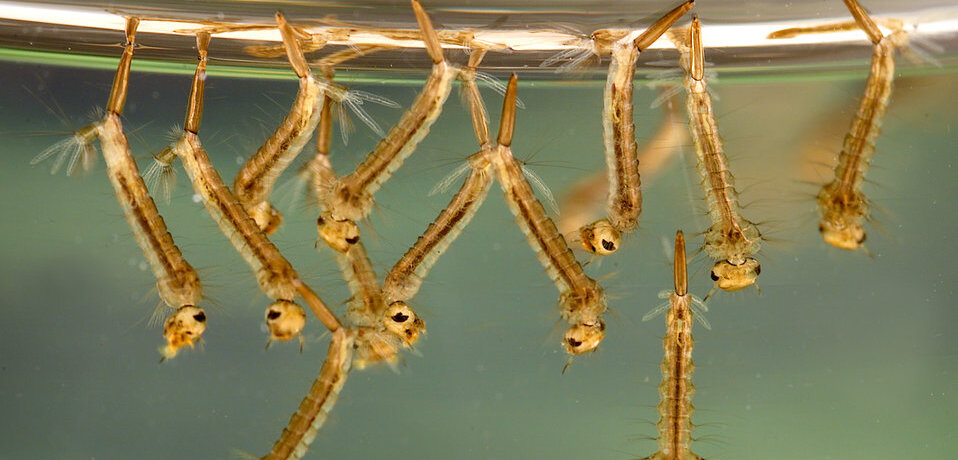
One crucial step in reducing mosquitoes is to eliminate any standing water in your garden—those damp puddles and stagnant containers are prime breeding grounds for these insects! Mosquitoes are known to lay their eggs in even the smallest amounts of water, so make it a habit to check for clogged gutters, old plant saucers, or any decorative water features that aren’t moving. By removing or refreshing these water sources regularly, you can significantly cut down on mosquito populations. I always find it refreshing to clear out these hidden water traps and witness an immediate drop in the buzzing around my garden!
In my own garden routine, addressing standing water has been a game changer for pest control. I take a proactive approach by installing proper drainage and even adding small pumps to ornamental ponds to keep water circulating, which discourages mosquitoes from settling in. This practical, environmentally friendly method doesn’t require harsh chemicals and works in perfect harmony with nature. Every time I clear out a stagnant bowl or fix a leaky fountain, I’m reminded that a little extra care goes a long way in creating a healthier, more enjoyable garden!
Grow Lavender
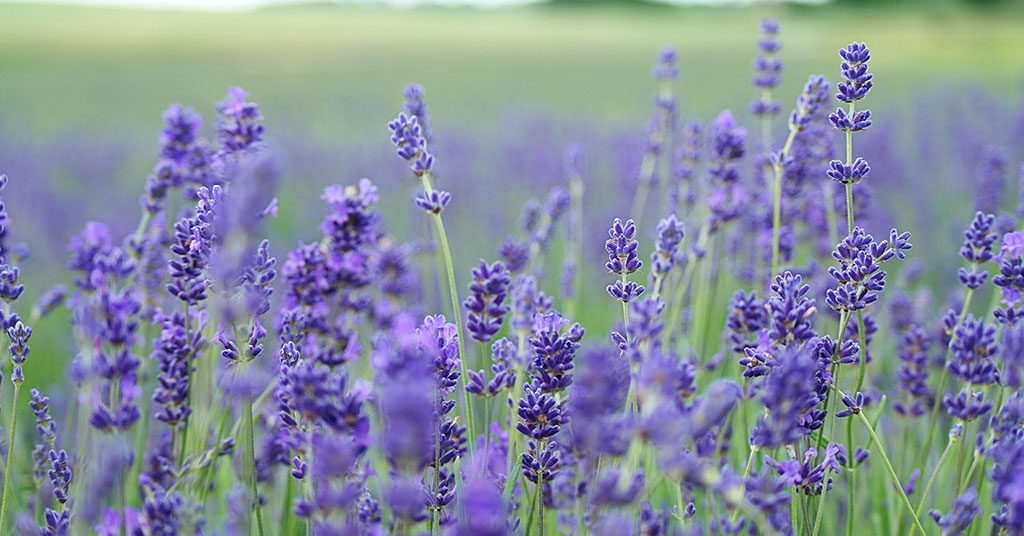
Lavender isn’t just a feast for the eyes and nose—it’s also a natural mosquito deterrent that brings a soothing aura to your garden! Native to the Mediterranean, this fragrant perennial thrives in sunny spots with well-drained soil, making it an ideal candidate for low-maintenance gardens. Its delicate purple blooms not only add charm and positive energy but also produce a scent that mosquitoes find unappealing. I’m always delighted by how lavender’s aromatic presence creates a calming atmosphere while keeping those unwelcome insects at bay!
In my gardening adventures, I’ve seen lavender flourish with minimal fuss, and its non-invasive nature means it won’t take over your space. Its drought-tolerant qualities and the natural ability to repel pests make it a true garden ally. I enjoy placing lavender near seating areas where its gentle perfume fills the air, transforming my garden into a tranquil retreat. Every time I catch a whiff of its aroma, I’m reminded of the magic that simple, well-chosen plants can bring to our outdoor sanctuaries!
Cultivate Citronella Grass

Citronella Grass is perhaps one of the best-known natural remedies for mosquitoes, and it brings a zesty energy to any garden space! Native to tropical Asia, citronella is widely cultivated around the world for its essential oil, which is famed for its insect-repelling properties. This robust plant thrives in full sun and well-drained soil, making it a great addition to a low-maintenance garden when cared for properly. Although it’s a popular choice for repelling mosquitoes, always check local guidelines as in some areas it can behave invasively if not managed carefully.
In my own garden, I’ve learned that citronella grass can be a true lifesaver during the humid summer months. I enjoy watching its slender, aromatic leaves sway in the breeze, a constant reminder that nature often holds the key to solving our pest problems. Not only does it help keep mosquitoes away, but it also adds a splash of tropical flair that brightens up even the dullest corner. Every time I trim it back and refresh its growth, I feel a renewed sense of control and optimism for a pest-free environment!
Maintain Garden Hygiene
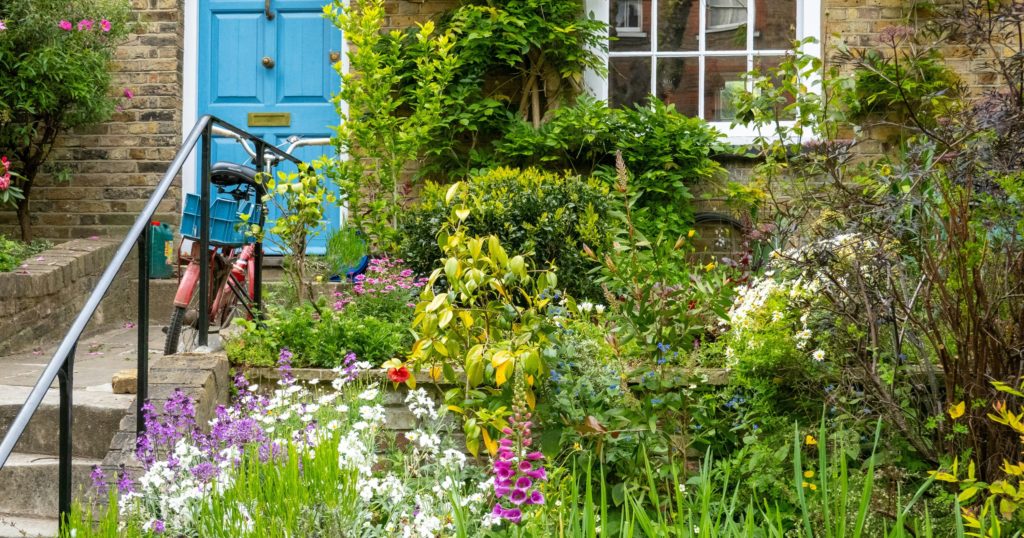
Keeping your garden tidy is one of the simplest yet most effective ways to deter mosquitoes! Regularly clearing out fallen leaves, pruning overgrown vegetation, and removing clutter can drastically reduce the hiding spots and resting areas for these unwelcome insects. I’ve experienced firsthand how a well-maintained garden creates an environment where beneficial insects and natural predators can thrive while making it less attractive for mosquito breeding. Maintaining this level of care ensures that your garden remains a vibrant, pest-resistant oasis!
From my perspective as a gardener, proper garden hygiene isn’t just about aesthetics—it’s a practical strategy for managing pests. I always set aside time each season to tidy up and organize my outdoor space, and the results speak for themselves. This approach not only discourages mosquitoes from nesting but also creates a healthier ecosystem overall. With every sweep and prune, I feel empowered and inspired, knowing that my efforts are making my garden a sanctuary of both beauty and tranquility!
Plant Basil
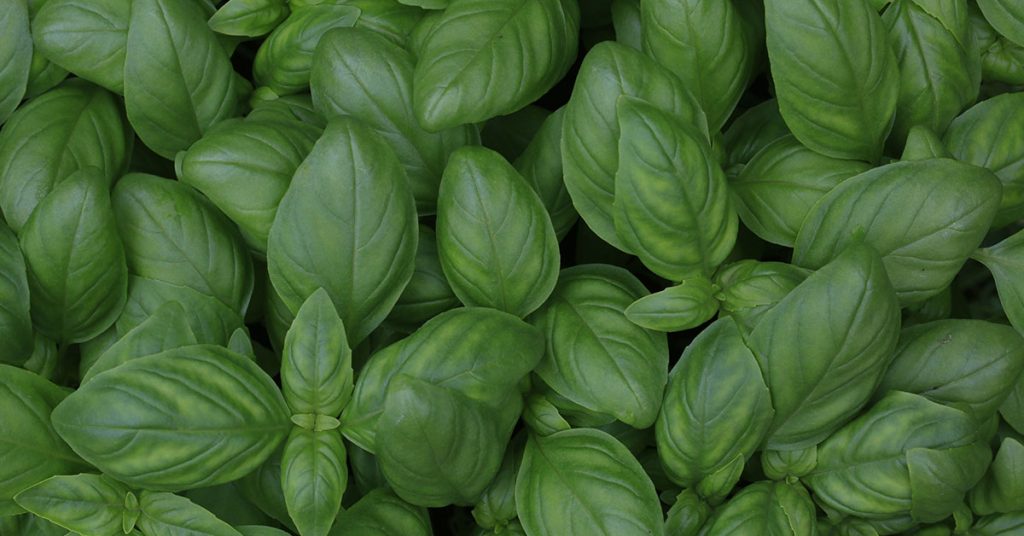
Basil is a culinary favorite that doubles as an excellent natural mosquito repellent, infusing your garden with delightful aromas and vibrant energy! Native to tropical regions of central Africa and Southeast Asia, basil thrives in warm, sunny conditions and is celebrated for its ease of cultivation. I love incorporating basil into my garden not only because it enhances my cooking but also because its strong scent is known to repel mosquitoes and other pests. It’s a versatile herb that adds both flavor and function to your outdoor space!
In my experience, basil is a charming addition that attracts beneficial insects while keeping mosquitoes at a distance. Its rapid growth and non-invasive nature make it ideal for container gardens or border plantings, providing a natural barrier against pests. Each time I harvest a few leaves for a fresh dish, I’m reminded of how nature offers us simple solutions to complex problems. Basil’s dual role as a culinary delight and a natural repellent fills me with a sense of wonder and gratitude for the bounty of the garden!
Introduce Marigolds
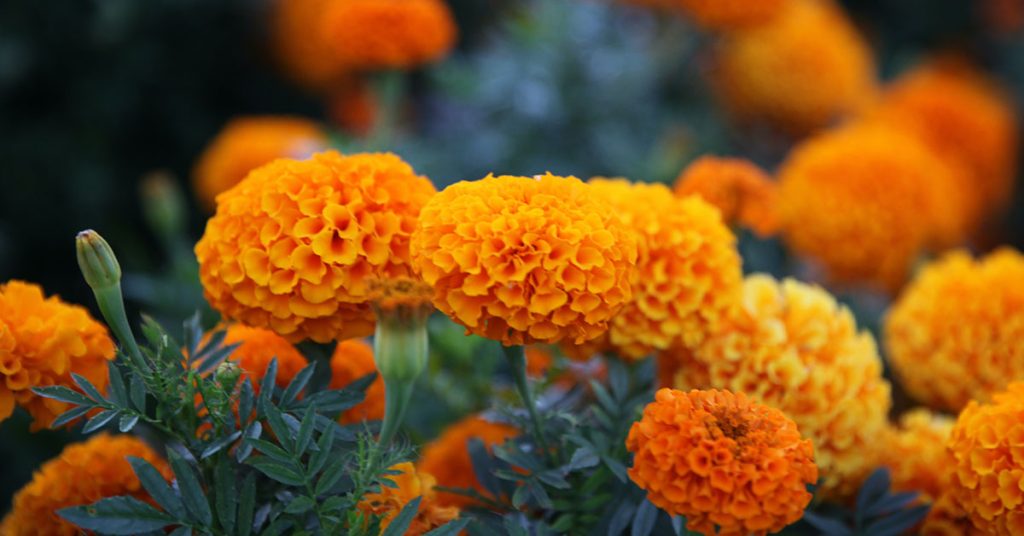
Marigolds are cheerful and vibrant flowers that not only brighten up your garden but also work wonders at repelling mosquitoes with their natural chemicals! Native to Mexico and Central America, these hardy annuals are a gardener’s delight—easy to grow, low-maintenance, and non-invasive when cultivated properly. I’m always impressed by how marigolds release a scent that deters mosquitoes, making them a popular companion plant for vegetable gardens and flower beds alike. Their radiant orange and yellow hues add an instant burst of energy to any outdoor setting!
In my garden, marigolds have earned a special place for their dual benefits: aesthetic appeal and natural pest control. They act as a vibrant shield, protecting more delicate plants from the constant threat of mosquito bites. I find it incredibly satisfying to see how these bright blossoms not only enhance the visual landscape but also contribute to a healthier, more balanced ecosystem. Every time I stroll past a patch of marigolds, I’m reminded that nature often provides the simplest, most effective remedies—right at our fingertips!
Prepare Natural Repellent Sprays

Creating your own natural repellent sprays is a rewarding and eco-friendly way to keep mosquitoes at bay, using the powerful essence of plants you might already have in your garden! I often blend essential oils—such as eucalyptus, citronella, and lavender—with water and a touch of vinegar to form a refreshing spray that can be applied around outdoor seating areas and garden borders. Each oil brings its own story: eucalyptus is native to Australia, citronella to tropical Asia, and lavender to the Mediterranean, and none of these are typically invasive when grown under controlled conditions. This DIY approach not only harnesses nature’s own pest deterrents but also adds a personalized touch to your garden care routine!
In my personal gardening journey, preparing natural repellent sprays has been a game changer during those muggy summer months. The process of mixing and applying the spray fills me with a sense of creative satisfaction, knowing I’m using gentle, plant-based solutions to protect my sanctuary. I love the invigorating aroma that wafts through the air after application—an instant reminder that the garden is a living, breathing space where every element works together in harmony. With a few spritzes here and there, I can confidently enjoy my garden evenings without the constant annoyance of mosquitoes buzzing around!