

I’m overjoyed to share my passion for perennial flowers that not only bring beauty to a low-maintenance garden but also create a natural haven for pollinators and wildlife alike! As a dedicated gardener who has experienced the highs and lows of maintaining a flourishing garden, I understand how important it is to choose plants that reward you with minimal fuss and maximum charm. In this article, I’ll walk you through 16 marvelous perennials, discussing their native origins, care requirements, and even a few quirky behaviors—like how some attract nesting bees and butterflies! I know the frustration of battling high-maintenance species, so let’s dive into a selection that makes gardening both rewarding and stress-free.
Every plant featured here has a unique story and a specific role in crafting a balanced ecosystem. I’ve handpicked these perennials not only for their vibrant colors and textures but also for their resilience and compatibility with local wildlife. Whether you’re seeking a burst of color or a subtle accent to complement your garden’s natural flow, these flowers are sure to impress while keeping your gardening workload light. Let’s embark on this delightful journey together and transform your outdoor space into a living masterpiece!
Coreopsis
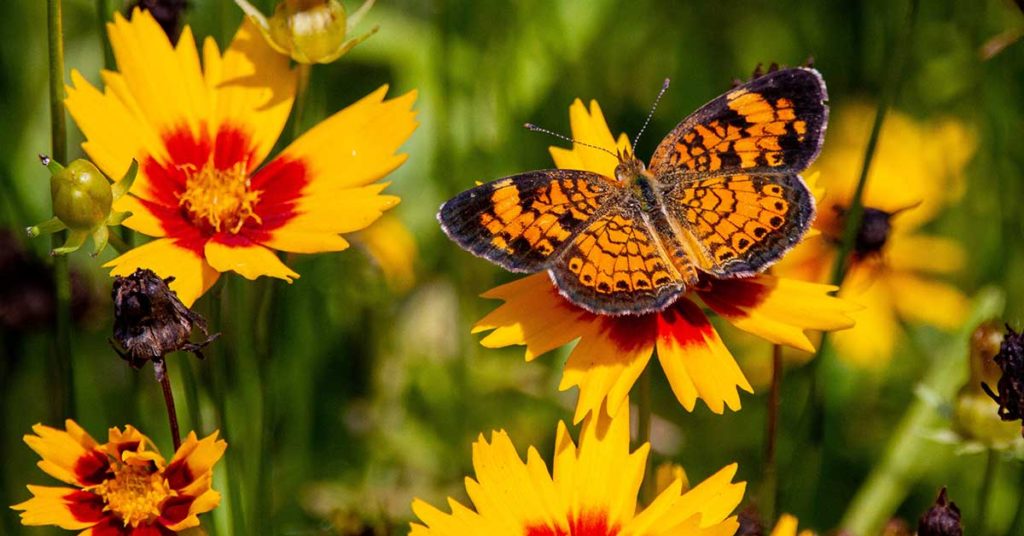
Coreopsis, often known as tickseed, is a perennial gem that brings a cheerful burst of color with its bright, daisy-like blooms! Native to North America, this hardy flower thrives in well-drained soil and full sun, making it a natural fit for low-maintenance gardens. I love how Coreopsis attracts a variety of pollinators—especially butterflies and bees—which can sometimes even be seen buzzing around in an almost playful, nesting-like behavior. Rest assured, it’s not considered invasive, which makes it a safe and eco-friendly choice for gardeners who want to support local ecosystems.
One of the aspects that makes Coreopsis so appealing is its resilience and ease of care. I’ve seen these flowers flourish year after year with just a bit of seasonal pruning and minimal watering during dry spells! Their long blooming period means that your garden will be alive with energy for months on end, offering a constant reminder that nature’s simple beauty can be both low-maintenance and incredibly rewarding.
Catmint

Catmint is a perennial delight that fills the garden with a soothing, aromatic fragrance and a cascade of soft, lavender-blue blooms. Native to Europe and parts of Asia, this plant is celebrated for its ability to attract pollinators like bees and butterflies without overwhelming your garden space. I appreciate catmint for its effortless charm and low-maintenance nature—it’s a plant that practically takes care of itself! Plus, it’s not known to be invasive, which means you can enjoy its lovely display without worrying about it overrunning your carefully planned garden layout.
From my own gardening experience, I can say that catmint not only enhances the visual appeal of your outdoor space but also creates a peaceful ambiance perfect for a quiet afternoon. Its aromatic leaves and delicate flowers serve as a natural magnet for beneficial insects, creating a mini ecosystem that buzzes with life. I’m always thrilled to see how this modest plant plays a starring role in encouraging wildlife interactions in a low-maintenance setting!
Lavender

Lavender is a perennial superstar that brings both beauty and a calming aroma to any garden! Originating from the Mediterranean, this timeless favorite thrives in sunny, well-drained areas and is incredibly low-maintenance once established. I’m always excited by how its spikes of purple bloom attract a plethora of bees, butterflies, and even hummingbirds—each one acting as a natural gardener’s helper. Lavender is non-invasive in most regions, making it an environmentally friendly choice that adds a touch of old-world charm to modern gardens.
In my own garden, lavender has become a symbol of serenity and practicality. I enjoy the way its fragrance permeates the air, creating a peaceful retreat from the hustle and bustle of everyday life. It’s such a joy to watch bees busily flitting from flower to flower, often nesting in nearby shrubs, which further enhances the dynamic ecosystem of my outdoor sanctuary! Truly, lavender is a must-have for any gardener looking for beauty, ease, and an eco-conscious addition to their floral collection.
Black-Eyed Susan

Black-eyed Susan is a vibrant perennial that offers cheerful, sunlit blooms with its iconic dark centers and bright yellow petals. Native to North America, these hardy flowers are a staple in many gardens due to their robust nature and low-maintenance requirements. I’m fascinated by how Black-eyed Susans naturally attract a host of beneficial insects and birds, many of which use the dense seed heads as a food source or even as nesting material. They are not considered invasive, making them a safe and splendid choice for eco-friendly gardening.
In my gardening adventures, I’ve found that Black-eyed Susans bring a joyful energy to the landscape, effortlessly brightening up even the most modest garden plots! Their resilience and ability to thrive in various soil types mean that even novice gardeners can enjoy their lively presence. I always feel a surge of satisfaction watching these delightful blooms sway gently in the breeze, knowing that they contribute to a balanced ecosystem and add a touch of sunshine to my outdoor space.
Shasta Daisy
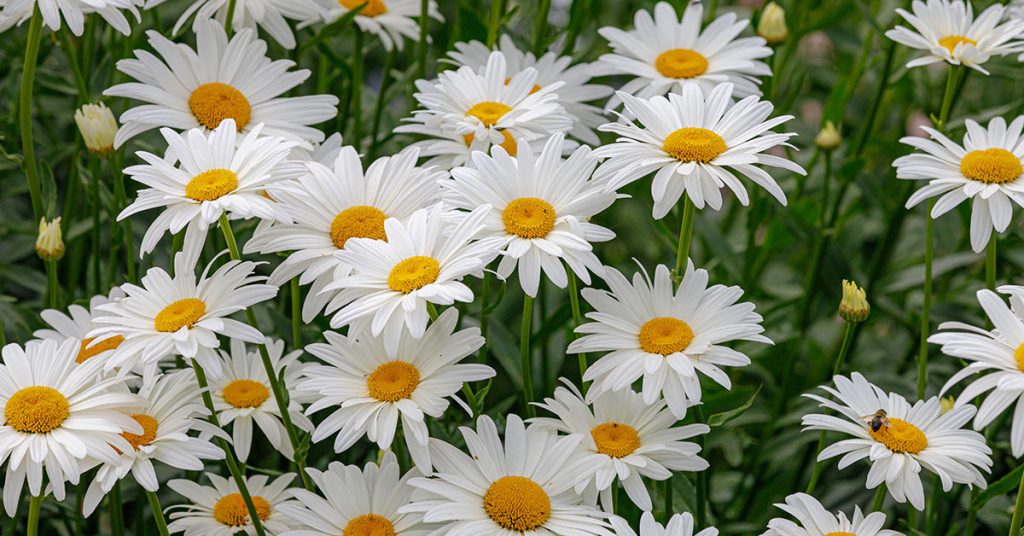
Shasta Daisy is a classic perennial that exudes a sense of timeless charm with its crisp white petals and sunny yellow centers. Originally developed in the United States, these flowers are celebrated for their hardiness and ease of cultivation in low-maintenance gardens. I admire how Shasta Daisy attracts a flurry of pollinators—bees, butterflies, and even small birds—which helps support a thriving garden ecosystem. Importantly, they are not invasive, so you can enjoy their delightful display without worrying about them overtaking your garden beds!
Every season, I’m thrilled to see these radiant daisies reappear with minimal effort, proving that beauty doesn’t always require constant attention. Their cheerful appearance and simple care requirements make them an ideal choice for gardeners who want to enjoy a burst of color with little fuss. Watching them sway in the gentle wind is a daily reminder of nature’s inherent grace, and it fills my heart with excitement and appreciation for the natural world!
Echinacea (Purple Coneflower)

Echinacea, commonly known as Purple Coneflower, is a perennial favorite renowned for its striking, spiky blooms and medicinal properties. Native to the prairies of North America, this resilient flower is a staple in many low-maintenance gardens due to its drought tolerance and minimal care needs. I’m always amazed at how Echinacea draws in not only bees and butterflies but also birds that relish its seed heads—sometimes even using them for nesting material! This plant is generally well-behaved and non-invasive, making it a wonderful addition to any garden focused on sustainability.
I find that Echinacea not only beautifies the garden but also promotes overall wellness by attracting beneficial wildlife. Its bold, daisy-like appearance creates a focal point that brightens up any landscape, while its robust nature means it can withstand harsh conditions. Each time I see these robust blooms, I feel a renewed sense of energy and optimism—an affirmation that a well-tended garden can be both vibrant and effortless!
Yarrow
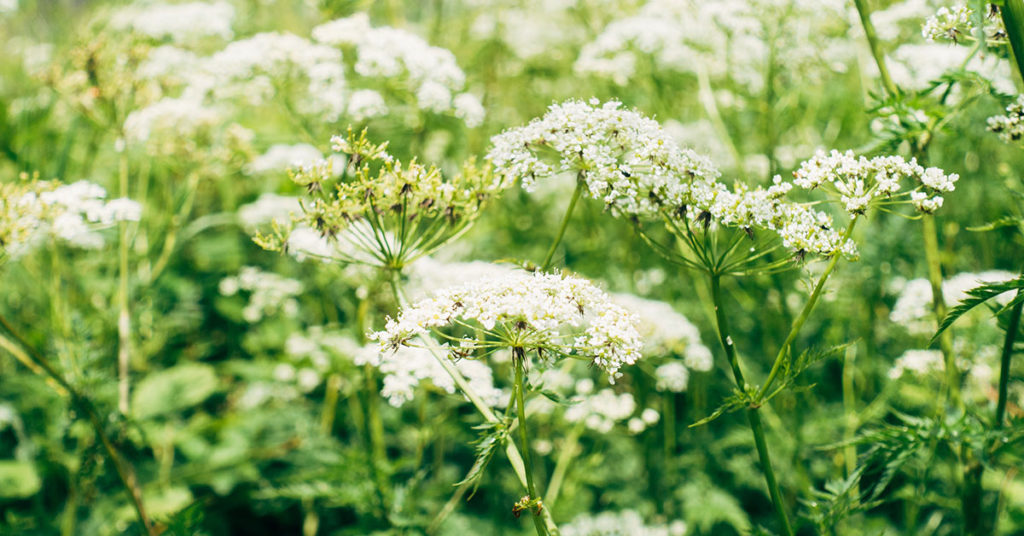
Yarrow is a charming perennial that graces gardens with its clusters of delicate, flat-topped blooms and fern-like foliage. Native to temperate regions of the Northern Hemisphere, yarrow is a true low-maintenance wonder known for its ability to thrive in a variety of soil conditions with minimal watering. I love how this hardy flower naturally attracts a swarm of beneficial insects, including ladybugs and bees, which are essential for pollination and sometimes even form temporary nesting sites nearby. Its non-invasive nature makes it a smart and sustainable choice for any eco-conscious gardener.
In my gardening journey, yarrow has consistently proven its worth by adding texture and subtle color to even the most sparse garden beds! The way its blossoms flutter in the wind is nothing short of magical, serving as a constant reminder that simplicity can be incredibly beautiful. I always find myself marveling at its resilience and the effortless way it integrates with the rest of my garden, making it a perennial favorite in every sense of the word!
Peony
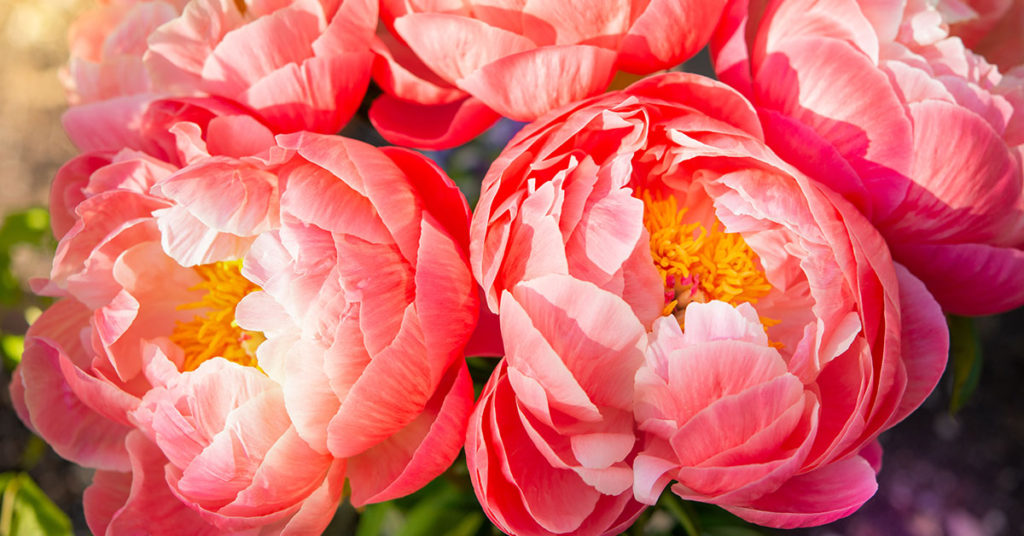
Peony is a beloved perennial that boasts large, fragrant blooms and lush, deeply textured foliage, making it a standout in any garden. Native to Asia, Europe, and western North America, these luxurious flowers are highly prized for their beauty and longevity, thriving with minimal care once established. I appreciate how peonies create a focal point that attracts not only admirers but also a variety of pollinators who often linger to enjoy the nectar. Despite their extravagant appearance, peonies are not invasive and can be safely grown in a well-planned low-maintenance garden.
There’s an undeniable magic in watching peonies bloom in the spring—a burst of color that transforms the garden into a vibrant display of nature’s splendor! Every time I see their lush, full blossoms, I’m reminded of the joy that comes from a garden that balances beauty with practicality. They bring a sense of opulence without demanding constant attention, making them a true testament to the rewards of choosing low-maintenance yet striking plants for your outdoor retreat!
Salvia
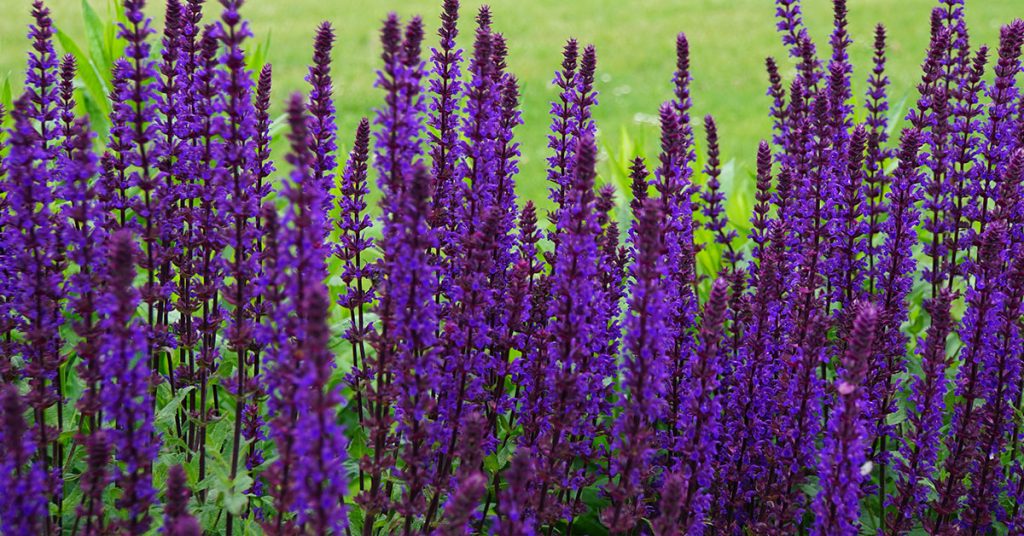
Salvia is a dynamic perennial that infuses the garden with both color and a delightful fragrance, making it a perennial favorite for low-maintenance landscapes. Native to various regions around the world, many salvias are celebrated for their hardiness and ability to thrive with little water or care. I’ve been particularly impressed with how salvia attracts a lively mix of pollinators, including bees and hummingbirds, which sometimes even use the surrounding foliage for brief nesting stops! It’s important to note that most salvias are non-invasive, allowing you to enjoy their brilliance without worry.
In my own garden, salvia has become a beacon of energy and movement, with its vibrant spikes standing tall against the backdrop of more subdued plants. Its effortless ability to draw in essential wildlife not only enhances the visual appeal of the landscape but also supports a balanced ecosystem. I’m always excited to see these brilliant blooms swaying gently in the breeze—each one a testament to the beauty that can flourish in a low-maintenance garden!
Russian Sage
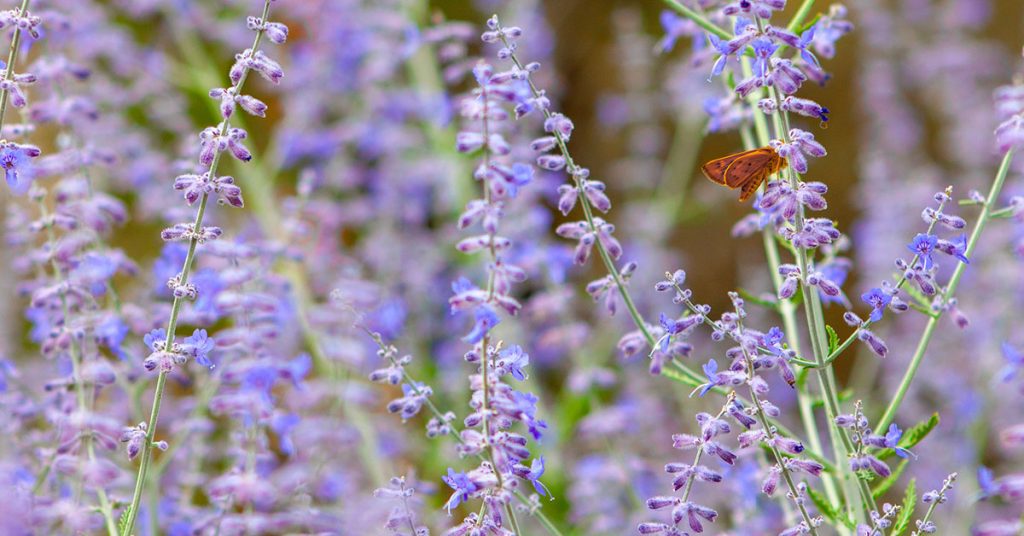
Russian Sage is a perennial marvel that captivates with its silvery foliage and ethereal blue blooms, perfect for adding a touch of elegance to any low-maintenance garden. Native to the regions of the Mediterranean and central Asia, Russian Sage thrives in full sun and well-drained soil, requiring minimal water and attention. I adore how its airy, aromatic stems attract bees and butterflies, which sometimes even find cozy nooks nearby to rest or nest! Notably, Russian Sage is not typically invasive, so it fits seamlessly into a well-balanced garden ecosystem.
The presence of Russian Sage in my garden always brings a sense of calm and understated sophistication. Its striking blue blossoms and soft, silver leaves create a natural contrast that is both refreshing and timeless. Each day, I enjoy the sight of bees meandering among its blooms, a gentle reminder that even the simplest plants can transform a garden into a haven of color and life. It’s a true joy to nurture a plant that offers both aesthetic beauty and a low-maintenance lifestyle!
Daylily
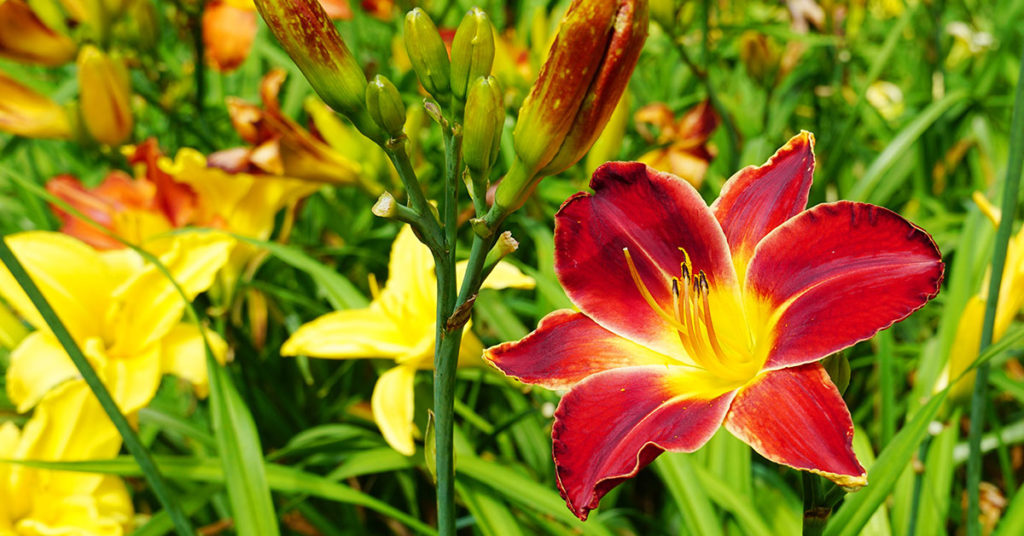
Daylilies are an extraordinary group of perennials prized for their vibrant, transient blooms and resilient nature in low-maintenance gardens. Native to Asia, daylilies have been embraced worldwide for their ability to flourish in a wide range of soil conditions and climates. I find their blossoms, which typically last for just one day, are more than compensated by the sheer number of flowers that appear throughout the season—each one attracting bees, butterflies, and even hummingbirds who often use nearby areas for nesting! Importantly, daylilies are generally non-invasive, making them a reliable and sustainable option for your garden.
In my own experience, daylilies offer a dynamic burst of color and a sense of perpetual renewal in the garden. Their hardy nature and minimal care requirements mean that even busy gardeners can enjoy their vibrant displays without the constant need for maintenance. I love the way their cheerful blooms brighten up the garden with every new day, reminding me that nature’s fleeting moments of beauty are always worth cherishing. It’s such a rewarding feeling to watch these resilient plants thrive and transform my garden into a lively, welcoming space!
Sedum
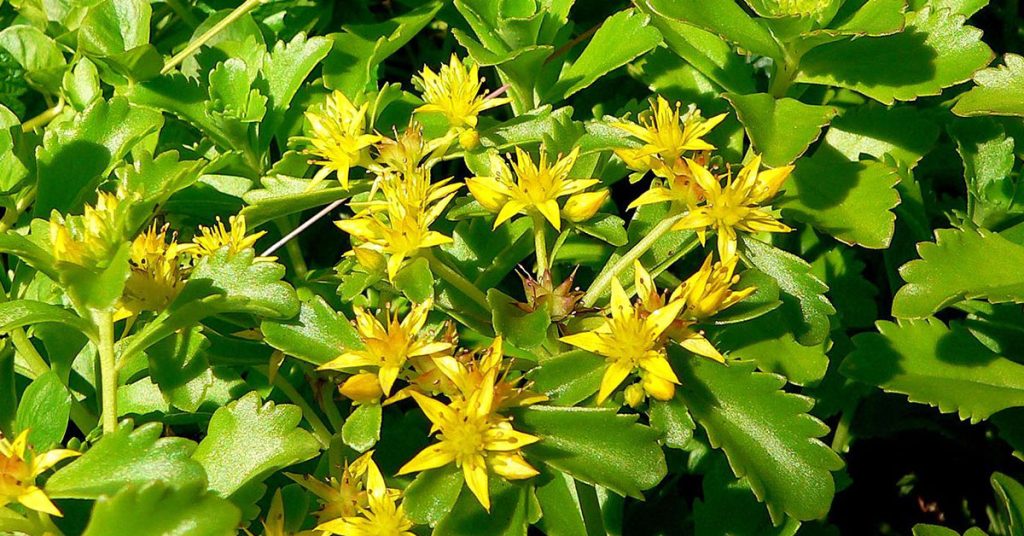
Sedum, often known as stonecrop, is a succulent perennial that thrives on neglect and adds a unique texture to any low-maintenance garden. Native to regions across Europe and Asia, sedum is renowned for its drought tolerance and ease of care, making it ideal for gardeners seeking low-effort beauty. I appreciate how its clusters of star-shaped flowers attract bees and butterflies, providing essential nectar while sometimes serving as a cozy spot for small insects to gather or even nest! Sedum’s non-invasive nature ensures that it enhances the garden without dominating the landscape.
Every time I see sedum thriving in a sunny rock garden or alongside a meandering pathway, I’m reminded of the elegance that simplicity brings. Its charming rosettes and delicate blooms create a striking contrast with more traditional flowers, offering an unexpected burst of color and form. With minimal watering and care required, sedum is a perfect choice for gardeners who want to enjoy a vibrant garden without the hassle of constant upkeep. It’s a small but mighty plant that never fails to impress with its effortless charm and resilience!
Phlox
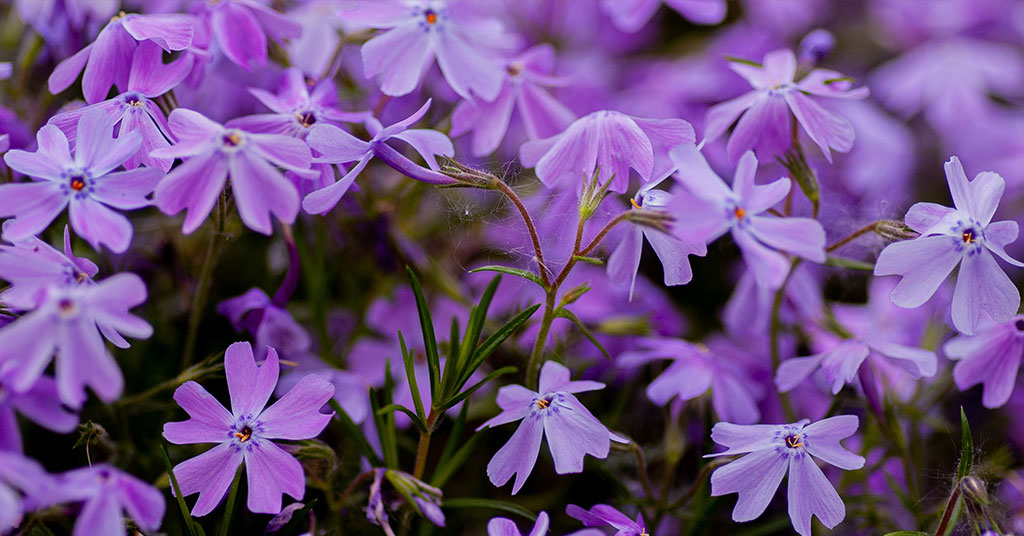
Phlox is a perennial treasure that dazzles with its abundant clusters of colorful blooms, making it an excellent addition to any low-maintenance garden. Native to North America, this delightful flower is known for its versatility and ease of growth in various climates, provided it enjoys full sun or partial shade. I’ve observed that phlox not only attracts butterflies and bees with its sweet fragrance but also sometimes provides a sanctuary for these visitors to rest and even engage in nesting behavior! Best of all, phlox varieties used in gardens are typically non-invasive, ensuring a balanced and harmonious landscape.
In my garden, phlox brings an element of exuberance and vibrant color that is simply infectious. The way its blossoms spill over garden beds creates a natural cascade of beauty that feels both spontaneous and meticulously arranged. I love the lively energy these flowers infuse into my outdoor space, as they create a thriving haven for pollinators and other beneficial insects. Their low-maintenance nature means that even during busy periods, the garden remains a spectacular display of nature’s resilience and charm!
Hosta
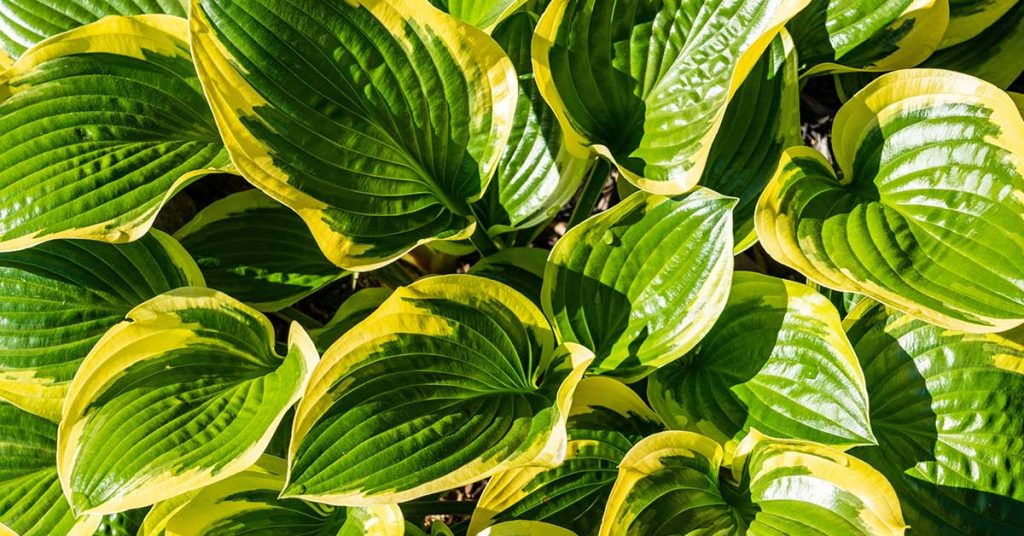
Hostas are beloved perennials that are cherished for their lush, shade-loving foliage and delicate, sometimes fragrant blooms. Native to Northeast Asia, hostas have become a staple in low-maintenance gardens due to their adaptability to shady conditions and minimal watering needs. I’m always delighted to see how hostas create a cool, inviting understorey in garden beds, often drawing in a host of beneficial insects that aid in pollination. They are not considered invasive, making them a safe choice for gardeners aiming to cultivate a balanced and diverse ecosystem.
What truly excites me about hostas is the way their varied leaf shapes and textures add depth and interest to a garden, especially in areas where sunlight is limited. Their understated blossoms, which appear on tall, slender stems, attract butterflies and bees that sometimes find refuge nearby—a natural bonus that enriches the garden’s biodiversity! Each new leaf that unfurls in my garden is a reminder of the beauty of low-maintenance plants that still deliver a powerful visual impact. Hostas embody the idea that simplicity can be stunningly sophisticated!
Iris
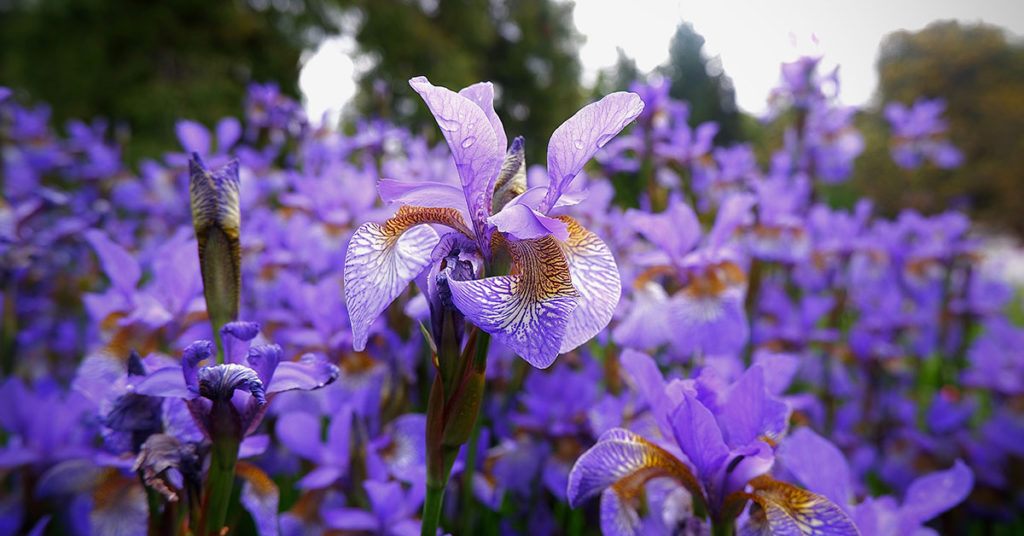
Iris is a perennial marvel known for its striking, sword-like foliage and spectacular, intricate blooms that seem to capture the essence of nature’s artistry. Native to various regions including the Mediterranean and parts of Asia, irises are prized for their hardiness and ability to flourish in low-maintenance gardens with well-drained soil. I’m always thrilled by the way these flowers attract a multitude of pollinators, from buzzing bees to delicate butterflies, which sometimes even find suitable spots to perch or nest in the surrounding foliage! They are typically non-invasive, ensuring that they enhance your garden’s beauty without any unwanted spread.
In my garden, irises serve as a bold statement piece, their vivid colors and graceful form adding a dramatic flair to any landscape. I enjoy the way they effortlessly blend beauty with practicality, offering a splash of color that’s both robust and refined. Every time I see an iris in full bloom, it sparks a sense of wonder and gratitude—reminding me why I chose a gardening path that celebrates both aesthetic appeal and simplicity. It’s a testament to the idea that even the most striking plants can be low-maintenance yet endlessly rewarding!
Bee Balm

Bee Balm is a perennial powerhouse that livens up any garden with its vibrant clusters of red, pink, or purple blossoms. Native to North America, this dynamic flower is celebrated for its aromatic foliage and its ability to attract a dazzling array of pollinators, including bees, butterflies, and hummingbirds—some of which even take a break for nesting in its vicinity! I appreciate how bee balm manages to thrive with minimal intervention, proving to be a resilient addition to low-maintenance gardens without posing an invasive threat to the local flora.
In my personal gardening adventures, bee balm has consistently proven its worth by transforming ordinary garden spaces into buzzing sanctuaries of life and color. Its striking blossoms and aromatic presence not only add a splash of vibrant beauty but also create a lively environment that supports and nurtures essential insect life. Every time I stroll through my garden and see bee balm in full bloom, I’m reminded of nature’s intricate design and the joy of cultivating a space that welcomes life in all its diverse forms!