

I’m absolutely delighted to share my best strategies for creating a vibrant garden that invites dragonflies to call it home! As an enthusiastic gardener who has spent countless joyful mornings observing these aerial marvels, I understand how transformative it is to watch dragonflies dart gracefully above your blooms. In this article, I’ll dive deep into nine creative ways to entice these fascinating insects into your garden, discussing everything from water features to native plant selections. I know how frustrating it can be when your garden isn’t attracting the wildlife you dream of—so let’s turn that around together!
Dragonflies not only brighten up your garden with their iridescent hues, but they also play an essential role in keeping pesky insects at bay. With a mix of careful planning, attention to local ecology, and a bit of personal gardening flair, you can create an inviting sanctuary where dragonflies can mate, nest, and thrive. Whether you’re a seasoned gardener or just starting out, these tips will help you build a balanced ecosystem that respects native species and avoids invasive pitfalls—plus, it’s an absolute blast to see nature in full swing!
Incorporate a Butterfly Garden
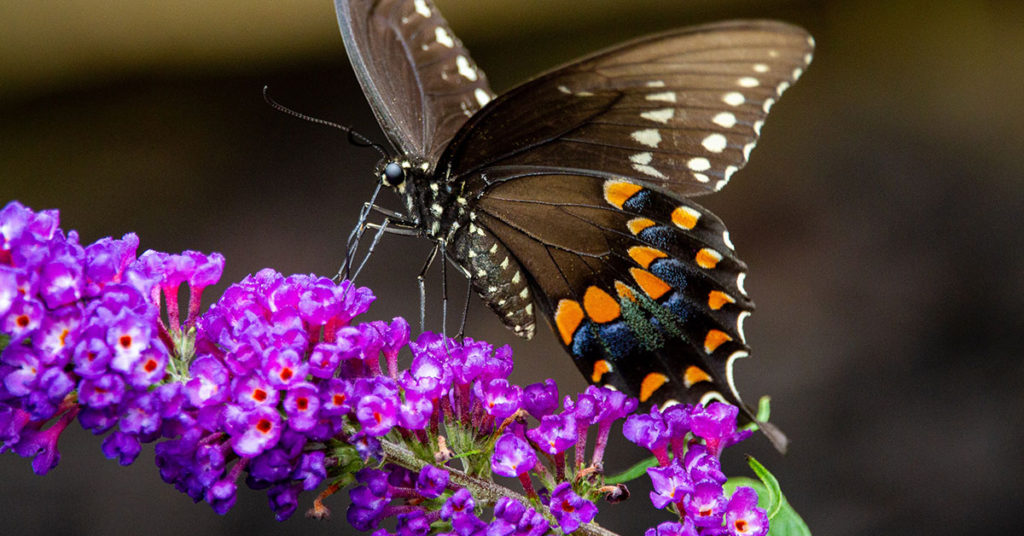
One delightful way to invite dragonflies into your garden is by setting up a dedicated butterfly garden! I’ve always enjoyed combining native flowering plants like coneflowers and butterfly bushes that not only flourish locally but also attract a myriad of insects. These vibrant blooms create a lively environment that serves as a perfect hunting ground for dragonflies. I always check that every plant I introduce is native to the region and doesn’t have invasive tendencies, ensuring that my garden remains a balanced ecosystem.
It’s a treat to see the energetic interplay between fluttering butterflies and swooping dragonflies! The presence of butterflies signals abundant nectar sources and an overall healthy habitat, which encourages dragonflies to come in search of food and suitable nesting spots. Every time I step outside and see this dynamic scene, I feel a rush of excitement—it’s a clear sign that nature is flourishing, and my garden is a haven for these charming insects!
Build Rock and Log Piles

Creating rock and log piles in your garden is an excellent way to provide the perfect perching spots for dragonflies. I love arranging native stone and timber into artful clusters that mimic the natural landscapes found in local woodlands. These structures not only give dragonflies sunny basking areas to warm up but also serve as lookout points for spotting prey. By selecting materials that are native and ensuring proper placement, you avoid the risk of inadvertently introducing invasive elements into your garden.
Observing dragonflies settle on these rustic piles is truly a marvel! They often use these natural structures as staging areas for courtship flights and even for initiating nesting behaviors. I find it incredibly satisfying to watch them perch, dry their wings, and then launch into spirited flights across the garden—a living display of nature’s beauty that never fails to brighten my day!
Provide a Freshwater Feature
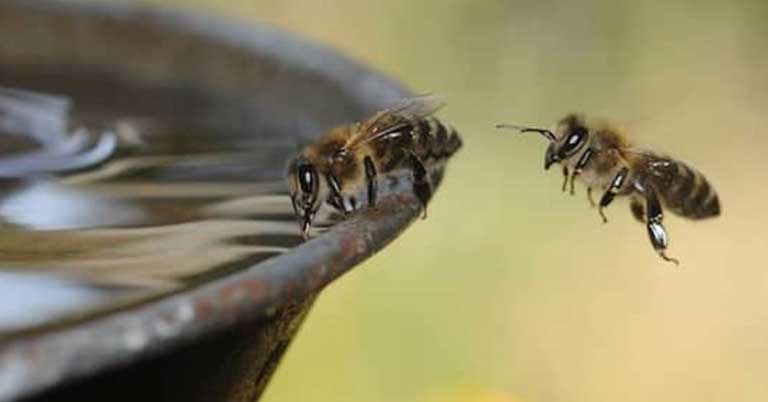
Adding a freshwater feature, such as a pond or small water garden, is one of my all-time favorite ways to attract dragonflies. These insects are naturally drawn to water, where they mate and lay eggs, making a well-designed pond an irresistible invitation. I make sure to include native aquatic plants like water lilies and cattails, which enhance the pond’s beauty while supporting local ecosystems. It’s important to check that these species are not invasive in your area, so your water garden remains both beautiful and ecologically responsible.
In my experience, a lively water feature transforms your garden into a dynamic haven for dragonflies! The gentle ripples and reflections provide ideal perches for these nimble fliers, and watching them skim across the surface is an absolute delight. Every splash of water and flutter above the pond reminds me of the joy that nature brings—an experience that fills me with excitement every time I tend to my garden!
Create Sunlit Open Areas

Dragonflies thrive in the warmth of the sun, so creating open, sunlit areas is crucial for their daily activities. I make it a point to clear away overgrown vegetation in certain patches of my garden to let in plenty of natural light. In these spots, I plant native grasses and wildflowers that add texture and color without risking invasive behavior. These bright, open spaces not only invite dragonflies to bask and hunt but also contribute to a healthy and balanced ecosystem overall.
There’s nothing quite like watching dragonflies dance in sunlit clearings! The open areas encourage them to perform their graceful aerial acrobatics and engage in mating flights, adding a lively spark to your garden. Each sun-drenched patch is a small stage for nature’s performance, and I always find it heartwarming to see these agile creatures fully embracing the warmth and light!
Reduce Pesticide Usage
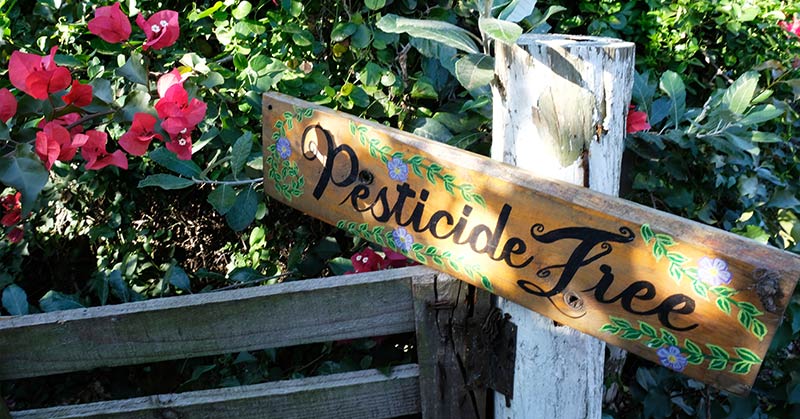
A key strategy in making your garden a dragonfly-friendly haven is to reduce or eliminate pesticide usage. I learned early on that chemicals can harm not only the pests you’re targeting but also the beneficial insects that dragonflies feed on. By opting for organic and eco-friendly pest management solutions, I ensure that my garden remains a safe, nurturing environment for all its inhabitants. This approach is especially important when dealing with native species, as it helps preserve the delicate balance of the ecosystem while preventing the accidental spread of invasive species.
The transformation was remarkable once I switched to a pesticide-free approach! With fewer chemicals, my garden blossomed into a thriving ecosystem where dragonflies could freely hunt and even nest. I love knowing that every insect, from the tiniest pollinator to the swift dragonfly, plays a vital role in creating a vibrant, self-sustaining garden. It’s a win-win situation for both the environment and for us gardeners who cherish natural beauty!
Cultivate Native Aquatic Plants

Integrating native aquatic plants into your water feature is another fantastic method to attract dragonflies. These plants, such as native reeds or water milfoil, not only help keep the water clean and oxygen-rich but also offer safe havens for dragonfly larvae to develop. I take great care to select species that are indigenous to my region and well-adapted to local conditions, ensuring they won’t take over and become invasive. This careful curation helps maintain a balanced, thriving ecosystem that supports both plant and insect life.
Watching dragonfly larvae weave among the stems of these native plants is a testament to the success of a well-planned garden! The aquatic plants create a multi-layered habitat that offers shelter, breeding sites, and a rich food source for emerging dragonflies. Every time I observe these tiny creatures beginning their life cycle, I’m filled with hope and joy—a beautiful reminder that nurturing native flora is one of the most rewarding aspects of gardening!
Offer Overhanging Vegetation
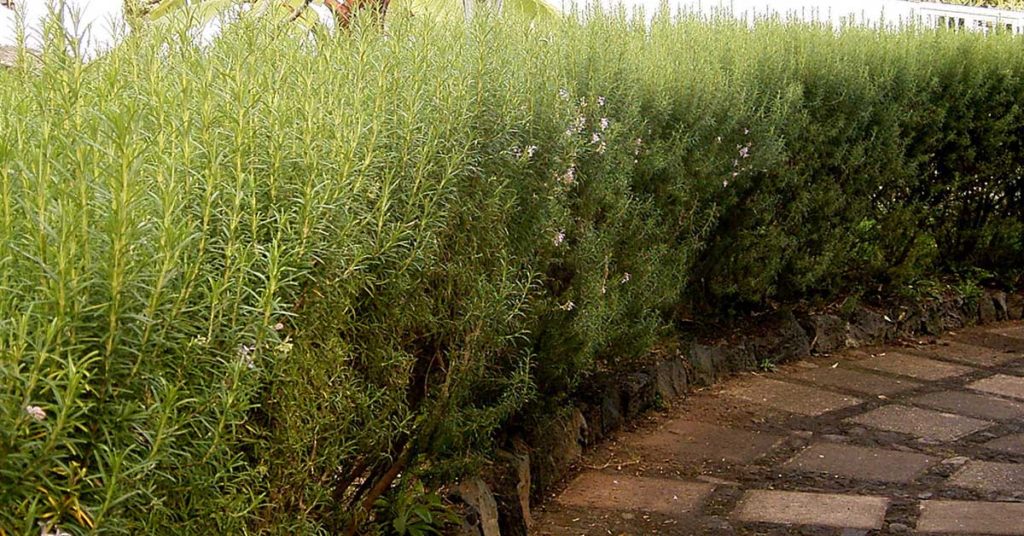
Providing overhanging vegetation is a creative way to give dragonflies natural shelters and ideal nesting spots. I love planting native shrubs and trees that arch gracefully over my water features, creating shaded retreats where dragonflies can hide from harsh sunlight or sudden rain showers. These leafy canopies not only add a dynamic architectural element to the garden but also ensure that the plants remain true to the local ecosystem by being non-invasive. It’s all about creating a natural balance that benefits both flora and fauna!
From my own gardening adventures, I’ve noticed that dragonflies seem to delight in the protection offered by overhanging branches. They use these spots to safely perch while waiting to swoop down on passing insects, and sometimes even to begin delicate nesting behaviors! It’s a joy to see these natural umbrellas in action—each leaf and branch contributing to an environment where dragonflies can flourish, and reminding me why I’m so passionate about gardening!
Establish a Wildflower Meadow

Transforming part of your garden into a wildflower meadow is one of the most invigorating projects you can undertake! Wildflower meadows burst with native blooms like black-eyed Susans, coreopsis, and other regionally appropriate species, all carefully chosen to avoid invasive spread. This vibrant display not only elevates the aesthetic appeal of your garden but also creates a buzzing habitat that attracts a variety of insects, including the ever-graceful dragonflies. The meadow becomes a lively canvas where nature showcases its endless charm and diversity.
I adore watching dragonflies navigate the colorful labyrinth of a wildflower meadow! The mix of textures and hues provides ample perching opportunities and a bountiful hunting ground for these nimble fliers. Each visit to my wildflower patch fills me with wonder as I see dragonflies engaging in their playful, acrobatic routines—it’s as if nature is throwing a celebration right in my backyard! The energy and life of a wildflower meadow never cease to amaze me, making it a centerpiece of my gardening endeavors.
Plant a Variety of Perennial Flowers
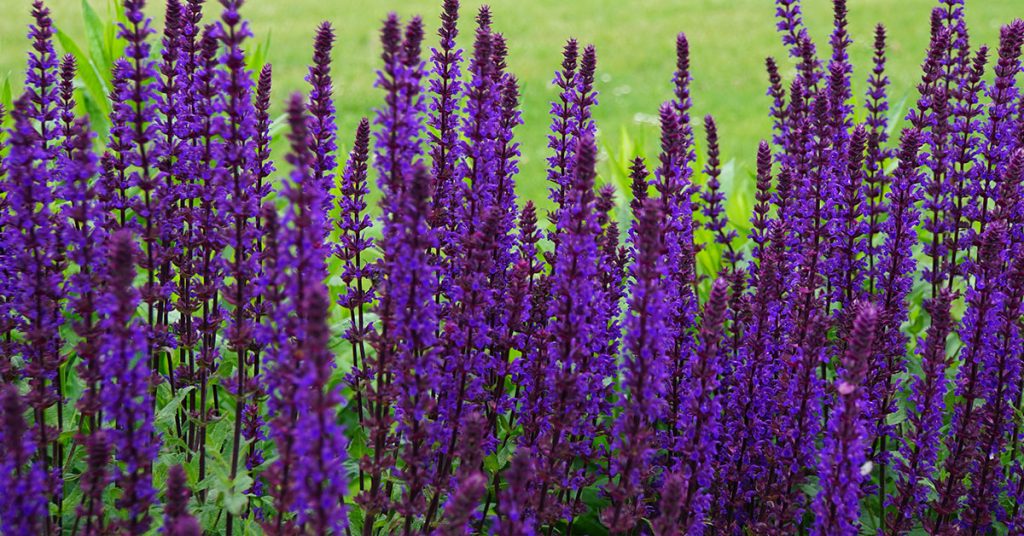
Planting a wide array of perennial flowers is a surefire way to create a continuous, inviting atmosphere for dragonflies. I always opt for native perennials like bee balm, lavender, and salvia because they thrive in local conditions without becoming invasive. These blooms not only add a burst of color and fragrance to your garden but also support a host of beneficial insects that serve as prey for dragonflies. It’s essential to choose species that maintain the natural balance, ensuring that every plant contributes positively to the ecosystem!
There’s something truly magical about the way dragonflies flit among clusters of perennial flowers! Their delicate movements and radiant colors create a mesmerizing dance that fills the garden with life and energy. Every time I see these agile creatures enjoying the bountiful feast provided by a diverse array of perennials, I feel an immense sense of fulfillment. It’s a rewarding reminder that with thoughtful planting and care, you can create a thriving sanctuary that nurtures both beauty and biodiversity!