

There’s something magical about the flash of brilliant red that cardinals bring to a garden—an instant boost of color and life that can transform even the dullest front yard! As a devoted gardener and avid birdwatcher, I know how rewarding it is to see these charismatic birds visiting your space, chirping away and even nesting among your favorite shrubs. I’ve spent many a morning tweaking my garden to create the perfect habitat, and today I’m excited to share 8 creative strategies that can help you attract cardinals right to your doorstep.
I also understand the frustration when your carefully planned garden seems to lack that special spark—especially when you’re eager for a little feathered company! Whether you’re a seasoned gardener or just starting out, these tips combine practical advice with the joy of nurturing nature. Let’s dive into methods that not only welcome cardinals into your yard but also celebrate their natural behaviors, from foraging and nesting to interacting with a host of other friendly creatures that might join the party!
Create a Water Feature
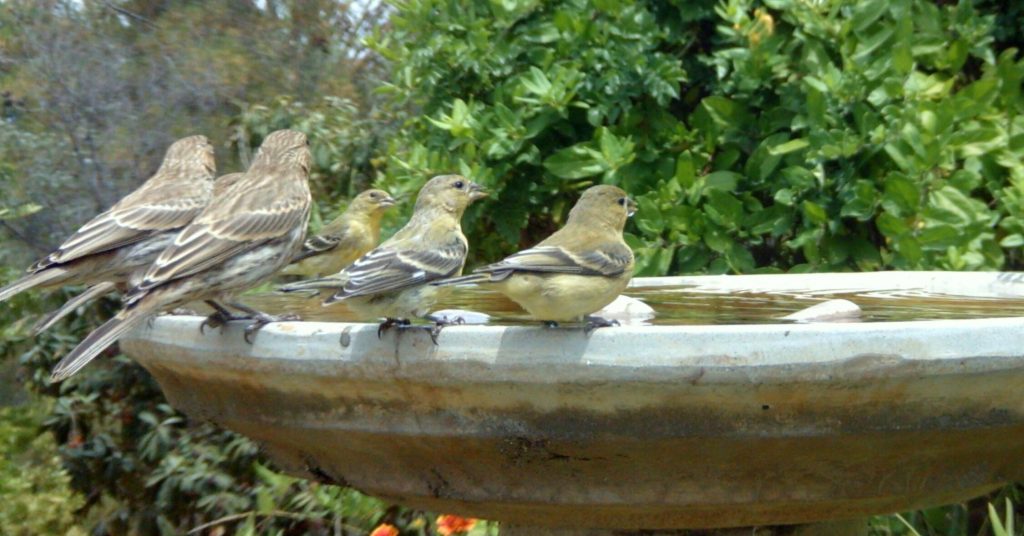
Adding a water feature to your front yard is one of the most effective ways to invite cardinals into your garden! A gently bubbling fountain or a shallow birdbath offers a refreshing oasis, especially during the warmer months. Cardinals, native to various parts of North America, rely on natural water sources for drinking and bathing, and they’ll happily frequent your garden if you mimic these conditions. I’ve found that a consistently maintained water feature not only attracts cardinals but also invites other beneficial birds and insects, creating a lively ecosystem.
Beyond providing hydration, a well-placed water feature offers an element of visual and auditory delight that enhances the overall garden ambiance. I remember the joy of watching cardinals flutter and preen around a small, sunlit birdbath, their reflections shimmering on the water’s surface. It’s such a treat to witness these moments, and it reminds you that even the simplest elements in your garden can have a big impact on attracting wildlife. With a little maintenance and care, your water feature can become a magnet for these stunning birds and a centerpiece of your front yard!
Provide Food and Feeders
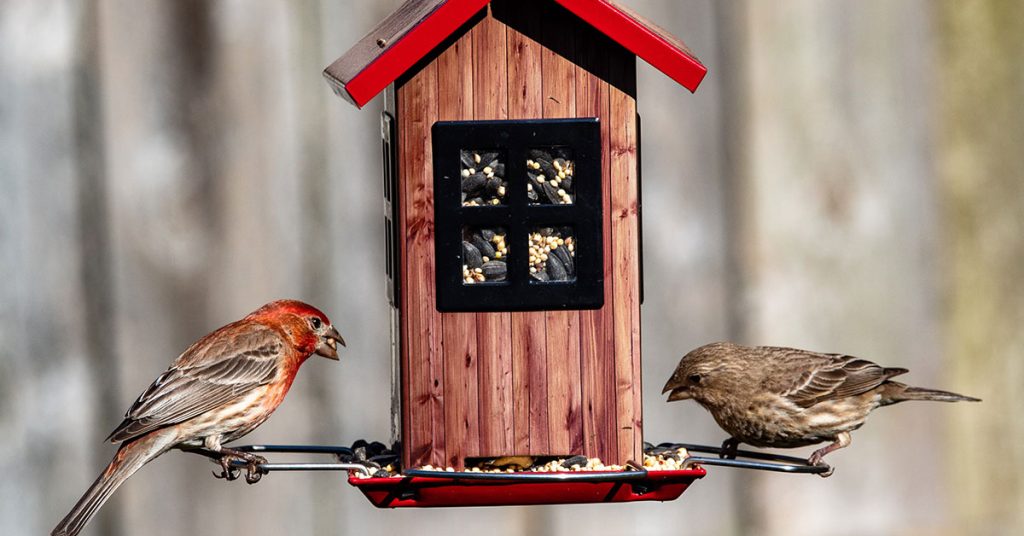
A key strategy for attracting cardinals is offering the right kind of food through well-placed feeders and natural food sources. Cardinals have a fondness for seeds, particularly sunflower and safflower seeds, which are staples in their native diet. I’ve set up feeders that are easy to access and filled them with nutrient-rich seeds that keep the cardinals coming back day after day. What’s even better is that these feeders also support a broader spectrum of garden life, inviting other birds and beneficial insects to join the feast!
Setting up feeders isn’t just about dropping seeds into a bowl—it’s about creating an inviting space that feels safe for these birds to dine and even perch. I always ensure that my feeders are placed near shrubs or trees that offer cover and nesting sites, mimicking the cardinals’ natural habitat. By combining natural food sources with thoughtfully positioned feeders, you create a balanced environment where cardinals can thrive. The result is a front yard that buzzes with activity and color, making every morning feel like a celebration of nature’s bounty!
Use Native Plantings

Integrating native plants into your front yard is a fantastic way to attract cardinals, as these birds are naturally drawn to landscapes that reflect their native habitats. Many native flowering plants and shrubs provide not only nectar and seeds but also shelter and nesting opportunities for cardinals. I’ve discovered that planting species native to North America creates a harmonious ecosystem where cardinals can easily forage and rest, ensuring that your garden feels like a natural extension of the wild!
One of the delights of using native plantings is the layered complexity it brings to your landscape. For instance, native grasses, wildflowers, and shrubs collectively create a dynamic setting that offers food, cover, and even perching spots. These plants, adapted to local conditions, often require less maintenance and are not considered invasive, blending seamlessly into your garden. When you see cardinals hopping between clusters of native blooms and leafy canopies, you know that your garden is not just beautiful—it’s a thriving, balanced habitat!
Offer Shelter and Nesting Sites

Creating safe and inviting shelter is crucial to drawing cardinals into your yard, as they look for secure spots to nest and rest. By strategically placing dense shrubs, thickets, or even ornamental trees near your garden’s feeding areas, you can provide the perfect hideaway for these birds. Cardinals appreciate the natural cover these features offer, as it helps them evade predators and create cozy nesting sites. I’ve often marveled at how a well-planned arrangement of shelter and food can transform an ordinary front yard into a veritable sanctuary!
In my own garden, I’ve taken extra care to leave some undisturbed areas where cardinals can build nests and raise their young. Whether it’s a clump of evergreens or a purposely designed birdhouse tucked among the branches, offering a secure environment makes a huge difference. Watching cardinals bring twigs and soft materials to construct their nests is a heartwarming reminder of nature’s resilience. By offering a blend of shelter and food, you ensure that cardinals not only visit but also feel encouraged to settle down and thrive in your garden!
Plant Red Flowers and Berries
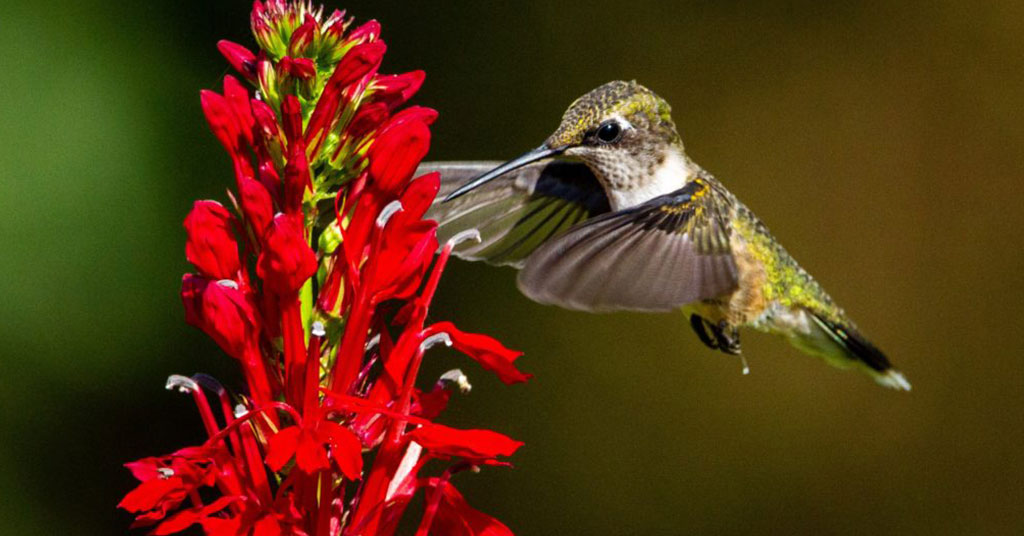
Adding red flowers and berry-bearing plants to your front yard is a brilliant trick to attract cardinals, whose striking plumage is naturally drawn to vibrant red hues. Many red-flowering species, such as cardinal flower (Lobelia cardinalis), are native to North America and create a visual feast that cardinals can’t resist. These plants not only provide a burst of color but also produce nectar and seeds that support local bird populations. I’ve been delighted to see how the presence of red blooms energizes my garden and invites a flurry of cardinals to inspect every corner!
Berry-bearing shrubs and trees, like serviceberry or certain types of viburnum, add another layer of appeal by offering nutritious snacks throughout the season. As the berries ripen, they serve as an enticing food source that sustains cardinals during critical periods of breeding and migration. I love the way these plants create a natural mosaic of color and texture, enriching the garden both visually and ecologically. By incorporating red flowers and berries, you set the stage for a dynamic habitat that attracts cardinals and enhances the overall vibrancy of your front yard!
Maintain a Safe, Predator-Free Environment
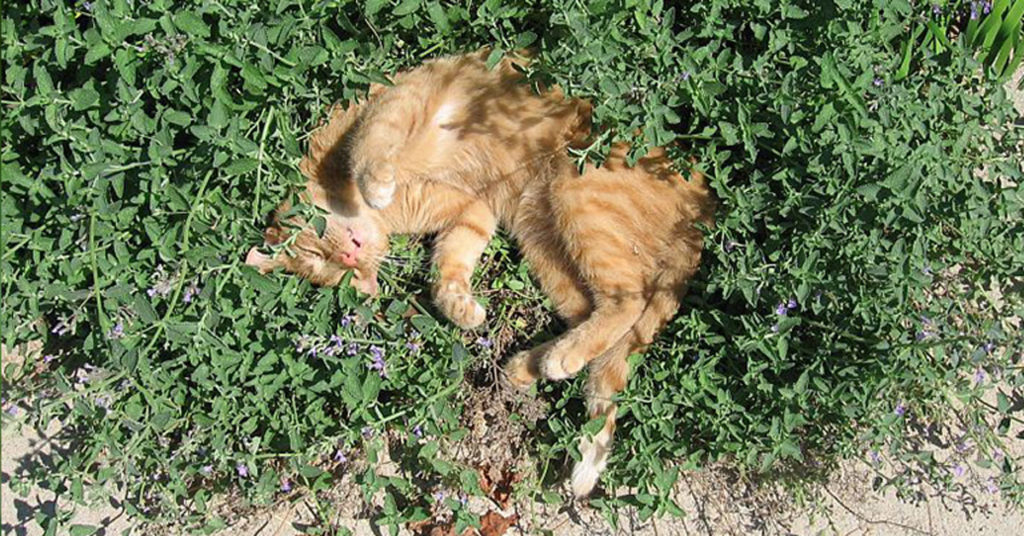
Ensuring that your garden is a safe haven for cardinals is essential, and one way to achieve this is by managing potential predators. Cardinals, like many small birds, are naturally cautious and will avoid areas where they feel threatened by larger animals or aggressive pets. I’ve found that creating designated feeding and nesting areas away from busy streets or areas frequented by domestic cats can significantly increase the likelihood of cardinals visiting and staying. It’s all about balancing your garden’s appeal with a sense of security for these beautiful birds!
In addition to managing external threats, thoughtful landscaping can help deter predators. For example, strategically placing tall, dense shrubs or using natural deterrents like motion-activated lights can create an environment that feels secure yet welcoming to cardinals. I empathize with the frustration of watching a promising garden become a no-go zone because of lurking dangers, so I always strive to design a space where cardinals can thrive without worry. A safe, predator-free environment not only attracts cardinals but also builds a balanced ecosystem that benefits all your garden visitors!
Limit Pesticide Use
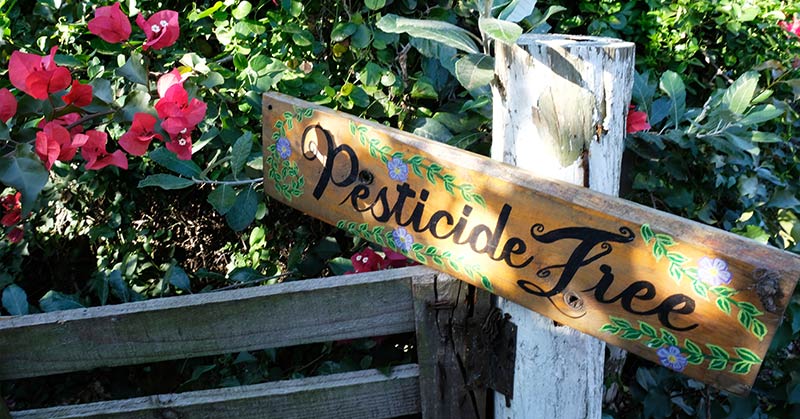
A critical step in attracting cardinals is to limit or eliminate the use of chemical pesticides in your garden. Many of us have experienced the disappointment when pests seem to take over our carefully nurtured spaces, only to find that the remedies we use inadvertently harm the very creatures we wish to attract. Cardinals, along with other beneficial insects and pollinators, thrive in environments where nature is allowed to balance itself naturally. By opting for organic alternatives or integrated pest management techniques, you create a safer, healthier environment that welcomes cardinals and encourages natural nesting behaviors!
I’ve learned that a pesticide-free garden not only improves the quality of the habitat but also boosts the overall resilience of the ecosystem. When you reduce chemical inputs, you pave the way for a diverse array of insects and plants to flourish, which in turn provides a richer food source for cardinals. It’s such a rewarding process to see your garden transform into a vibrant, chemical-free haven where cardinals, bees, and butterflies all play their part. Embracing natural pest control methods ensures that your front yard becomes a trusted refuge for wildlife and a testament to sustainable gardening practices!
Create a Year-Round Habitat
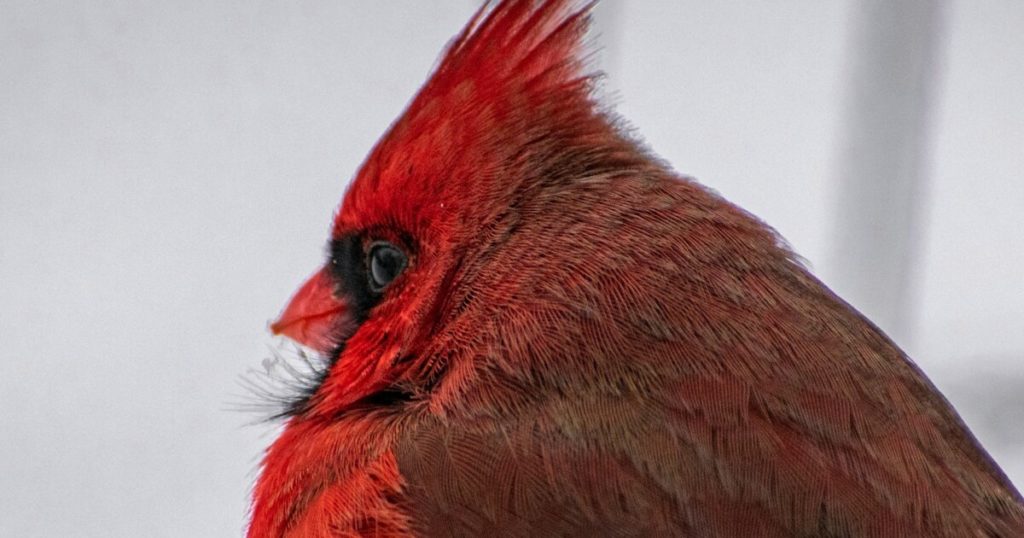
The final way to attract cardinals is by designing your garden as a year-round habitat that meets their needs through every season. This approach involves careful planning to ensure that your front yard offers food, shelter, and water even during the colder months. I love the idea of planting a mix of deciduous and evergreen species, as well as installing features like water sources and feeders that continue to operate in winter. Cardinals, which are native to many parts of North America, will appreciate a consistent environment that supports their survival and breeding throughout the year!
Creating a year-round habitat means anticipating seasonal changes and adapting your garden accordingly. It’s such a joy to see cardinals returning each winter to a spot that remains inviting despite the chill, often perching on branches or hopping around in search of the last few seeds and berries. By providing continuous nourishment and shelter, you build a resilient ecosystem that benefits not just the cardinals, but every living creature in your garden. With careful planning and a little extra effort during off-peak seasons, your front yard can become a thriving sanctuary that delights visitors and fosters a deeper connection with nature!
Enjoy the Cardinal Connection
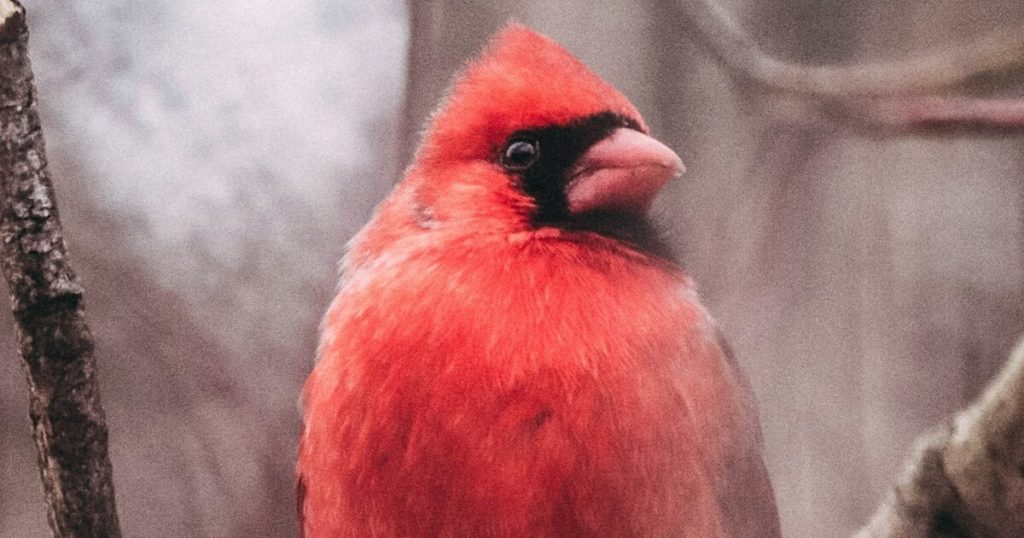
Embracing these 8 strategies to attract cardinals to your front yard is a rewarding journey that blends creativity with a deep appreciation for nature. By offering food, water, shelter, and a pesticide-free environment, you’re not only enhancing your garden’s beauty but also creating a nurturing habitat for these stunning birds. I’ve experienced the joy of seeing cardinals transform an ordinary yard into a lively, colorful haven, and I’m confident you will too!
Remember, every garden is unique, and every small effort counts toward building a thriving ecosystem. Don’t be discouraged by setbacks—each trial is a step closer to a vibrant, balanced front yard where cardinals, along with other delightful wildlife, feel right at home. Happy gardening, and may your days be filled with the charming sight of cardinals flitting about in your very own sanctuary!