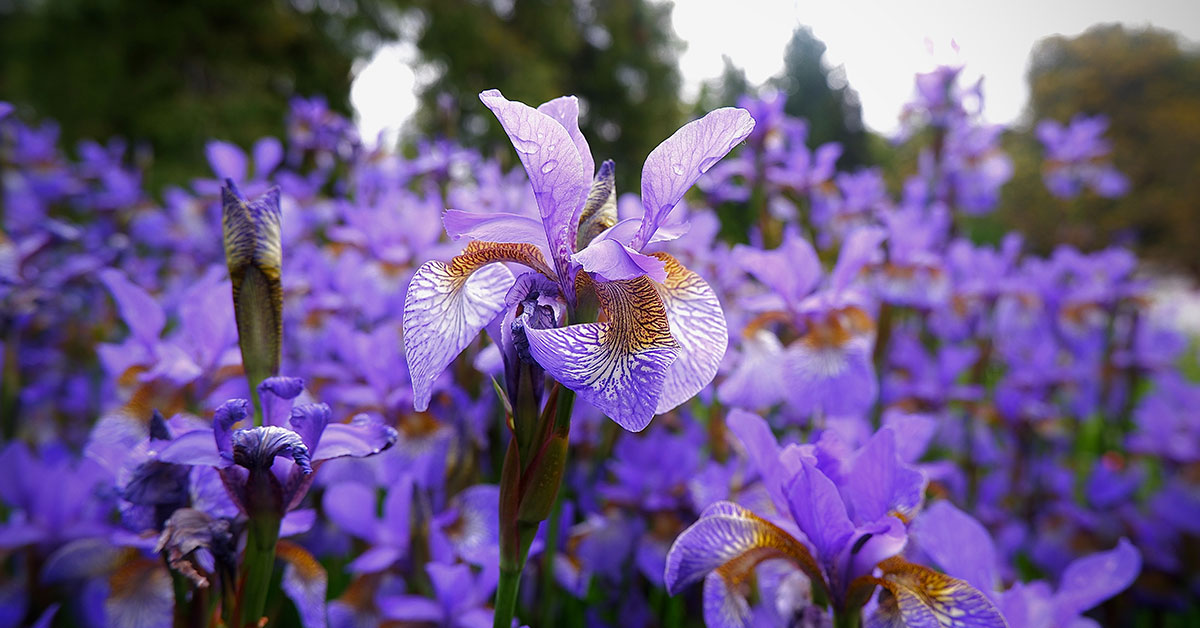

Embarking on the journey to cultivate iris bulbs is a delightful challenge that combines scientific know-how with the pure joy of gardening! As a passionate gardener who has spent years experimenting with iris varieties—from the fragrant bearded iris native to the Mediterranean to the striking Siberian iris from cooler climates—I understand how daunting it can be to know the perfect planting time for your specific growing zone. It’s such a bummer when your garden seems out of sync with nature, so I’m excited to share detailed tips that can help you get those vibrant blooms on schedule and create a sanctuary that even local pollinators adore!
I also know that each gardener’s experience is unique, with challenges ranging from unpredictable spring frosts to overly warm, dry summers that can throw off even the best-laid plans. In this guide, I’ll walk you through practical advice tailored to cold, moderate, and warm growing zones, ensuring that your iris bulbs have the ideal conditions to take root and flourish. So, whether you’re looking to attract buzzing bees or create a picturesque garden path lined with colorful blooms, let’s explore the right timing and techniques for planting iris bulbs in your unique environment!
Planting Iris Bulbs in Cold Zones
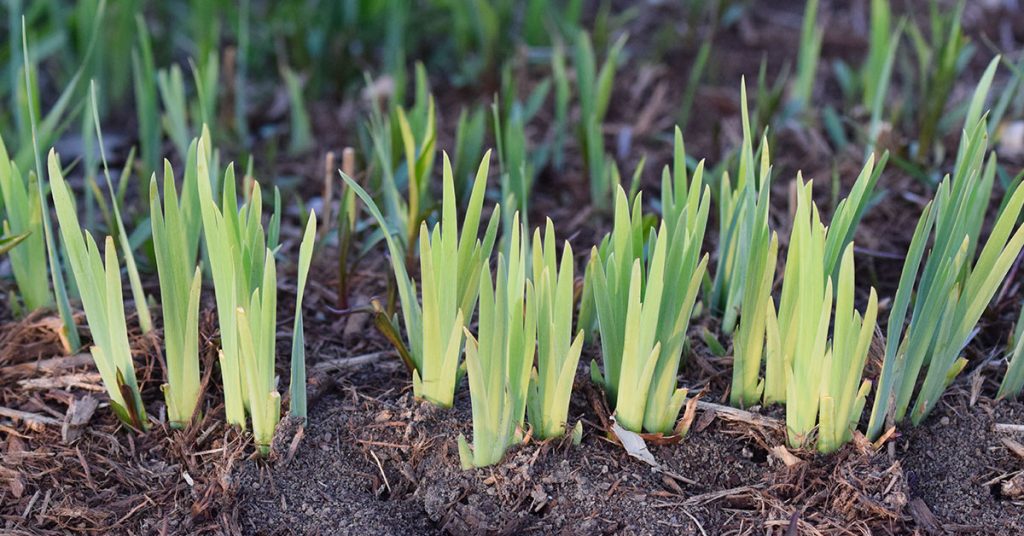
For those of us in colder climates—typically USDA zones 3 through 5—timing is everything when it comes to planting iris bulbs. I’ve learned that these hardy bulbs, often adapted to regions with long, frigid winters, should be planted in the fall after the summer heat has faded and before the ground freezes solid. This schedule allows the bulbs to settle into the soil and establish a robust root system while the winter chill enhances their natural dormancy. It’s amazing how nature works in sync; these irises are native to temperate regions and have evolved to withstand the deep cold without becoming invasive or overly aggressive!
In my own garden, I’ve found that preparing a slightly raised bed with well-drained soil is essential in these zones, as it mimics the native conditions many iris species prefer. The cool weather acts as a natural trigger, allowing the bulbs to gradually awaken and send out roots as spring nears. I understand how frustrating it is to miss the planting window due to unpredictable weather, but with careful planning and a watchful eye on seasonal cues, you can ensure that your iris bulbs bloom spectacularly, attracting bees and even small insects that sometimes nest around the base of the plants!
Preparing Your Garden Bed for Iris
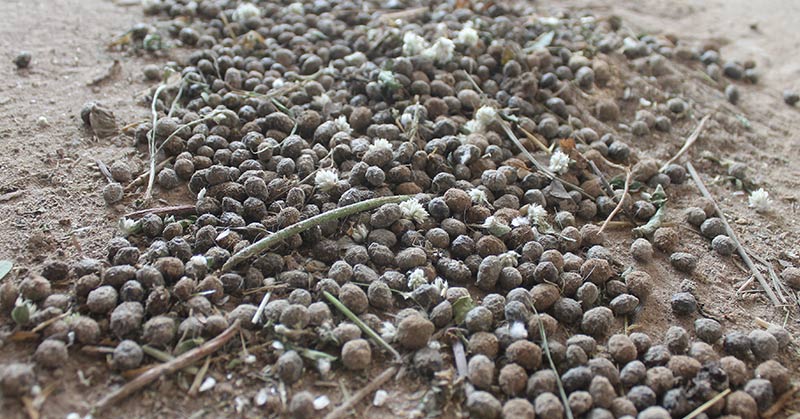
Before you plant your iris bulbs, the preparation of your garden bed is a crucial step that can’t be overlooked. I always start by loosening the soil and incorporating organic matter, such as compost or well-rotted manure, to create a rich, well-draining environment that mimics the iris’s native habitat. Although these plants aren’t considered invasive, they do appreciate a stable, nutrient-rich foundation that encourages deep rooting and vibrant blooming. Taking the time to prepare the bed not only improves drainage but also helps moderate soil temperature, which is key for the healthy development of iris bulbs.
I’ve also learned that adding a layer of mulch can be particularly beneficial, especially in regions with harsh weather extremes. Mulching helps retain moisture, suppress weeds, and even attract beneficial soil organisms like earthworms that further enrich the soil. It’s such a satisfying process to see how these small steps transform a bare patch into a nurturing canvas for your future irises, making the whole gardening experience that much more rewarding. Trust me, a well-prepared garden bed is the secret to a flourishing iris display that attracts pollinators and brings lasting beauty to your landscape!
Post-Planting Care and Pollinator Attraction

Once your iris bulbs are in the ground, the journey doesn’t end with planting—the post-planting care is where the magic truly happens! In my experience, consistent watering in the early stages, especially during the first few weeks after planting, is essential to help the bulbs settle in and kick-start their root development. As the weather warms up, you’ll notice that iris blooms begin to emerge, and they quickly become a magnet for various pollinators. Bees, in particular, are drawn to the delicate fragrance and vibrant colors, sometimes even choosing the garden as a temporary nesting spot, which adds an extra layer of ecological charm to your outdoor space!
I also recommend periodic feeding with a balanced, low-nitrogen fertilizer to support healthy bloom production without encouraging excessive foliage. Over time, the rhythmic cycle of blooming and dormancy will establish a natural pattern in your garden, attracting beneficial insects and creating a lively, dynamic habitat. I understand the frustration when a plant’s growth seems stunted or when pests threaten to upset your hard work—but with regular maintenance and a bit of patience, your iris garden will not only thrive but also serve as a delightful haven for nature’s tiny helpers!
Understanding Your Growing Zones
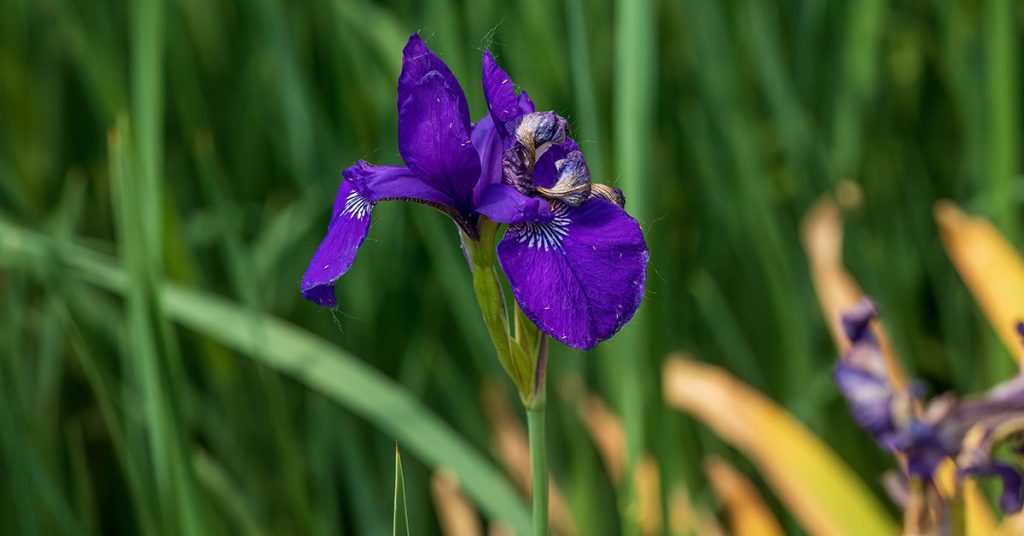
Grasping the concept of growing zones is a fundamental step in ensuring your iris bulbs reach their full potential. Each iris species originates from distinct regions, ranging from the sun-drenched Mediterranean landscapes to the cooler, temperate climes of Siberia. Knowing your USDA growing zone can help you determine the optimal planting times and techniques for your area, ensuring that your bulbs adapt well and bloom at their peak. I find it fascinating how nature tailors each plant’s growth cycle to its native conditions, and by understanding these differences, you’re well on your way to replicating that harmony in your own garden!
I also empathize with the challenges that come with misaligned planting schedules—when you miss the ideal window, it can feel like your garden is out of sync with nature. By paying attention to your local climate and learning about the specific needs of the iris varieties you’re cultivating, you can avoid those setbacks. This knowledge not only empowers you to make informed decisions but also transforms your gardening experience into a joyful exploration of nature’s rhythms. Embrace your growing zone as a guide, and soon you’ll be reaping the rewards of perfectly timed iris blooms that brighten your outdoor space!
Planting Iris Bulbs in Moderate Zones

In regions classified as moderate—often corresponding to USDA zones 6 and 7—planting iris bulbs requires a slightly different approach that balances the cooler and warmer seasonal transitions. I’ve noticed that in these zones, it’s best to plant iris bulbs in early fall or late summer, when the temperature begins to cool but the soil remains warm enough for rapid root development. These conditions are ideal for iris species that thrive in transitional climates, many of which are native to temperate areas and are well-behaved in terms of spreading without becoming invasive. It’s truly exhilarating when your careful timing results in a burst of color and life in the garden come spring!
When planting in moderate zones, be sure to monitor the weather closely, as unexpected temperature swings can be a bit of a nuisance. I’ve experienced a few surprises with sudden frost or unseasonably warm days, but maintaining a flexible schedule and protecting your bulbs with a light cover can help mitigate those risks. This attentive approach not only ensures a healthy start for your iris bulbs but also fosters a thriving environment that attracts pollinators like bees and butterflies—nature’s own sign that your garden is on the right track!
Planting Iris Bulbs in Warm Zones
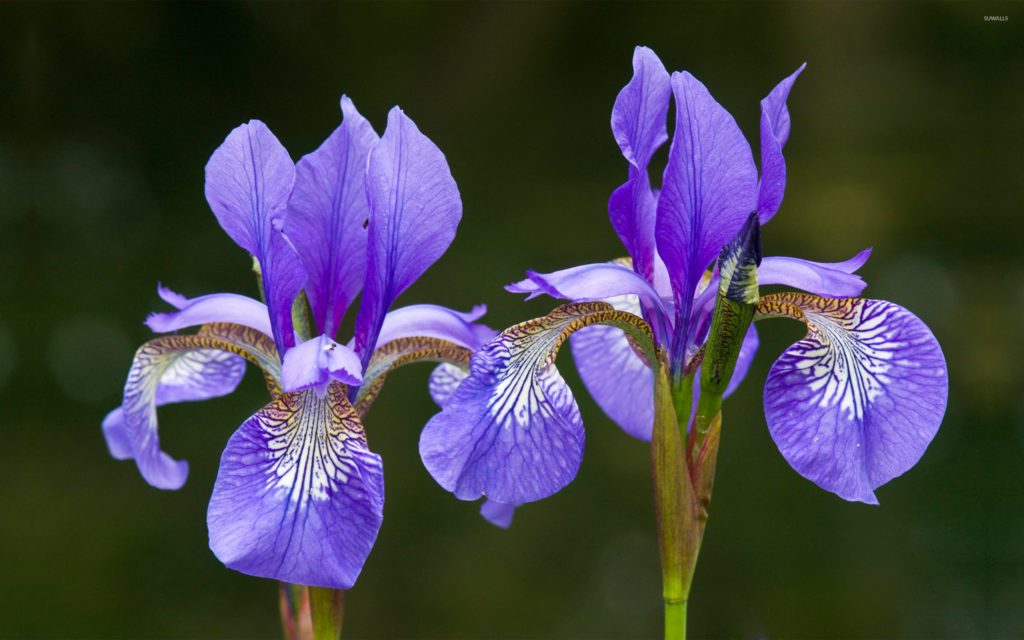
For gardeners in warm climates, such as those found in USDA zones 8 through 10, the approach to planting iris bulbs is tailored to harness the extended growing season and the unique challenges of a warmer environment. In these regions, iris bulbs are best planted in the late fall or early winter, allowing them to settle during the cooler months before bursting into bloom when the weather warms again. Although iris species are native to various regions and typically manage well without becoming invasive, the extended heat in these areas can stress the plants if they’re planted too early. I’ve learned that timing is everything to ensure your bulbs have ample time to establish themselves before the intense heat returns!
In warm zones, it’s equally important to consider soil moisture and sun exposure. I always make sure to plant in a spot that offers a bit of afternoon shade, as the gentle filtered light mimics the natural habitat of many iris varieties native to more temperate zones. This balance not only encourages healthy growth but also helps attract local pollinators, such as hummingbirds and native bees, that are drawn to the vibrant blooms. I understand the challenges of gardening in a warm climate, but with a few strategic adjustments, you can enjoy a breathtaking iris display that turns your garden into a true oasis of color and life!
Embrace the Beauty of Iris in Your Garden
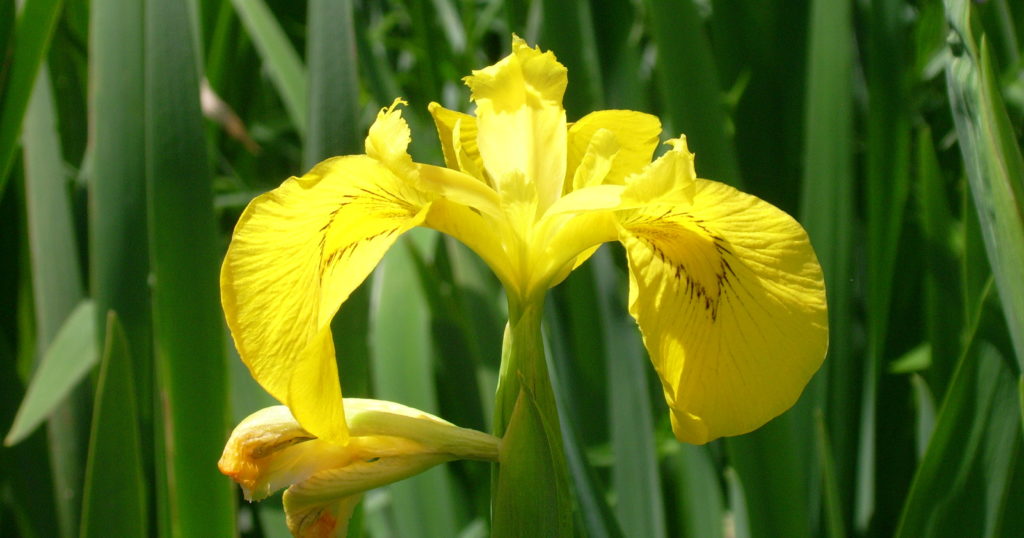
In conclusion, understanding the optimal timing for planting iris bulbs across various growing zones is key to unlocking their full potential. Whether you’re in a cold, moderate, or warm climate, each region offers unique conditions that, when properly managed, can yield a stunning display of irises that brighten your garden and attract a host of beneficial pollinators. I’ve experienced the joy of watching these vibrant blooms transform my outdoor space, and I’m confident that with careful planning and a bit of patience, you can do the same!
I hope this guide has provided you with practical insights and a dash of inspiration to take on your iris gardening adventure. Remember, every challenge is just an opportunity to learn and adapt—whether you’re adjusting your planting schedule or fine-tuning your garden bed, each step brings you closer to a flourishing iris garden that is as resilient as it is beautiful. Happy planting, and may your garden be filled with the timeless charm and delicate splendor of iris blooms!