

Starting a moss garden is like unlocking a hidden realm of nature’s quiet splendor! As an avid gardener who has experimented with various groundcovers over the years, I can assure you that cultivating moss offers a uniquely rewarding experience. Mosses, those ancient plants native to moist, shaded forests across the globe, provide a lush, velvety carpet that transforms any garden into a peaceful retreat. Even though they aren’t generally considered invasive, their persistent growth reminds me of nature’s quiet determination and balance.
I completely understand the challenges of nurturing a garden that seems to battle harsh sunlight, inconsistent moisture, or even pest intrusions. It’s such a bummer when the perfect spot in your yard fails to flourish due to environmental stress! In this guide, I’m excited to share 10 practical and creative ways to build your very own moss garden—each method packed with hands-on tips, personal insights, and a friendly tone to help you achieve that perfect green haven. Let’s dive into these diverse techniques and celebrate the subtle beauty of moss together!
Encouraging Natural Colonization
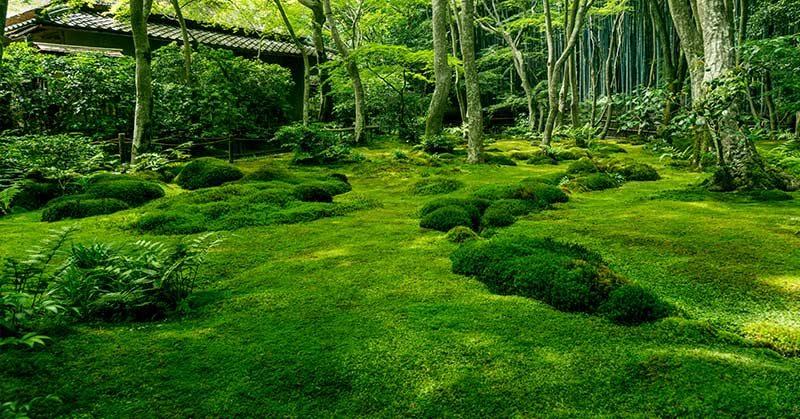
One of my favorite approaches to building a moss garden is to simply invite nature to take its course. Allowing moss to colonize naturally can be a surprisingly effective way to establish a lush carpet over time. Mosses are found in many parts of the world, thriving in moist, shaded environments; they’re not aggressive invaders, but rather gentle spreaders that quietly take over areas with consistent care! By creating an environment that mimics their native habitat—think cool, damp, and slightly acidic conditions—you can encourage native moss species to establish themselves and even attract beneficial microfauna that help maintain soil health.
The process of natural colonization also teaches you to appreciate the subtle dynamics of garden ecosystems. I often enjoy observing how tiny springtails and other micro-invertebrates start to nest and make their home within the delicate moss layer, contributing to a vibrant, living carpet. It might take a bit longer than more direct methods, but the slow, steady growth of naturally colonized moss rewards you with a beautifully organic and resilient garden floor that evolves with the seasons!
Using Moss Slurry
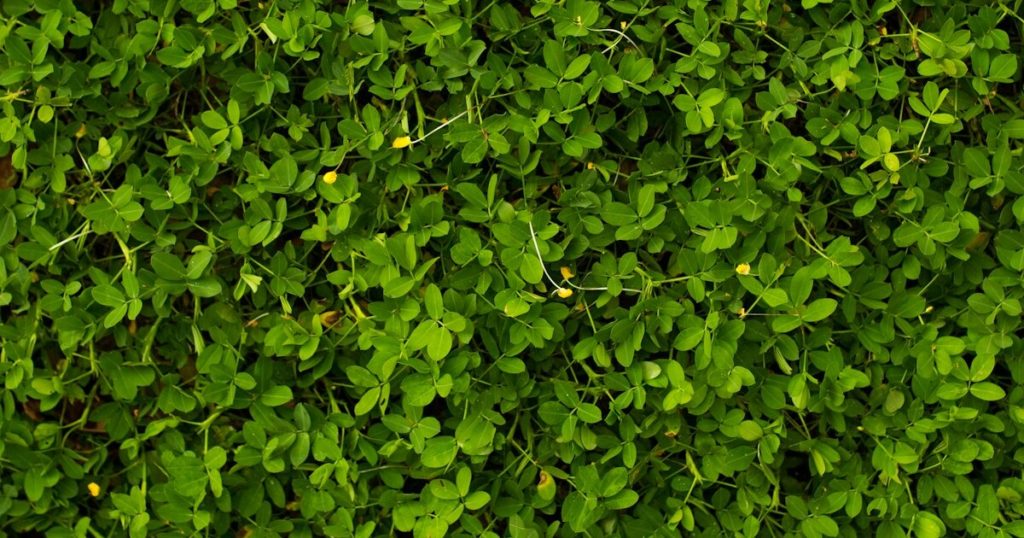
Transforming your garden with a moss slurry is one of the most exciting methods I’ve discovered—it’s like creating a paint mixture from nature’s own palette! By blending live moss with water (and sometimes a dash of buttermilk), you can create a paste that, when spread over a prepared surface, encourages moss spores to adhere and grow. This method is particularly effective for jumpstarting moss in areas where natural colonization has been slow, and it allows you to directly control where the moss appears. While moss is native to many regions and isn’t known for being invasive, using a slurry gives you the power to direct its growth precisely where you want it!
I remember the thrill of my first successful moss slurry application—it was as if I’d discovered a secret gardening hack! The technique not only speeds up the establishment of your moss garden but also introduces a level of customization to your landscaping. Whether you’re covering a garden path, a rock wall, or a decorative planter, the slurry method is versatile and fun to experiment with. Plus, watching the gentle transformation of the applied area into a soft, green mosaic is immensely satisfying and a testament to your gardening prowess!
Creating a Shady Environment

Moss thrives in the cool embrace of shade, making the creation of a shady environment a crucial step in cultivating a moss garden. I’ve always found that areas under mature trees or along the north-facing sides of structures are ideal spots for moss to settle and flourish. Native to the understorey of forests, moss benefits from limited direct sunlight, which prevents its delicate fronds from drying out too quickly. It’s such a relief when you discover that a simple shift in garden layout—adding a trellis or strategically placing shade cloths—can transform a sun-scorched area into a moist, inviting haven for moss!
Beyond merely blocking harsh sunlight, a well-planned shady area can also encourage a diverse array of microhabitats. You might notice tiny insects or even small amphibians taking refuge among the cool, damp clusters of moss, creating an intricate web of life right in your garden. This natural nesting behavior is a joy to witness, as it highlights the interconnectedness of all garden elements. By embracing the need for shade, you not only help your moss garden thrive but also contribute to a balanced ecosystem that benefits many living creatures!
Selecting the Right Moss Species
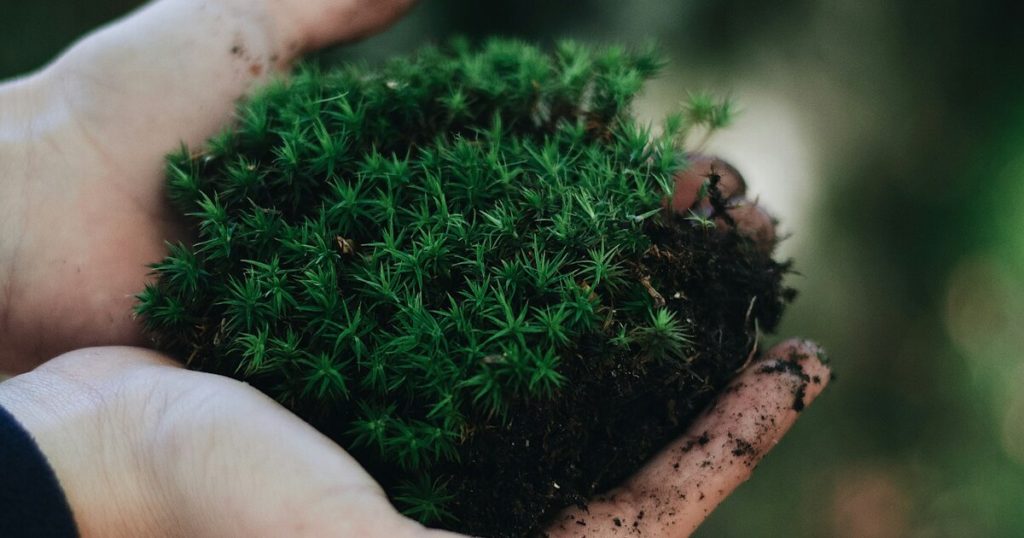
Choosing the appropriate moss species is foundational to the success of your moss garden. With countless varieties available, it’s important to select species that are native to your region or that mimic the conditions found in their native habitats—often the moist, shaded woodlands of the Northern Hemisphere! I’ve learned that while moss is generally non-invasive, some species can spread more rapidly than others, so understanding the growth habits of each type is key. Researching and experimenting with a few varieties can lead to a garden that not only looks stunning but also functions harmoniously within your local ecosystem.
Each moss species offers unique textures, colors, and growth patterns, providing you with a creative palette to design your garden. One of my favorite discoveries was a delicate green variety that formed soft, cushion-like clumps, perfect for filling in gaps between larger garden features. Embrace the opportunity to mix and match different species, as the interplay between them can result in a dynamic, layered effect. Not only does this add visual interest, but it also supports a broader range of microfauna, which may find diverse nesting and feeding opportunities within the varied moss types!
Moisture And Watering Strategies

Effective moisture management is crucial when cultivating a moss garden, as these delicate plants thrive in consistently damp environments. I always prioritize watering strategies that mimic the natural, steady drip of moisture found in forest settings—an essential ingredient for moss growth. In my experience, using a fine mist or drip irrigation system ensures that the water is evenly distributed without overwhelming the moss with excessive runoff. This careful balance of moisture not only nurtures the moss but also prevents issues like mold or rot, common frustrations for gardeners trying to establish a vibrant green carpet!
In addition to routine watering, it’s important to consider the local climate and soil conditions. Moss, native to various cool and moist regions worldwide, typically prefers an environment where water accumulates slowly and steadily. I’ve found that even small adjustments, like adding a water-retentive organic mulch or reshaping the garden’s contours, can dramatically improve moisture retention. By fine-tuning your watering strategy, you set the stage for a thriving moss garden that remains lush and inviting, even during drier spells!
Preparing The Garden Bed
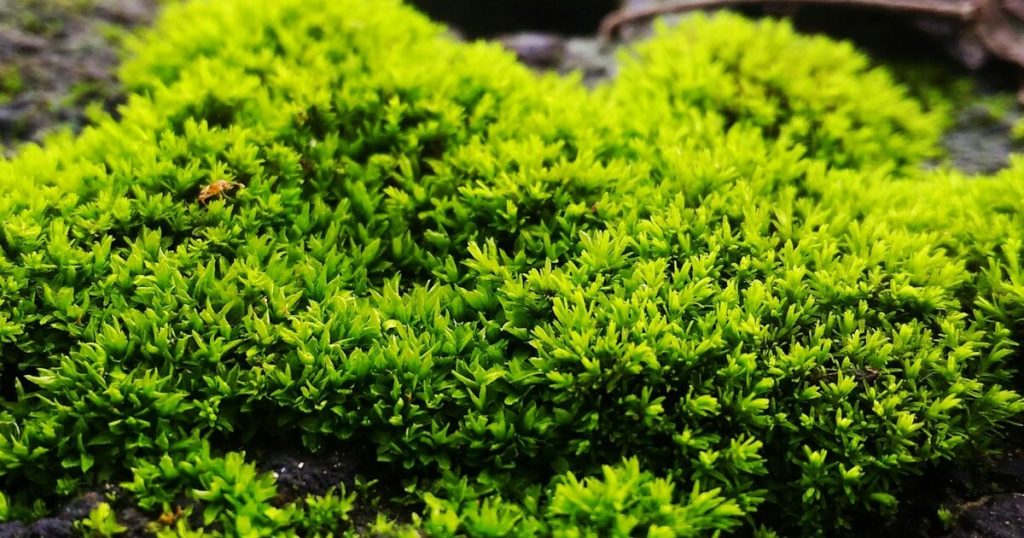
Laying the groundwork for a moss garden begins with preparing the garden bed to create the ideal substrate. A well-prepared surface should mimic the natural environments where moss thrives—typically compact, acidic, and free from aggressive vegetation. I always start by clearing the area of debris, weeds, and other competing plants that might overshadow your moss’s delicate growth. Although moss is not considered invasive, ensuring a clean slate gives it the best chance to establish itself without interference. Adding a light layer of organic matter can help balance the pH and provide a slightly textured surface for the moss to cling to!
The process of preparing the garden bed is both practical and therapeutic, as it allows you to reconnect with the soil and its natural rhythms. I remember the satisfaction of raking and smoothing out an area that would soon burst into a vibrant green mosaic. It’s essential to keep the soil moist but not waterlogged, as this balance encourages the right microbial activity that supports moss growth. With patience and a bit of elbow grease, you’ll create a welcoming home for moss—a true foundation for a flourishing garden ecosystem!
Organic Matter And Soil Additions
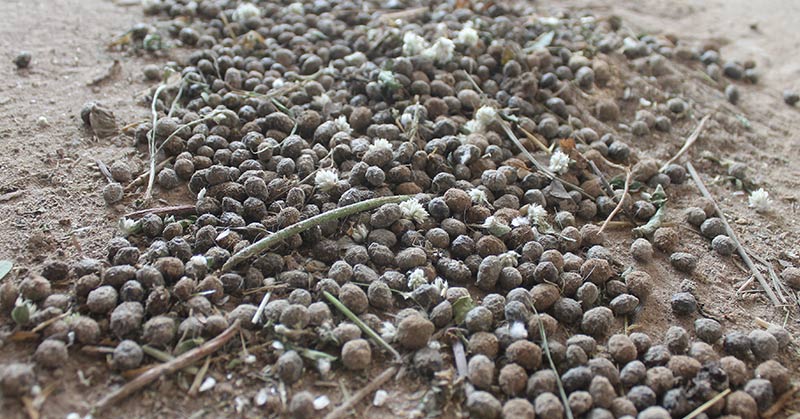
Incorporating organic matter into your garden bed is a fantastic way to promote healthy moss growth. Organic additions, such as leaf litter, peat, or compost, help to create the slightly acidic conditions that many moss species prefer. Although moss is native to diverse habitats worldwide, it often thrives best on surfaces that mirror the rich, decomposing layers found in forest floors! By mixing organic matter into your soil, you not only enhance its structure but also encourage beneficial microbial activity that aids in the decomposition of organic residues, ultimately fostering a nurturing environment for moss.
I always find that blending organic material with your existing soil can transform an otherwise barren patch into a thriving canvas for moss. This method supports moisture retention and creates a textured surface that invites moss spores to settle and grow. Even if you’re working in an area that’s less than ideal for natural moss colonization, these soil amendments can make a significant difference. Embrace the power of organic matter—it’s a small, natural boost that can have a big impact on the success and longevity of your moss garden!
Mulching Techniques

Mulching is an often overlooked yet essential technique for cultivating a successful moss garden. By applying a layer of mulch over your prepared garden bed, you can help maintain the moisture and temperature conditions that moss craves. I’ve experimented with various mulch types—from shredded bark to fine gravel—and found that each offers its own unique benefits. Mulch not only reduces water evaporation but also acts as a barrier against competing weeds, giving your moss the space it needs to establish itself without interference. Although moss is native to many natural environments, a well-chosen mulch can simulate those conditions right in your backyard!
I always enjoy the tactile and visual transformation that a good mulching session brings to my garden. As the mulch settles in, it creates a soft, protective layer that supports the steady growth of moss. Additionally, this technique can attract beneficial organisms that further enrich the soil, such as earthworms and tiny arthropods that help break down organic matter. It’s truly rewarding to watch the gradual transformation of your garden bed into a vibrant, living carpet—one that promises long-term beauty and ecological balance!
Microclimate Management
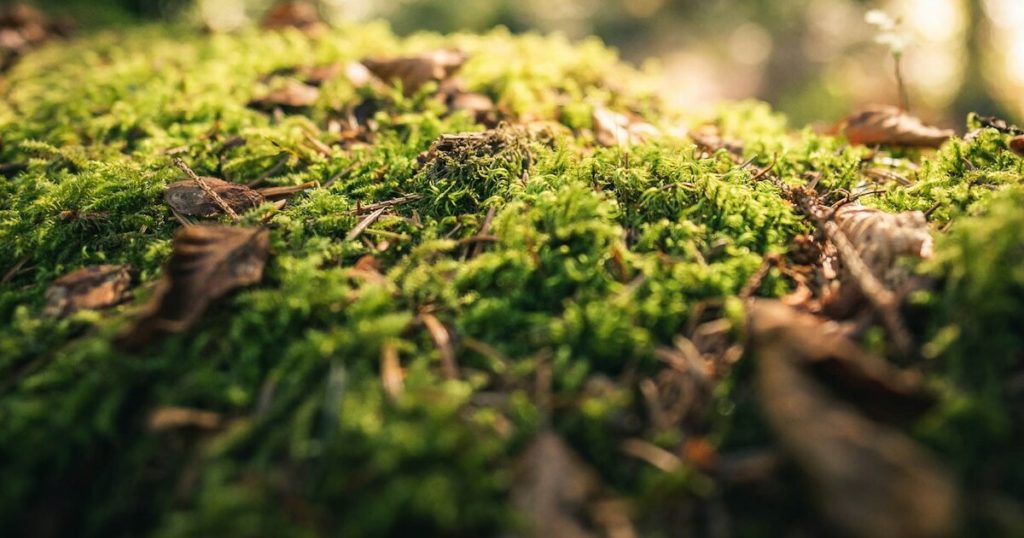
Effective microclimate management is key to ensuring your moss garden thrives, especially in areas where environmental conditions might otherwise be less than ideal. Moss is inherently adaptable, native to many cool and moist regions around the globe, yet it often demands a specific balance of temperature, humidity, and light. I’ve learned that even small modifications—like repositioning a rock feature or adding a water element—can create a localized environment that encourages moss growth and attracts beneficial critters! By carefully observing the microclimate of your garden, you can make strategic adjustments that pave the way for a lush, green carpet to emerge.
This approach not only benefits the moss but also enhances the overall garden ecosystem. I often notice how minor shifts in temperature and humidity can influence the behavior of tiny invertebrates, such as springtails and mites, which in turn help decompose organic matter and stimulate moss proliferation. It can be a bit of trial and error, but that’s part of the joy of gardening—learning and adapting to nature’s subtle cues. With some thoughtful tweaks and a bit of patience, your garden can become a perfectly balanced haven where moss and other lifeforms coexist in harmonious abundance!
Integrating Natural Fertilizers

While moss generally requires minimal fertilization, integrating natural fertilizers can provide that extra boost needed for optimal growth. I find that using organic options—like diluted seaweed extract or compost tea—can help reinforce the delicate balance of nutrients without overwhelming the moss’s gentle system. Native to many forested environments, moss often thrives in nutrient-poor soils, but a modest dose of natural fertilizer can mimic the slow, steady enrichment found in nature. This approach ensures that your moss garden remains resilient and vibrant, even in conditions that might otherwise challenge its growth!
The beauty of natural fertilizers is that they work in harmony with the ecosystem, encouraging beneficial microbial activity and supporting the overall health of your garden. I always take care to apply these nutrients sparingly, as too much can disrupt the subtle equilibrium that moss requires. It’s such a delight to see the gradual transformation—a quiet green carpet that welcomes tiny invertebrates and creates a microhabitat reminiscent of ancient woodlands. By integrating natural fertilizers thoughtfully, you set the stage for a thriving moss garden that’s as nurturing as it is enchanting!
Crafting Your Green Sanctuary
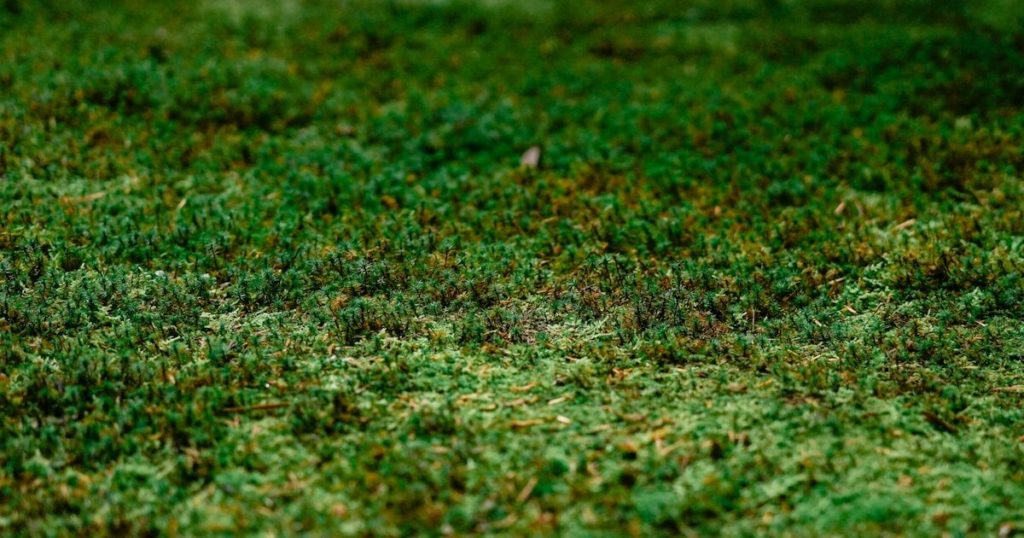
Building a moss garden is an adventurous journey that combines creativity, patience, and a touch of nature’s magic! Each of these 10 methods offers a unique pathway to transform ordinary spaces into a soft, green retreat that not only beautifies your garden but also supports a vibrant ecosystem of tiny critters and microbes. From encouraging natural colonization to carefully managing microclimates, every technique is a step toward creating a living, breathing work of art in your own backyard.
I hope these diverse strategies inspire you to experiment and find the perfect combination that suits your garden’s unique conditions. Remember, gardening is all about learning and adapting—every trial, every success, and even every setback is part of the journey. Embrace the process, enjoy the little victories along the way, and soon enough, you’ll have a moss garden that is not only stunning but also a testament to your passion and perseverance!