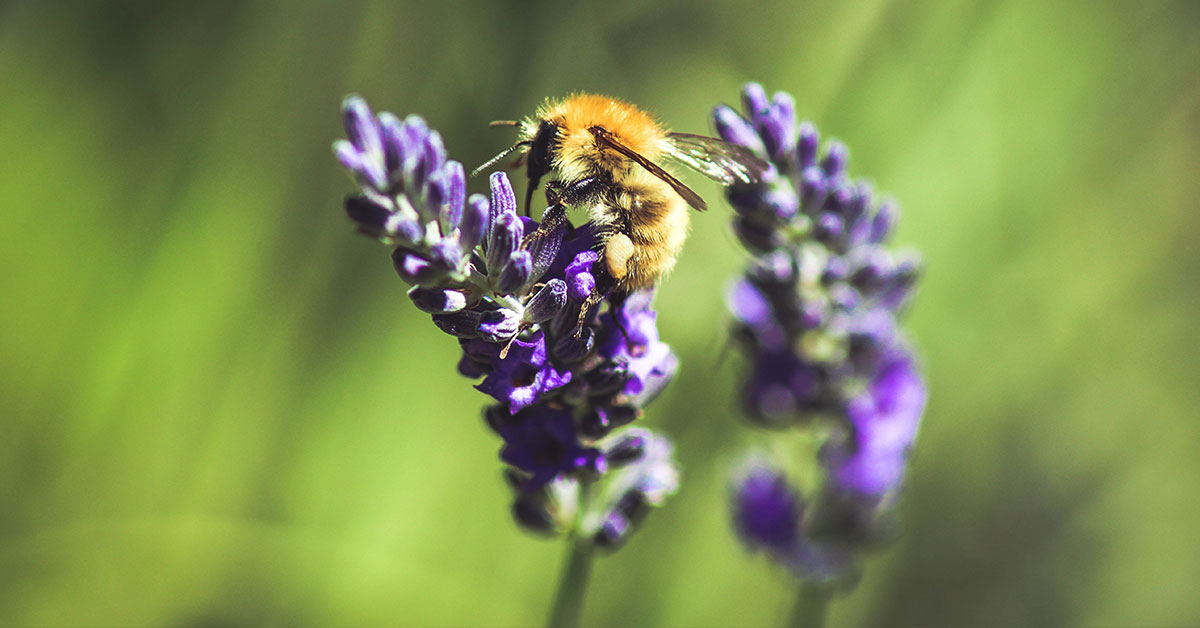

Embarking on a lavender-growing journey can be both exciting and rewarding, especially for those just starting out in the garden! As a gardener who’s spent countless hours exploring different cultivation techniques, I understand the mix of anticipation and apprehension that comes with nurturing a new plant. Lavender, native to the Mediterranean region, brings not only its signature soothing fragrance and beautiful blooms but also attracts beneficial insects like bees and butterflies that may even nest nearby, adding a natural buzz to your garden.
I know how disheartening it can be when plants don’t thrive as expected or when pests invade your carefully planned layout, but fear not—this guide is designed to help you overcome those hurdles with practical tips and heartfelt encouragement. Whether you’re dealing with a sunny backyard or a more challenging environment, this guide will provide thorough, step-by-step advice, ensuring you can enjoy the unique charm and health benefits of lavender in your own outdoor sanctuary!
Watering And Fertilization

Managing water needs for lavender can be a balancing act that’s both fun and crucial to the plant’s success! Lavender thrives in well-drained soil and a sunny location, so overwatering is a common pitfall. I’ve learned the hard way that too much water can lead to root rot, which is especially frustrating when you’re eager to see those purple blooms emerge. Instead, allow the soil to dry out between watering sessions, and if you’re using fertilizer, opt for a light organic blend that doesn’t overpower the delicate roots.
Understanding your garden’s water retention capabilities and adapting your watering schedule accordingly is key. When I first started, I often misjudged the watering frequency, but after some trial and error, I discovered that less truly is more for lavender. Not only does this approach mimic its native Mediterranean habitat, but it also encourages stronger root development, ensuring that your lavender plants remain resilient and vibrant even when the weather shifts unexpectedly!
Pest And Disease Control
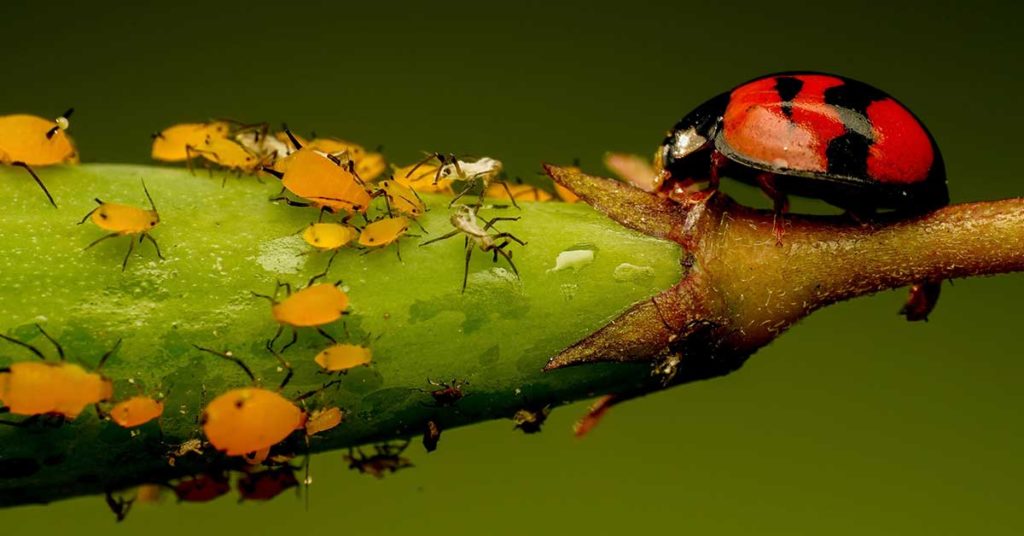
Lavender is remarkably resilient, yet even the hardiest plants can occasionally fall prey to pests and diseases. One of the joys of growing lavender is watching how it attracts beneficial insects, which can help manage potential pests naturally! However, I know how frustrating it can be when aphids or fungal issues pop up, and that’s why monitoring your plants regularly is essential. In my experience, early intervention with natural remedies like neem oil or a simple soap solution can prevent minor problems from escalating into major issues.
It’s also important to remember that lavender’s aromatic oils can sometimes repel pests, but if a persistent infestation occurs, adjusting your garden’s microenvironment may be necessary. This might involve repositioning plants to improve air circulation or even adding companion plants that discourage unwanted visitors. The key is to be patient and attentive—your garden is a living ecosystem, and understanding its rhythms can lead to a more harmonious and productive growing experience!
Planting And Soil Preparation
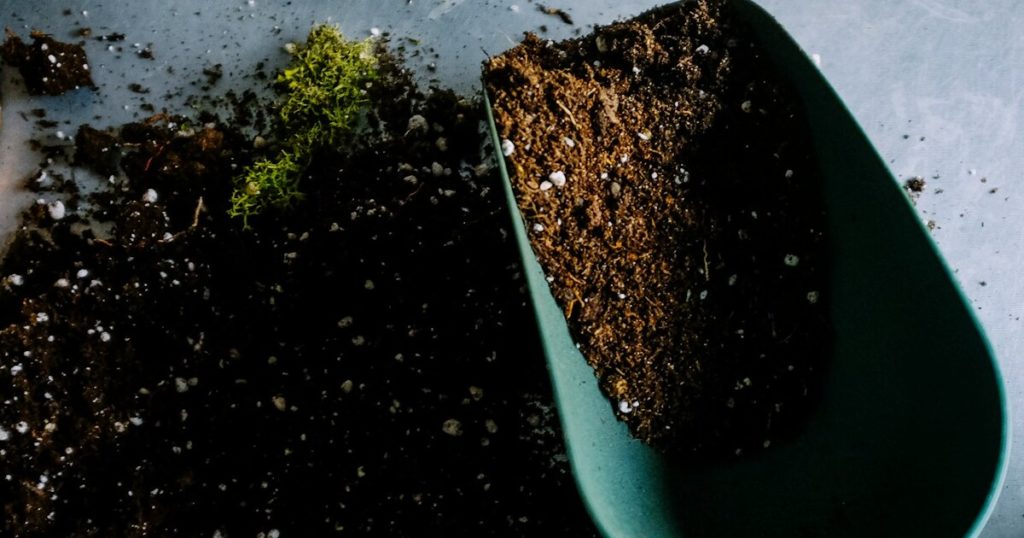
When it comes to planting lavender, the right soil and placement are fundamental for success. I’ve always found that preparing a well-drained, slightly alkaline soil creates the ideal environment, closely mirroring the lavender’s native Mediterranean conditions. Before planting, enrich your garden bed with gravel or sand to enhance drainage and reduce the risk of root rot—a common setback for beginners. This pre-planting ritual sets the stage for a thriving lavender patch that will reward you with its vibrant colors and soothing fragrance!
Planting in the right spot is equally important, as lavender loves basking in full sunlight! I remember the excitement of finding that perfect sunny nook in my garden, and the difference it made was astounding. Not only does the ample light promote robust blooming, but it also helps the plant produce the essential oils that give lavender its characteristic aroma. Embrace the challenge of soil preparation, and you’ll be well on your way to cultivating a plant that not only looks stunning but also invites beneficial critters to join your garden’s vibrant community!
Harvesting And Usage
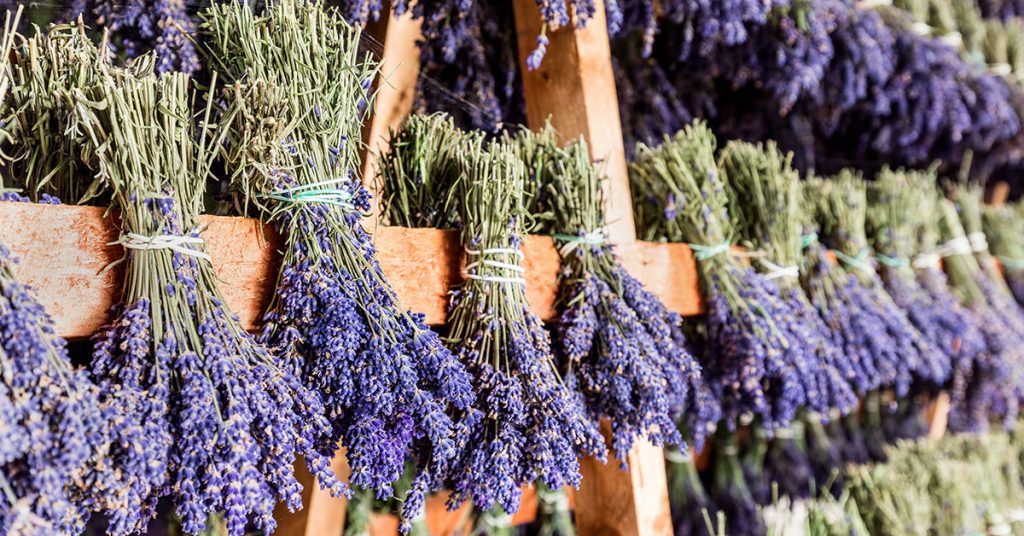
Harvesting lavender can be an incredibly satisfying experience, as it marks the moment when all your careful efforts come to fruition. I often find myself marveling at the delicate balance between timing and technique—waiting until the buds just begin to open is key to capturing the full spectrum of its fragrance and color! Not only do these harvested stems make for beautiful dried arrangements, but they also provide a sensory delight that can be used in sachets, teas, or even homemade essential oils.
The practical uses of lavender extend far beyond its aromatic appeal. In my own garden, I’ve discovered that incorporating harvested lavender into homemade remedies can be a fun and therapeutic way to extend its benefits. It’s such a joy to see the smiles on friends’ faces when I share a little pouch of dried lavender or a splash of homemade oil! Embrace every stage of the process, and remember that each snip of the scissors is a small victory in your journey towards becoming a confident and resourceful gardener.
Pruning And Maintenance
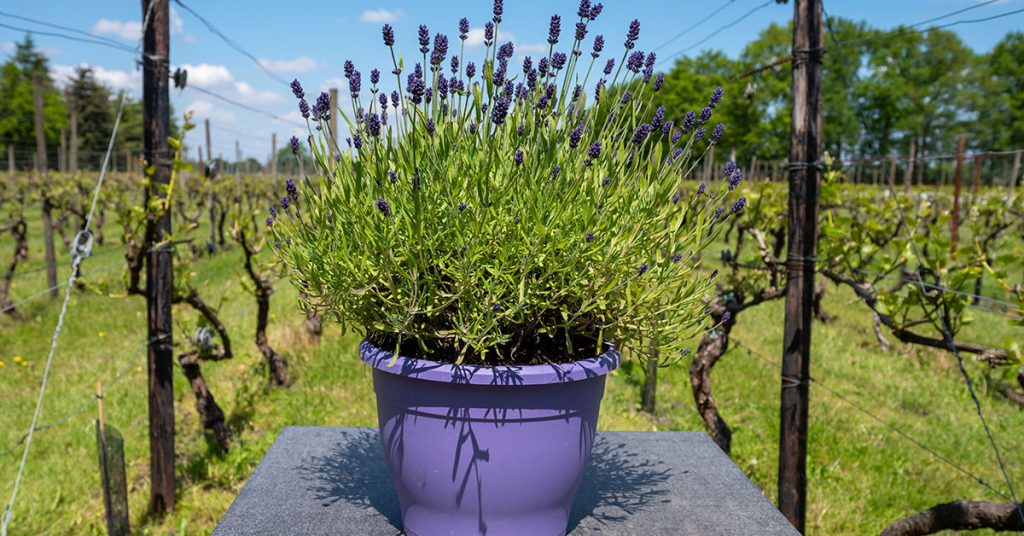
Regular pruning is essential for maintaining the health and beauty of your lavender plants, and it’s a task that I’ve come to enjoy as part of my garden routine! Pruning not only shapes the plant but also encourages a more abundant bloom by stimulating new growth. It’s particularly important to trim back after the flowering season, ensuring that the plant remains compact and vigorous without becoming woody. I’ve learned that a careful, mindful trim can transform an unruly shrub into a centerpiece of natural elegance!
Maintenance goes beyond just pruning; it involves consistently checking the overall health of the plant and making adjustments as needed. Whether it’s repositioning a stem that seems too crowded or lightly brushing off dust from the foliage, these small acts of care can make a big difference over time. I empathize with the occasional frustration when a plant doesn’t respond as expected, but every cut is a step towards a stronger, more resilient lavender. With patience and persistence, you’ll find that regular maintenance not only preserves its beauty but also deepens your connection with your garden!
Choosing The Right Lavender Variety
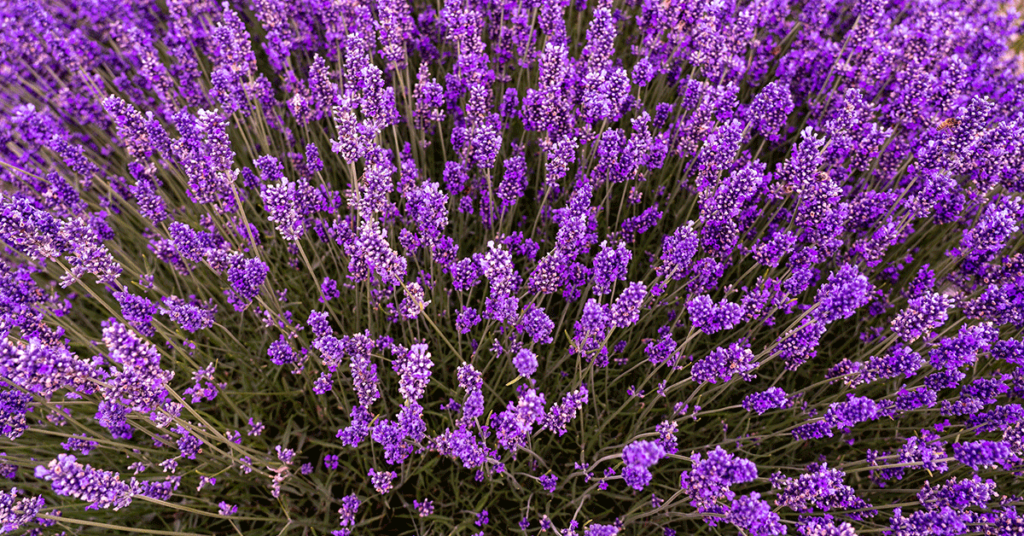
Selecting the ideal lavender variety is a thrilling part of starting your garden, and it’s something I’ve spent many joyful hours researching! There are several types of lavender, each with its unique charm and requirements. For beginners, I recommend English lavender (Lavandula angustifolia) because of its versatility, hardiness, and enchanting fragrance that resonates with the essence of its native Mediterranean habitat. Not only does this variety produce a stunning display of purple flowers, but it also attracts a range of beneficial insects that help create a balanced garden ecosystem.
However, it’s crucial to understand that while English lavender is well-behaved in many settings, some varieties, like Spanish or French lavender, have slightly different needs and can behave differently in cooler climates. I’ve seen firsthand how selecting the right type can mean the difference between a thriving garden and one that struggles to adapt. Do some research, and perhaps even experiment with more than one variety, to find the perfect match for your garden’s conditions and your personal taste—your future self will thank you for the vibrant, aromatic reward!
Additional Tips And Common Pitfalls

Every gardening journey comes with its fair share of challenges, and growing lavender is no exception. One common pitfall is overwatering, which can be especially disheartening when you’re eager to see your lavender flourish. I’ve been there, feeling that pang of disappointment when my precious plants began to show signs of distress. Learning from these moments, I now emphasize the importance of mimicking the natural arid conditions of the Mediterranean—this means less water and more sunlight to create a thriving environment for lavender!
Another key tip is to always consider the long-term spacing and growth habits of your lavender. It can be tempting to plant them too closely in the excitement of a new garden, but proper spacing allows air to circulate and reduces the risk of fungal diseases. I also recommend mulching with gravel instead of organic material to maintain that dry, well-drained soil condition. Remember, every misstep is a learning opportunity, and with each adjustment, you’re one step closer to mastering the art of lavender care—a journey that is as fulfilling as it is fragrant!