

The legacy of the Great Depression has left us with timeless lessons on resourcefulness and resilience, especially in our gardens. As a devoted gardener who has faced the challenges of both lean times and abundant harvests, I find joy in sharing tips that merge historical wisdom with modern practices! Every plant in my garden has a story to tell, and I’m excited to help you discover how to nurture your own patch of earth with a frugal yet flourishing approach.
Gardening is more than just planting seeds—it’s about creating a sustainable, vibrant space that feeds both body and soul. I know how disheartening it can be when invasive pests or unyielding soil threaten your hard work, but with a little ingenuity and practical advice, even the most modest garden can thrive. Let’s dive into some of my favorite plants and living tips that not only echo the spirit of the past but also inspire hope and creativity today!
Mint – The Fragrant Invader
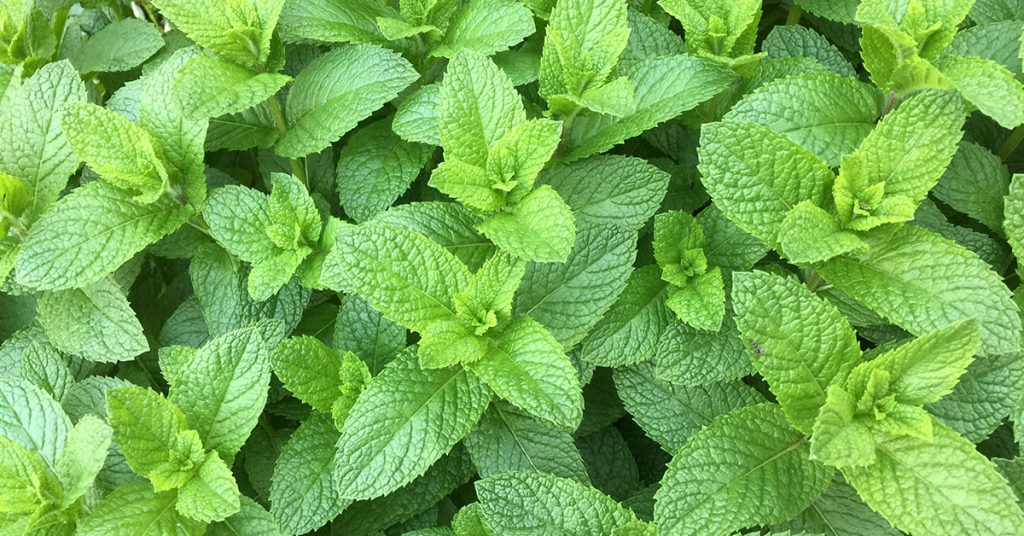
Mint is one of my all-time favorite herbs for its delightful fragrance and versatility in the kitchen and garden! Native to Europe and Asia, mint has become a beloved staple around the world, though its vigorous growth often earns it the reputation of being invasive in many regions. I love how its sprawling habit can cover ground quickly, providing a natural carpet that deters weeds and attracts pollinators with its sweet aroma.
However, its rapid spread means you need to keep an eye on it lest it overrun your carefully planned flower beds! Planting mint in containers or dedicated beds can help manage its growth while still allowing you to enjoy its refreshing leaves in teas, salads, and even natural remedies. Its robust nature is a reminder of the Depression-era ingenuity—maximizing every resource and making the most out of nature’s bounty!
Sunflowers – The Golden Sentinels

Sunflowers never fail to brighten my day and my garden with their radiant presence and impressive stature! Native to North America, these tall, vibrant blooms are not only a feast for the eyes but also excellent at attracting a variety of beneficial wildlife. Their massive heads provide shelter for birds and supply seeds that are a treat for both people and critters, echoing the spirit of self-sufficiency and natural abundance.
These hardy giants are also celebrated for their resilience and ability to thrive in a variety of conditions, although they can sometimes dominate a garden if not properly managed. Their sunny disposition and robust energy serve as a natural reminder that even under challenging circumstances, nature finds a way to shine—just as it did during the trying days of the Great Depression!
Dandelions – Nature’s Persistent Helpers

Often seen as a nuisance, dandelions are in reality a testament to nature’s remarkable adaptability and resourcefulness! Originally native to Eurasia, these cheerful yellow flowers have spread across the globe, sometimes earning a label of invasive. However, their deep roots and bright blossoms make them indispensable allies in aerating the soil and providing early nectar for pollinators when few other sources are available.
I delight in their unexpected benefits—using dandelion greens in salads or teas and marveling at how they bring life to even the most barren patches. While their rapid seed dispersal can be challenging to control, learning to work with them rather than against them is a true lesson in gardening resilience and ingenuity, a lesson that echoes the resourcefulness of the Depression era!
Living Tips: Repurposing and Upcycling in the Garden

One of the best lessons I learned during the hard times of the past is that creativity can turn even the most mundane items into garden treasures! I’ve repurposed old jars into charming planters, turned discarded pallets into rustic garden beds, and even fashioned trellises from scrap wood. These upcycling projects not only add character to your outdoor space but also reduce waste and cut costs—a practice that was second nature during the Great Depression and remains ever-relevant today.
Embracing these frugal living tips can transform your garden into a sustainable haven that’s as functional as it is beautiful. I understand the frustration when new materials seem too expensive, but with a bit of creativity, everyday items can be given new life in your garden. This approach not only saves money but also fosters a deeper connection with the environment, proving that resourcefulness is the best form of modern luxury!
Wild Mustard – A Forgotten Gem
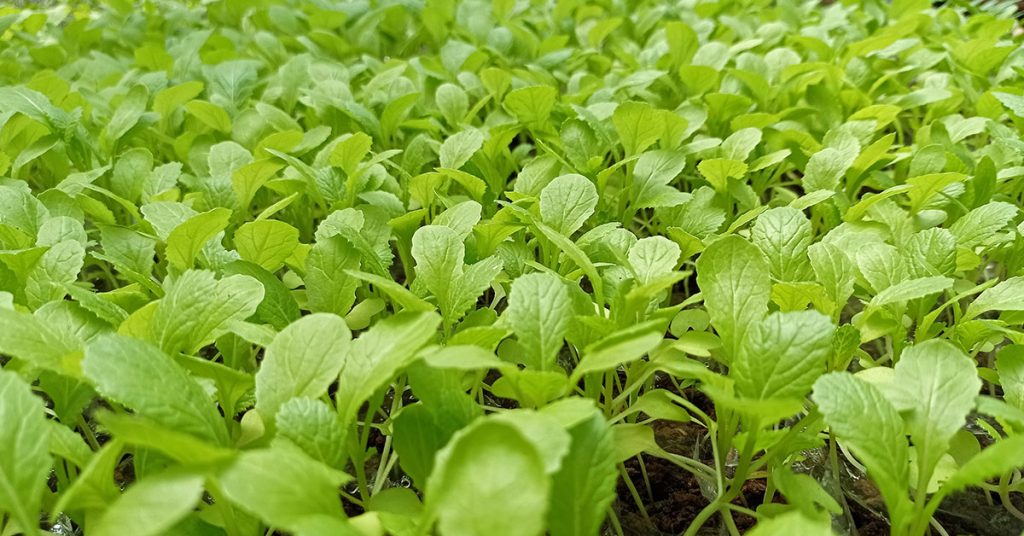
Wild mustard is a plant that holds a special place in my heart for its delicate beauty and historical significance! Native to parts of Europe and Asia, it was once a common sight in the gardens of those who made do with little during tough times. Its clusters of tiny yellow flowers attract solitary bees and other pollinators, turning even the most unassuming patch into a bustling hub of activity and life.
Yet, wild mustard’s vigorous growth has earned it a reputation as an invasive species in some regions, which can make it a double-edged sword for the frugal gardener. Managing its spread requires careful attention and a deep understanding of your local ecosystem—but the reward is a vibrant display of nature’s resilience and a living reminder of how resourcefulness can transform challenges into opportunities!
Purslane – The Edible Succulent

Purslane is a remarkable plant that not only survives but thrives in tough conditions, making it a darling for gardeners with limited resources! Originally native to Asia and now found worldwide, purslane is known for its succulent leaves and tangy flavor that adds a zesty twist to salads and stews. Its creeping growth habit and high nutritional value make it a favorite for those looking to maximize every inch of their garden space while enjoying fresh, edible greens.
I love how purslane’s low-maintenance nature and drought resistance remind us that sometimes the simplest plants offer the greatest rewards. While it can be considered invasive due to its aggressive spreading, controlled cultivation in a designated area or container can ensure that it remains an asset rather than a pest. Embracing purslane is like reconnecting with a time when every edible green was treasured, a true testament to the enduring spirit of frugal living!
Clover – The Humble Nitrogen Fixer

Clover is an unsung hero in my garden, quietly working its magic by enriching the soil and attracting beneficial insects! Native to Europe but now common in many parts of the world, clover is renowned for its ability to fix nitrogen in the soil, boosting fertility naturally and reducing the need for chemical fertilizers. Its small, delicate flowers provide a gentle burst of color that complements larger, more dramatic blooms, proving that even the humblest plants can make a big difference.
In addition to its soil benefits, clover serves as a vital food source for pollinators, and its dense growth can help suppress weeds. I truly appreciate how it embodies the Depression-era ethos of making do with what’s available, turning a modest plant into a powerhouse of ecological benefits. Whether used as a cover crop or a living mulch, clover offers both practicality and charm, making it a must-have for any frugal gardener looking to create a sustainable landscape!