

Starting a cucumber garden can be an exhilarating adventure, but I know firsthand that even a simple plant can present plenty of questions for a beginner. As an enthusiastic gardener, I’ve spent years experimenting with different techniques to coax the best yield from these versatile plants. Cucumbers, native to South Asia, have long been cherished for their refreshing crunch and culinary versatility. However, when you’re just starting out, it’s so frustrating when pests invade or when the plants just don’t seem to perform as expected! My goal here is to guide you through some of the most common queries about growing cucumbers, sharing personal insights and practical tips to help you cultivate a thriving patch of green goodness.
I completely understand the challenges that come with nurturing new plants—the unpredictable weather, the ever-present battle against pests, and even the simple puzzle of proper spacing and watering. In this article, I’ve randomized the top 10 questions I’ve encountered over the years and answered each with detailed, two-paragraph sections. Whether you’re struggling with seed depth or wondering about container gardening, these insights will help you transform your cucumber patch into a bountiful and resilient garden. Let’s dive into these common questions and empower your gardening journey with confidence and a touch of excitement!
How Do I Manage Pests and Diseases on Cucumbers?
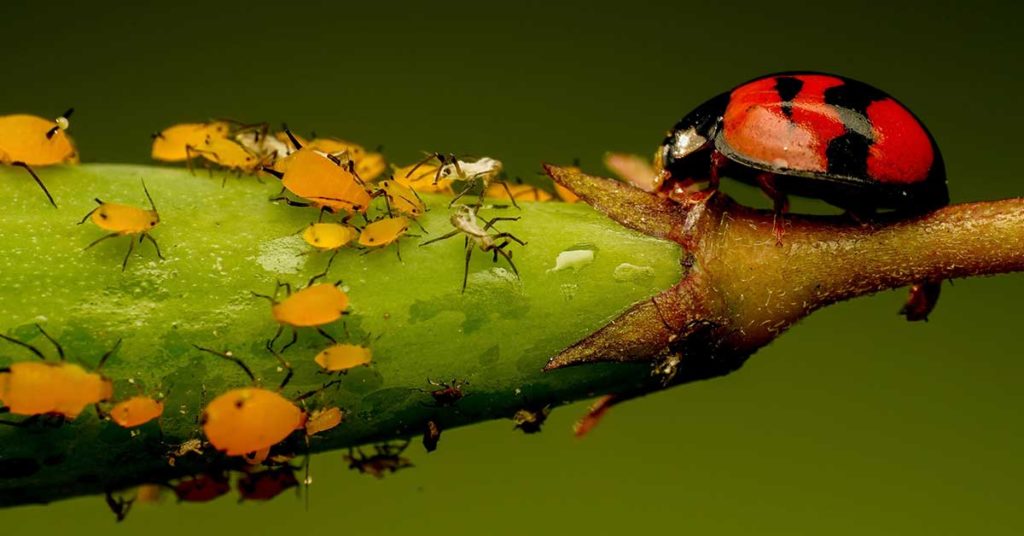
Cucumbers are prized for their crisp, refreshing taste, but like all plants, they can fall prey to pests and diseases that threaten a healthy crop. Native to South Asia, cucumbers have adapted to various climates, yet they sometimes attract pests such as cucumber beetles and aphids. I’ve noticed that these critters not only nibble at the foliage but can also interfere with pollination, sometimes even taking refuge in the dense foliage of the vines. It’s such a bummer when pests disrupt your hard work, but adopting an integrated pest management approach can make all the difference!
In my garden, I use organic remedies like neem oil and insecticidal soap to manage infestations while encouraging beneficial insects such as ladybugs and lacewings to naturally curb pest populations. Regular monitoring is key—if you catch issues early, you can quickly intervene before they spiral out of control. I also recommend interplanting cucumbers with companion plants like marigolds or radishes, which can help repel pests and create a balanced ecosystem. With a bit of vigilance and the right strategies, you can keep your cucumber patch healthy and thriving!
What Is the Best Time to Plant Cucumbers?
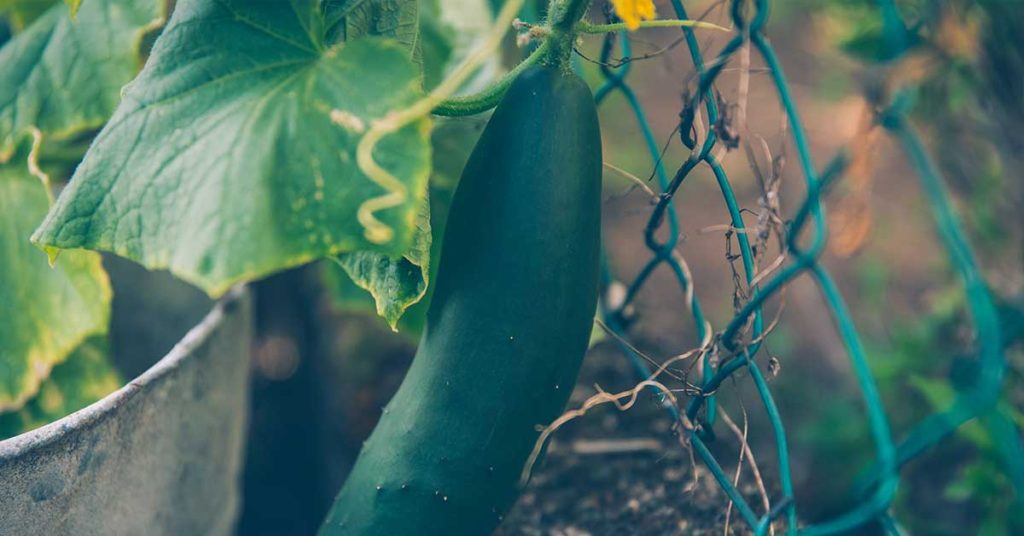
Timing is everything when it comes to planting cucumbers, and getting it right sets the stage for a flourishing harvest! Cucumbers thrive in warm weather, so I always recommend waiting until the danger of frost has passed and the soil has warmed to around 60°F or higher. Native to the subtropical climates of South Asia, cucumbers love long, sunny days, and planting them at the right time ensures they have ample heat to develop strong vines and fruit. I know how disappointing it can be when you plant too early and see stunted growth or frost damage—it’s a lesson I learned the hard way!
In my experience, early summer is ideal for sowing cucumber seeds directly into the garden or starting them indoors for transplanting later. This timing not only provides optimal temperature conditions but also aligns with peak pollinator activity, which is crucial for fruit set. Additionally, planting during this window minimizes the risk of disease that can accompany cooler, damp conditions. When your cucumbers receive the warmth and light they crave, you’ll be rewarded with abundant, crunchy harvests that truly make all the effort worthwhile!
How Deep Should I Plant Cucumber Seeds?
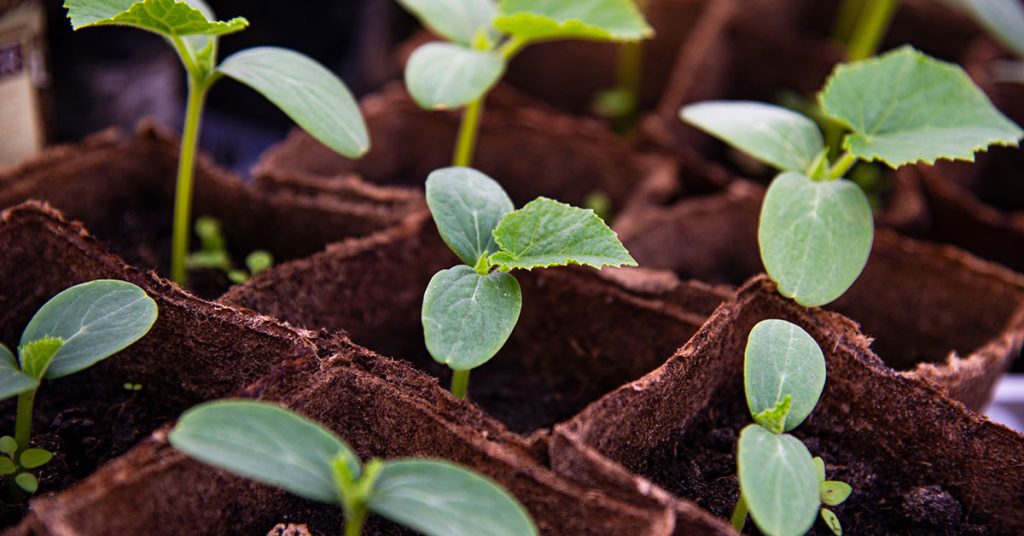
Planting cucumber seeds at the correct depth is essential to ensure they sprout effectively and develop strong roots. I’ve found that sowing seeds about ½ inch deep works wonders—this depth protects the tiny seeds from wind and birds while still allowing them to access enough light as they germinate. Cucumbers, being relatively delicate at the seedling stage, benefit from this careful approach, which sets a solid foundation for healthy growth. It’s such a relief when the first green shoots emerge, a sign that your efforts are starting to pay off!
Proper seed placement not only supports germination but also helps maintain moisture levels around the seeds. I always gently cover the seeds with fine soil or vermiculite and water them lightly to ensure they remain in place. This method mimics the natural conditions cucumbers would experience in their native habitat and minimizes the risk of drying out before they sprout. Taking the time to plant at the right depth can truly make a difference, turning a potentially frustrating start into a promising beginning for your cucumber garden!
How Much Space Do Cucumbers Need?
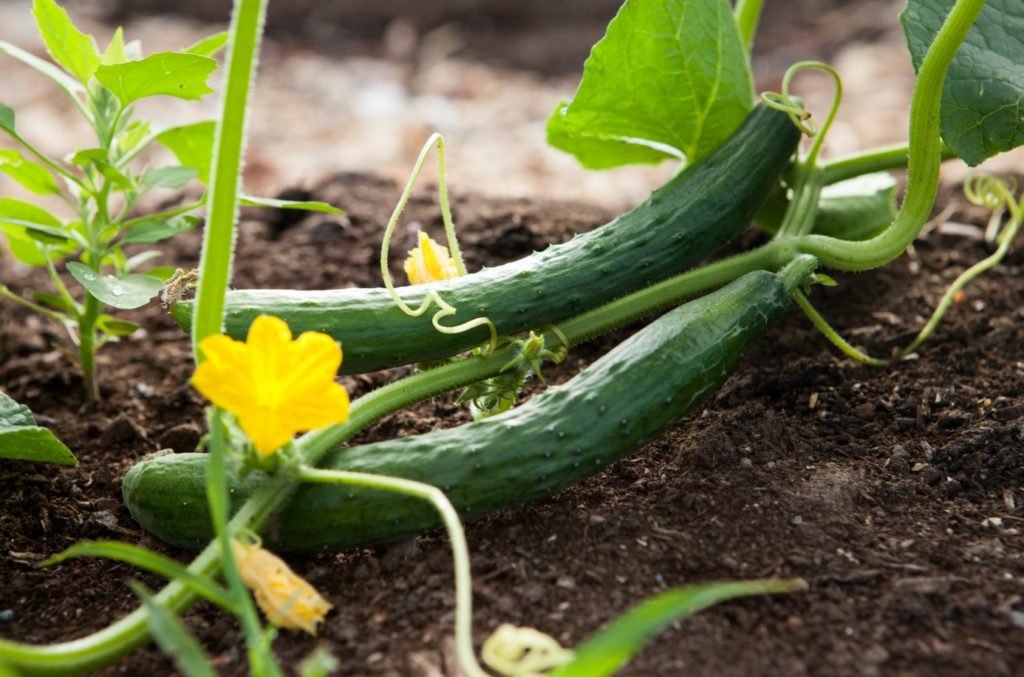
Cucumbers are known for their sprawling vines, so giving them enough space is key to a successful garden. They thrive when planted with plenty of room to spread out, ensuring that each plant receives adequate sunlight and air circulation. In my own garden, I always allocate at least 3 to 4 feet between plants to prevent overcrowding. This spacing not only helps in reducing the risk of fungal diseases but also attracts beneficial insects by creating a welcoming, open environment where pollinators can easily navigate between blossoms!
Proper spacing also makes it easier to manage the vines and support structures like trellises, which I often use to keep the plants off the ground. By training the cucumbers upward, you create more room for them to grow while minimizing the contact with soil that could harbor disease. I’ve found that this approach not only enhances the plant’s productivity but also improves the overall aesthetics of the garden, making it a neat and attractive space. When each plant has room to breathe, they grow stronger and more resilient—a win for both the garden and your harvesting efforts!
What Type of Soil Is Best for Cucumbers?

Cucumbers flourish in well-draining, nutrient-rich soil that allows their extensive root systems to develop fully. They are native to warm, fertile regions and naturally prefer loamy soil with plenty of organic matter. I always start by amending my garden beds with compost or well-rotted manure to create the ideal growing environment. Good soil not only supports robust plant growth but also attracts beneficial soil organisms like earthworms, which help aerate the soil and improve nutrient uptake—a natural boost that every cucumber plant appreciates!
In my experience, maintaining a slightly acidic to neutral pH (around 6.0 to 7.0) is also crucial for cucumber health. Conducting a simple soil test before planting can guide you in making any necessary adjustments, such as adding lime or sulfur. This attention to detail creates an optimal setting for cucumbers to thrive and minimizes the risk of nutrient deficiencies or root diseases. With the right soil conditions, your cucumber patch will reward you with vigorous growth and bountiful, flavorful fruit!
Can I Grow Cucumbers in Containers?
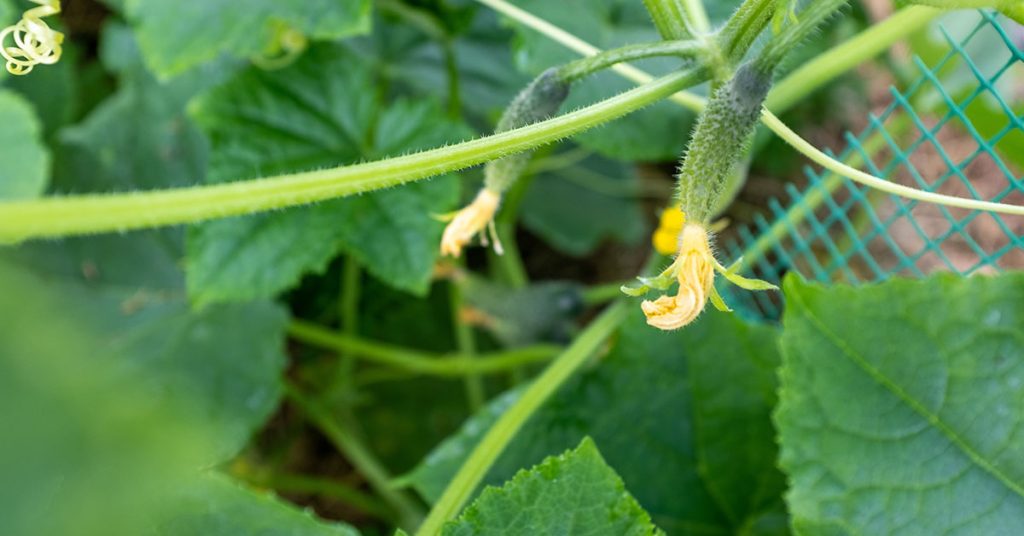
Yes, you can absolutely grow cucumbers in containers, and this option is fantastic for gardeners with limited space or those who want more control over soil conditions! When selecting a container, I always choose one that is at least 18 inches deep to accommodate the long roots cucumbers develop. Using a high-quality potting mix enriched with compost creates a mini ecosystem that attracts beneficial microorganisms and supports healthy growth. Container gardening allows you to move your plants to catch the best sunlight and offers protection from adverse weather conditions—a great advantage for any beginner!
Growing cucumbers in containers can also be a creative way to integrate edible greenery into patios and balconies, adding a touch of freshness to your outdoor space. I’ve observed that container-grown cucumbers often produce fruits that are particularly crisp and flavorful, likely because of the controlled environment. Although they require regular watering and occasional feeding, the rewards are well worth the effort. With proper care, container cucumbers can yield a generous harvest, proving that even in a small space, nature can thrive and delight!
How Do I Support Cucumber Vines?
Cucumber vines are vigorous climbers that benefit tremendously from proper support, which not only saves space but also reduces the risk of disease by keeping the fruit off the ground. I always recommend using trellises, cages, or netting systems to guide the vines upward, ensuring they receive ample sunlight and air circulation. This practice is especially beneficial for cucumbers since their sprawling habit can sometimes create a tangled mass that invites pests and fungal issues. When the vines are neatly supported, it becomes much easier to monitor their progress and manage any potential problems early on!
In my own garden, I’ve noticed that supported vines tend to produce larger and more uniformly shaped cucumbers. The vertical growth also attracts beneficial insects, which can nest in the crevices of the trellis and provide natural pest control. Plus, it makes harvesting a breeze—no more bending over or tripping over sprawling vines! By investing a little time in setting up a support structure, you can transform your cucumber patch into an organized and productive part of your garden that’s both efficient and visually appealing.
How Often Should I Water Cucumbers?
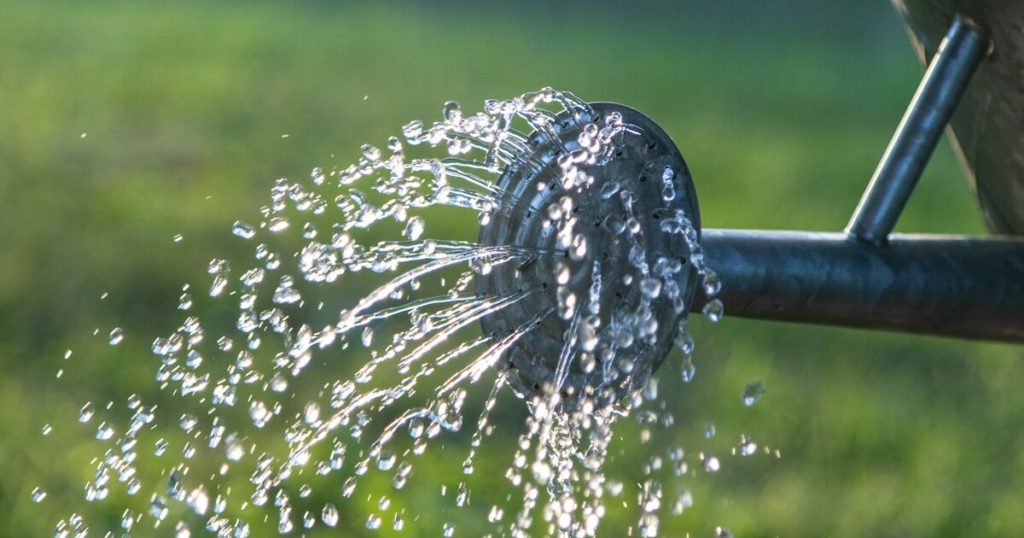
Watering is a critical aspect of growing cucumbers, as these plants have a high water requirement to develop their succulent, crisp fruits. Consistent moisture is key—too little water and the cucumbers can become tough, too much and you risk root rot or fungal diseases. I’ve learned through experience that deep, infrequent watering is best, as it encourages the roots to grow deeper into the soil, making the plant more resilient. Cucumbers thrive in warm, consistent conditions, and a good drip irrigation system or soaker hose can ensure that each plant receives just the right amount of hydration!
Maintaining a regular watering schedule not only supports robust growth but also helps attract beneficial soil organisms, such as earthworms, which further improve soil quality. Mulching around the base of the plants can also help retain moisture and keep the soil temperature stable, creating an environment where cucumbers can truly flourish. I always make it a point to check the soil moisture in the early morning, ensuring that the plants are well-watered without being waterlogged. With attentive care, your cucumber patch will reward you with vibrant growth and a plentiful, juicy harvest!
What Are the Best Cucumber Varieties for Beginners?
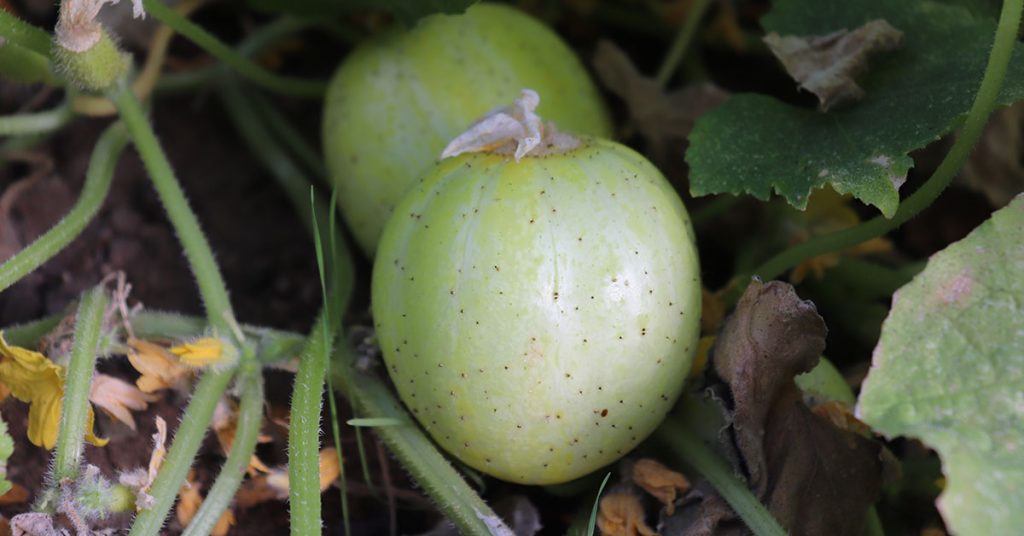
There are several cucumber varieties that are especially well-suited for first time gardeners, each offering a unique balance of ease and flavor. For instance, slicing cucumbers like ‘Marketmore’ are popular for their reliability and disease resistance, while pickling types like ‘National Pickling’ are favored for their crisp texture and abundant yield. Native to warm climates, cucumbers have been selectively bred over the years to perform well in a variety of garden settings, and these beginner-friendly varieties are typically non-invasive and straightforward to grow. I’ve experimented with a few, and each one brings a delightful surprise to the garden!
Choosing the right variety can also impact how well your plants attract pollinators and support beneficial insects. For example, some types are known to have more vibrant blossoms, which draw bees and butterflies into your garden—these little helpers are crucial for ensuring a good fruit set. The diversity of cucumber varieties allows you to tailor your garden to your specific space and culinary preferences, making it a fun and rewarding experience. Whether you prefer them for fresh salads or homemade pickles, these varieties are a fantastic starting point for anyone new to growing cucumbers!
How Do I Harvest Cucumbers at the Right Time?
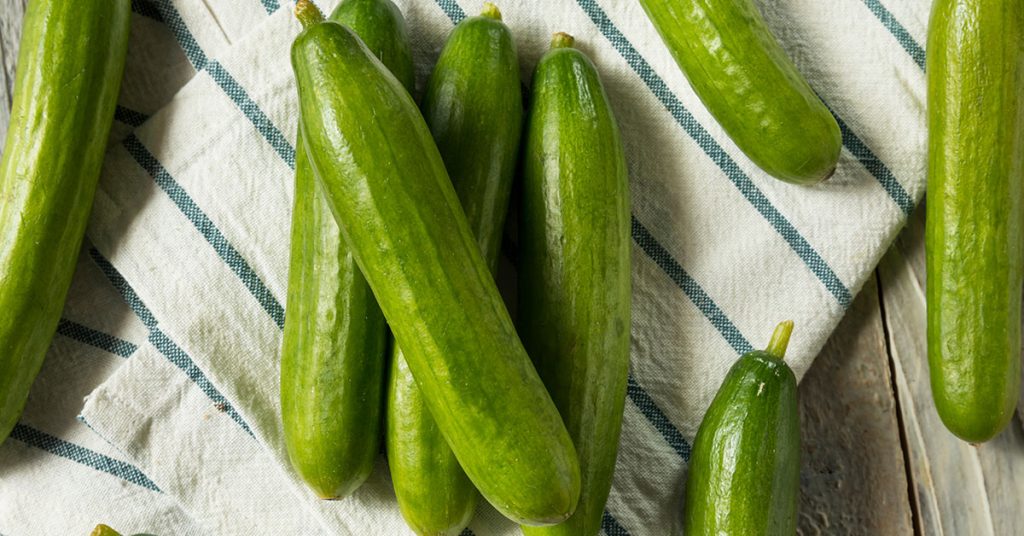
Harvesting cucumbers at the optimal time is key to enjoying their full flavor and crisp texture, and it’s a moment I always eagerly anticipate in my garden. Cucumbers are best picked when they reach a firm, vibrant color and are slightly glossy; overripe fruits can become bitter and lose their crunch. Native to warm regions, cucumbers develop rapidly under the right conditions, so it’s important to monitor them regularly. I love the thrill of gently pulling a cucumber from the vine early in the morning when the dew still clings to its skin—each harvest is a small victory that validates all the effort put into tending the garden!
Timing your harvest not only ensures the best flavor but also encourages continued production, as leaving mature fruits on the vine can signal the plant to slow down. A gentle twist or a small cut near the stem is usually enough to release the fruit without damaging the vine, allowing it to keep producing. I’ve found that a well-timed harvest not only provides delicious produce but also maintains the overall health of the cucumber patch by preventing overcrowding and disease. With a little patience and careful observation, your garden will reward you with a steady stream of succulent, homegrown cucumbers!