

Starting your own fruit garden can be an incredibly rewarding journey, even if you’re new to gardening. As someone who’s dived headfirst into growing edible treasures, I know how overwhelming it can be to choose plants that are both beginner-friendly and fruitful! In this article, I’m excited to share 12 of the easiest fruits to grow for first time gardeners—each section comes with detailed insights about where the plant is native, its growth behaviors, and tips on how it attracts beneficial critters. I completely understand the frustration when pests interfere or when a plant fails to thrive, and my goal is to help you set up a garden that’s as productive as it is beautiful!
Every gardener faces challenges, whether it’s battling unpredictable weather or learning the ins and outs of proper soil preparation. With a mix of personal experiences and practical advice, I’ve randomized the order of these fruit sections to give you a fresh perspective on each one. From the sweet burst of strawberries to the hearty resilience of pomegranates, each fruit brings its own unique charm and ease of cultivation. So, let’s dig in and explore these delightful options that will help you build a flourishing, beginner-friendly fruit garden!
Blackberries

Blackberries are a fantastic choice for novice gardeners, prized for their vigorous growth and generous fruiting. Native to Europe and parts of Asia, these bramble berries are hardy and adaptable, flourishing in well-drained soil with ample sunlight. I’ve seen how their sprawling vines create natural corridors that attract beneficial insects and even offer temporary nesting spots for small birds, all while producing succulent, sweet berries perfect for fresh eating or homemade jams!
Their ease of care makes blackberries a darling among beginners, although a little pruning and trellising can go a long way in keeping them orderly. Despite their rapid spread, they aren’t considered overly invasive when managed properly, so you can enjoy the bounty without worry. With every harvest, blackberries remind me of the simple joy of home gardening—a true reward for any first time gardener ready to embrace a little wild charm in their fruit patch!
Kiwi
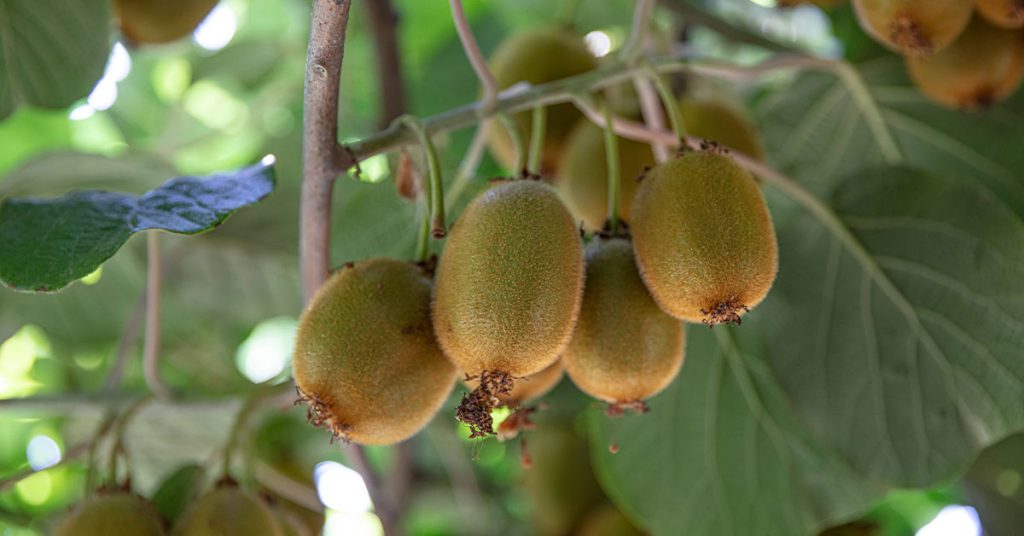
Kiwi, particularly the hardy varieties, offer a unique twist to your garden with their fuzzy, nutrient-packed fruits. Originally native to China, these climbing vines are now a delight for gardeners in milder climates, where they can be trained along a trellis or pergola. I’ve found that kiwi plants not only add a tropical flair but also create microhabitats that attract beneficial insects, and even provide shelter for small, nesting birds among their dense foliage!
While kiwi vines do require a sturdy support structure and a bit of space to spread, they are generally low-maintenance once established. They aren’t invasive in most settings, and their delicious fruits are a satisfying reward after a season of patient care. Growing kiwi has been one of those surprises in my garden—a plant that brings a taste of the exotic with minimal fuss, perfect for gardeners eager to experiment with something new!
Raspberries

Raspberries are a beloved fruit that thrive with relatively little intervention, making them ideal for beginner gardeners. Native to Europe and northern Asia, these vibrant berries flourish in well-drained, slightly acidic soils and can attract a variety of pollinators such as bees and butterflies. I enjoy watching how their arching canes form natural, welcoming shelters for small insects and birds, adding a lively buzz to the garden even as they produce clusters of delightfully tart fruits!
Their ease of growth is a big plus for those just starting out, though a bit of regular pruning is essential to keep the canes healthy and productive. Raspberries are generally non-invasive and can even be trained on simple supports, ensuring that their sprawl enhances rather than overwhelms your garden space. With their charming flavor and appealing structure, raspberries have a special way of transforming a garden into a fruitful retreat that brings joy and tasty rewards in equal measure!
Pears
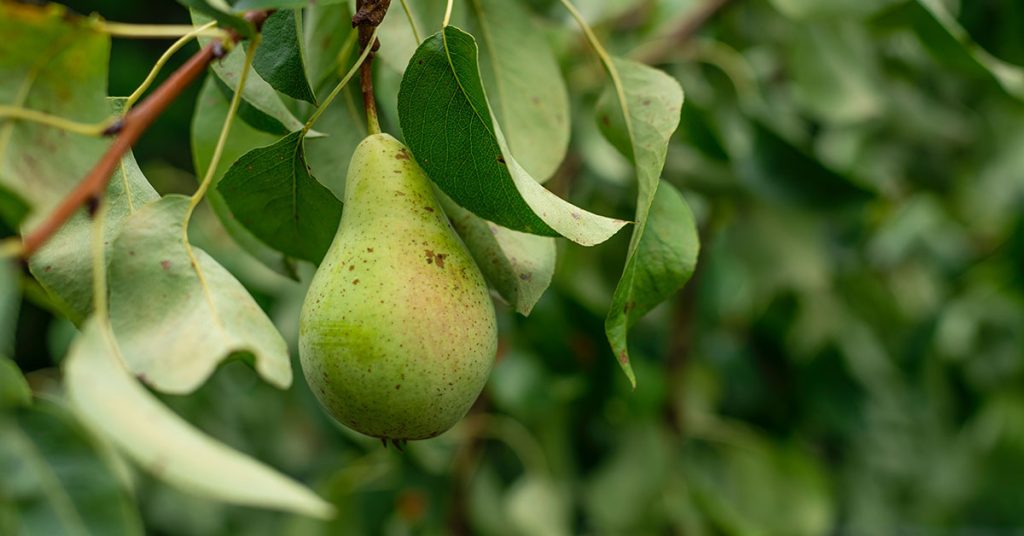
Dwarf pear trees are an excellent option for first time gardeners, offering a manageable size and an abundance of sweet, crisp fruits. Native to Europe and parts of Asia, pears have long been cherished for their delicate flavor and attractive blossoms, which invite pollinators like bees and butterflies to your garden. I’ve observed that these trees not only produce a delightful harvest but also serve as a gentle haven for local birds seeking a quiet spot to nest among their branches!
Their compact nature makes dwarf pears particularly appealing for smaller spaces or container gardening. Although they can self-seed if not pruned, proper care ensures they remain a non-invasive and well-behaved addition to your garden. Pear trees bring an air of understated elegance and seasonal delight, and watching them blossom and fruit is a testament to the rewarding nature of nurturing your own edible landscape!
Pomegranates
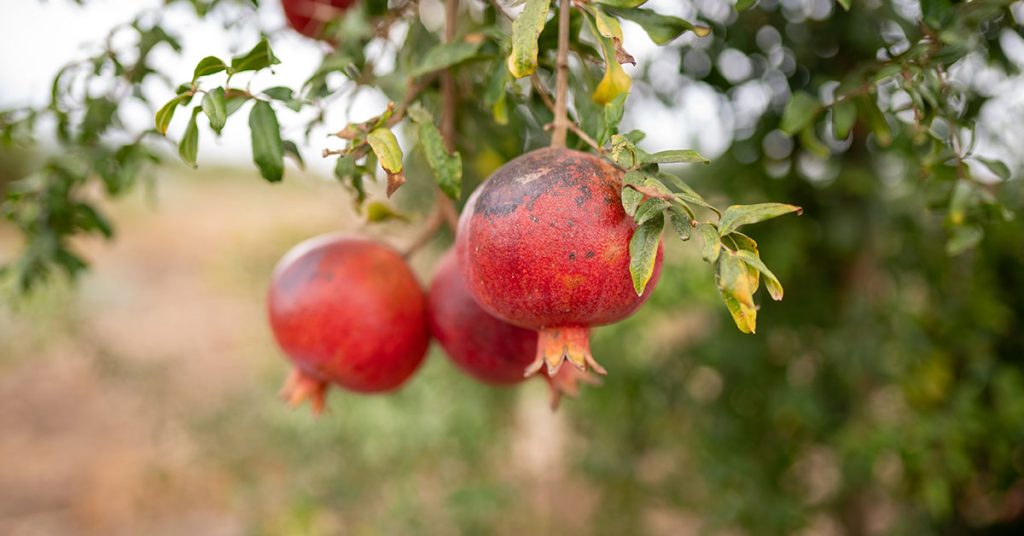
Pomegranates are a striking fruit choice that combine vibrant beauty with a rich history, native to the region spanning Iran to northern India. These shrubs or small trees are renowned for their ruby-red arils and their ability to attract a myriad of pollinators, from buzzing bees to fluttering butterflies, that enhance the garden’s ecosystem. I’ve always been captivated by the way pomegranates bring an exotic, almost regal quality to a garden while offering a nutritious, tart harvest perfect for juicing or fresh snacking!
Despite their dramatic appearance, pomegranates are surprisingly low-maintenance and not considered invasive when grown in the right climate. They thrive in warm, sunny conditions and well-drained soil, making them a great option for gardeners looking to add a touch of the Mediterranean to their landscape. Growing pomegranates has given me a sense of connection to ancient gardening traditions, and every fruit harvested feels like a little piece of history, bursting with flavor and life!
Plums
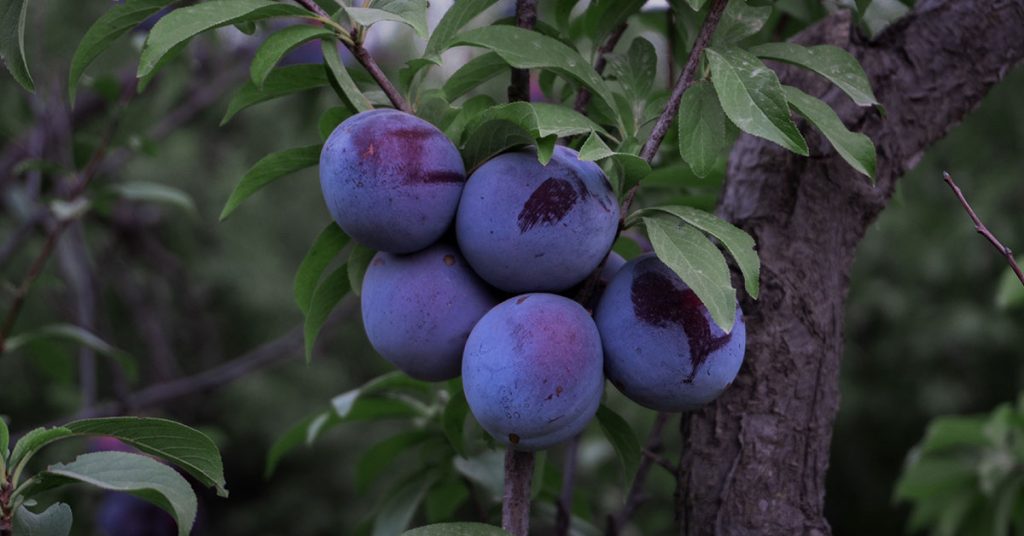
Plums, particularly the compact varieties, are a delightful addition to a beginner’s fruit garden, admired for their luscious, juicy fruits and elegant blossoms. Native to regions in Europe and Asia, these trees attract a host of pollinators and beneficial insects, making them an integral part of a balanced garden ecosystem. I’ve seen plums transform a simple garden space into a fragrant oasis where bees dance among the blooms and small birds find inviting branches for nesting!
Their relatively easy cultivation and manageable size make plums a top pick for first time gardeners. While they may require a bit of pruning to maintain a tidy shape, plums are generally non-invasive and bring a reliable crop year after year. The sweet, succulent fruit not only offers a delicious reward but also embodies the charm of homegrown produce—each harvest serving as a reminder that with a little care, your garden can yield extraordinary delights!
Strawberries
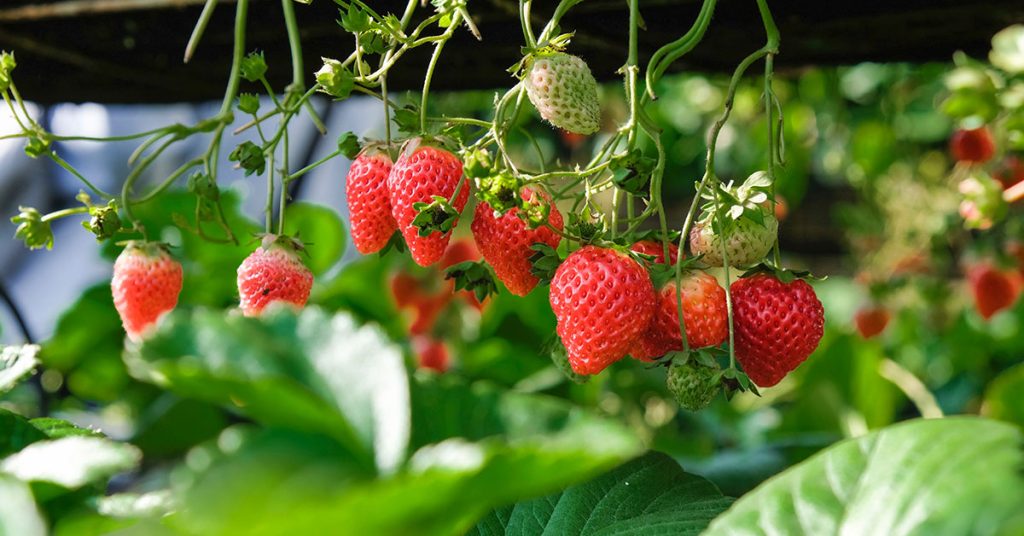
Strawberries are a perennial favorite for novice gardeners due to their versatility, sweet flavor, and low-maintenance nature. Native to temperate regions of Europe and North America, these charming ground-covering plants produce luscious berries that attract a variety of pollinators and even provide cover for small, beneficial insects. I love how strawberries can transform a garden bed into a vibrant, edible tapestry, and their delightful aroma always signals the promise of a rewarding harvest!
They are generally non-invasive when managed properly, and their spreading habit can even help suppress weeds, making them an ideal companion in a mixed fruit garden. Growing strawberries has taught me that a little attention to watering and mulching goes a long way in preserving their delicate balance, ensuring that each fruit is as delicious as it is visually appealing. Whether enjoyed fresh or used in homemade desserts, strawberries bring a burst of sunshine to any garden space!
Apples
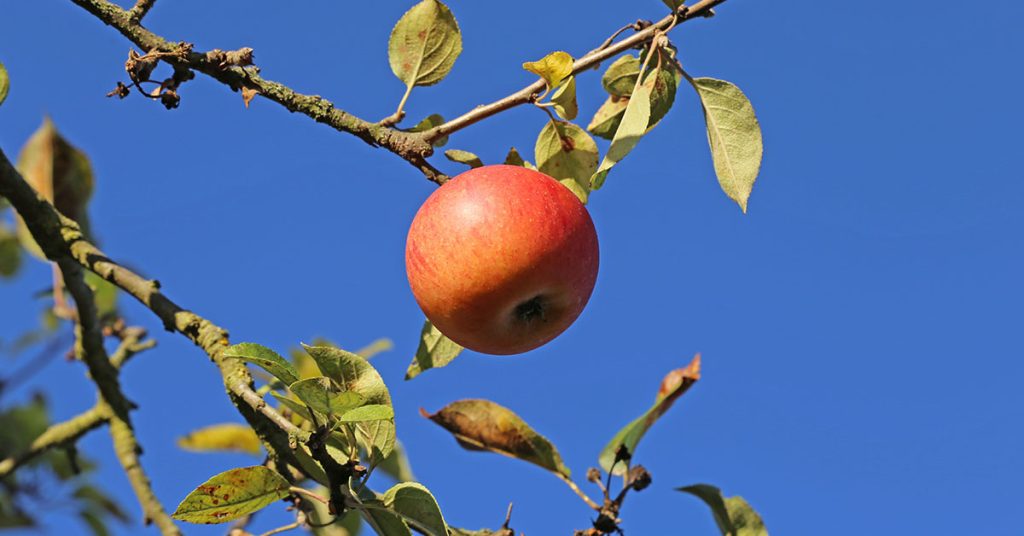
Dwarf apple trees are a superb option for first time gardeners who are looking to enjoy the classic taste of homegrown fruit without a large garden space. Native to Central Asia, apples have been cultivated for thousands of years and are beloved worldwide for their crisp texture and refreshing flavor. I’ve always admired how these trees attract a diverse range of pollinators—from bees buzzing among the blossoms to birds that occasionally perch on their sturdy branches—each adding to the garden’s natural symphony!
Their manageable size and non-invasive nature make dwarf apples especially appealing, as they can be pruned and maintained to suit smaller spaces without sacrificing yield. With minimal care, these trees reward you with bountiful harvests year after year, turning any garden into a mini orchard. Every time I see the delicate pink blossoms transform into juicy fruits, I’m reminded of the timeless beauty and enduring appeal of cultivating your own edible landscape!
Blueberries

Blueberries are a nutritional powerhouse and a delight for beginner gardeners, thanks to their relatively simple care requirements and attractive foliage. Native to North America, these small shrubs thrive in acidic, well-drained soils and produce clusters of deep blue berries that are as delicious as they are healthy. I’m always excited to see how blueberry bushes can transform a corner of the garden into a burst of summer color, attracting bees and even providing a cozy nesting site for small birds among their dense branches!
Not only do blueberries offer a fantastic harvest, but they’re also non-invasive and can be managed easily with proper pruning and soil care. They add both beauty and bounty to your garden, making them a versatile choice for those just starting out on their fruit-growing journey. With each harvest, blueberries serve as a testament to the joy of nurturing native species and enjoying the fruits—quite literally—of your labor, all while enriching your garden’s ecosystem!
Figs
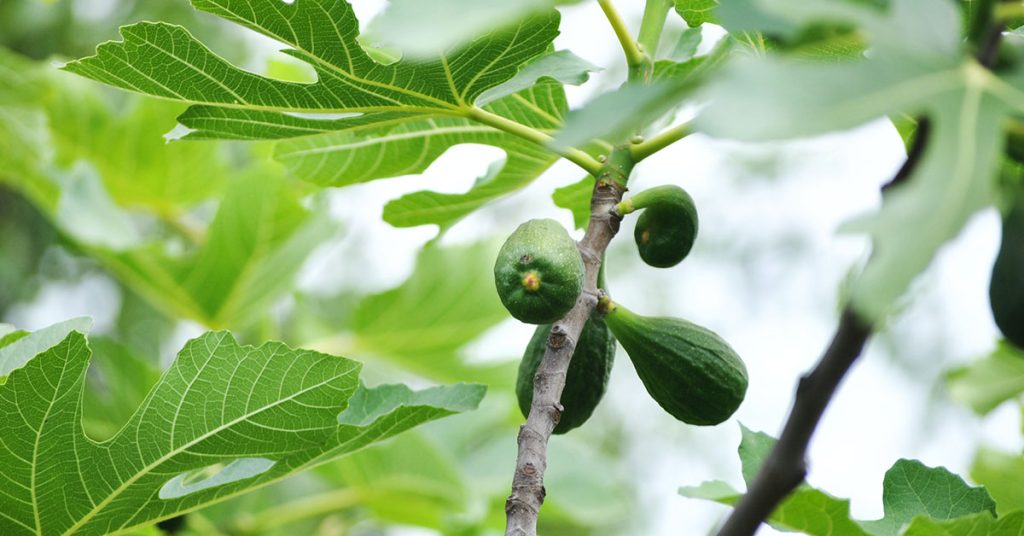
Figs are an ancient fruit with a rich history, originally native to the Mediterranean and Western Asia, and they make a wonderful addition to a beginner’s fruit garden. These trees or large shrubs produce sweet, soft fruits that attract a variety of pollinators, from bees that visit their delicate blossoms to small birds that sometimes take refuge in their dense foliage. I’ve always been fascinated by the unique texture and flavor of figs, and their ability to thrive in warm, sunny conditions makes them an attractive option for gardeners looking for something a little different!
Figs are generally low-maintenance and non-invasive, provided they’re planted in well-drained soil, making them ideal for home gardens. Their sprawling branches not only provide shade but also create natural nesting sites for beneficial insects and even small songbirds. Growing figs has been a delightful journey, one that enriches the garden with a sense of ancient abundance and rewards you with a truly unique harvest that’s both sweet and succulent!
Grapes

Grapes are an excellent fruit choice for first time gardeners who dream of cultivating their very own vineyard at home. Native to the Mediterranean and Central Asia, grapevines are relatively easy to grow and can be trained along trellises or arbors, providing a charming, rustic look to your garden. I love watching these vigorous climbers produce clusters of juicy grapes that attract not only pollinators but also a host of beneficial insects, while also offering birds a cozy place to perch and sometimes even nest!
Their non-invasive nature and adaptability to various soil types make grapevines a practical and rewarding choice. With a little pruning and support, they flourish and add an attractive vertical element to any garden space. Every harvest of grapes feels like a celebration of nature’s bounty, proving that with a bit of care and creativity, even a novice gardener can produce delicious fruit that transforms the outdoor space into a vibrant, fruitful retreat!
Peaches
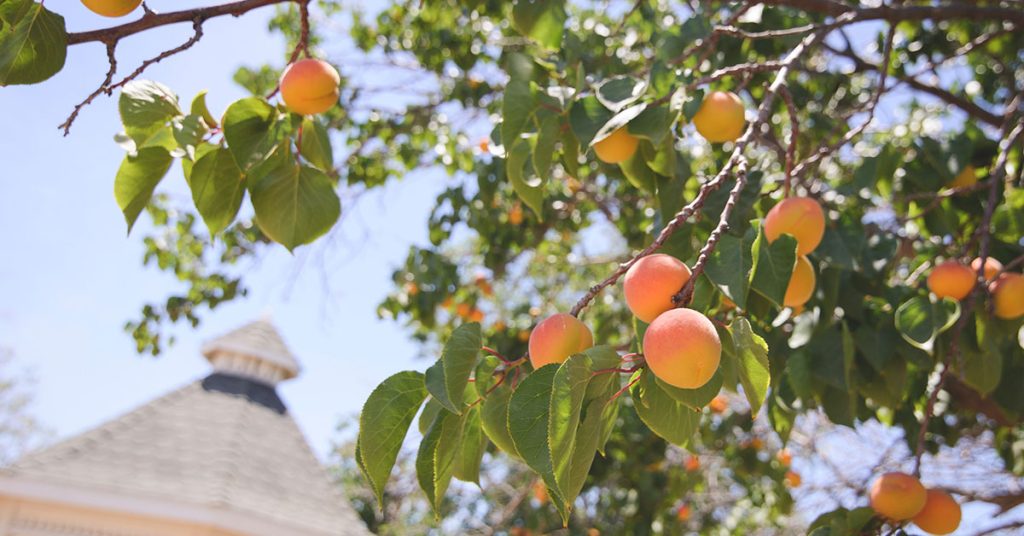
Peaches are a delightful summer treat that bring a touch of southern charm to any garden, especially when grown in compact, dwarf varieties. Native to Northwest China, peaches have a long history of cultivation and are celebrated for their juicy, fragrant fruits and velvety skin. I’ve seen how these trees attract a myriad of pollinators—bees buzzing among their delicate blossoms and even small birds that occasionally dip in for a taste—turning your garden into a lively and aromatic oasis!
Despite their reputation for being somewhat finicky, many modern peach varieties are surprisingly easy to care for, especially for first time gardeners. With the right mix of sun, well-drained soil, and a little pruning, these trees remain non-invasive and manageable in size. Peaches not only provide a delicious harvest but also add a graceful, ornamental element to your garden, making every season a celebration of natural beauty and homegrown goodness!