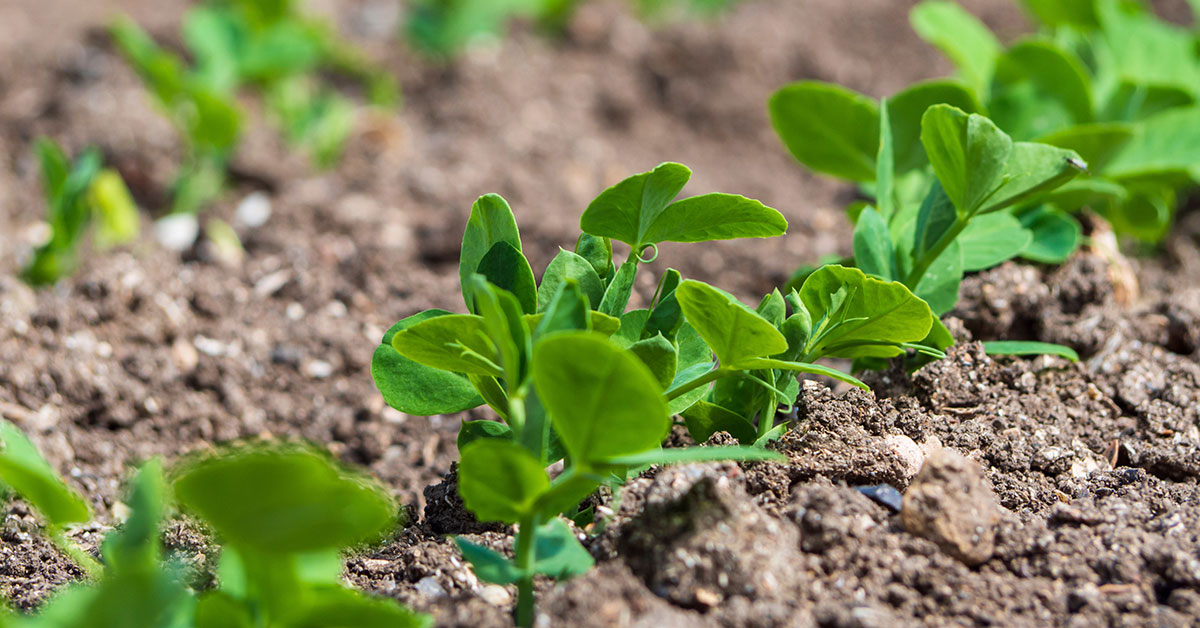

Peas have been a beloved garden staple for centuries, and as an avid gardener, I know exactly how exciting—and sometimes puzzling—they can be! In my years of tending to peas, I’ve gathered countless tips and tricks to help you overcome challenges and celebrate successes. Whether you’re facing unpredictable weather or battling common garden pests, I’m here to share expert answers that can transform your pea-growing experience into one full of lush harvests and joyous surprises!
I understand the frustration when conditions seem less than ideal—like when your pea plants aren’t climbing as expected or when pests threaten their tender shoots. In this article, I’ve randomized the top 10 burning questions about growing peas, and each section is filled with detailed insights, practical advice, and a few personal anecdotes from my own garden adventures! So let’s dive right in and turn those uncertainties into confident gardening victories!
What Is the Best Time to Plant Peas?

Determining the optimal planting time for peas can feel like trying to read the weather with a crystal ball! Native to regions of the Mediterranean and Western Asia, peas naturally thrive in cool weather, which is why early spring—just as the soil begins to warm—is ideal. I’ve found that planting them too early in freezing conditions can stunt growth, while waiting too long often means battling intense summer heat. Peas attract beneficial insects like ladybugs that enjoy the early blooms, making this timing not only crucial for growth but also for establishing a thriving garden ecosystem.
From my personal experience, aiming for a window when temperatures are between 45°F and 70°F works wonders for encouraging healthy growth. It’s also a time when the natural predators of common pests are more active, which helps keep your garden balanced. I always remind fellow gardeners to monitor local forecasts and to consider using protective covers during unexpected cold snaps—small adjustments can lead to big harvests!
What Type of Soil Do Peas Prefer?

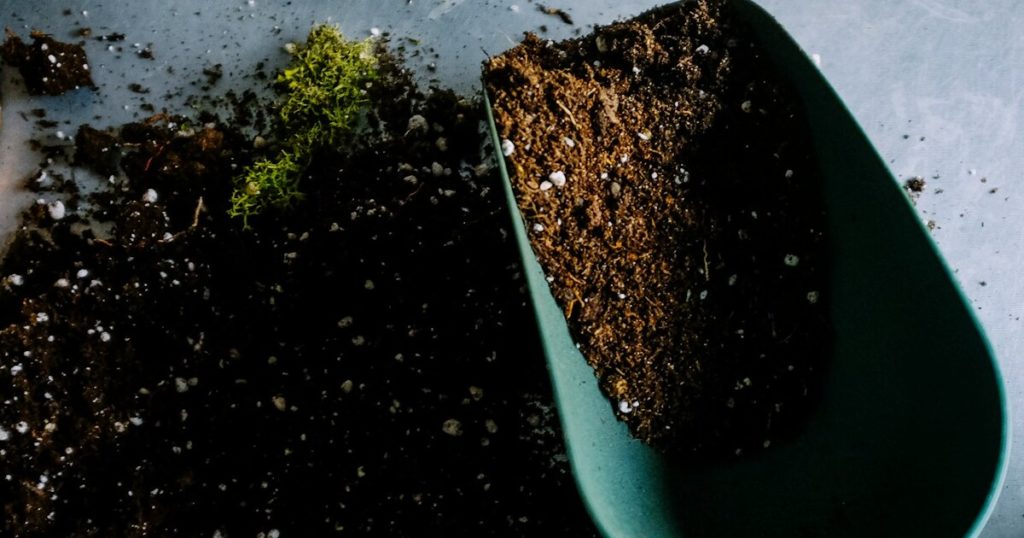
Peas flourish best in well-draining, nutrient-rich soil with a slightly alkaline pH—ideally between 6.0 and 7.5. Their origins in temperate regions mean they prefer soil that isn’t too heavy or waterlogged, as this can lead to root rot and stunted growth. I’ve seen my peas reach their full potential when I mix in a generous amount of organic matter, like compost, which not only boosts fertility but also attracts beneficial soil organisms that act as nature’s little helpers, almost like unseen gardeners nurturing your plants from below!
In my garden, I always take a moment to test my soil before planting, ensuring that its texture and pH are just right. While peas aren’t considered invasive in most garden settings, providing them with the proper soil environment is key to preventing diseases and ensuring a robust crop. When the soil is healthy, it supports a vibrant ecosystem, drawing in earthworms and other critters that help aerate the soil and promote natural fertility!
How Do I Support Climbing Pea Varieties?

Climbing pea varieties, with their delicate tendrils and sprawling vines, need sturdy support to truly shine. I always recommend installing trellises, netting, or even repurposed wooden stakes to guide their growth upward. This not only prevents the vines from sprawling on the ground—where they might attract unwanted pests—but also creates a microhabitat for beneficial insects that enjoy the shade and structure of a well-supported garden. Trust me, the sight of climbing peas reaching for the sky is nothing short of inspirational!
In addition to supporting their growth, these structures can help create a mini ecosystem in your garden. Birds and small beneficial insects sometimes nest in the crevices of trellises, and I’ve often observed tiny ladybugs and lacewings making a home in the dense clusters of pea foliage. Just ensure your supports are secure and spaced appropriately so that air circulates freely—this helps reduce the risk of fungal diseases while encouraging robust, upward growth!
How Do I Prevent and Manage Pests and Diseases?
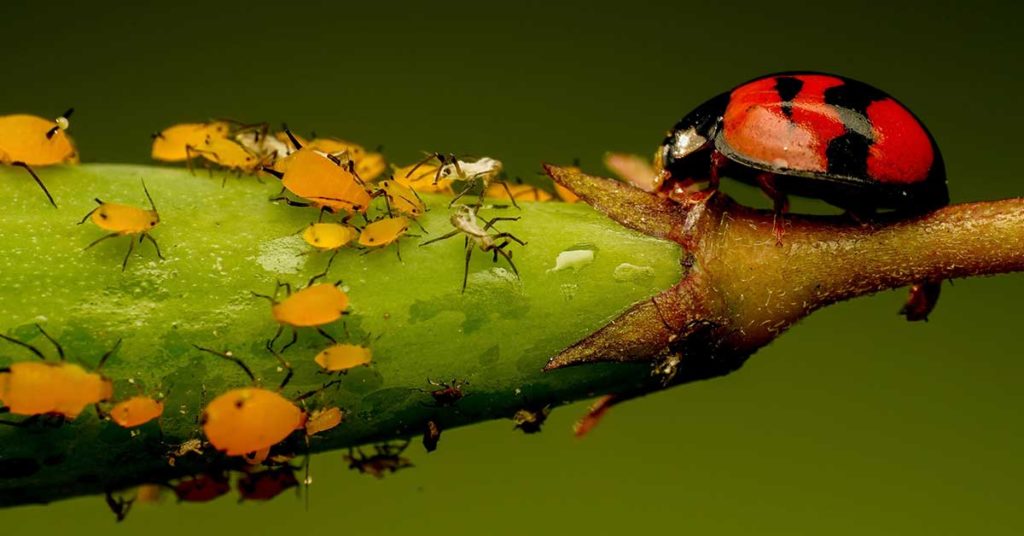
Pea plants, despite their resilience, can sometimes become the target of pesky aphids, powdery mildew, and even fungal root rot. Being native to cooler, temperate climates, peas are best grown in conditions that mimic their natural habitat. I always advise gardeners to maintain proper spacing and regular watering schedules to avoid damp, crowded conditions where diseases can spread. Encouraging natural predators like ladybugs and parasitic wasps by planting companion herbs can also help keep pest populations in check!
It’s such a bummer when pests take over your garden, but proactive measures can make all the difference! I find that a gentle, organic spray of diluted neem oil can work wonders without harming beneficial insects. Regularly inspecting your plants and removing any affected leaves also helps prevent the spread of disease. This careful attention not only saves your crop but also ensures that the garden remains a balanced, thriving ecosystem where every critter has a role!
How Do I Harvest Peas for Optimal Flavor and Yield?
Harvesting peas at the right moment is an art in itself—too early, and they’re underdeveloped; too late, and they lose their sweetness! Originating from the temperate regions of the Mediterranean and Western Asia, peas are most flavorful when picked as soon as the pods fill out and before they become tough. I always keep a close eye on my garden, and when those little pods begin to plump, it’s harvest time! The excitement of snapping a fresh, crisp pea from its pod is a joy I never tire of sharing with fellow gardeners.
I recommend harvesting in the early morning when the dew still glistens on the leaves—this not only ensures maximum freshness but also minimizes stress on the plant. While peas aren’t invasive by any means, timely harvesting prevents them from self-seeding excessively, which could otherwise lead to overcrowded beds. Trust me, the satisfaction of enjoying a dish made with your very own sweet peas is incomparable, and each harvest is a reminder of the magic that comes from nurturing nature with care!
Can Peas Be Grown in Containers?
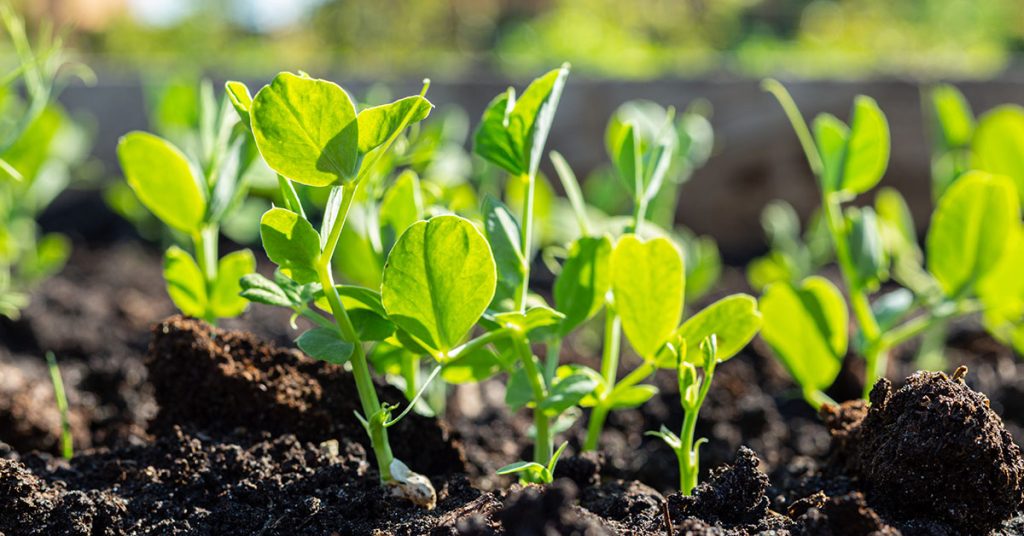
Absolutely—peas are quite versatile and can thrive in containers, making them a perfect option for urban gardeners or anyone with limited space! I’ve had great success growing peas in large pots with proper drainage and a rich mix of organic compost and soil. Being native to cooler regions, peas appreciate the controlled environment of containers, where you can easily manage soil moisture and protect them from unpredictable outdoor conditions. Plus, container gardening gives you the flexibility to move your peas to capture the best light, even if it’s just a little!
In my experience, container-grown peas tend to attract the same beneficial insects as those planted in the ground, creating a small ecosystem that thrives even in confined spaces. I always choose a deep container to allow the roots ample room to grow, and I add a support structure right from the start. This approach not only prevents the vines from tangling on the ground but also gives you the satisfaction of nurturing a compact, flourishing garden that proves size doesn’t limit beauty or productivity!
What Are the Differences Between Snap Peas, Snow Peas, and Garden Peas?

Each variety of pea offers a unique experience, and understanding these differences can elevate your gardening game! Snap peas, with their plump pods and sweet, crunchy texture, are native to the Mediterranean region and are perfect for eating straight off the vine. In contrast, snow peas, known for their flat, edible pods, bring a delicate flavor and a subtle crunch that’s ideal for stir-fries. Garden peas, or shelling peas, boast a rich history and a more robust flavor, often requiring the pods to be removed before consumption. I find it fascinating how each type attracts different pollinators and beneficial insects, creating varied microhabitats within your garden!
When cultivating these varieties, it’s important to note that none of them are considered invasive, though they do have slightly different growing requirements. I’ve learned that snap peas prefer a bit more warmth, while snow peas thrive in cooler conditions. This diversity not only allows you to experiment with different recipes but also makes your garden a vibrant mosaic of textures and tastes. Embrace the variety—it’s one of the many ways nature keeps our gardening adventures fresh and exciting!
What Companion Plants Work Well with Peas?
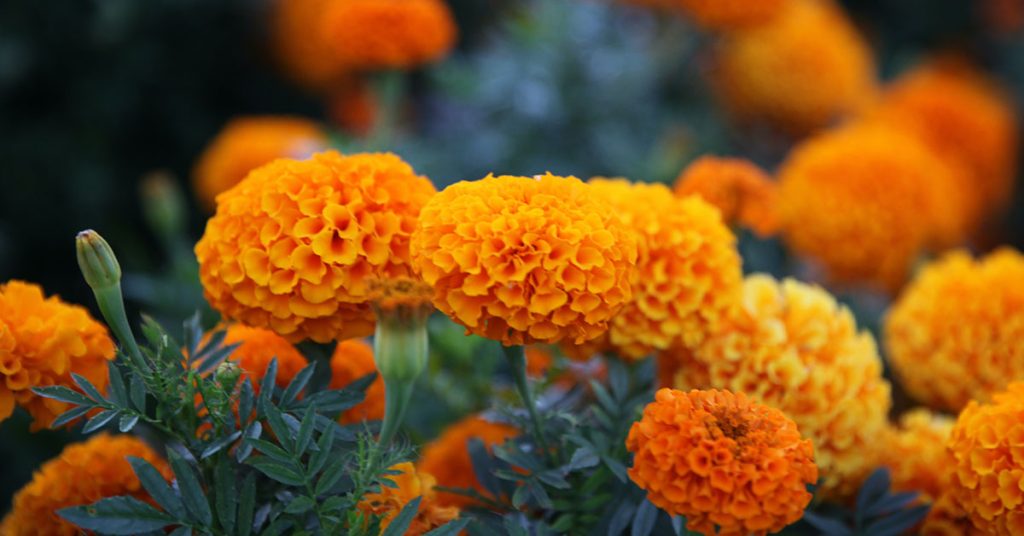
Companion planting can be a game-changer in your pea-growing journey, and I’ve discovered some stellar partners that enhance growth and flavor! Leguminous peas work well alongside aromatic herbs like mint and rosemary, as well as flowering companions such as marigolds that help repel pests. These pairings not only improve soil health and promote beneficial insect activity but also create a visually dynamic garden. I’ve seen tiny insects, like ladybugs and lacewings, thrive around these combinations, each playing its part in keeping the ecosystem balanced and vibrant!
In my own garden, I find that interplanting peas with other cool-season crops creates a natural synergy that benefits all plants involved. Since peas fix nitrogen in the soil, they enhance the fertility of their neighbors, making them perfect for organic gardening. While peas themselves are not invasive, proper companion planting ensures that every plant has enough room to flourish without competition. It’s a rewarding way to cultivate not only a healthy crop but also a thriving community of plants and critters that work together in harmony!
How Can Growing Peas Improve Soil Fertility?
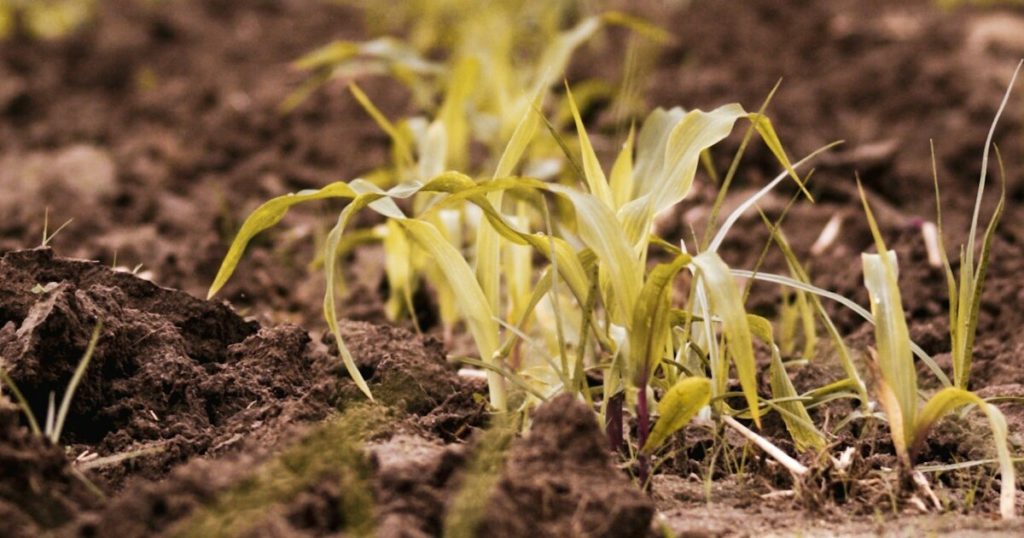
Peas are more than just a delicious harvest—they’re nature’s very own fertilizer! As legumes, peas have the remarkable ability to fix nitrogen from the air, converting it into a form that enriches the soil for future crops. Native to temperate regions, this natural process has been valued for centuries by gardeners seeking to boost soil fertility organically. I love how this simple, yet powerful, biological process transforms a humble garden bed into a nutrient-rich oasis that benefits not only the peas but the entire plant community!
Over time, I’ve witnessed firsthand how successive planting of peas can lead to a noticeable improvement in soil texture and fertility. This improvement attracts beneficial earthworms and microbes that further break down organic matter, creating a healthier growing environment for subsequent crops. While peas aren’t invasive, their role in rejuvenating soil is a reminder of nature’s remarkable ability to recycle and nurture. Embrace the power of peas, and you’ll be rewarded with a garden that feels vibrant, alive, and ready to support even more lush growth!