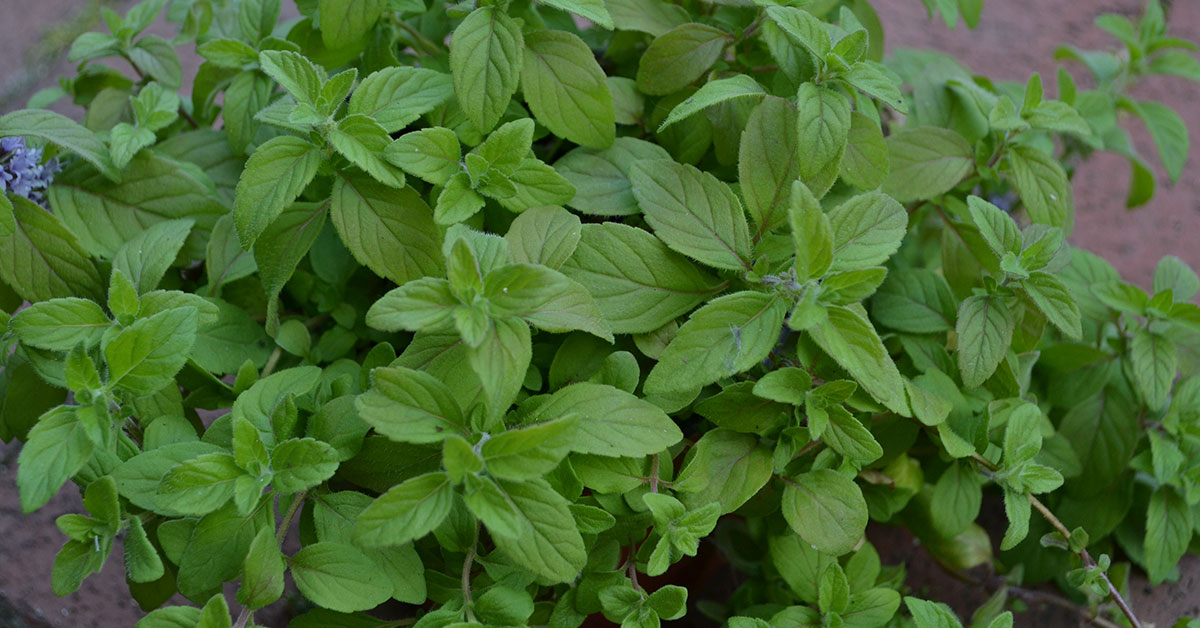

Hello, fellow herb enthusiasts! I’m absolutely thrilled to share my passion for cultivating plants that not only beautify your garden but also provide ingredients for delicious homemade teas and potent tinctures. Over the years, I’ve discovered that growing your own herbal remedies is an incredibly rewarding experience—one that transforms your outdoor space into a living pharmacy. In this article, I’ll introduce you to 12 amazing plants, each with its own unique flavor, healing properties, and fascinating natural behaviors. I understand how frustrating it can be when pests or unsuitable conditions hinder your gardening efforts, so I’ve packed each section with practical tips and personal insights to help you succeed!
I know all too well the challenges of nurturing a garden that meets both your aesthetic desires and practical needs. It’s such a bummer when you invest time and care only to see your favorite herbs struggle in a shady spot or under pest attacks! That’s why I’m excited to guide you through these tried-and-true companions for homemade teas and tinctures. From their native origins and growth habits to their ability to attract beneficial insects and provide shelter for small critters, each plant on this list is a testament to nature’s bounty. So, let’s roll up our sleeves and dive into these 14 remarkable plants that can transform your garden into a healthy, aromatic retreat!
Peppermint
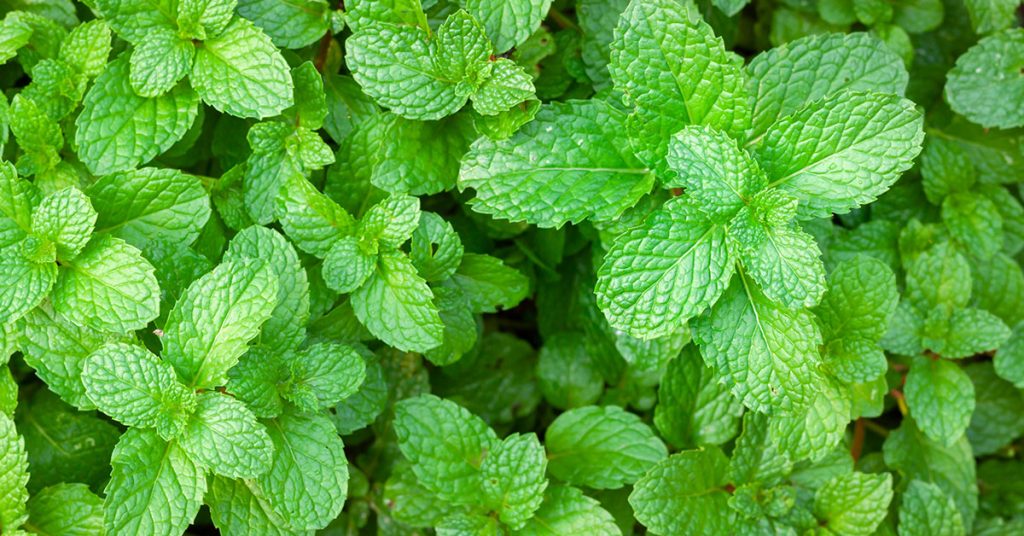
Peppermint (Mentha × piperita) is a refreshing herb native to Europe and the Middle East, renowned for its invigorating aroma and cooling flavor. This hybrid mint thrives in moist, well-drained soil and does exceptionally well in containers or garden beds with partial sun. I’ve always been captivated by its ability to spread just enough to fill a space without overwhelming other plants—though a little care is needed to keep its growth in check! Despite its vigorous nature, peppermint is generally not considered invasive when managed properly, making it a favorite for homemade teas and digestive tinctures.
In my garden, peppermint’s clusters of aromatic leaves attract a variety of beneficial insects, including bees and hoverflies, which play a vital role in pollination. Its dense foliage also offers a cozy hiding spot for tiny critters and supports a balanced ecosystem. I’ve found that using fresh peppermint leaves in teas provides a delightful burst of cool, minty flavor that’s both refreshing and soothing—a perfect remedy after a long day. Whether you brew it into a calming tea or use it in a natural tincture, peppermint never fails to brighten up my herbal corner!
Chamomile
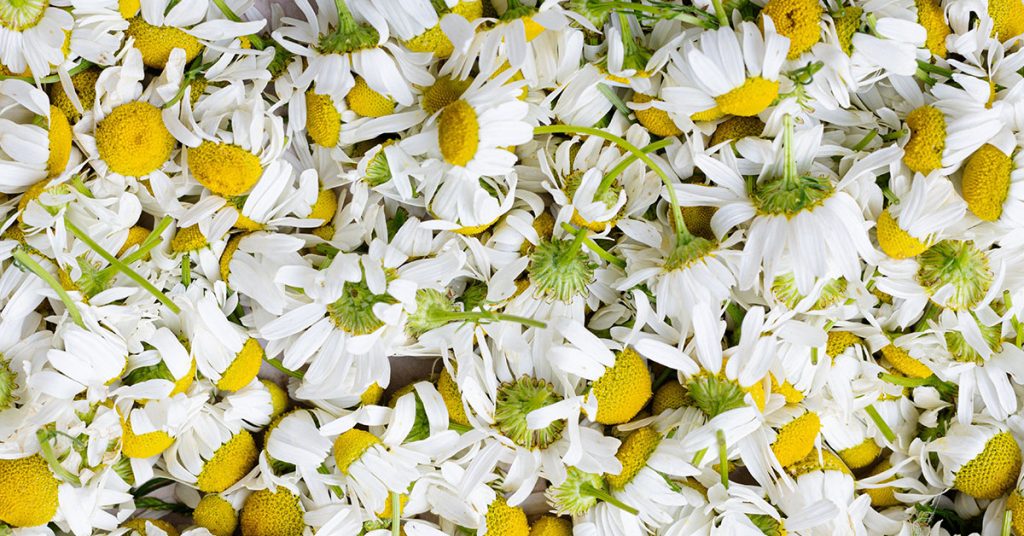
Chamomile (Matricaria chamomilla or Chamaemelum nobile) is a gentle, daisy-like herb native to Europe and Western Asia, treasured for its soothing properties and delicate, apple-like fragrance. Its small, daisy-shaped flowers are a staple in herbal teas known to calm the nerves and ease digestive discomfort. I remember the first time I sipped on a freshly brewed cup of chamomile tea—it was like a warm hug in a mug! Chamomile is non-invasive and tends to self-seed modestly, so with a little care, it becomes a perennial delight in your garden.
Beyond its calming qualities, chamomile is fantastic at attracting beneficial insects such as ladybugs and solitary bees, which help keep the garden’s ecosystem in balance. Its bright blossoms not only add a touch of rustic charm to your landscape but also provide a gentle habitat for small, ground-dwelling critters. Incorporating chamomile into your herb garden has transformed my outdoor space into a haven of relaxation, where each sip of tea carries the natural goodness of a well-tended garden.
Lemon Balm
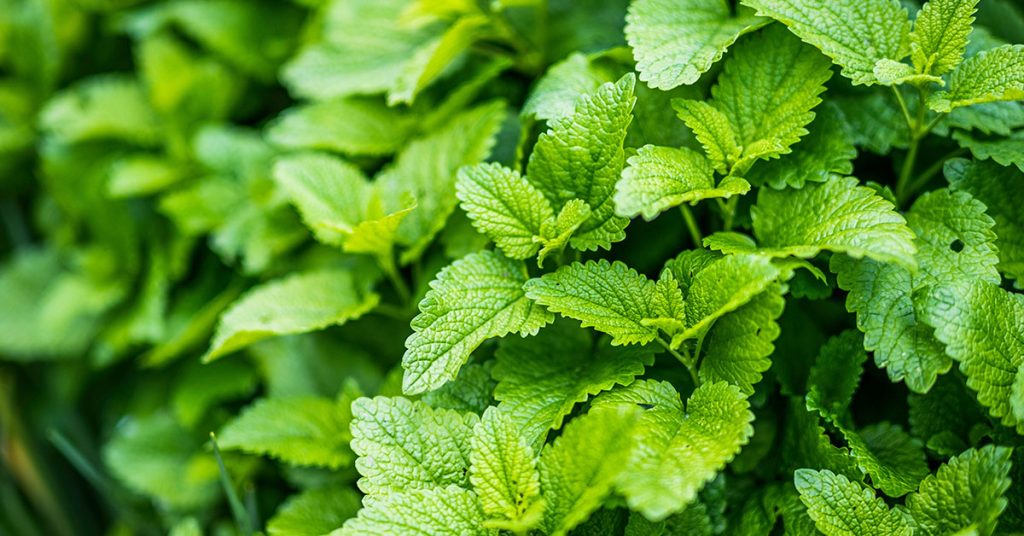
Lemon Balm (Melissa officinalis) is a wonderfully fragrant herb native to Southern Europe and the Mediterranean region, celebrated for its subtle lemon scent and mild, uplifting flavor. This perennial grows well in a sunny spot with well-drained soil and is perfect for adding a refreshing twist to your teas and tinctures. I’m always excited when lemon balm starts to spread, its bright, serrated leaves lending a cheerful note to the garden—though, like many mints, it can be a bit vigorous if not contained! Luckily, it’s not classified as invasive, and regular trimming keeps it under control.
In my experience, lemon balm’s aromatic leaves are a magnet for pollinators such as bees and butterflies, which help boost the overall health of the garden. Its presence not only brightens up the space with its citrusy fragrance but also creates a protective microhabitat for small beneficial insects. I’ve found that a cup of lemon balm tea is the perfect pick-me-up on a stressful day, its fresh flavor and calming properties working in harmony to lift your spirits. It’s a true garden gem for any herbal enthusiast!
Lavender

Lavender (Lavandula angustifolia) is an iconic herb native to the Mediterranean region, renowned for its striking purple spikes and soothing aroma that elevates any herbal infusion. This drought-tolerant perennial thrives in full sun and well-drained soil, making it a fantastic choice for water-wise gardens. I’ve always been enchanted by how lavender’s fragrance can transform a simple cup of tea or tincture into a moment of pure relaxation—its calming scent is simply irresistible! While it is robust and low-maintenance, lavender is not considered invasive, so you can plant it with confidence in your herb garden.
Beyond its delightful scent, lavender attracts a wide array of beneficial pollinators including bees and butterflies, which help enhance the vibrancy of the garden. Its silvery-green foliage provides an elegant backdrop that complements both colorful blooms and other herbs in your landscape. In my own garden, lavender has become a cornerstone, not only offering its therapeutic benefits but also adding a touch of rustic charm and sophistication to homemade teas. Its presence is a gentle reminder of nature’s capacity to soothe and inspire!
Rosemary
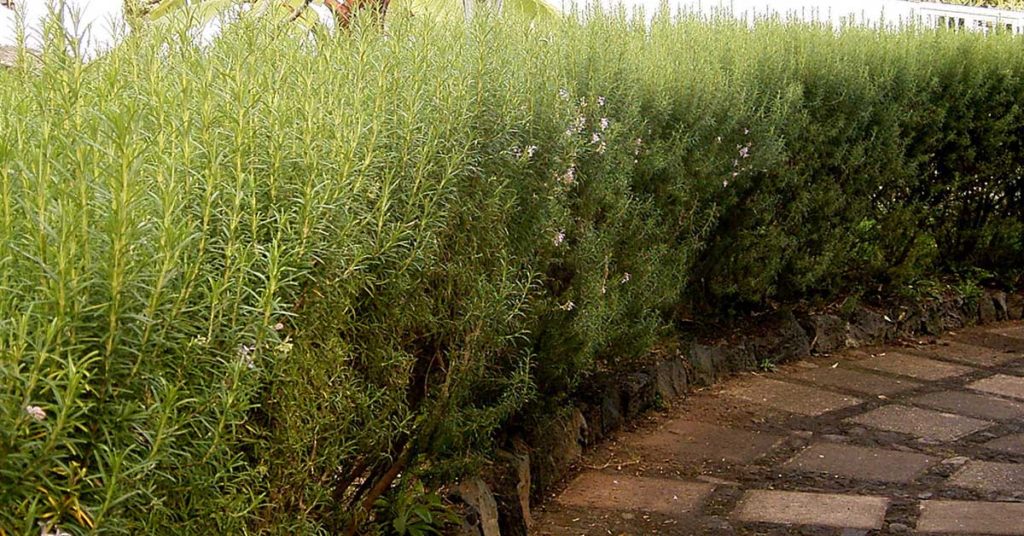
Rosemary (Rosmarinus officinalis) is a robust, aromatic herb native to the Mediterranean, prized for its needle-like leaves and woody aroma that infuses teas and tinctures with a burst of flavor. This evergreen shrub thrives in sunny, well-drained locations and is remarkably drought-resistant—an absolute boon for gardeners looking to conserve water without sacrificing flavor! I’ve experienced firsthand the invigorating effect of rosemary tea, which seems to sharpen the senses and soothe the mind after a long day in the garden. Although it grows vigorously, rosemary is not invasive, making it a dependable addition to any herb collection.
What’s particularly exciting about rosemary is its role in attracting beneficial wildlife. Its fragrant foliage draws in bees and other pollinators, which help maintain a healthy ecosystem while also enhancing the herb’s own aromatic properties. Additionally, the woody structure of rosemary offers a natural refuge for small insects, contributing to the overall biodiversity of the garden. For me, the combination of its culinary versatility and medicinal properties makes rosemary an indispensable plant—perfect for crafting homemade tinctures that pack a punch of herbal goodness!
Thyme
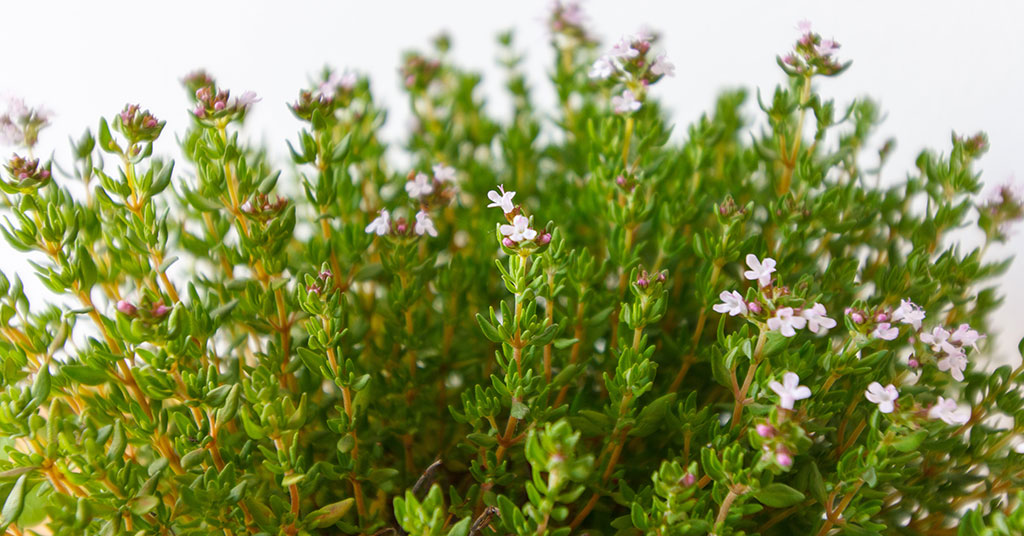
Thyme (Thymus vulgaris) is a petite, aromatic herb native to the Mediterranean, celebrated for its earthy flavor and versatility in both culinary and medicinal applications. This low-growing perennial thrives in full sun and well-drained soil, making it an ideal candidate for water-wise gardening. I love how thyme’s tiny, delicate leaves can transform a simple cup of tea into a complex, soothing brew that warms both the body and the soul! Fortunately, thyme is non-invasive, and its gentle spreading habit adds a lovely, natural ground cover to your herb garden without overwhelming other plants.
Thyme is also a natural attractor for beneficial insects, including various species of bees and butterflies, which help with pollination and maintain the ecological balance in your garden. Its compact growth habit makes it perfect for interplanting with other herbs, enhancing both flavor and visual appeal. In my own experience, thyme-infused teas and tinctures have become a comforting ritual, one that not only provides health benefits but also connects me with the timeless wisdom of nature. It’s a delightful herb that truly deserves a prime spot in any homemade remedy collection!
Calendula

Calendula (Calendula officinalis), commonly known as pot marigold, is a cheerful annual native to Southern Europe that is widely recognized for its bright orange and yellow blossoms. This versatile plant is renowned for its soothing properties in teas and tinctures, often used to support skin health and reduce inflammation. I’ve always been captivated by the sunny disposition of calendula, which seems to light up even the gloomiest garden corner and adds a burst of color to homemade herbal preparations! Its non-invasive nature and ease of cultivation make it a must-have for anyone interested in natural remedies.
In addition to its medicinal benefits, calendula is fantastic at attracting beneficial insects such as bees and ladybugs. Its vibrant blooms not only enhance the visual appeal of your garden but also create a hospitable environment for pollinators, thereby supporting a balanced ecosystem. The delicate petals are often harvested for tinctures that harness calendula’s anti-inflammatory properties, making it a true workhorse in my herbal toolkit. Integrating calendula into your garden has not only boosted the aesthetic but also enriched the overall health of my herbal sanctuary!
Elderberry
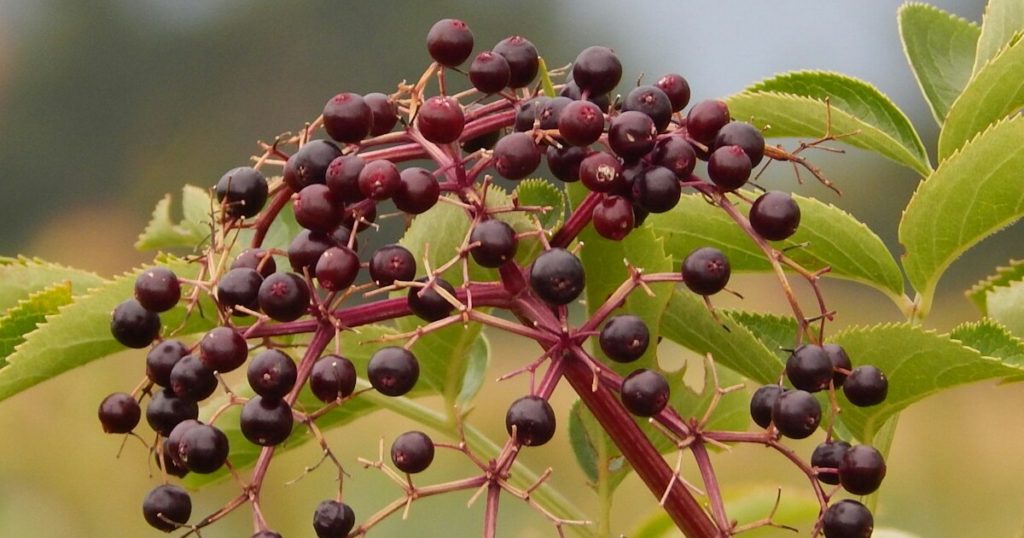
Elderberry (Sambucus nigra) is a deciduous shrub native to Europe and North America, cherished for its nutrient-rich berries and delicate white flowers that can be used in teas and tinctures. Elderberry is renowned for its immune-boosting properties, and I’ve found that incorporating its blossoms and berries into homemade remedies is a wonderful way to harness nature’s healing power! While elderberry is not particularly invasive, it does require ample space and regular pruning to maintain its shape and prevent overcrowding in your garden.
What makes elderberry even more fascinating is its ability to attract a variety of beneficial insects, including bees and butterflies, which help pollinate the shrub and support its vigorous growth. Its clusters of small, fragrant flowers create a delightful display that not only pleases the eye but also provides habitat for small garden critters. In my own herbal practices, elderberry tinctures have been a reliable remedy during seasonal changes, offering a natural boost to my overall wellness. This versatile shrub is a true testament to the synergy between beauty and medicinal prowess in the garden!
Lemongrass
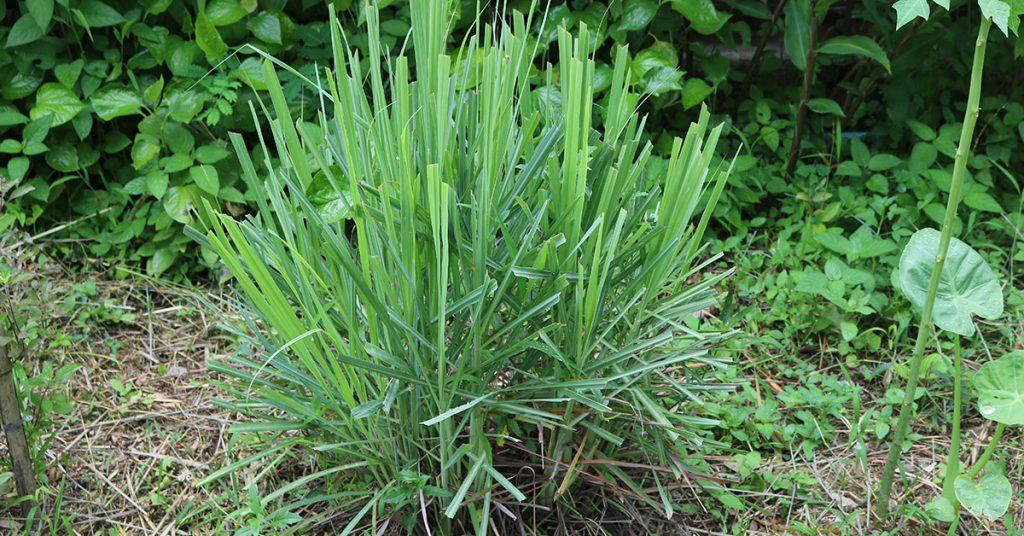
Lemongrass (Cymbopogon citratus) is a tropical herb native to Southeast Asia that brings a fresh, citrusy zing to homemade teas and tinctures. Its tall, slender stalks and aromatic leaves make it a standout in any garden, and I’ve always been delighted by the way its vibrant scent can instantly brighten up a space! Lemongrass thrives in warm, sunny conditions with well-drained soil and is non-invasive when grown in pots or designated garden beds, making it a practical choice for gardeners seeking an easy-to-maintain herb.
In addition to its refreshing aroma, lemongrass attracts a host of beneficial insects such as bees and butterflies, which help ensure robust pollination throughout the garden. Its fibrous, textured leaves provide a subtle backdrop that complements both the flavor and medicinal benefits of its extracts. I’ve found that a cup of lemongrass tea is the perfect remedy for a stressful day, its citrus notes lifting my spirits and invigorating my senses. This herb not only enhances the taste of homemade tinctures but also contributes to a balanced, thriving garden ecosystem!
Hibiscus

Hibiscus (Hibiscus sabdariffa), also known as roselle, is a tropical flowering plant native to West Africa and widely cultivated for its stunning, large blossoms and tart, flavorful calyces used in teas. Its vibrant red flowers create a striking visual contrast in the garden and offer a rich source of antioxidants when brewed into tea or tincture. I’ve always been impressed by how hibiscus can turn an ordinary cup of tea into an exotic experience, bursting with both color and a tangy zest that awakens the senses! Though it thrives in warm climates, hibiscus is not invasive when grown under controlled conditions, making it a reliable addition to your herb garden.
Beyond its culinary appeal, hibiscus plays an important role in attracting beneficial pollinators, such as hummingbirds and butterflies, which help sustain the plant’s vigorous growth. The lush foliage and showy blooms provide natural shelter and nesting sites for a variety of garden creatures, enhancing the overall biodiversity of your outdoor space. In my experience, hibiscus has become a favorite not only for its medicinal properties but also for its ability to transform my garden into a tropical retreat. It’s a true conversation starter that marries beauty with wellness in every vibrant petal!
Dandelion
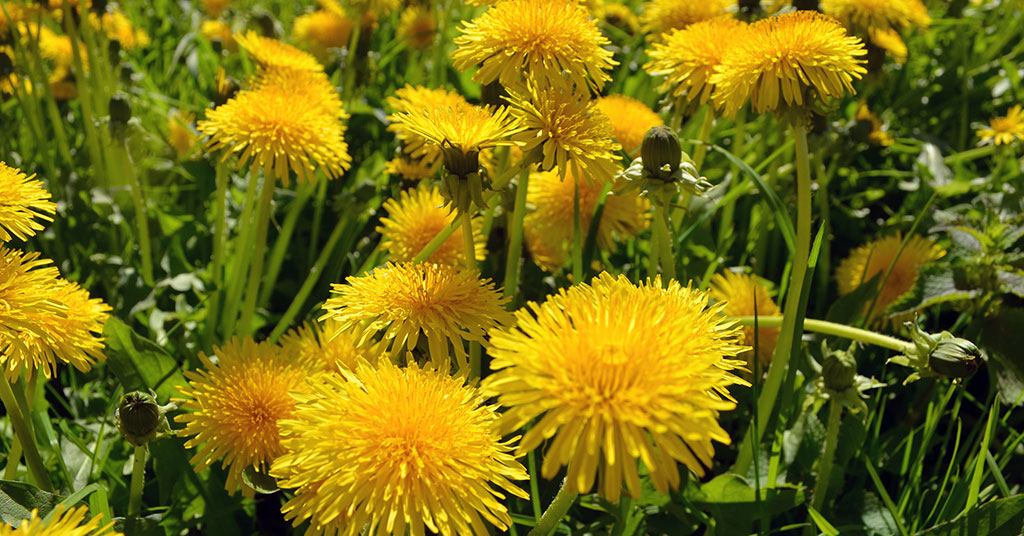
Dandelion (Taraxacum officinale) may be seen as a common weed by some, but this versatile plant is a powerhouse of nutrition and medicinal benefits. Native to Eurasia, dandelions have spread widely and are now a cherished component in many herbal teas and tinctures, thanks to their rich supply of vitamins and antioxidants. I’ve often been pleasantly surprised by the unexpected charm of dandelions—those bright yellow blooms not only add a splash of color to your garden but also offer a robust, earthy flavor when brewed into tea! Despite its reputation, dandelion is non-invasive in managed settings and can be easily controlled with regular garden maintenance.
Dandelions are also fantastic at attracting beneficial insects such as bees and butterflies, which rely on its nectar during early spring. The plant’s long taproot helps aerate the soil, while its leaves provide a natural source of nourishment for local wildlife. In my own herbal practice, dandelion tinctures have become a trusted remedy for boosting digestion and detoxification, making it a multi-functional asset in my garden. Embracing dandelions not only enriches your homemade herbal preparations but also fosters a resilient and ecologically balanced garden!
Sage
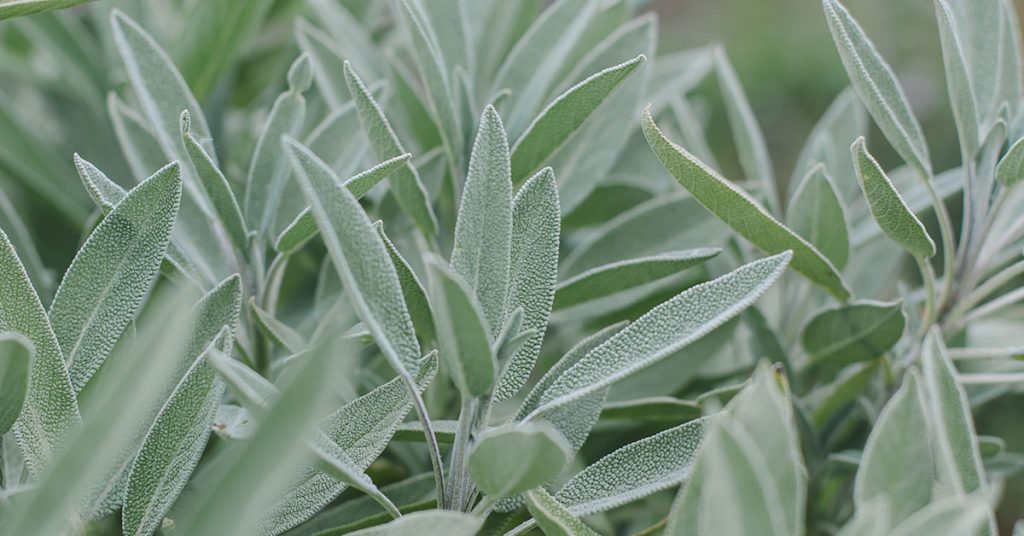
Sage (Salvia officinalis) is a time-honored herb native to the Mediterranean region, celebrated for its earthy flavor and potent medicinal properties. Often used in teas and tinctures, sage is known to soothe the mind and support respiratory health while adding a sophisticated touch to your culinary endeavors. I’ve always been enchanted by sage’s silvery-green leaves and the comforting aroma that fills my garden—it’s a reminder of simpler times when natural remedies were the norm! Sage is generally non-invasive and thrives in sunny, well-drained conditions, making it a reliable and low-maintenance choice for any herb garden.
In addition to its healing benefits, sage attracts a variety of beneficial insects such as bees and butterflies, which enhance the overall pollination of your garden. Its dense, aromatic foliage not only adds texture and color to your landscape but also creates natural niches for small creatures seeking shelter. In my experience, growing sage has been both a practical and inspiring journey—it’s a plant that enriches homemade teas and tinctures while contributing to a healthier, more balanced garden ecosystem. Sage truly embodies the spirit of natural healing and vibrant living!