

Hello, fellow garden enthusiasts! I’m absolutely thrilled to share with you an inspiring collection of 13 desert flowers that are perfect for creating a water-wise xeriscape garden. Over the years, I’ve discovered that cultivating desert-adapted plants not only saves water but also transforms your outdoor space into a vibrant, resilient oasis. In this article, I’ll dive deep into each flower’s native origins, growth behaviors, and the practical benefits they bring—from attracting helpful pollinators to providing cozy microhabitats for small critters. Whether you’re battling high temperatures or looking to reduce your water bill, these desert gems are sure to brighten your garden while keeping it eco-friendly!
I know how frustrating it can be when you invest so much time and care into your garden only to have plants struggle under harsh conditions or become overwhelmed by invasive neighbors. It’s such a bummer when unsuitable species disrupt your plans! That’s why I’ve carefully curated this list with both beauty and sustainability in mind. So grab your gardening gloves and join me as we explore these 13 remarkable desert flowers that promise to add color, texture, and functionality to your xeriscape landscape—all while thriving in low-water environments!
Desert Marigold

Desert Marigold (Baileya multiradiata) is a vibrant, sun-loving perennial native to the arid regions of the southwestern United States and northern Mexico. Its brilliant yellow, daisy-like blooms radiate energy even in the harshest desert conditions, making it a standout in any xeriscape garden! I was instantly drawn to its cheerful appearance and ability to thrive with minimal water, an absolute must for those hot, dry days. Importantly, this plant is non-invasive, ensuring it won’t overrun your garden while still offering a splash of color.
In addition to its sunny disposition, Desert Marigold attracts an assortment of beneficial insects such as native bees and butterflies, which are crucial for maintaining a balanced ecosystem. Its sprawling habit forms a low, ground-covering mat that suppresses weeds and reduces soil evaporation—practical benefits that any water-wise gardener will appreciate. I’ve found that the robust nature of Desert Marigold not only enhances the visual appeal of my xeriscape garden but also creates microhabitats for small critters, making it a truly dynamic addition!
Blackfoot Daisy

Blackfoot Daisy (Melampodium leucanthum) is a striking, drought-tolerant flower native to the desert regions of the southwestern United States. Its crisp white petals and contrasting dark centers lend a delicate yet bold accent to xeriscape gardens, making every corner feel fresh and inviting! I’ve admired how these low-growing daisies effortlessly handle the intense desert sun while adding a touch of refined simplicity to the landscape. Fortunately, they are non-invasive and easy to manage, ensuring that your garden remains well-ordered and beautiful.
What’s truly remarkable about Blackfoot Daisy is its magnetism for beneficial insects. The blossoms are a favorite among native bees and butterflies, which not only help with pollination but also contribute to a thriving garden ecosystem. Their subtle, airy habit provides natural nesting spots for small insects, further enhancing the biodiversity of your xeriscape. In my own garden, these daisies have become a source of both beauty and ecological balance, proving that even the simplest flowers can have a profound impact!
Penstemon
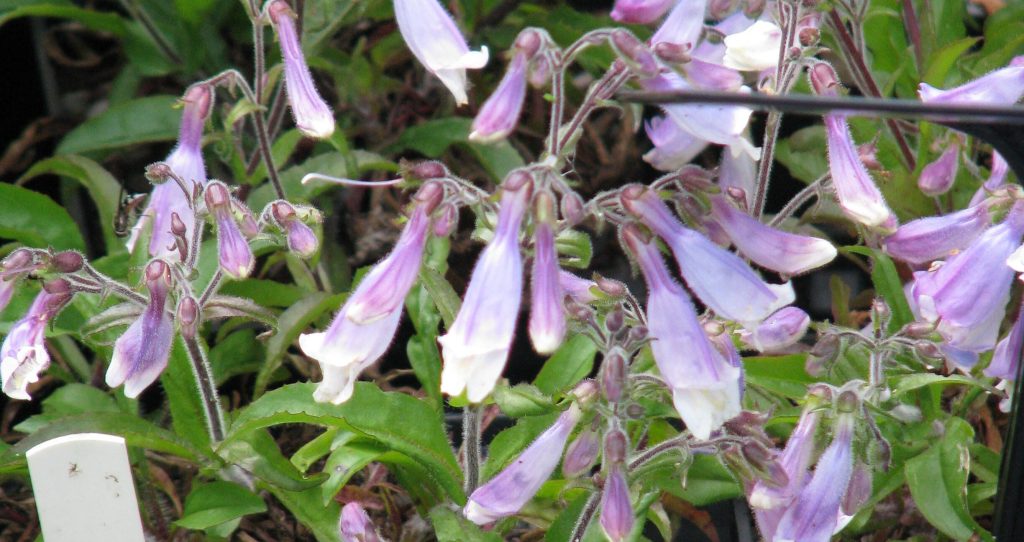
Penstemon, often referred to as beardtongue, is a captivating desert native that brings an explosion of color with its tubular blossoms. Hailing from the arid landscapes of North America, various species of Penstemon thrive in low-water conditions, making them an excellent choice for a xeriscape garden. I’ve been consistently amazed by their vibrant hues—from deep purples to bright reds—and their ability to attract hummingbirds and bees that flit eagerly among the blooms! Best of all, they maintain a compact, non-invasive growth habit that fits perfectly in a well-planned desert garden.
Beyond their stunning appearance, Penstemons play a pivotal role in supporting local wildlife. Their tubular flowers are perfectly designed to lure hummingbirds and native bees, which are vital for pollinating not only penstemons but also surrounding plants. Additionally, the dense, upright foliage offers cozy shelter for small insects and even provides a temporary nesting area for certain birds. In my experience, incorporating penstemons into my xeriscape design has elevated both the aesthetic and ecological integrity of my garden!
Evening Primrose
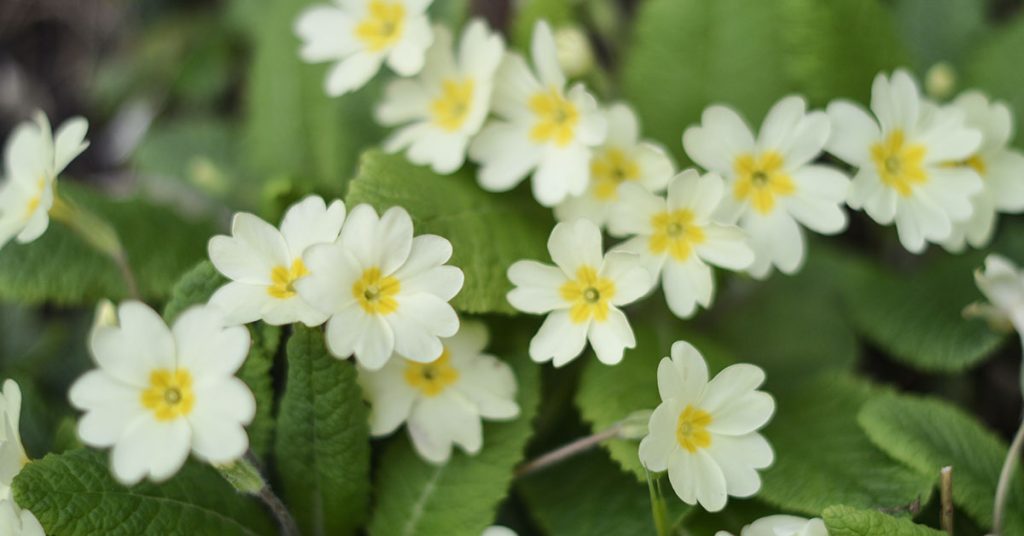
Evening Primrose (Oenothera caespitosa) is a desert-adapted wonder known for its soft, pastel blooms that open with the setting sun. Native to the arid regions of North America, this resilient plant is perfectly suited for xeriscape gardens where water conservation is key. I remember the gentle allure of Evening Primrose in my own garden—its delicate flowers seem to glow in the twilight, creating a serene, almost magical ambiance! Thankfully, it’s non-invasive and adapts effortlessly to sandy, well-drained soils, making it a dependable choice for water-wise landscapes.
Evening Primrose not only enchants with its beauty but also plays an important role in attracting nocturnal pollinators. Moths and night-active bees are drawn to its soft glow and subtle fragrance, which in turn aids in the pollination of neighboring plants. Its low-growing clumps provide excellent ground cover, reducing soil erosion and maintaining moisture levels essential for other desert plants. In my experience, the calming presence of Evening Primrose adds both ecological value and a touch of romance to any xeriscape garden!
California Poppy
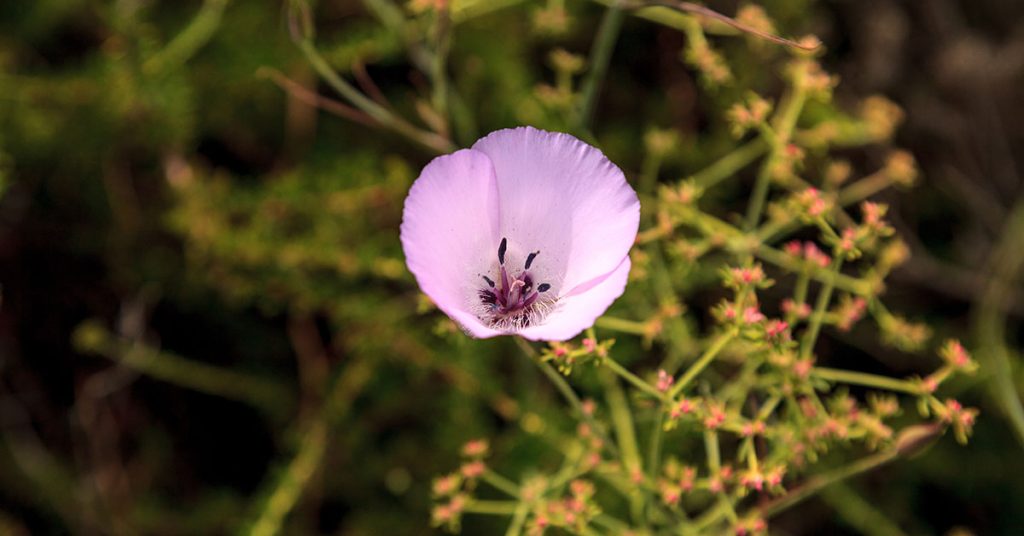
California Poppy (Eschscholzia californica) is an iconic desert flower, native to the arid landscapes of California and renowned for its vibrant, cup-shaped blossoms. These dazzling orange petals bring an explosion of color to xeriscape gardens and are celebrated for their resilience in low-water conditions! I’ve always been captivated by the effortless charm of California Poppies, which seem to burst forth in profusion with minimal care—a true testament to nature’s resourcefulness. They are non-invasive, ensuring that their cheerful display doesn’t overwhelm your carefully planned garden.
Beyond their sheer visual appeal, California Poppies attract a variety of beneficial insects including bees and small butterflies. Their open, radiant blooms serve as natural beacons that invite pollinators into your garden, supporting a healthy ecosystem. The plants also form a soft, trailing ground cover that helps conserve moisture and suppresses weeds, providing additional functional benefits to a water-wise landscape. In my garden, these poppies have become a symbol of effortless beauty and sustainability—a must-have for any xeriscape enthusiast!
Blanket Flower
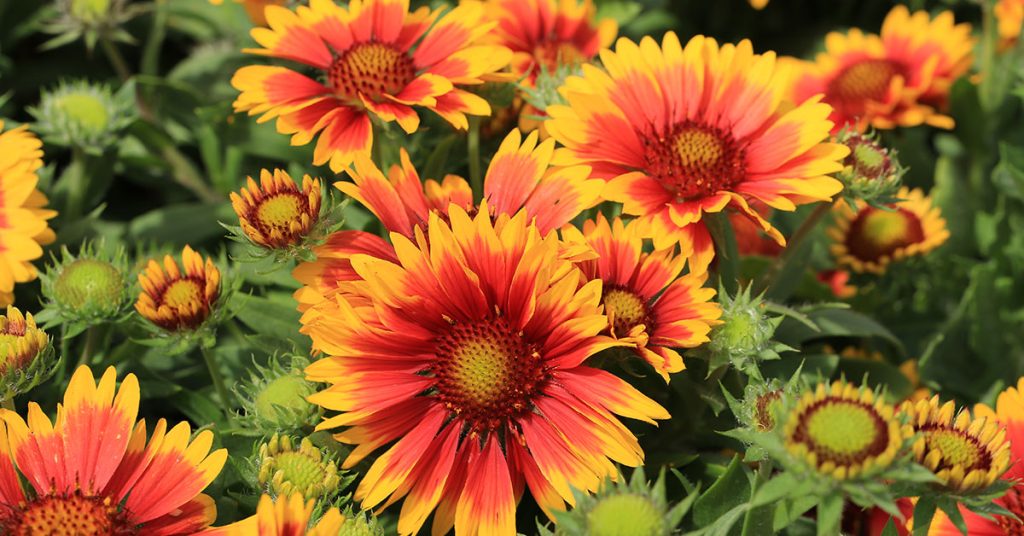
Blanket Flower (Gaillardia pulchella) is a hardy, sun-loving perennial native to the prairies and deserts of North America. Its bold, daisy-like flowers in shades of red and yellow add a warm, inviting glow to any xeriscape garden, making them an instant favorite! I’ve witnessed Blanket Flowers transform barren desert patches into lively, colorful canvases that capture the spirit of the Southwest. Fortunately, they are non-invasive and thrive with minimal water, making them an excellent, low-maintenance choice for water-wise landscaping.
What makes Blanket Flower particularly special is its ability to attract a variety of pollinators. Bees, butterflies, and even hummingbirds are drawn to its vibrant blooms, which helps boost the overall biodiversity of your garden. Its sprawling, mat-forming habit also provides excellent ground cover, reducing soil erosion and conserving precious moisture in arid conditions. In my experience, Blanket Flower has become a vibrant, multi-functional addition to my xeriscape garden—a true burst of desert sunshine that is both beautiful and beneficial!
Desert Snapdragon
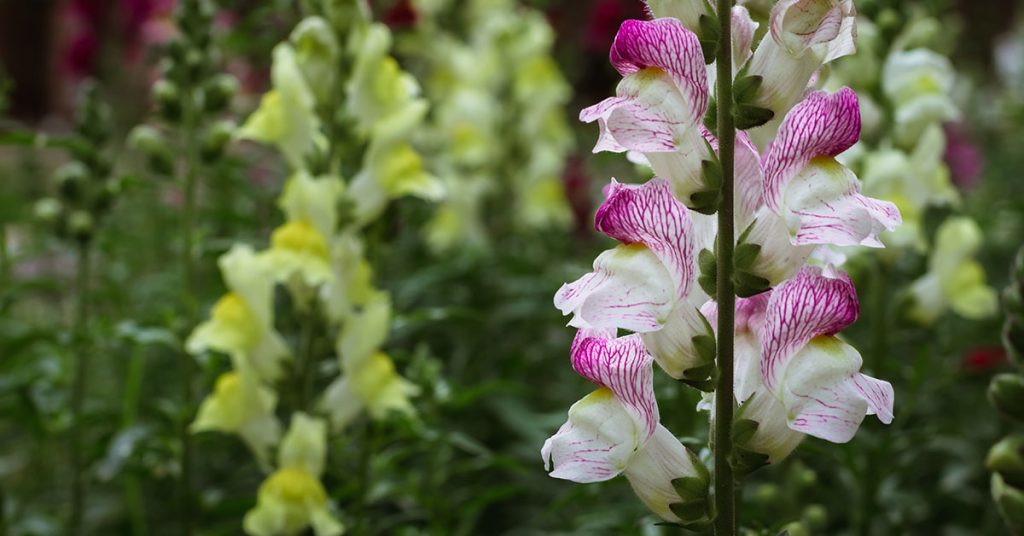
Desert Snapdragon (Gambelia speciosa) is a captivating succulent shrub native to the Sonoran Desert, admired for its unique, tubular red or orange blossoms that resemble a classic snapdragon. This drought-tolerant beauty thrives in scorching heat and low-water environments, making it an ideal choice for a xeriscape garden! I’ve been continually impressed by its ability to flourish in arid conditions while adding a dramatic pop of color to my landscape. Desert Snapdragon is non-invasive and requires minimal care once established, which is a huge plus for busy gardeners like me.
In addition to its eye-catching blooms, Desert Snapdragon plays a vital role in attracting beneficial pollinators such as hummingbirds and native bees. Its tubular flowers are perfectly adapted to invite these visitors, which in turn helps with the pollination of surrounding plants. The plant’s compact, branching habit also creates natural microhabitats that serve as nesting spots for small insects, contributing to a balanced desert ecosystem. Its robust and dependable nature makes Desert Snapdragon a standout choice for any water-wise garden!
Prickly Pear Blossom

Prickly Pear Blossom, the delicate flower of the iconic Opuntia cactus, is a true gem of the desert. Native to the arid regions of the Americas, these charming blossoms typically appear in vivid hues of red, yellow, or orange, providing a soft counterpoint to the rugged spines of their cactus hosts. I’ve always been fascinated by how these fragile flowers manage to bloom amidst harsh desert conditions, offering a fleeting yet breathtaking display of natural beauty! They are non-invasive and naturally adapted to survive with very little water, making them perfect for xeriscape gardens.
The allure of Prickly Pear Blossoms extends beyond their beauty; they also attract a variety of beneficial insects, including bees and butterflies, which play an essential role in pollination. Their gentle, papery petals create miniature shelters for small creatures seeking a cool spot in the desert heat. In my own garden, these blossoms add an unexpected burst of color and life to a seemingly stark landscape, proving that even in the toughest conditions, nature finds a way to flourish!
Desert Lupine
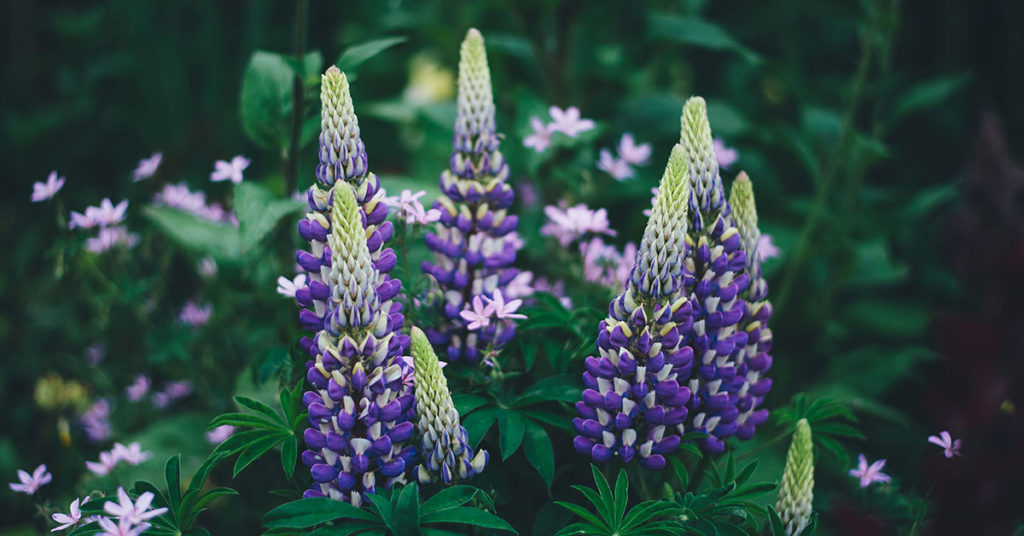
Desert Lupine (Lupinus sparsiflorus) is a striking wildflower native to the arid landscapes of the southwestern United States. Known for its tall, spiky clusters of vibrant blue or purple blooms, it adds an element of wild, untamed beauty to xeriscape gardens. I’ve been enchanted by Desert Lupine’s elegant form and its remarkable ability to thrive in nutrient-poor, dry soils—truly a testament to nature’s resilience! This species is non-invasive and adapts seamlessly to water-wise gardening practices, making it an excellent addition to any desert landscape.
Desert Lupine is also a magnet for beneficial insects. Its colorful blooms attract a host of native bees and butterflies, which help ensure successful pollination throughout the garden. The plant’s unique structure provides natural perches and nesting spots for small insects, contributing to a diverse and balanced ecosystem. In my experience, Desert Lupine brings a refreshing burst of color and ecological vitality to my xeriscape, transforming even the driest patch of land into a thriving, living canvas!
Goodding’s Verbena
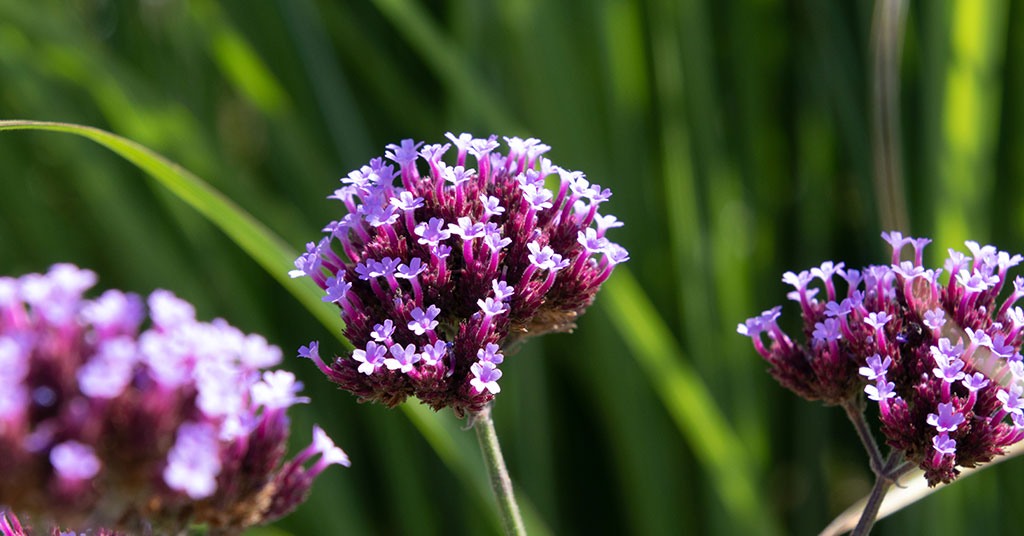
Goodding’s Verbena (Glandularia gooddingii) is a delightful, low-growing perennial native to the arid regions of the southwestern United States and northern Mexico. Its clusters of small, vibrant flowers—typically in shades of purple and pink—add a soft, yet striking, splash of color to any xeriscape garden. I’ve been thrilled by the way Goodding’s Verbena blankets garden beds with its cheerful blossoms while requiring only minimal water to thrive! This charming plant is non-invasive, making it a safe, water-wise choice that won’t overrun your carefully planned landscape.
In addition to its visual appeal, Goodding’s Verbena is a powerhouse when it comes to attracting beneficial pollinators. Bees, butterflies, and even hummingbirds are drawn to its nectar-rich flowers, which helps promote a healthy, balanced garden ecosystem. Its spreading habit also provides excellent ground cover, reducing erosion and conserving moisture in the parched soil. In my garden, Goodding’s Verbena has become a beloved companion that adds both beauty and ecological support to my xeriscape design!
Ocotillo

Ocotillo (Fouquieria splendens) is a truly unique desert plant native to the southwestern United States and northern Mexico, famous for its dramatic, spiny stems and vibrant red blooms. Unlike typical cacti, ocotillo is actually a shrub that bursts into a spectacular floral display after rainfall, transforming even the driest landscape into a scene of breathtaking color! I’ve always marveled at how quickly ocotillo can spring to life, offering an instant burst of energy and warmth to my xeriscape garden. Although its rapid blooming may seem wild, it is not invasive and fits naturally into desert ecosystems.
Beyond its stunning visual appeal, ocotillo plays a fascinating role in attracting wildlife. Its bright red flowers are irresistible to hummingbirds and native bees, which flit about to collect nectar and, in doing so, assist in pollination. The spiny structure of the stems also provides natural shelter for small desert creatures, creating microhabitats that enhance local biodiversity. Incorporating ocotillo into your water-wise garden not only delivers dramatic beauty but also supports a vibrant, interdependent ecosystem that’s as resilient as it is captivating!
Desert Aster

Desert Aster (Xylorhiza tortifolia) is a hardy wildflower native to the arid landscapes of the American Southwest, prized for its delicate, daisy-like blossoms that appear in soft shades of purple and white. This enchanting flower thrives under the intense desert sun while requiring very little water, making it an ideal candidate for a xeriscape garden! I’ve found that the subtle charm of Desert Aster adds a refined touch of color to my garden beds without demanding excessive care or resources. Its non-invasive nature ensures that it integrates harmoniously with other desert-adapted plants.
What’s particularly delightful about Desert Aster is its role in attracting a wide variety of pollinators. Native bees and butterflies are drawn to its gentle, open-faced blooms, which facilitate effective pollination and help maintain a balanced ecosystem. Its low-growing habit provides natural ground cover that reduces soil erosion and conserves moisture—a crucial benefit in any desert setting. In my experience, incorporating Desert Aster has not only enhanced the beauty of my xeriscape garden but also contributed to a thriving, interconnected natural habitat that celebrates the resilience of the desert!
Desert Columbine
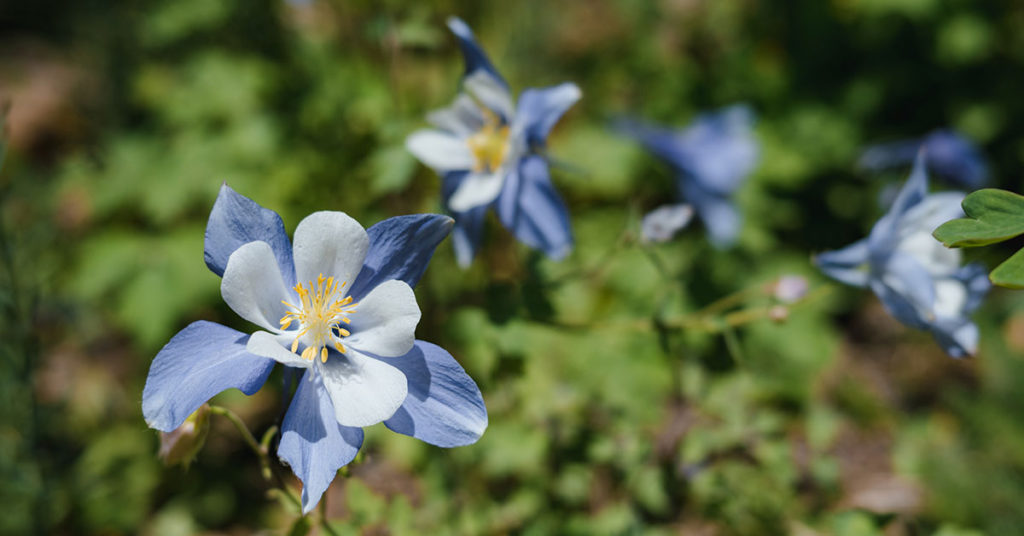
Desert Columbine (Aquilegia coerulea var. eximia) is a captivating perennial native to the rocky slopes and arid regions of the southwestern United States. Renowned for its uniquely shaped, spurred flowers in delicate shades of blue and purple, it adds an element of refined elegance to xeriscape gardens. I’ve always been drawn to the intricate beauty of Desert Columbine—the way its blooms seem to defy the harshness of the desert, creating an oasis of color amid the rugged landscape! This lovely plant is non-invasive and well-suited to water-wise gardening, thriving in well-drained soils with minimal moisture.
In addition to its aesthetic appeal, Desert Columbine plays a crucial role in supporting local wildlife. Its nectar-rich flowers attract a variety of pollinators, including hummingbirds, bees, and butterflies, all of which help foster a healthy garden ecosystem. The plant’s delicate structure also offers small creatures a gentle refuge, contributing to the overall biodiversity of your xeriscape. In my own gardening adventures, Desert Columbine has proven to be a delightful and resilient companion that not only beautifies the space but also strengthens the natural connections within the garden!