

Hello, fellow garden enthusiasts! I’m thrilled to share with you an enchanting collection of 11 Japanese garden flowers that promise to transform your indoor or outdoor space into a serene Zen retreat. In my many years of nurturing my own garden, I’ve discovered that each of these blossoms not only offers captivating beauty but also contributes to a calming atmosphere—a true antidote to the stresses of modern life. From their ancient symbolism to practical care tips, every flower on this list has been chosen for its ability to evoke peace and promote balance in your personal sanctuary.
I completely understand the challenges of creating a tranquil garden, especially when pests or unsuitable growing conditions seem to throw a wrench into your plans. It’s such a bummer when you spend hours tending to your plants only to see them struggle! In each section below, I’ll dive into the fascinating origins, behaviors, and unique characteristics of these Japanese treasures—complete with tips on how they attract beneficial pollinators and even offer cozy nesting spots for small creatures. So, roll up your sleeves, grab your favorite gardening tools, and let’s explore these wonderful blooms that embody the spirit of Zen!
Camellia Japonica
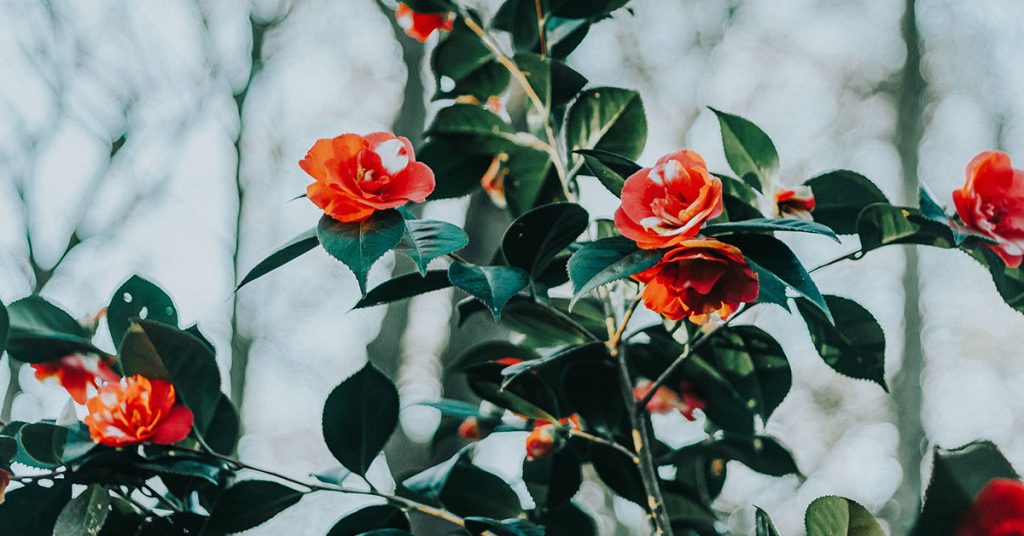
Camellia Japonica is a beloved flower in Japanese gardens, celebrated for its glossy evergreen leaves and exquisite, layered blooms. Native to Japan and parts of China, this shrub radiates a timeless elegance that has graced traditional tea gardens and humble courtyards alike. I remember the thrill of witnessing a camellia burst into bloom in early winter—it was like a beacon of hope during the coldest days! Though not considered invasive, these plants thrive best with a little extra care in well-drained soil and partial shade to protect their delicate petals from harsh sunlight.
In my own garden, Camellia Japonica has become a centerpiece that draws in not only admiring glances but also a variety of beneficial insects. Bees and small butterflies are frequently seen flitting among its clusters, using the flowers as stepping stones during their foraging journeys. Their presence helps pollinate nearby blooms and creates a harmonious ecosystem that feels both balanced and invigorating. For anyone looking to add a touch of refined beauty and calm to their space, camellias offer an exquisite blend of aesthetics and practical benefits!
Sakura (Cherry Blossom)

Sakura, or Cherry Blossom, is the quintessential symbol of spring and renewal in Japanese culture. Native to Japan and celebrated across East Asia, these delicate trees burst into profuse, pastel blooms that capture the fleeting beauty of life. I’ll never forget the mesmerizing sight of a sakura grove in full bloom—a cascade of pink petals dancing on the breeze that filled me with wonder and tranquility! While these trees are not invasive, they do require proper pruning and maintenance to ensure their graceful form remains a serene spectacle in your garden.
Beyond their visual allure, cherry blossoms create a tranquil haven that attracts various beneficial insects and even small birds that enjoy nesting in the shelter of their branches. Their ethereal presence helps to slow down the pace of life, inviting moments of quiet reflection amid the daily hustle. For those seeking to infuse their garden with an atmosphere of calm and poetic beauty, sakura trees are an unparalleled choice that promises to inspire awe and foster a deep connection with nature.
Japanese Iris
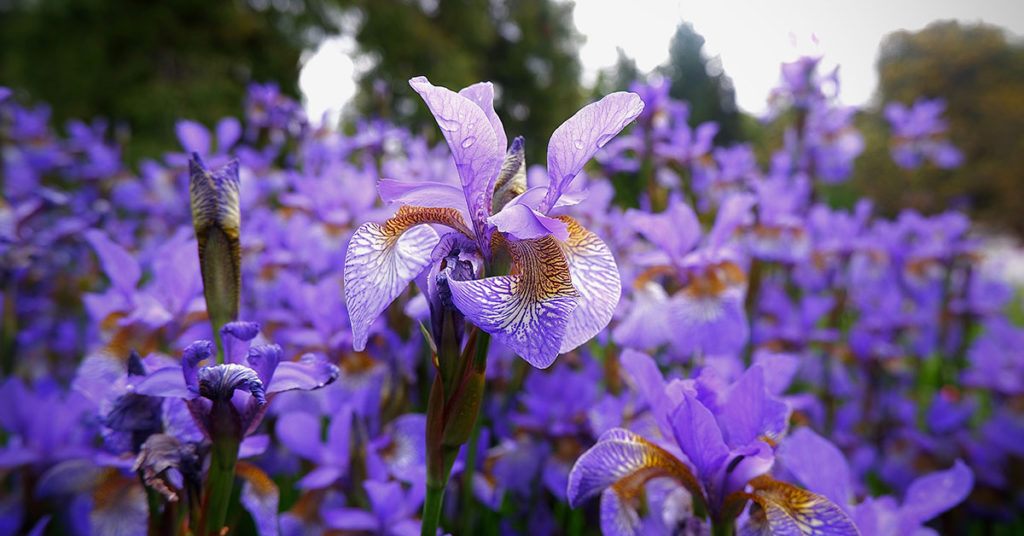
Japanese Iris, also known as Iris ensata, is a stunning perennial that brings a splash of refined elegance to any Zen garden. Native to Japan, this flower flourishes in moist, well-drained soils and is often found near water features, reflecting the traditional Japanese aesthetic of harmonizing with nature. I recall the gentle sway of Japanese Iris in the soft breeze by my garden pond—a sight that evoked a sense of quiet introspection and delicate grace! These irises are non-invasive and, with their striking blue-purple petals, serve as a vibrant focal point without overwhelming the overall design.
In addition to their captivating beauty, Japanese Irises attract a range of beneficial pollinators, including bees and butterflies, that help maintain a balanced garden ecosystem. Their lush, arching foliage also offers a cozy microhabitat for small insects and other critters, adding life and movement to your outdoor sanctuary. Whether you’re designing a water garden or simply seeking a sophisticated accent for your Zen space, Japanese Iris provides an elegant, natural touch that encourages calm and creative reflection.
Ume (Plum Blossom)

Ume, or Plum Blossom, holds a special place in Japanese culture as a harbinger of winter’s end and the arrival of new life. Native to China and cultivated widely in Japan, these modest yet striking blossoms appear on bare branches before the arrival of full spring, symbolizing resilience and hope. I vividly remember the quiet anticipation I felt each year as Ume trees began to bud—a gentle reminder that even the coldest season gives way to renewal! Ume trees are generally non-invasive and, with proper care, bring a sense of delicate beauty that complements any Zen garden.
These blossoms not only provide a visual feast but also invite beneficial insects such as bees and butterflies to your garden, enriching the ecosystem with their presence. The subtle fragrance of Ume, combined with its soft, pale petals, creates a soothing ambiance that enhances the meditative quality of your space. Whether displayed as a solitary tree or as part of a larger garden ensemble, Ume stands as a poignant emblem of perseverance and natural beauty, offering both inspiration and tranquility to all who encounter it.
Hydrangea (Ajisai)
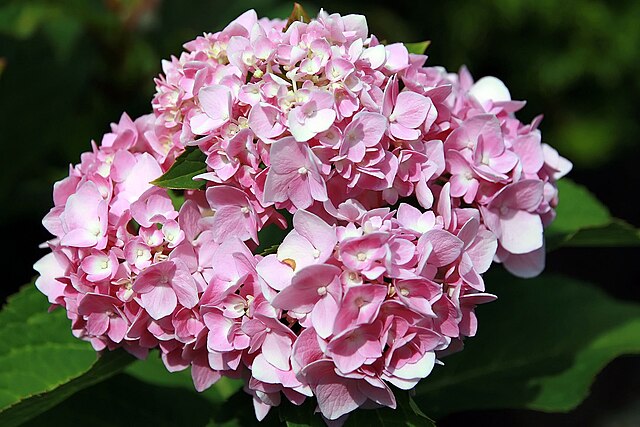
Hydrangea, known as Ajisai in Japan, is a garden favorite celebrated for its abundant, globe-like clusters of blossoms that change color with the soil’s pH. Native to parts of Asia, these versatile shrubs bring a touch of vibrant elegance to any Zen garden, their cool hues evoking the serene waters of a mountain stream. I have often been captivated by the way Hydrangeas transform a simple garden corner into a dynamic palette of blues, pinks, or purples—each bloom a living testament to nature’s artistry! Although they are not considered invasive, hydrangeas require regular pruning and the right soil conditions to maintain their best form.
In my experience, Hydrangeas also play a vital role in attracting a host of beneficial insects. Their dense clusters provide shelter for bees and butterflies, which in turn help to pollinate adjacent plants and sustain the garden’s ecosystem. The soft, rounded shapes of the blooms not only offer a feast for the eyes but also create microhabitats for small garden critters, enhancing the overall serenity and balance of the space. For anyone looking to infuse their Zen garden with a burst of gentle, changing color and life, hydrangeas are a brilliant and calming choice!
Japanese Azalea
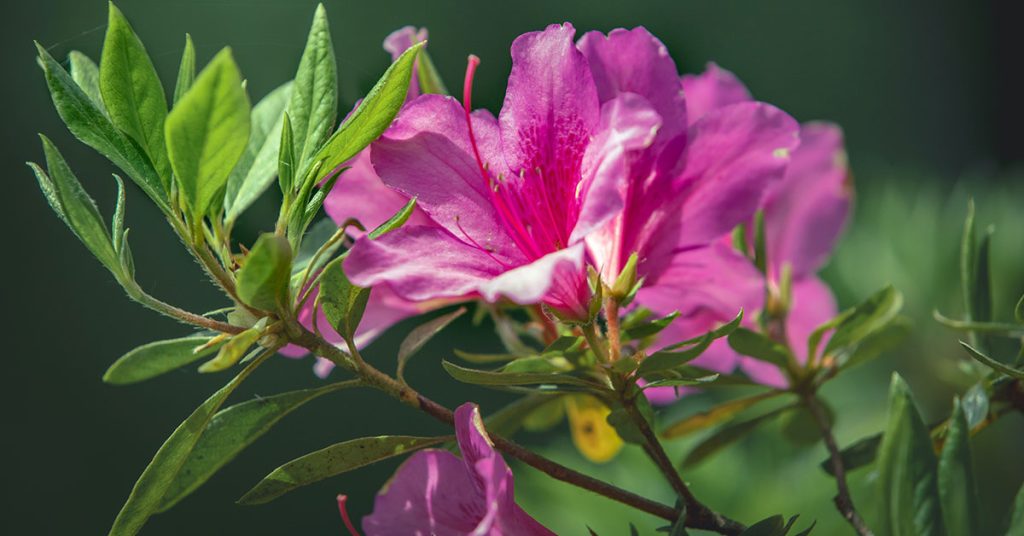
Japanese Azalea is a striking shrub known for its profuse, colorful blooms and its integral role in traditional Japanese gardens. Native to Japan and East Asia, these azaleas add an intense splash of color to any setting with their vibrant blossoms and glossy foliage. I’ve found that Japanese Azaleas bring an exuberant energy to my garden, their bursts of red, pink, or white petals serving as a joyful counterpoint to the quiet meditative elements of a Zen space! While they are admired for their beauty, it’s important to note that azaleas are not invasive, but they do require careful pruning to encourage healthy, balanced growth.
Beyond their impressive visual impact, Japanese Azaleas attract beneficial pollinators such as butterflies and bees that help sustain a lively garden ecosystem. Their dense, bushy growth creates natural hideaways and nesting spots for small birds and insects, adding a subtle layer of life and activity to your garden. These azaleas offer both aesthetic pleasure and ecological benefits, making them a wonderful addition to any serene retreat that aims to marry vibrant beauty with peaceful, harmonious energy.
Lotus

Lotus flowers are quintessential symbols of purity and enlightenment in Japanese culture, flourishing in tranquil water gardens and serene Zen settings. Native to Asia and often associated with Buddhist iconography, the Lotus emerges gracefully from murky waters to reveal stunning, delicate blossoms. I still remember the calm I felt as I observed lotus blooms open at sunrise—a truly transformative experience that connected me with the profound cycles of nature! Though typically grown in water features rather than soil, lotuses are non-invasive when contained within a pond or water basin, offering a focused burst of ethereal beauty.
In addition to their symbolic significance, Lotus flowers attract a variety of aquatic insects and even small birds that find refuge among the surrounding reeds and lily pads. Their broad, waxy leaves create a microhabitat that fosters a balanced ecosystem, providing both shelter and a source of natural beauty. Cultivating a lotus pond has enriched my garden with a sense of tranquility and renewal, making it a captivating centerpiece for any Zen garden where peace and natural harmony are paramount.
Chrysanthemum (Kiku)

Chrysanthemums, known as Kiku in Japan, are revered for their intricate, multi-layered blossoms and their enduring symbolism of rejuvenation and longevity. Native to East Asia, these flowers are a staple in Japanese gardens, particularly during the autumn season when they burst forth in a myriad of colors. I was always struck by the way chrysanthemums transformed my garden into a vibrant tapestry of intricate forms and hues—a true celebration of nature’s artistry! Although they are non-invasive, chrysanthemums benefit from regular care and pruning to maintain their structured, elegant appearance.
Beyond their ornamental appeal, chrysanthemums are fantastic at attracting beneficial insects, including bees and certain types of butterflies that help pollinate other nearby plants. Their rich, textured blooms also offer cozy niches for small garden critters, adding an extra dimension to the living landscape. With their deep cultural roots and striking beauty, chrysanthemums serve as a reminder that even as seasons change, nature’s cycle of renewal is ever-present, inviting us to find peace in transformation.
Peony (Botan)
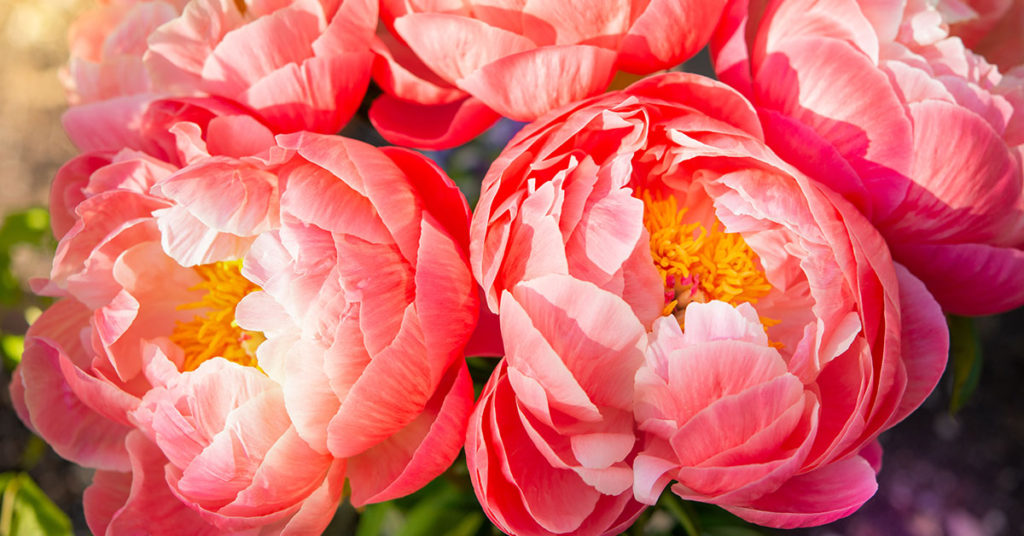
Peonies, known as Botan in Japanese, are lavish blooms that exude an air of opulence and grace, making them a cherished addition to Zen gardens. Native to China and widely cultivated in Japan, these flowers are symbols of prosperity and the beauty of life’s ephemeral moments. I’ve often marveled at the lush, full petals of peonies as they burst into bloom each spring, filling my garden with a rich, intoxicating fragrance that uplifts the spirit! Peonies are not invasive, but they do require a bit of space to display their full glory, making them a centerpiece that draws both admiration and thoughtful care.
In my garden, peonies have a remarkable ability to attract beneficial insects, such as bees and butterflies, that contribute to a balanced and lively ecosystem. Their dense clusters of blossoms create natural shelters where small creatures can rest and nest, adding to the overall harmony of the space. The timeless beauty of peonies not only enhances the aesthetic of a Zen garden but also serves as a gentle reminder of nature’s capacity for renewal and abundance. For anyone seeking a touch of refined elegance and nurturing energy, Botan is a truly inspiring choice!
Japanese Anemone
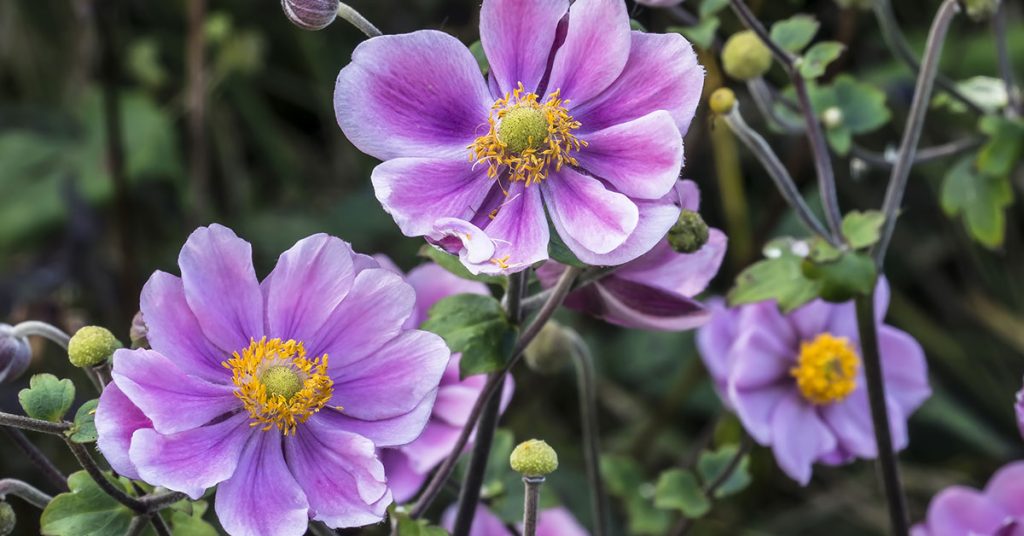
Japanese Anemone is a graceful perennial that graces the garden with its delicate, cup-shaped blooms and understated elegance. Native to Japan and parts of East Asia, this flower is known for its soft, pastel hues and its ability to create a quiet, contemplative atmosphere in any Zen garden. I’ve found that Japanese Anemones offer a subtle yet profound beauty that complements the more dramatic elements of a garden, adding a sense of calm and refined simplicity. They are non-invasive and, with proper care, bloom in abundance without overwhelming your carefully balanced landscape.
These lovely flowers are also adept at attracting a range of beneficial insects, including bees and small butterflies that enhance the overall vitality of the garden. Their gentle petals and airy foliage provide a perfect microhabitat for various small critters seeking shelter during cooler evenings. For anyone looking to infuse their garden with a soft, meditative touch, Japanese Anemones are an ideal choice—bringing with them the delicate energy of nature that inspires both relaxation and mindful reflection.
Wisteria Floribunda
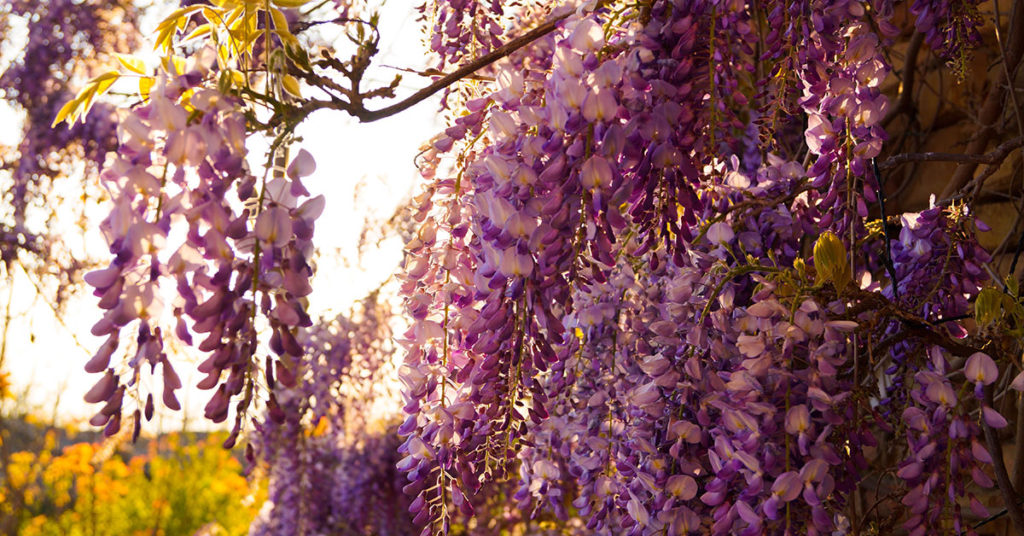
Wisteria Floribunda is a breathtaking vine that drapes elegantly over trellises, its cascading clusters of blossoms evoking a timeless, Zen-like beauty. Native to Japan and China, this enchanting plant has long been admired for its ability to transform any garden space into a serene, ethereal retreat. I remember the first time I witnessed a wisteria cascade in full bloom—the delicate purple clusters hanging like nature’s own chandelier, instantly filling my garden with a magical, otherworldly charm! While wisteria can be vigorous, it is not considered invasive when properly managed with regular pruning and support structures.
Beyond its dramatic visual impact, wisteria plays a crucial role in attracting beneficial pollinators such as bees and butterflies, which are drawn to its fragrant, nectar-rich blossoms. Its sweeping vines create natural pathways and secret alcoves that serve as cozy nesting spots for small birds and insects, enhancing the overall ecosystem of the garden. Embracing Wisteria Floribunda in your Zen garden is like inviting a touch of ancient elegance and natural poetry into your daily life—a living symbol of beauty, resilience, and the serene passage of time!