
Hello, fellow garden enthusiasts! I’m thrilled to guide you through a vibrant collection of 11 stunning flowers that are perfect for creating a rustic farmhouse garden. As someone who has spent countless hours cultivating a space that reflects both natural charm and country warmth, I know how challenging it can be to select the right blooms that not only dazzle with color and texture but also suit your garden’s unique ecosystem. In this article, I’ll share in-depth details about each flower—where they’re native, their growth habits, and even a few insights on whether they might behave invasively. I hope these insights help you build a garden that becomes your very own haven of rustic elegance!
I completely understand the frustrations that arise when pests invade your outdoor sanctuary or when the wrong planting choices lead to overgrowth and maintenance headaches. Each section is packed with practical advice and personal anecdotes to help you avoid those common pitfalls. From attracting helpful pollinators and offering natural nesting spots for beneficial critters, to simply transforming a garden space into an enchanting countryside retreat, I’ve poured my heart into every detail. So, grab your gardening gloves, and let’s celebrate these wonderful blooms that can turn any space into a charming farmhouse paradise!
Sweet Pea
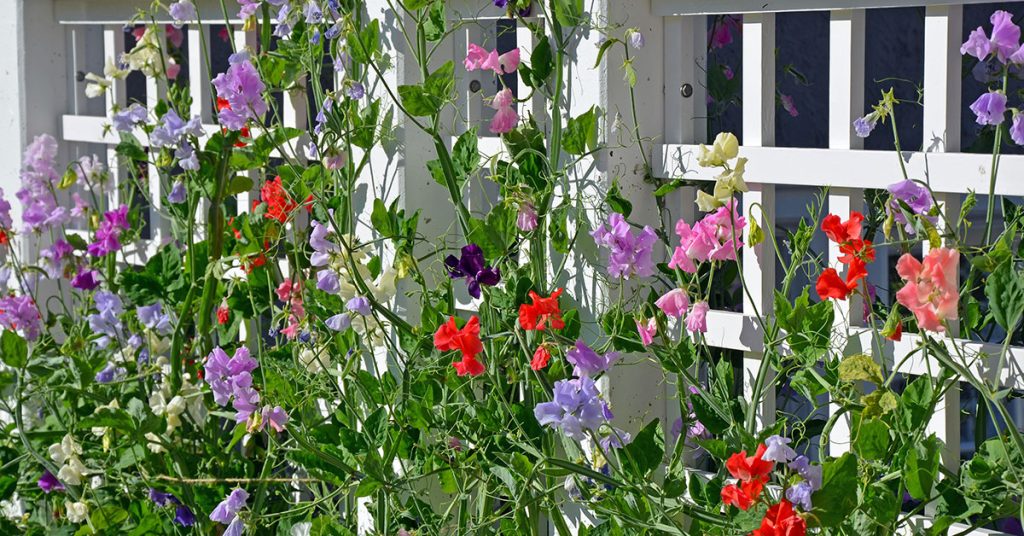
Sweet Peas bring a touch of delicate fragrance and whimsical charm to any rustic farmhouse garden. Native to the Mediterranean region, these climbers have long been celebrated for their soft, pastel blooms and enchanting scent. I first encountered Sweet Peas on a quaint country estate, where their trailing vines and lovely aroma set the stage for an idyllic outdoor retreat! While they’re beloved for their beauty, it’s worth noting that in some regions, Sweet Peas can self-seed quite freely, so they might need a little extra management to prevent them from taking over your carefully planned layout.
Beyond their captivating fragrance, Sweet Peas are fantastic at attracting an array of beneficial insects. Their blossoms serve as a meeting point for bees and butterflies, which help pollinate neighboring plants and contribute to a thriving garden ecosystem. The delicate vines even provide an intimate spot where small creatures can hide and nest when the weather gets cooler. These attributes make Sweet Peas a delightful, interactive addition to a rustic garden that thrives on community and natural balance!
Black-Eyed Susan
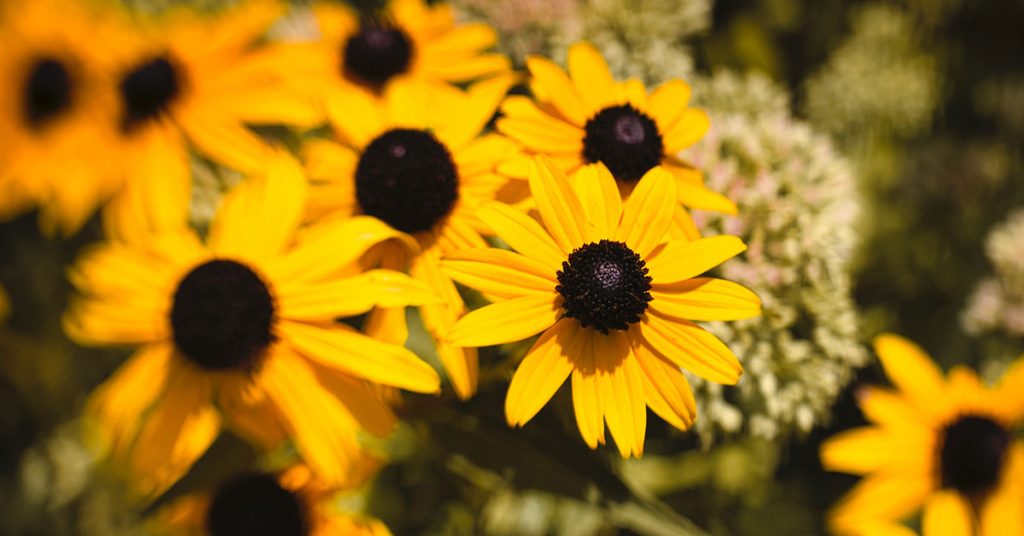
Black-Eyed Susans are a quintessential feature in many farmhouse gardens, celebrated for their bright, cheerful appearance and robust nature. Native to North America, these perennials have a rugged charm that suits a rustic setting perfectly. I’ve always been drawn to their sunny, daisy-like faces that seem to radiate warmth and resilience, even on overcast days! While they generally integrate well into a garden, in certain climates they can spread more vigorously than expected, so it’s wise to keep an eye on their growth to maintain that well-tended farmhouse feel.
These vibrant flowers are not just visually appealing—they’re also excellent at luring beneficial insects and even small birds that enjoy the shelter their dense foliage provides. I’ve noticed that Black-Eyed Susans often become a hub for pollinators, making them a natural ally in maintaining a balanced ecosystem. Their capacity to attract life to every corner of your garden makes them an enduring favorite for anyone looking to inject a dose of rustic cheer into their outdoor spaces!
Rose (Rugosa Rose)

Rugosa Roses exude a timeless elegance that fits perfectly into any rustic farmhouse garden, offering a delightful blend of rugged beauty and classic fragrance. Originally native to East Asia, these roses have been embraced worldwide for their hardiness and resistance to disease. I was instantly captivated by the wild charm of Rugosa Roses when I first saw them flourishing along an old country fence, their deep petals and intoxicating scent evoking images of simpler times! Although they are generally non-invasive in controlled settings, they can sometimes spread in ideal climates, so a bit of pruning is recommended to keep their rustic beauty in check.
What I find particularly fascinating about Rugosa Roses is their ability to attract a host of beneficial wildlife. Their abundant blooms invite bees, butterflies, and even small birds to your garden, turning each rose bush into a miniature sanctuary of life. The dense foliage offers natural nesting sites and a cool refuge for various critters, enhancing the overall biodiversity of your garden. For anyone seeking a blend of vintage charm and ecological benefits, Rugosa Roses are an inspiring choice that adds a layer of soulful elegance to your farmhouse retreat!
Lavender

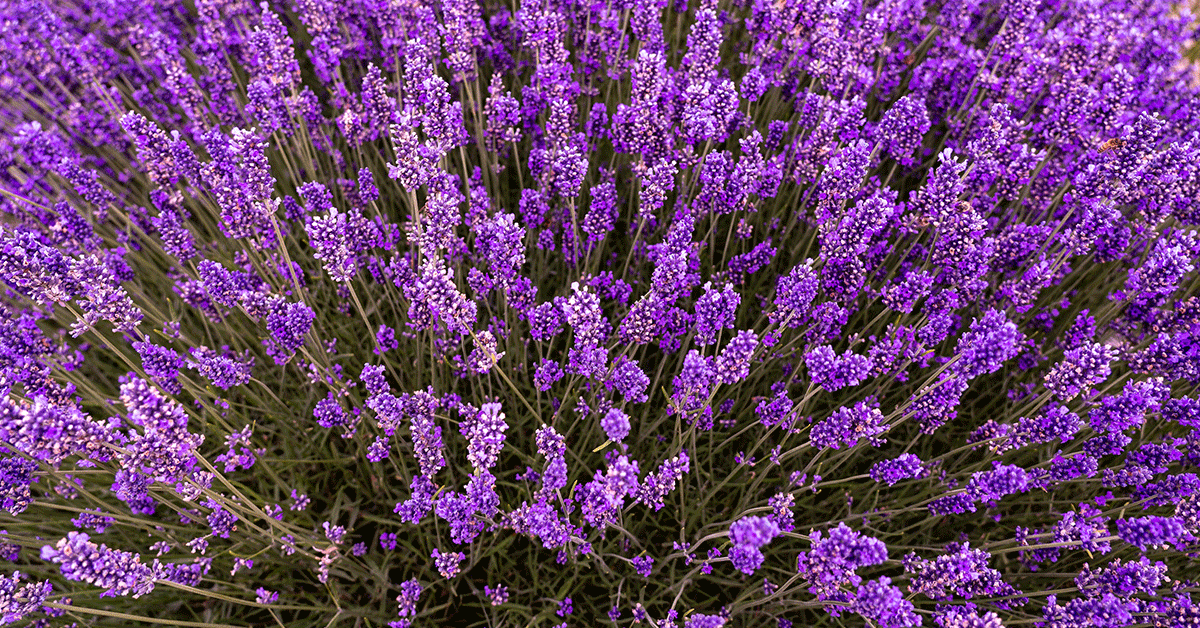
Lavender is a timeless classic that infuses any rustic farmhouse garden with its soothing fragrance and vibrant purple hues. Native to the Mediterranean, this aromatic herb has long been prized for its beauty, calming properties, and practical uses—from cooking to natural remedies. I recall the first time I planted Lavender along the garden path; its delightful scent instantly transformed the atmosphere, creating an inviting and serene outdoor retreat! While Lavender is not invasive, it thrives best in well-drained soil and plenty of sunlight, so a bit of careful site selection goes a long way in maximizing its splendor.
Beyond its visual and aromatic allure, Lavender is a magnet for beneficial insects such as bees and butterflies, which are essential for a balanced garden ecosystem. Its flowering season brings a flurry of activity that not only helps pollinate neighboring plants but also provides natural nesting sites for some of the smaller garden dwellers. Whether you’re battling the frustration of a lifeless patch of yard or simply wish to enhance the sensory experience of your garden, Lavender offers a delightful combination of beauty, practicality, and ecological support that is nothing short of magical!
Coneflower

Coneflowers, known scientifically as Echinacea, are a rustic staple that bring a wild yet refined look to farmhouse gardens. Native to North America, these resilient perennials have become synonymous with natural beauty and robust health. I’ve always been impressed by the bold, spiky center contrasted with the delicate, petal-like blooms that radiate in shades of pink and purple—truly a sight that embodies the spirit of the countryside! Though Coneflowers are generally well-behaved, they can sometimes spread a bit faster than expected, so it’s wise to monitor their expansion to ensure they harmonize with your overall garden design.
What makes Coneflowers truly special is their role in enhancing the garden’s ecosystem. Their unique structure attracts not only a plethora of bees and butterflies but also provides a natural refuge for small birds and beneficial insects seeking shelter. In my garden, these flowers have become a lively meeting point where nature’s little helpers thrive, turning each bloom into a beacon of life and activity. With their rustic charm and practical benefits, Coneflowers are an indispensable addition for anyone aiming to create a balanced and visually stunning farmhouse garden!
Shasta Daisy
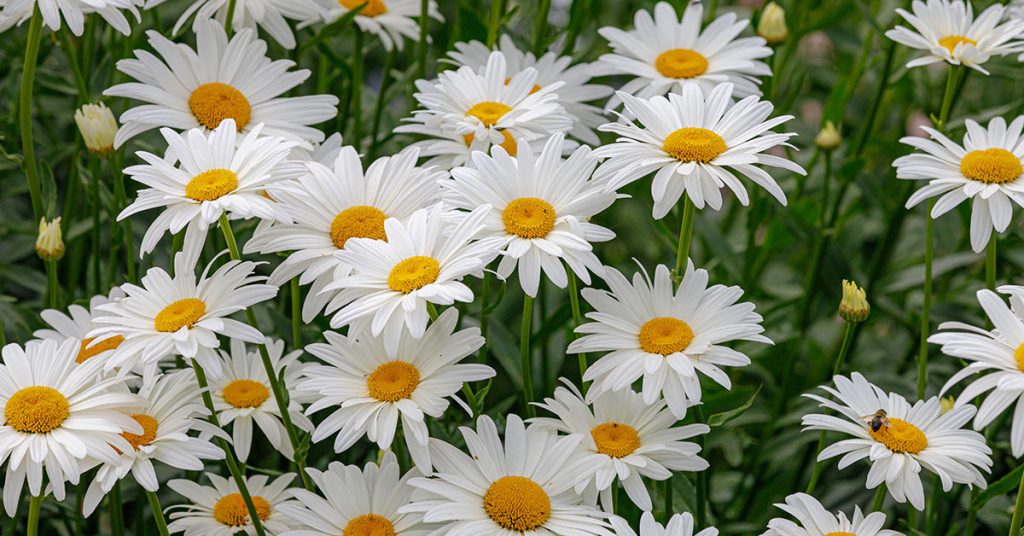
Shasta Daisies are the embodiment of simple, rustic charm that never fails to brighten a farmhouse garden with their classic white petals and sunny centers. Native to Europe and North America, these perennial favorites have been cherished for generations for their effortless beauty and reliable performance. I remember the joy of planting a patch of Shasta Daisies in a neglected corner of my yard, watching them burst into life and transform the space into a cheerful haven! While they are not considered invasive, they do have a tendency to self-seed, so a little periodic thinning helps maintain that neat, farmhouse aesthetic.
These daisies are also fantastic at attracting a variety of beneficial insects, which is essential for a thriving garden ecosystem. Their open, welcoming structure invites bees, butterflies, and even small, curious birds to settle in, enhancing the overall vibrancy of the outdoor space. I appreciate how these flowers not only contribute visual appeal but also support nature’s delicate balance by creating microhabitats that benefit the entire garden community. Their understated elegance and practical benefits make Shasta Daisies a delightful addition for anyone seeking a touch of timeless rural beauty!
Peony
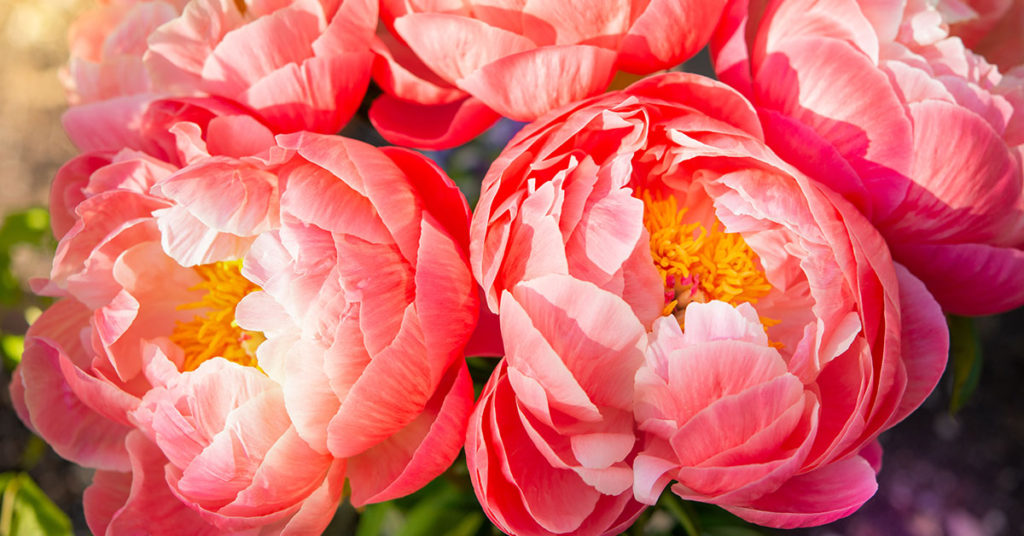
Peonies are celebrated for their lush, full blooms and enchanting fragrance, making them a perennial favorite in many rustic farmhouse gardens. Native to Asia and parts of Europe, these magnificent flowers have graced countless homesteads with their opulent display and timeless appeal. I still get a thrill each spring when the garden fills with the lavish blooms of peonies, reminiscent of vintage country charm and cozy afternoons on the porch! While they are not invasive, peonies do require some space to spread, so careful planning ensures that their stately presence is both the centerpiece and a harmonious part of your overall design.
In addition to their striking beauty, peonies attract a diverse array of beneficial pollinators that contribute significantly to garden health. Their voluminous blossoms serve as a beacon for bees and butterflies, which, in turn, help pollinate other nearby plants and support a balanced ecosystem. Moreover, the dense foliage of peonies often provides a snug retreat for small garden critters during the cooler months, turning your flower bed into a living haven. Their sumptuous blooms and nurturing qualities make peonies an ideal choice for anyone looking to infuse their rustic farmhouse garden with a touch of grandeur and natural abundance!
Hollyhock
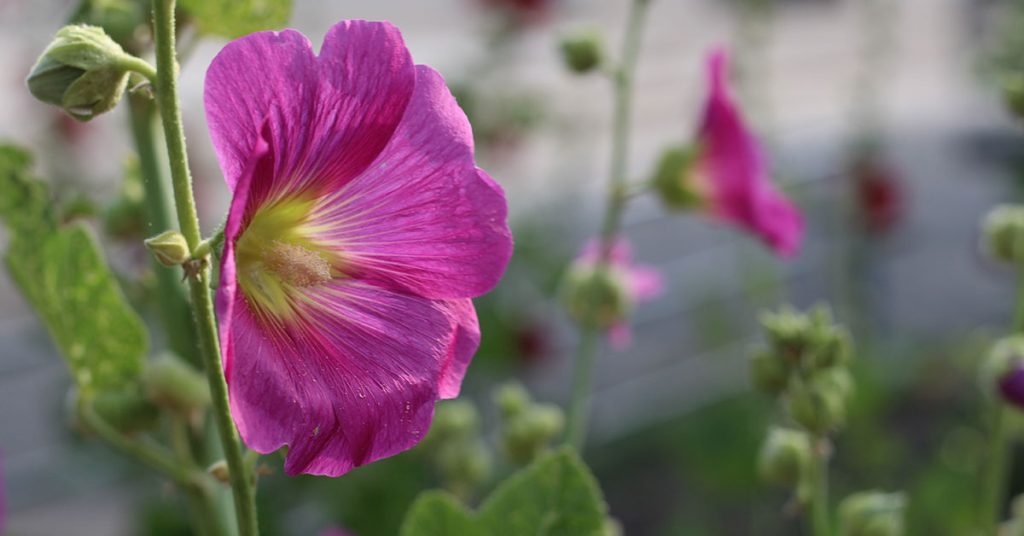
Hollyhocks are a towering testament to rustic elegance that have long been a symbol of the idyllic farmhouse garden. Native to Asia and Europe, these striking annuals (or short-lived perennials) make a bold statement with their tall spikes adorned with a cascade of blossoms in soft, charming hues. I was enchanted by the way Hollyhocks created natural partitions in my garden, their towering presence evoking memories of a bygone era of rural simplicity and hearty living! Although they are admired for their dramatic impact, Hollyhocks can self-seed prolifically in favorable conditions, so it’s important to manage their spread to keep the garden organized and balanced.
What makes Hollyhocks even more captivating is their ability to attract beneficial wildlife. Their towering flower spikes provide an excellent perch for small birds, while their blossoms draw in a host of bees and butterflies that help pollinate the entire garden. Over the years, I’ve seen how these majestic flowers contribute to a dynamic ecosystem, turning every breezy day into a lively, natural celebration. For anyone yearning to recreate a scene straight out of a rustic farmhouse dream, Hollyhocks offer both an impressive visual impact and practical benefits that elevate the entire outdoor experience!
Sunflower
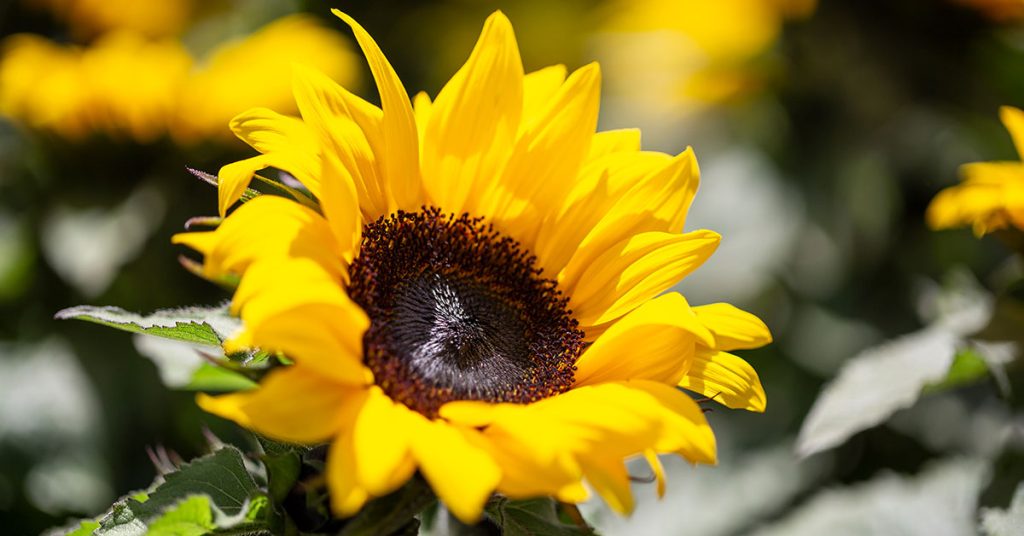
Sunflowers are a vibrant and energetic addition to any rustic farmhouse garden, known for their large, cheerful faces that seem to follow the sun throughout the day. Native to North America, these iconic blooms have long symbolized joy and optimism, and they bring that spirit to every garden they grace. I can still recall the excitement of planting sunflowers on a warm summer morning—their tall, golden stalks quickly transforming my yard into a radiant landscape that felt like a slice of countryside paradise! While they are not typically invasive, sunflowers can overshadow smaller plants if not given adequate space, so thoughtful placement is key.
In addition to their dazzling beauty, sunflowers play a vital role in attracting a wide array of beneficial insects. Their bright, nectar-rich blooms invite bees, butterflies, and even small birds that feast on the seeds, turning each sunflower into a bustling center of natural activity. I’ve often marveled at how these majestic plants can create a mini-ecosystem, supporting both wildlife and a balanced garden environment. With their impressive stature and multifaceted benefits, sunflowers are a must-have for anyone eager to infuse their farmhouse garden with a burst of radiant life and endless charm!
Zinnia
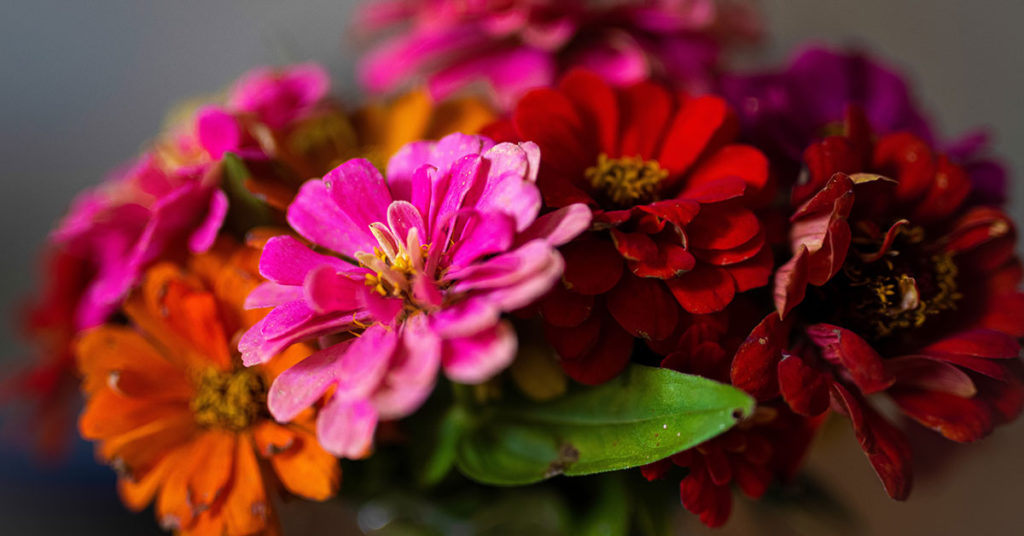
Zinnias add a burst of playful color and effortless style to the rustic farmhouse garden with their diverse palette and dynamic blooms. Native to Mexico, these hardy annuals have become a beloved favorite among gardeners for their ability to thrive in full sun and adapt to a range of soil conditions. I remember the joy of scattering zinnia seeds in my garden and watching a riot of color emerge, each bloom a delightful surprise that brightened even the gloomiest day! Though zinnias are typically well-behaved, they can sometimes self-seed in abundance, so keeping a gentle eye on their spread ensures your garden retains its orderly charm.
These cheerful flowers are also excellent at drawing in beneficial pollinators and creating microhabitats for smaller garden critters. Their vibrant blossoms attract a flurry of bees and butterflies that help sustain a healthy ecosystem, while the compact foliage offers a cozy nook for small insects to find shelter. Over time, I’ve found that zinnias not only bring a dynamic aesthetic to my rustic garden but also support the natural rhythms of the outdoor space. Their bright energy and practical benefits make them an indispensable part of any garden designed to capture the rustic, relaxed spirit of farmhouse living!
Delphinium
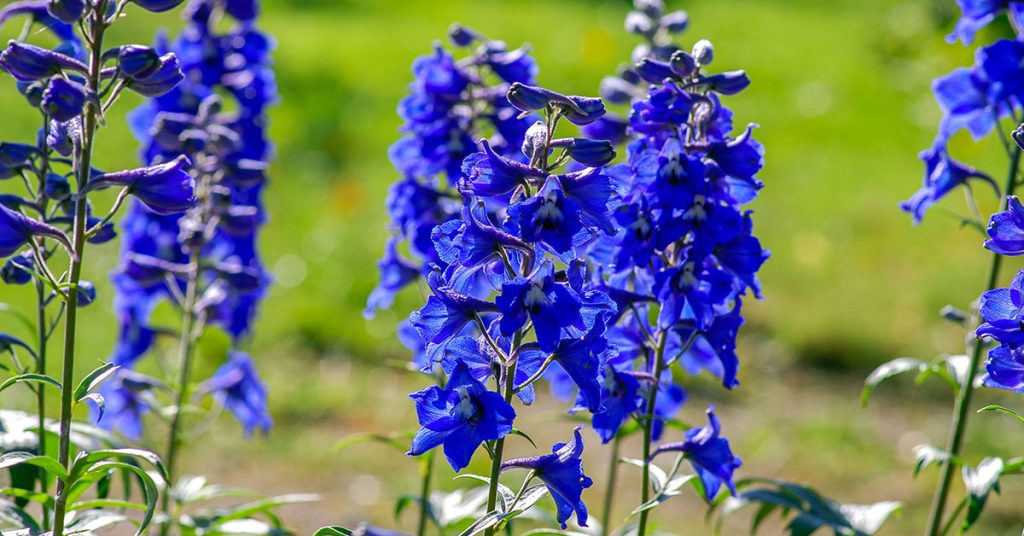
Delphiniums add an air of majestic elegance and vertical drama to a rustic farmhouse garden with their towering spires of vibrant blooms. Native to the cooler mountainous regions of the Northern Hemisphere, these perennials are celebrated for their striking color range and sculptural quality. I was immediately drawn to the way delphiniums can transform a simple garden corner into a scene of grandeur, their lofty spikes reaching skyward as if to greet the open country air! While they are not invasive, delphiniums do require specific soil conditions and regular maintenance to ensure their impressive stature remains both controlled and breathtaking.
Beyond their visual splendor, delphiniums are fantastic at attracting beneficial insects that enhance the garden’s natural balance. Their dense clusters of blossoms serve as a rendezvous point for bees and butterflies, which in turn help with pollination and bolster the garden’s vitality. I’ve observed that the graceful architecture of delphiniums creates an inviting microhabitat for smaller creatures, providing both shelter and a feeding ground. Their dramatic form and ecological contributions make delphiniums a captivating choice for any gardener eager to merge rustic charm with refined elegance in a farmhouse setting!