

There’s something irresistibly enchanting about a garden that captures the breezy, relaxed vibe of the coast—where every bloom seems to dance with the sea breeze and the colors remind you of a warm, sunny day by the shore! As someone who’s spent countless hours transforming even the most modest patch of land into a beachside oasis, I completely understand the frustration of battling harsh winds, sandy soils, or pesky coastal salt. That’s why I’m thrilled to share these 13 coastal flowers, each chosen not only for their beauty and resilience but also for their native charm and unique behaviors, like nest-like clustering that attracts beneficial insects. These blooms bring a little slice of the seaside to your garden and can transform any space into a vibrant, breezy retreat!
I know how disheartening it can be when your garden struggles to thrive under a canopy of clouds or amidst salt spray, but with the right plants, you can create a thriving, low-maintenance haven that feels like a permanent vacation! In this article, I’ll guide you through each coastal flower’s story—from its native origins and distinctive growth habits to whether it might be invasive or perfectly contained. So, roll up your sleeves and join me as we explore these remarkable plants that promise to infuse your garden with the timeless beauty and laid-back charm of the coast!
Sea Thrift (Armeria maritime)
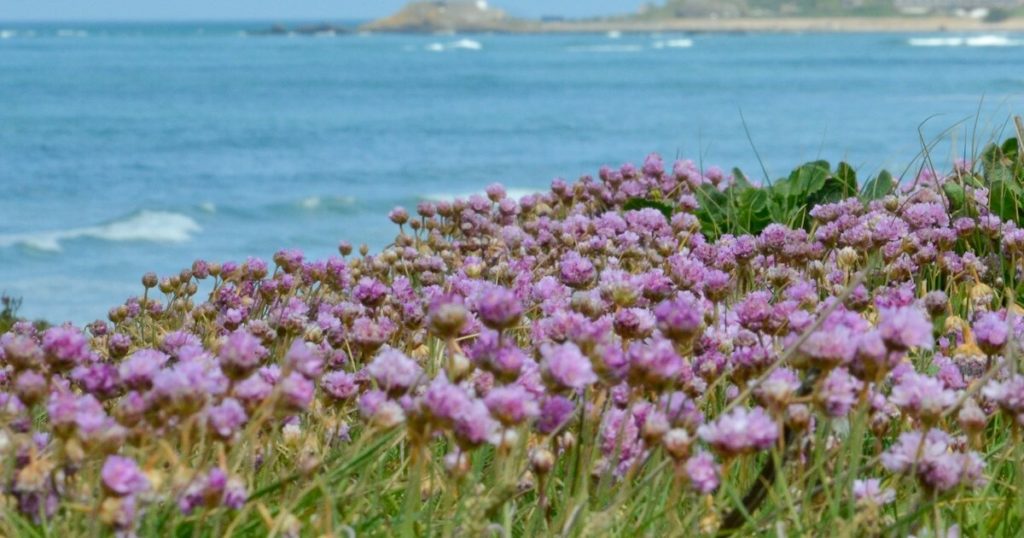
Sea Thrift, or Armeria maritima, is native to the coastal cliffs and sandy shores of Europe and North Africa, making it a true veteran of salty, windswept environments! Its tufted, grass-like foliage forms small, nest-like clumps that provide a soft, cushiony groundcover beneath larger shrubs and trees. I’ve seen Sea Thrift transform even the most barren coastal patches into vibrant splashes of pink and white blooms, attracting bees and butterflies that seem to be drawn to its delicate charm.
In my experience, Sea Thrift is remarkably low-maintenance and highly adaptable, thriving on poor soils and minimal water—perfect for those who want a beachside garden without too much fuss. Although it spreads slowly through clumping, it remains non-invasive and contained, ensuring that it doesn’t overrun your garden. Every time I see a cluster of Sea Thrift swaying in the sea breeze, I’m reminded of nature’s resilience and the way this flower embodies the spirit of the coast!
Sea Lavender (Limonium vulgare)
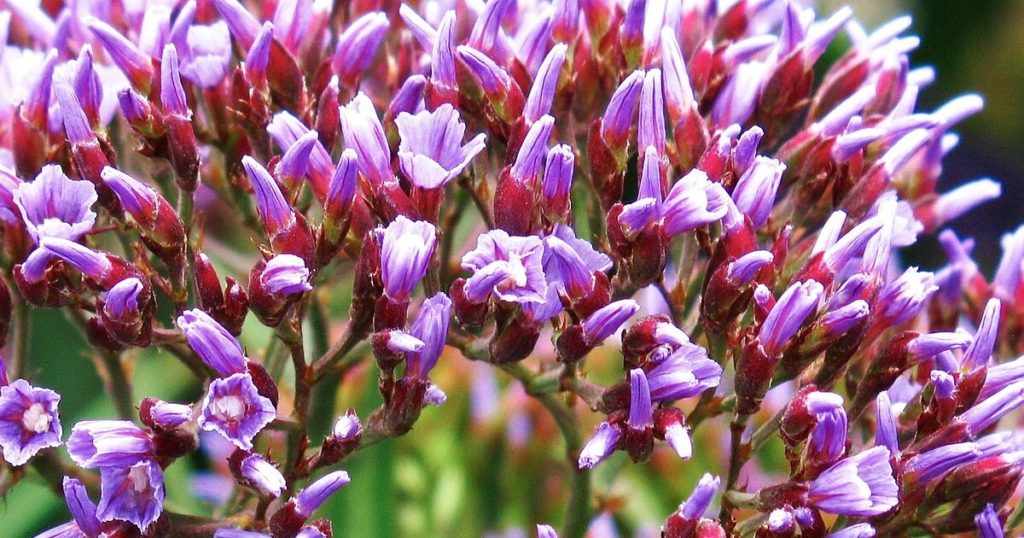
Sea Lavender, a captivating member of the Plumbaginaceae family, is native to the salt marshes and coastal dunes of Europe and the Mediterranean. Its airy, delicate spikes of purple or white blooms form loose, nest-like clusters that not only add a soft, ethereal touch to your garden but also attract pollinators with their sweet fragrance! I find that Sea Lavender’s subtle beauty and effortless charm instantly evoke a beachside ambiance that can brighten any shady or rocky coastal corner.
I’ve learned that Sea Lavender thrives in well-drained, sandy soils and is highly tolerant of salt spray, making it a perfect choice for a seaside garden. Although it occasionally self-seeds under ideal conditions, it is generally non-invasive, ensuring that your garden remains beautifully organized. Every time I catch a whiff of its soothing scent on a breezy day, I’m transported to a serene coastal landscape, where the gentle murmur of the waves blends with the soft rustle of its delicate blooms!
Beach Sunflower (Helianthus debilis)

Beach Sunflower, native to the sandy shores and dunes of the southeastern United States, is a cheerful emblem of coastal resilience. Its sprawling vines and bright, golden blooms create a natural, nest-like display that attracts a host of pollinators—from buzzing bees to fluttering butterflies—adding a vibrant burst of color to any beachside garden! I’ve often marveled at how these sun-loving plants bring an instant smile and a touch of wild, carefree energy to even the most windswept coastal spots.
In my own gardening adventures, Beach Sunflower has proven to be delightfully low-maintenance and adaptable, thriving in poor, sandy soils with minimal water. While it can self-sow and spread modestly, it is generally non-invasive and stays well-contained, making it ideal for gardeners who want beauty without chaos. Every time I see its radiant petals basking in the sunlight, I’m reminded of the boundless energy of the coast and the way nature celebrates life with such exuberance!
Blanket Flower (Gaillardia pulchella)

Blanket Flower, or Gaillardia pulchella, hails from the warm prairies of North America and adapts superbly to the sandy, sun-drenched conditions found along many coastlines. Its vibrant red, orange, and yellow blossoms form dense, nest-like clusters that create a dramatic tapestry of color—an absolute treat for the eyes and a magnet for pollinators! I’ve witnessed Blanket Flower transform drab, windswept areas into vibrant, living canvases that celebrate the joyful spirit of the outdoors.
In my garden, this striking flower is a true survivor, flourishing with minimal care even in poor, rocky soils. Though it can self-seed under optimal conditions, Blanket Flower is non-invasive and stays beautifully contained within its designated area. Every time I harvest its radiant blooms, I’m filled with a sense of accomplishment, knowing that I’ve captured the very essence of the coast in a flower that’s both bold and breathtaking!
Sea Holly (Eryngium maritimum)
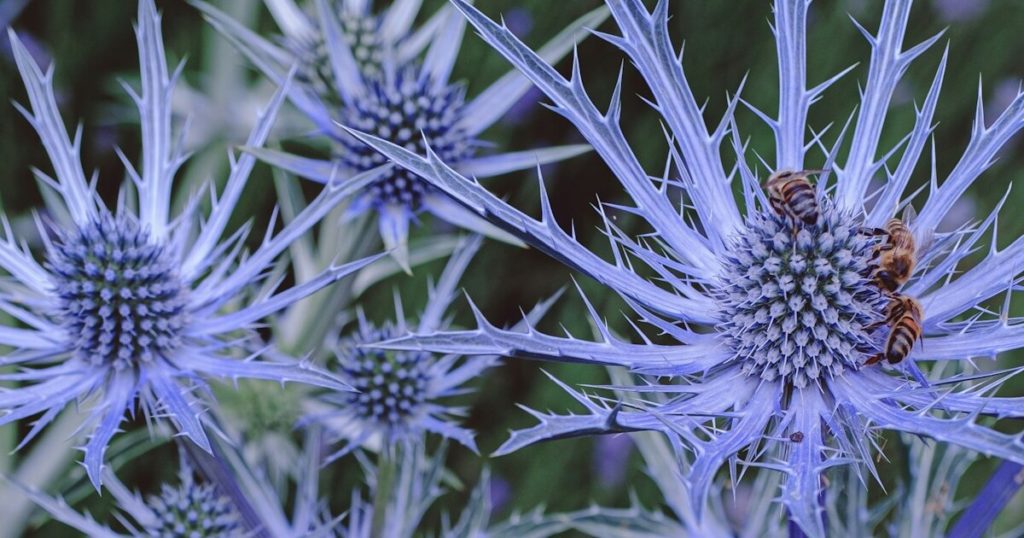
Sea Holly, native to the sandy shores of the Atlantic coast of Europe, is a striking coastal flower that brings an air of sophistication to any garden. Its spiky, blue-gray thistle-like blooms and silvery foliage form intricate, nest-like structures that provide a habitat for pollinators and add a touch of rugged elegance to coastal landscapes! I’ve always been fascinated by how Sea Holly withstands harsh winds and salt spray while maintaining its dramatic, sculptural beauty.
This remarkable plant thrives in well-drained, sandy soils and requires minimal maintenance, making it perfect for gardeners seeking a hardy yet attractive addition to their beachside gardens. While Sea Holly can occasionally spread through self-seeding, it is generally non-invasive and stays well-behaved. Every time I see its striking form silhouetted against a clear blue sky, I’m reminded of the timeless allure of the coast and the enduring strength of nature’s design!
Portulaca (Moss Rose)

Portulaca, or Moss Rose, is native to the arid regions of South America and has become a coastal favorite for its remarkable drought tolerance and radiant, colorful blooms. Its succulent, trailing stems form natural, nest-like mats that provide a soft carpet of vivid colors on hot, sandy soils—perfect for a beachside garden that needs a splash of life! I’ve found Portulaca to be wonderfully resilient, thriving in full sun and salty breezes without demanding much water or care.
In my own experience, this low-maintenance wonder not only adds a burst of energy to coastal landscapes but also attracts bees and butterflies with its vibrant blossoms. Although Portulaca can self-sow under favorable conditions, it remains non-invasive and perfectly suited for container gardening or rock gardens along the shore. Each time I see its dazzling display, I’m filled with excitement and gratitude for a plant that effortlessly captures the vibrant spirit of the beach!
Dune Primrose (Oenothera drummondii)
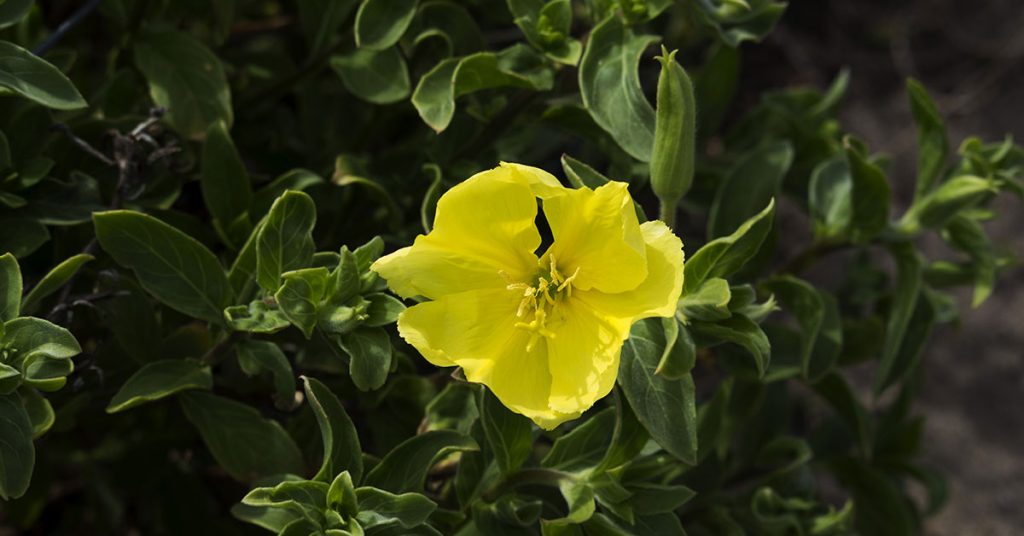
Dune Primrose, native to the coastal dunes of the southeastern United States, is a charming and resilient flower that brings a touch of wild elegance to any beachside garden. Its soft, pale yellow blossoms appear in delicate, nest-like clusters, creating a natural carpet that not only brightens up the dunes but also attracts a host of pollinators such as bees and butterflies! I’ve always been captivated by its gentle beauty and the way it seems to effortlessly adapt to the shifting sands and salty breezes of the coast.
In my garden, Dune Primrose has proven to be an absolute gem—thriving in sandy, well-drained soils with little more than a bit of natural moisture. Though it may self-sow modestly under ideal conditions, it remains non-invasive and easy to manage, ensuring that your beachside landscape stays neat and inviting. Every time I watch these primroses unfurl their delicate petals, I’m reminded of nature’s subtle artistry and the serene beauty of coastal life!
Verbena (Verbena bonariensis)
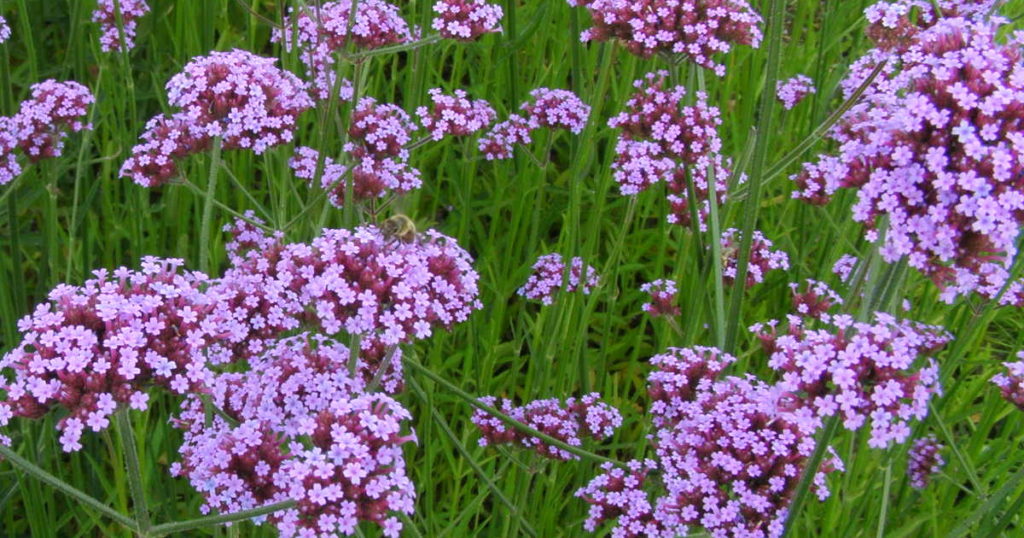
Verbena, native to South America, is a versatile coastal flower that has become a staple in gardens for its abundant, airy clusters of purple blooms. Its slender, graceful stems create natural, nest-like arrangements that not only catch the eye but also invite a flurry of butterflies and bees into your garden—an absolute delight for any nature lover! I’m always thrilled by how Verbena seems to dance in the breeze, adding a touch of whimsy and charm to any beachside setting.
This resilient flower thrives in well-drained soils and full sun, making it perfect for coastal gardens where the conditions can be harsh. While Verbena may self-sow under optimal conditions, it is generally non-invasive and easy to control with a little regular maintenance. Every time I witness its ethereal blooms swaying against a backdrop of blue skies and crashing waves, I’m filled with joy and a renewed appreciation for nature’s boundless creativity!
Plumbago (Plumbago auriculata)

Plumbago, commonly known as Cape Plumbago, is native to the warm, subtropical regions of South Africa and has become a beloved coastal flower for its profuse clusters of pale blue blooms. Its sprawling habit forms natural, nest-like groundcover that not only softens hard garden edges but also provides a gentle allure against the rugged backdrop of coastal landscapes! I’ve seen Plumbago effortlessly transform a plain patch of soil into a vibrant, living tapestry that exudes relaxed, seaside charm.
In my own coastal garden, Plumbago has been a joy to cultivate—thriving in sandy, well-drained soils with minimal water and care. Although it can occasionally spread through self-sowing, it remains non-invasive and easy to manage, making it an ideal choice for gardeners who want beauty without the hassle. Every time I stroll by a cluster of its delicate blue flowers, I’m reminded of the gentle ocean waves and the tranquil spirit of the coast that this plant so perfectly embodies!
Gaura (Gaura lindheimeri)

Gaura, known as Bee Blossom, is native to the prairies of North America and adapts beautifully to coastal gardens with its airy, delicate blooms and graceful, swaying stems. Its light, almost translucent flowers form natural, nest-like clusters that not only capture the imagination but also attract an array of pollinators, adding both beauty and ecological balance to your garden! I’m always delighted by Gaura’s ability to float effortlessly in the breeze, evoking the carefree spirit of a beachside retreat.
This resilient perennial thrives in well-drained soils and full sun, making it an excellent choice for coastal landscapes where the conditions are tough but the rewards are plentiful. While Gaura can self-seed under favorable conditions, it typically remains non-invasive, ensuring that your garden maintains a tidy, deliberate look. Every time I see Gaura’s delicate blossoms dancing in the wind, I’m reminded of the effortless beauty of nature and the unique way coastal flowers can brighten even the most challenging environments!
Lantana (Lantana camera)

Lantana camara, native to tropical regions of the Americas, is celebrated for its vibrant, multicolored clusters of small flowers that bring an energetic splash of color to coastal gardens. Its sprawling habit often forms natural, nest-like mats that attract a myriad of butterflies and hummingbirds, making it a magnet for wildlife in your outdoor space! I’ve found that Lantana’s exuberant blooms and vigorous growth make it a standout choice for those who want a lively, dynamic garden that captures the essence of a sun-soaked beach.
It’s important to note that while Lantana is wonderfully vibrant, it can be invasive in some regions, so careful management and occasional pruning are essential to keep it in check. In my experience, when grown in containers or managed beds, Lantana remains a controlled and delightful addition to the landscape. Every time I see its brilliant blossoms light up a corner of my garden, I feel a surge of excitement—knowing that I’ve captured a piece of tropical paradise that dances with the coastal breeze!
Salvia (Salvia coccinea)
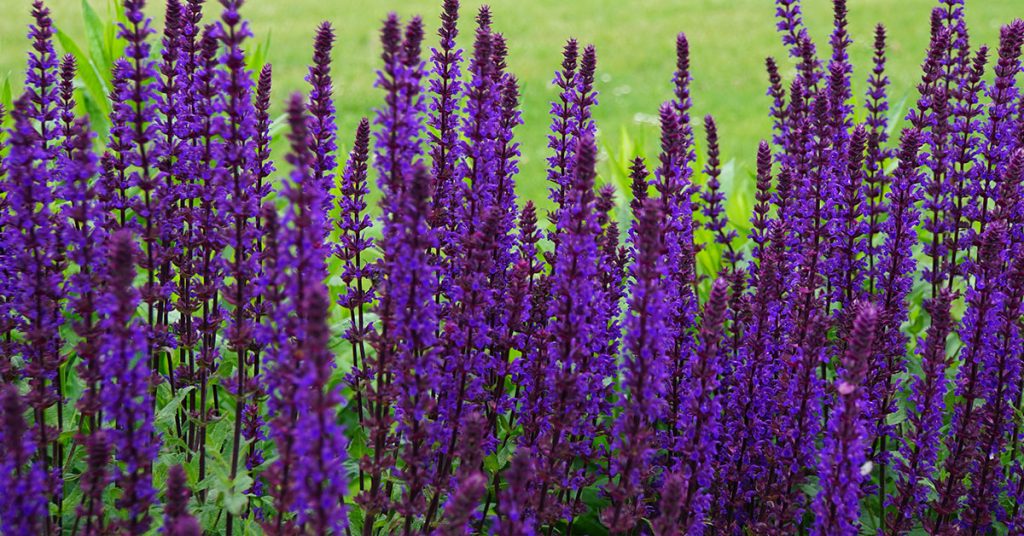
Salvia coccinea, also known as Tropical Sage, is native to the warmer regions of the Americas and thrives in the heat and humidity typical of coastal gardens. Its striking red to deep burgundy flower spikes form elegant, nest-like clusters that draw in hummingbirds and butterflies, creating a living mosaic of color and movement! I’ve always been impressed by Salvia’s ability to withstand the salt spray and sandy conditions of the coast while continuing to deliver an abundance of vibrant, long-lasting blooms.
This hardy perennial is easy to care for, flourishing in well-drained soils and full sun with minimal maintenance—a true blessing for busy gardeners! Though it can self-sow occasionally, Salvia generally remains non-invasive and contained, making it ideal for adding a touch of bold color without overwhelming your space. Every time I witness its brilliant display, I’m reminded of the passion and resilience of coastal life and the magical way nature brings beauty to even the harshest environments!
Coral Honeysuckle (Lonicera sempervirens)
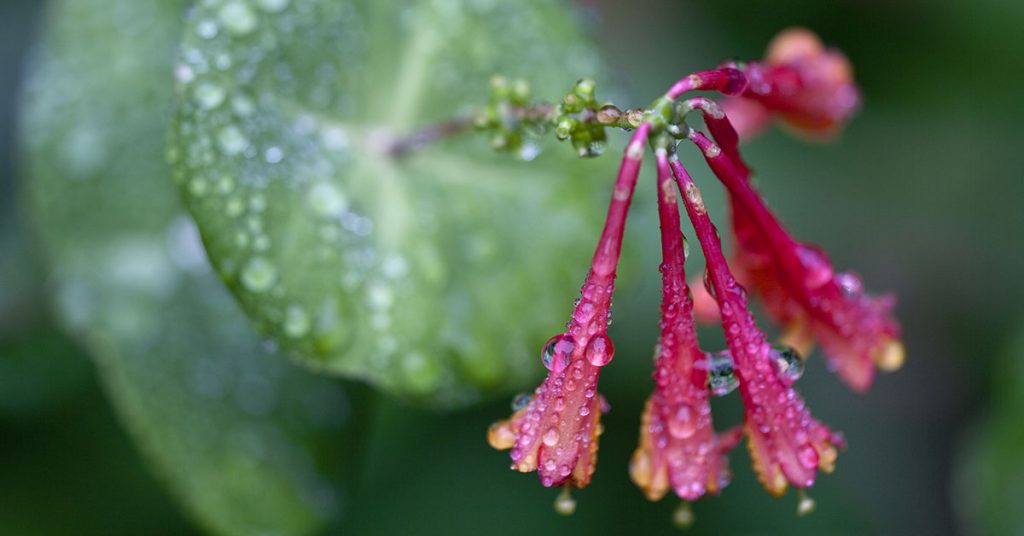
Coral Honeysuckle, native to the southeastern United States, is a stunning vine that brings a soft, romantic vibe to any coastal garden. Its tubular, coral-red blossoms form charming, nest-like clusters along slender, arching stems that naturally attract hummingbirds and butterflies, filling your garden with both beauty and life! I’ve seen this delightful plant transform plain walls and fences into living canvases of vibrant color, perfectly complementing the relaxed atmosphere of a beachside retreat.
In my own garden, Coral Honeysuckle is prized for its low-maintenance nature and its ability to thrive in partial shade—often found growing gracefully near the base of trees or along trellises. It is generally non-invasive when managed with regular pruning, ensuring that its vigorous growth remains a joy rather than a nuisance. Every time I watch its blossoms unfurl in the soft coastal light, I feel a deep connection to the natural world—a reminder that even in a busy life, there’s always time to enjoy a moment of natural beauty!