
Gardening in a small space might seem challenging at first, but I’ve discovered that even the tiniest patch of soil can burst with life when you choose the right vegetables! As someone who has juggled balcony gardens and window boxes, I know how frustrating it can be when pests overrun your plants or when your limited space feels like a constant struggle. That’s why I’m thrilled to share 11 compact vegetables that are perfect for small spaces—each one offering a unique charm and a story rooted in its native lands. These plants are not only practical for urban gardeners but also have fascinating behaviors, such as forming natural, nest-like clusters that attract beneficial insects!
I understand the challenges of maintaining a flourishing garden in tight quarters, and it’s such a relief to find vegetables that don’t demand sprawling acres to thrive! Whether you’re battling a lack of space, unpredictable weather, or simply the daily rush of life, these compact vegetables are designed to yield bountiful harvests without overwhelming your setup. Let’s dive in and explore these little powerhouses that bring both beauty and bounty to even the smallest gardens, proving that great things really do come in small packages!
Radishes

Radishes, with their crisp, peppery bite, are native to regions of Europe and Asia and are renowned for their quick growth and compact roots. I’ve always been delighted by how these little bulbs seem to nestle into the soil like tiny treasures waiting to be unearthed—each one a miniature capsule of flavor! Their fast maturation means you can enjoy a harvest in just a few weeks, making them perfect for gardeners with limited space and time.
In my own garden, radishes have been a dependable crop that not only adds a burst of spice to salads but also attracts curious earthworms and beneficial insects to help keep the soil lively. Despite their modest size, they rarely become invasive and are ideal for container gardening, allowing you to cultivate a vibrant patch of produce even on a windowsill. Every time I pull a radish from the earth, I’m reminded of nature’s ability to pack a punch in a very small package!
Lettuce
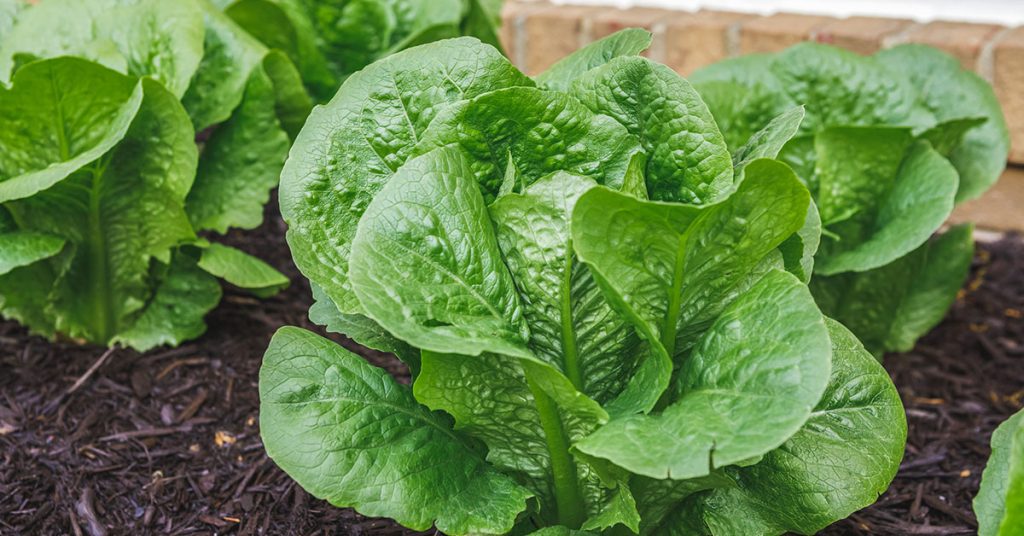
Lettuce is a classic compact vegetable that originated from the Mediterranean region and is celebrated for its tender leaves and mild flavor. Its rosette formation creates a natural, nest-like display that not only looks attractive but also helps conserve moisture around the roots—something I’ve found essential for small-space gardening! I love watching the varied shades of green (and sometimes red) unfold as each head of lettuce matures, bringing a touch of elegance to my urban garden.
In my experience, lettuce thrives with minimal maintenance and offers multiple harvests, making it a favorite for those looking to maximize yield in limited space. Although it can occasionally self-seed in optimal conditions, lettuce is generally well-behaved and remains non-invasive when grown in containers. Each crisp, refreshing bite is a reminder that even the smallest gardens can provide abundant, nutrient-packed greens with just a little care!
Spinach
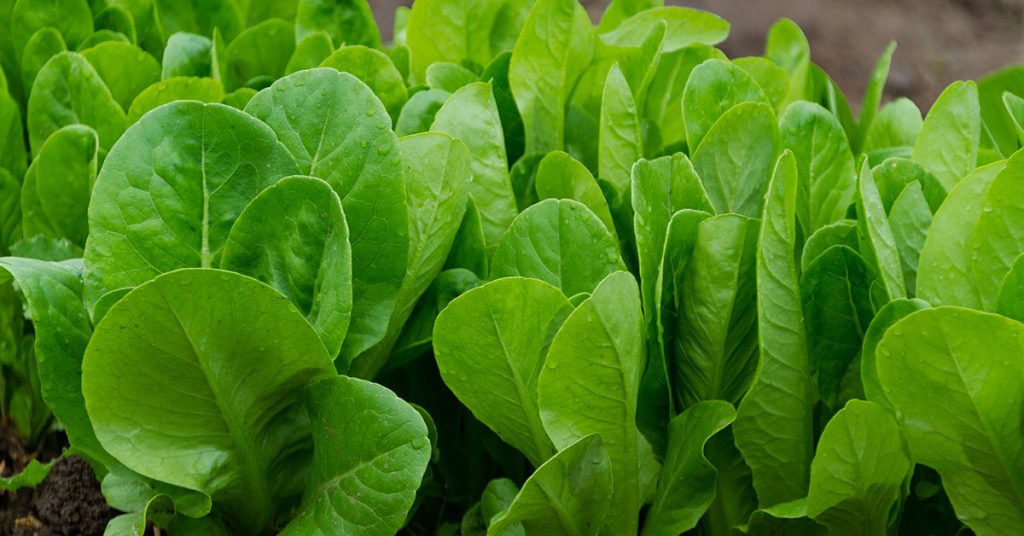
Spinach, native to regions of central and southwestern Asia, is a nutrient-dense vegetable that’s perfect for tight spaces. Its compact, spoon-shaped leaves tend to form neat clusters, almost as if they’re creating a tiny nest to capture moisture and nutrients from the soil. I’ve found that spinach not only fits beautifully into small raised beds but also grows quickly, making it a delight for those eager for fast, healthy harvests!
What excites me most about spinach is its versatility in the kitchen—whether tossed into salads, blended into smoothies, or sautéed as a side dish. Despite its rapid growth, spinach remains well-contained and non-invasive, even when self-sowing under optimal conditions. Watching its delicate leaves unfurl each morning fills me with the satisfaction that comes from nurturing a vegetable that offers both flavor and a bit of old-world charm in any compact garden!
Bush Beans
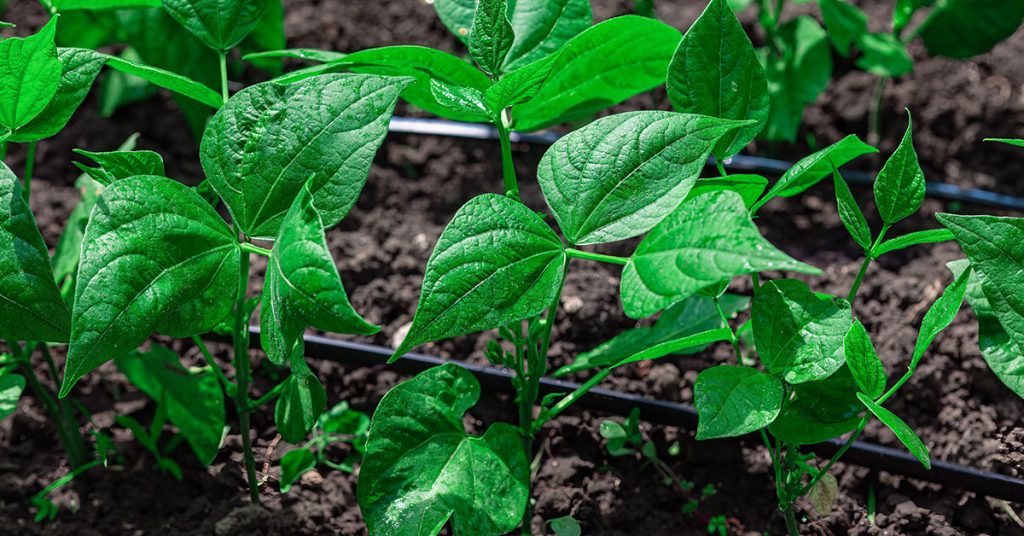
Bush beans, native to the Americas, are an excellent choice for gardeners with limited space due to their compact, self-supporting growth habit. These plants develop dense, bush-like formations that often resemble small, intricate nests, inviting a host of beneficial insects while producing a generous crop of crisp, edible pods! I’ve always appreciated how bush beans require less vertical space than their pole-growing counterparts, making them ideal for container gardens and small plots alike.
In my garden, bush beans have been a reliable source of protein and flavor, thriving even when conditions aren’t perfect. They seldom become invasive and can be easily managed within confined spaces, providing a delightful burst of greenery and productivity. Every time I harvest a handful of bush beans, I’m reminded of the beauty of nature’s compact designs—proof that you don’t need acres to reap a delicious, homegrown bounty!
Dwarf Cherry Tomatoes
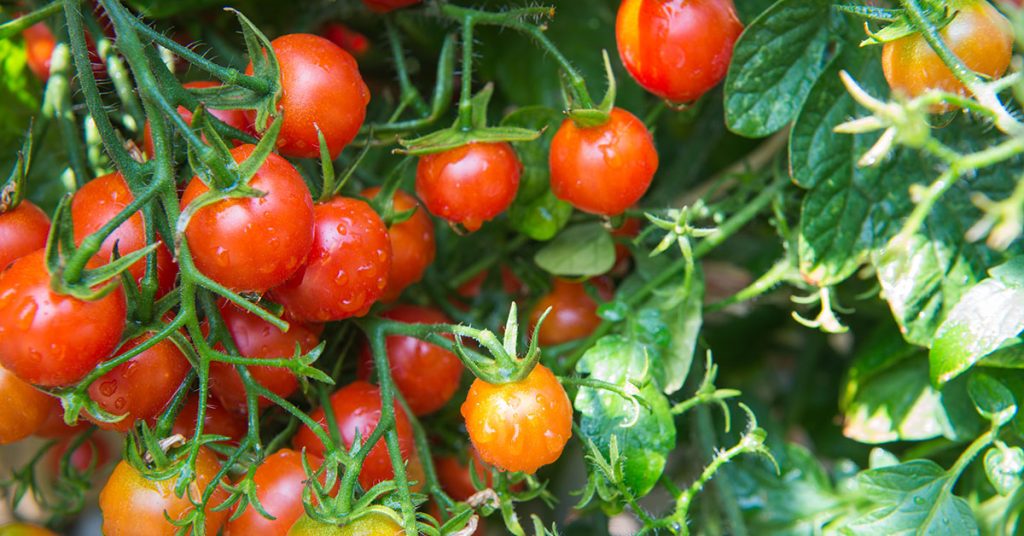
Dwarf cherry tomatoes, originally bred from wild varieties native to South America, are a compact delight for any small-space garden. Their petite vines produce clusters of bright, juicy fruits that dangle like little nests, attracting pollinators and adding a splash of color to your patio or balcony! I find these mini marvels to be an absolute joy to cultivate, as they deliver a continuous supply of sweet tomatoes without needing a sprawling garden bed.
These tomatoes are engineered for space efficiency yet maintain the robust flavor and natural vigor of their larger relatives. While they might occasionally self-sow in a well-tended container, they remain non-invasive and perfectly suited for urban environments. Each bite of a cherry tomato bursts with the taste of summer, serving as a delicious reminder that great flavor and high yield can come from even the tiniest of spaces!
Miniature Peppers
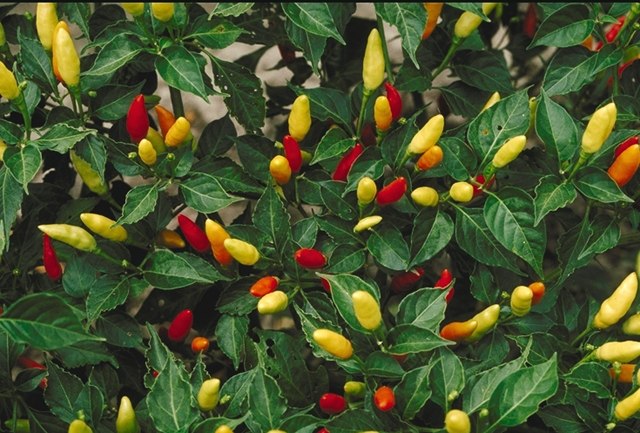
Miniature peppers, native to Central and South America, are a vibrant addition to any compact garden with their small, colorful fruits and bushy growth habits. Their fruits often cluster in tight groups, resembling natural nests that attract curious pollinators and add a festive charm to any container or window box! I’ve seen these peppers brighten up even the smallest balcony with their lively hues and zesty flavor, making them a favorite for urban gardeners like me.
What I find truly remarkable about miniature peppers is their versatility—they work wonderfully in salads, salsas, and as a crunchy snack straight from the plant! Their compact size means they require minimal space, and despite their prolific fruiting, they rarely become invasive. Each time I harvest a few mini peppers, I’m reminded of their native heritage and the way they bring both culinary zest and a burst of garden joy to a limited space!
Baby Carrots
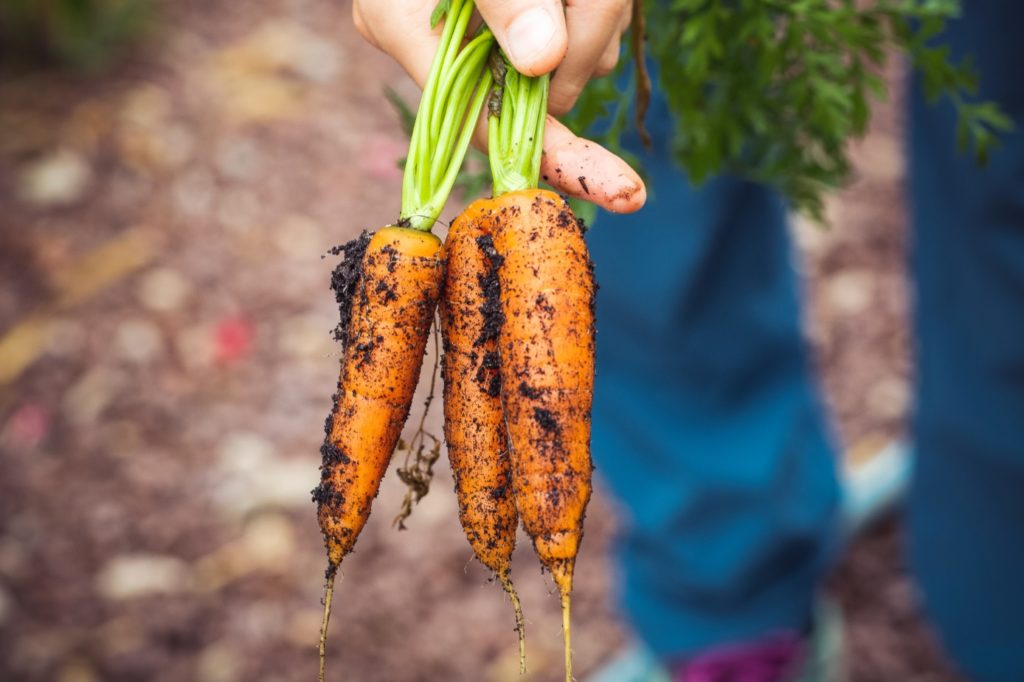
Baby carrots are a fun, compact vegetable option that hails from regions of Central Asia, known for their tender texture and sweet flavor. Their diminutive size makes them perfect for container gardens, where their roots can develop neatly, almost like tiny, organized nests within the soil. I love watching these small wonders grow quickly, offering an early and satisfying crop even in the coziest of spaces!
In my small garden, baby carrots have been a revelation—thriving in shallow pots and window boxes alike while maintaining their delightful crunch and flavor. Although they occasionally self-seed under optimal conditions, they are generally non-invasive and easy to manage. Every time I pull a handful of baby carrots, I’m filled with the joy of knowing that even the tiniest root can make a big impact on your culinary adventures!
Beets

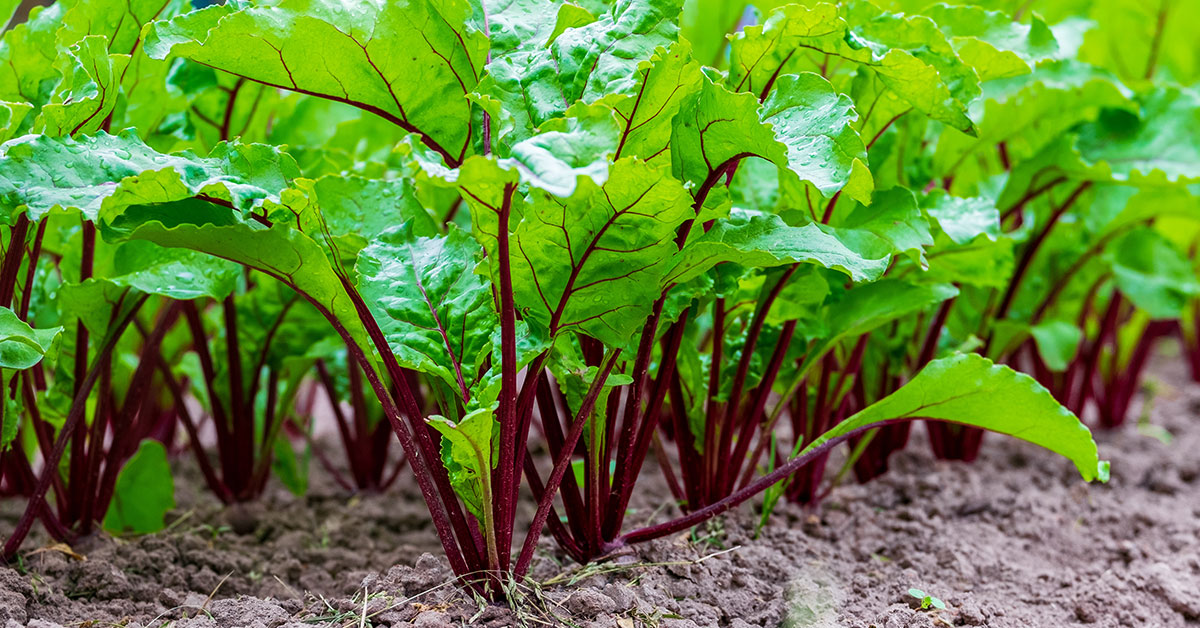
Beets, with their vibrant roots and leafy greens, are native to the Mediterranean region and can be perfectly adapted to small-space gardening. Their rounded, colorful roots develop in a compact, nest-like formation that’s ideal for container growing, while the foliage adds a touch of natural artistry to your garden! I’ve always been impressed by how beets can transform a small garden into a splash of deep reds and purples, offering both visual appeal and nutritious benefits.
In my experience, growing beets in confined spaces doesn’t hinder their productivity—in fact, they often yield an impressive crop even in limited soil. Their natural behavior of forming tight, organized root clusters means they’re less likely to overcrowd a small garden area, and they remain non-invasive when managed properly. Each beet I harvest is a reminder that even in a small garden, nature can deliver a hearty, delicious treasure trove of flavor and color!
Dwarf Kale
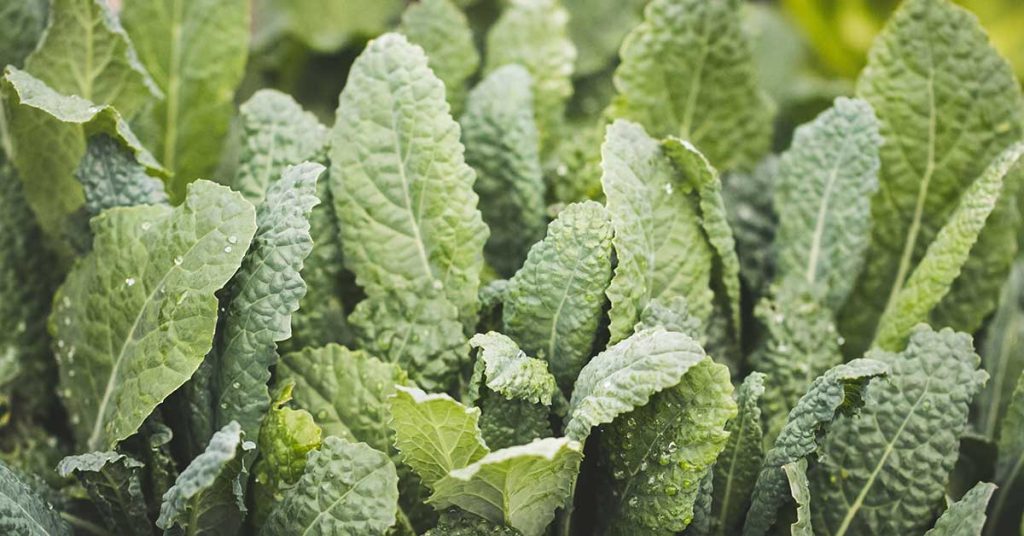
Dwarf kale, a compact variety of the traditional leafy green, originates from Europe and is celebrated for its rich nutrient profile and resilience in confined spaces. Its small, ruffled leaves form natural, tidy clumps that look almost like miniature nests, attracting beneficial insects while adding a burst of texture and color to your container garden! I’m always excited by how dwarf kale manages to pack a nutritional punch without sprawling out, making it a perfect choice for urban gardeners with limited space.
Despite its reduced size, dwarf kale is just as robust and flavorful as its larger counterparts. Its compact growth habit means it can be grown in pots or small garden beds without the risk of overtaking your entire balcony. Each harvest of kale fills me with satisfaction—not only because it cuts down on my grocery bills, but also because it proves that good things really do come in small, green packages!
Swiss Chard
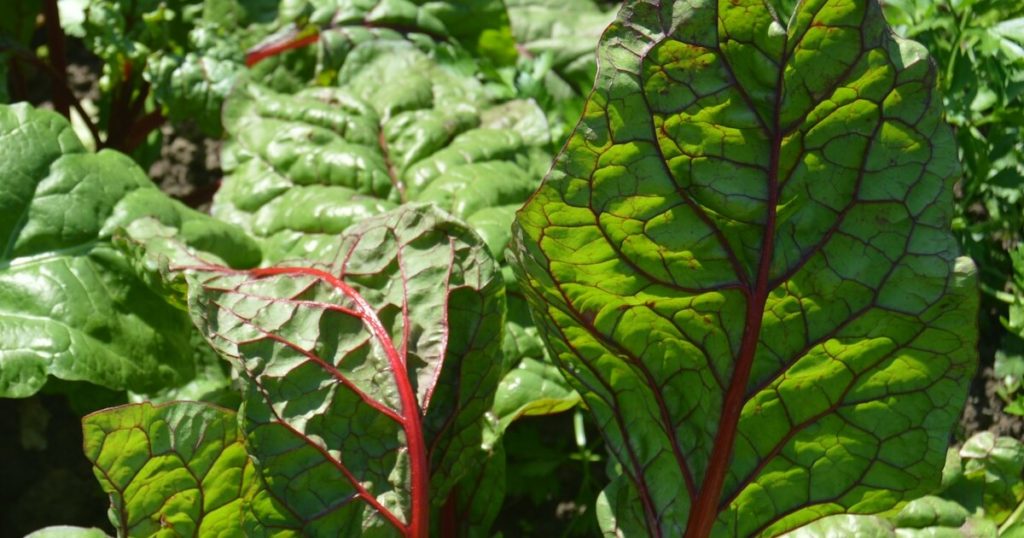
Swiss chard, native to the Mediterranean region, is a compact yet striking vegetable known for its colorful stems and dark, leafy greens. Its leaves form a natural, rosette-like structure that almost seems to nestle into the soil, creating a mini oasis of vibrant color perfect for small-space gardening! I’ve found that Swiss chard is incredibly versatile, thriving in containers and window boxes while providing a continual supply of nutritious leaves throughout the growing season.
What I love most about Swiss chard is its resilience—this vegetable can handle a bit of neglect and still reward you with a bountiful harvest. Though it sometimes self-sows in optimal conditions, it generally remains well-behaved and non-invasive in confined spaces. Every time I harvest a handful of chard, I’m reminded that even in a small garden, nature’s palette can offer a dazzling display of flavor, texture, and color that elevates every meal!
o3-mini