
Transforming a small garden or balcony into a bountiful, continuously harvesting oasis is one of the most rewarding experiences for any gardener! I know how discouraging it can be when you feel squeezed for space and worry that your efforts will yield only one small harvest before the plants wither. That’s why I’ve embraced the art of cut-and-come-again crops—plants that let you snip off the tender leaves, herbs, or greens while they keep growing back, offering a fresh supply time and again. These crops are not only space savers but also champions of sustainability, allowing you to enjoy a seasonal bounty with minimal waste.
In my own gardening journey, I’ve learned that small spaces need dynamic, resilient plants that thrive under attentive care and proper placement. Whether you’re dealing with a sunny balcony or a modest backyard, these 13 crops are proven to withstand tight quarters while rewarding you with continual harvests. They attract beneficial insects, create cozy microhabitats for tiny critters, and, in many cases, come with fascinating native backgrounds that add extra charm to your garden. I’m excited to share my favorites and practical tips on nurturing these cut-and-come-again wonders!
Basil
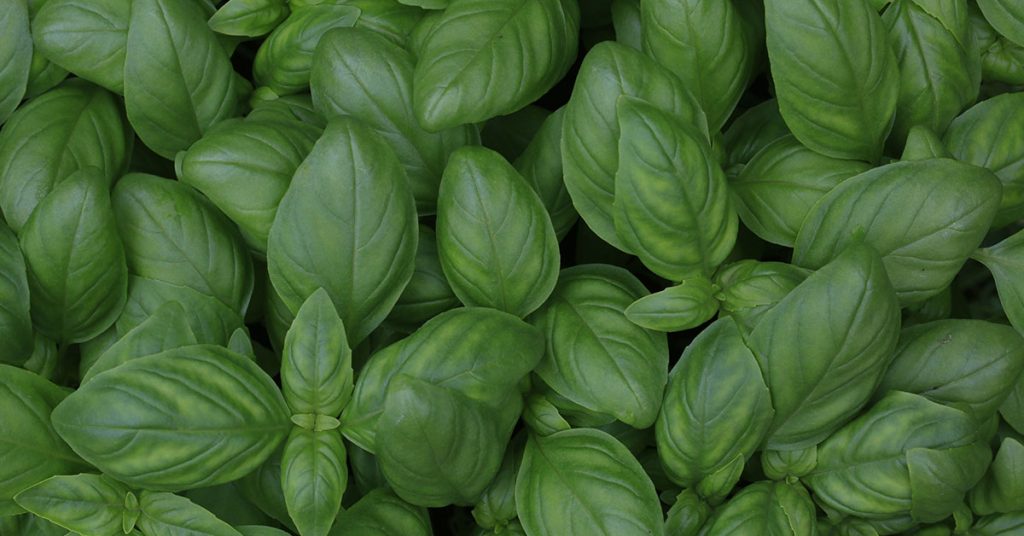
Basil is a delightful herb that not only infuses your dishes with aromatic flavor but also proves to be a cut-and-come-again marvel for small spaces! Native to tropical regions of Central Africa and Southeast Asia, basil thrives in warm, sunny conditions and quickly becomes a staple in many herb gardens. I’ve found that regularly harvesting its tender leaves encourages bushier growth, meaning your basil plant keeps on giving throughout the growing season. Its bright green foliage and pungent scent attract pollinators and even create little niches where beneficial insects might “nest,” adding natural pest control benefits.
In my experience, basil is one of those plants that effortlessly elevates the mood of any garden—especially when space is at a premium. With minimal maintenance and a rapid regrowth rate, it’s perfect for container gardening and small plots alike. I always ensure my basil gets plenty of sunlight and fresh water, and I love the burst of flavor it lends to every meal. Its non-invasive nature makes it an ideal companion for vegetables, and its continual harvest ensures you’re never short of fresh, fragrant leaves!
Arugula
Arugula is a peppery, leafy green that thrives in full sun and can be harvested repeatedly for a zesty addition to salads and sandwiches! Originally native to the Mediterranean region, arugula is known for its fast growth and cut-and-come-again nature. In my small-space garden, I plant arugula in raised beds where its spiky leaves catch the eye and attract an array of pollinators that occasionally “nest” among its delicate foliage. Its ease of growth and non-invasive behavior make it an excellent option for gardeners with limited space.
I enjoy the way arugula continually surprises me with new, crisp leaves that enhance both flavor and visual appeal in my dishes. Each harvest feels like a mini celebration of nature’s bounty, as the plant quickly regenerates and provides fresh greens with every cut. Arugula’s robust, spicy flavor not only perks up your plate but also contributes to a healthy ecosystem by inviting beneficial insects. For anyone looking to maximize yield in a compact garden, arugula is a must-have crop that blends practicality with a punch of flavor!
Lettuce
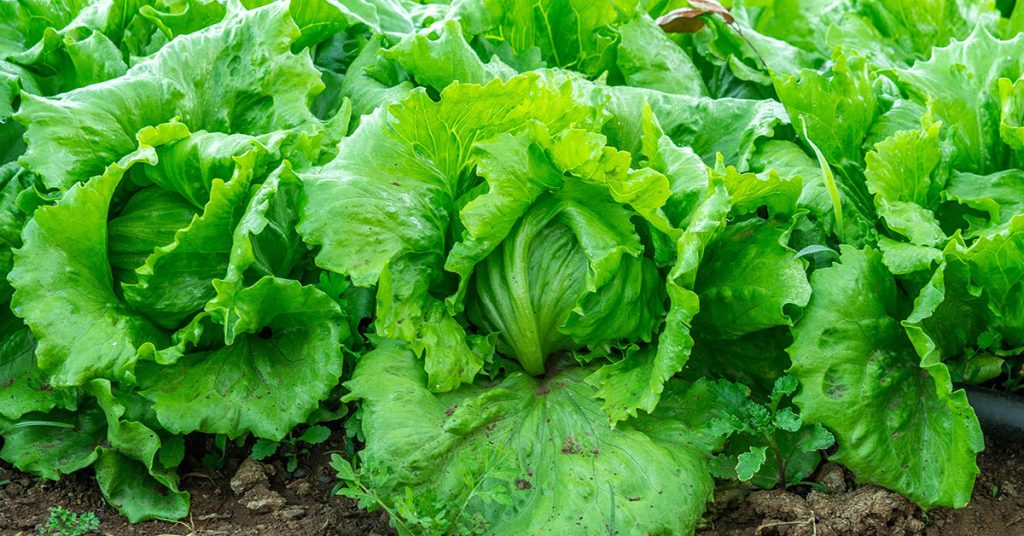
Lettuce is a classic cut-and-come-again crop that brings a refreshing crunch and delicate flavor to your table while flourishing in small spaces! Native to the Mediterranean and widely cultivated around the world, lettuce is prized for its rapid regrowth after harvesting. In my garden, I plant different varieties—ranging from crisp romaine to tender butterhead—knowing that each cut will stimulate new leaf production. Its light, airy texture and subtle taste attract beneficial insects that can help keep pests at bay, turning every harvest into a harmonious event.
What I love most about lettuce is how it transforms an ordinary patch into a living salad bowl that keeps on giving! With consistent care and partial shade during the hottest part of the day, lettuce remains resilient and continuously productive. Its non-invasive growth habit ensures that even in tight spaces, you can intersperse lettuce with other crops without worry. Every time I snip off a handful of fresh leaves, I’m reminded that nature’s abundance is right at my fingertips—even when space is limited!
Mint
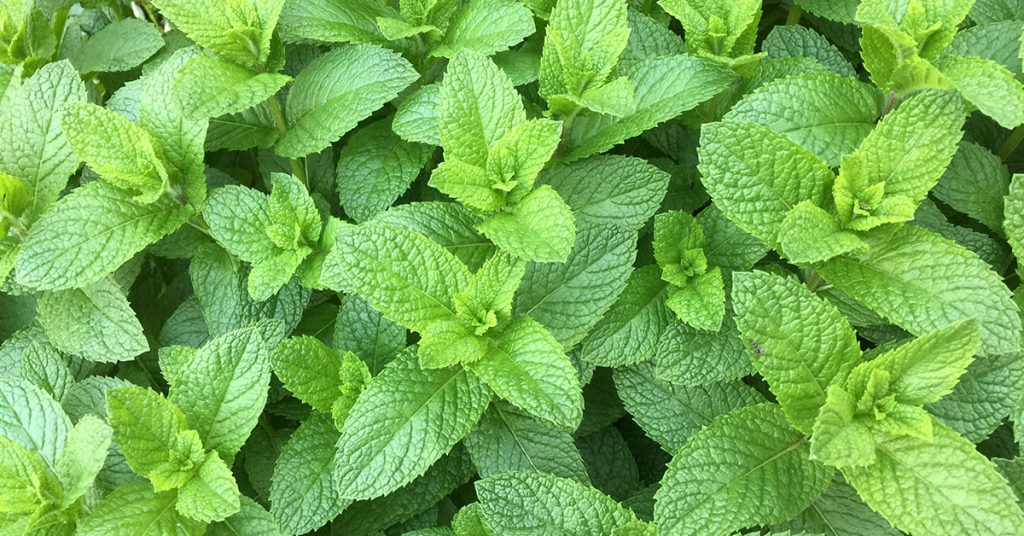
Mint is a refreshingly vigorous herb that performs exceptionally well in small spaces due to its cut-and-come-again ability! Native to Europe and Asia, mint has become a garden favorite for its aromatic leaves and culinary versatility. In my container garden, I manage mint’s rapid growth by harvesting it regularly, which not only prevents it from overwhelming the space but also stimulates lush new growth. Although mint can be invasive if left unchecked, growing it in a container keeps it contained while still attracting beneficial insects that “nest” in its dense foliage.
I always find mint’s vigorous nature to be both a blessing and a fun challenge—it’s like having a little green powerhouse that refreshes itself with every cut! Its cooling, invigorating scent draws in pollinators and even deters some pests, making it an all-around win for a compact garden. Mint’s ability to regrow quickly means that you’ll have a continuous supply for teas, salads, and sauces, even in a small space. With proper care and container management, mint remains a delightful, non-invasive herb that perfectly complements any cut-and-come-again garden!
Chives
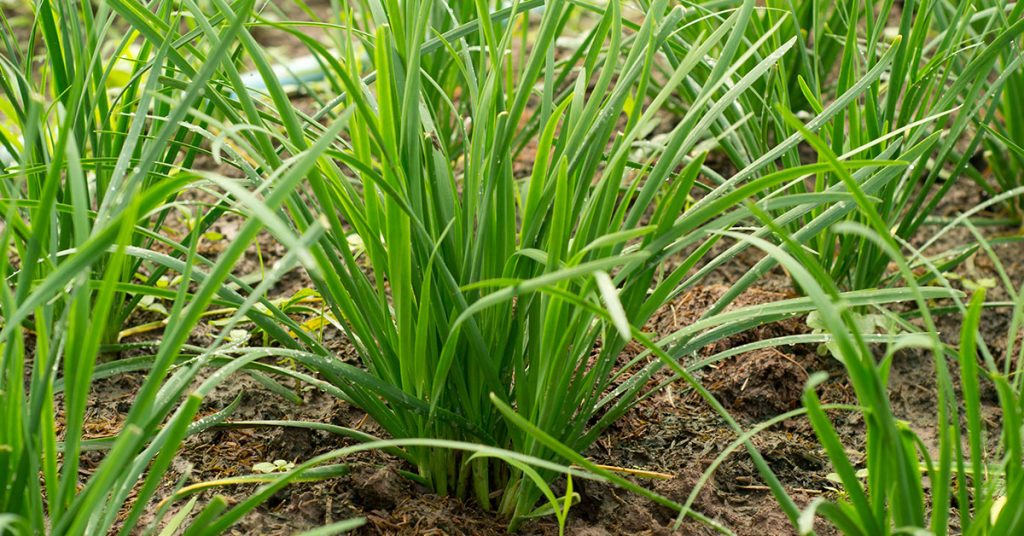
Chives are a delicate yet dependable herb that adds both flavor and visual appeal to your small-space garden while offering multiple harvests over time! Native to Europe, Asia, and North America, chives are celebrated for their slender, grassy leaves and mild onion-like taste that enhances a variety of dishes. In my own garden, I trim chives regularly to encourage new growth, ensuring that their vibrant green clumps remain lush and productive. Their non-invasive nature means that they coexist effortlessly with other crops, and their flowering tops attract bees and butterflies that often “nest” in the fine clusters.
I’m always impressed by how chives maintain their charm season after season, providing a continuous source of fresh, aromatic greens with every cut. Their low-growing habit makes them ideal for container gardens or as a border along larger vegetable patches, where they add texture and a burst of flavor. With minimal care and a quick regrowth rate, chives prove that small plants can make a big impact on both your culinary creations and garden aesthetics. For anyone seeking an elegant, space-saving herb, chives are an absolute delight!
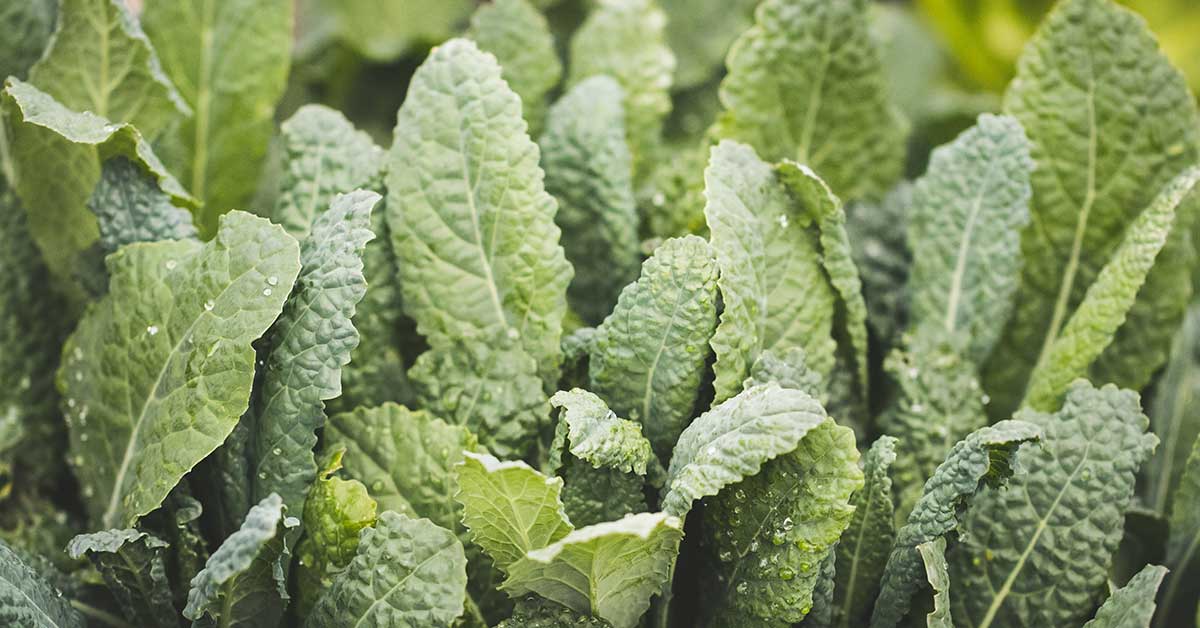
Kale
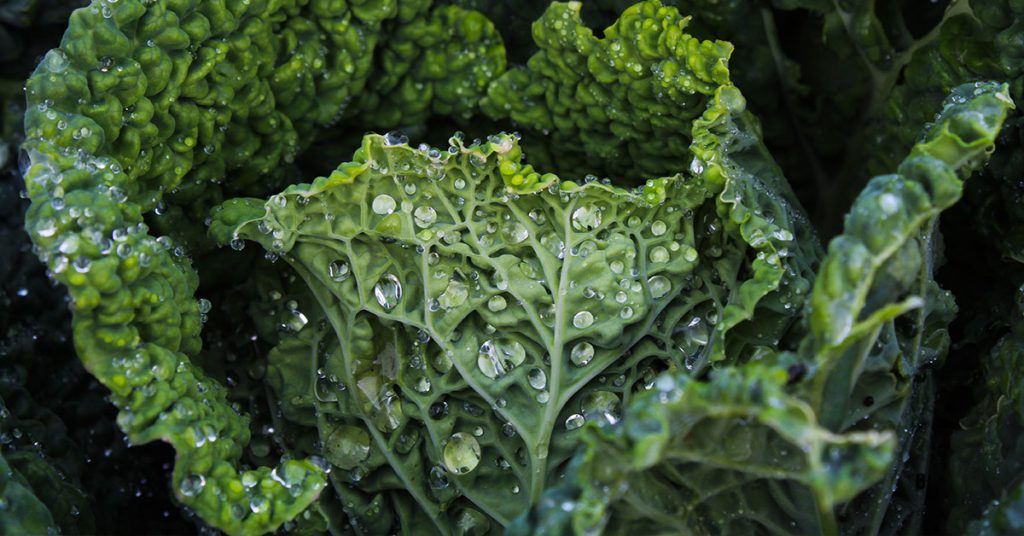
Kale isn’t just a superfood—it’s also a versatile, cut-and-come-again crop that thrives in small spaces and under full sun! Native to Europe and long celebrated for its nutritional value, kale can be harvested multiple times as the leaves regrow steadily after each cut. In my compact garden, I plant kale in raised beds where its hearty, deeply textured leaves attract beneficial insects that help control pests and even create microhabitats for tiny critters to “nest.” Its robust nature and non-invasive behavior make it a reliable companion in any vegetable patch.
Every harvest of kale feels like a mini victory, as I carefully snip off mature leaves while allowing younger ones to flourish for the next round. Its ability to regenerate under favorable conditions means you’ll enjoy a prolonged supply of nutrient-rich greens throughout the growing season. The dynamic interplay of kale with surrounding plants not only boosts the visual appeal of my garden but also contributes to a balanced ecosystem. For those tight on space yet big on flavor and nutrition, kale is a powerhouse crop that never disappoints!
Swiss Chard
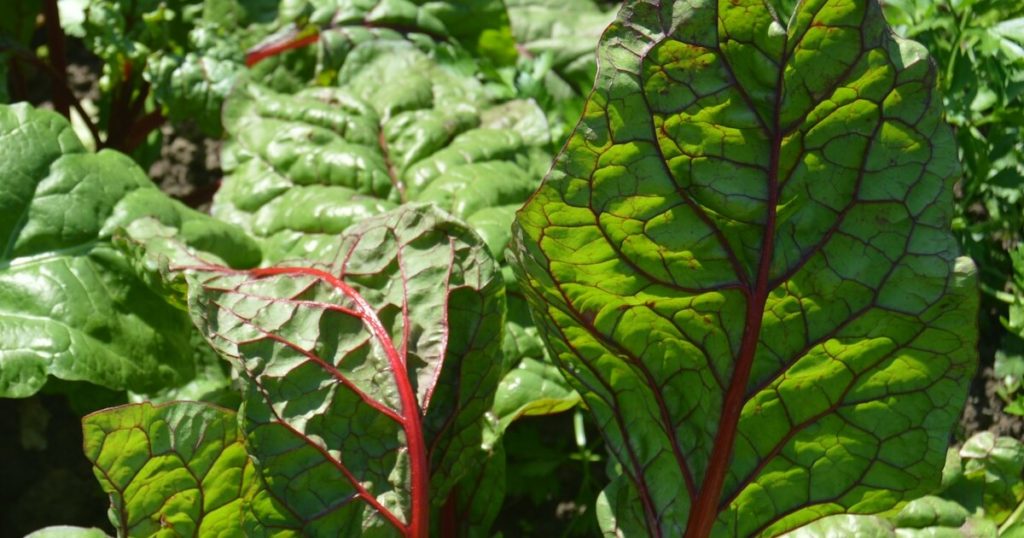
Swiss chard is a versatile and resilient leafy green that delivers repeated harvests with its vibrant, colorful stems and tender leaves! Native to the Mediterranean, Swiss chard has been cultivated for centuries for its culinary and ornamental appeal. In my garden, I appreciate how Swiss chard regrows rapidly after each cut, allowing me to enjoy a steady stream of nutritious greens. Its striking red, yellow, or white stems add a burst of color that attracts beneficial insects, and its non-invasive nature ensures it fits perfectly into even the smallest spaces.
I’m always thrilled to see how Swiss chard transforms my garden with its bold, sweeping foliage that seems to dance in the sunlight. Its ability to recover from each harvest means that I can keep snipping away without depleting the plant—a true testament to nature’s resilience! This reliable crop not only enhances the aesthetic of my vegetable garden but also contributes to a healthy ecosystem by inviting a variety of pollinators. For gardeners looking to maximize yield in compact areas, Swiss chard is a must-have addition that promises both beauty and bounty!
Parsley
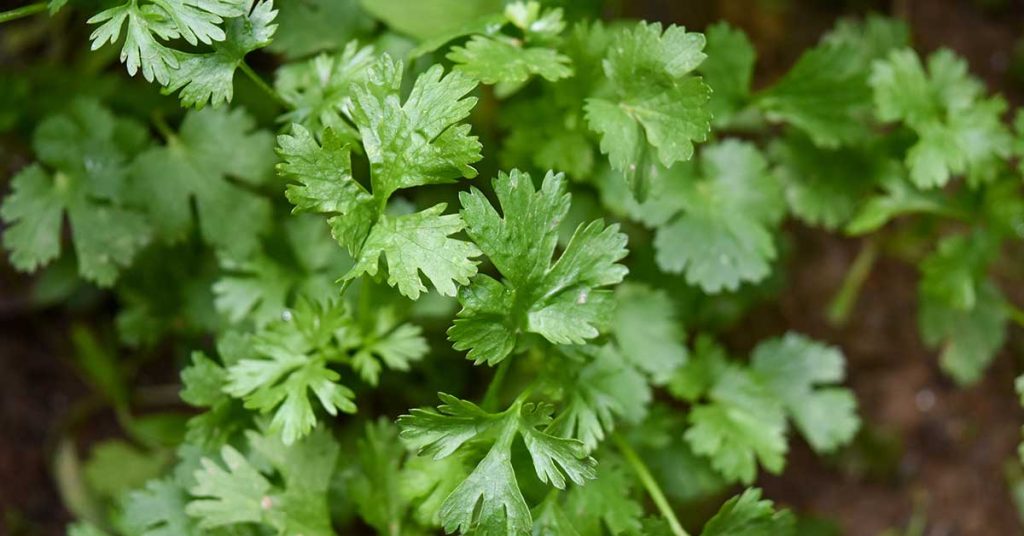
Parsley is a humble yet highly productive herb that makes a significant impact in small gardens with its continual, cut-and-come-again growth! Native to the Mediterranean, parsley has long been prized for its culinary versatility and robust, green leaves that provide a fresh burst of flavor to countless dishes. In my container garden, I trim parsley regularly to encourage regrowth, ensuring that its delicate, frilly leaves remain vibrant and abundant. Its non-invasive behavior makes it a perfect companion plant for vegetables, and its frequent harvests mean that you always have fresh parsley at your fingertips.
One of the things I find most appealing about parsley is how it attracts tiny pollinators and beneficial insects that “nest” among its clustered foliage. This not only supports natural pest control but also enriches the overall biodiversity of my garden. With its continual cycle of renewal, parsley transforms a small space into a dynamic, ever-changing display of green that’s both practical and pleasing to the eye. For anyone seeking a reliable, space-saving herb with an abundance of flavor, parsley is an indispensable addition to your cut-and-come-again collection!
Spinach
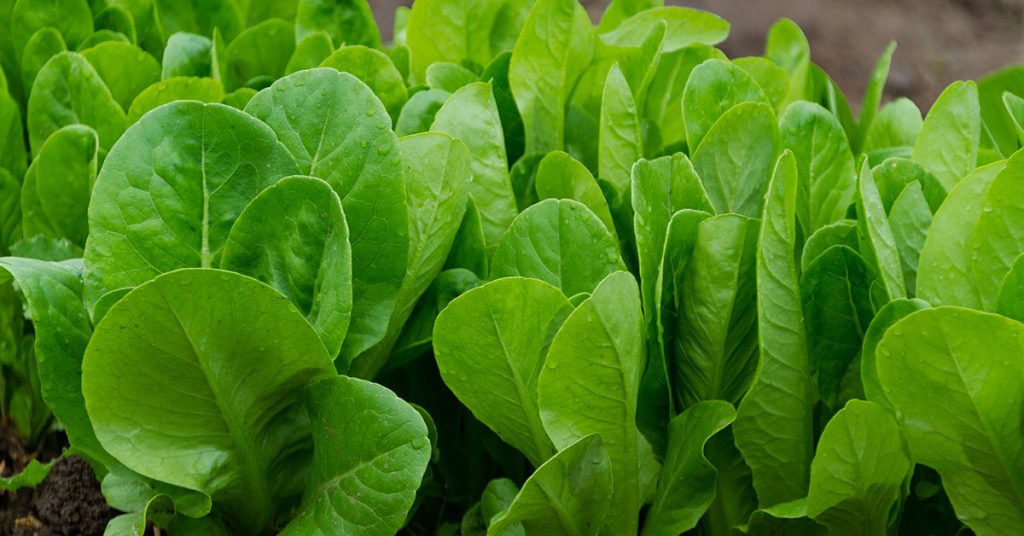
Spinach is a nutrient-rich leafy green that offers a continuous harvest in small spaces thanks to its cut-and-come-again nature! Native to central and southwestern Asia, spinach has been cultivated for millennia for its delicate flavor and impressive health benefits. In my garden, spinach thrives in well-drained containers where I can harvest its tender leaves repeatedly without damaging the plant. Its vibrant green foliage and soft texture attract beneficial insects that sometimes “nest” among the leaves, contributing to a natural, balanced ecosystem—all while remaining non-invasive and easy to manage.
I’m always excited by the rapid regrowth of spinach, which means I can enjoy fresh, homegrown greens throughout the cooler months of the growing season. With a bit of care and consistent harvesting, this versatile crop continuously rewards you with a bounty of nutritious leaves that can be used in salads, smoothies, and more. Spinach’s persistent vigor and its role in promoting a healthy garden environment make it a standout choice for gardeners with limited space. It’s a true testament to how smart planting and regular care can transform even the smallest garden into a thriving source of nourishment!
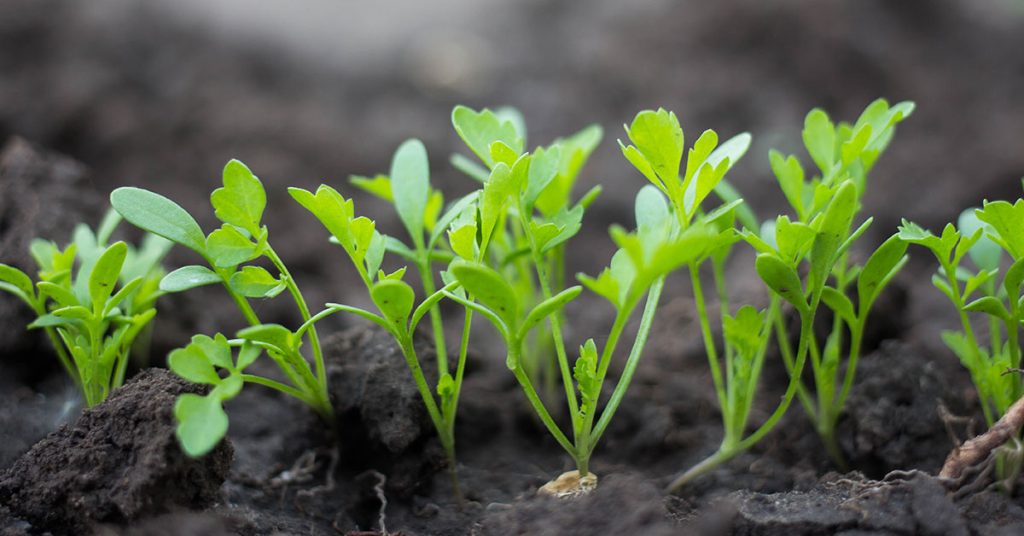
Cilantro
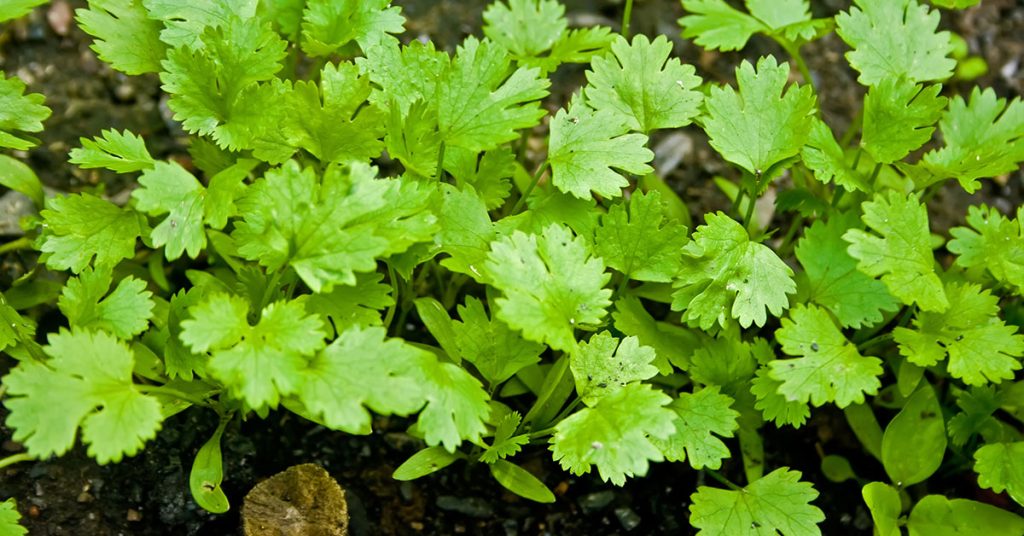
Cilantro, also known as coriander, is a fast-growing herb that lends a refreshing zest to your dishes and thrives as a cut-and-come-again crop in small spaces! Native to regions spanning from Southern Europe to Western Asia, cilantro is celebrated for its delicate leaves and bright, citrusy flavor. In my garden, I harvest cilantro leaves frequently to encourage continuous growth, ensuring that it never runs out of its aromatic bounty. Its compact, non-invasive growth makes it an excellent companion for vegetables, and its blossoms attract beneficial pollinators that often “nest” nearby, creating a dynamic, interconnected ecosystem.
I find cilantro particularly rewarding because its rapid regrowth means you get a steady supply of fresh leaves throughout the season. This herb not only enhances your culinary creations but also contributes to natural pest control by drawing in helpful insects. With its light, refreshing aroma and vibrant flavor, cilantro is a perfect example of how small-space gardening can yield an abundance of natural delights. For those who appreciate a touch of zest in both the garden and the kitchen, cilantro is a must-have cut-and-come-again crop!
Mustard Greens
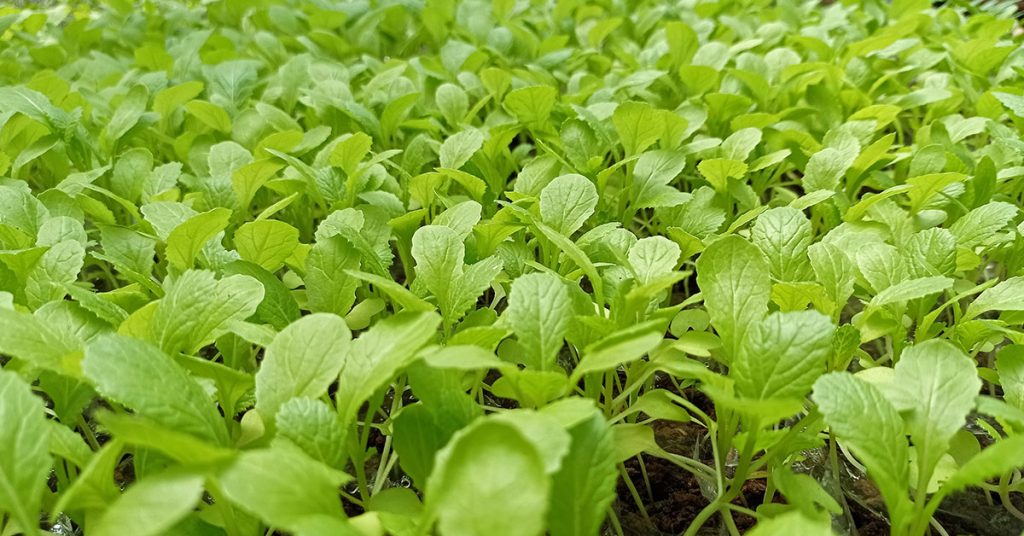
Mustard greens are a spicy, nutrient-dense vegetable that thrive in small spaces through their impressive cut-and-come-again ability! Native to regions of Asia and the Mediterranean, mustard greens have been a staple in gardens for their fast regrowth and bold flavor. In my garden, I harvest the outer leaves while allowing the inner ones to continue developing, ensuring a steady supply of peppery greens throughout the season. Their bright, vibrant appearance also attracts beneficial insects, and their non-invasive growth means they can be easily interplanted with other heat-loving vegetables.
I love the invigorating kick that mustard greens add to salads and stir-fries, and their continual regrowth means there’s always a fresh batch available for harvest. Their robust flavor and rapid regrowth are a true testament to the resilience of cut-and-come-again crops, making them ideal for gardeners with limited space. Mustard greens not only boost the nutritional profile of your meals but also enhance the garden’s overall diversity and ecological balance. They’re a spicy, sustainable solution for small-space gardening that never fails to impress!
Green Onions
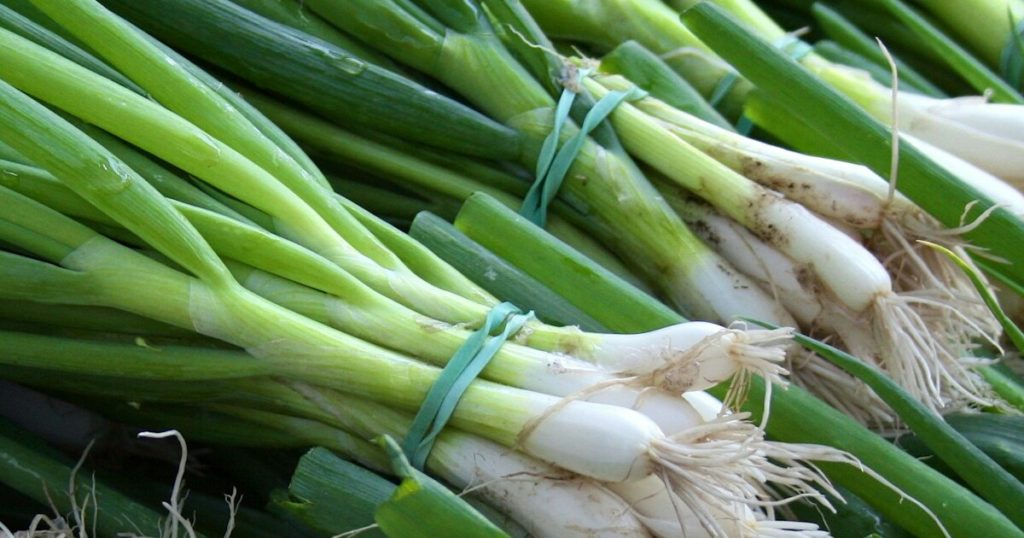
Green onions, or scallions, are a versatile and space-saving crop that provide continual harvests throughout the growing season! Native to central Asia, these slender, crisp greens are prized for their mild flavor and rapid regrowth. In my compact garden, I carefully snip the green tops while leaving the white bulbs intact, allowing the plants to regenerate quickly. Their subtle, yet distinct, taste enhances a variety of dishes, and their non-invasive nature makes them an excellent addition to any vegetable ensemble—even in the tightest spaces.
I’m always delighted by the way green onions transform even the smallest garden patch into a productive, edible landscape. Their quick regrowth means that you can enjoy a steady supply of fresh, crunchy greens without taking up much room. Moreover, their delicate structure attracts tiny beneficial insects that help maintain a balanced ecosystem, contributing to natural pest control. For gardeners looking to maximize yield in small spaces, green onions are an essential, cut-and-come-again crop that delivers both flavor and continuous harvests!
Sorrel
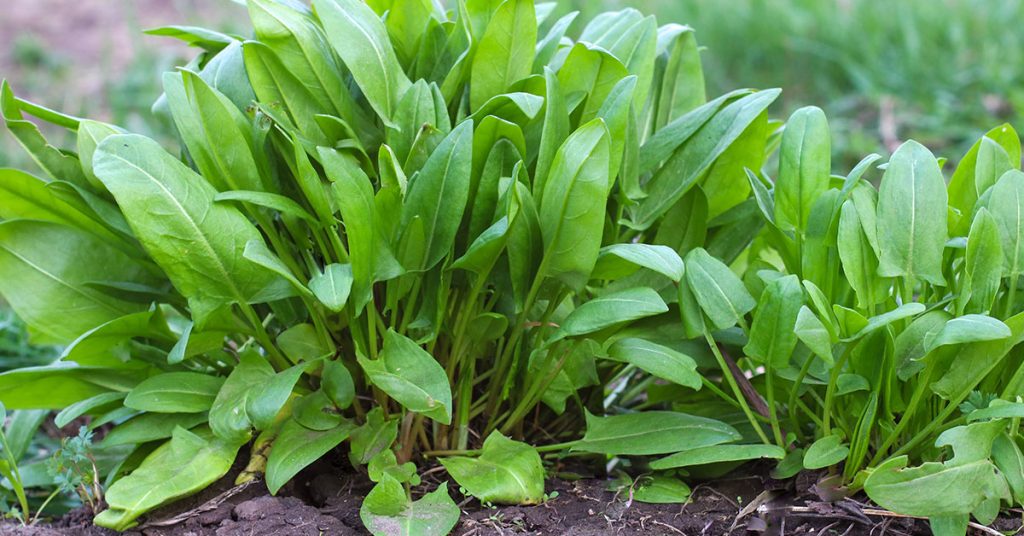
Sorrel is a tangy, perennial leafy green that thrives under full sun and heat, making it an excellent cut-and-come-again option for small spaces! Native to Europe and Asia, sorrel is celebrated for its lemony flavor and distinctive, arrow-shaped leaves. In my garden, I harvest sorrel leaves regularly, enjoying its consistent regrowth that allows me to savor its vibrant taste time and again. Its non-invasive nature ensures that it plays well with other plants, while its acidic tang attracts beneficial insects that often “nest” among its lush, green foliage.
The refreshing zing of sorrel in salads and sauces is a constant reminder of nature’s capacity to pack flavor into even the simplest of plants. Its robust regrowth cycle means that every cut leaves behind a promising, fresh crop ready for the next harvest. Sorrel not only adds a delightful culinary twist but also enhances the ecological balance of your small-space garden by inviting a variety of pollinators. For gardeners seeking a unique, cut-and-come-again green with a burst of citrusy zest, sorrel is a fantastic choice that never fails to impress!